I’ve had many requests for the process of hydrating salt cod (bacalhau). It’s relatively easy to do so I’ve posted some information here for those of you that are novices at cooking with the cod.
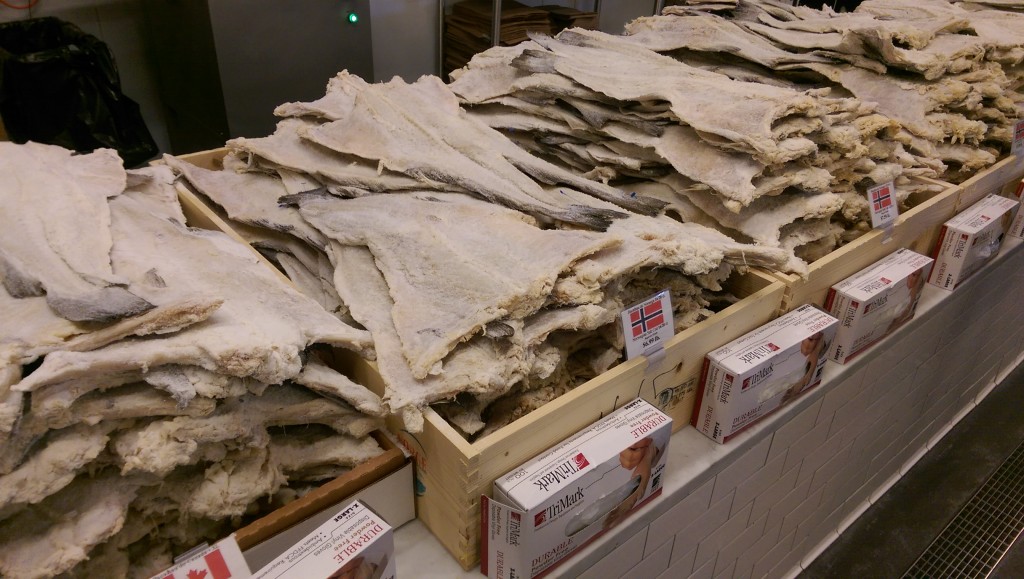
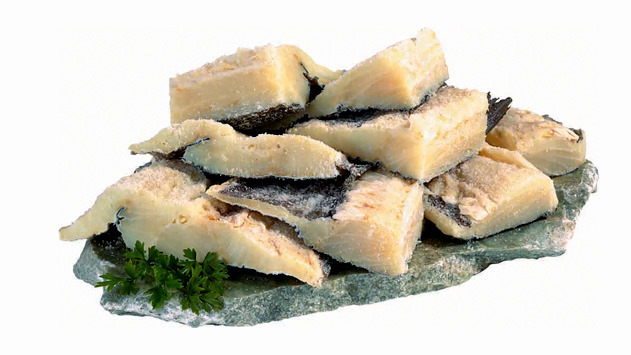
This photo above, was taken at Portugalia Marketplace in Fall River. They have an amazing refrigerated room solely for selling the salt cod. It is said that the best salt cod is from Portugal because they use the best cod fished in the oceans of Newfoundland, and then salt cured using Portuguese techniques.
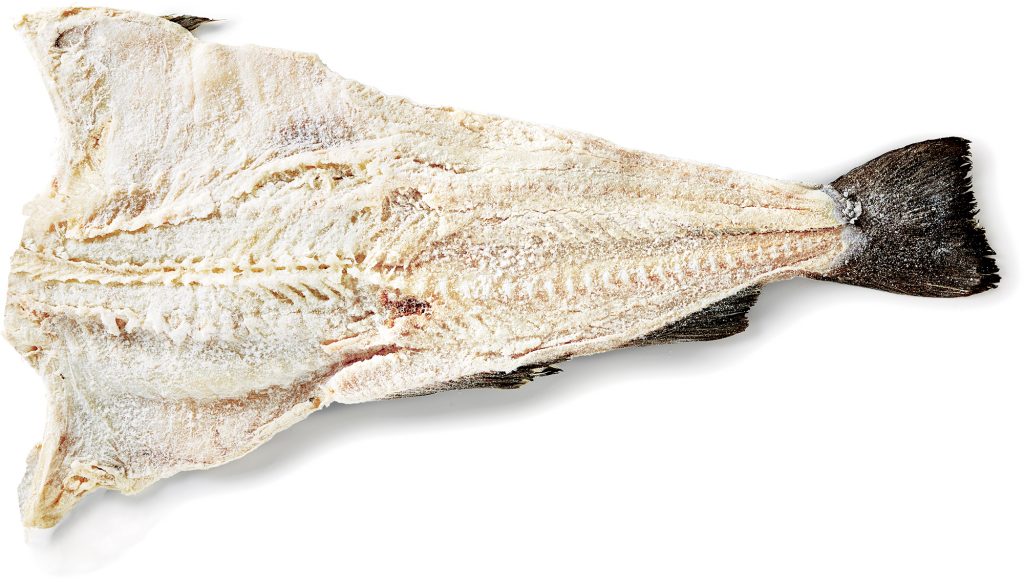
You can find the cod at most Portuguese markets. Some Italian markets or even some Hispanic markets will sometimes carry salt cod as well, but they generally only use the boneless cod. If you’re lucky enough to live where you can find Portuguese salt cod, I suggest you buy the whole fish, since it’s cheaper by the pound.
You’ll find many other recipes here on this blog by using the search bar under: Bacalhau, or Salt Cod
This video is very informative for those of you that want to know all about the process.
Process for hydrating salt cod: **Have the market cut it into 8 oz serving portions. Many markets also sell the cod in portioned or boneless packages.
Day 1: Cut salted cod into 8 to 10-ounce portions or have the market cut it for you. Rinse in very cold water to remove the excess salt. Place into a large pan or bowl which is big enough to completely submerge cod. Place in refrigerator, or in a large tub filled with ice to keep the water cold.
Day 2: Drain water, rinse and add very cold water to submerge cod. Place back in refrigerator. Later in the day drain, rinse and add cold water again. Place back in the refrigerator.
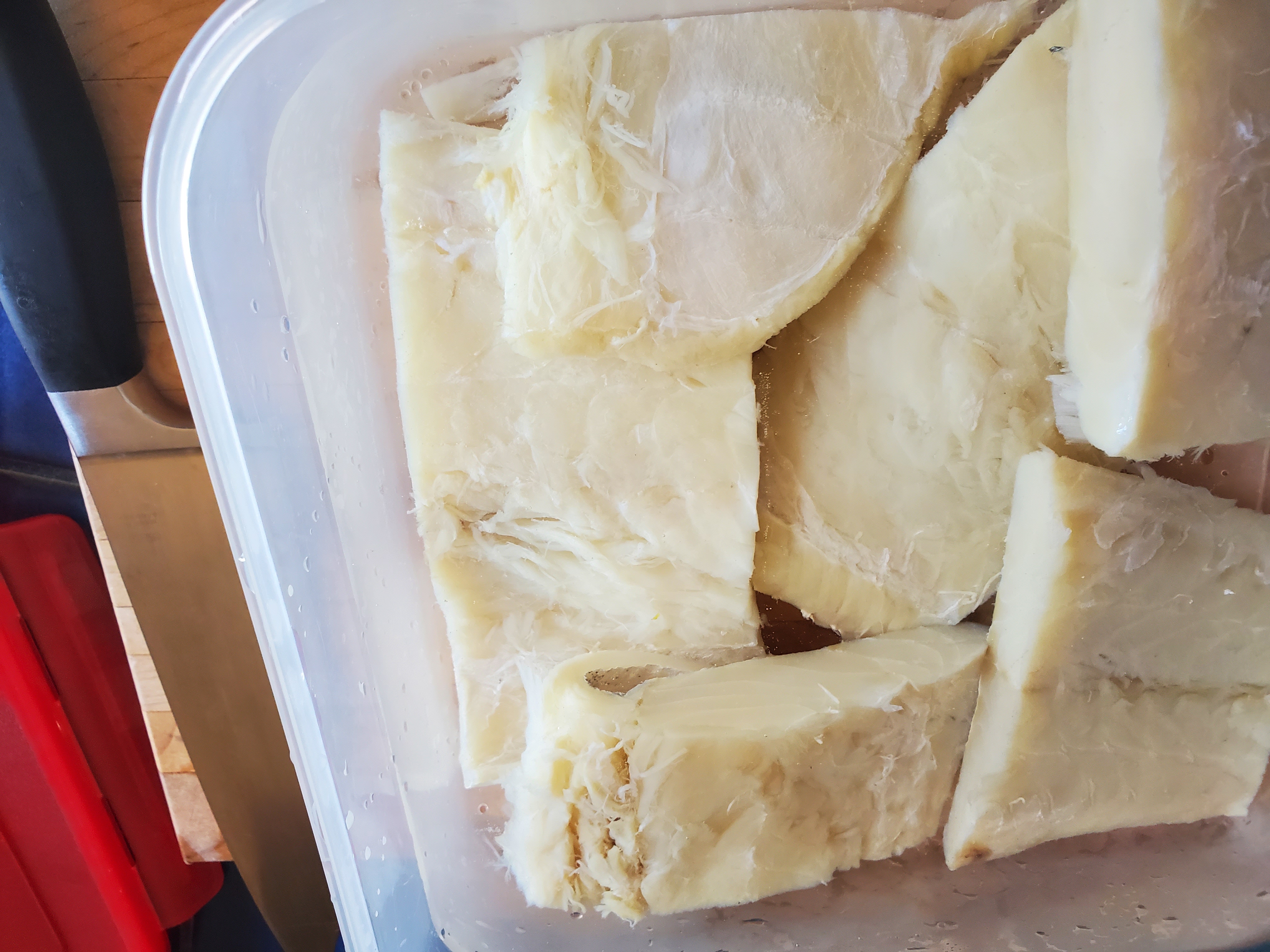
Day 3: Drain and rinse cod in very cold water. Cut a small piece from the thickest portion of cod and taste for saltiness. It should have some fishy and salty taste. If the saltiness is to your taste you can proceed to next step. Remove from water, pat dry on paper towels. Store in refrigerator up to 3 days in covered container.
Note: Some people will soak the cod in milk on the last day to remove some of the fishy taste, but this is optional. I like my cod to taste like cod, so I just use water for this process. As you do this more often you’ll find you’re an expert at it and you’ll know the exact timing for the process.
Storing: If you find the cod is to your taste on the third day, go ahead and rinse, pat the cod dry with a towel. Wrap individual pieces with parchment paper, foil, or plastic and freeze in freezer bags and label the date. When you need to cook it, simply remove as many portions as you need and place in the refrigerator overnight to thaw. You can also place in a bowl of cold water for a few hours to thaw.
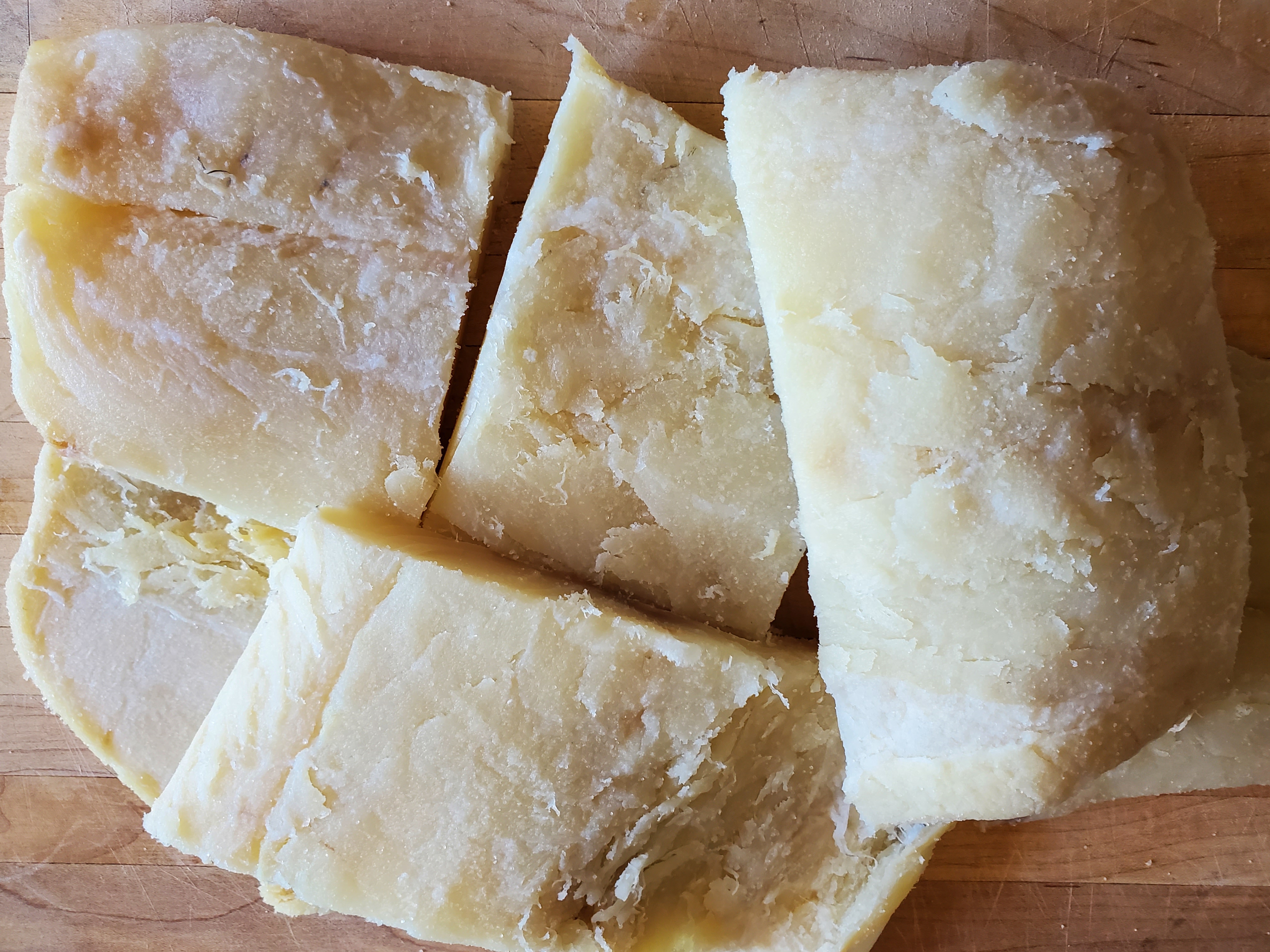
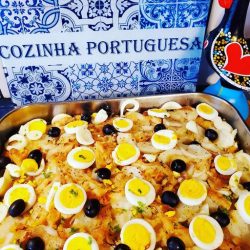
Note: Boneless cod like this photo below will take less time to soak.
The series runs from March 3 through 30 and will officially kick-off when works of art from Ponta Delgada’s Fonseca Macedo – Arte Contemporanea are installed in the hotel lobby. The series will culminate into a four-course wine dinner March 28 featuring Portuguese entertainment.
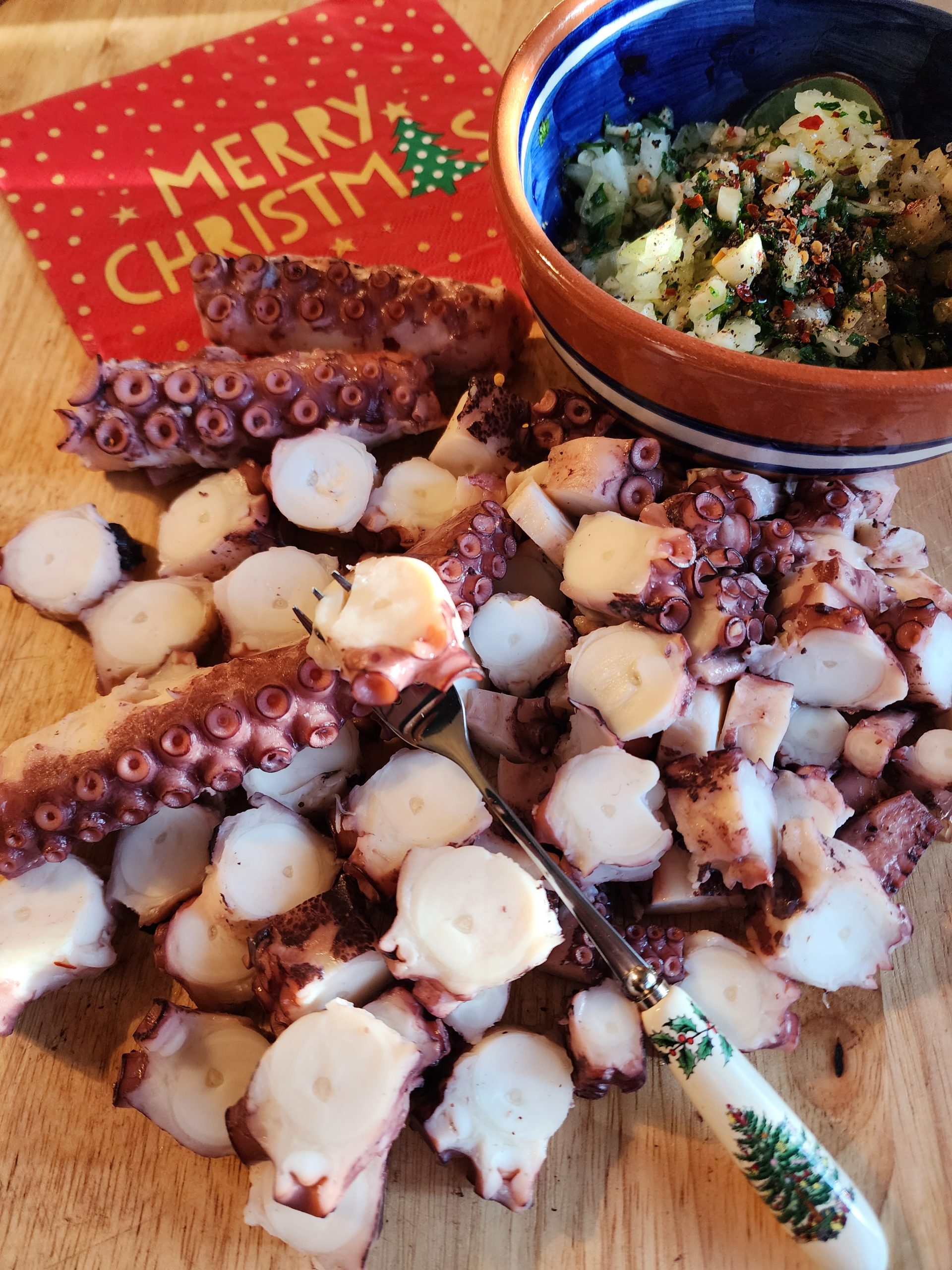
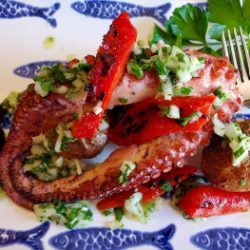
Many of you may of never eaten Octopus, but believe me it’s delicious! I find the taste similar to lobster but the meat is a bit chewier. This recipe is very easy to prepare and deliciously different than anything you’ve ever tasted!
Don’t let it’s appearance scare you away! Enjoy!
Ingredients:
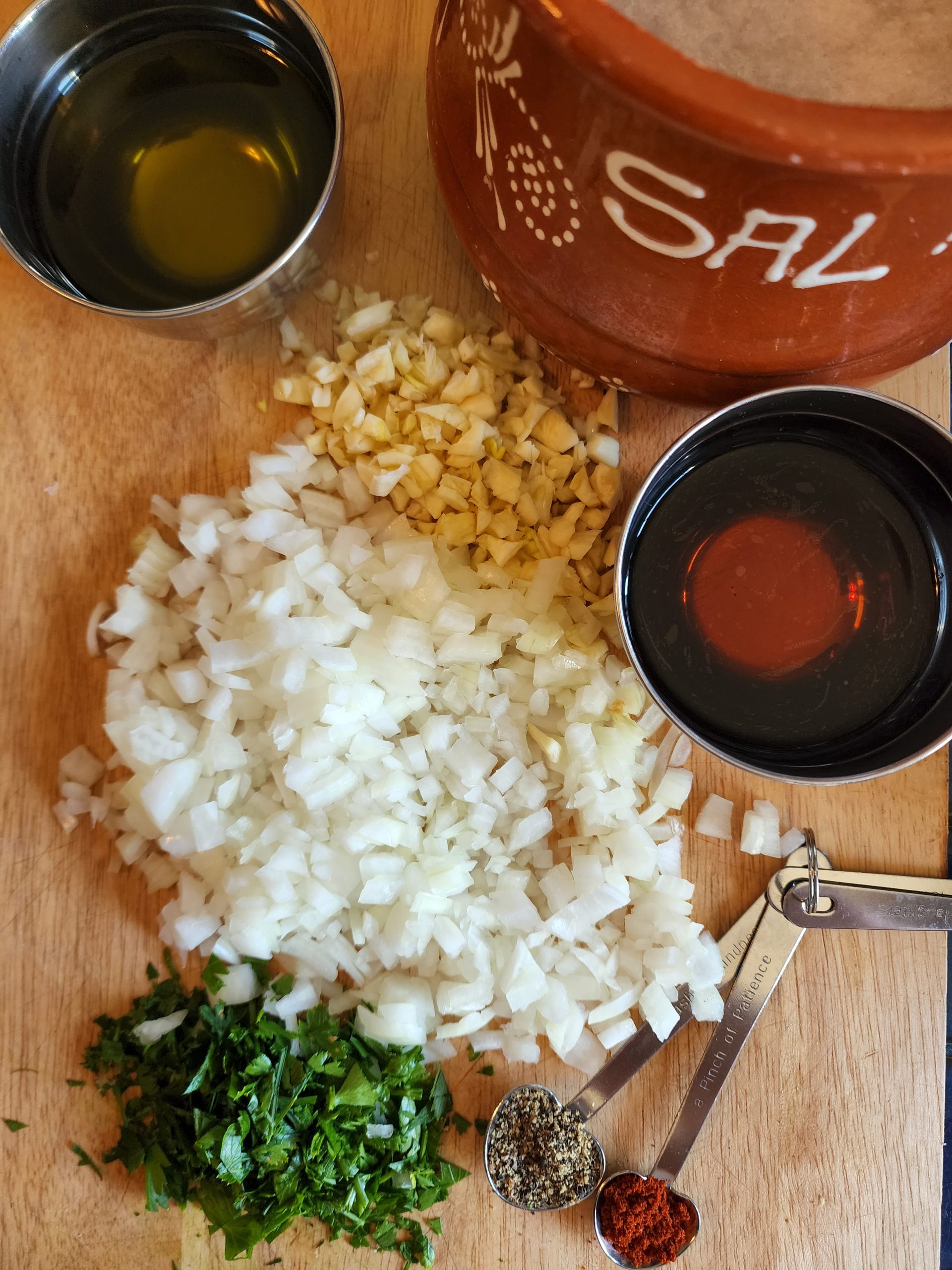
3 cups chopped cooked octopus
1 tsp salt
1 tsp pepper
1/2 small chopped onion
2 cloves very finely chopped garlic
2 tbsp chopped fresh parsley
1/4 cup Olive Oil
1/4 cup White Wine Vinegar
Instructions:
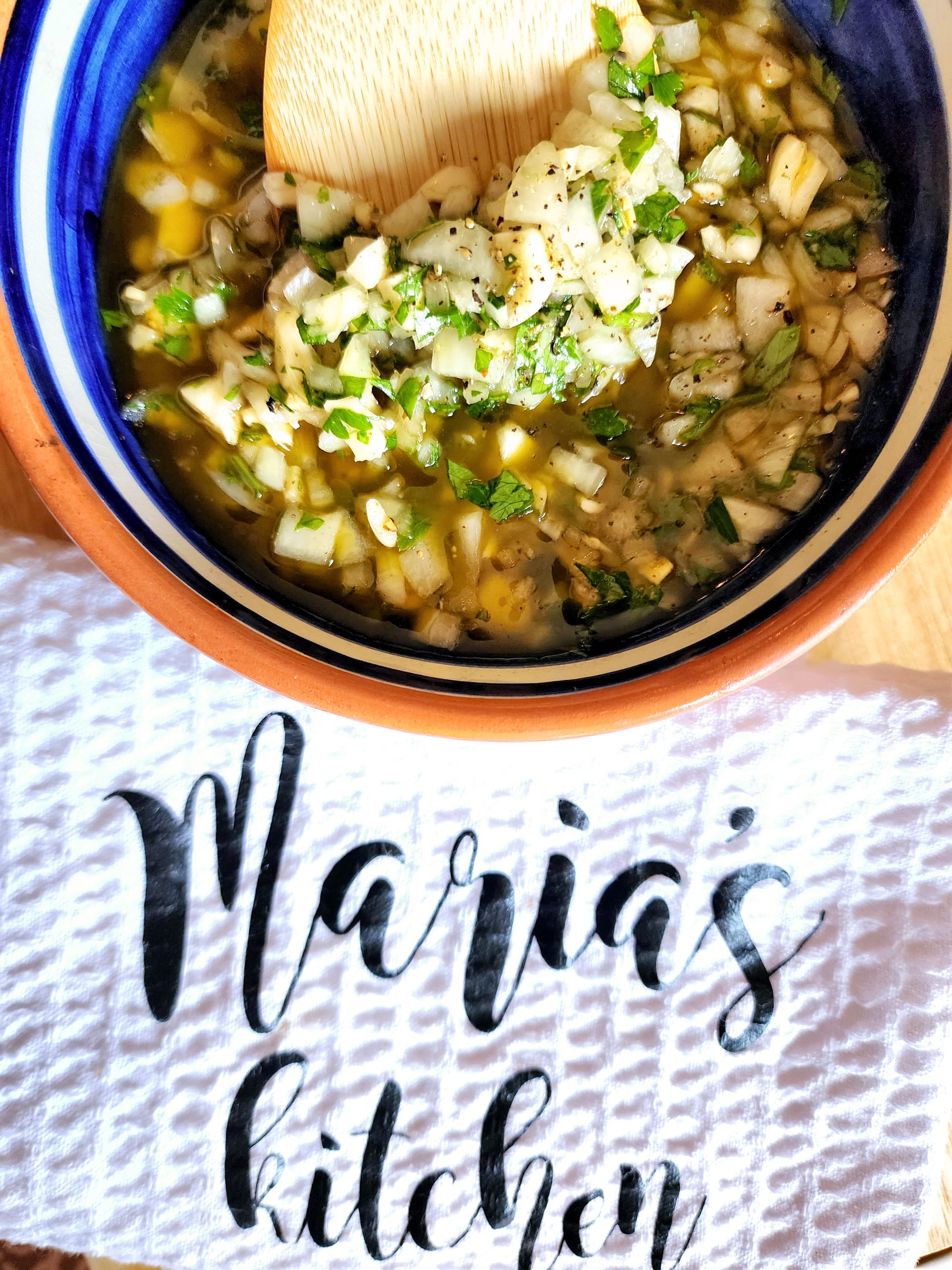
Place all ingredients in a bowl. Mix together. Let sit for at least 15 minutes to marinate. Serve or store in refrigerator until the next day. (Best if eaten within 24 hours)
Cavacas – “Portuguese Popover Dessert”. The taste and texture is similar to a profiterole with a creamy, sugary glaze over the top.
This classic dessert most likely originating in Caldas da Rainha is a favorite in the Portuguese community for celebrations and Holidays. It’s easy to make and it requires few ingredients. Traditionally a glass of Port wine is served along the this delicate dessert.
Ingredients:
Makes 12 large cavacas
8 extra large eggs (room temp)
½ cup plus 2 tablespoons olive oil
2 cups sifted all-purpose flour
¼ cup milk
pinch salt
olive oil (for greasing tins)
Icing:
2 cups confectioner’s sugar
3 to 4 tablespoons milk
zest of 1 lemon
Preparation:
Here’s our YouTube Video page for you to follow along with the instructions:
Sift together the salt and flour and set aside. In a large mixing bowl beat the eggs and olive oil for about 5 minutes.
Add the flour mixture and beat for at least 10 minutes until the batter has reached a light creamy consistency. Add milk half during the last 5 minutes.
Grease large muffin tin or popover tins with 1 teaspoon olive oil to each section on bottom and up the sides. Fill each section 1/2 full with batter.
Cook at 350 degrees F. for 40 to 50 minutes. Note: *Do not open the oven or they will collapse! 🙁 Also note the ovens cook at different temperatures so keep an eye on them. If you notice they start to brown too dark remove from the oven.
Let cavacas cook slightly.
Meanwhile, In a small bowl make the icing by combining the confectionery sugar, and the lemon zest with milk until It reaches a smooth consistency. Taste and add more lemon zest if you prefer a lemony icing.
*If you find the icing too thick add milk, it it’s to soft add more sugar. Drizzle the icing over the Cavacas.
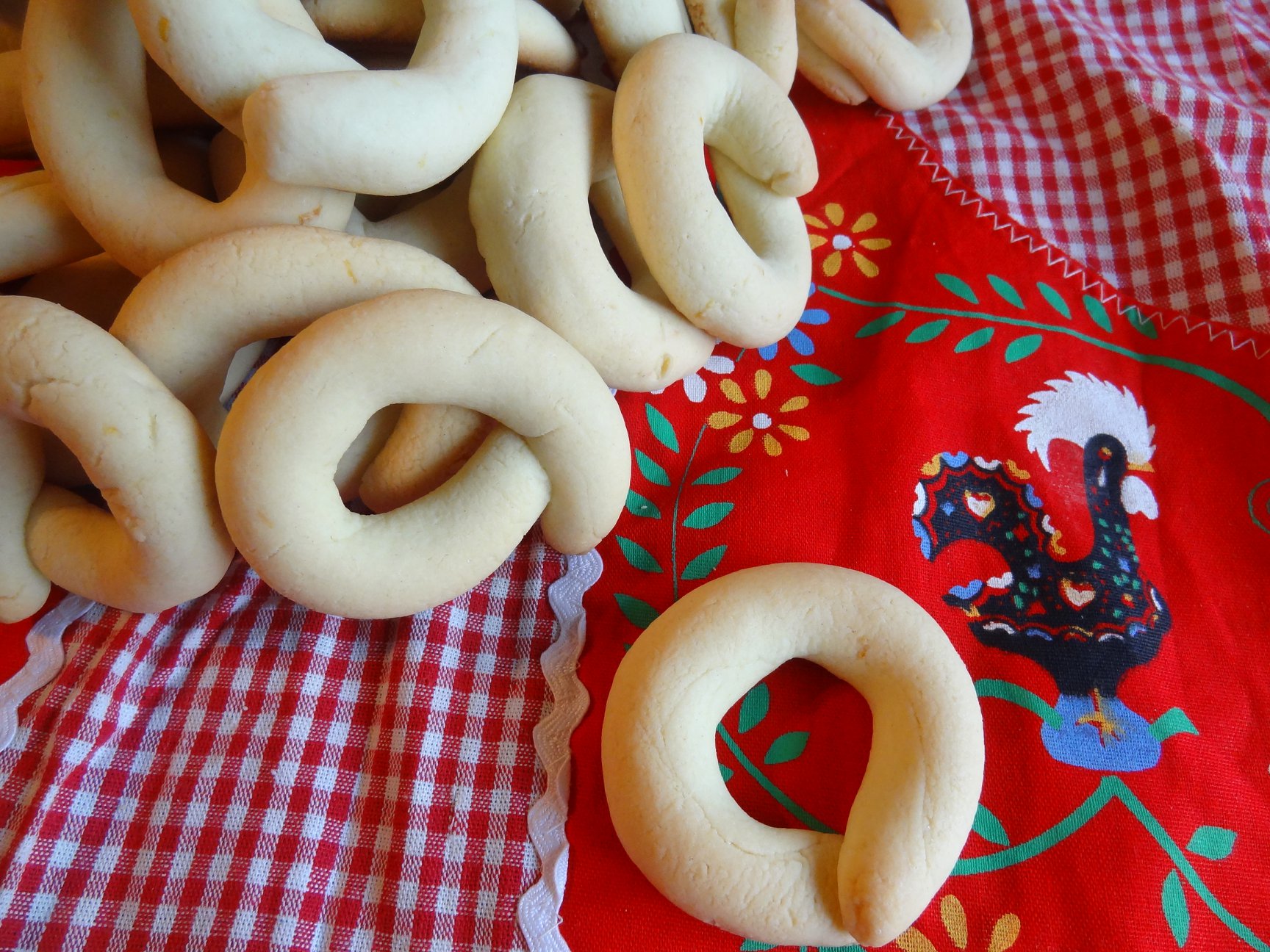
Portuguese Biscuit Cookies are perfect for your afternoon tea but they are great any time of the day!
This recipe is is simply easy, and perfect, for you to make with your kids because they can get their little hands into the dough and make all kinds of circle shapes, numbers, hearts and letters! *See my photos below, I guess the dough brought out the child in me!
Store in a Cookie jar and enjoy!
Here’s a video from our Youtube Channel:
Ingredients:
3 cups of flour + more if needed
1 cup of sugar
3 eggs (room temp)
6 tbsp of Margarine or Butter
2 tsp of baking powder
1 tsp grated lemon peel or Anis Liquor (optional)
Instructions:
Preheat the oven to 350 degrees. Soften the butter and mix with the sugar in a medium bowl until light and fluffy.
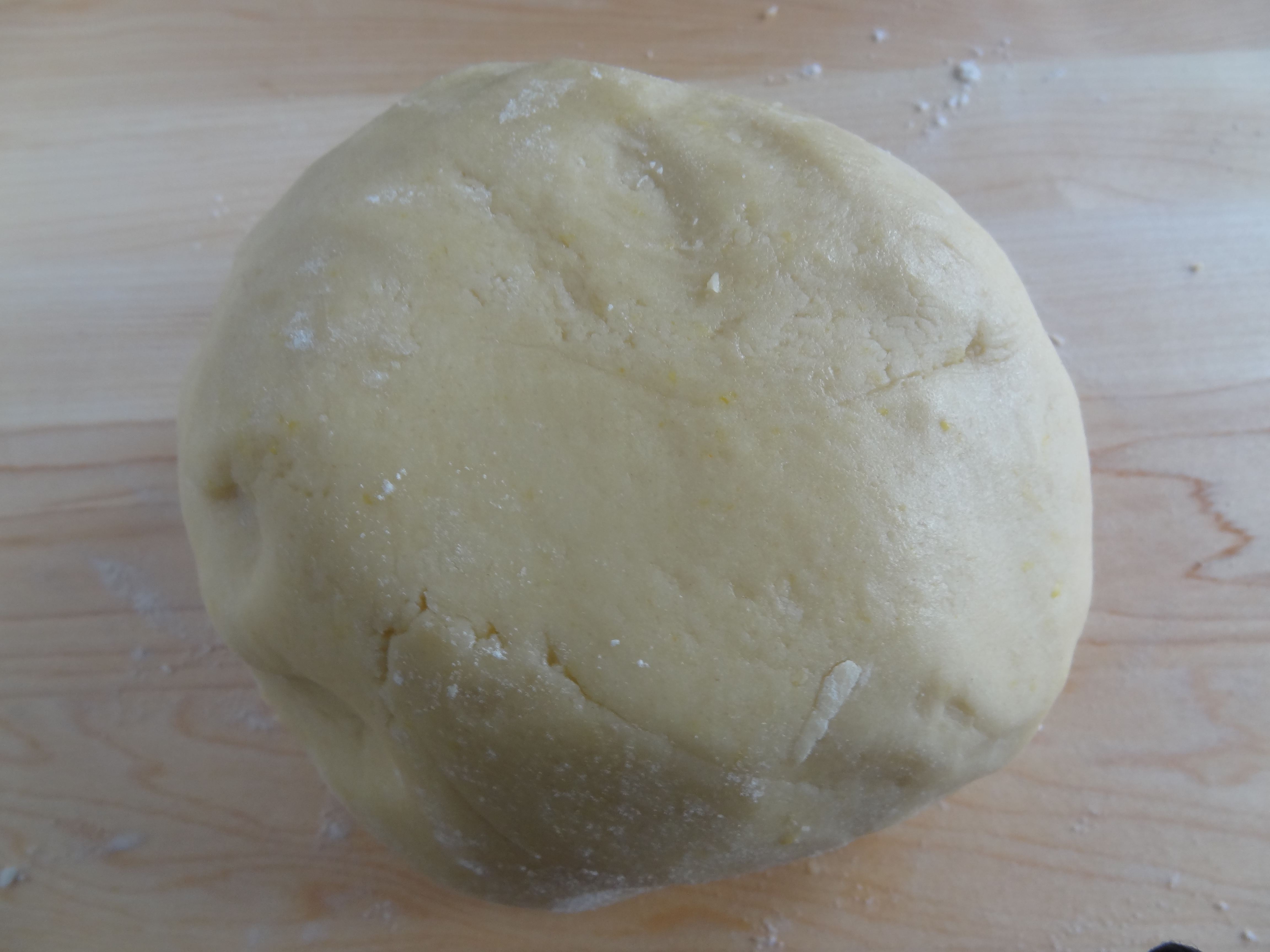
Add the eggs and lemon and beat for about 1 minute. Add the flour and baking powder to the sugar and mix with a dough hook for about 3 minutes until the batter forms into a ball. *You may need to a little flour if you find the dough too soft depending on your butter or the size of your eggs.
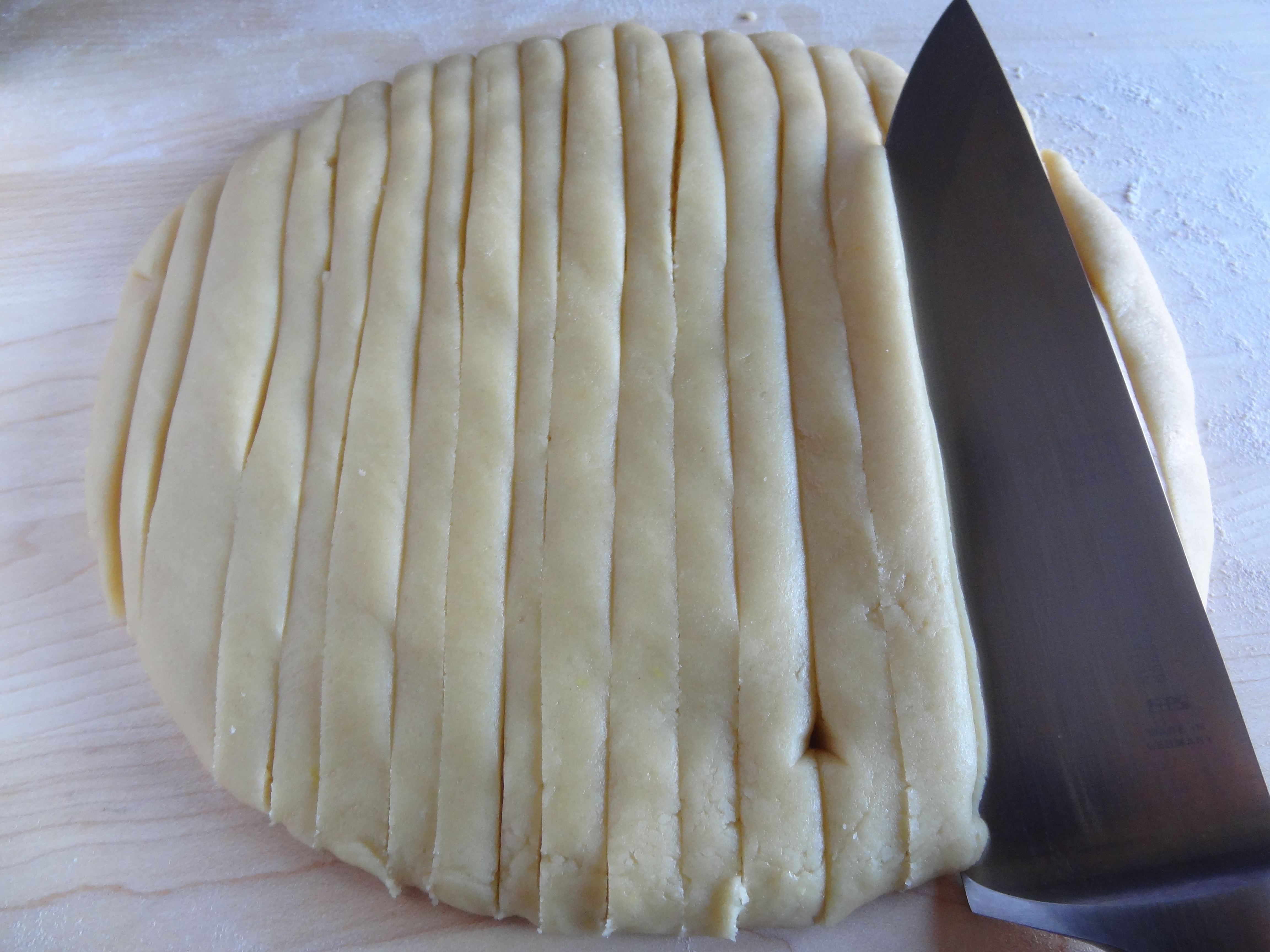
Place the smooth dough onto a lightly floured cutting board and shape into a flat disc with 1/2 inch in height.
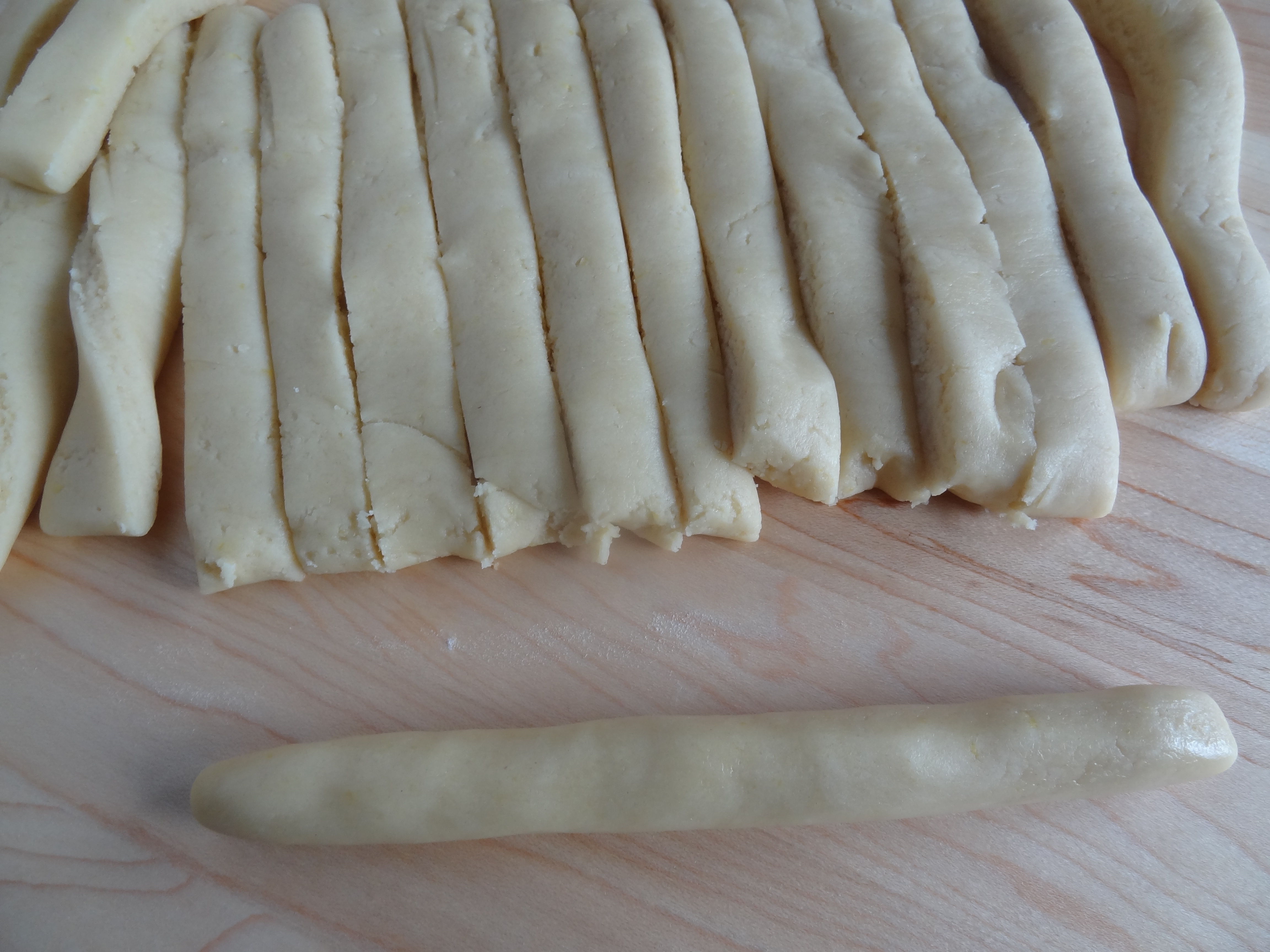
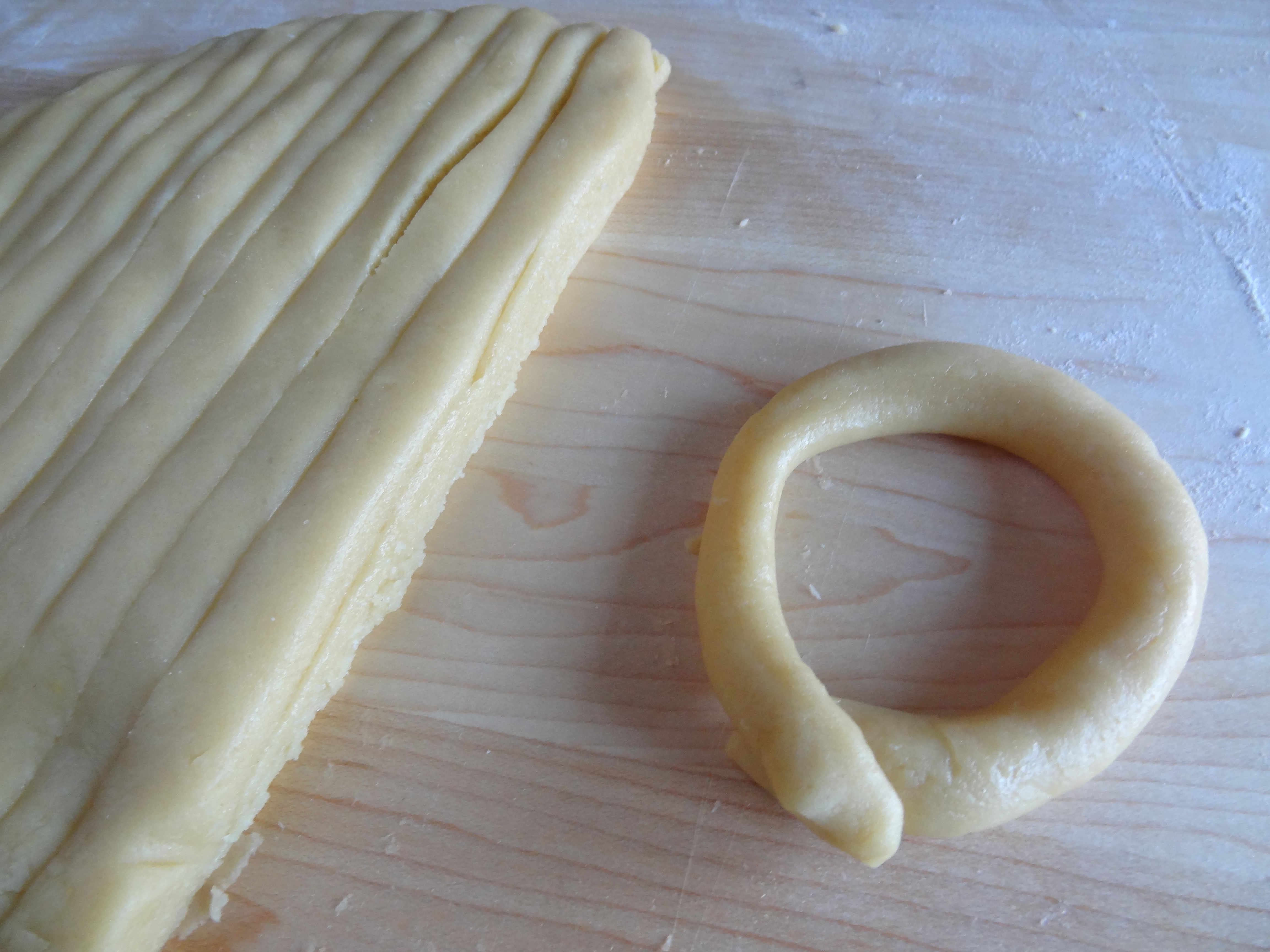
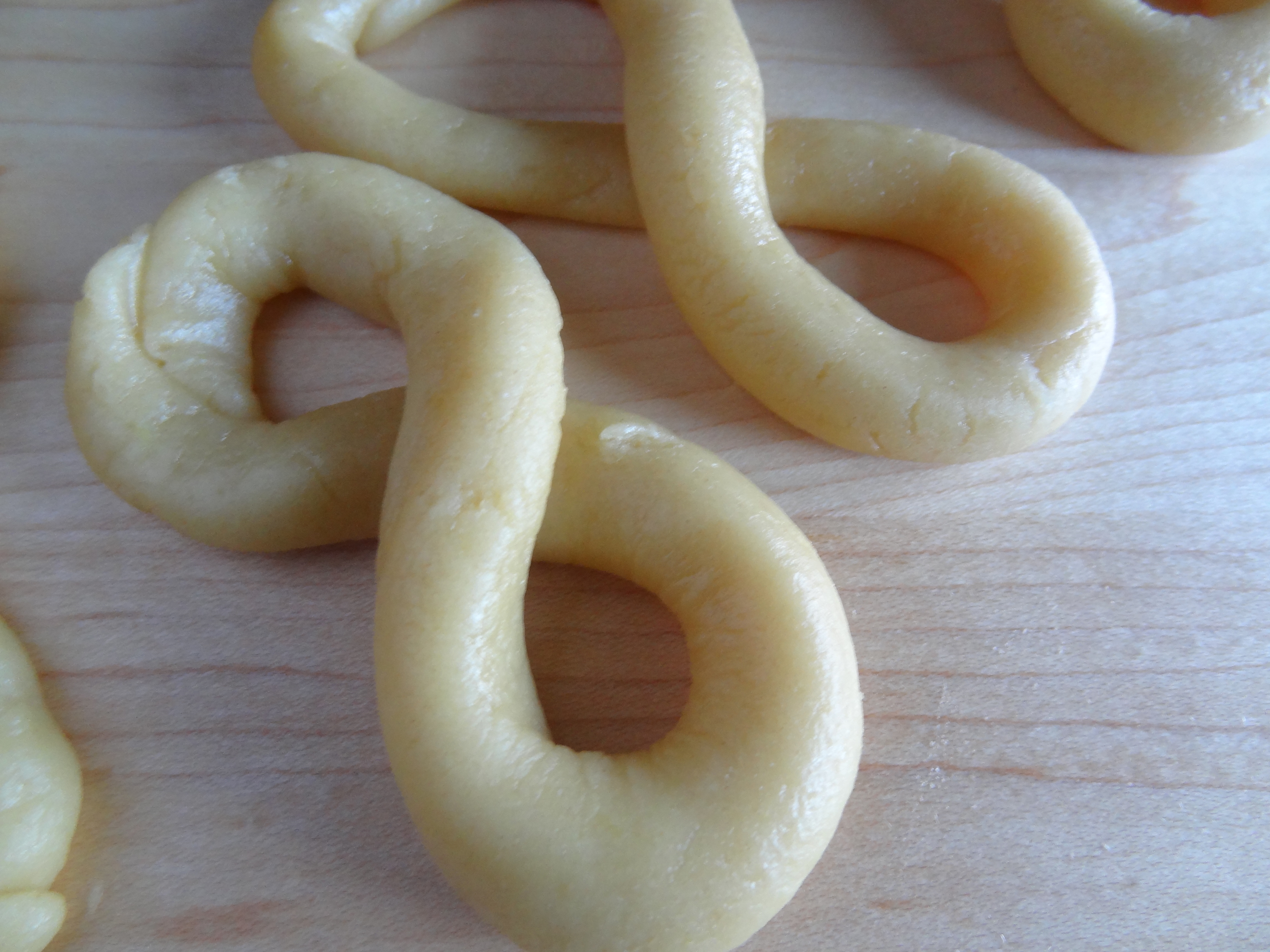
Cut the dough evenly into 1/2″ by 5″ strips. Roll each strip into a round snake like form or infinity shape.
You can form the dough into letters, shapes etc.. The dough molds perfectly together by rolling if you have any small pieces.
Slightly grease a cookie sheet and place the biscuits evenly on the pan.
Cook for about 15-18 minutes or until slightly golden brown.
*Lift one and look under neath to find a golden crust bottom.
Let them cool slightly and store. *They freeze well so make a double batch!
As you see below, I had a lot of fun making these! 🙂
The Portuguese in California Documentary is a premier showcase of the Portuguese Diaspora experience in the rich history of the development of California offers the viewer a comprehensive historical overview of this unique and vibrant ethnic population. Each episode presents a complete subject area as a standalone program. The series captures the full essence of the Portuguese contribution to the California of today. (http://www.portugueseincalifornia.com/)
Order your copy at this link so you learn about and share the history of the Portuguese community in California.
In the early 15th century the first European set foot in California. He was Portuguese. Three centuries later, in the early 1800’s, immigrants from the Azores Islands faced the oceans for months looking for a better life in this new world. These are their stories.
EP2. The Early Days Part 1
In the early 1900’s Whaling, Gold Mining and Homesteading brought the Portuguese to California. Driven by their sense of community, fierce work ethic and strong family values these were the immigrants that formed the first Portuguese Organizations in America.
Ep3.The Early Days Part 2
Volcanoes, Earthquakes, and the appeal of a better life spawned the largest wave of Portuguese to California. Travel with us through the 1960’s, 70’s and 80’s and experience the “Glory days” of this unique ethnic group.
Ep4. The South
Actors, artists and musicians. Whalers, fisherman and entrepreneurs.
From Hollywood hills to San Diego beaches. Discover their impressive history, success and the importance of the Portuguese culture in their lives.
Ep 5. The San Francisco Bay Area
The Silicon Valley is home to world leading technology and innovation. It’s also home to one of the largest concentration of Portuguese and Luso Descendants. Learn how the Portuguese community influenced culture, society and technology.
Ep 6. The San Joaquin Valley
The Portuguese are pioneers in California’s Agro business. Meet the leaders in the industry and their success stories. From sweet potatoes, and dairy’s to bullfighting. Portuguese have been the backbone of California’s small agricultural communities for over a century.
Ep 7. The North
From the Capital of California to the Napa Valley, the Portuguese have always had a strong presence in the Golden State. This episode presents California’s most relevant Portuguese winemakers and powerful political and civic leaders.
Ep 8. Culture/The Future
Tradition, culture, food, education and the arts are an integral part of the Portuguese spirit. In this final episode we reflect on the past witness the present and look into the future Portuguese diaspora of nearly one million.
When I first saw the movie “My Big Fat Greek Wedding” with my friends many years ago, they laughed hysterically at the quirky customs, the outrages family members and the huge bridal party.
Although I did love the movie, I found nothing strange about it since I had lived through many of the same big crazy weddings many times.
In fact, I’ve probably been to over 100, “Big Fat Portuguese Weddings.” Some I attended as a guest, while others, as a waitress during my teenage years.
There is a large close knit Portuguese community in my hometown. It seems that there is literally a Portuguese wedding every week during the summer months where everyone is invited!
Lists of the 300-500 guest’s addresses are handed down from generations to the next who follow the same traditions, customs and even serve the same menus.
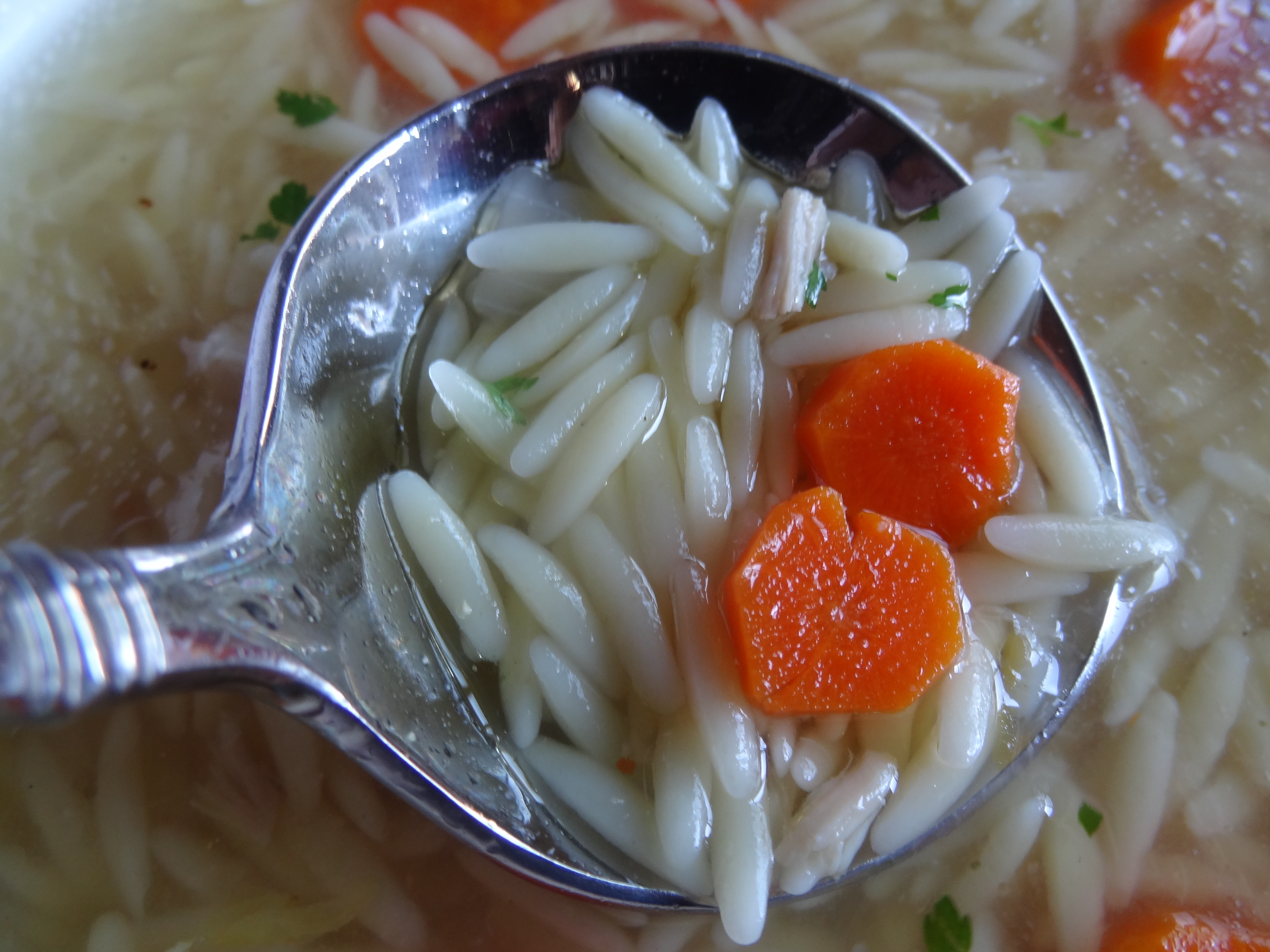
A recent email request for the chicken soup that is served at Portuguese weddings brought back the memories from weddings attended long ago and the soup that is still on the menu.
An abundance of food is very important for any Portuguese wedding. Generally, the menus consist of a wide range appetizers such as Bolinhos de Bacalhau (Cod Fritters), Rissois de Camarao (Shrimp Turnovers), Folar (Meat stuffed bread) Roast Suckling Pig, Shrimp Cocktail, Cheese, Fruit, Presunto and other cold cuts, a soup course; Caldo Verde (Green Soup) or Chicken Noodle Soup, a fish course which varies from; Seafood Paella, Fish Fillets with Shrimp Rice or Bacalhau a Gomes de Sa (Salt Cod Casserole), and a meat dish with either; Roast Pork Loin, Roast Beef, or Steak.
Later in the evening a buffet is served similar to an “Italian Venetian” hour with many of these same items along with other traditional classics such as Feijoada (Bean stew), Dobrada (Tripe), and many other classic desserts and pastries to many to mention.
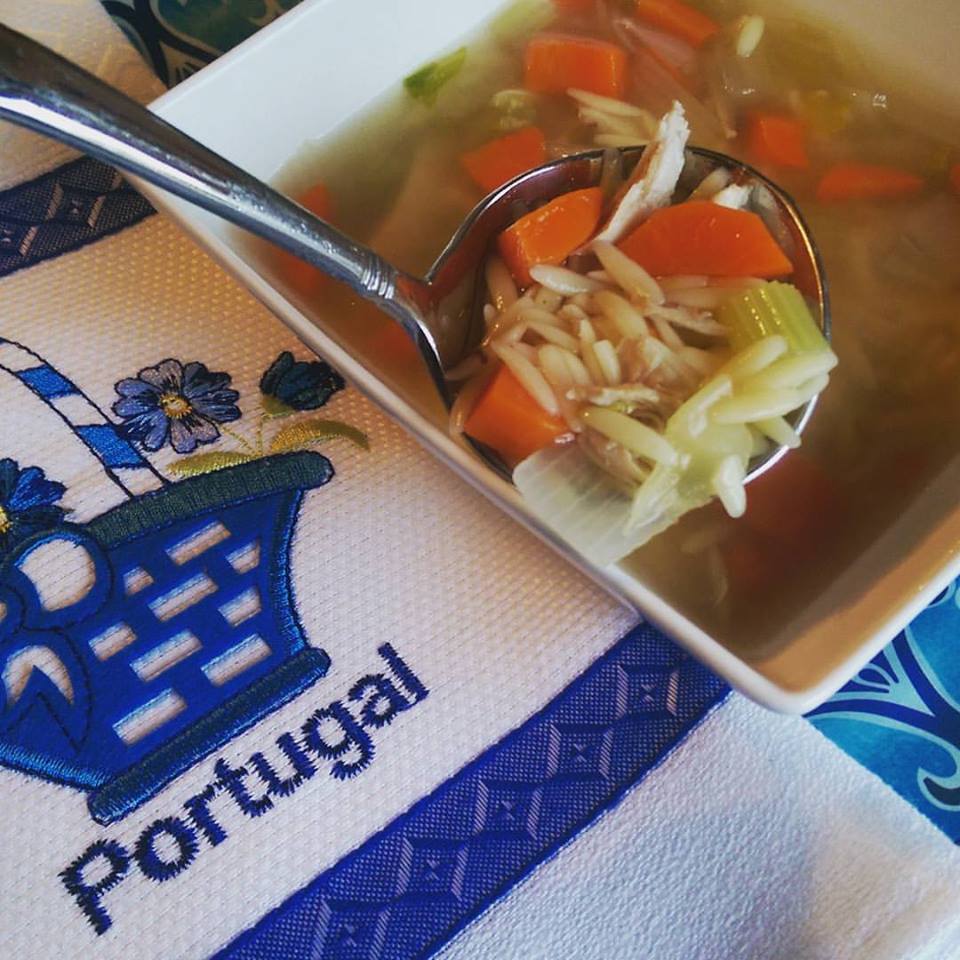
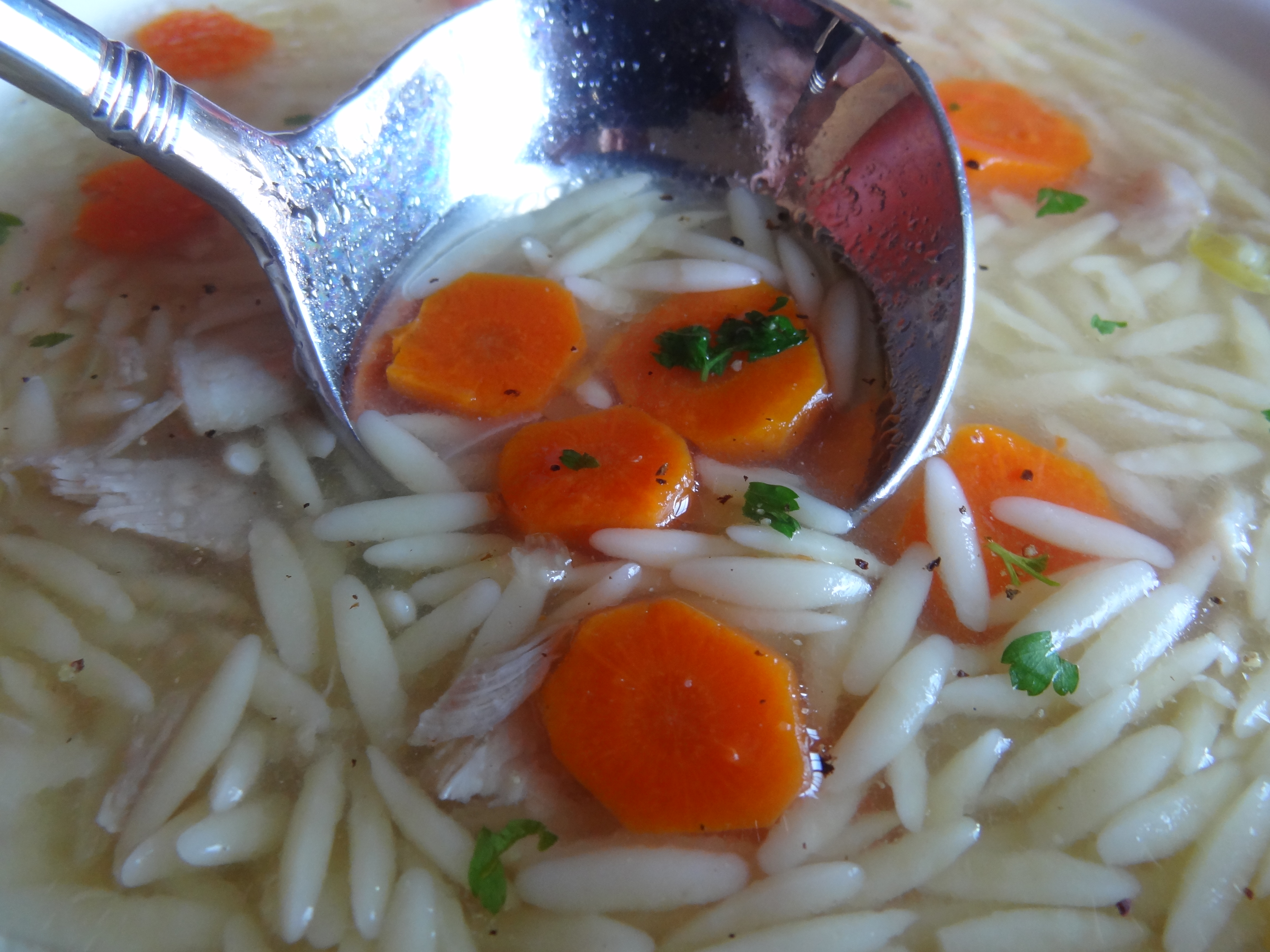
Here’s my recipe for “Portuguese Wedding Soup”. It contains a secret ingredient used by some of the caterers.
Keep it a secret if you wish, it’s up to you! Enjoy!
Portuguese Wedding Soup
Ingredients:
3 lb fresh Chicken (whole or cut into pieces)
12 cups water
1 large chopped onion
2 large celery stalks
2 large carrots
2 cloves garlic (peeled)
3 sprigs parsley
1 tbsp salt
1 /2 tsp freshly cracked pepper
1 – 1/2 cups ORZO pasta (or white rice)
(1/2 tsp crushed pepper flakes optional)
Instructions:
In a large stock pot, place the water, onion, 1 stalk of celery, 1 carrot, salt, 2 sprigs parsley and garlic and bring to a boil. Add the chicken and let it cook on medium for 2 hours. (If desired: remove one chicken breast after 1/2 hour of cooking time, remove bones, dice the meat and reserve for later).
After 2 hours remove the chicken and vegetables. Strain the soup through a strainer to remove any scum or fats. *Note: (Discard the chicken and vegetables since they have lost their nutrients and con not be re-used). Place the pan with the broth back on the stove and bring to a low boil. Slice remaining carrot and celery into desired small slices.
(TOP SECRET-Restaurant TIP: For an even more Chicken flavored soup, add 1 or 2 KNORR Chicken Bouillon cubes to taste)…HUSH.. HUSH!!
Add the ORZO or rice to the soup and cook on medium for 10 minutes. After 10 minutes, add the diced carrots, celery and the reserved diced chicken to the soup and stir.
Let the soup cook on medium for additional 10 minutes. Remove the soup from heat. Season to taste by adding more salt if needed and add the fresh black pepper. Garnish with chopped parsley.
(*Note: – Some people like to add 1 mint leaf as garnish instead of Parsley) (*Note: Add crushed red pepper flakes to kick up the soup if you want a little heat. The crushed red pepper is great to relieve nasal congestion, but do not give to your younger children).
Serve, or store in refrigerator after the soup cools. Enjoy!
This true story that happened long before Shakespeare wrote Romeo and Juliet. A story of love – tragedy – and of a haunting. Could this have been Shakespeare’s inspiration?
The summer when I was 12 years old, my parents took our family on a vacation back to Portugal. We traveled on a fabulous train ride through some incredible scenery from Lisbon to Porto, toured the famous castles, museums, gardens, and all the other famous sites that my brothers and sisters and I had never seen before since we had immigrated to America when we were young.
It was a trip of a life time, which has left fond memories in my heart. But of all the places I visited that summer, there was estate in Coimbra, that left the most vivid image in my mind. Perhaps it was that spooky story that was told to us by the tour guide on that hot summer day. The terrifying story made my skin crawl and gave me a sense that a ghost was watching me as I walked along the guided tour with my parents and siblings.
This story takes place at; “Quinta das Lágrimas“ (Estate of Tears), a famous estate in Coimbra, Portugal once inhabited by the Portuguese nobility. The original castle was built in the 14th century during the rein King Afonso IV. The estate had very lush and famous hunting grounds often visited by many kings and emperors of Europe.
Ines de Castro and King Pedro
Prince Pedro, the son of King Afonso IV was the heir to the Portuguese throne. When he was 19 his father had him marry Constança of Castile (Spain) in order to build an alliance in 1340.
Ines de Castro,a daughter of a nobleman from Castile, was a lady-in-waiting to the Princess Constance. Ines was a radiant beauty who stole Pedro’s heart and they quickly fell madly in love.
Legend even says that Pedro would send his love letters through channel named “Fonte dos Amores” a pipe that carried water from the estate of Quinta do Pombal to the Monastery of Santa Clara-a-Velha, where Ines lived only less than half a mile away.
According to the legend, if two people in love simultaneously drink the water as it pours from one channel to a lower one called “Pipe of Love” their love will be everlasting.
Quinta das Lagrimas Hotel
“Fonte dos Amores” – Fountain of Love
The affair caused great conflict between the two countries which made King Afonso . The Queen tried to end the affair by making Ines Godmother to her children but to no avail. King Afonso was furious at the their affair so he banished Inês from Court and sent her back to Castile in 1344. However, the distance between them did not end their love for one another. Pedro’s passion could not be subdued and he would often visit Ines in Castile.
In 1349 Princess Constance died. Dom Pedro brought Ines back to Portugal and settled her in Coimbra, where they would live together openly. The lovers were closer than ever, and they went on to have four children.
Pedro wanted to marry Ines to make her the lawful Queen but his father opposed it because he feared that Ines’s children would claim the throne one day rather than the legitimate children borne by Princess Constance.
The King wanted to end the relationship so when Pedro was away he decided the only way to end the relationship was to kill Ines. On Jan 7, 1355 the king sent three of his courtiers – Pêro Coelho, Álvaro Gonçalves and Diogo Lopes Pacheco – to Coimbra, to end her life.
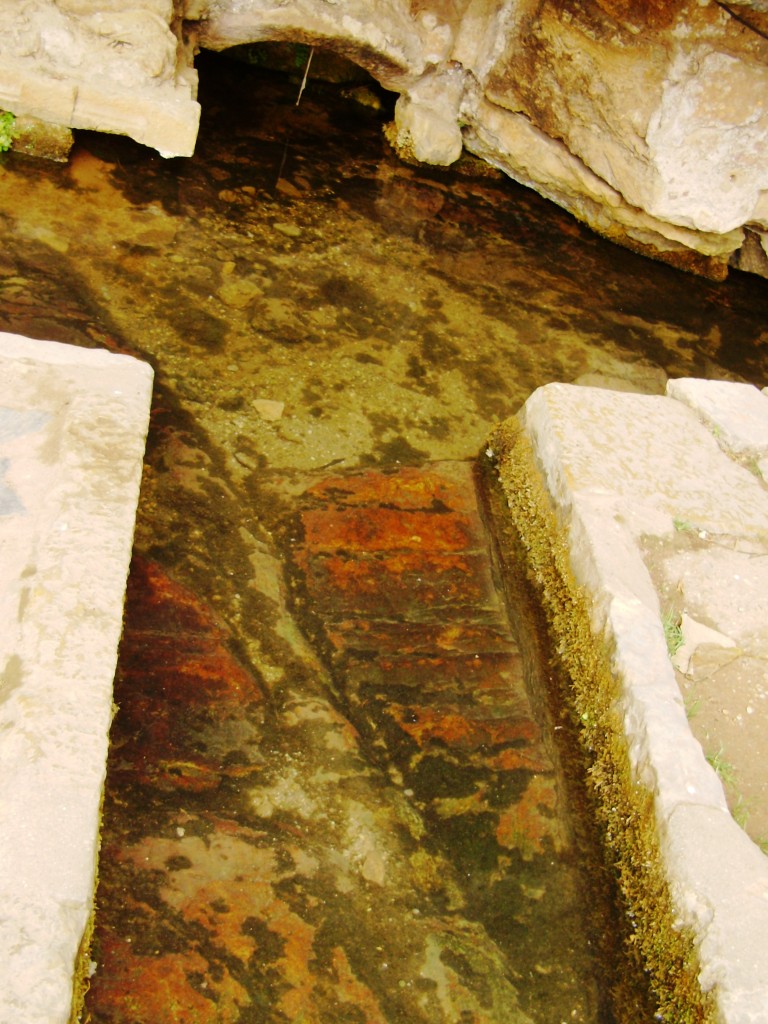
The assassination took place in Santa Clara-a-Velha but the myth associates Inês’ tragedy with the Quinta das Lágrimas. It is believed that her blood still stains the red stone-bed of the natural spring on this estate which irrigates the estate’s farmland through channels. Thin grasses sway the water, representing Inês’ hair. This is said to be where Ines shed her last tears at the hands of the assassins thus giving the spring it’s name.
Legend say’s Ines’s spirit still haunts the ground of the estate and you can see her blood stains embedded into the stones of the fountain.
Pedro’s love for Inês lived on after her death. He waged war against his father for having killed her thus creating a Civil war in the country for two years until the Queen, Pedro’s mother arranged a truce between the father and Son. However, Pedro never forgave his father and when he became king in 1357 after his father died, Pedro exhumed Ines’s body from the Monastery of Santa Clara of Coimbra, built her a royal tomb, and crowned as queen, claiming that they had married in secret before she died.
The legend says that after forcing the members of his court to kiss her decomposing hand and swear allegiance to their new queen, Pedro tracked down her assassins and killed them, ripping out their hearts with his bare hands.
Poem on the stone at Fonte das Lagrimas by the famous Portuguese Poet;Luís de Camões
To ensure they would be together in the afterlife, Pedro installed Inês’ body in the monastery of Alcobaça and had his own sarcophagus placed at the foot of hers.
Pedro and Ines’s sarcophagus at Alcobaça Monastery
The tragedy of Inês de Castro has been celebrated everywhere: in epic and lyric poetry, in novels, dramas, in paintings and in music. According to José Hermano Saraiva, more than 120 operas were created about this story in Italy alone. Among these is a famous 18th-century opera by Paisiello and an 1830 ballet entitled Pietro di Portogallo.
Decades later after the tragic love story the estate became part of the University of Coimbra and in 1730 purchased by the family; Osório Cabral de Castro, who had a palace built on the property. During the 18th century a lavish garden was added which contains exotic vegetation from all over the world.
The Duke of Wellington, commander of the troops who fought against Napoleon lived on the estate at one time and had planted tw0 sequoia trees near the fountain. which are now over 200 years old.
Today, the estate is a luxury hotel. If you have the pleasure of dinging at the Quinta das Lágrimashotel, you will feast on the food of love because its kitchen garden is still fed by the same channels of water. Tour guides are still available for lovers who want to experience romance of long ago.
“Carne Alentejana is just like JELLO” my husband tells me;
“There’s always room for Carne Alentejana!” 🙂
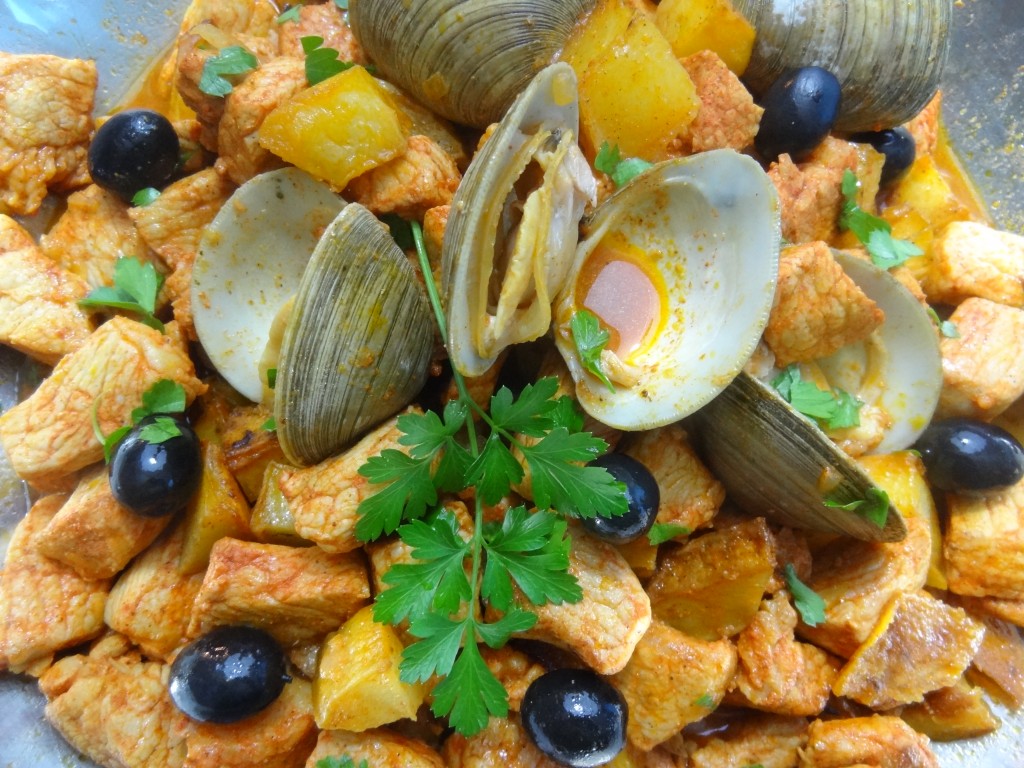
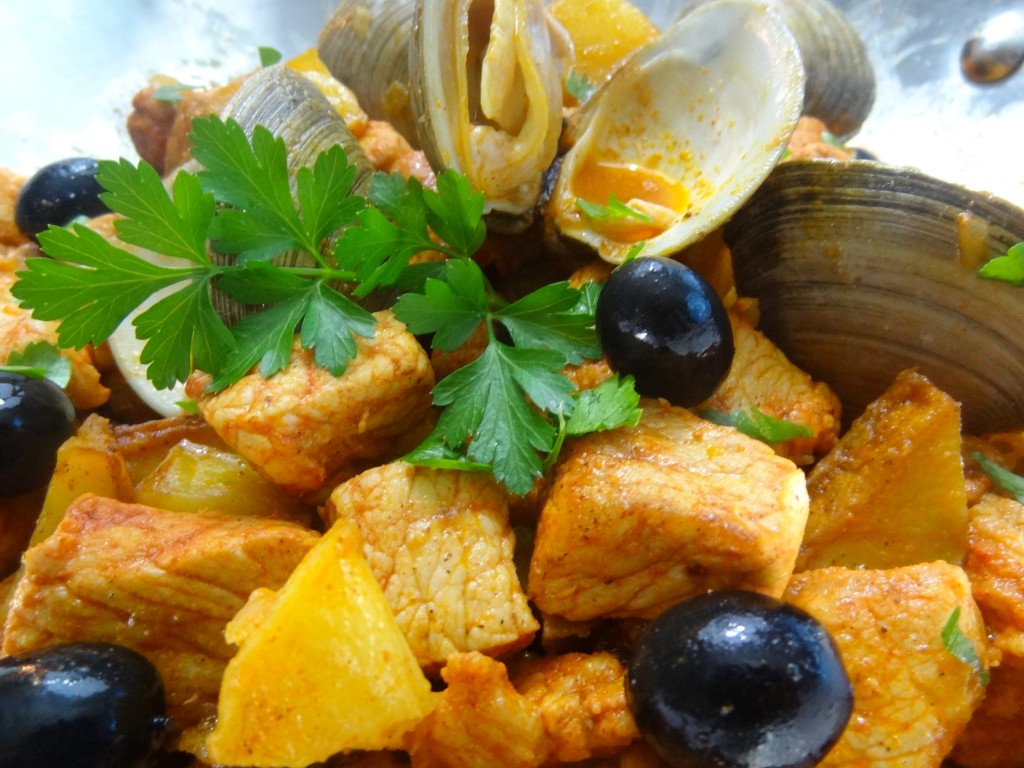
Carne de Porco à Alentejana is one of the most traditional Portuguese dishes found on the menus of Portuguese restaurants through out the world. The dishes name, “Alentejana” meas that the dish comes from the Alentejo region of Portugal.
The origin of its name, “Além-Tejo”, literally translates to “Beyond the Tagus” or “Across the Tagus”. The region is separated from the rest of Portugal by the Tagus river, and extends to the south where it borders the Algarve region.
The name Carne de Porco Alentejana was to distinguish that the pork used in the dish is from that region of the country which produces theBlack Iberian Pig. The meat from the Iberian pig has a higher fat content which produces a more tender and flavorful meat.
Ingredients:
2 lbs pork loin (cut into 2 in cubes)
1 small onion chopped
2 cloves chopped garlic
1 teaspoon red pepper paste
1 – 1 /2 teaspoon Sea Salt
1/4 cup olive oil
1 bay leaf
1 cup white wine or Vinho Verde
1 tablespoon smoked paprika
2 teaspoons Piri Piri or Tabasco hot sauce
4 cups raw potatoes cut into 2 inch cubes
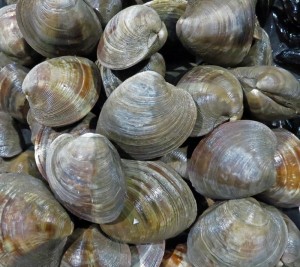
2 lbs small fresh little neck clams
1/2 cup pickled vegetables (Gardeneira)
1 chicken boullion cube
Chopped Cilantro for garnish (if desired)
Olives for garnish
Oil for frying
Instructions:
In a large bowl, season pork with; salt, garlic, bay leaf, paprika, cumin, red pepper, and 1/2 cup of the wine.
Stir well and let the meat marinate for at least 2 hours or leave overnight.
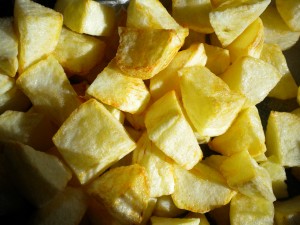
Before you begin cooking the pork, fry potatoes in hot oil until golden brown, season with sea salt and set aside.
Place clams in a bowl with cold water and 1 tsp sea salt. Let them sit for about 1/2 -1 hour in refrigerator so they let the sandiness out of them.
Preheat large skillet or wok on high heat with 1/4 cup olive oil and add onions.
Cook for about 1 minute then add the drained, marinaded pork mixture, (save the liquid). Let meat brown on all sides and cook for about 5 minutes.
Rinse and dry clams and add to the pork with 1/2 cup of wine, bouillon and the leftover marinade. (Add more wine if desired to make more sauce)
Cover and cook on med heat until the clams open.
Taste the pork and add more salt or Tabasco sauce if desired. Add the potatoes into the pork and stir gently. Add pickled vegetables, olives and chopped cilantro for garnish if desired.
Here’s a great video that shows you the classic step by step recipe that is similar to mine.
Enjoy! Tia Maria…
Find a Recipe
FIND RECIPES HERE
"Join me! Lets' s share recipes, learn how to cook traditional Portuguese dishes, or chat about our cuisine, culture and traditions. I want to share these recipes to preserve our Portuguese passion for great food and pass them along to the next generation. So come along, Let's cook Portuguese!"
Support Tia Maria's Blog page to promote our Portuguese heritage. SCAN QR CODE:
ORDER SET OF 1 REGULAR AND 1 SPICY JAR - FREE SHIPPING IN USA
BUY NOW ON PAYAPAL OR SCAN QR CODE BELOW
TASTE PORTUGAL COOKS AVAILABLE ON AMAZON ALL AROUND THE WORLD: FREE Prime shipping in USA
COOK BOOKS ARE ALSO AVAILABLE ON AMAZON.CA (CANADA)
ORDER SET OF 2 TASTE PORTUGAL SEASONINGS ON PAYPAL OR SCAN QR CODE: FREE SHIPPING USA
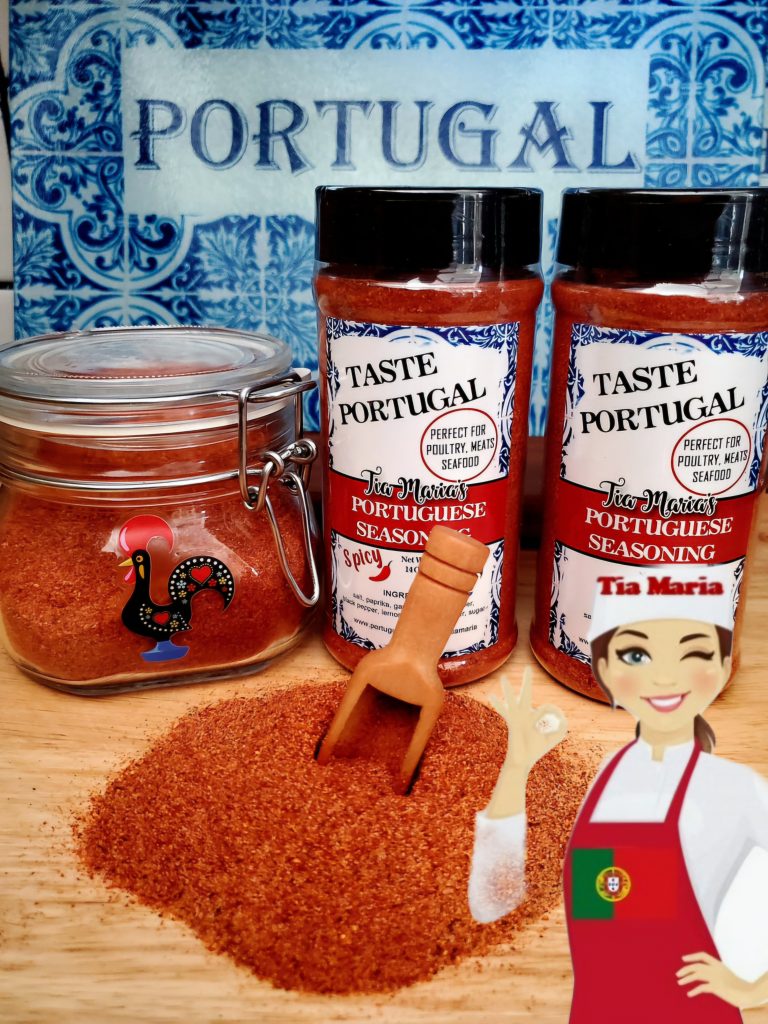
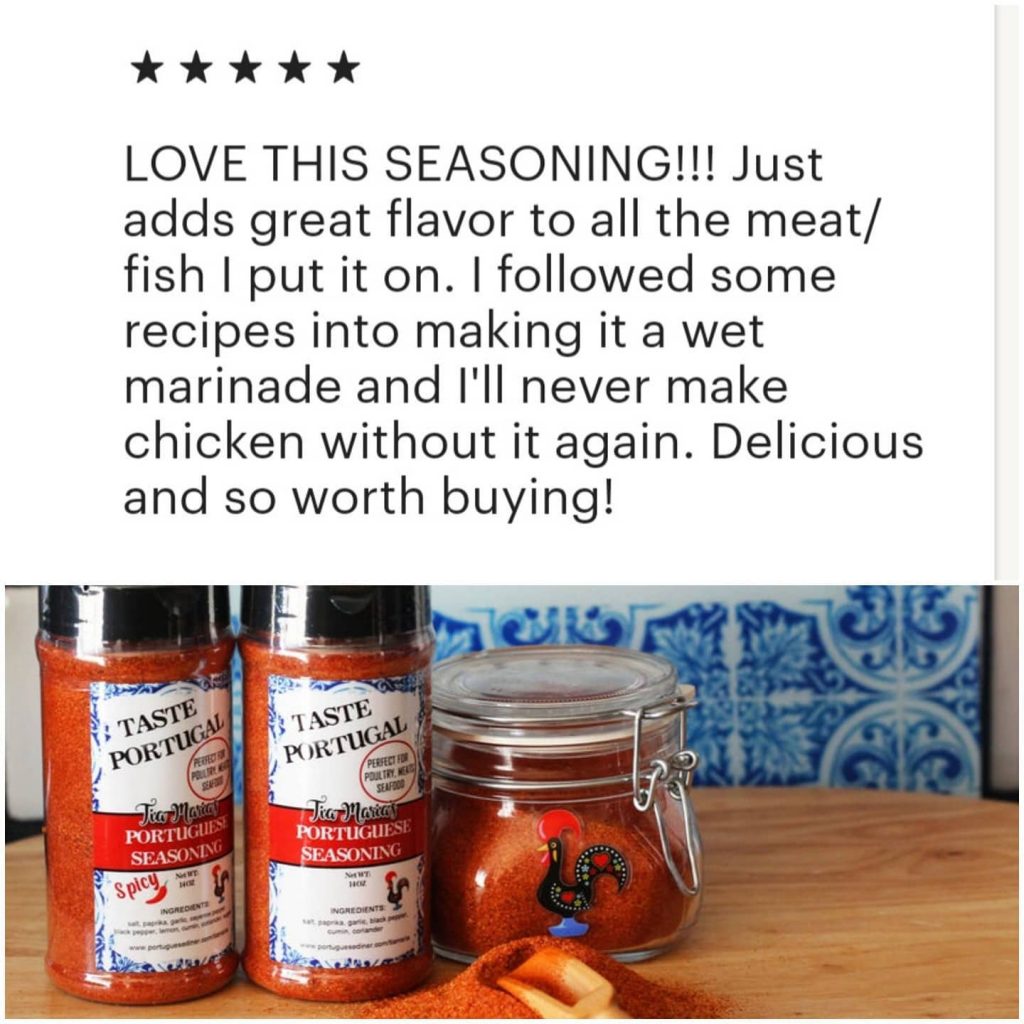
COOKING PORTUGUESE IS EASY WITH TIA MARIA’S TASTE PORTUGAL PORTUGUESE SEASONINGS
LISBON BLUE ETSY SHOP – FREE SHIPPING IN USA
Shop at Gaspars online for great Portuguese Products
Portuguese Linguica and Chourico
Gift Packs
Gaspars Sausage Company
For nearly a century Gaspar’s Sausage Co., Inc. Has been recognized as the largest manufacturer of Portuguese smoked sausage in the United States. Order today! www.gasparssausage.com or call us at 1-800-542-2038
MY TASTE PORTUGAL SEASONINGS DISTRIBUTOR - GONSALVES FOODS.COM
GONSALVES FOODS
GONSALVES FOODS
The taste of Portugal here in America Your source for authentic Portuguese products We’re proud to offer a wide selection of authentic Portuguese foods from our Gonsalves and Bom Petisco brands as well as the leading Portuguese brands like Saloio olive
0

























 Now available in Canada – Amazon Canada
 LISBON BLUE ETSY SHOP
 My appearance on RTP Portuguese TV Notícias do Meu País
 No Kid Hungry | Share our Strength Help End Child Hunger in America























 GONSALVES FOODS