A Portuguese Christmas
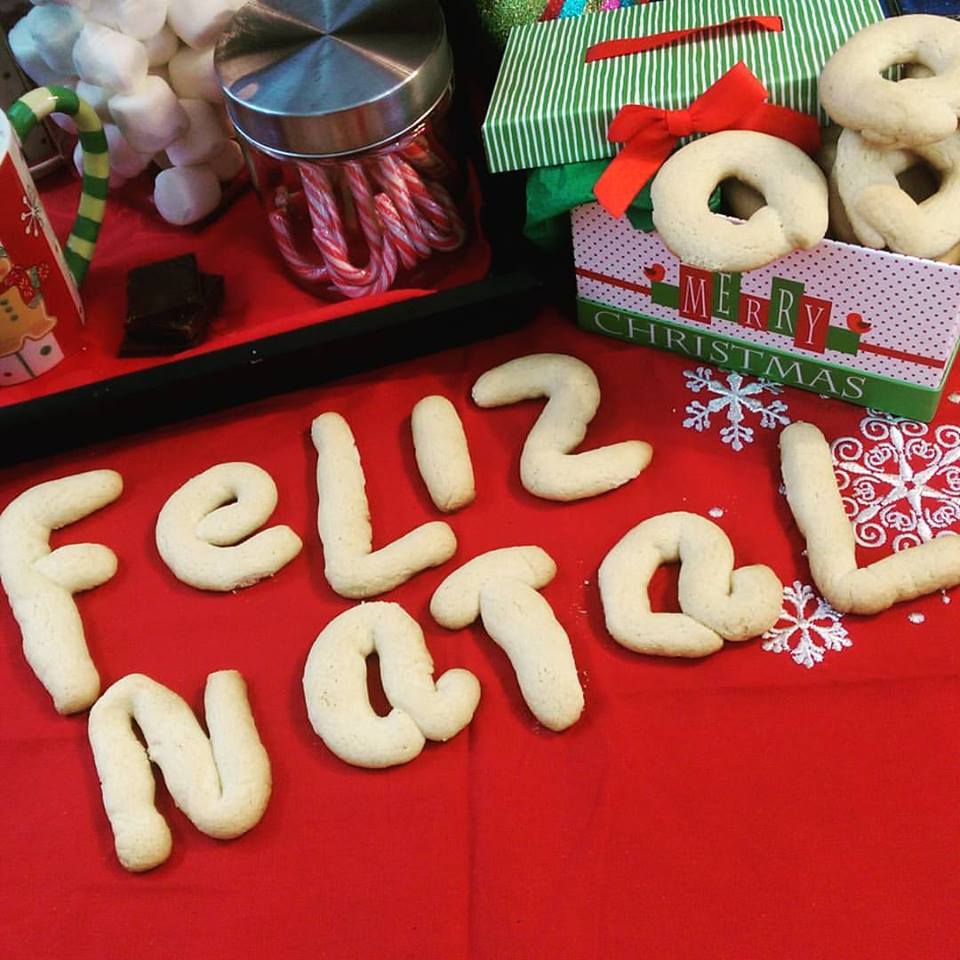
“Feliz Natal” or “Boas Festas” translates to “Merry Christmas” or “Happy Holidays”!
The Holiday season in Portugal is celebrated as a time for family, of giving and sharing. Towns and homes are decorated with lights and with “Scenes of the Nativity”, or the Presépio which is the main focal point of the Christmas decorations in the Portuguese homes. Some towns mount a living Nativity Scene, with locals and live animals playing the roles at scene at the birth of Christ.
The creche scene was the idea of St. Francis of Assisi in the 13th Century to re-create the stable where Jesus was born at Christmas.
According to the gospels, the crib represents the stable where Jesus was born, a place that is still worshiped in Bethlehem today, at the Basilica of the Nativity.
Based on the interpretation of the Old Testament gospels, the Nativity was represented in the 4th century by the image of the Baby Jesus lying on the ground, accompanied by figures representing the ox, the donkey and the shepherds. The representation of the Crib began to spread from the 8th century onwards.
In Portugal, many creche scenes have locally crafted clay figures. In the cribs at Estremoz and Barcelos, as well as to the baroque cribs designed by the sculptor Machado de Castro at the Lisbon cathedral or by the sculptor António Ferreira at the Basílica da Estrela.
The nativity from the 18th century is centered around the Nativity and the arrival of the Three Wise Men at Bethlehem, but it also recreates Portuguese rural settings, crafts, professions and clothing worn at that time that are now longer used.
You can find famous Creche here and listings of permanent Creche displays all over the world at friendsofthecreche.org.
Crib Sculpture by António Ferreira at the Basílica da Estrela
Christmas Nativity Portugal
Consoada – Christmas Eve Dinner
On Christmas Eve, a family dinner known as the night of the “Consoada” is celebrated. The word Consoada refers to a small meal that is taken at the end of a day´s fasting and derives from the Latin word consolare, meaning “to comfort”.
For most Catholics, (Advent) the period of preparation for Christmas, begins on the fourth Sunday before Christmas.
Advent is also refereed to as “little Lent,” because, like lent, it is a time of repentance and fasting. Fasting during Advent used to be universal, most Western Christians today treat Advent as a “Before Christmas Day”.
In the North of Portugal (Minho, Porto and Guimarães), it is the custom for people to reserve places at the table set for the Consoada supper for those relatives who have recently passed away, or else to leave the table laid and a candle or lamp lit throughout the night to comfort and warm their souls. Some families light a “Christmas log,” or cepo de Natal, a piece of oak that burns on the hearth.
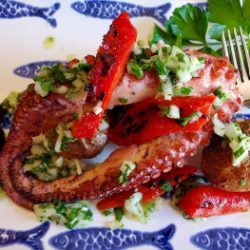
Traditionally, the Christmas Eve supper consists of abstaining from meat dishes. The traditional fish, is Bacalhau (salted cod), but other regions eat Polvo (Octopus), or another fish. Many appetizers such as, Bolinhos de Bacalhau, Rissois de Camarao, and many other treats are served. Christmas day meals usually consist of meat dishes such as roast Pork, chicken, or lamb.
Visit Tia Maria’s Blog Youtube Chanel for video recipes!
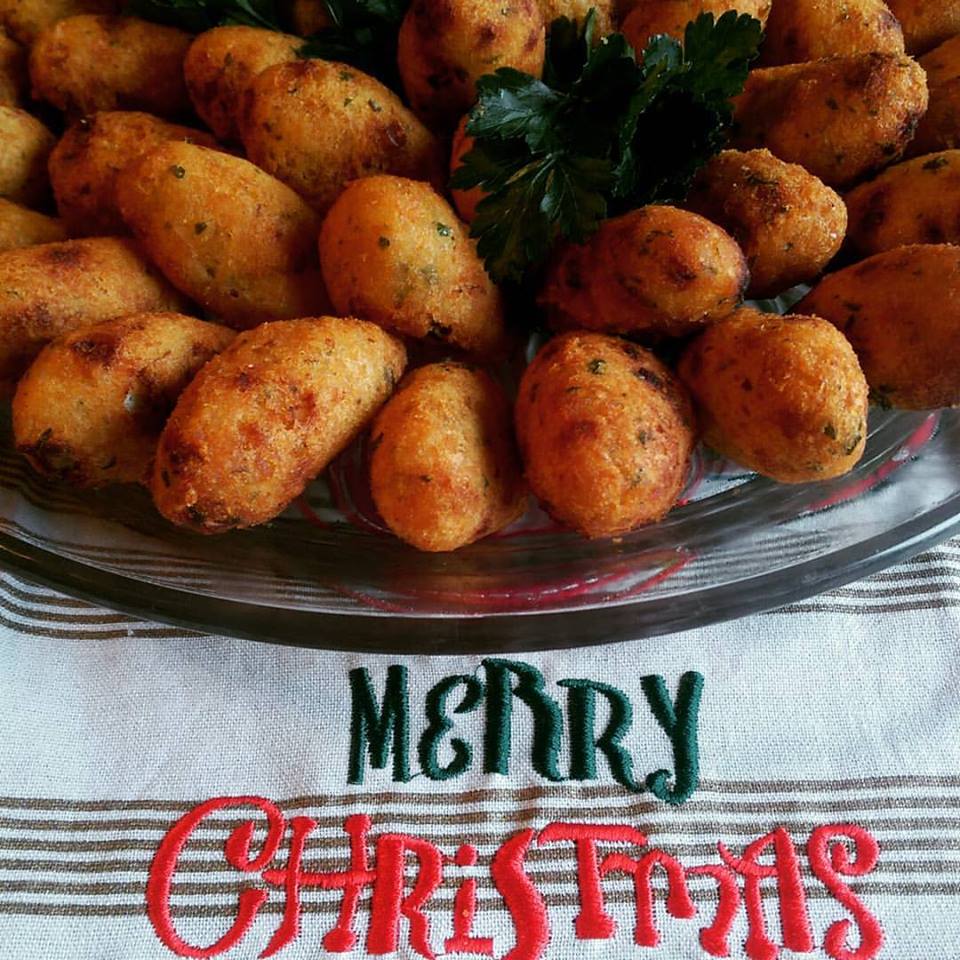 Bolos de Bacalhau – Cod Fish Cakes
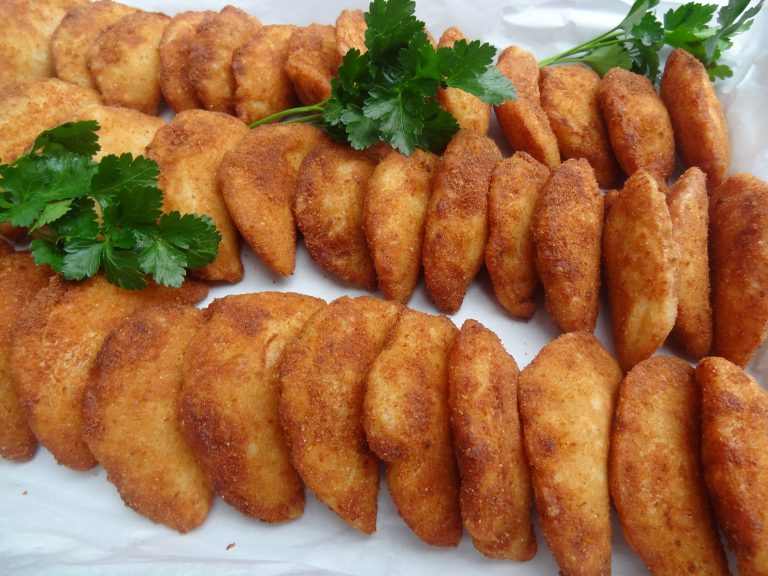 Rissois de Camarao – Shrimp Turnovers
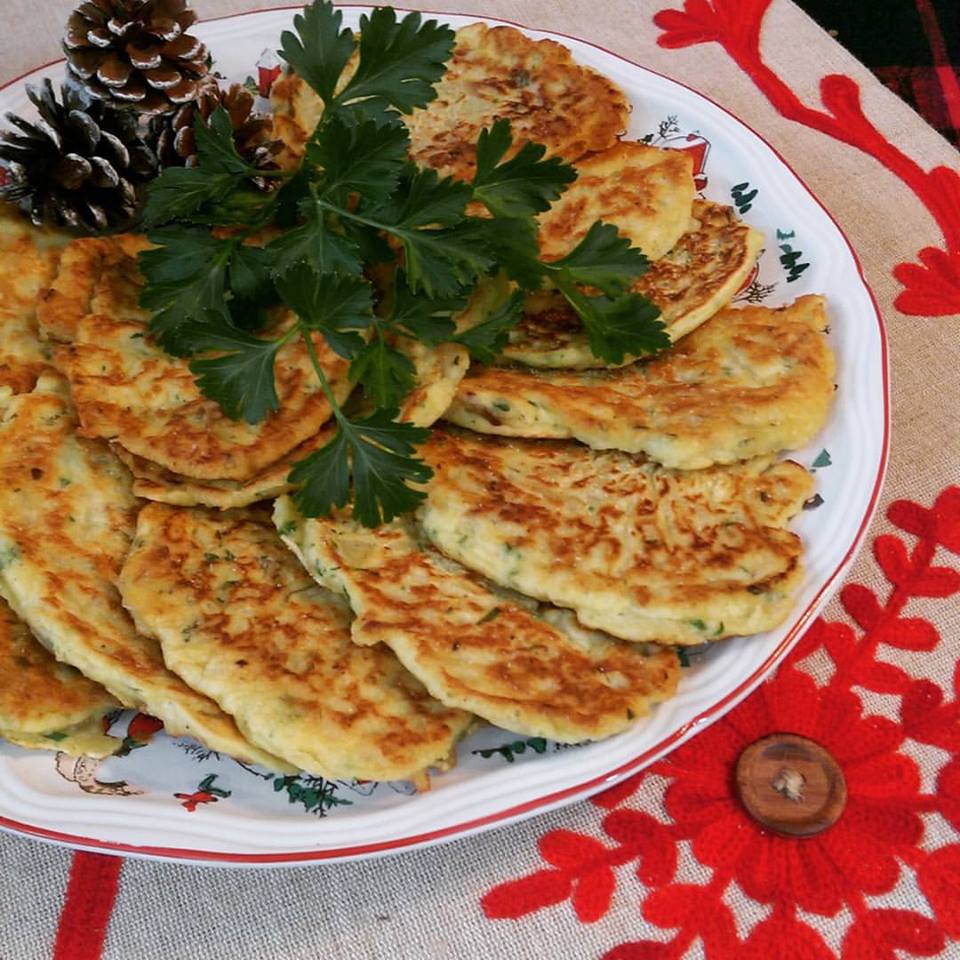 Pataniscas de Bacalhau
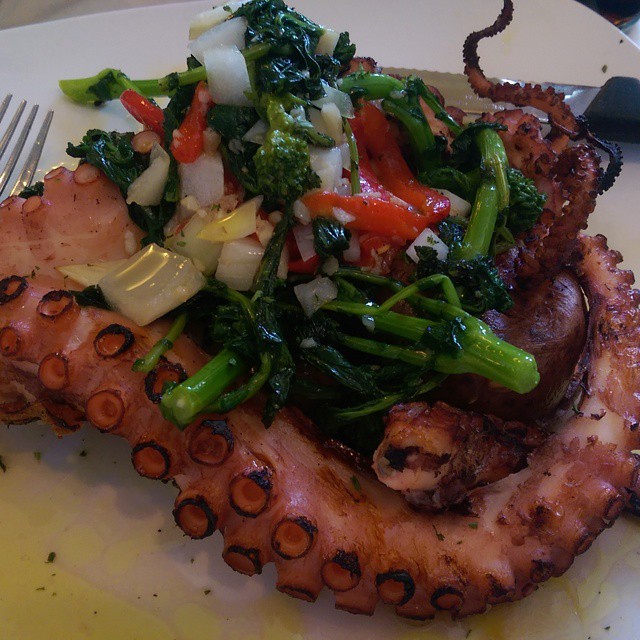
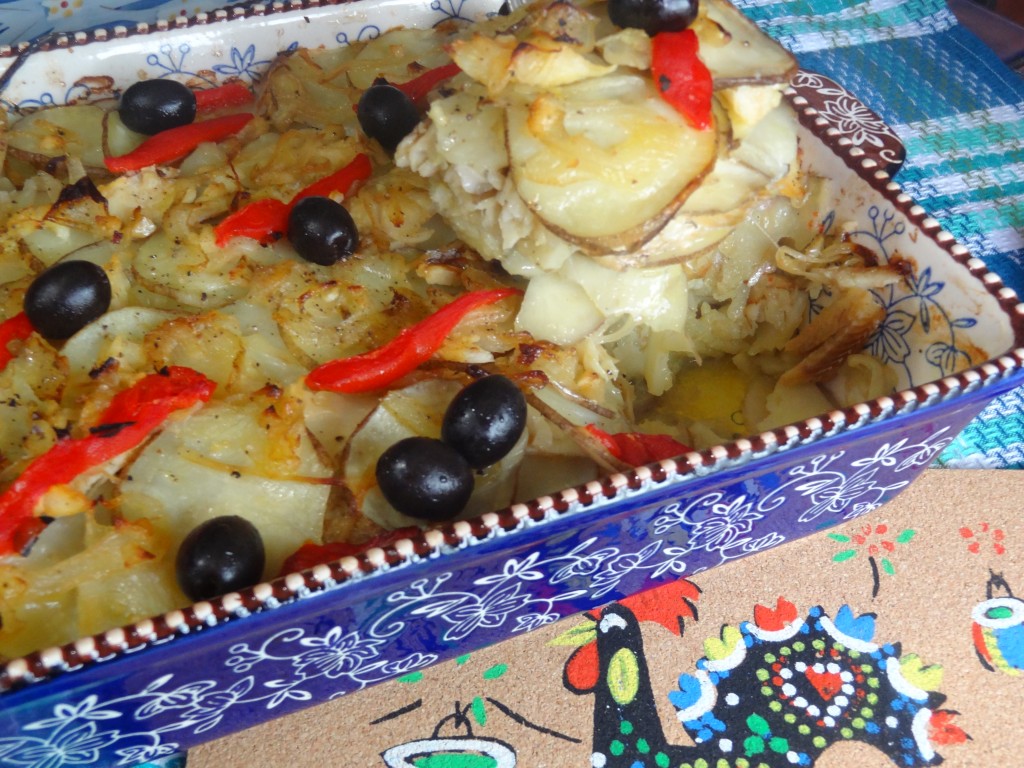 Bacalhau a Maria – Baked Salt Cod with Scalloped Potatoes
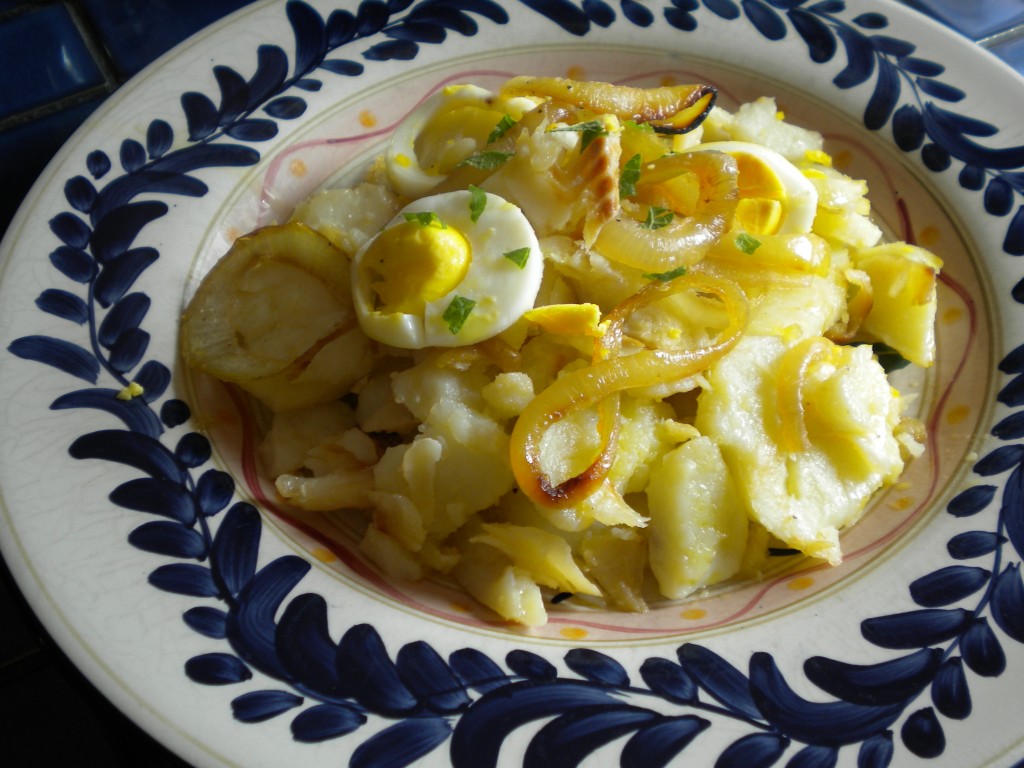 Bacalhau a Gomes de Sa – Salt Cod
Desserts:
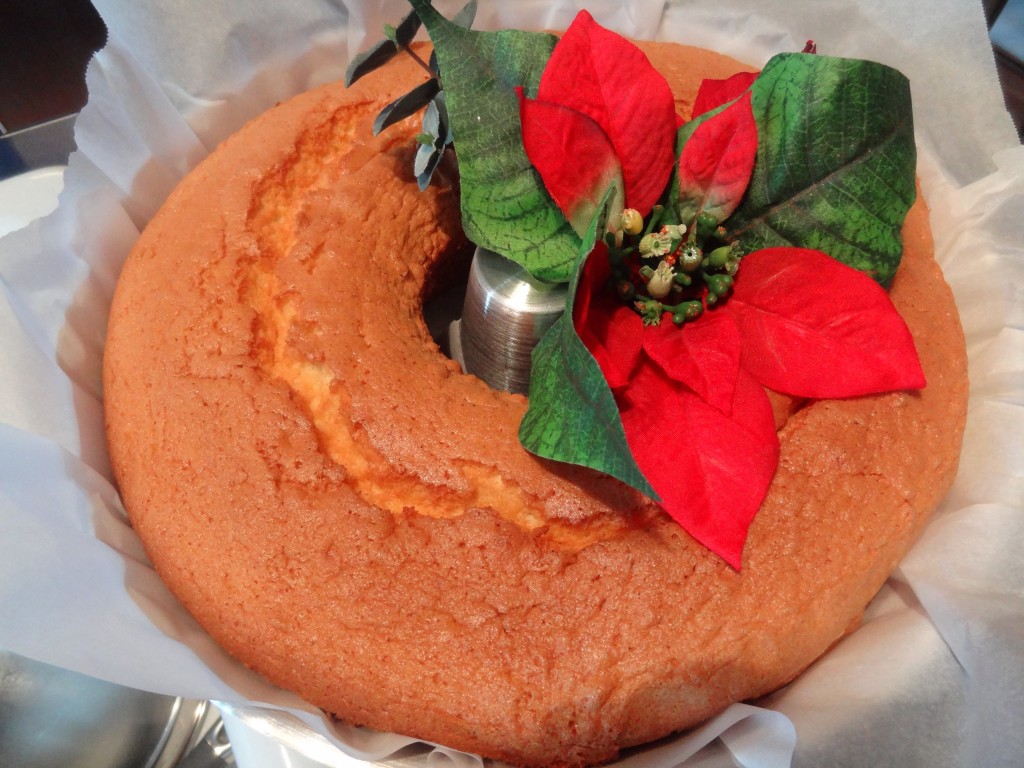
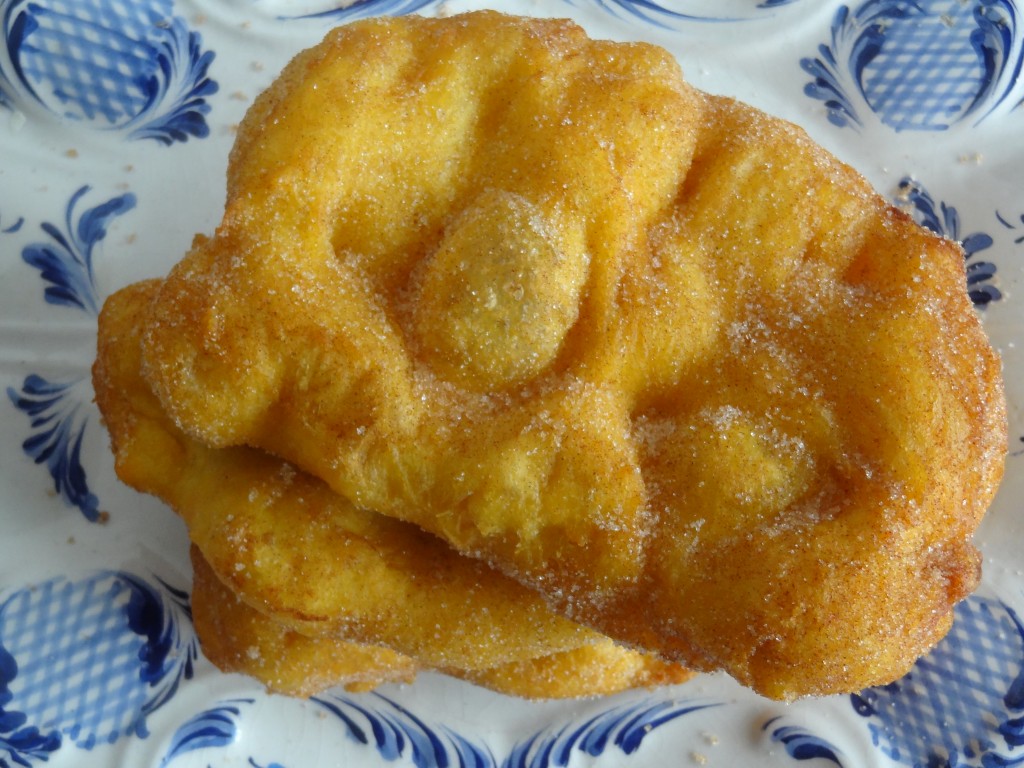
Traditional Christmas treats such as Portuguese cheeses, nuts, and fruits and many desserts adorn the Christmas diner table. The most popular desserts are: “filhoses or filhós“, “Sonhos“, “Rabanadas”, “Aletria”, “Arroz Doce”, and “Pao de Lo” are some of the favorites. Many other regional desserts are prepared according to ancient recipes that are passed on from generation to generation.
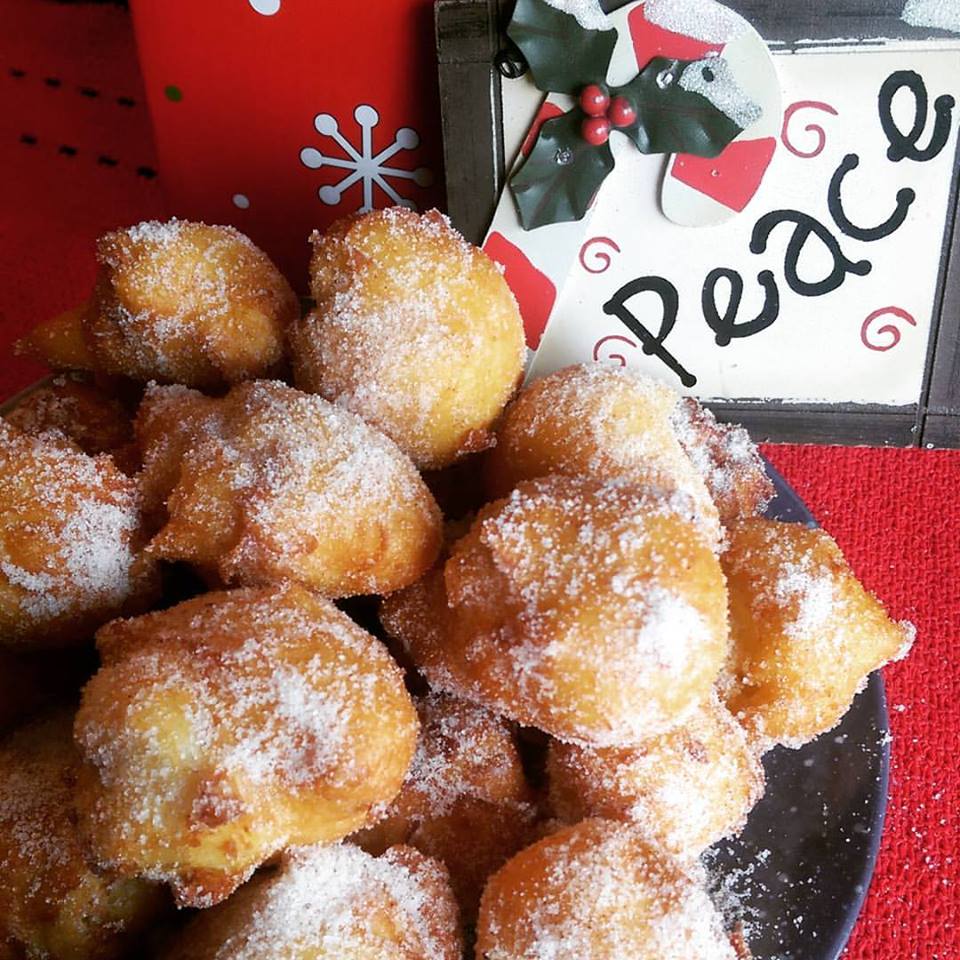
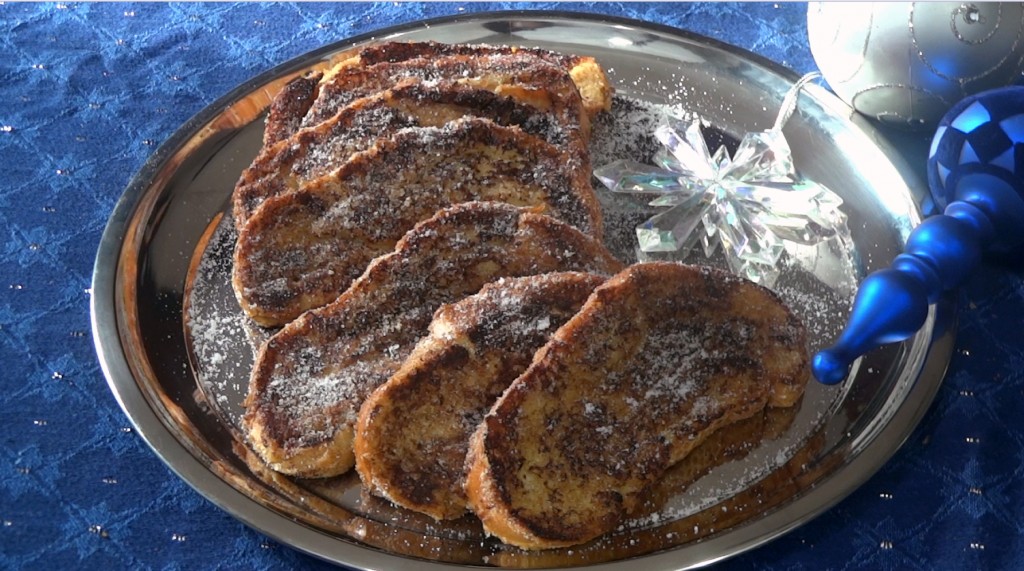
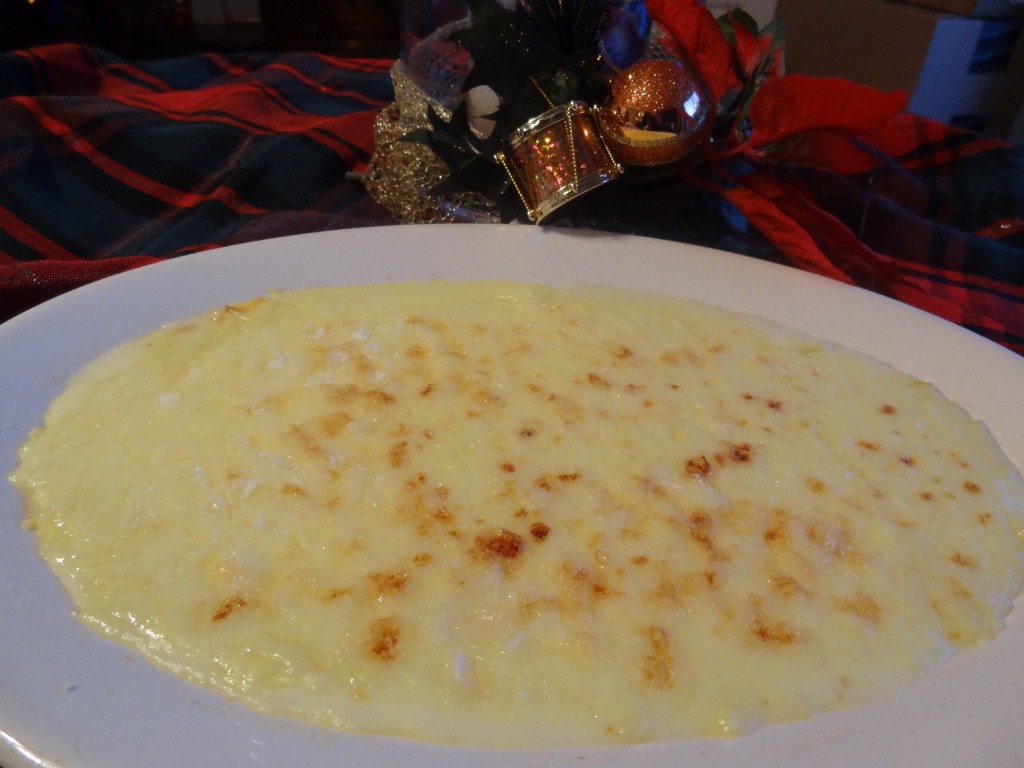
 Aletria – Sweet Angle Hair Dessert
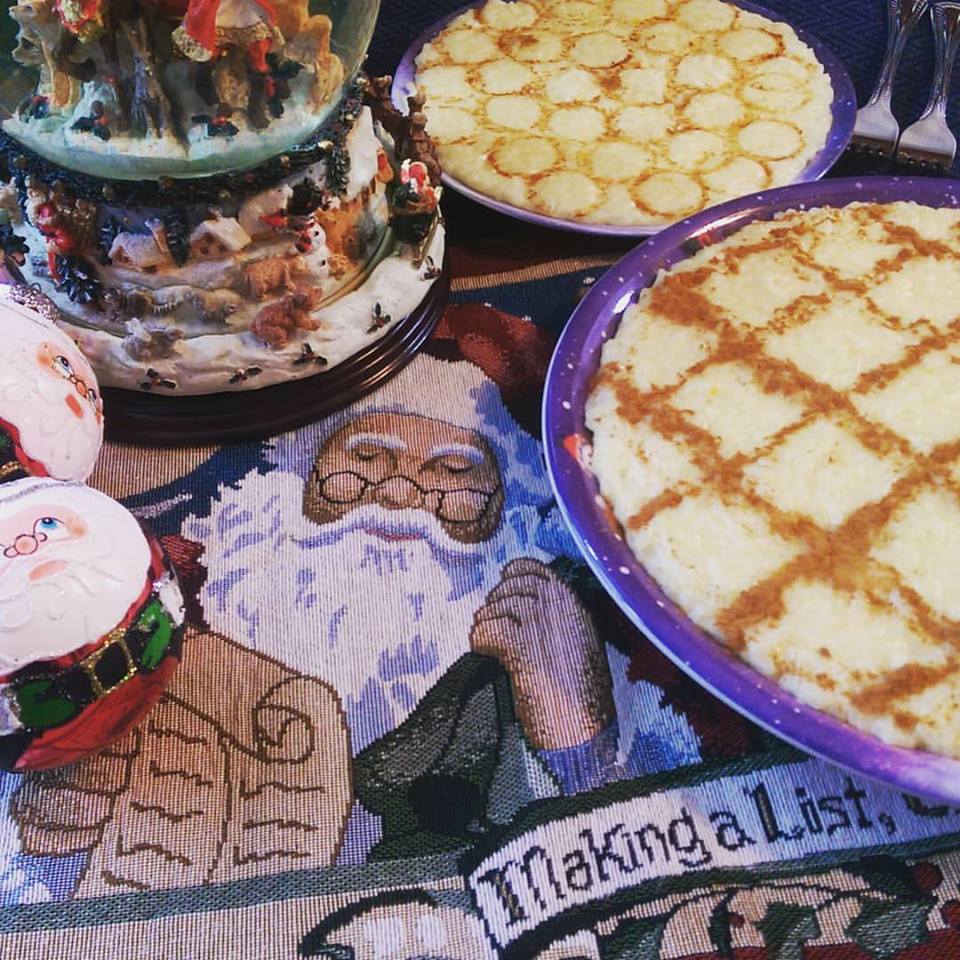 Arroz doce – Sweet Rice Pudding
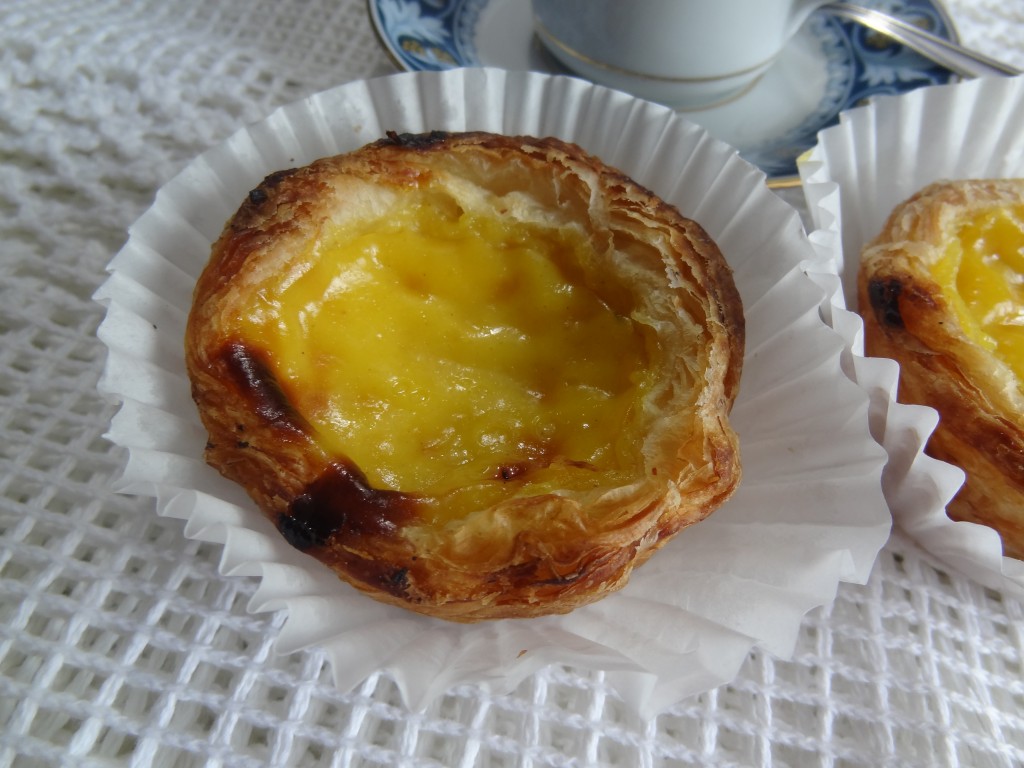 Pasteis de Nata – Custard Cups
Missa do Galo – Midnight Mass
Missa do Galo or midnight mass, is a custom among Catholics who celebrate Christmas. The Missa do Galo was first included the Christmas celebrations during the 5th century. It is celebrated at midnight, which is the time referred to as being “in galli cantu” (at cock crow), and it was originally the first of three masses comprising the liturgy of Christmas Day.
During the Missa do Galo, people can admire the crib, which has been specially prepared for the occasion, and, after communion, everyone moves up to the altar to “kiss the Baby Jesus”, an act that is sometimes accompanied by songs of worship.
In the regions of Bragança, Guarda or Castelo Branco, a Yule log is burned in the atrium of the village church after mass. It helps keep everyone warm through the night and to wish family and friends a Merry Christmas.
Gifts
Santa Claus is named “Pai Natal” (father Christmas). Some families open the presents on Christmas Eve at midnight, while others wait until after Midnight mass. Many open the gifts after the Christmas Eve diner. Others open them in the morning of the 25th, Christmas Day. Some families put one shoe of each child next to the chimney or fireplace instead of a stocking. Children right letters to baby Jesus asking for gifts rather than Santa Claus.
Ano Novo – New Year
Traditionally, people go out to the streets to sing “Janeiras” (January songs) between December 25 and January 6. The Janeiras (January songs) is a Portuguese tradition consists of a group of people strolling the streets of a town singing in the New Year.
To the modern eye, Janeiras is like Christmas caroling as this tradition involves a group of friends or neighbors going from house to house singing and sometimes playing instruments. While singing, they review the most important events of the year with a spirit of happiness and great humor. They sing traditional songs and those who pass by are wished a Happy New Year full of luck.
Once the song is done the singers are rewarded with chestnuts, nuts, apples, and cured sausages. These days, chocolates are often offered too. The Janeiras tradition varies from region to region.
In the Algarve, residents form charolas, which are spontaneously formed groups that join together to sing songs of both a religious and a secular nature.
Also in the Algarve, singers receive traditional alms such as one of the seasonal sweet fritters or a glass of brandy. Every year, the municipality of Silves has a festival in January to welcome in the New Year by singing.
New Year’s Eve in Portugal is filled with celebrations. People get together in the 31st December, usually for dinner, and celebrate all night long, saying goodbye to the old year and welcoming the new one — hoping it will bring only good things.
The party in Madeira is renowned for being the most dazzling, with a display of light and color over the whole island you can even see from the ocean. At midnight, there’s a fireworks display in every town.
Everyone eats 12 raisins, with one wish for each month, and drinks champagne to bring in the New Year.
The Bolo Rei (literally the King Cake) is a cake made in the shape of a crown, filled and decorated with dry and crystallized fruits. Hidden inside the cake are a broad bean and a surprise gift. The person who ends up with the slice containing the broad bean is traditionally the one who should provide the next cake. The cake is eaten on Christmas and also on “Dia de Reis” the 12th day of Christmas – Day of Epiphany, when the Three Wise Men arrived at the Nativity and brought gifts to baby Jesus.
Dia de Reis – Kings Day – Day of Epiphany
“Dia de Reis” known as the day of the Epiphany is on the 12th day of Christmas. Children put out their shoes, with carrots and straw to attract the camels of the Three Wise Men hoping that the shoes will be filled with gifts in the morning.
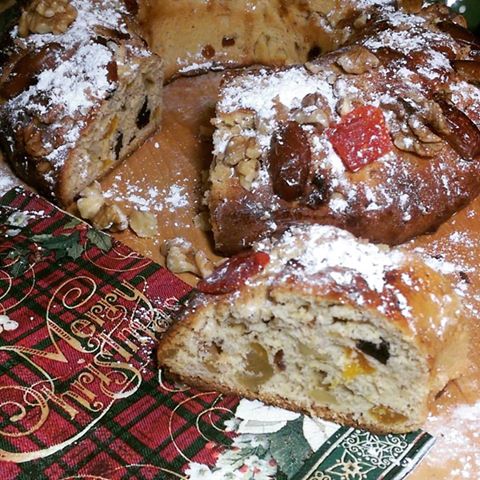
is a particular favorite of the Portuguese during Christmas and is traditionally eaten on January 6, day of Epiphany. The date when the three kings arrived in Jerusalem to greet the newborn baby Jesus. The legend is that the three kings were disputing which one of them would be the first to give their gift to Jesus. Upon their travels they met a baker who baked a cake with a bean inside it. Which ever one of them got the slice of cake with the bean would give their gift first. Through the years coins and trinkets were added to the cake instead of the bean which would bring good luck upon the bearer. Whoever gets the bean has to buy the “Bolo Rei” (King Cake) in the coming year.
New Year in Madeira

During the family reunion on Christmas Eve it is customary in each madeiran household to have chicken broth, apart from other meat dishes. Also, families usually drink the typical homemade tangerine, orange and anise liqueurs or even a glass of Madeira Wine.
On Christmas Day, generally one chooses pork loin marinated in wine and garlic dish or stuffed turkey.
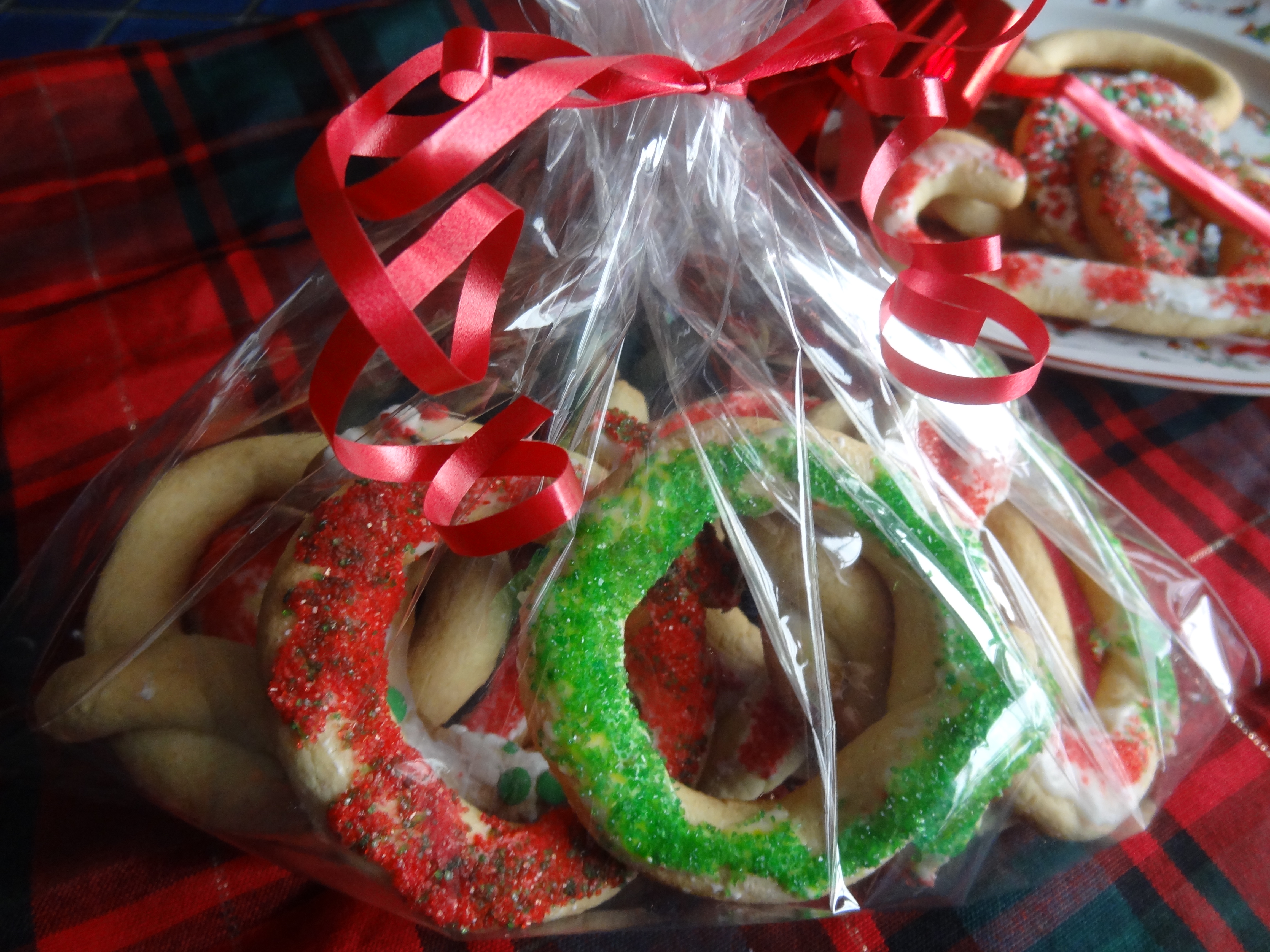
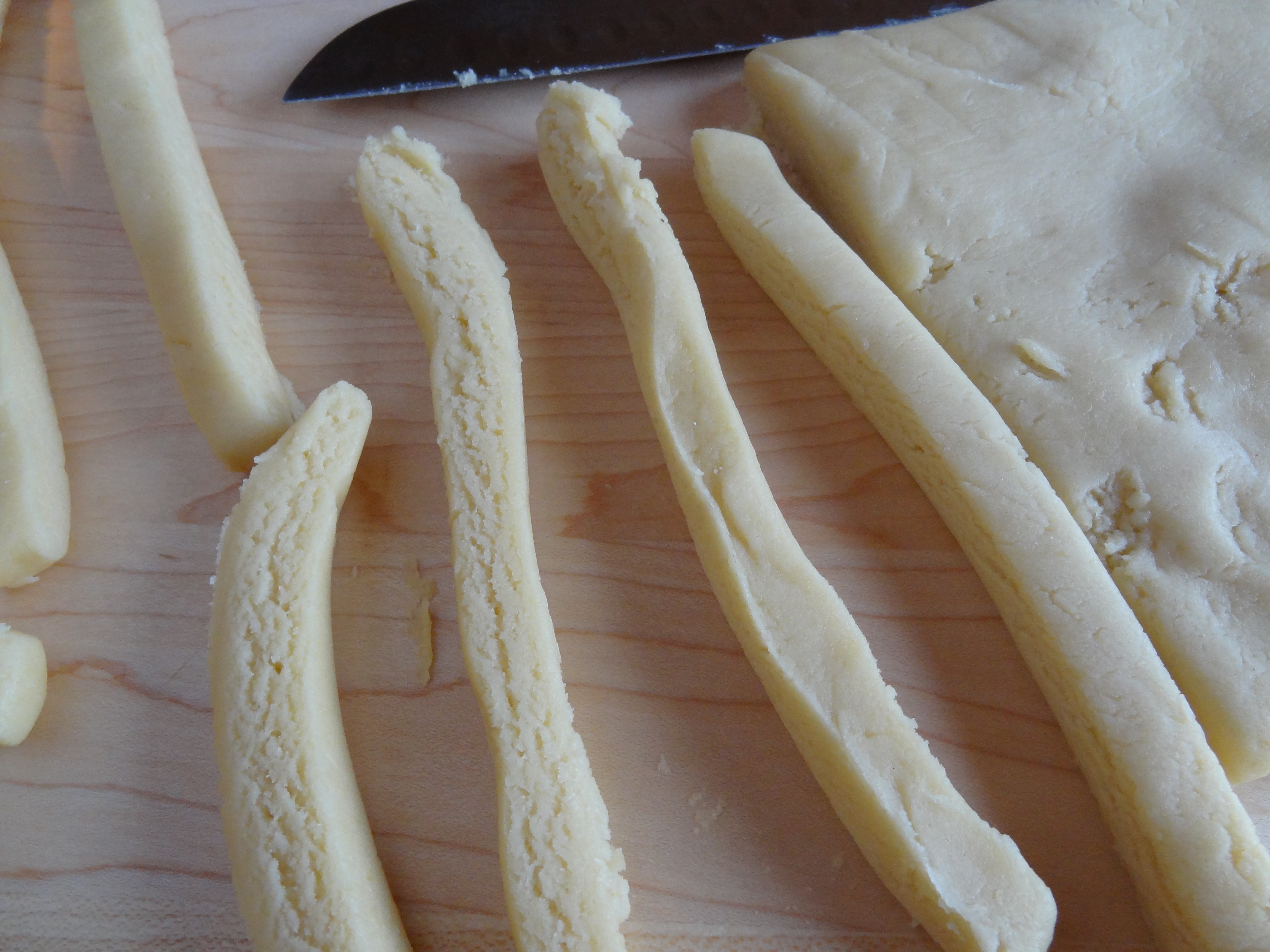
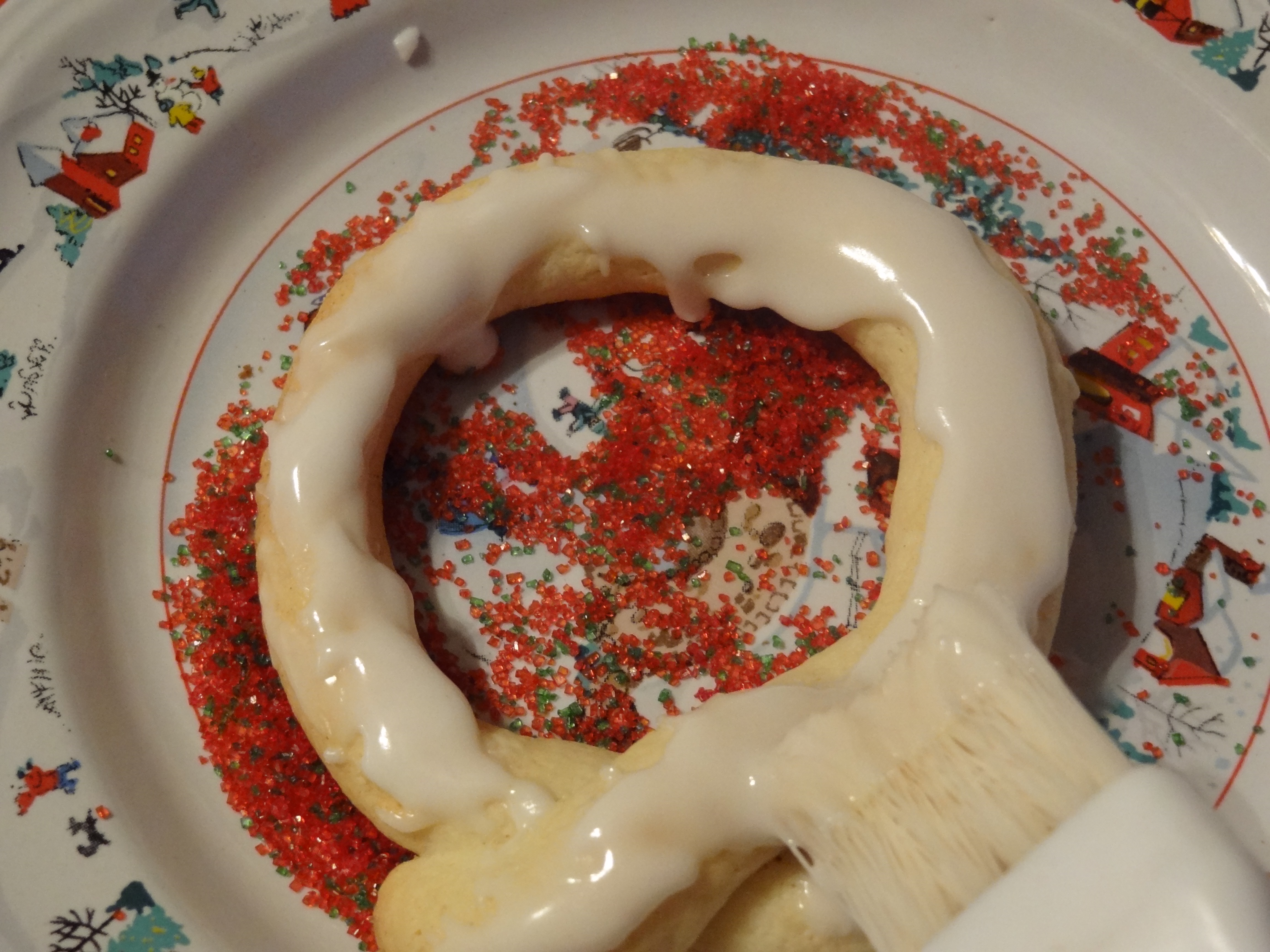
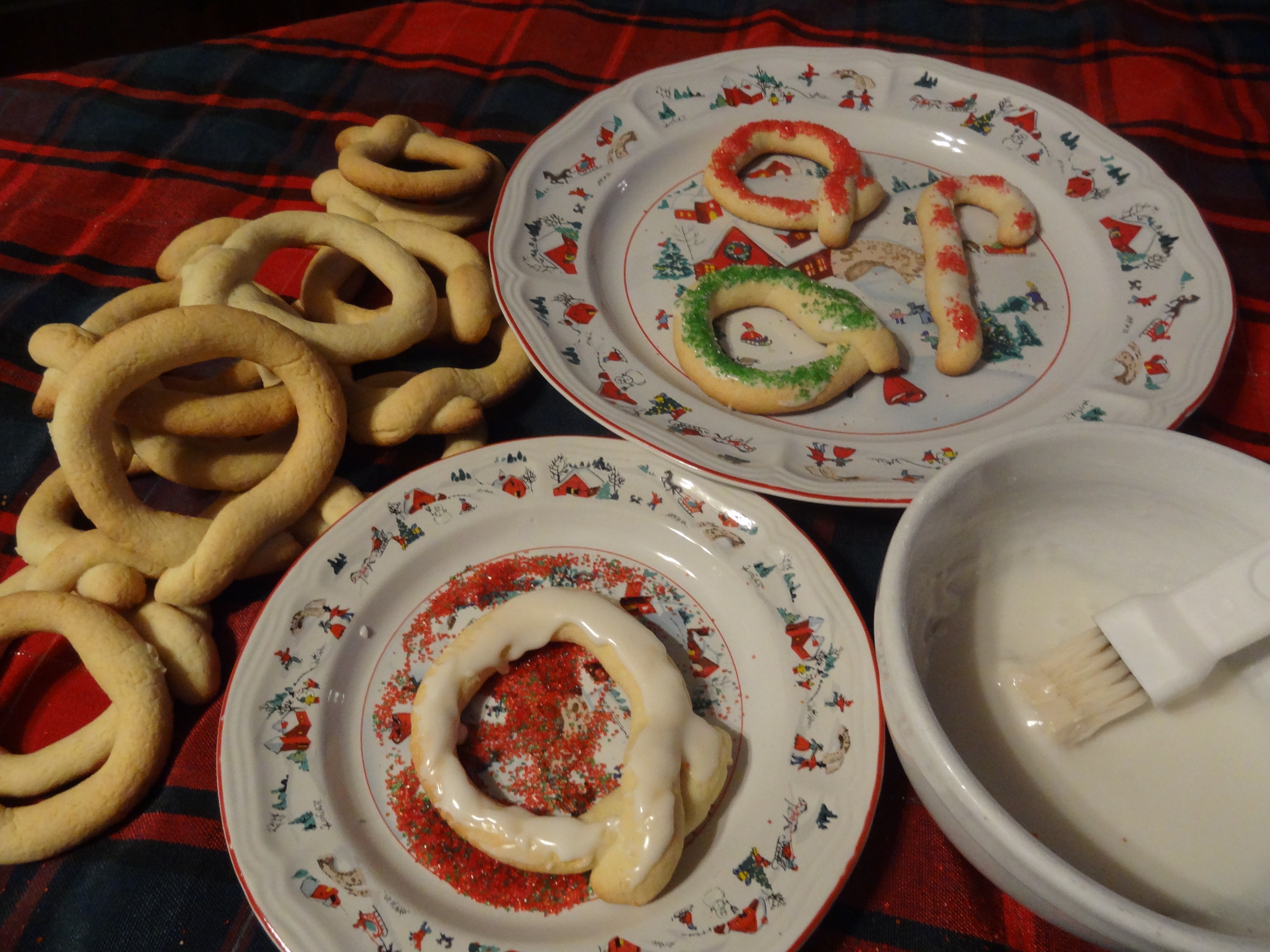
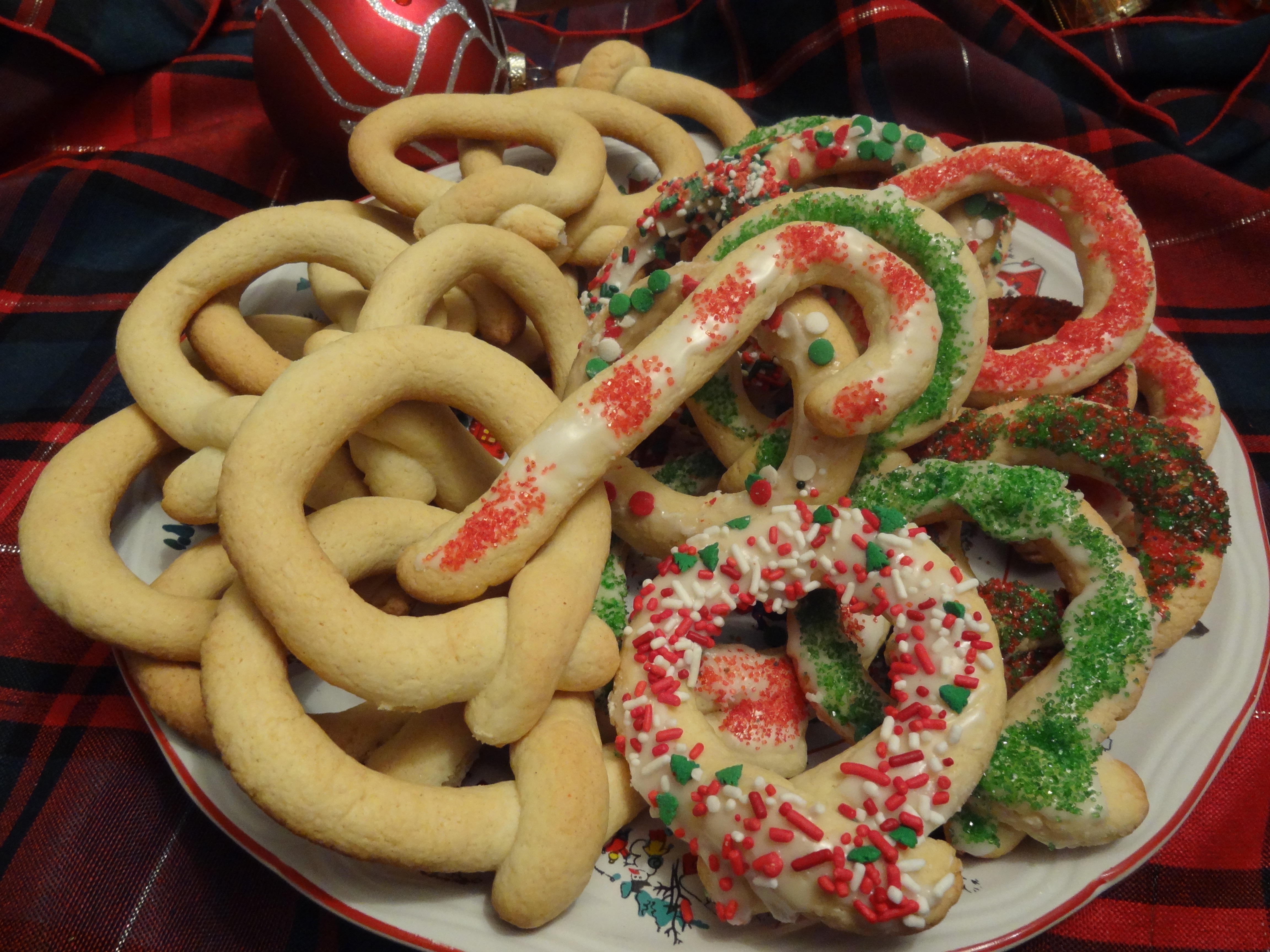
Other common sweets delicacies of this holiday season are the “family cake”, the Madeira Honey Cake, apart from the popular butter rings or honey or butter biscuits.
Meat in Wine and Garlic
1 kg porkloin (with some fat)
2 cups of wine vinegar
Rock salt, to taste
10 garlic cloves
Bread slices, as needed
Bay leaves
Pepper, marjoram, savory
Cut the meat in cubes and season with salt. On the following day, make a marinade with the vinegar, garlic, bay leaves, pepper and herbs. Place the meat in the marinade for at least three days, in a clay pot. Fry with the marinade and serve with the bread, fried in the grease, baked sweet potatoes, fried cornmeal and orange slices.
Madeira Honey Cake
Ingredients for the leavening:
500 g unleavened flour
30 g leavening (baker’s yeast)
about 3 dl water
Knead the flour with the yeast, make a ball, cover with plastic and let rise for 2 to 3 hours.
Remaining ingredients:
1000 g unleavened flour
350 g sugar
300 g butter
150 g lard
clove (about 1.5 g)
fennel (about 1.5g)
15 g cinnamon
50 g nuts
50 g chopped almonds
lemon zest
400 g mixed crystallized fruit
150 g sultanas
15 g baking soda
juice of 1 orange
8 dl Madeira molasses
2 dl Madeira wine
Baking instructions:
Mix the butter with the sugar until creamy, add spices and juice of an orange and a little lemon zest. Melt the molasses and lard together and add to mixture. Add the flour and baking soda and mix for about five minutes. Add to this dough the leaven previously kneaded and continue to mix for an additional 2 to 3 minutes. Lastly, add the crystallized fruit and mix for an additional five minutes. Let rise for 24 hours. Place the dough in greased and wax paper-lined pans (only the bottom of the pan) and decorate the cakes with almonds and nuts on top. Bake them in a 190o degree oven, for 25 minutes. Honey cake is broken by hand.
NOTE: Use pans with removable bottoms, with a diameter of 15 cm and a height of 4 cm and place dough 3 cm high.
Tangerine Liqueur
Ingredients:
1 l sugar cane rum
1 l water
1kg sugar
Rinds of 6/7 tangerines (large and ripe)
Preparation:
Finely cut the tangerine rind, with no white so as to not be bitter. Steep the rinds in the sugar cane rum for 15 days. Once the steeping time has passed, add water and sugar and heat to make simple syrup.
Add simple syrup to the sugar cane rum, removing rinds and filtering the liqueur. It is now ready to serve.
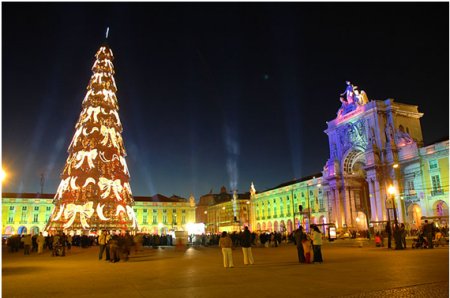
Christmas Tree image credit: http://www.davestravelcorner.com/journals/destination-europe/portuguese-christmas-traditions/






 Now available in Canada – Amazon Canada
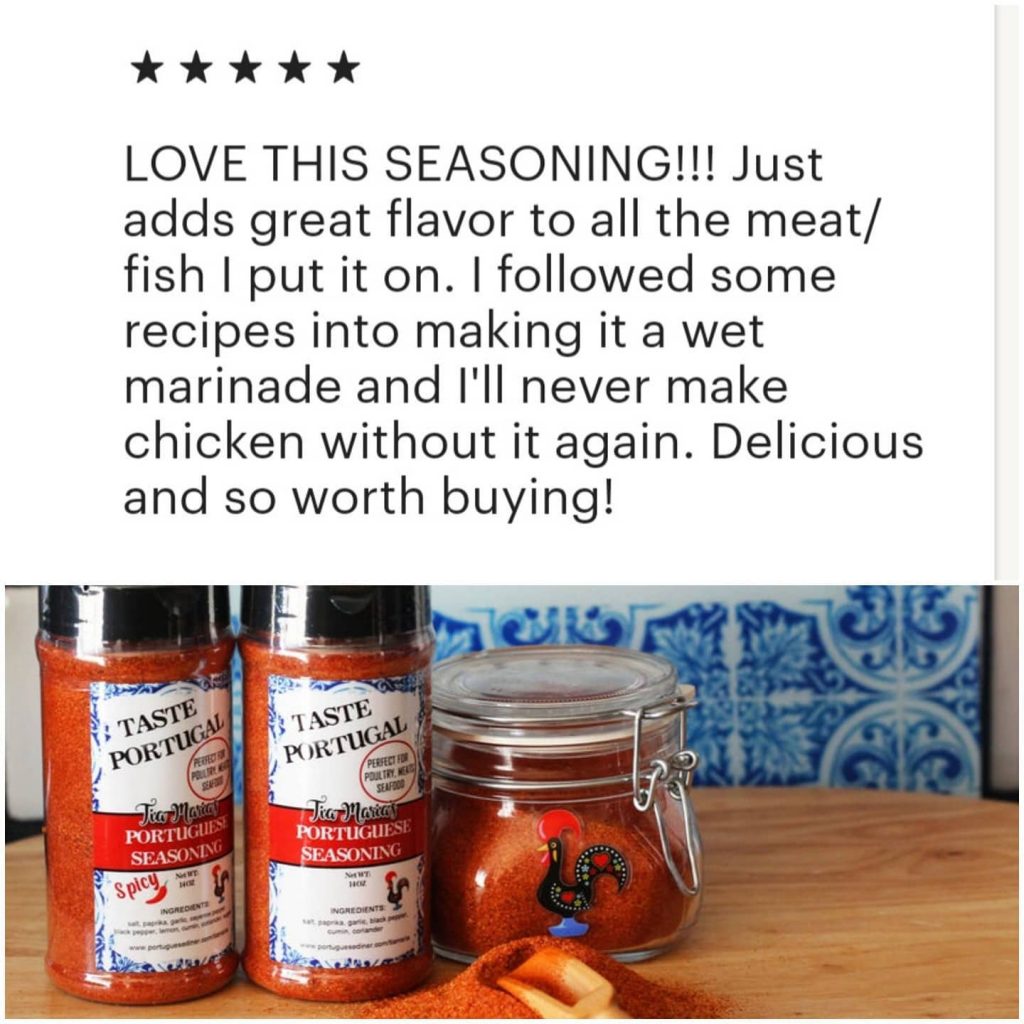
 LISBON BLUE ETSY SHOP
 My appearance on RTP Portuguese TV Notícias do Meu País
 No Kid Hungry | Share our Strength Help End Child Hunger in America










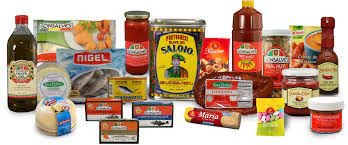
 GONSALVES FOODS