Category: Recipes

Spicy Portuguese Pulled Pork & Cabbage


I love pulled pork but I’m not a fan of Barbeque sauce so I came up with a Portuguese version.

This recipe is a crowd pleaser for your next party or family gathering. What a great way to warm up on a cold winter day!

My family loves Polish Perogies so I add them to the recipe, but this is optional.

Don’t you love the American Melting Pot of Cuisine?  I used the Southern, Polish, and Portuguese influences in this dish.

It’s very easy to make. You put the pork shoulder with all the ingredients in the oven and 6 hours later your meal is done!

I serve the pulled pork on Portuguese rolls, Pao Caseiro, or Pao Milho of course! Enjoy the recipe.


Ingredients:

1 large uncooked pork shoulder

2 large sliced onions

2 large carrots cut in half

3 cloves garlic

1 bay leaf

1 tsp cumin

2 cups (Sagres Beer) – or any Dark Beer


1 jar of Jalapeno, Chipolte, or any favorite (hot) peppers

2 tbsp  Piri Piri sauce

1 tbsp salt or more to taste

1 tbsp pepper or more to taste

1 large head of cabbage cut into wedges

1 package of any flavor Perogies (optional)


Instructions:

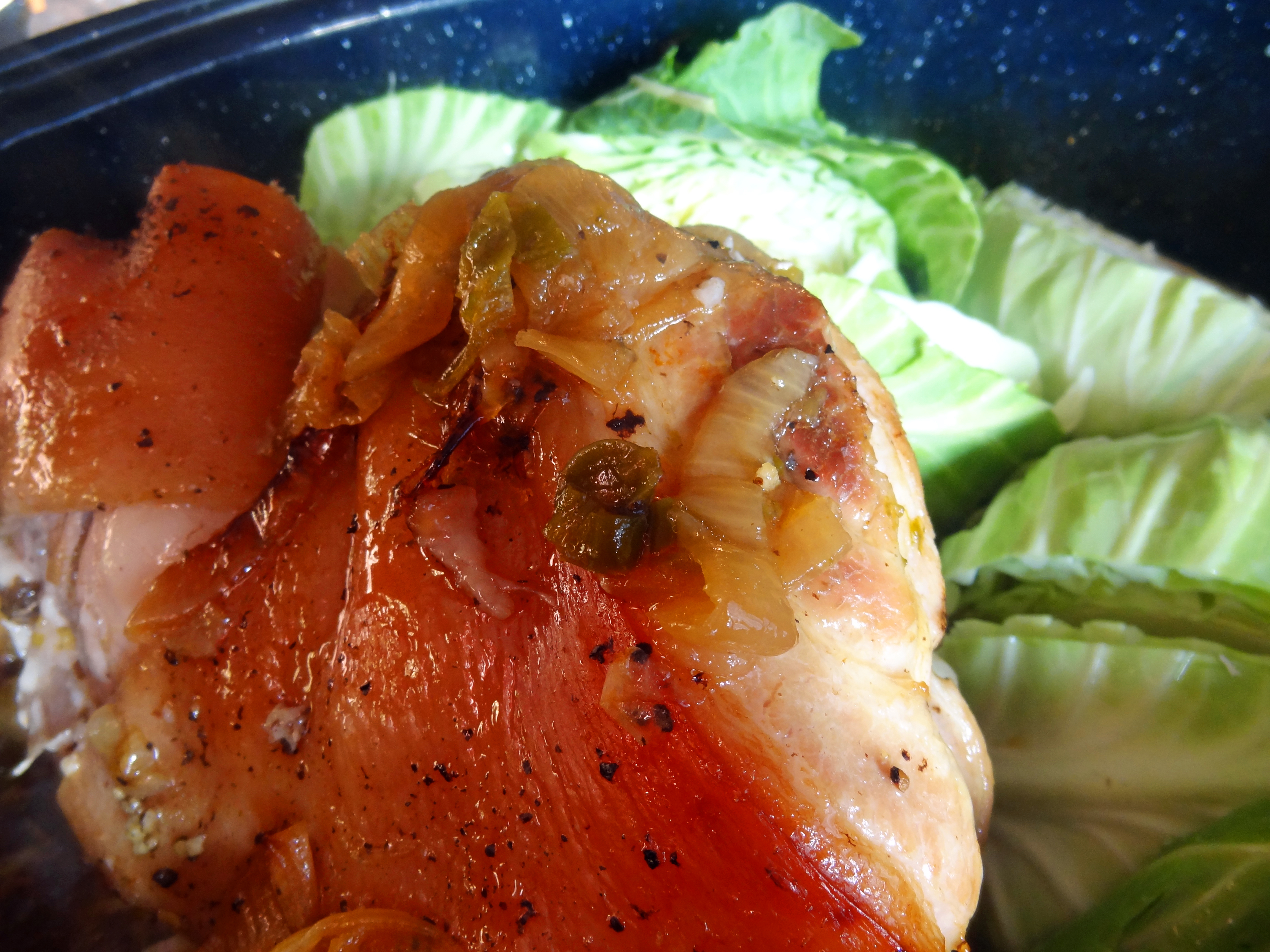
Wash and dry the pork. (Remove Skin if desired) Season with desired salt and pepper. Add all ingredients into a large covered Dutch Oven. I use my turkey roaster which has a lid.

Cook at 300 degrees for 5 hours. During the last half hour add the cabbage and cook until the cabbage is tender. Remove the excess grease from the pan but leave the cabbage in the pan.

Remove the pork and trim off all the fat. Shred the meat using 2 forks and place it back into the pan with the cabbage. (Add Perogies if desired) Cook for about 15-20 minutes to absorb the seasonings in pan.

Serve with Portuguese Roast Potatoes if desired. If you want to serve the pork the next day, let pork cool and store in refrigerator. Enjoy!


b Broa – Pão de Milho – Portuguese Corn Bread

The dog wags his tail, not for you, but for your bread.

Portuguese Proverb
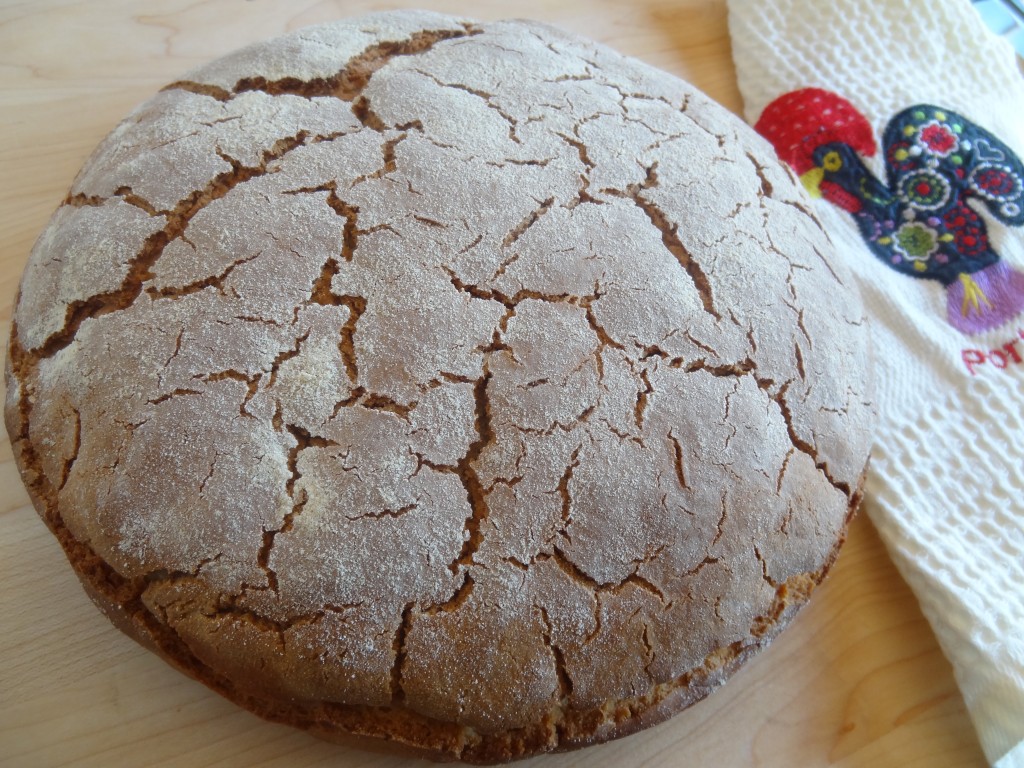
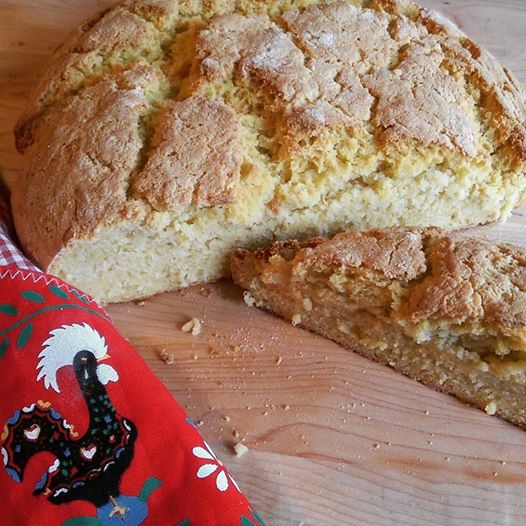
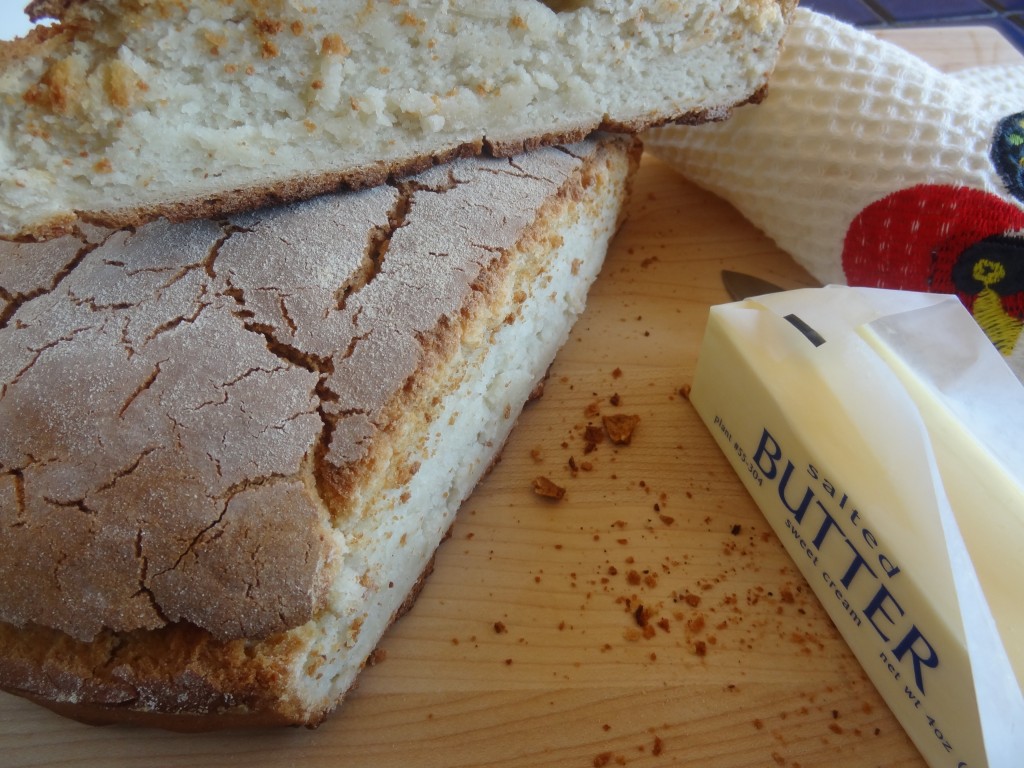
Pão de Milho, is my favorite of all the classic Portuguese breads. This artisan style bread is usually made with both Corn and Wheat flour and originated in the Northern region of Tras os Montes, Portugal.
What is unusual about this baking process it that you initially use scalding hot water to pre-cook the corn flour before you add in the regular flour. This is called pre-gelatinization of the corn meal, kind of like cooking polenta.
This process speeds up the cooking and leaves a less sticky dough. Once the corn flour and water mixture cools down you add the flour and finally the yeast.

The dough is placed in round shaped pans to form the bread. There is no need to let the dough rise for hours like most bread doughs.

Serve with the classic  Caldo Verde soup or with a Portuguese Antipasti Platter which includes presunto, and various cheeses for a truly authentic presentation.

Watch the videos at the end of this post to see the old world traditions of making this bread.

Makes 1 corn bread

Ingredients:

3 and 3/4 cups of white corn flour (you may also use fine yellow corn flour)

3 cups of flour

3 cups boiling water

1 tablespoon melted butter

2 teaspoons sugar

2 teaspoons salt


Yeast Starter:

1/4 cup warm water

1/2 teaspoon of sugar

2 teaspoons powdered yeast

1 tablespoon of flour

Instructions:

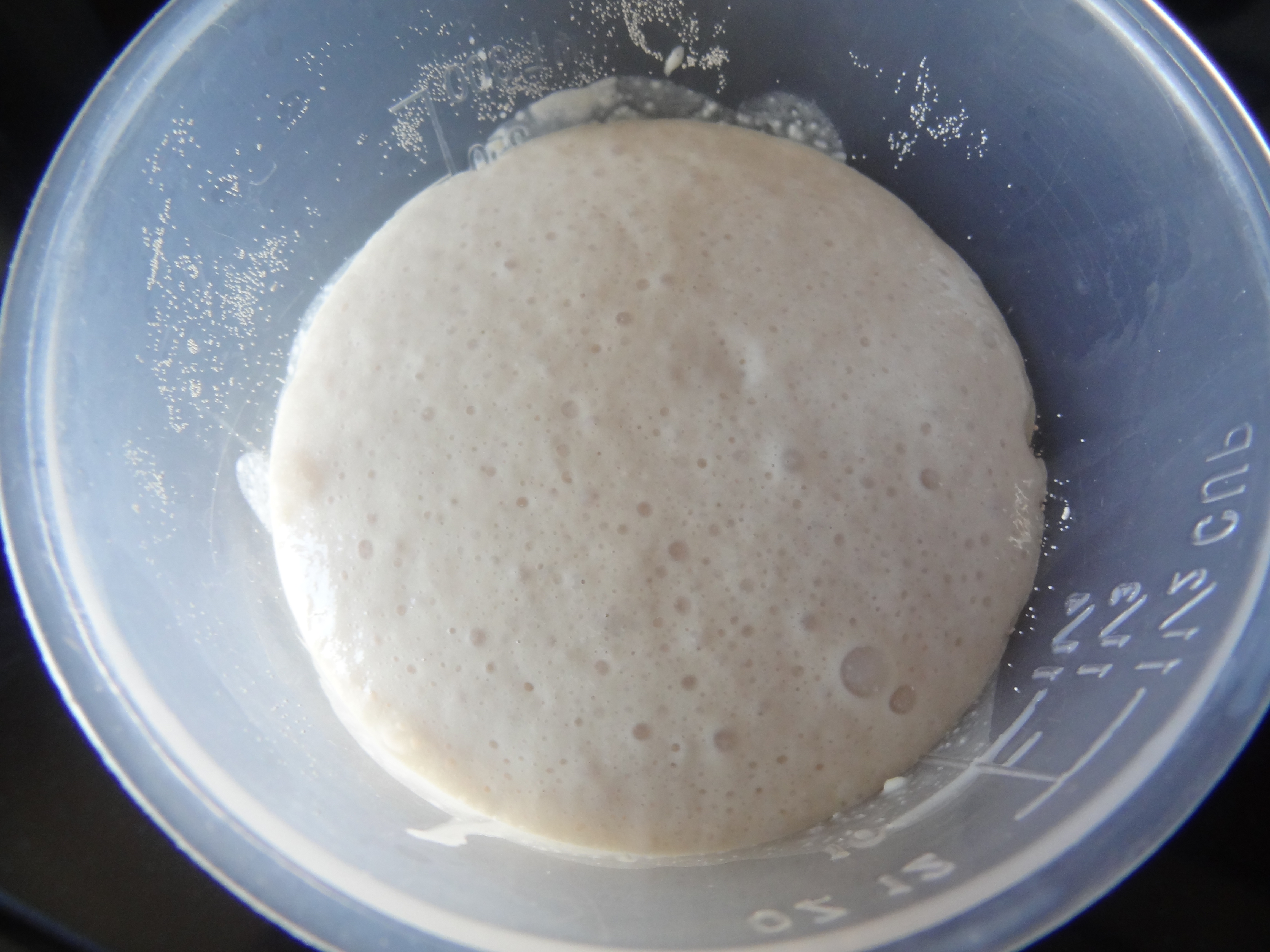
Make the yeast starter and set aside.

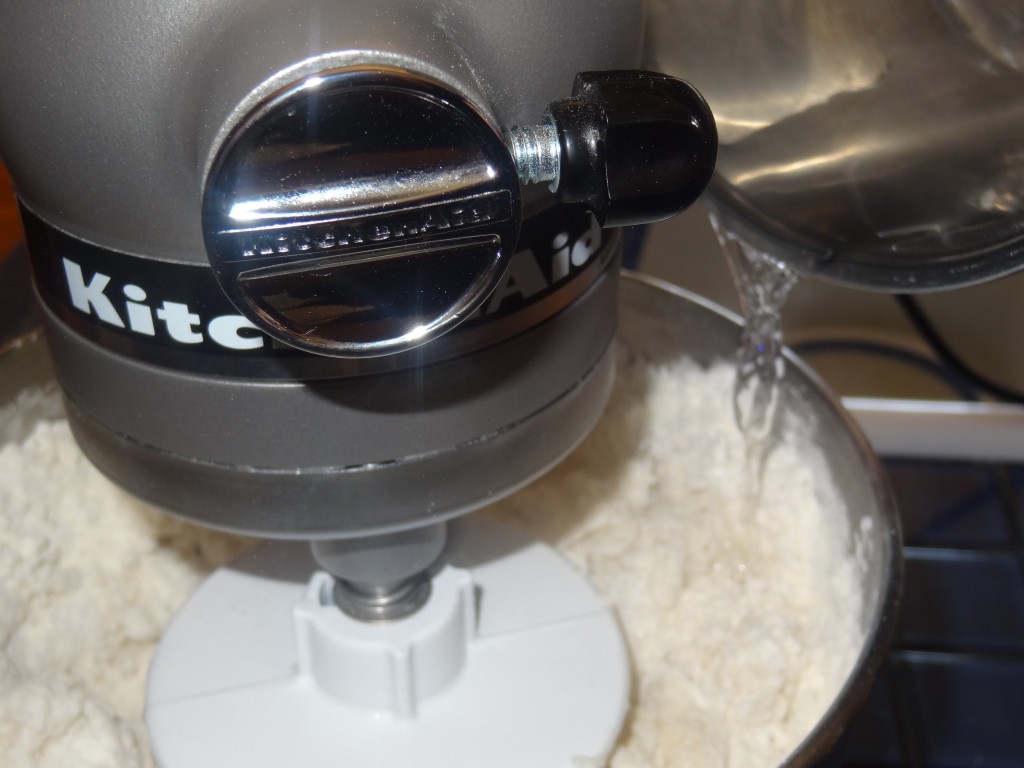
Place the corn flour in a mixing bowl and add the boiling water butter, sugar and salt. This will start the cooking process of the corn flour.

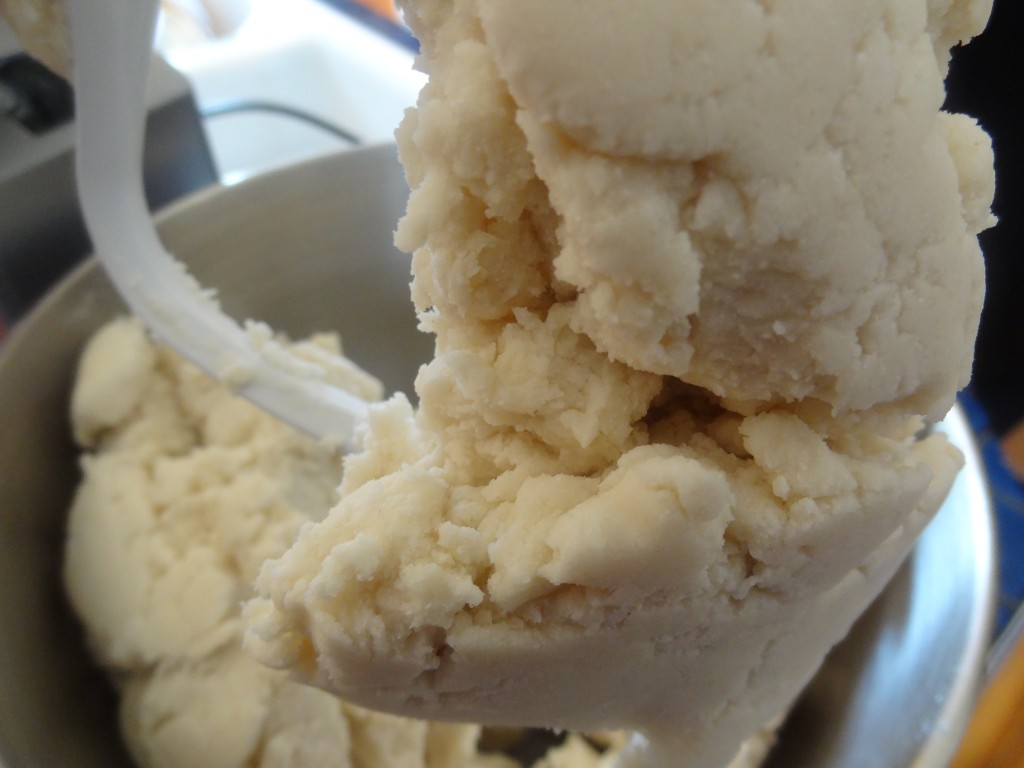
Mix well with a dough hook or with your hands if the dough is cool enough to handle. Let the dough rest for about 5 minutes and add the flour a little at a time.

Add the yeast mix and knead until the dough is smooth and can be shaped into a ball.

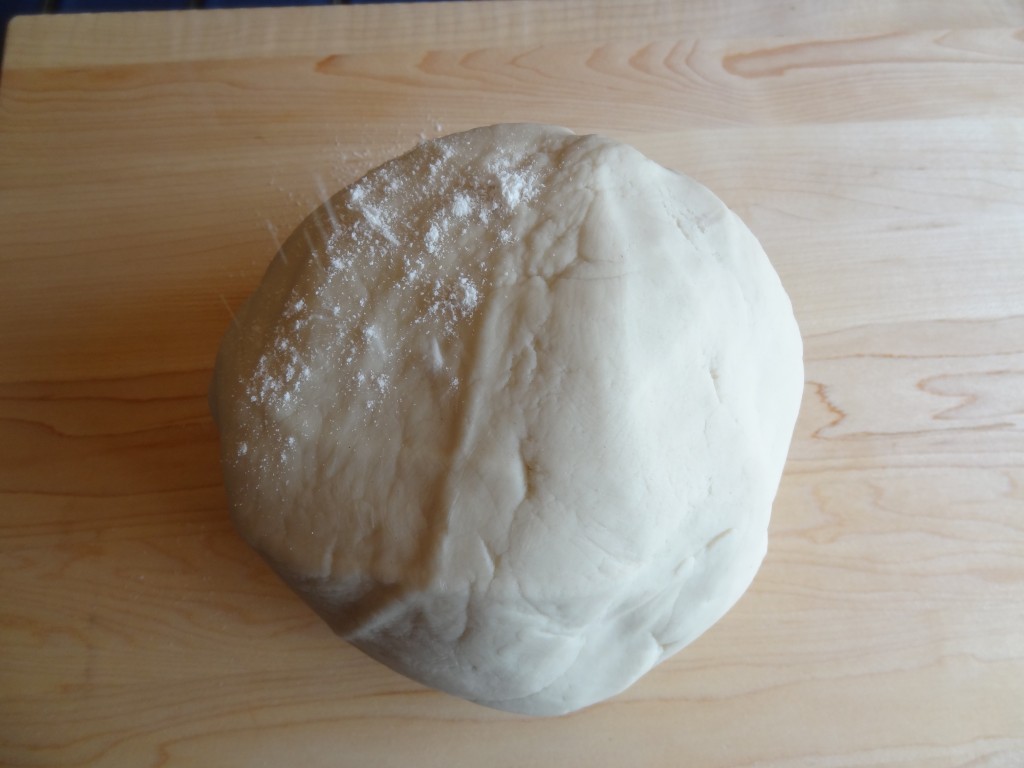
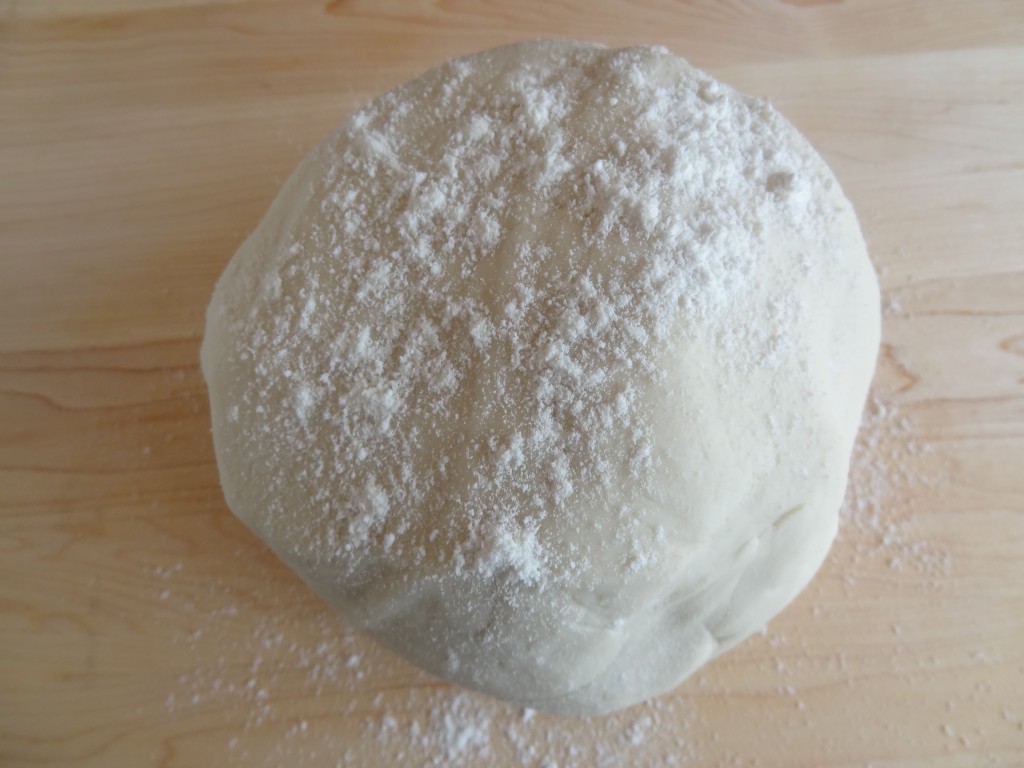
Place dough on a floured surface and shape into a ball. Coat the top of the dough with corn flour.

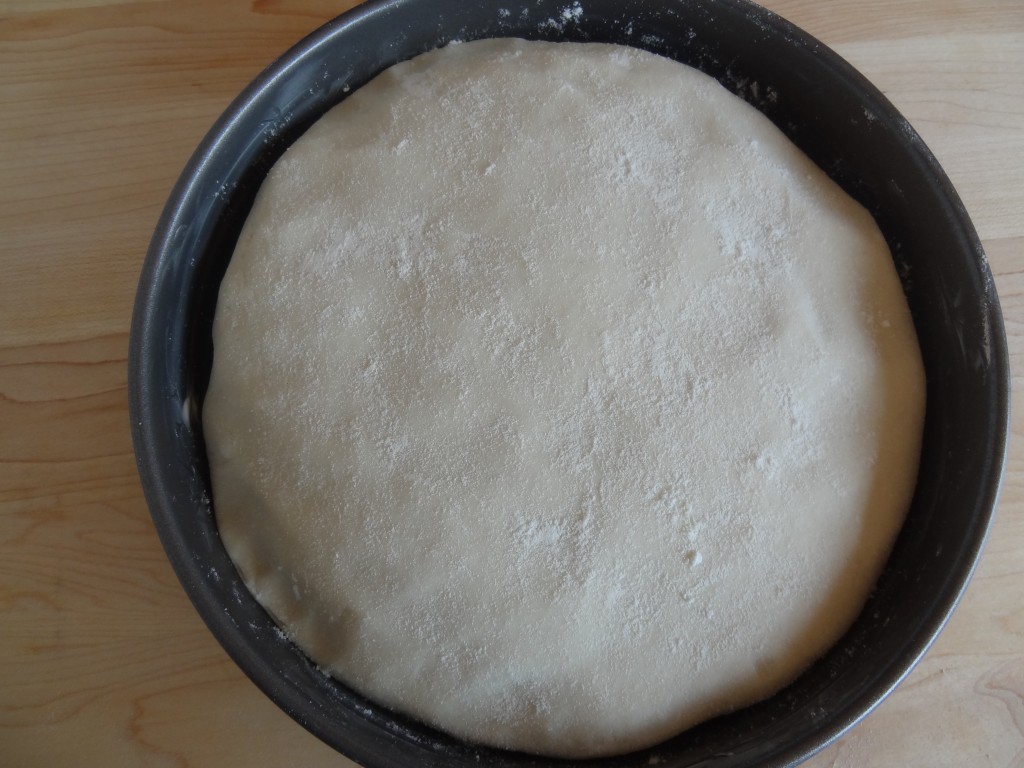
Form the dough into a flat round shape and place in a greased cake pan or pie plate.

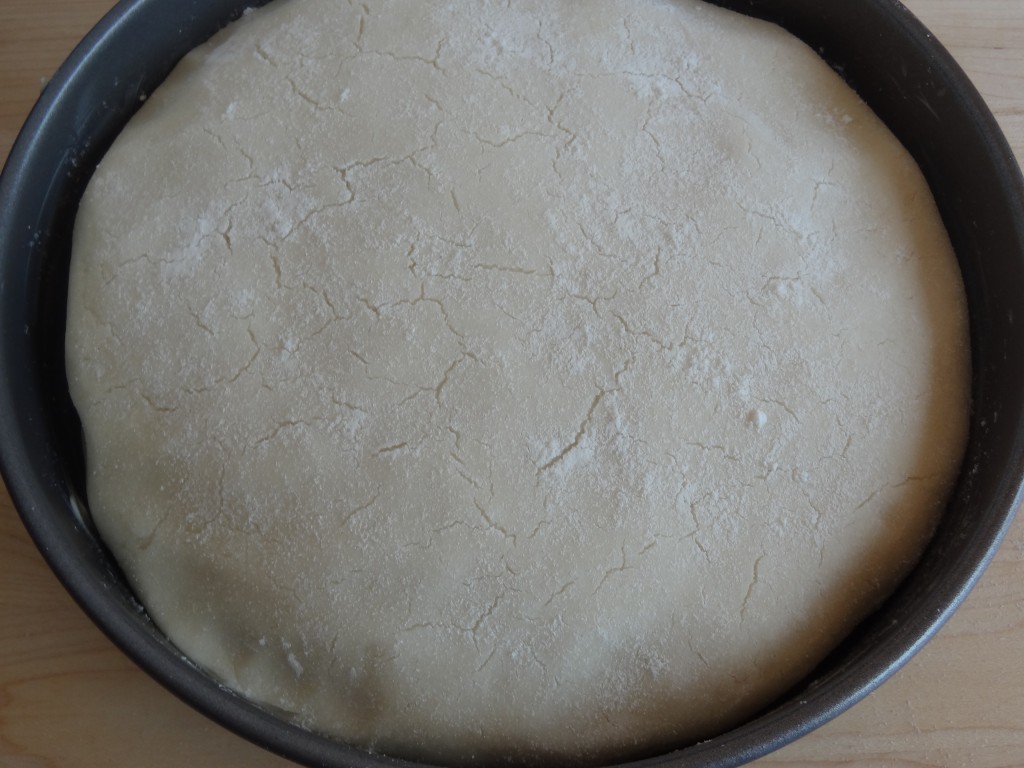
Meanwhile preheat oven to 450 degrees. Let the dough double in size for about 30 minutes or longer.

You’ll  notice the cracks forming on the dough but that is what gives the dough an artisan appearance.

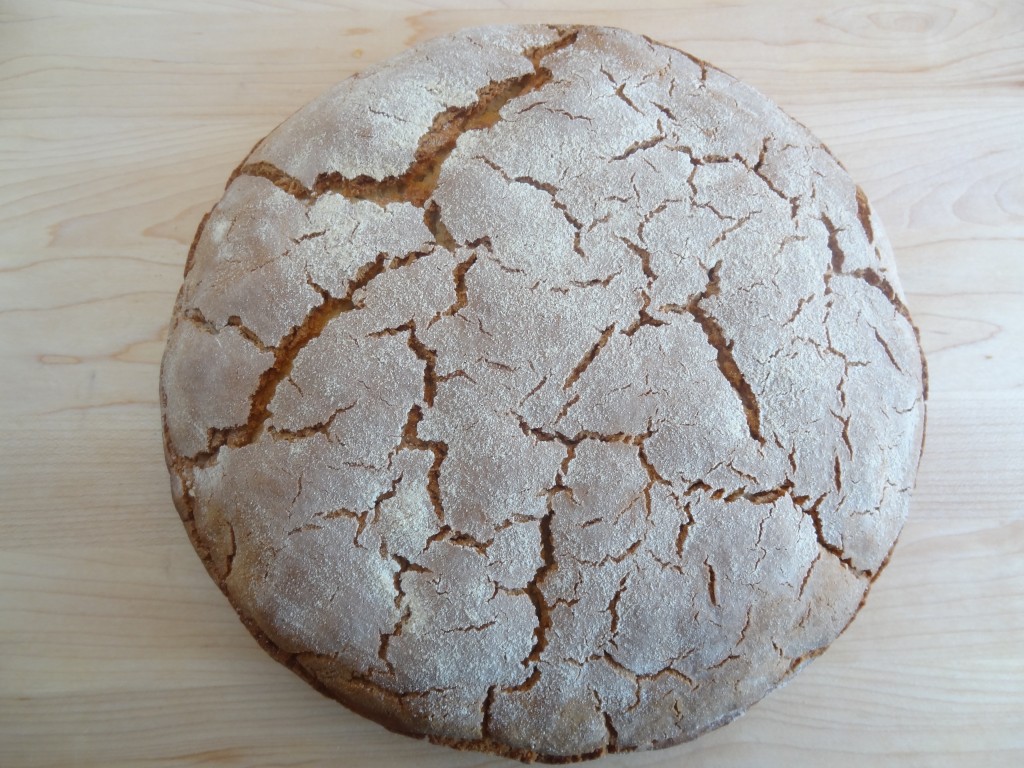
Cook for about 45 minutes until the crust is dark. Hit the bread with your knuckles and listen for a hallow sound. You may need to cook the bread longer depending on your oven since temperatures vary.

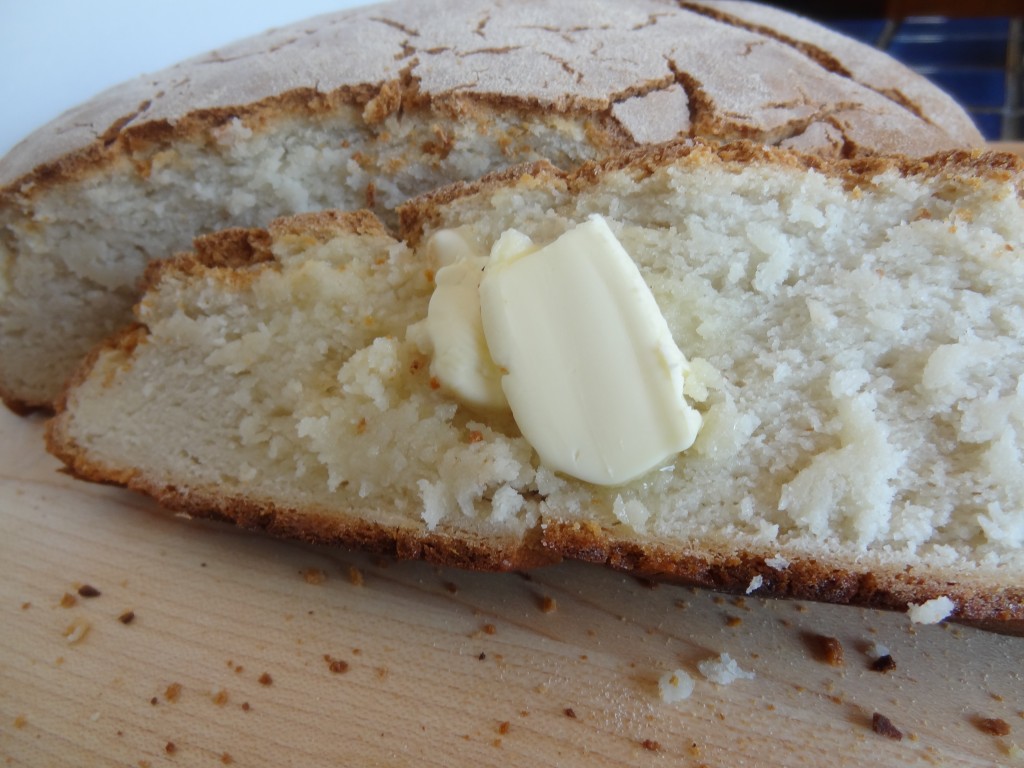
Let cool before slicing. The bread will be very crusty. If you want a softer crust, place the cooled bread in a food safe plastic bag for a few hours.

I wish you could taste it with that melted butter!

Watch this video to see the old process of making Pao Milho and cooking it in a wood fired oven.

Making Pao de Milho old tradition Part I

Part II

Part III

Part IV

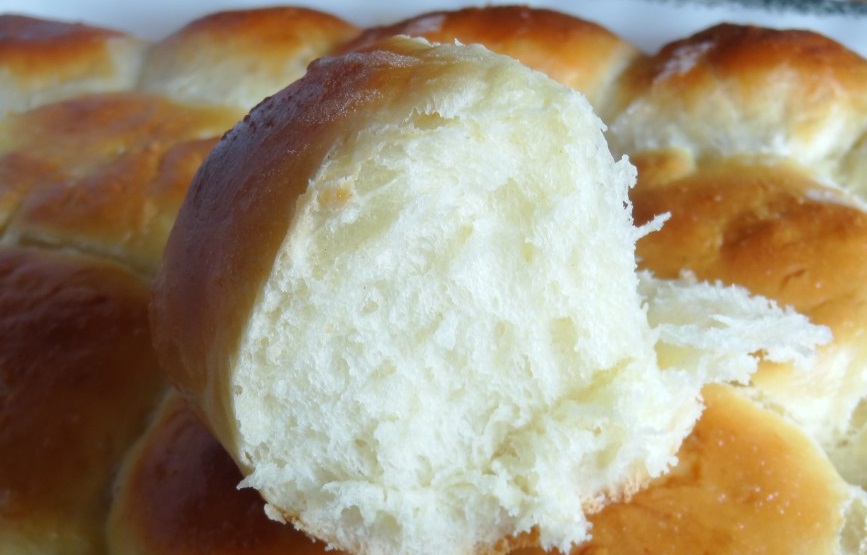
Portuguese Sweet Bread – Pao Doce


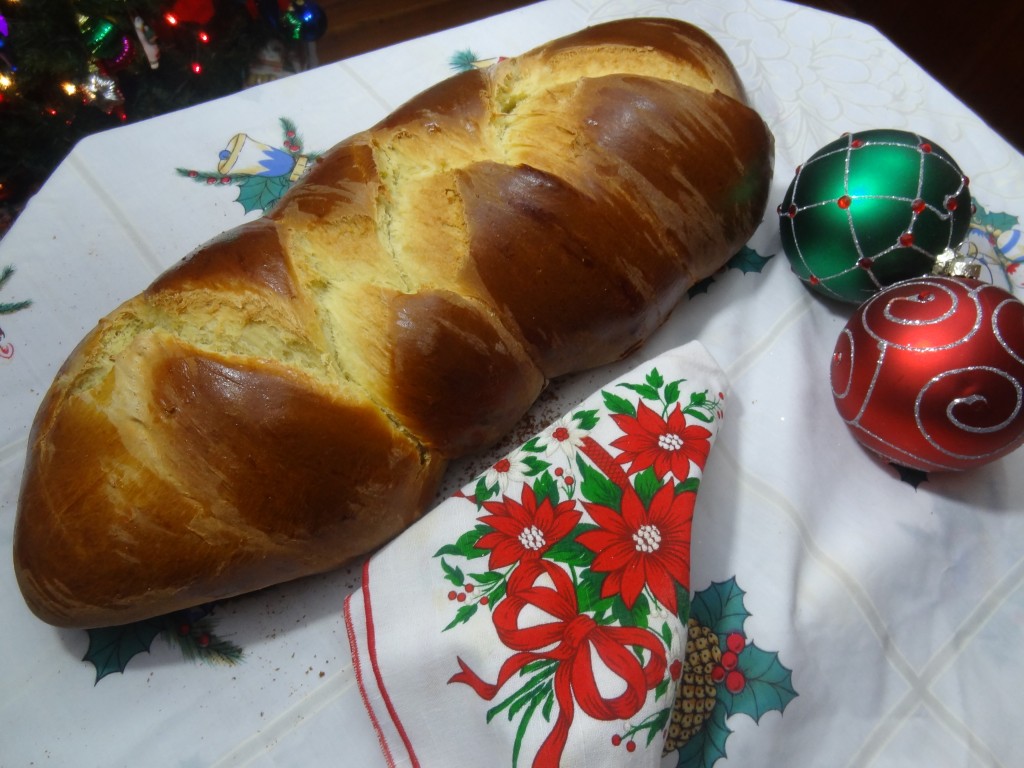
Portuguese Sweet Bread Christmas Braid

Watch my video recipe on my Youtube channel


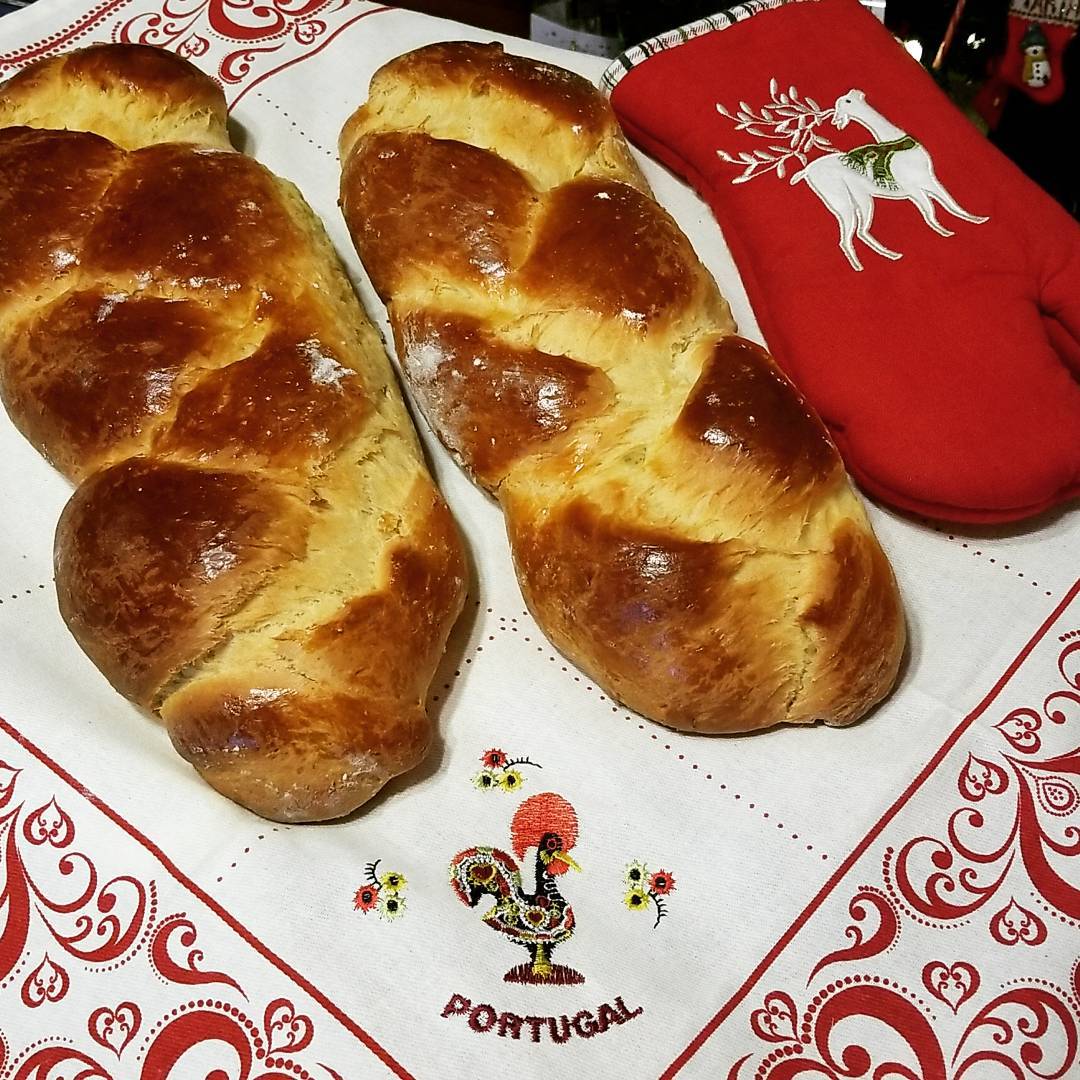
Portuguese sweet bread (Massa Sovada or simply Massa, Pão Doce. This light and airy sweet bread is usually made during Christmas and Easter. It’s also enjoyed throughout the year at breakfast, during meals and even served as a dessert. Some Sweet Breads made during Easter are called Folar de Pascoa. A hard boiled egg is cooked in the dough to signify the rebirth of Christ.There are many variations of this bread. Some recipes call for raisins, lemon zest, rum or whiskey to intensify the flavor.
This bread has maintained its popularity and it’s tradition within the Portuguese Immigrant communities in the United States. The first Portuguese immigrants came from the Azores and settled on the East Coast of Southern New England to work in the fishing and whaling industry during the late 18th century. One century later, another group of immigrants settled on the West Coast in the San Fransisco Bay area to work in the dairy and farming industry.
By the late 19th century, more had immigrated to Hawaii to work in the sugarcane fields.
The Kona Historical Society in Hawaii has an interesting page dedicated to Portuguese Stone Oven Baking of Portuguese Sweet Bread.
Watch the video below of actual baking in an authentic (Forno) brick oven.


I’ve tried many recipes and finally come up with this perfect one to share with you. The bread comes out light and fluffy and delicious.

Ingredients:                             

6 to 7 cups flour

2 and 1/2 packages of dry yeast

1 cup warm milk

1 stick butter

1 tablespoon salt

4 Jumbo eggs

1 cup sugar

1 tbsp (whiskey – aguardente) 

1/4 cup warm water

1/2 teaspoon sugar

Preparation:

Heat milk, but do not scald. Remove from heat and stir in margarine until melted. Add sugar, salt and mix. Let the milk cool down.

Meanwhile Make yeast starter by mixing packages of yeast with ¼ cup of warm water and ¼ tsp of sugar. Stir yeast until dissolved and let it rest until you see bubbles activating.

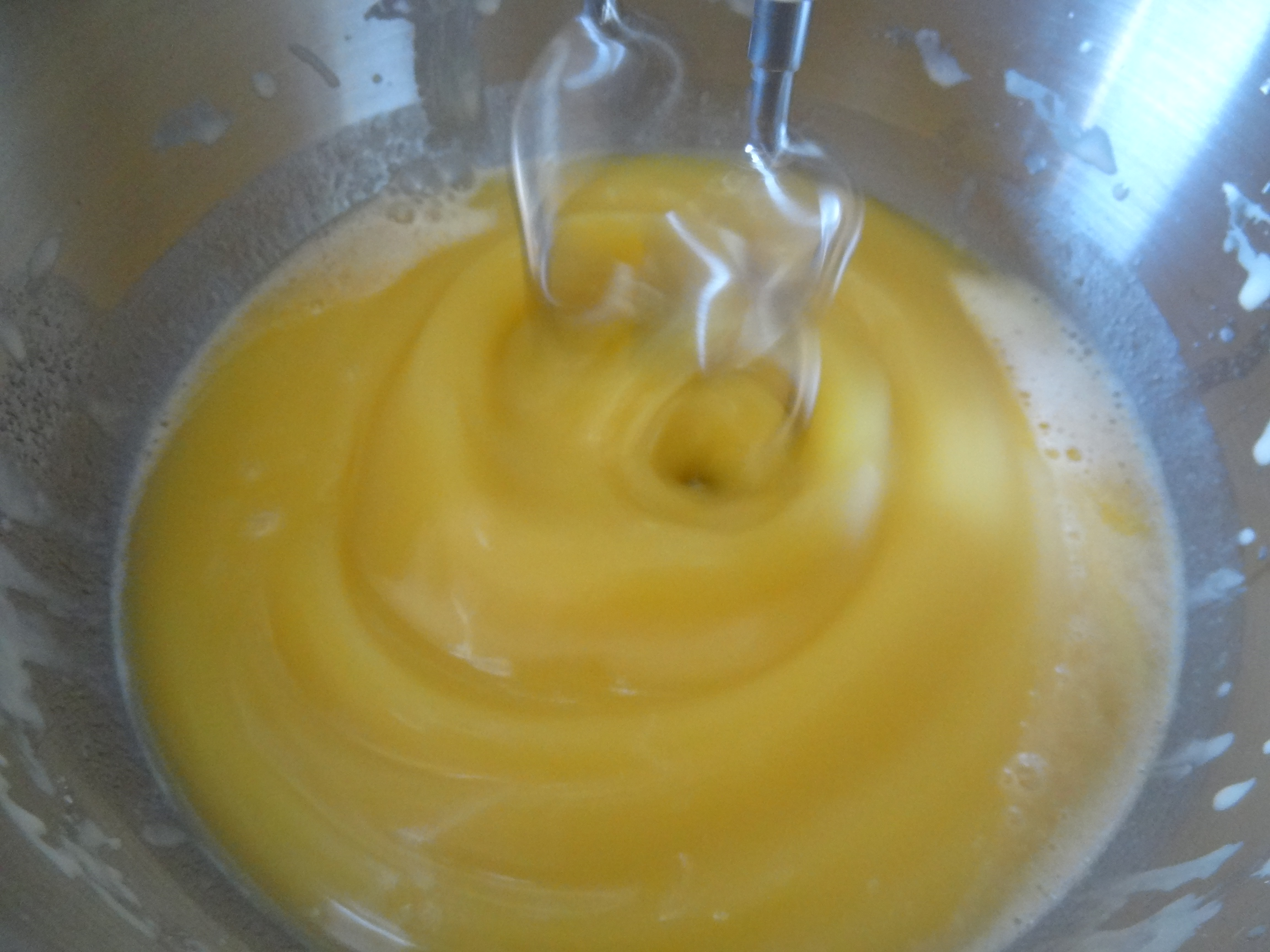
Beat eggs for a few minutes then add to the milk in a large mixing bowl. Add the yeast to the milk along with the whiskey and beat for 2 minutes.

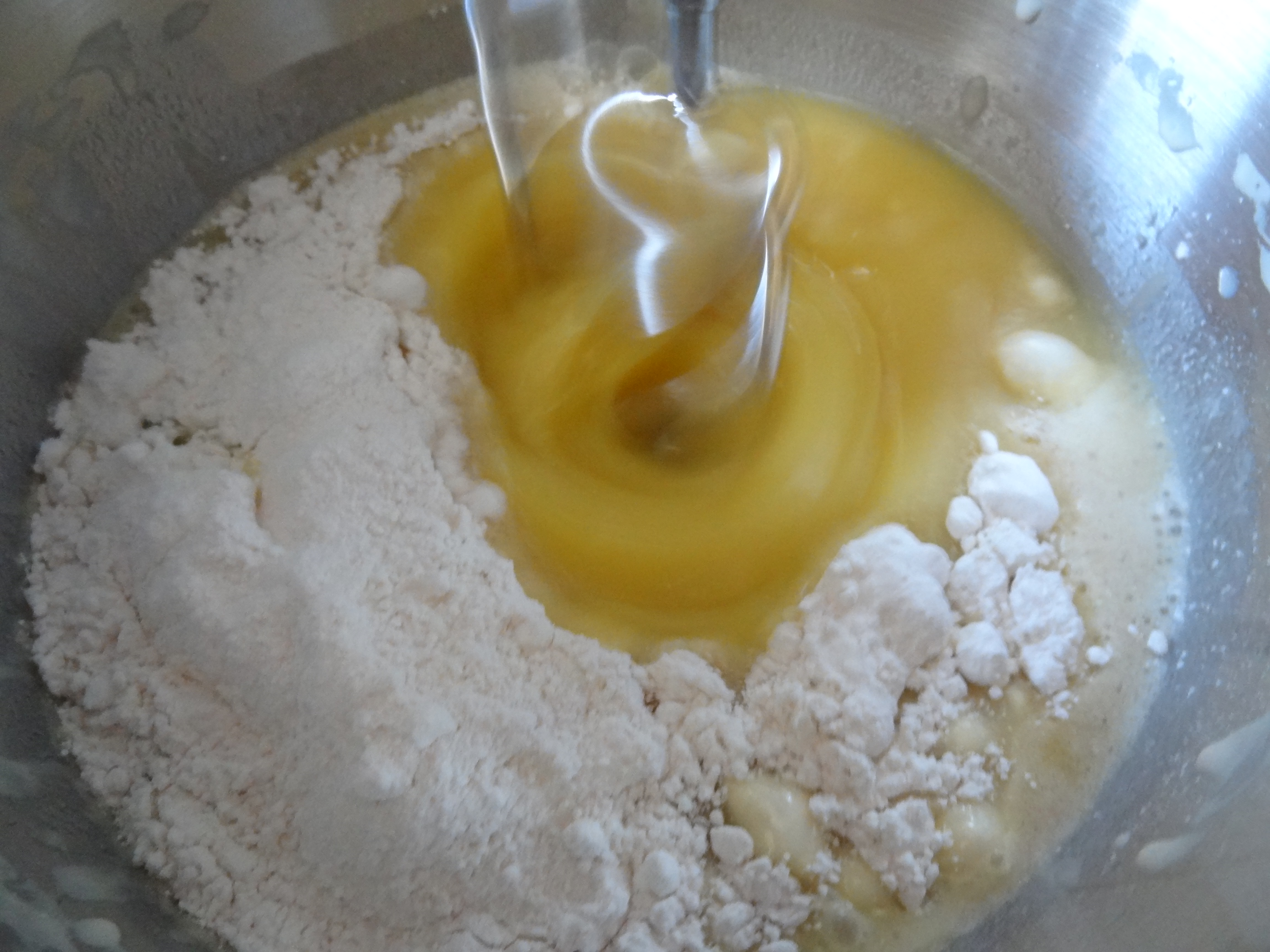
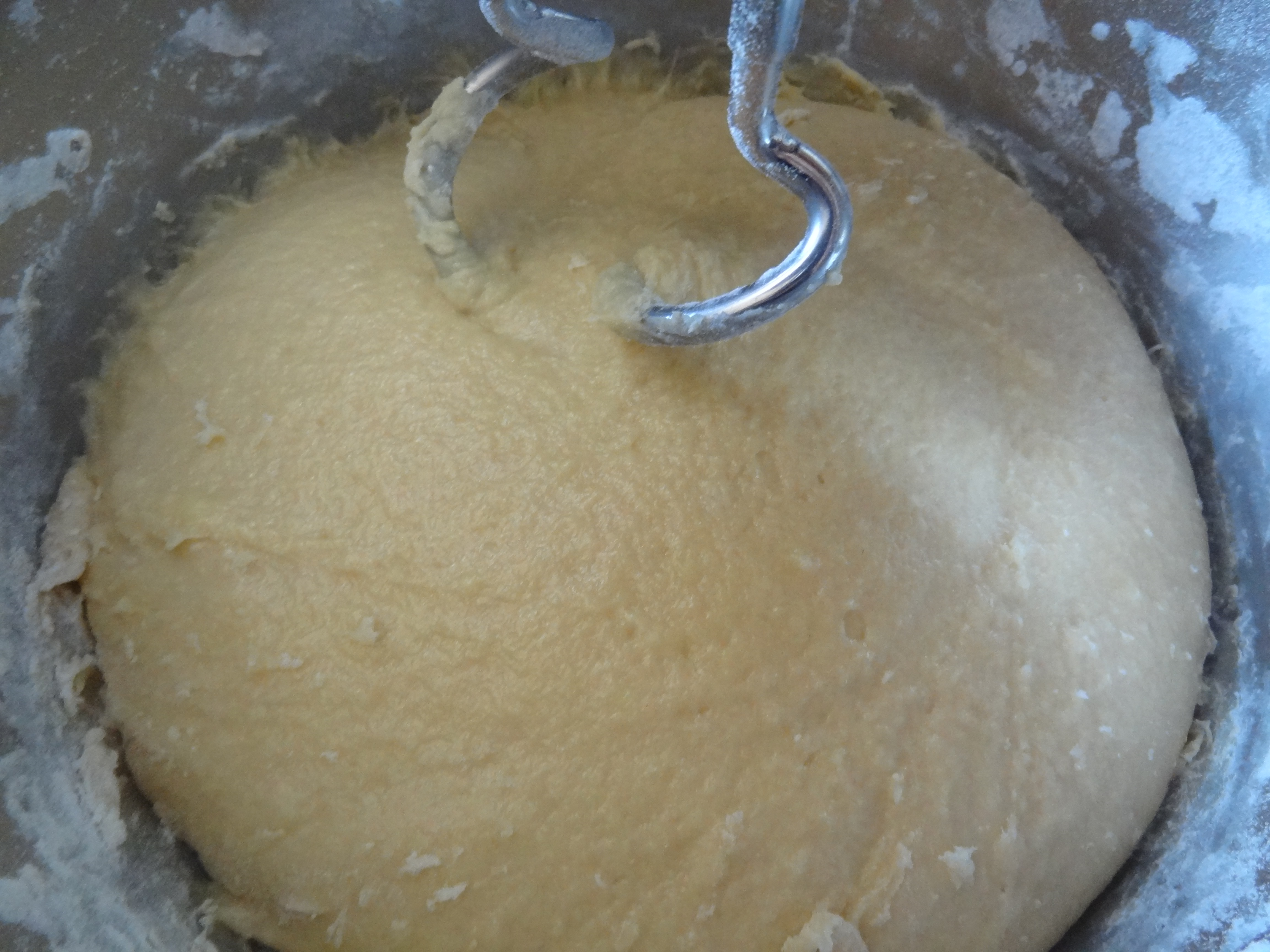
Begin adding the flour 1 cup at a time until it’s all incorporated. Use your dough hooks or your hands to knead for about 10 minutes. The batter should be very silky and smooth but not sticky. Add more flour if you find the dough sticky.

Remove dough from mixer, place on a floured surface and knead for about 5 minutes until it is smooth and soft.Place the dough into a large floured bowl and cover with plastic wrap and a warm towel. Let it rise in a warm place for 2 to 3 hours or until doubled.

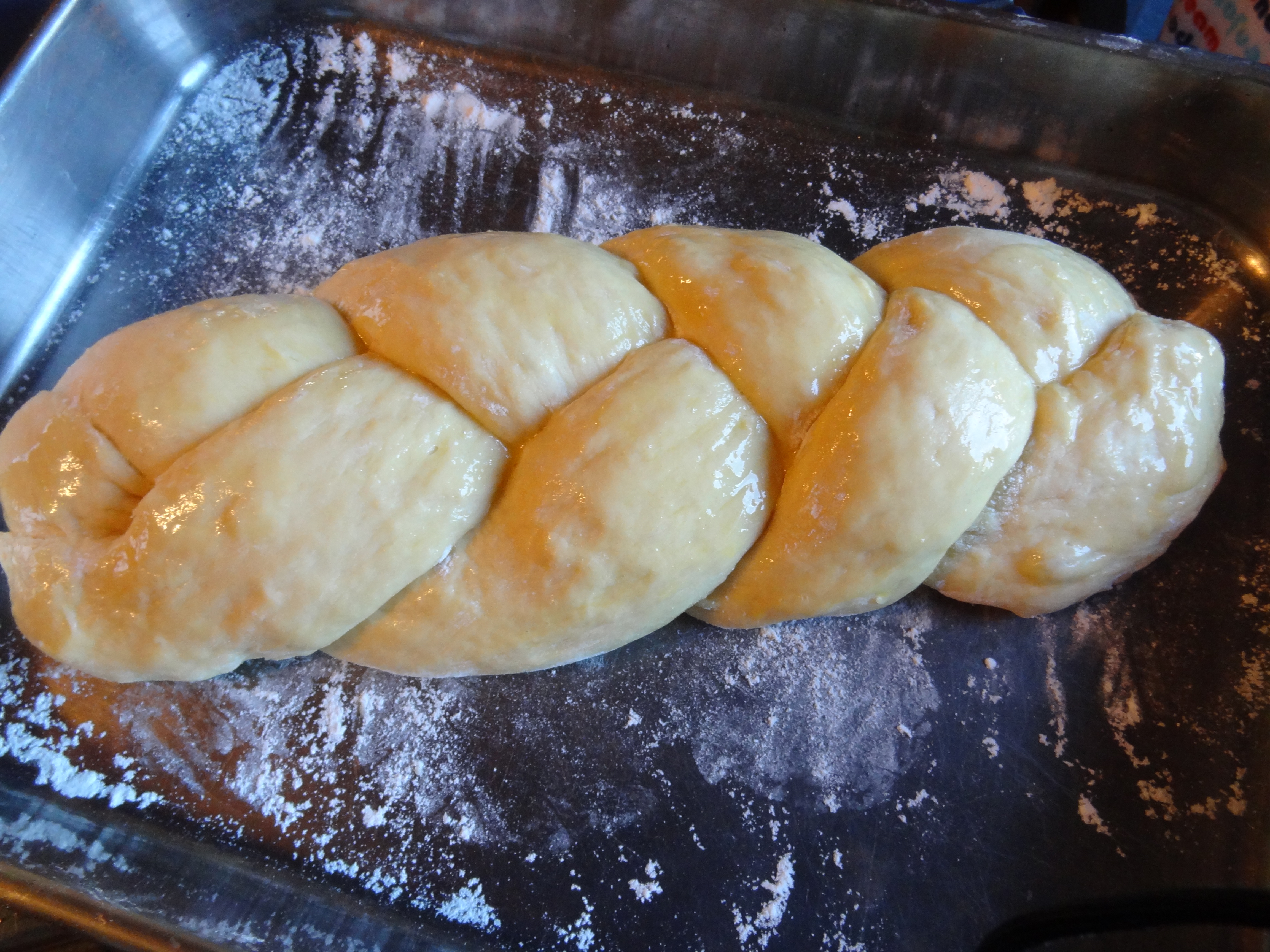
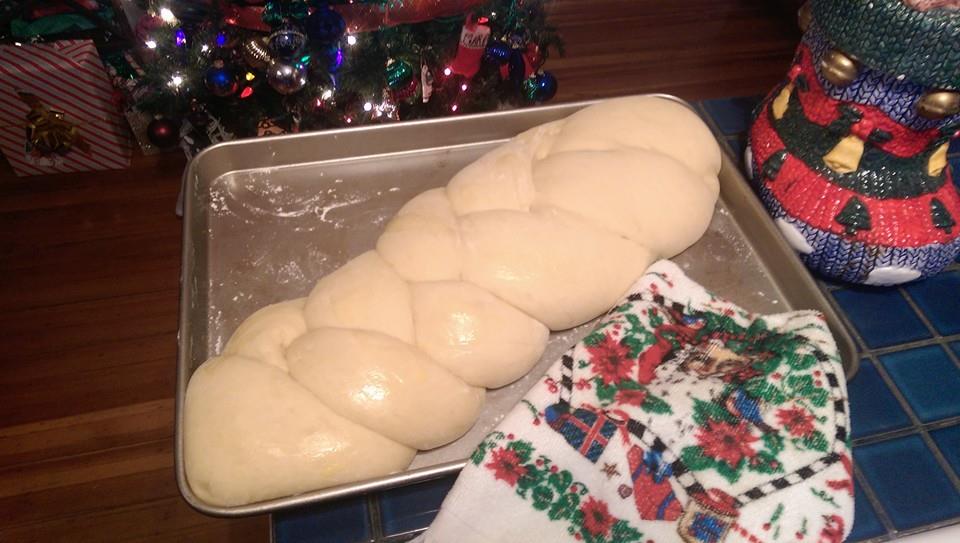
After the dough has doubled, punch it down and let it rise for 30 minutes longer. Place your dough on a floured surface and form your bread either into a braid, loaf or mini buns.

Let the dough rise for another hour or in a warm oven for about 20 minutes or until almost double.

Preheat oven to 325 degrees F.

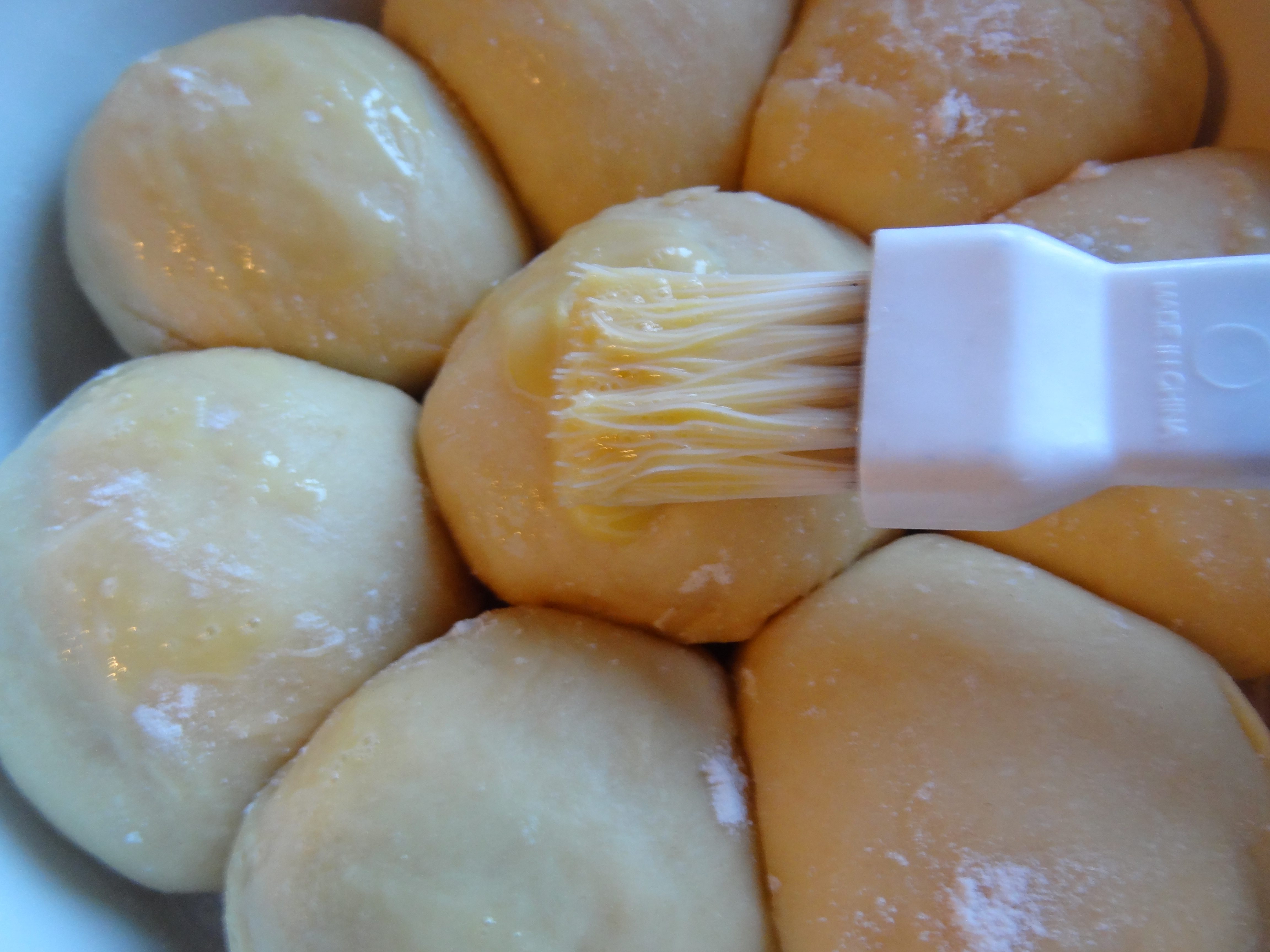
Brush tops of the bread with egg wash and bake for 30 minutes. After 30 minutes, turn the heat to 300 and cook for 30 minutes longer until the bread has a golden caramel color.

Note:: Do not over bake since it may get the bread dry.

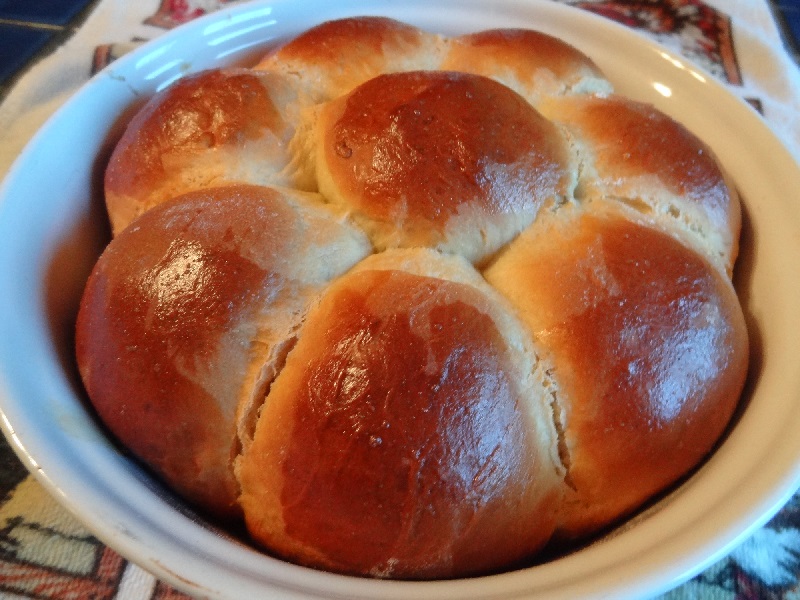
Mini buns cook in less time, approximately 45 minutes.

You may find oven temps will vary, adjust accordingly.

Makes approximately 2 loaves, 1 large braid or 12 buns


pao doce - Portuguese sweet bread


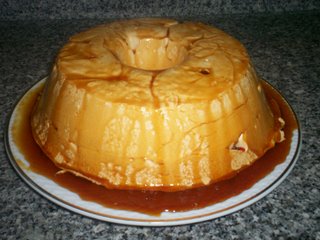
Pudim Molotof – Egg White Souffle Dessert


Pudim Molotof Recipe by Portuguese Pastry Chef Vania Soares!


This egg white souffle dessert is light, airy and delicious. It will become a Holiday tradition for your family! 

Ingredients:

12 egg whites

2 cups sugar


Ingredients for caramel sauce:

2 cups sugar

1 tbsp water


Instructions:

Grease a large bunt pan and set aside. Meanwhile, in a large heavy skillet, cook sugar and water on med heat until it turns into a smooth golden caramel.

Put the caramel except for (3 tbsp) into the bunt pan. Rotate the bottom of pan and sides to coat with caramel. Set aside.

Beat egg whites until stiff. Add sugar and beat to incorporate. Add the 3 tablespoons of caramel. Beat slowly to incorporate.

Place egg whites in bunt pan. Tap pan lightly on counter to take out air bubbles.

Cook the Pudim in (bain marie) for 12 minutes at 375. *Do not open oven for at least 10 minutes* Let the Pudim cool.

Take out of the oven, let completely cool and refrigerate until ready to serve. When ready to serve place a large serving platter on top of pan and flip over

Spread the caramel glaze over the pudim! Enjoy!

Thank you Chef Vania!

Chef Vania Soares


Gaspar’s – Portuguese Sausage Since 1923


Gaspar’s……”The Portuguese Sausage that the whole world can enjoy!”

“You don’t have to be Portuguese to love Linguica and Chourico”

When Manuel A. Gaspar emigrated from Portugal to the United States in 1912, he brought with him a desire for a better way of life, as well as his skill and recipes for making those traditional Portuguese smoked sausages (Linguica and Chourico).

Little did he realize then, that four generations later, the Gaspar family would still be making those delicious sausages according to his original recipe and standards of quality.


For nearly a century Gaspar’s Sausage Co., Inc. located in North Dartmouth, MA. has been recognized as the largest manufacturer of Portuguese smoked sausage in the United States. It has become the largest manufacturer of Portuguese sausage in the country, producing well over three million pounds each year.

Located in Southeastern Massachusetts, the name Gaspar has become synonymous with sausage.

Today, this family owned business continues in the same tradition of its patriarch by producing their Linguica and Chourico according to this time-tested recipe.

Gaspar’s Linguica and Chourico are readily available at all major supermarket chains throughout New England and can also be found in parts of New York, Virginia, Pennsylvania, North Carolina, Florida and Bermuda.


Today, all of Gaspar’s products can be enjoyed anywhere in the United States through the company’s mail order/Internet division.

So, whether you’re originally from New England or simply someone whose taste buds enjoy the unusual, call Gaspar’s at 1800-542-2038 and indulge yourself or someone special with a truly delectable experience. You’ll be glad you did!!

Be sure to visit Gaspars’ website where you’ll find some of their favorite recipes and other products such as Portuguese Sweet Bread and Portuguese Muffins!

Order products online at www.linguica.com

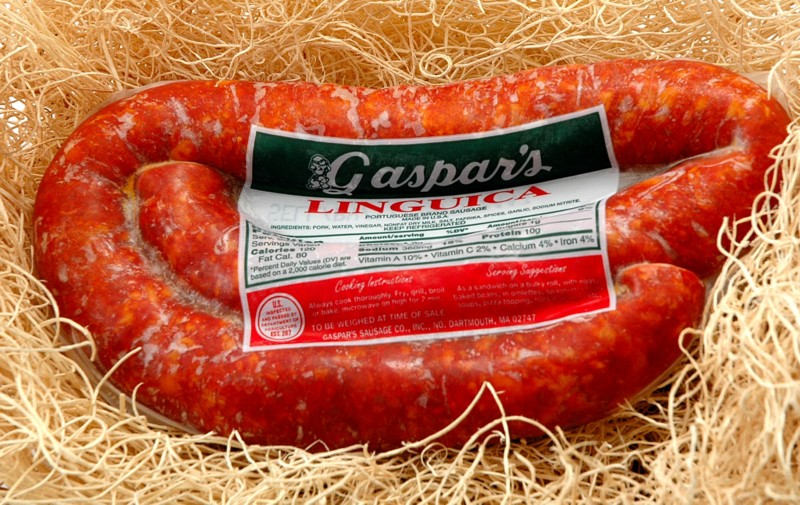
LINGUICA: Similar to kielbasa but with its own unique flavor, Linguica (pronounced lin-gwee-sah) is a mild pork sausage still manufactured according to an old Portuguese recipe. It is a fine blend of lean pork with a mixture of such basic spices as vinegar, salt, paprika and garlic. Stuffed into a natural casing, Linguicais then smoked until the special flavor and federally required temperatures are reached. Gaspar’s Linguica comes in many shapes and sizes. The Linguica franks and patties are great on the grill, and the Bite Size cocktail franks make a great appetizer. It even comes ground which makes a great pizza topping!
CHOURICO: Made from the same good meats as Linguica, Chourico (pronounced shoor-reese) has a heartier spiced flavor. Its main difference from Linguica is that it is a hot sausage whereas Linguica is mild. Gaspar’s Chourico is available in mild, regular and extra hot versions and the regular is available as round patties, franks, and ground in addition to the traditional sausage shape!
TURKEY LINGUICA & CHOURICO: For those looking for a low fat option without sacrificing the classic flavor, Gaspar’s also makes Turkey Linguica & Chourico. containing low fat turkey meat instead of pork!
ANDOUILLE, KIELBASA, SALPICAO & MORE: Gaspar’s is more than just Linguica and Chourico. we make some other great sausage products as well! Our other offerings include Andouille, Kielbasa, Salpicao, Chourizos and Morcela. (available seasonally) 
GIFT PACKS: If you are looking to try a variety of our products or would like to send a great gift to a friend or relative please take a look at our pre-selected gift packs combining the most popular varieties of products! (Available ONLINE only)

GASPAR’S SAUSAGE COMPANY, INC.
384 Faunce Corner Road,
North Dartmouth, MA    02747-1257

Order products online at www.linguica.com

Phone: 1-800-542-2038

Here’s a favorite “Flaming Chourica” Recipe just in time for the Holidays!

Chouriço Bombeiro

This appetizer creates a memorable cooking experience for your guests. The flaming chouriço creates a crispy browned skin and savory flavor. Chourico sausage is cured so don’t worry if think you haven’t cooked it long enough. Chourico sausage is cured so don’t worry if think you haven’t cooked it long enough. Serve with fresh crusty bread.

Recipe Ingredients:

1    Whole Linquica or Chourica Sausage

2 – 4 oz Whole grain – Alcohol (Preferably Portuguese)

1 Cooking Vessel – Assa Chourica Cookware

Long fireplace matches

Instructions:

Wash and dry the Chourica with paper towels. Place 2 oz of Alcohol in the bottom of the dish.

Make a few cuts into the top of the Chourica and place on cooking dish.

Light a match and slowly light the alcohol.

Let the flames cook the Chourica until crispy. *Caution* Do not touch flames

Turn the Chourica over to cook the other side if desired.

If the flames die out before the Chourica is cooked, start the process over!

Remove the Chourica onto a serving plate and serve in slices.

Serve with Portuguese bread such as Papo Seco, Caseiro, or Milho!

Enjoy!

Flaming chourico image credit: golisbon.com


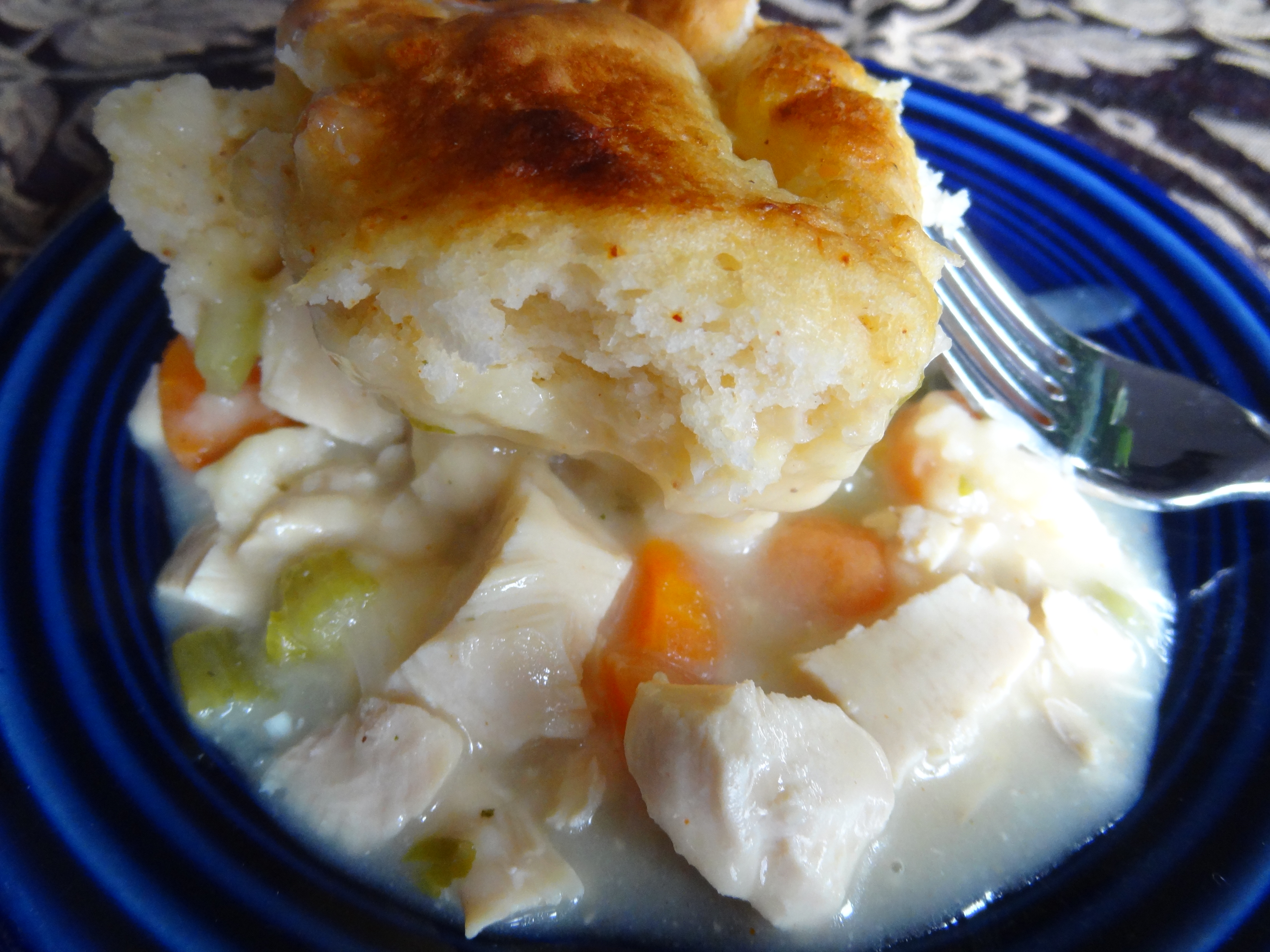
Stove Top Turkey Pot Pie With Dumplings

Don’t through away those leftovers! “Turkey or Chicken Pot Pie” is a family favorite.

This comforting classic is easy to make and I guarantee it will be gone before you know.

Enjoy!

Ingredients:

Filling:

Leftover Turkey (4-6 cups or amount desired) cut into cubes

1/2 cup chopped onion

1/2 cup chopped celery

1 cup cooked carrots

1 cup cooked peas

2 cups leftover gravy

Leftover – cooked potatoes or any vegetables chopped into small cubes (if desired)

salt

pepper

1/2 – 1 cup milk or cream

1 tbsp  Olive oil or Margarine


Dumplings:

3 cups Bisquick or other biscuit mix

1/2 tsp garlic powder

1 tsp chopped parsley

1/2 tsp paprika

1 tbsp melted margarine

1 1/2 cups milk

1 cup shredded cheddar cheese (or any you prefer)


Instructions:

In a very large oven proof skillet or dutch oven, saute onions and celery in oil until tender.

Add all ingredients (except Dumpling ingredients) and cook on low – med for about 10-15 minutes.

Reduce to low, taste and add seasonings if desired. Add more gravy to thicken if needed.

Meanwhile, make the Dumplings by mixing all ingredients in a large bowl. This should look like a very thick pancake dough.

With a large spoon that measures 1/4 – 1/2 cup, drop the dough into the cooked turkey mixture in even amounts that cover the pan.

Add any leftover stuffing if desired in between the dumplings. Cook the dumplings in the pan for about 10 minutes.

The dough will sink into the gravy but it will double in size as it cooks.


Shake the pan gently so the gravy doesn’t stick but don’t break up the dumplings. You’ll notice the dumplings will cook from bottom up.

After 10 minutes, place the pan in the oven on Broil. Leave the oven door slightly open and let the dumplings get golden brown.

Take the pan out of the oven and lift one dumpling to see if it’s cooked through.

If you see the dough is still raw, cook the pot pie on stove top at medium heat for a few more minutes, or in the oven at 400 degrees until the dumpling is fully cooked. Serve with any leftover sides such as the stuffing or vegetables! This will keep in Refrigerator for 2 days. Heat up in oven or microwave.

Enjoy!


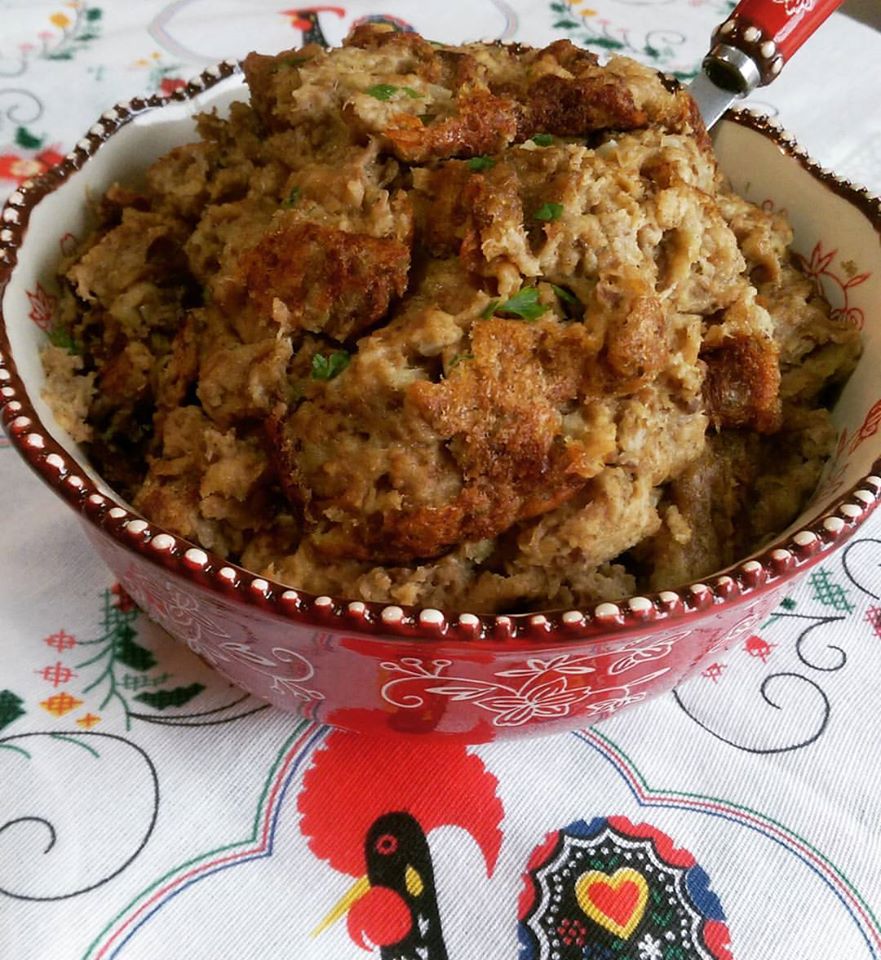
Portuguese Style – Thanksgiving Stuffing


portuguese-stuffing-1

I get many requests from people looking for lost recipes, but especially around the Holidays.

There are many reasons why people don’t have their family recipes.

Some family members didn’t want to share them, the recipes were not written down, or they just hadn’t taken the time to learn the recipe until it was too late.

This Thanksgiving, I encourage you to sit down with the cooks in your family, write down their recipes and share the family traditions and history!

In this post, I’m sharing a little of my own family history along with my family’s favorite Thanksgiving recipe which I only cook once a year!

My family came to America in 1963, when John F. Kennedy was President of the United States. We came here, thanks to my Aunt Isabel, my mother’s sister, who immigrated to America when she was only 16 years old.

She sailed here by ship and passed through the historical landmark of Ellis Island in New York. She eventually became a US Citizen and later filed the paperwork for my mother and her family to immigrate!

My parents were typical Portuguese immigrants, who idolized President Kennedy because he was a proponent of Immigration, which eventually led to the Immigration Act of 1965.

This act, allowed my two older brothers who were living in Brazil at that time to join our family in the USA a few short years after we arrived here.

A soft velvety tapestry of JFK hung on the walls of most Portuguese family living rooms those days. I still have the one my parents had, neatly stored away in my cedar chest as a reminder of our family’s journey of coming to America.

President Kennedy was assassinated only 6 months later and like so many of others, I remember exactly where I was the moment I heard about it. I cried but I don’t think I knew why it affected me so much. Perhaps it was because my mother was crying.

Like so many before them my parents grew to love America and they were happy and grateful to move here. They followed the dream of a better life for their family, opportunity, and freedom from living in a country ruled by Salazar who was the dictator at that time.

I remember my first day in America, but that story is for another day and another recipe.

Like most Portuguese immigrants in America, my family has embraced the tradition of celebrating Thanksgiving since we were very grateful for the blessings of the food, our health, friends, and family.

I was very young when I watched my mother prepare our family’s first Thanksgiving diner, but I remember it vividly.

A friend of hers came by the night before Thanksgiving to teach her how to brine the turkey, and to make the stuffing.

I didn’t understand why they had to drown the poor bald turkey in a big plastic tub filled with salt, water and lemons since it was already dead anyway!

I watched in horror as they prepared the stuffing by peeling the sagging skin hanging off the turkey neck and then chopping up the cooked heart and the liver! Yuk!. I said to myself, I would never make that stuffing for my family, but of course I did.

Despite hating what I saw, I couldn’t leave that kitchen because I wanted to see, what this Thanksgiving cooking fuss was about anyway?

Many years later, I began preparing my mother’s stuffing recipe for my own family and it’s become the favorite side dish on our Thanksgiving table every year!

I hope you enjoy it as much as we do!

*Note that every family has a special Thanksgiving stuffing recipe. Some use meats in their stuffing, while some add chourica to the bread mix. I also use Pepperidge farm stuffing mix for an authentic Thanksgiving flavor. I suggest you try this recipe a couple of times to perfect to your taste by substituting your favorite meats, or bread stuffing mix. You can order chourica online at Gaspars Linguica.

Happy Thanksgiving Everyone!

Tia Maria
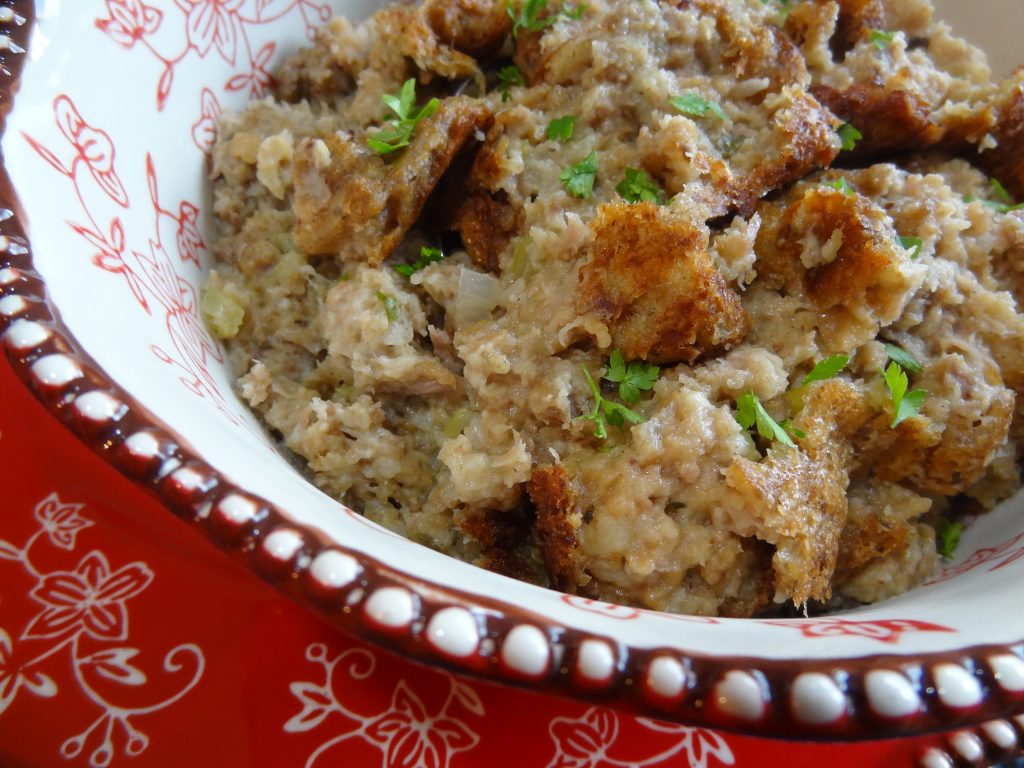
dsc06131

Portuguese Style – Thanksgiving Stuffing with Giblets – Serves 12 +

Ingredients:

Giblets & Stock

Turkey Giblets (which come inside turkey – neck, liver, heart, gizzard)

1 medium onion (chopped)

1 celery stock (chopped)

4 cups of water

4 cups of chicken broth

2 cloves of garlic

1 tsp of salt

1 tsp of pepper

Ground Meat & Bread Stuffing

1 lb ground beef, ground turkey, or sausage meat (this is optional)

1/2  cup diced Chourica or Linguica sausage (this is optional)

1/2 tsp garlic powder

1/2 tsp Paprika (omit if you use chourica)

1/2 tsp salt

1/2 tsp pepper

1 small diced onion

3 tbsp of olive oil

3 or 4 day old Portuguese rolls cut into cubes

4 cups of Pepperidge Farms stuffing mix with herbs (optional but use more bread instead and add 1/2 teaspoon of sage)

2 eggs

2 tsp very finely chopped parsley


Preparation:

How to cook giblets and stock:

Step 1:

Place the water, onion, garlic, celery, stock, and seasonings in a large stock pan and bring to a boil.

Rinse the giblets and neck and place them (except the liver) into the pan.
Cover, and cook on medium heat for at least 1 hour.

*Add liver during the last 10 minutes of cooking.

*The giblets should very well cooked, let cook longer if needed.

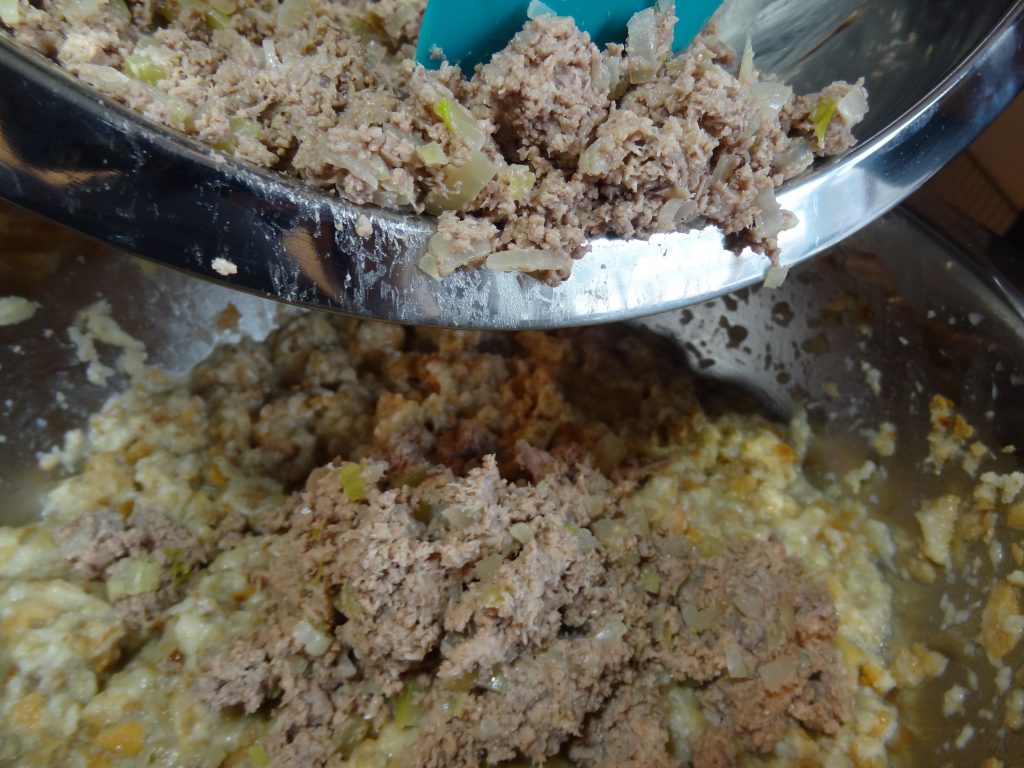
Remove the giblets from pan but save the stock. When giblets and neck are cooled, trim the meat by removing any ten-dints, veins or skin.

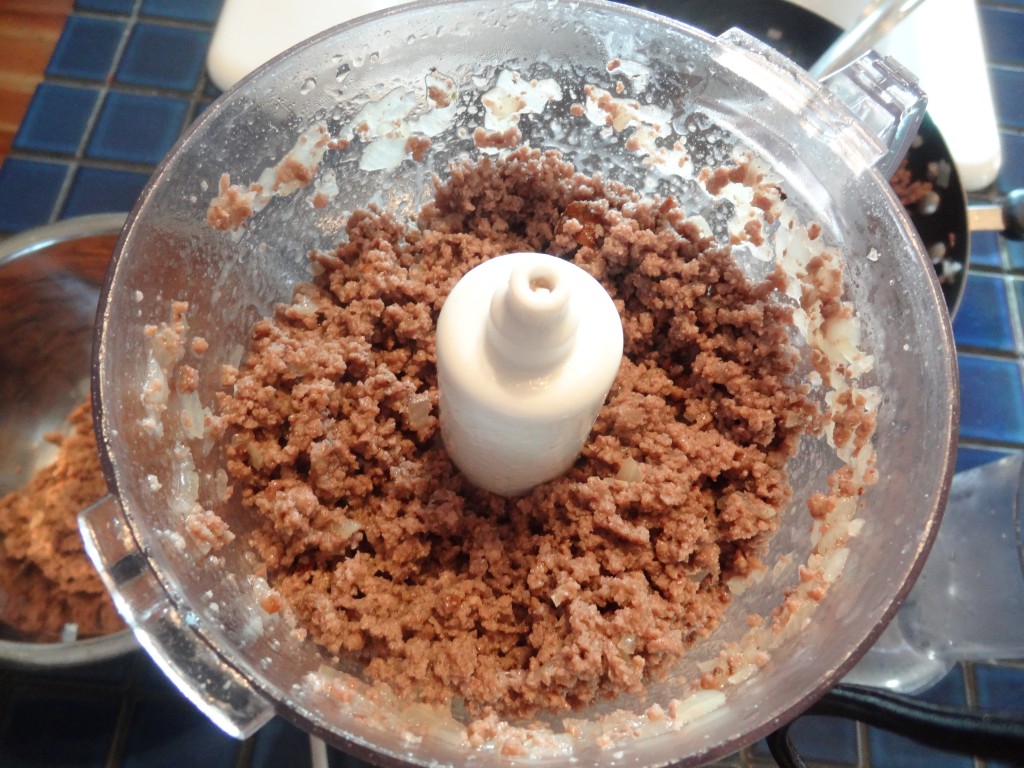
Place the trimmed meat in a food processor and pulse until they are the consistency of ground meat or leave chunky if you prefer.
Meatstuffing

Step 2

*Prepare meat for stuffing

Saute ground meat in olive oil with onions and seasonings until cooked. Add the diced Chourica the meat and mix.

Place in a food processor and pulse about 5 times until you get a smooth like consistency – (or chunky if you prefer

Step3:

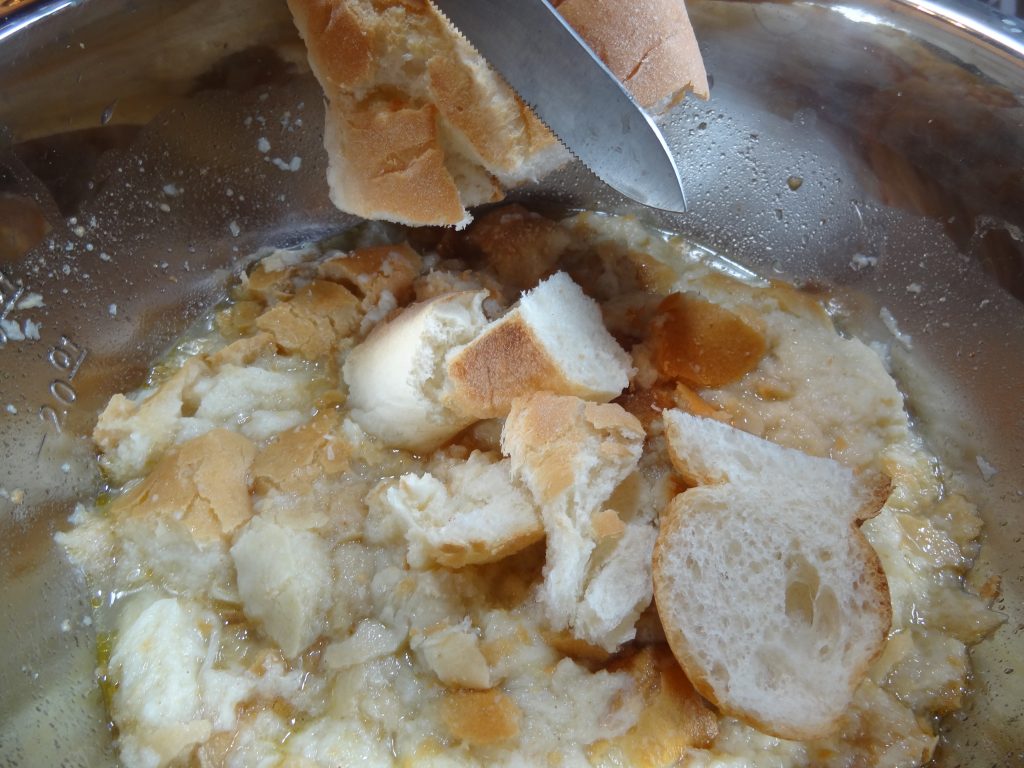
Strain your giblet turkey broth into a large bowl. Add the Portuguese rolls.
dsc06114

Let the rolls absorb the broth until they are soft. Add the cooked onion, garlic and celery from the broth. Mash well with your hand or a potato masher.

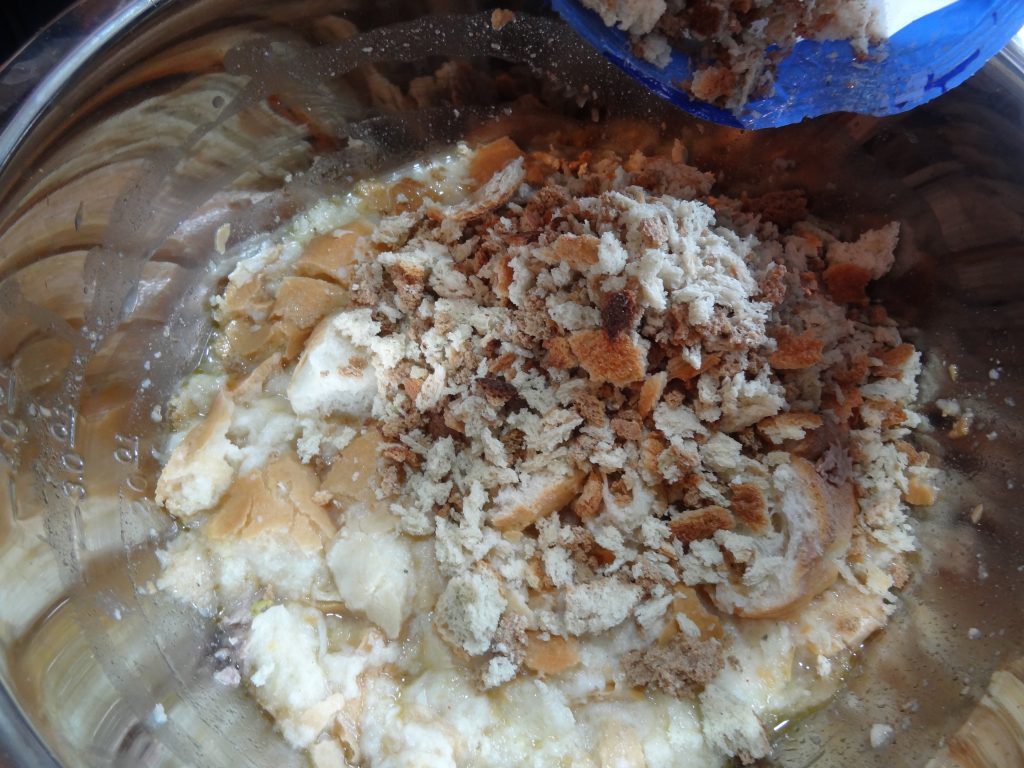
Add stuffing mix, ground meat mixture, and giblets. Mix until well incorporated.
dsc06118

dsc06122

At this point it’s up to you, if like a wet stuffing leave it alone, if you like a dry stuffing, add more stuffing mix or bread. If you find the stuffing dry add more broth.

Taste the stuffing and add salt or seasonings to your taste.

Add 2 eggs, and parsley. Mix well.

Spray or grease with margarine, a souffle, or baking pan which is at least 4 inches deep and big enough to hold all of the stuffing

Pour in the stuffing and cover with foil. Cook for at least 45 minutes at 350. If you want a crispy top remove foil during the last 15 minutes.
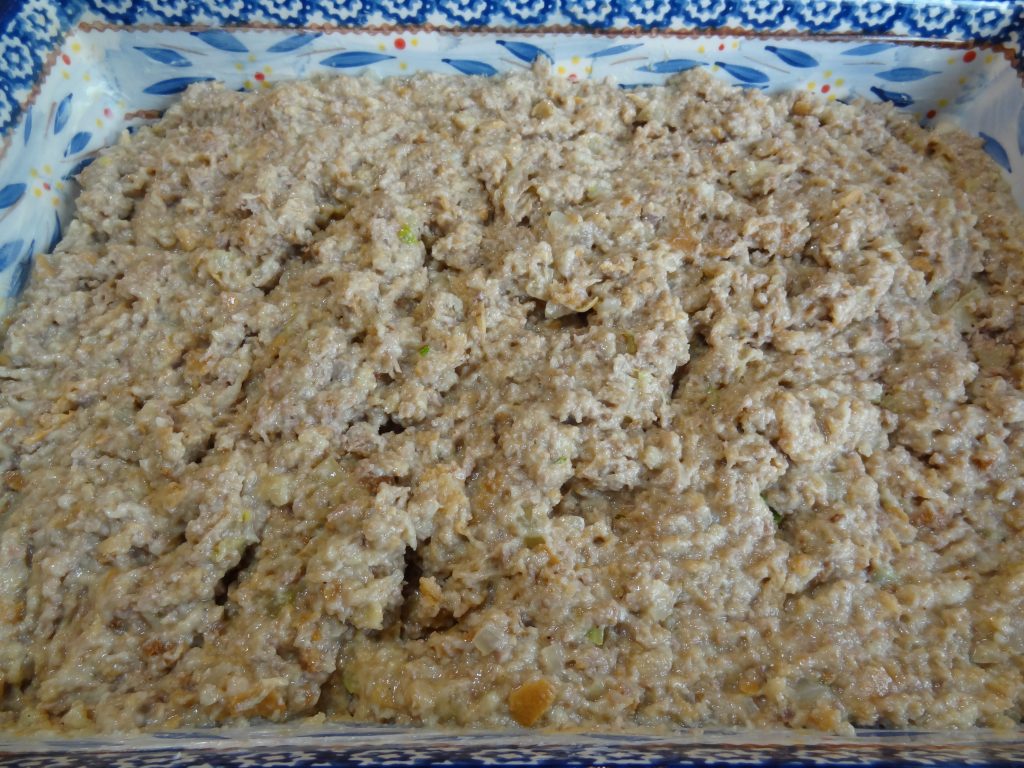
dsc06124

* Important – If you make this the day before. Let it cool – cover and store in refrigerator. (Heat up in the oven for 20-30 minutes at 350 F oven, or one portion at at time in the microwave.)
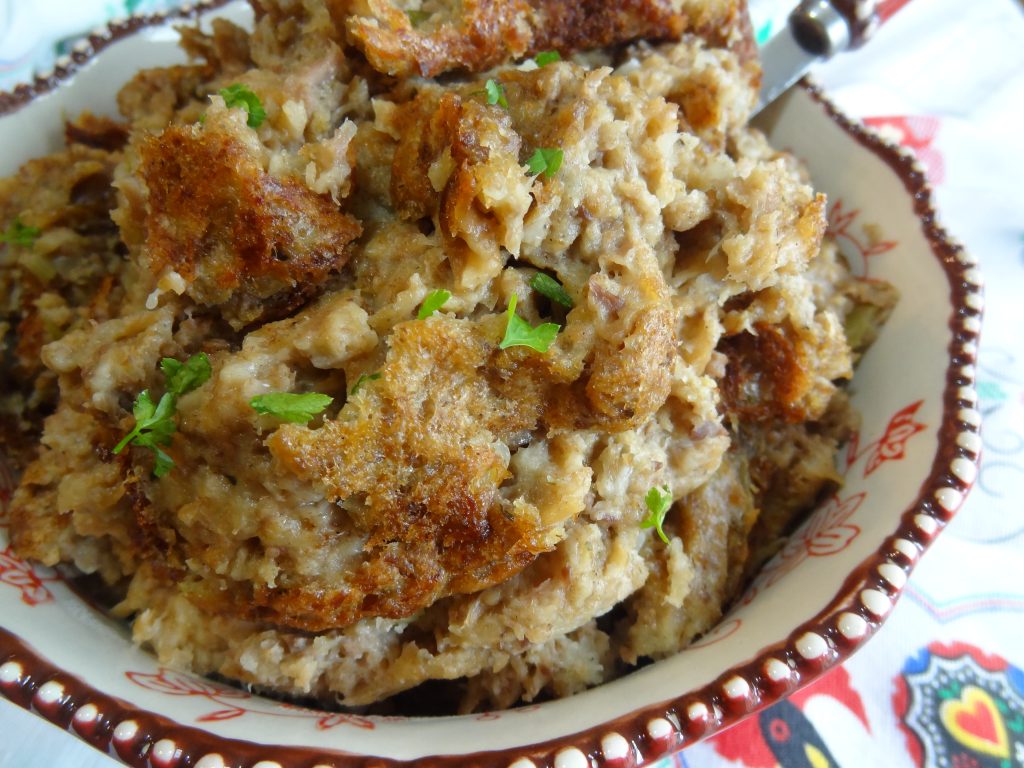

dsc06136

Toucinho do Ceu – Bacon From Heaven


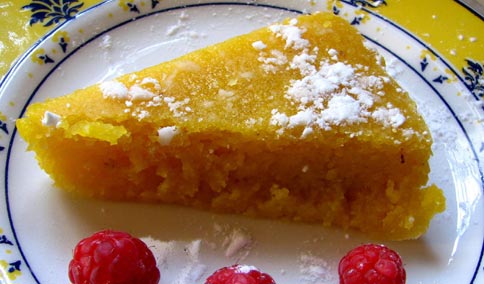
I love the fact that I learn a little bit of Portuguese Foodie – history when I share a recipe. Today, Pastry Chef Vania Soares from 42 and Bellota Restaurant at the Ritz Carlton, Westchester NY, sent me her recipe for “Toucinho-do-céu ” – Bacon From Heaven.
This is a wonderfully “Sinful” dessert created centuries ago in northern Portugal by nuns around the Eighteenth Century!

Most Portuguese desserts use egg yolks and sugar. Why mostly egg yolks? It’s because the egg whites are used to clarify wine (like a filter), acting like a brush to sweep out impurities.
The wine makers in the local region would save the yolks and give them to the nuns at the convents  who make desserts which were sold, to raise money for the poor.

There are different versions of this classic dessert sold in pastry shops all over Portugal, one is made with Almonds and one made with Gila, a sweet pumpkin jelly.  A convent in the city of Murca, Portugal, is rumored to have first invented this version for the dessert using Gila. Watch the video below for a demonstration of  Toucinho do céu, Murça.

Some believe the recipe came from the convent of Santa Clara in Guimarães, Portugal.  The convent closed in 1910 but 3 displaced nuns carried on the traditional recipes by making pastries to support themselves.  Years later, the nuns niece, Palmira learned the recipes and opened Casa Costinhas in the city that is the European Capital of Culture 2012. Visit golisbon.com/guimaraes, portugaldailyview.com, cafeportugal.net, for more information and to learn about our cuisine’s origins!


Ingredients:

2 3/4 cups ground almonds  —–   (300 g amêndoa moida)
1 cup water  ——   (0.250 Lt água)
2  1/2 cups sugar  —–   (500 g açúcar)
4 eggs  —–   (4 ovos)
2 tbsp melted butter  —–    (25 g manteiga derretida)
1/2 crated lemon peel  —–   (1/2 limão raspa)
1 tsp cinnamon  —– (q.b. canela em pó)
1  tbsp flour  —–    (12 g farinha)
20 egg yolks  —–  (20 gemas)


English:

Make a syrup with the sugar and water and heat up to 225 degrees or until a wooden spoon becomes coated. Meanwhile beat the 4 eggs and egg yolks well and set aside.  When sugar is cooled, add eggs and beat well. Add the butter, lemon, cinnamon, almonds and flour. Stir well and bring to boil to thicken over low heat,  stirring constantly to prevent burning. Pour into a greased and floured cake pan and bake at 350 for 25-30 minutes.

Portuguese:

Fazer a calda com o açúcar e a água até aos 108ºC, adicionar os ovos e as gemas previamente batidos e mexer bem. Adicionar a manteiga, o limão, a canela, a amêndoa e a farinha. Mexer bem e levar ao lume a engrossar em lume brando, sem parar de mexer para não queimar. Deitar numa forma untada e polvilhada de farinha e cozer a 180ºC por 25-30 minutos.


   Chef Vania

 Video from: Toucinho do Ceu – Murca, Portugal

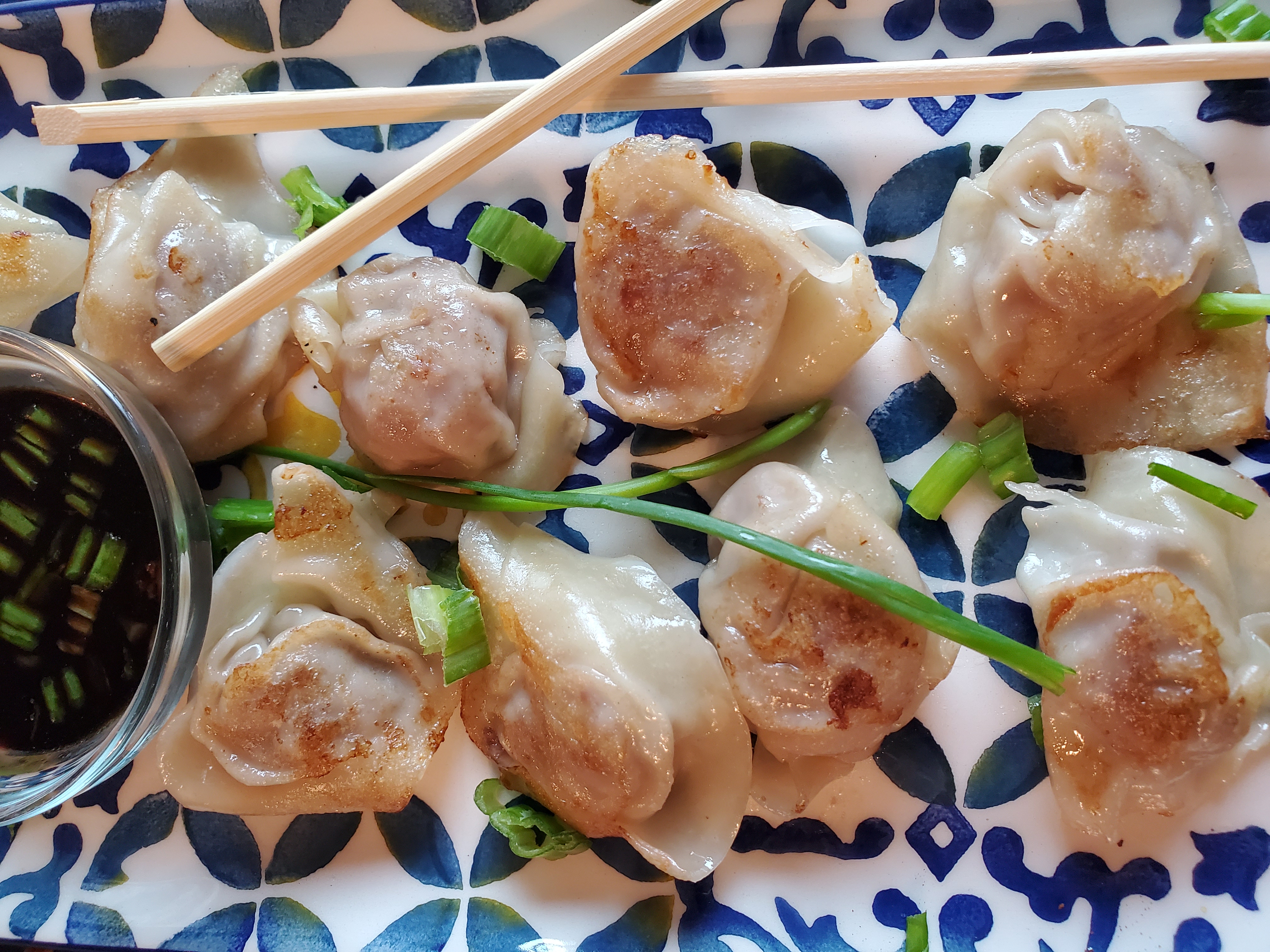
Tia Maria’s Shrimp & Pork Dumplings

Shrimp & Pork Dumplings!

This is an easy recipe for all your parties! You will never order dumplings out again once you try this easy recipe! I made about 48 dumplings with this recipe using Nasoya wrappers but you can use any brand you want.

You can find them in the fresh produce section of your market. I made 2 batches for a party and they were the first to go! Normally when you order these out, you’d pay $5.95 for 6.  I spent about $12.00 for 48.

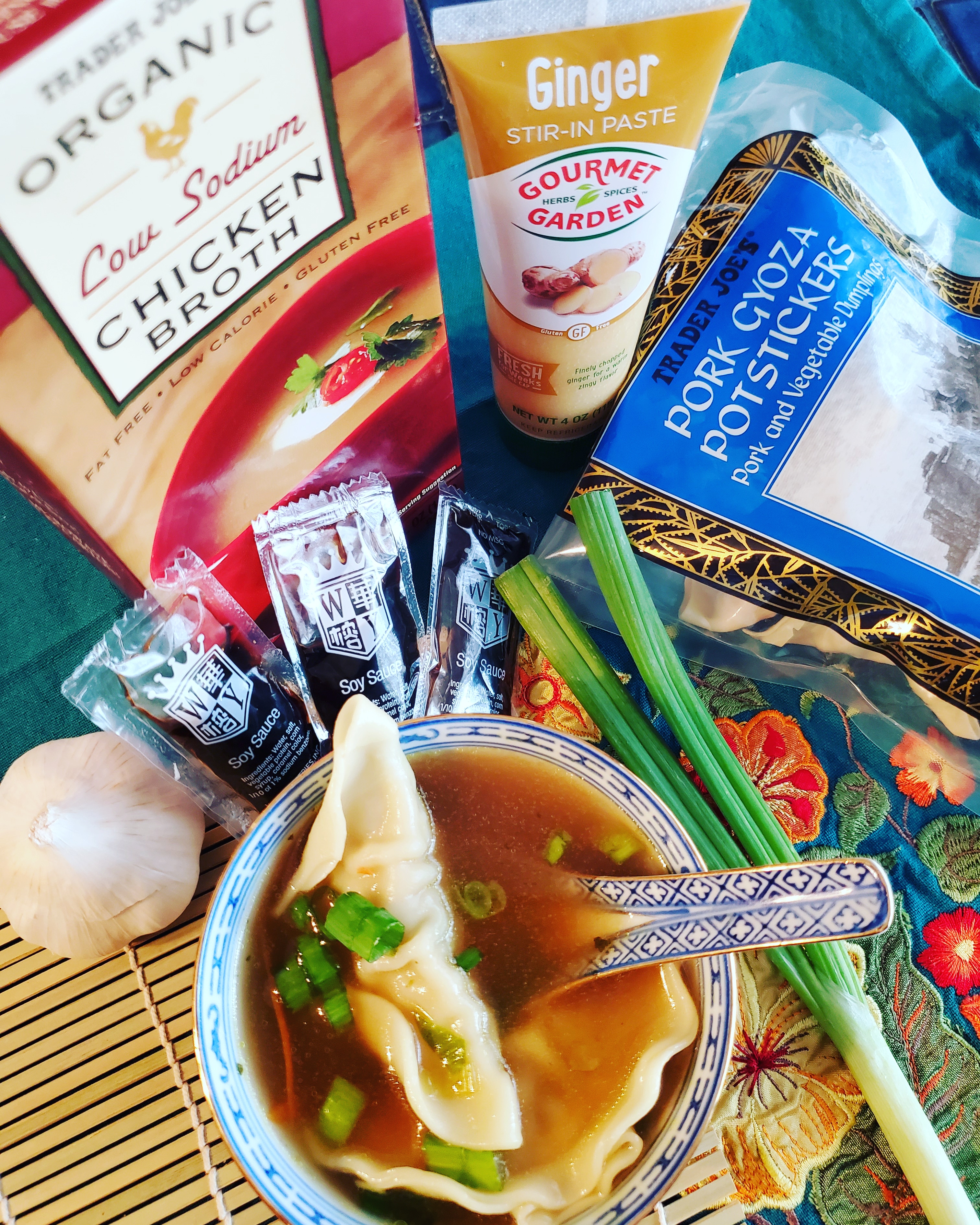
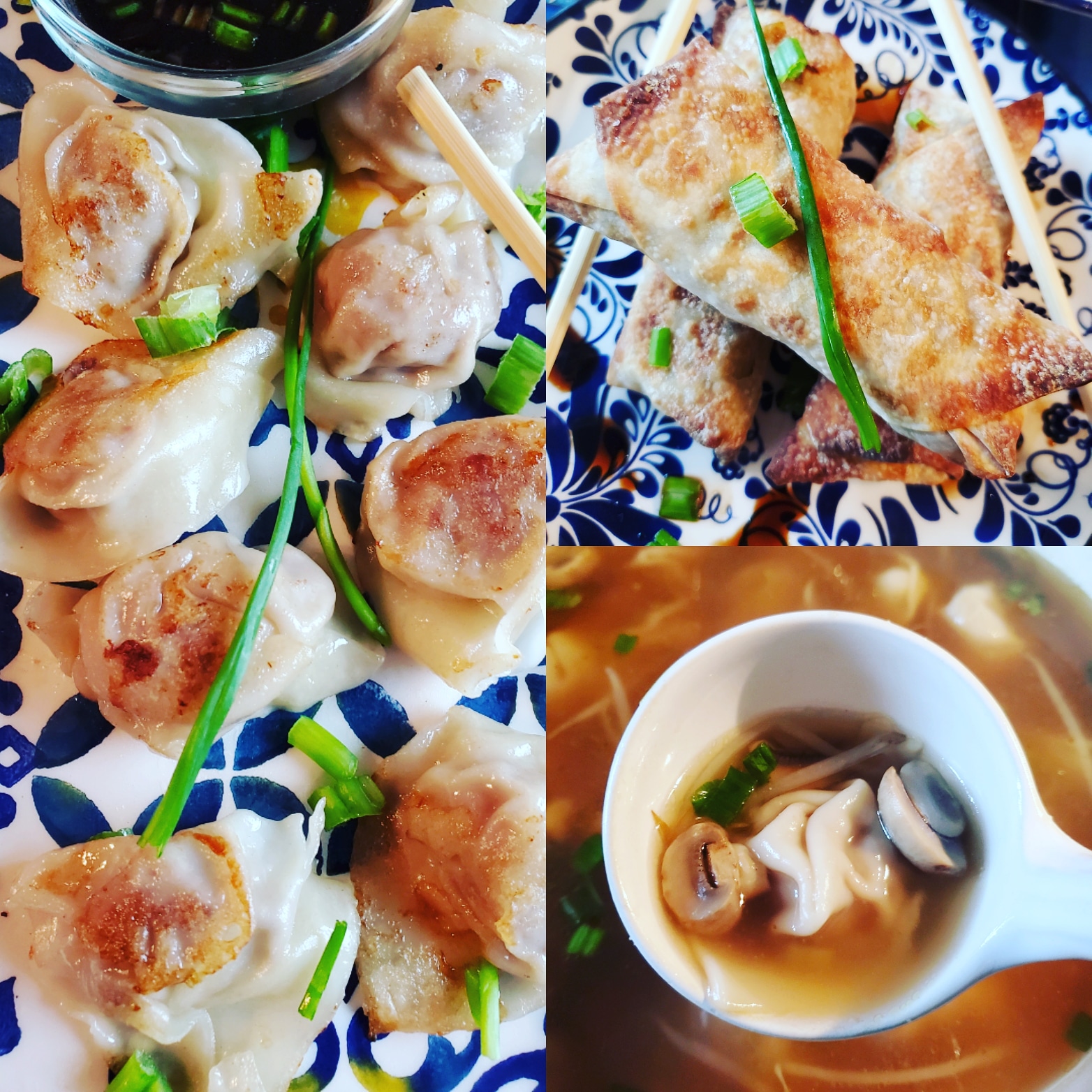
I always make it an Asian theme dinner so I make Won Ton Soup and Egg Rolls too! Find the recipes here.


Ingredients

1 package won ton wrappers (48)

12 oz raw ground pork

8 oz (about 15 medium 20 small) finely chopped raw shrimp

4 oz finely chopped water chestnuts (rinse & drain can)

1/4 cup finely chopped celery

3 finely chopped scallions

2  tsp sesame oil

2 tsp soy sauce

4  tsp corn starch

Instructions:

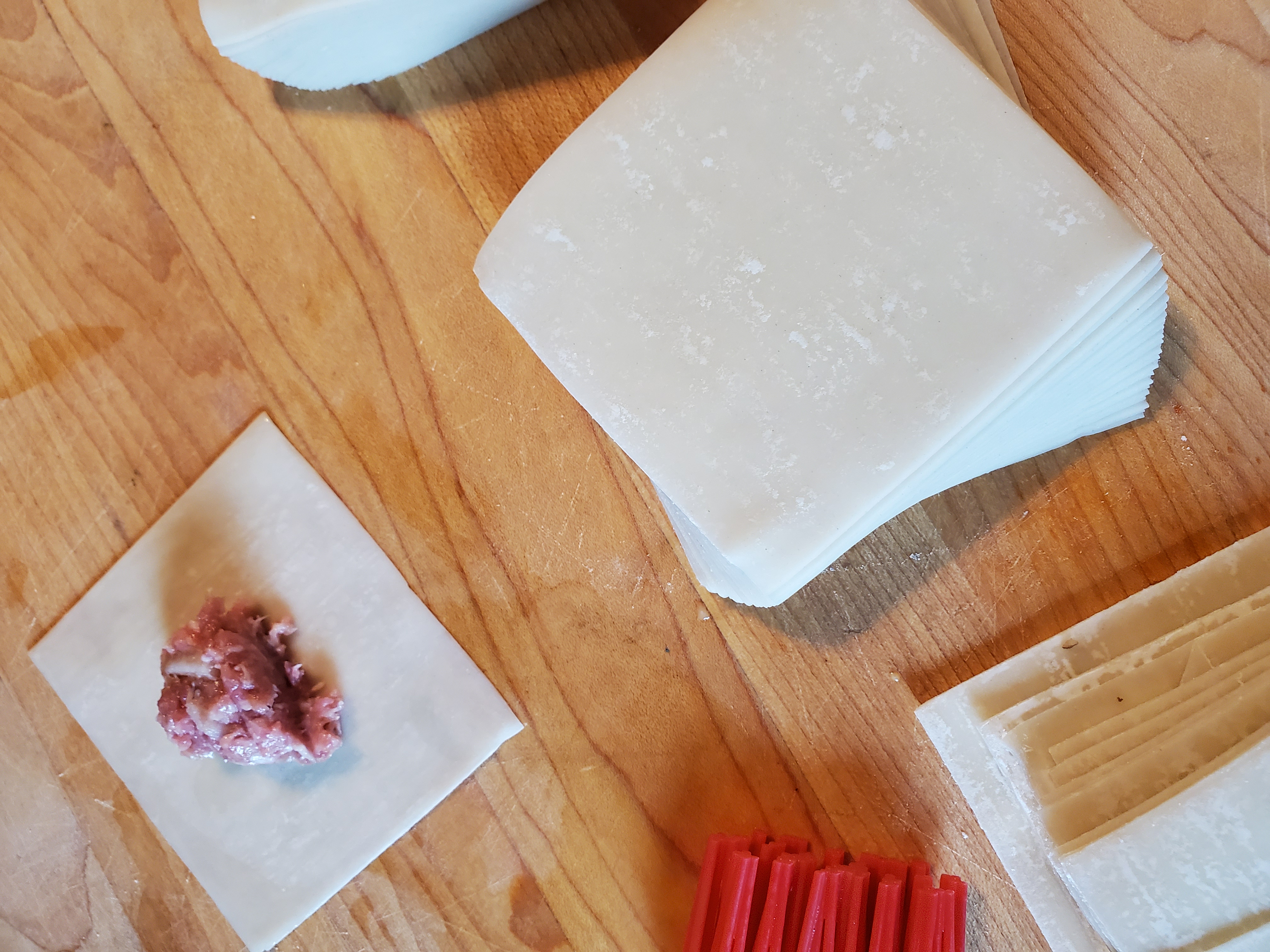
Mix all ingredients except wrappers and 1 tablespoon of scallions in a small bowl until all incorporated. Place 1 teaspoon of filling in center of each wrapper.

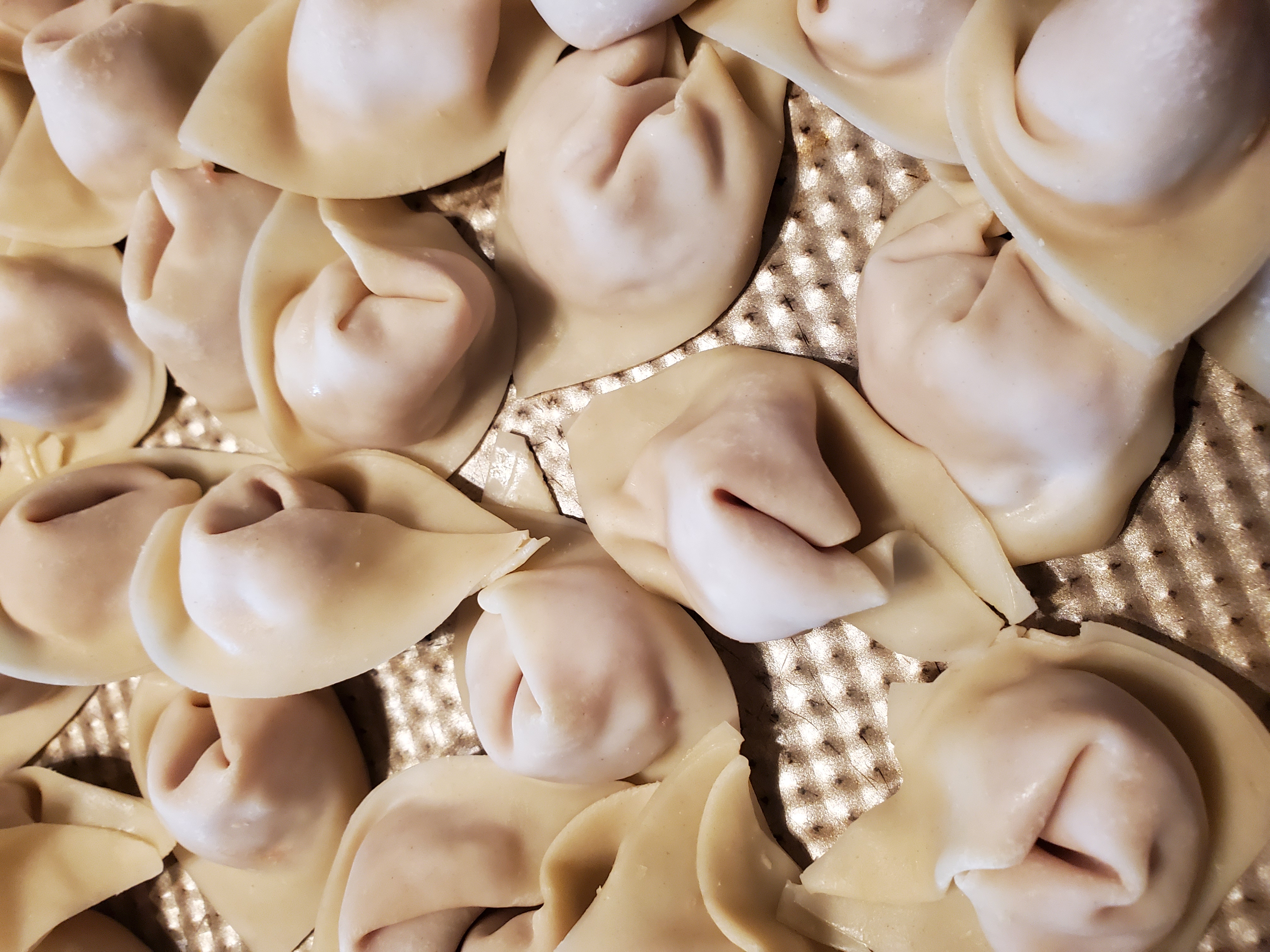
Moisten the edges with water and fold over to form a triangle. Pinch firmly to seal edges. Adjust filling accordingly by adding more or less filling. Set the dumplings aside until ready to cook.

In a medium skillet, heat vegetable oil to medium – high heat.  Place about 12 dumplings at time in the oil and let them brown for about 3 minutes, turning them over as needed. Reduce heat if you notice the dumplings are browning too dark.

Set the dumplings aside onto a platter until they are all browned. Add 1/2 cup water to the skillet and let it come to a boil.

Add 12 dumplings at a time back into the skillet, reduce heat to medium, cover and let them cook for about 5 minutes or until cooked through.

Add more water if needed. Test one to see if it’s cooked through.  Don’t let them over cook because the dough will become mushy and fall apart.

You can make these ahead of time to serve later, but let them cool and place in the refrigerator until ready to serve. Reheat by browning them in a greased skillet on low heat, or in your oven.

Serve with Soy Sauce topped with chopped scallions. Enjoy the Party!

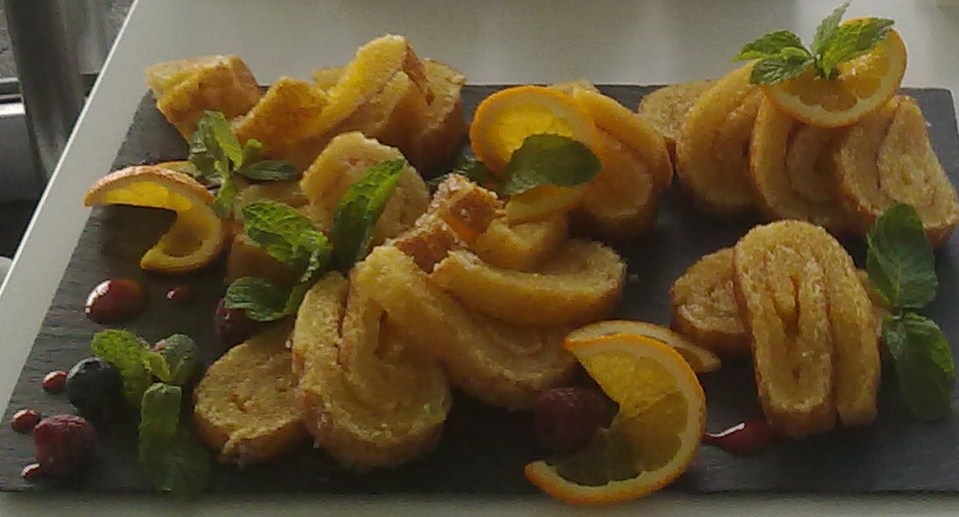
Torta de Laranja – Orange Roll

Chef Vania prepares dessert at Bellota


I admire a chef that can bake, because I admit that I am not a good baker. Baking is a science, where precise measuring and timing is needed. I don’t have the patience for that, so I usually cook relying on my instincts and taste buds.

When I bake I usually go with my 4 basic desserts; Coffee Cake, Pao de Lo, Torta, and Brownies. That’s it! So, this is the reason that I only look for dessert recipes requiring very few ingredients and little measuring!

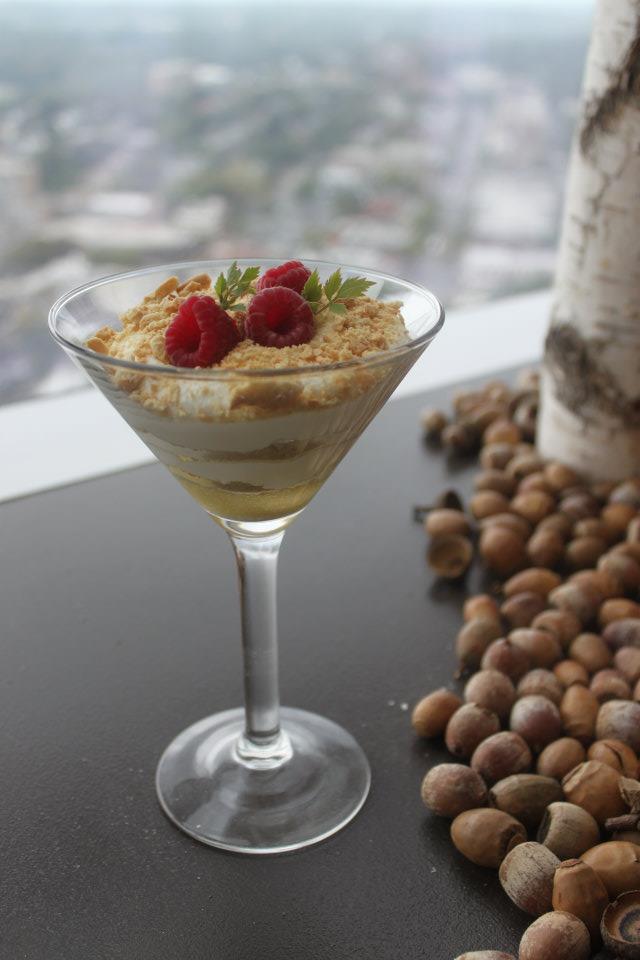
Portuguese Pastry Chef,  Vania Soares creates some sweet “Portuguese” desserts such as the trio of Pasteis,  Natas do ceu , and Sonhos de chocolate, among other treats as the Pastry Chef at 42 and Bellota at The Ritz Calton in Westchester NY.

When I asked her for an easy recipe for a Portuguese dessert, she gave this one for her Torta de Laranja. This looks amazing and it only requires 4 ingredients, has no oil or butter in the recipe.

Chef Vania, graduated from the “Escola Profissional de Leiria” a renowned cooking school in Portugal. She later worked at the Madeira (hotel CS) and at the Sheraton Hotel in Porto before coming to America four years ago.

She told me she loves living in America but she misses her family and friends back in Portugal. Congratulations to Chef Vania for her accomplishments both in Portugal and in the USA and we wish her much success!

You can see more amazing photos as some of these featured here with Vania preparing her sweet creations by visiting the Facebook page of Henrigue Mano – Journalist for the Luso Americano newspaper.


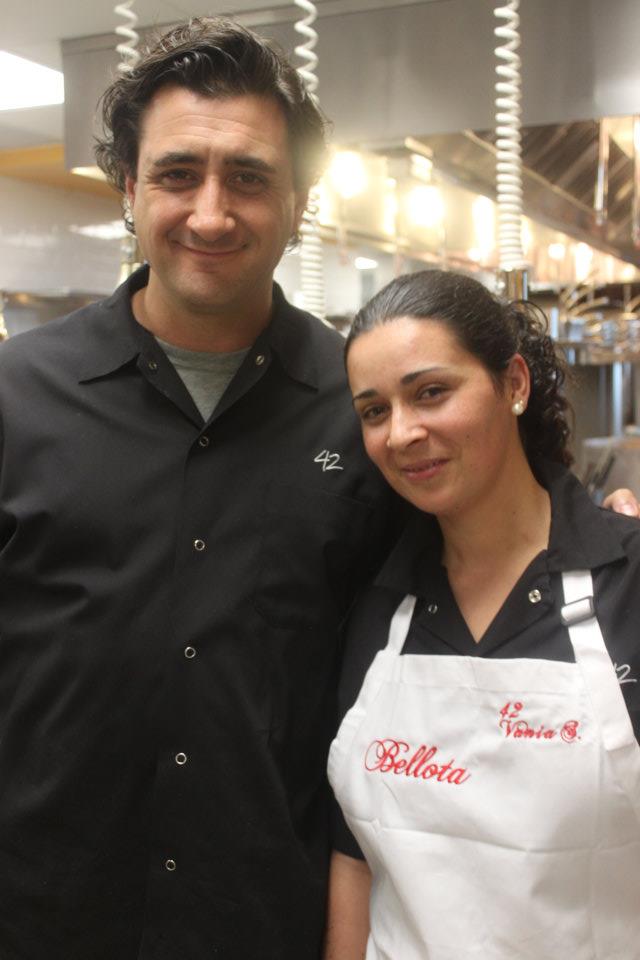
Chef Vania and Executive Chef Anthony Goncalves of 42 and Bellota


Torta de laranja Recipe:

Ingredients:
1  3/4 cups sugar
1/3  cup & 1 tablespoon  corn starch
12  large eggs
3  Oranges (crated rind from 2 – juice from all 3 )
Instructions:

In a bowl mix sugar & corn starch. Add eggs one at a time and mix until foamy. Add the orange juice & rind and mix well. 
Grease or Pam a sheet pan and cover with parchment paper (spray with pam)
Cook 20-30 minutes in a 350 degree oven until a toothpick comes out clean.

Let cool for a few minutes and invert onto a lightly sugared parchment paper. Roll up the cake along the long side with the paper to form a roll.
Let it cool for a few minutes. Unroll and serve with desired fruit and whipped cream.
Enjoy!