Category: Photo Gallery

Crustless Ham with Broccoli Quiche
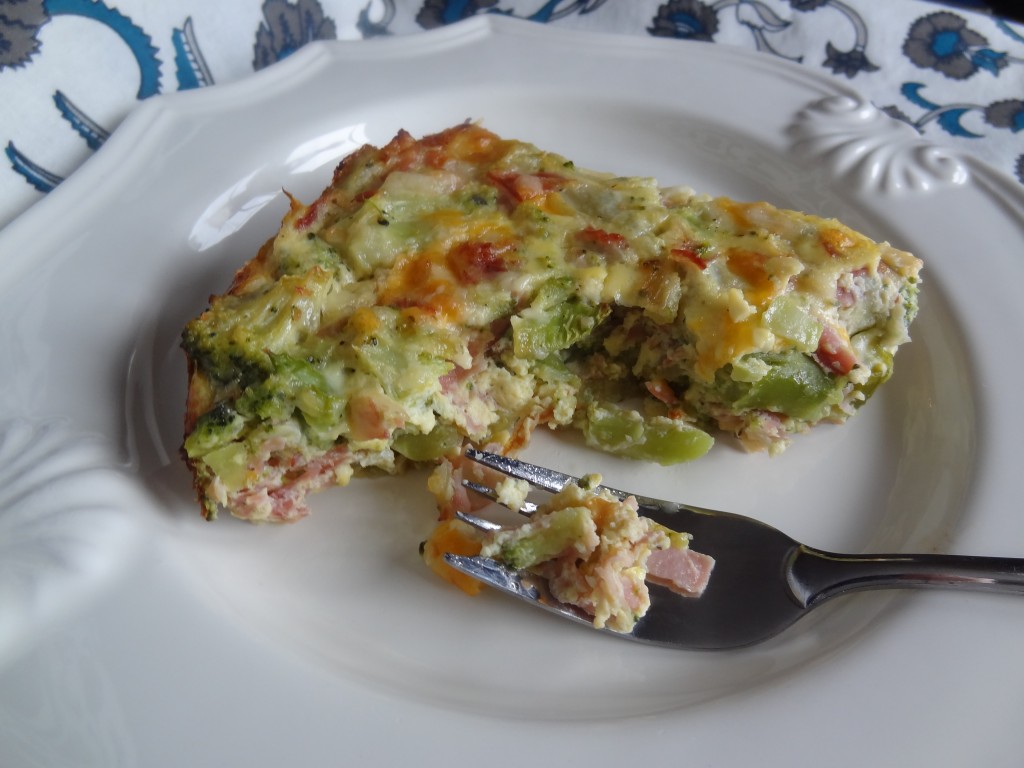
This crust-less quiche is easy to prepare in only 45 minutes. I make this quiche very often as a side dish when I serve fish or chicken.  It also makes a perfect lunch, snack, or serve it as dinner with a salad.

Make it a vegetarian quiche by substituting the ham with your favorite cooked vegetables.

Ingredients:

1 cup chopped ham (optional substitute with any cooked vegetables)

1 cup shredded cheddar cheese

1 pound package frozen broccoli spears or fresh (cooked and chopped)

1 small ripe tomato (chopped) (optional)

1/2 small onion (finely chopped)

1 tablespoon olive oil or butter

1 and 1/2 cups half and half (1/2 cream – 1/2 milk)

5 eggs

Pinch of Salt (add pinch more if you omit the ham)

Dash of fresh ground black pepper

1/4 teaspoon garlic powder
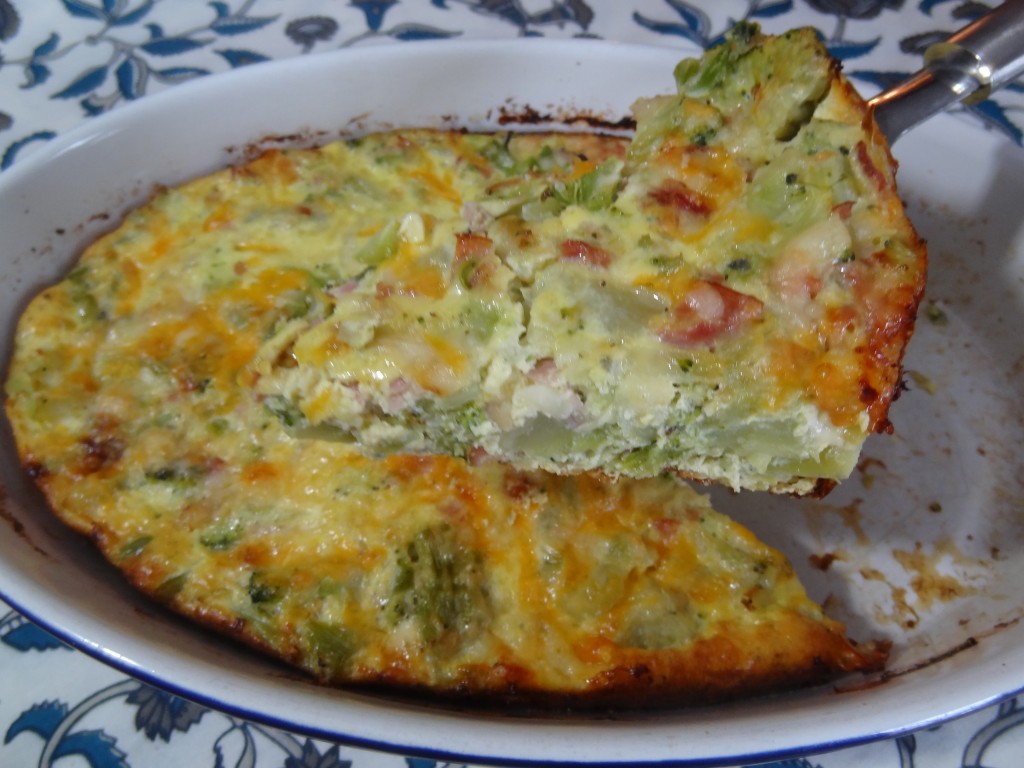
 

Preparation:

Saute the onion in the oil for a few minutes until the onion is translucent.

Beat eggs until foamy in a medium bowl. Add the milk, salt, pepper, and garlic powder to the eggs and mix to incorporate. Add the broccoli, ham, onion, and 1/2 of the cheese. Mix all ingredients.

Heavily grease a deep souffle dish with margarine. Pour the broccoli mixture into the dish and spread evenly. Top with the remaining cheese. Cook at 350 degrees for about 30 minutes until golden brown.

You many need to cook longer if your souffle dish is deep. Cut into the center of the quiche it should be firm and not runny. Enjoy!
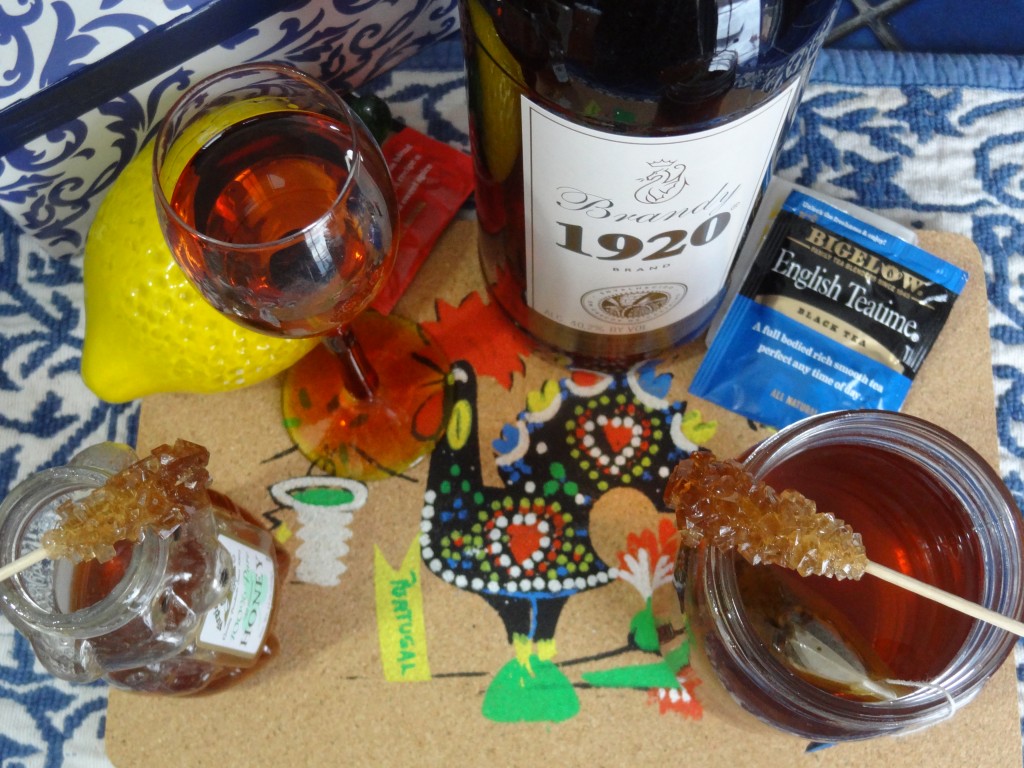
Portuguese Hot Toddy

A hot toddy,  is an old time drink remedy to relieve symptoms of a cold and flu. It’s usually made of liquor, and hot water with sugar and spices and served hot.

My recipe is made using 1920 Portuguese Brandy but you can substitute it with your favorite brandy or whiskey. My mother often made this with coffee instead of tea and left out the lemon.

The recipe may be old fashioned but it works! Enjoy and stay warm!

Recipe:

1 oz 1920 Brandy

1 tablespoon honey

2 teaspoons lemon juice

1 cup of hot tea (any favorite)

1 slice of lemon

1 sugar stick (optional for stirring)

1 stick of cinnamon (optional for stirring)


Preparation:

Pour the whiskey and honey into a cup. Add the hot tea and lemon juice.

Stir and add the lemon slice. Drink while still hot.


Coffee version:

1 oz 1920 Brandy

1 tablespoon honey

1 cup hot coffee


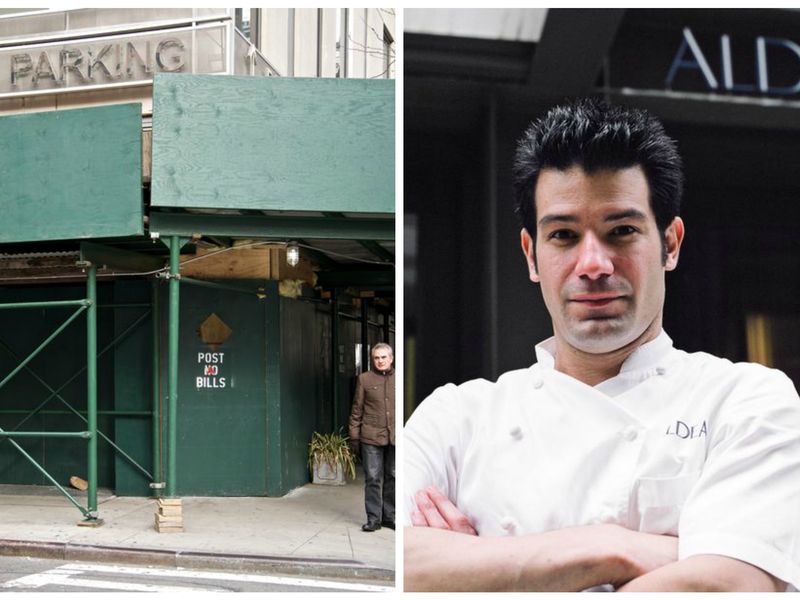
Chef George Mendes – Lupulo “Hops” Restaurant NYC

Photo credit: eater.com

Get your sardinhas appetite going! Chef George Mendes new restaurant; “Lupulo” meaning “hops” in Portuguese will feature grilled sardines on its menu. The restaurant at 835 6th Ave. at 29th St. will open sometime next month, March 2015.

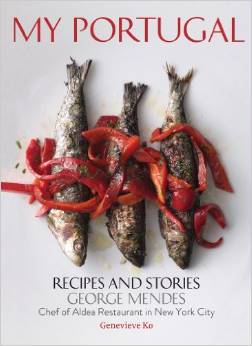
The chef’s new cookbook features sardines on the cover!

“Most of the details about George Mendes’s new “rustic Portuguese” project in Chelsea are still top secret, but the head of the construction crew handed off a few tasty morsels to a member of the Eater crew. This past summer, Mendes tweeted that the restaurant would have a wood oven. The construction team adds that it will also sport a coffee bar and a raw bar, plus a take-out window. The team has already poured over $1 million into the project, which was  originally slated to open this month, and then sometime in January. For the looks of things, New Yorkers will have to wait a little while longer.” (credits: eater.com) Read this featured article in eater.com! Follow Lupulo on instagram to get updates!


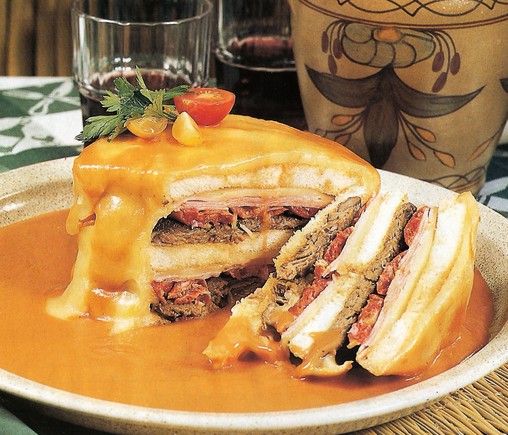
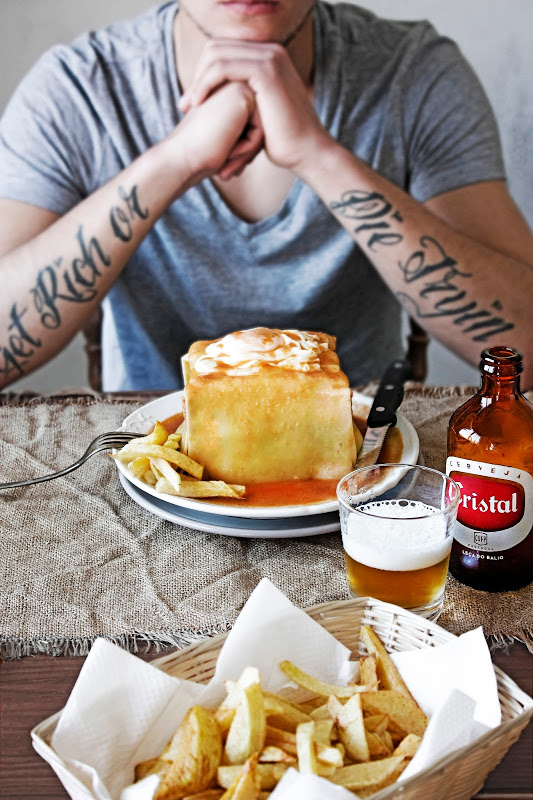
Francesinha – Little Frenchie Portuguese Sandwich

It is said that the now famous;  Francesinha was invented in the city of Porto, Portugal, in the 1960’s by  Daniel da Silva, a returned emigrant from France who tried to adapt the croque-monsieur  to Portuguese tastes.  There is no standard recipe for the sandwich which is typically made with ham, Portuguese sausage, and steak but there are many adaptations using different types of ham, sausages and various roasted meats other than steak. The rich beer and tomato based sauce that covers the sandwich is a secret but there are many variations. Some use a tomatoes, while others use various ingredients to create the sauce with different levels of spiciness added.

The sandwich is famous throughout the city of Porto and featured at many restaurants. Visit the “For the Love of Port” website for their article “Best Fransicinha in Porto”; A comprehensive tasting and find the very best preparation of the sandwich throughout the city.

Here are 2 interesting videos of how the recipe is made which I enjoyed watching.

Recipe from Portuguese Soul Food:

Recipe from Saborintenso in Portuguese:


Recipe by pratos-e-travessas.blogspot.com

Image credit: http://pratos-e-travessas.blogspot.com

Ingredients: 1 francesinha
2 slices of white, but not to soft, slices with aprox. 2 cm/0.8 inches thickness (I buy a whole loaf and cut it into slices)
1 linguiça
1 fresh sausage
1 small veal steak
2 slices of mild ham
7 to 8 thin slices of cheese
1 egg

Sauce: serves 4 or 5
6,6 dl beer (2 cans)
4 dl semi skimmed milk
1 dl whisky
2 dl tomato passata
1 bay leaf
1 medium carrot, peeled
1 small veal steak
2 cubes of meat stock
2 tsps corn starch dissolved in a bit of milk
Salt to taste
Black pepper to taste
Piri Piri (portuguese hot chili sauce)

Fries:
Potatoes cut into
Corn, soy or sunflower oil to fry

Preparation:
*Place all the ingredients for the sauce (except the corn starch and the piri piri) inside a heavy bottomed pan and take to the heat. Cook for aprox. 30 minutes in meddium heat. Season with salt and pepper and remove the carrot, bay leaf and steak.
*Add the dissolved corn starch to the sauce a bit at a time, stir, let it come to a boil and if it´s still to runny add a bit more. Don´t make a very thick sauce, it should fall from the wooden spoon in a constant thread, ending up in thick drops.
*Remove from the heat and add the piri piri to taste, which in my case means lots of it.
*Grill the meats, I use a press grill because it´s easier to cook the sausage and linguiça. Cut the sausage and linguiça in half and then in 4 equal parts.
Fries:
*Cover the potatoes with cold water and keep in the fridge for 30 minutes or up to a day.
*Fill a deep frying pan up to 2/3 with oil and heat it very well, drain the potatoes and clean them with a kitchen towel. Fry in small batches until golden. Drain on top of kitchen paper.
*This way the fries will be crisp outside and soft on the inside.
Assembly:
*On top of a slice of bread place first a slice of cheese, on top place a slice of ham, then the 4 pieces of linguiça, on top the steak, followed by the fresh sausage, another slice of ham and another slice of cheese, top with the other slice of bread and on top a slice of cheese. Place one slice of cheese in each side of the sandwich – You can hold the cheese with skewers and remove them once the cheese is melted, later – and place one more on top.
*Put the sandwich inside a preheated oven for a couple of minutes just so the cheese starts to melt but let it toast. If you used skewers now is time to remove them.
*Fry the egg in a bit of hot oil.
*Remove from the oven, put the fried egg on top of the sandwich and immediately pour the very hot sauce over it – you want the bottom of the sandwich immerse in sauce – and serve with the fries and a cold, cold beer.
*Keep a bowl with the sauce near so you can add more as you go.

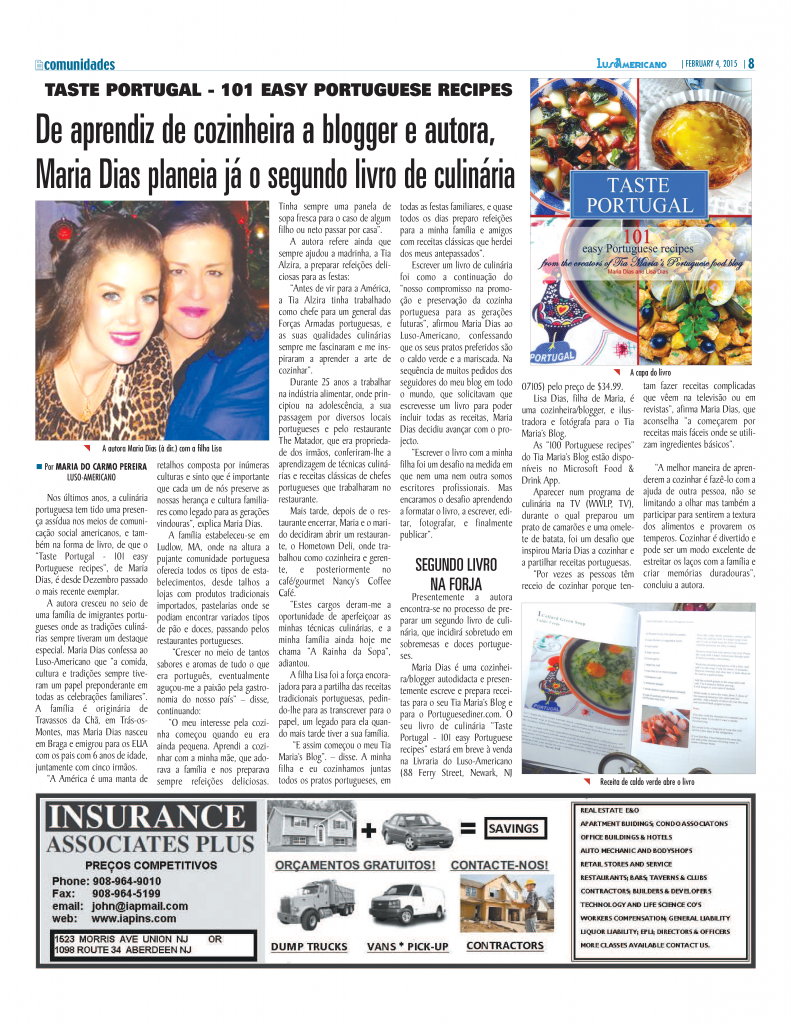
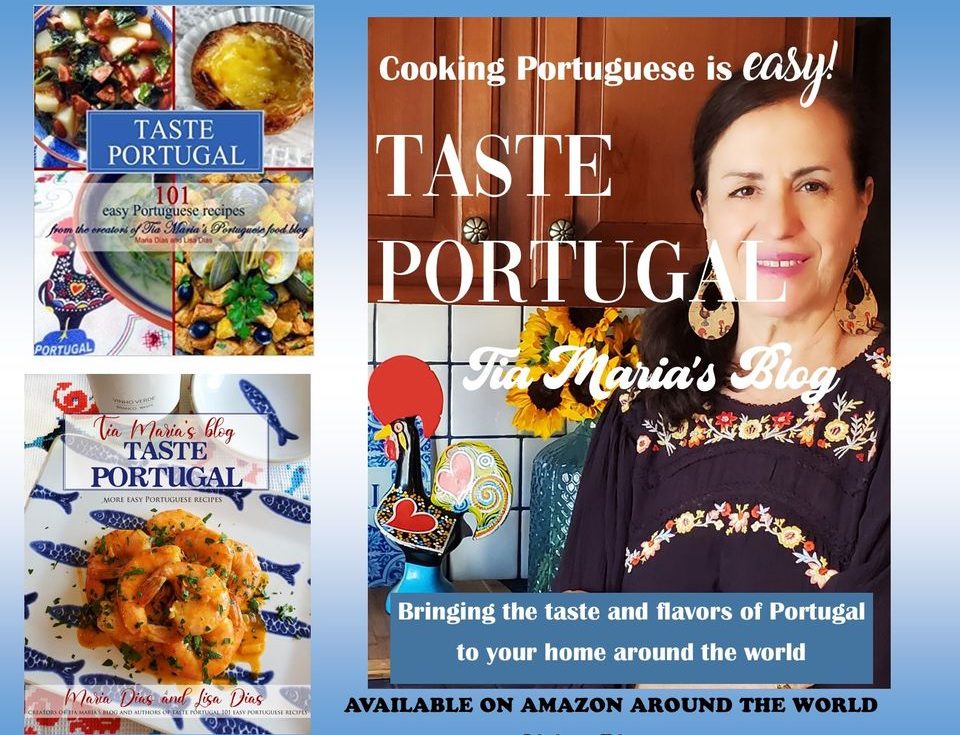
My cookbook; Taste Portugal in the Luso – Americano Portuguese Newpaper

Thank you to Maria do Carmo Pereira and the Luso Americano Portuguese newspaper in USA,  for featuring  my new cookbook in today’s issue!

“Luso – Americano” was founded in 1928 in Newark, New Jersey by a group Portuguese people including; Dr. J. Lobo, Dr. M. Conceição Junior, Manuel Castro and Valentim Rocha.

Currently, the “Luso – Americano is the only source of information written in the Portuguese language with circulation in the Portuguese and Brazilian communities in the United States.


Be sure to pick up a print copy of the newspaper, or click on the link below, for their online edition.

LusoAmericano – De aprendiz de cozinheira a blogger e autora, Maria Dias planeia já o segundo livro de culinária. By Maria do Carmo Pereira

Visit the Luso Americano Book Store to purchase a copy of my book!


Subscribe to the online edition of the newspaper at this link

Luso-Americano Newspaper
88 Ferry Street
Newark, NJ 07105

Telephone: (973) 589-4600
FAX: (973) 589-3848
66 Union Street
Newark, NJ 07105

Telefone: (973) 344-3200
FAX: (973) 344-4201
E-mail: classified@lusoamericano.com


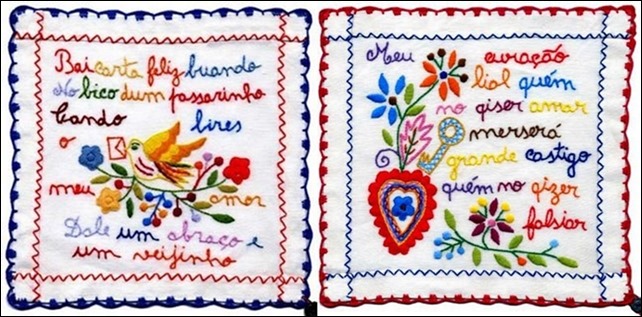
Lenços dos Namorados – Portuguese Sweetheart Handkerchiefs

Photo credit: http://www.turistaprofissional.com

Happy Valentine’s Day

Hundreds of years ago, young women of marring age began making “Lenços dos Namorados” – Sweetheart Handkerchiefs, to show love for their sweethearts.

They were made of linen or cotton and embroidered with several romantic and love-related motifs with flowers, birds, hearts, and verses from love poems.

The motifs meant; a rose = woman; a heart = love; a lily = virginity; a red carnation = some provocation; and doves = the symbol of the couple in love.

This handcraft was a typical clothing used by young women looking for love in the Minho province of Northwestern Portugal.

“Our love when end, when this love can fly”

The handkerchiefs have their origin in the 17th century, when they were used among the Portuguese nobility as “marriage proposal handkerchiefs,” but later became popular as a way to start dating someone. Young girls at that time learned embroidery at an early age and later used these techniques to show their admiration for their loves.

These young women would often embroider a handkerchief and give it to their sweetheart as a sign of their love just before he would leave on a sea journey to the former colonial provinces. The men would then wear the handkerchief in public to show everyone they were in a committed relationship.

Today, the craft is a regional certified handcraft where a committee evaluates the handkerchiefs strict criteria including the motifs, the threads, size and colors. If it meets their requirements, they certify it as an approved handicraft.


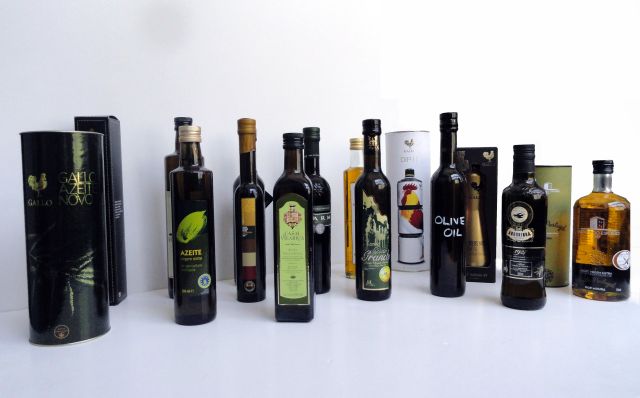
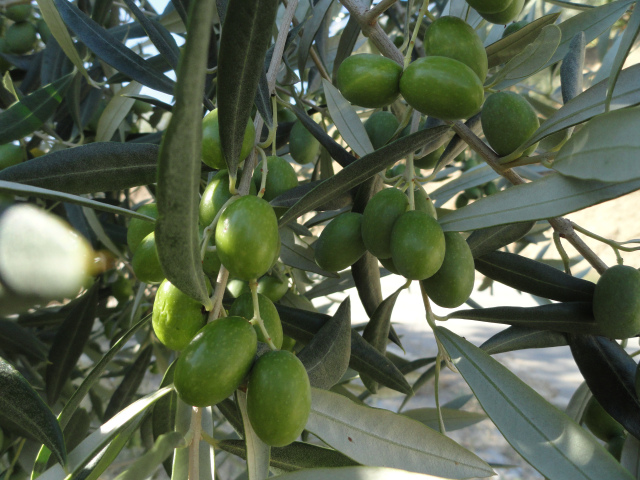
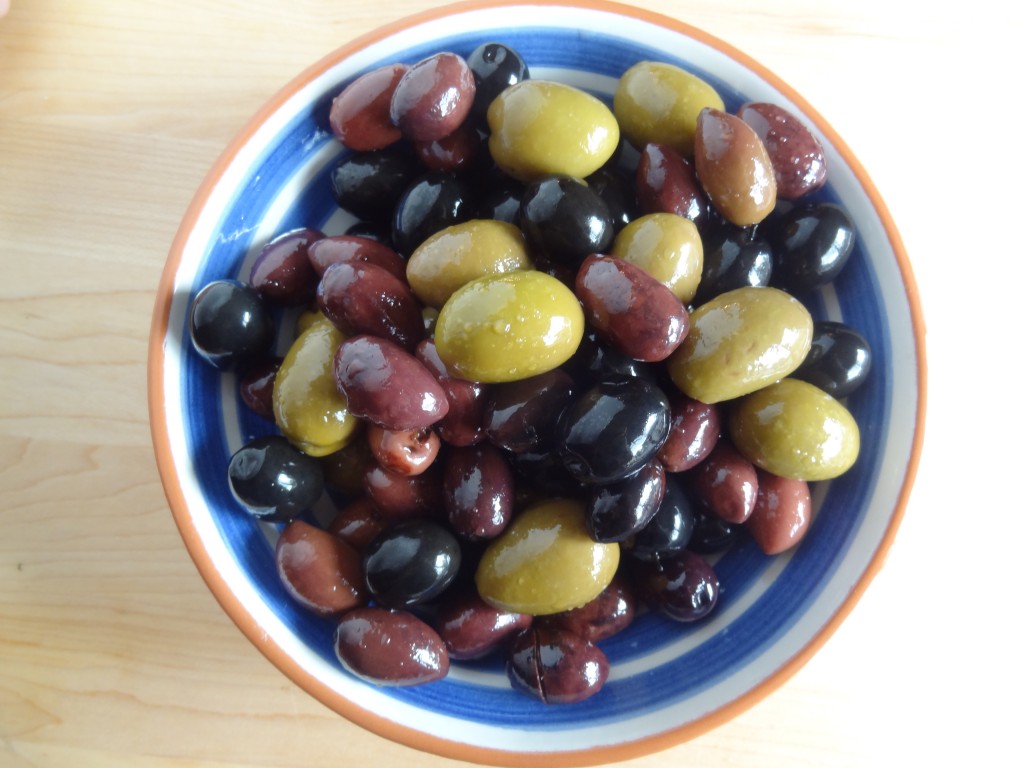
Portuguese Olive Oil

Olive tree image credit: http://www.bonsaimilenar.com/forum/viewtopic.php?f=57&t=4519
Olive oil image credit: http://www.all-about-portugal.com/introduction-to-portuguese-food/

Molho Cru – Portuguese Chimichurri Sauce

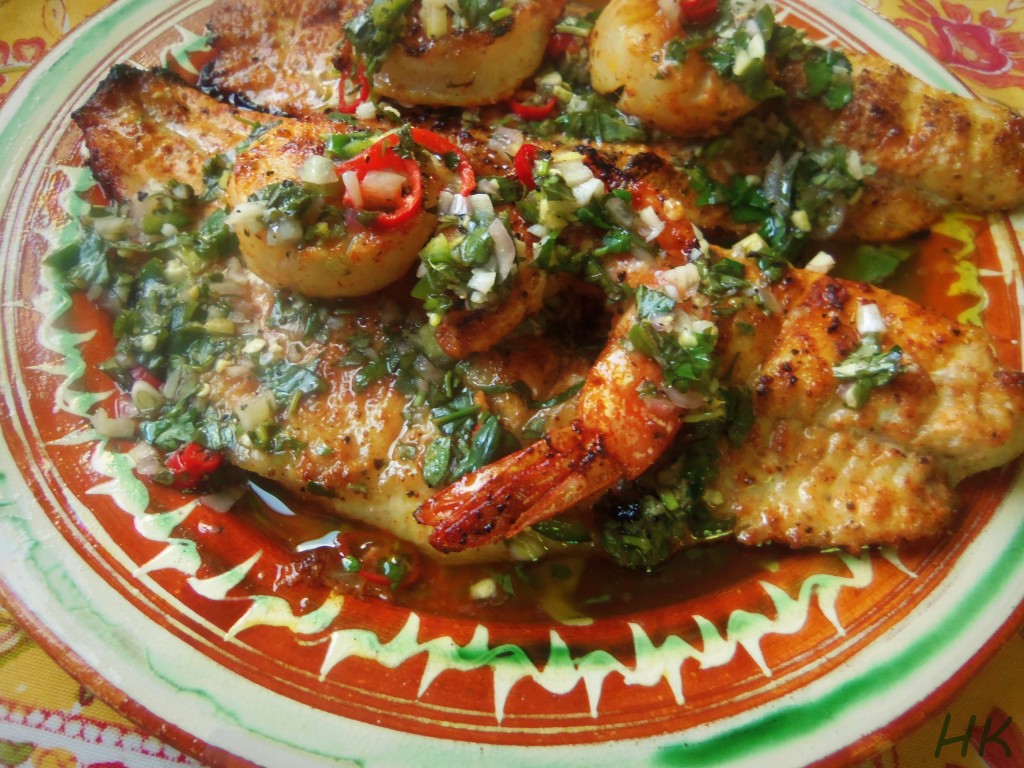
Molho Cru is Portuguese Chimichurri Sauce. You’ve probably heard about chimichurri sauce on cooking shows lately, but this sauce has been used in Portuguese cuisine for many centuries.

You can serve the sauce over bacalhau assado (grilled or baked salt cod), fish dishes and over grilled meats It also doubles as a marinade for grilling meats, chicken or shrimp. If you use it as a shrimp marinade leave it marinating for only about 5 minutes.  Enjoy!

Ingredients:

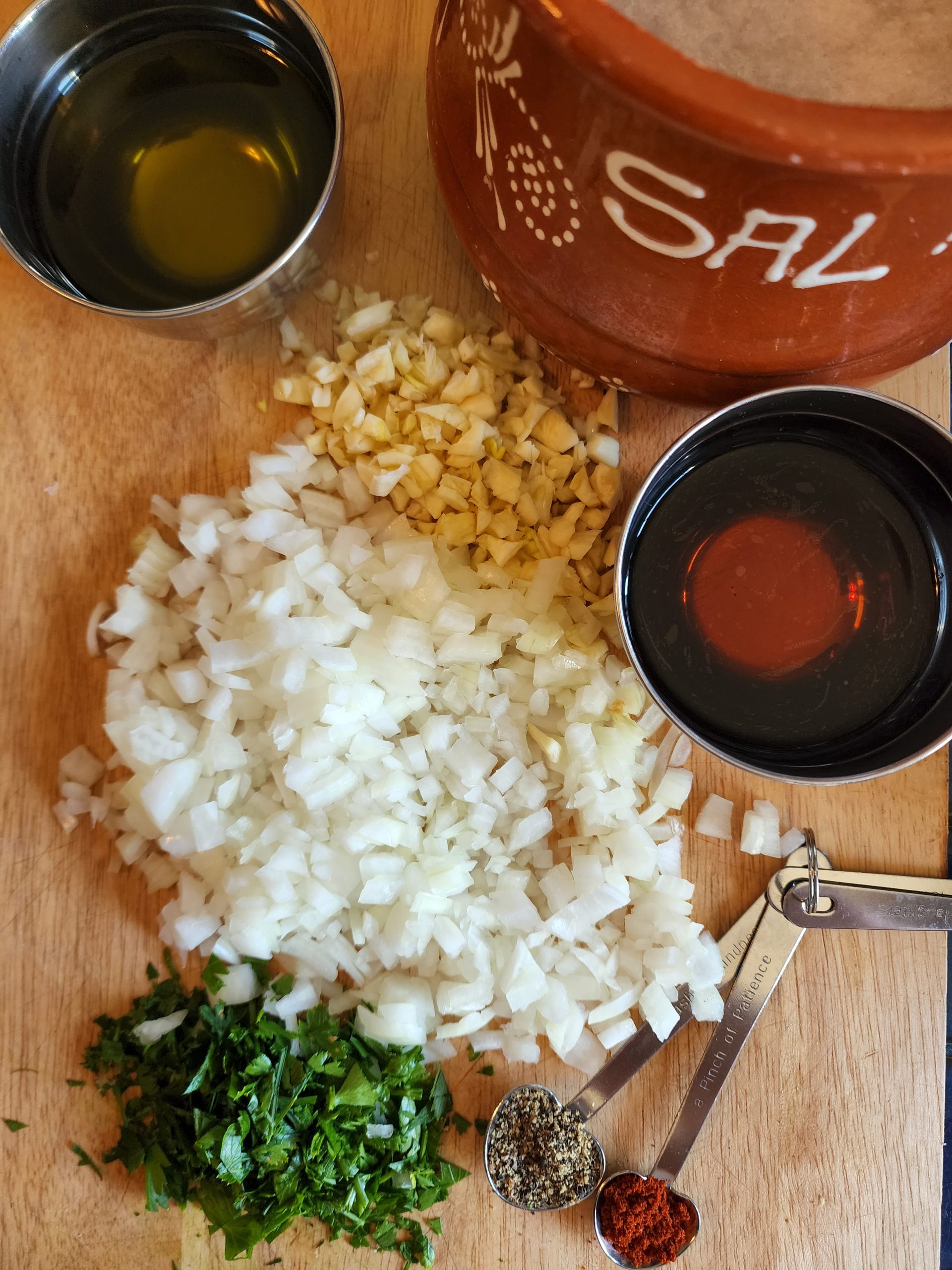
1 small onion (finely chopped)

3 garlic cloves (finely chopped)

3 tablespoons Portuguese olive oil

2 tablespoons red wine vinegar

salt

pepper

1/2 teaspoon paprika

1 teaspoon  crushed red pepper flakes or 1 fresh red chile (finely minced)

1/2 bunch fresh parsley (minced)

Instructions:

Place all ingredients into a bowl and mix well. Add salt and pepper to taste. Store in the refrigerator for at least 2 hours or overnight for flavors to absorb.

Spread over cooked meats or fish.

photo credit:

http://thenourishinghome.com

http://www.gardenbetty.com

http://www.hispanickitchen.com

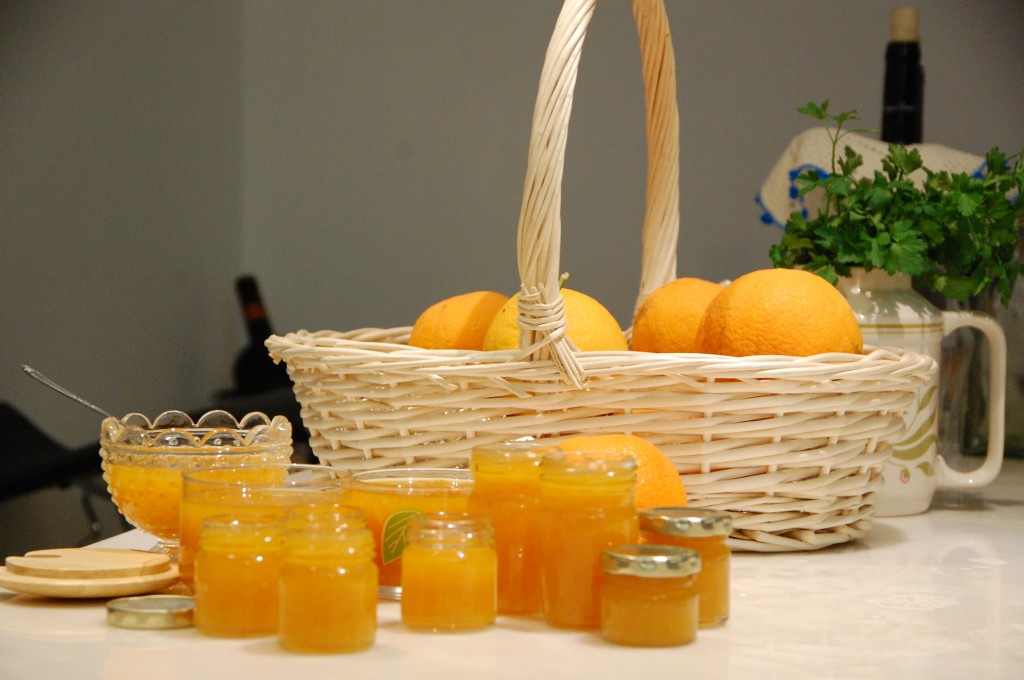
Orange Marmalade – Marmelada de Laranja

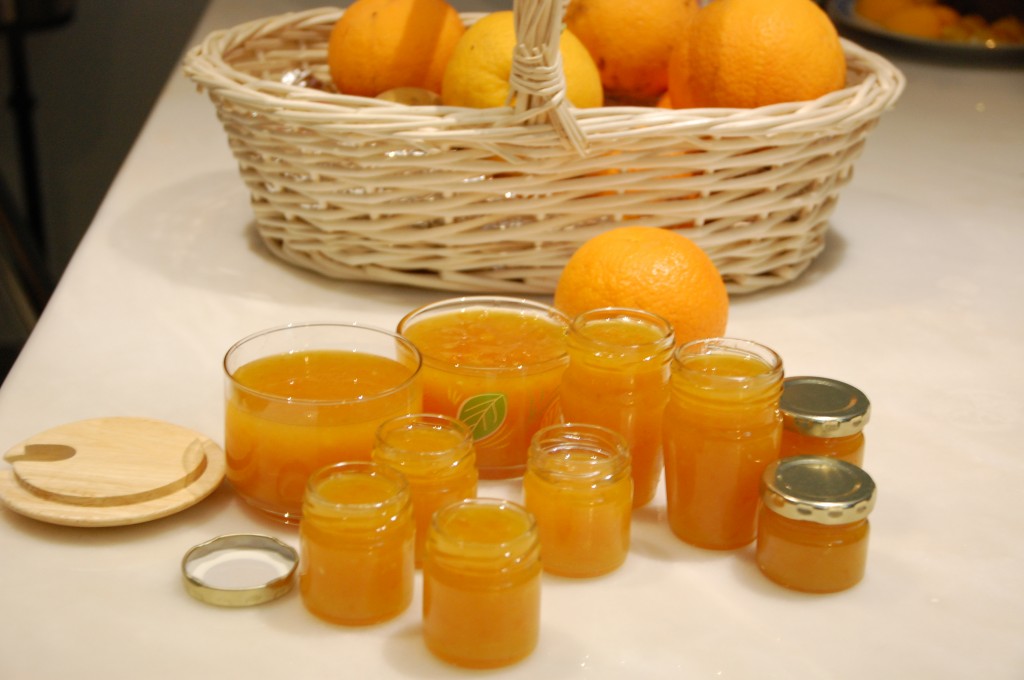
Oranges are in season this time of year, so it’s a great time to make orange marmalade.

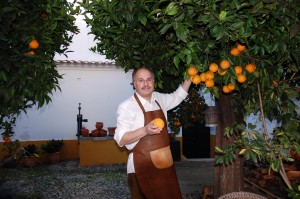
This recipe was sent to me by Sofia Vieira who happens to have an orange tree growing in her back yard in Alentejo region of Portugal! 

Oranges are thought to have their origin in a sour fruit growing wild in the region of South West China and North East India as early as 2,500 BC. For thousands of years these bitter oranges were used mainly for their scent, rather than their eating qualities.

The Romans brought the fruit to Europe and later oranges were spread to Spain by the Moorish conquests in the eight and ninth centuries. The sweet orange familiar to us today probably developed somewhat later.

The fruit arrived in Central America with Columbus in 1493 and soon afterwards the Portuguese introduced them to Brazil.

Oranges are now an important crop in warm climates around the world, most notably Brazil, USA, Spain, North and South Africa, Israel and Australia. Credits: http://www.eattheseasons.com

Orange Marmelade Recipe:
Ingredients:

6 oranges

Same weight in sugar as peeled oranges

1 lemon

Instructions:

Zest 3 of the 6 oranges and peel all 6. Peel the lemon.  Remove any seeds and place the orange and lemon in a food processor.

Pulse a few times to mince slightly leaving orange and lemon pieces.

Measure out the same amount of sugar as the minced citrus and place into a heavy saucepan.

Cook on low heat for about 1 hour and 1/2 stirring often. When you can trace a clear line in the bottom of the pan, the marmalade will be ready.

Remove from heat and pour the marmalade into clean, hot sterilized Mason jars.

Wipe the rims thoroughly with a clean damp paper towel, and seal with the lids.

You can also place into small jars and store in the refrigerator for up to 1 month.

Contact:
Sofia Vieira

Tourist Guide

Português- Francês – Inglês – Castelhano

Telf + 351.927500244 or +351965652420

PORTG. COOKING SCHOOL – private classes for min 2 persons

https://www.facebook.com/pages/Portuguese-Cooking-School/444075519031618

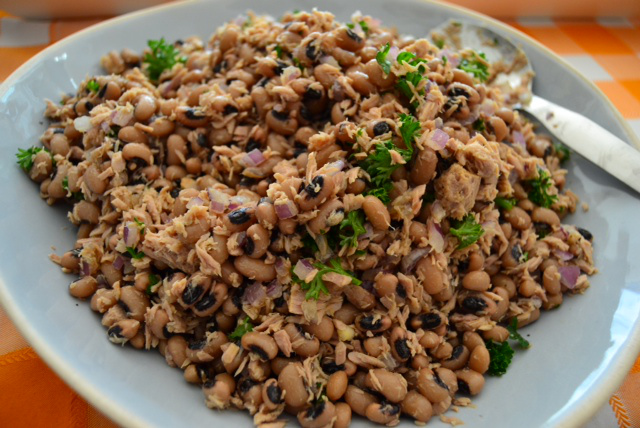
Tuna with Black Eyed Bean Salad – Salada de Feijão Frade com Atum

A fan from Portugal; Sofia Vieira-touristic Guide, who does cooking classes in Évora, Portugal with many North American tourists, sent me this recipe.

It’s a great quick salad for your meatless days, a quick lunch and even as a side dish. It’s protein packed and the beans are slow digesting carbs that are good for you!

“The Alentejo is a great place to eat. It was really poor that’s why people had to be creative and yes, there are lots of recipes from the convents and palaces, and also the adaptations of these recipes from the servants  that worked for them. Bom Apetite.”  She says!

Ingredients:

1 can of cooked black-eyed beans

1 can of Portuguese tuna or any good tuna packed in olive oil

1 small onion (finely minced)

2 cloves garlic ( finely minced)

Sea salt

Black pepper

1 tablespoon Olive oil or more to taste

2 teaspoons white wine vinegar or more to taste

Cilantro (finely chopped)

2 hard boiled eggs (optional)

Instructions:

Place the beans into a small bowl, add the onion and garlic and mix well. Add the flaked tuna, olive oil, vinegar, salt and pepper. Toss gently. Add Cilantro and toss. Add chopped hard boiled eggs if desired and stir into the salad.

Sofia Vieira-touristic Guide

Top image credit: https://whyiamnotskinny.wordpress.com