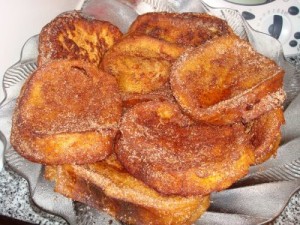
Rabanadas are Portuguese French Toast with a twist. Rabanadas do Minho are made with a twist by adding a warm wine and honey syrup over the cooked French Toast for a robust sweet wine flavor.
Ingredients:
1 large loaf of crusty bread; French, Italian or Portuguese
1 1/3 cups of granulated sugar
1 tbsp butter or margarine
1 stick of cinnamon
1 piece of lemon peel
2 egg yolks
2 eggs
5 glasses of Portuguese Red wine, or Vinho Verde Red
1 cup of Honey
1 tsp of powdered cinnamon
1 1/3 cup of water
Oil for frying
Preparation:
Slice the bread into (1 inch) slices.
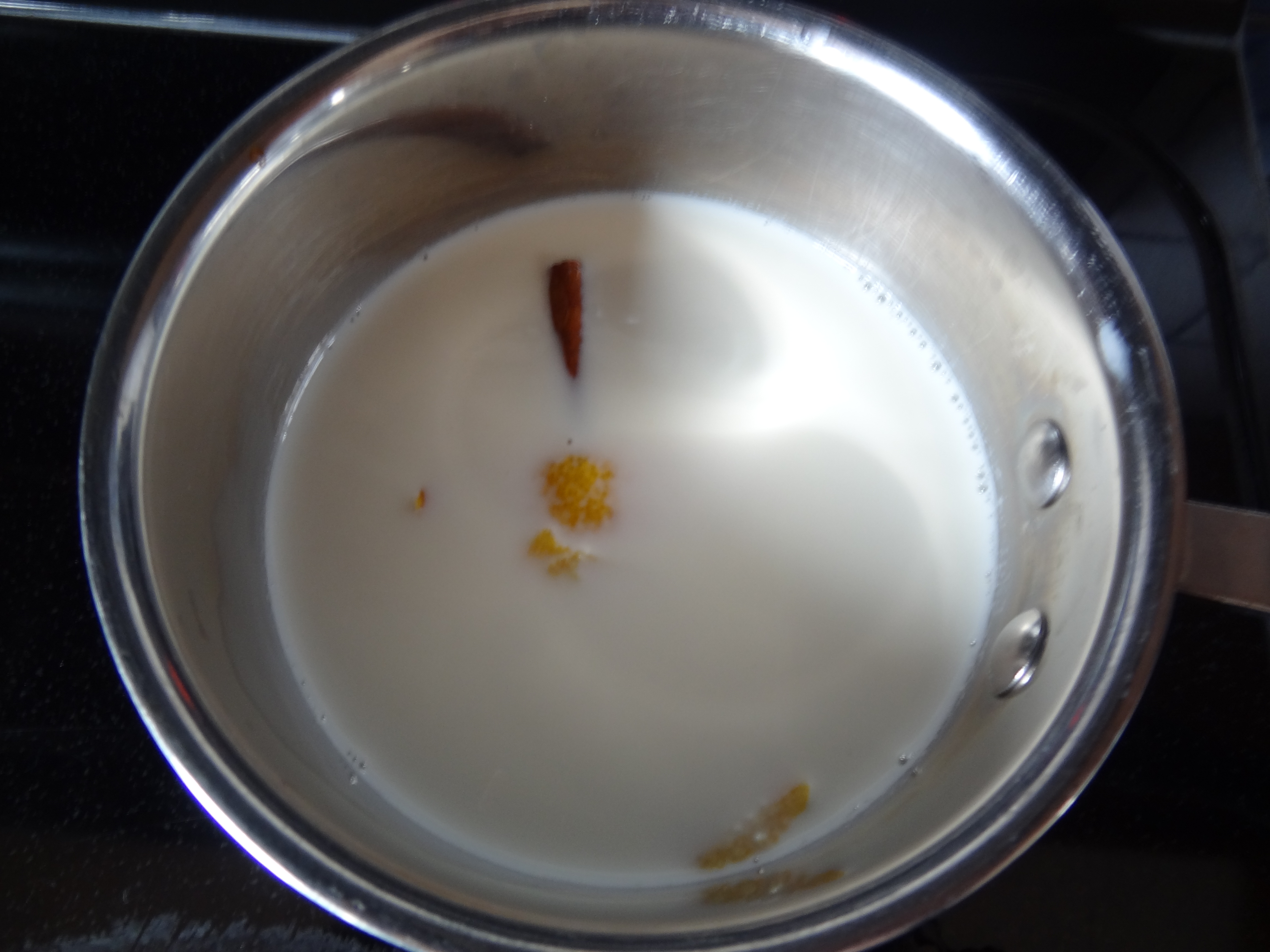
In a saucepan, heat the sugar and 1 1/3 cups of water, butter, lemon peel, cinnamon stick and a dash of salt. Cook on medium heat for 5 minutes and remove from heat.
Soak each slice of bread in the sugar mixture, remove and place in a strainer to remove excess liquid. Set aside.
Beat the yolks and eggs until foamy. Heat the oil in 1/4 inch depth in a large skillet on medium. Dip each slice of bread into the egg mixture shaking off any excess egg.
Place the bread slices in the oil and cook for a few minutes on each side until golden brown.
As each slice cooks place it on paper towels to drain and then onto a serving tray. Coat each slice with a mixture of sugar and cinnamon.
In a separate pan heat the wine, honey, powdered cinnamon until it comes to a boil.
Gently, pour the hot wine syrup over each slice turning them over to coat each side.
Serve warm or at room temperature. Store in the refrigerator.
RabanadasRecipe in Portuguese:
Ingredientes:
1 pão de cacete de 500 g
300 g de açúcar
1 colher de sopa de manteiga
1 pau de canela
1 casca de limão
2 gemas
2 ovos
7,5 dl de vinho tinto verde ou maduro
250 g de mel
1 colher de sobremesa de canela em pó
óleo para fritar
Preparação:
Corta-se o cacete em fatias com cerca de 1 cm de espessura.
Leva-se ao lume o açúcar com 2 dl de água, a manteiga, o pau de canela, a casca de limão e uma pitada de sal. Deixa-se ferver durante 5 minutos.
Retira-se do lume e introduzem-se as fatias de pão na calda bem quente.
Escorrem-se sobre uma peneira ou passador.
Em seguida, passam-se as fatias pelas gemas batidas com os ovos inteiros e alouram-se em óleo quente. À medida que se vão fritando as rabanadas, põem-se
numa travessa funda e polvilham-se com açúcar e canela.
À parte, mistura-se o vinho tinto com o mel, a canela em pó e, se o vinho for verde ou agreste, açúcar. Leva-se ao lume só para levantar fervura e deita-se
sobre as rabanadas. Viram-se com cuidado para não se partirem.
The summer in Portugal is filled with traditional festivals through out the country but June is the month for celebration of the favorite saints. Dia de Santo António – Saint Anthony’s Day is celebrated on June 13th. June 24th belongs to St. John and June 29th to St. Peter. Many Portuguese Immigrant communities around the world still follow these traditions and hold these festivals.
The streets are decorated with balloons and arches made out of brightly-colored paper; people dance in the city’s small squares, and altars, dedicated to the saints, are put up as a way of asking for good fortune.
In Lisbon; the Avenida da Liberdade, has a parade of costumed dancers who dance the street to musical songs called “Marchas”.
There is also dancing, while the highlight of the night is the firework display over the River Douro.
As well as being the patron saint of Lisbon, St. Anthony is also know in Portugal as the “matchmaker saint” and many single women pray to Saint Anthony to find them their mate.
“Santo António, Santo Antoninho, Arranja-me lá um maridinho…” (St. Anthony, my dear St. Anthony, find me a husband…) is one of the oldest and most popular chants in the city.
A flower pot of sweet basil and a love poem is offered as a token of admiration to a perspective suitor. It’s custom for the Lisbon town hall to organize multiple weddings (200 – 300) for lovers from modest backgrounds, which are held in Lisbon cathedral.
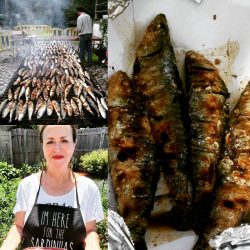
The traditional menu for the festival is; Caldo Verde, Sardinha Assada (grilled sardines), bread and red wine.
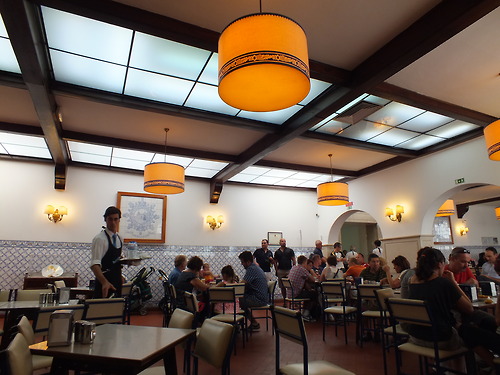
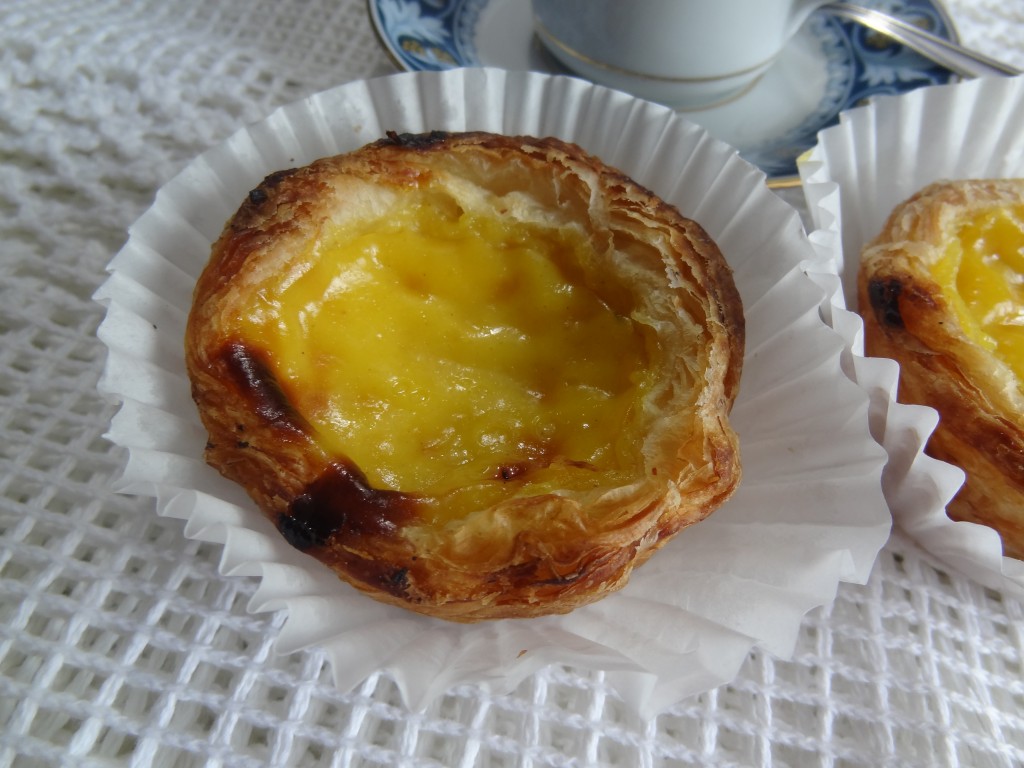
These classic pastries are everyone’s favorite. Once you experience just how easy they are to make at home, you’ll never buy them at a bakery again.
Unless of course, your lucky enough to be in one of the famous pastry shops in Lisbon!
Before we get started, I want to share with you the history of this famous pastry that was first created over 200 years ago!
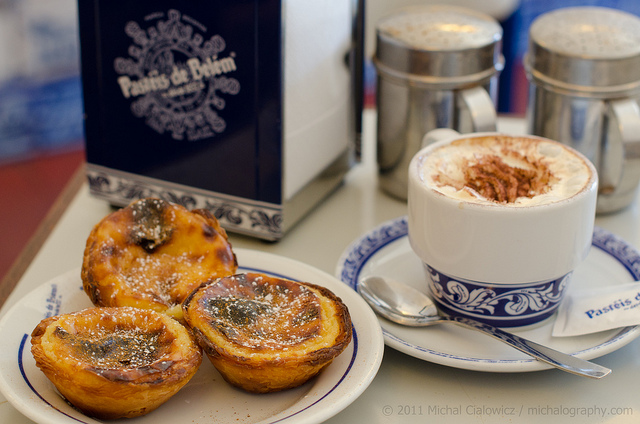
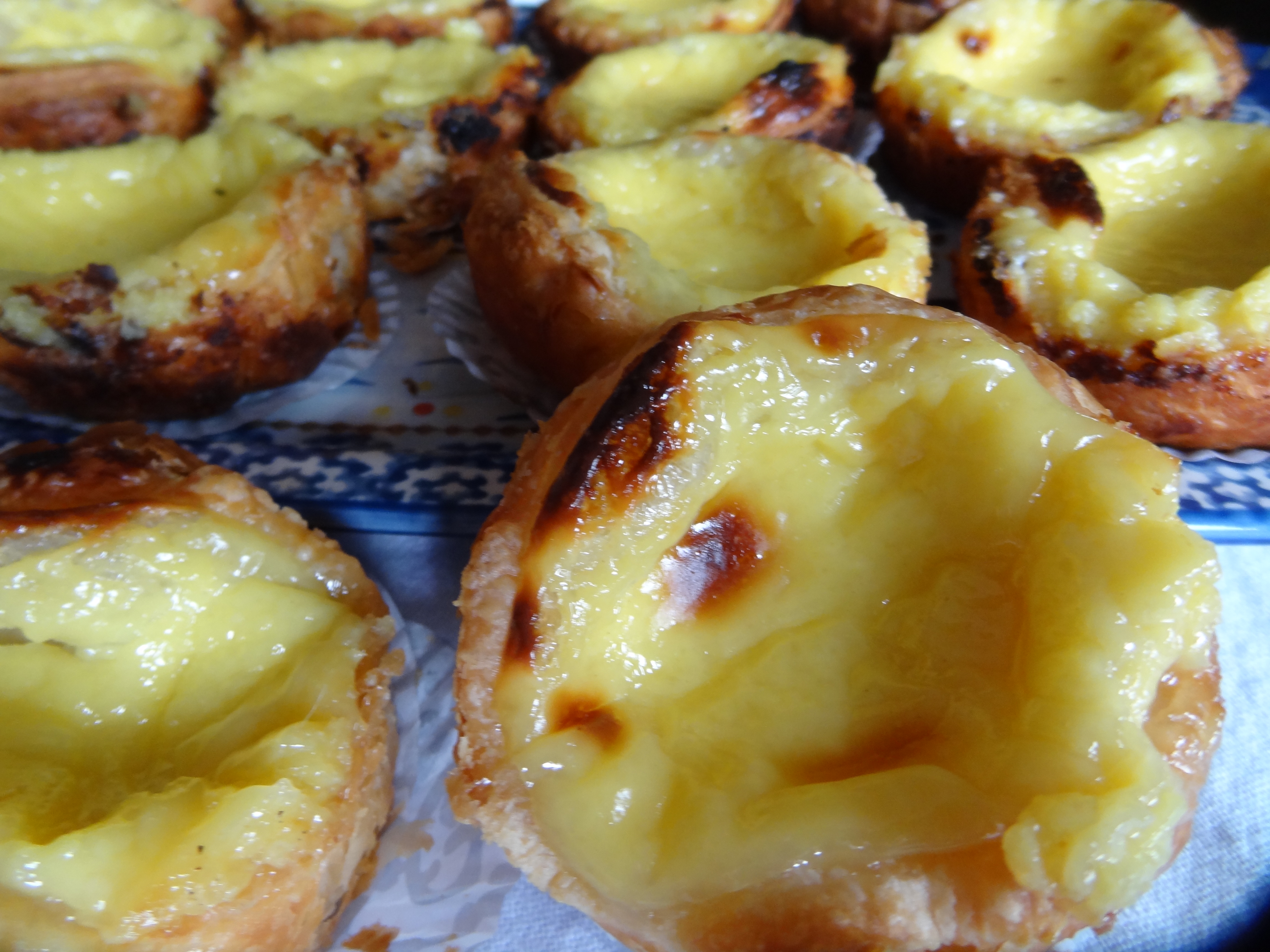
Portuguese Egg Custard Tarts, famously known as Pastéis de Belem are famous in many countries all over the world.
The original Pastéis de Belem, were first created by nuns who lived at the Monestary of Jeronimos in Belem, Lisbon in 1837.
Casa Pasteis de Belem is located in the town of Belem in Lisbon, Portugal. The official name of the town is “Santa Maria de Belem” but its referred to as “Belem”. The name “Belem” originated from the Portuguese word for “Bethlehem”.
Many bakeries have tried to replicate the recipe to no avail. The equally famous; “Pasteis de Nata” it’s copy cat version, has become a famous substitute for the original at every Portuguese bakery throughout Portugal and many other countries around the world.
The famous recipe is kept a secret. “The secret can only be memorized, it can’t be written down”, says the pastry chef who was carefully selected among 80 co-workers.
The pastry’s name was trademarked in 1911, which means the company is the only one that can call the famous sweets by that name. Visit this dessert site; desserteater.com for more on the history of one of the world’s most popular desserts!
In, December 2011, Pasteis de Belem was listed by Lonely Planet # 2 of 583 things to do in Lisbon, #5 of 12718 restaurants in Europe and # 42 of 382 restaurants in Portugal. (desserteater.com)
Watch this video of the famous bakery of Pasteis de Belem.
*I recommend that you try making this recipe a few times to adjust for your own oven temperature and baking time. Happy Baking!
Find this complete recipe plus 100 other recipes in my new cookbook!
Portuguese cuisine has influenced the foods of countries around the world from Asia, to India to North America. This post is for the Portuguese Foodie and the Portuguese Historian in all of us!
Many of you may not know much about Macau, which was the former colony of Portugal off the southeastern coast of China for over 400 years. It was the first and last European colony in Asia until it was given back to China in 1999.
The tiny region is less than the size of Manhattan and home to nearly a half million people. The architecture is European. “Portuguese” is the official language spoken there.
My cousin lived in Macau for over 20 years and I remember receiving post cards and Christmas cards written in both Portuguese and Macanese and I found it so interesting that Portuguese was the main language of a country in Asia. Watch the video at the end of this post to listen to the Macanese Portuguese language and see if you can understand it!
Portuguese cuisine plays a main role in the foods of Macau which has a unique fusion of Asian and Portuguese flavor.
There are hundreds of Portuguese restaurants, bakeries and even the 5 star resort casino’s which all have Portuguese dishes on the menu.
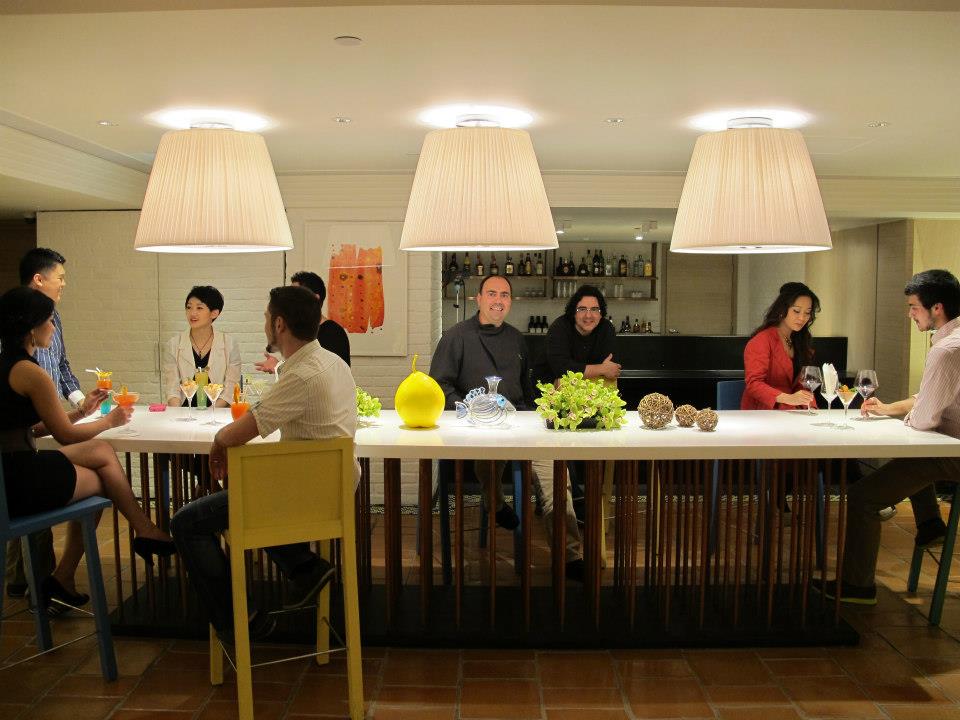
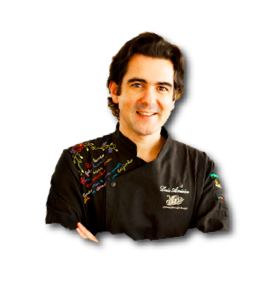
This Spring, award winning Portuguese chefs from Portugal; Marco Gomes and Luís Américo, traveled to Macau to open a Portuguese restaurant, “Fado” at the Royal Hotel Casino in Macau. The chefs were featured in Journal Tribuna de Macau a Portuguese Journal Magazine, a few months ago.
Photo credit: Chefs Marco Gomes and Luis Americo (Center)
Chef Luis Americo Chef Marco Gomes
Royal Hotel, Macau
Portuguese restaurants Antonio and Miramar can be found at Portuguese named streets such as; Rua do Cunha and Rua Fernando Mendes, and Rua Central.
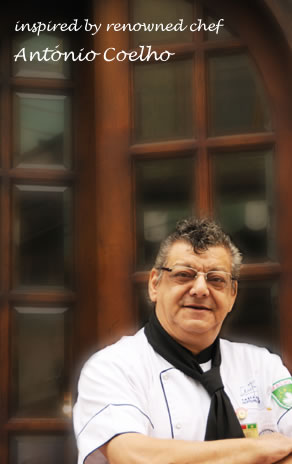
Chef Antonio Coelho – Antonio’s restaurant is listed in the Michelin Guide Macau.
Visit this link for some amazing images and top 10 things to do in Macau.
“Macau offers a delicious fusion of Chinese and Portuguese cooking. The two have blended into a local style known as Macanese cuisine with an emphasis on baked goods and grilled and roasted meats. Some popular Macanese dishes are Portuguese or African chicken, codfish (bacalhau), gray chicken or rabbit (pato de cabidela), spicy chili shrimps, minced beef or pork (minchi), stir-fried curry crab, steamed pork buns, and egg tarts. Macau has many fine Macanese, Portuguese, and Chinese restaurants. Dine at one recommended by a local or the concierge at your hotel. We dined at Antonio (259 rua dos Negociantes Taipa), a Michelin 3-star Portuguese restaurant owned by renowned chef Antonio Coelho widely known as one of the best purveyors of Portuguese cuisine in Macau. The meal was delicious, and the ambiance was wonderful.”
Michelin Star Chef Joel Robuchon’s – Michelin 3 star restaurant; Robuchon au Dôme, is Macau’s most impressive and exclusive restaurant is on the 43rd floor Dome of the Grand Lisboa casino and has one of the best views of Macau.
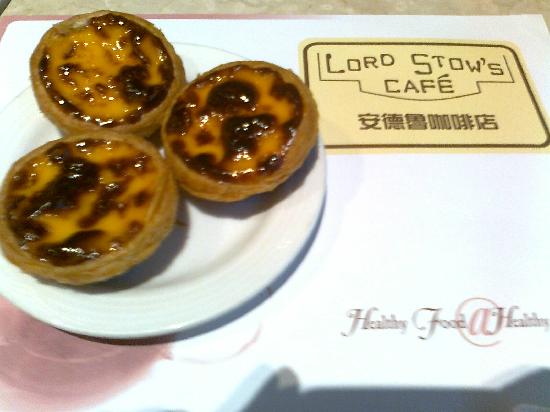
Famous Pasteis de Nata:Lord Stow’s Bakery
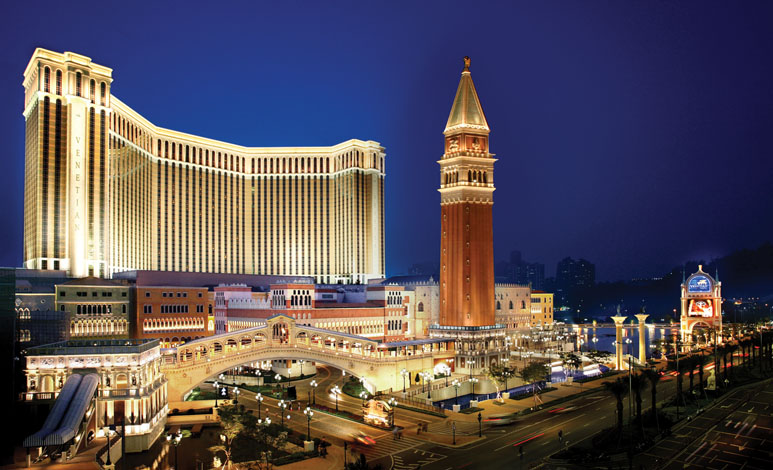
This legendary bakery is best known for its world-famous egg tarts. Many other egg tart bakeries have popped up around Macau, but none can compare to Lord Stow’s. It has 4 shops including one at the Venetian Macau.
“China gave Portugal the right to settle in Macau in the 16th Century, in exchange for clearing the area of pirates under strict Chinese administration. It became Portuguese colony after the treaty signed by Qing and Portuguese Government in 1887. Macau Special Administrative Region (SAR) of China on 20 December 1999, ending over 400 years of Portuguese administration.”
Macau, is like Hong Kong which has a business-friendly environment and a lot of foreign investment. Capitalism is thriving here and if Hong Kong were China’s New York, then Macau would positively be its Las Vegas. Gamblers spent 8 Billion dollars here, more than in Vegas.
Due to it’s proximity to over 1 Billion people, Macau’s casino industry and colonial attractions make it China’s top tourists destinations.
According to an article in Forbes Magazine; “Macau’s casino industry earned close to $38 billion in total revenues in 2012. This figure is not just substantially higher than that for Las Vegas, but also higher than the figure for the total U.S. casino industry. Macau’s casino gaming revenues grew by 13.5% in 2012.
Since most of us can’t make the long trip to visit this unique city where old world Portuguese Colonial influence meets modern say fine dining and tourism here’s a video for your enjoyment. Listen to the language that’s called Macanese – Portuguese!
I’ve also shared 2 great video diaries of travel to Macau which feature Portuguese architecture and cuisine.
The Portuguese in California Documentary is a premier showcase of the Portuguese Diaspora experience in the rich history of the development of California offers the viewer a comprehensive historical overview of this unique and vibrant ethnic population. Each episode presents a complete subject area as a standalone program. The series captures the full essence of the Portuguese contribution to the California of today. (http://www.portugueseincalifornia.com/)
Order your copy at this link so you learn about and share the history of the Portuguese community in California.
In the early 15th century the first European set foot in California. He was Portuguese. Three centuries later, in the early 1800’s, immigrants from the Azores Islands faced the oceans for months looking for a better life in this new world. These are their stories.
EP2. The Early Days Part 1
In the early 1900’s Whaling, Gold Mining and Homesteading brought the Portuguese to California. Driven by their sense of community, fierce work ethic and strong family values these were the immigrants that formed the first Portuguese Organizations in America.
Ep3.The Early Days Part 2
Volcanoes, Earthquakes, and the appeal of a better life spawned the largest wave of Portuguese to California. Travel with us through the 1960’s, 70’s and 80’s and experience the “Glory days” of this unique ethnic group.
Ep4. The South
Actors, artists and musicians. Whalers, fisherman and entrepreneurs.
From Hollywood hills to San Diego beaches. Discover their impressive history, success and the importance of the Portuguese culture in their lives.
Ep 5. The San Francisco Bay Area
The Silicon Valley is home to world leading technology and innovation. It’s also home to one of the largest concentration of Portuguese and Luso Descendants. Learn how the Portuguese community influenced culture, society and technology.
Ep 6. The San Joaquin Valley
The Portuguese are pioneers in California’s Agro business. Meet the leaders in the industry and their success stories. From sweet potatoes, and dairy’s to bullfighting. Portuguese have been the backbone of California’s small agricultural communities for over a century.
Ep 7. The North
From the Capital of California to the Napa Valley, the Portuguese have always had a strong presence in the Golden State. This episode presents California’s most relevant Portuguese winemakers and powerful political and civic leaders.
Ep 8. Culture/The Future
Tradition, culture, food, education and the arts are an integral part of the Portuguese spirit. In this final episode we reflect on the past witness the present and look into the future Portuguese diaspora of nearly one million.
This recipe for Pineapple Glaced Ham is easy. Don’t buy those expensive fancy hams because this ham recipe is just as delicious, and juicy.
All you need is a regular shank ham or a butt portion ham that you’ll find on sale in your supermarket. Some hams come spiral cut for you.
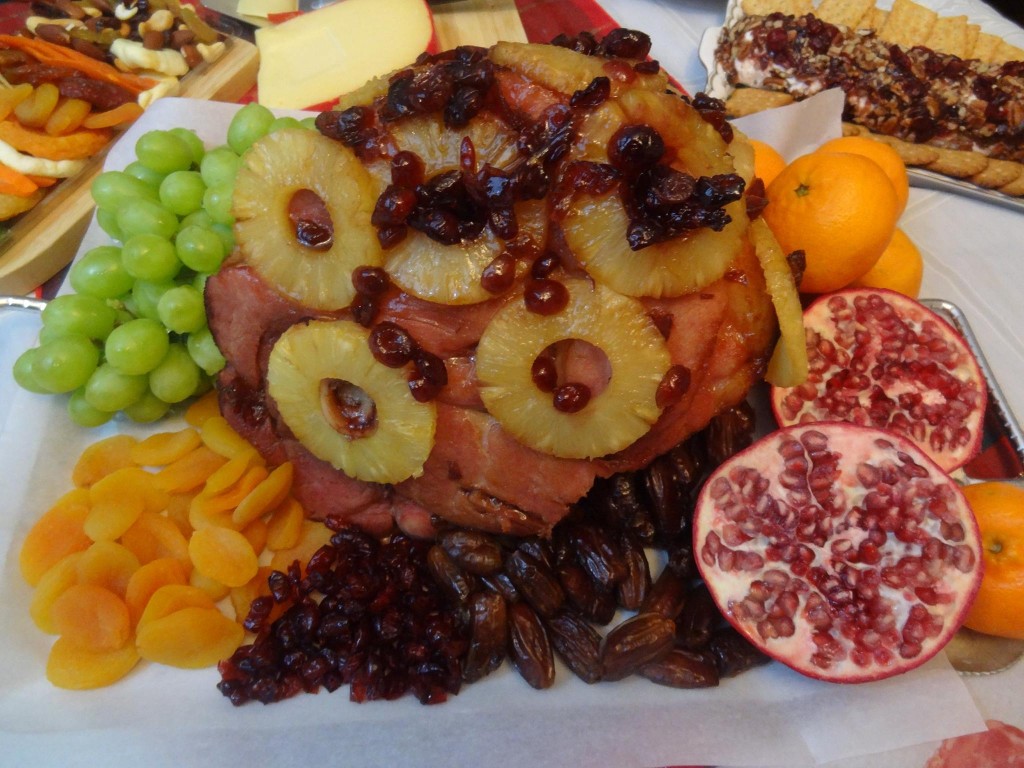
You’ll only need one can of Pineapple slices and 1/2 cup of brown sugar. In the photo, I added 1 cup of dried cranberries for my Christmas Ham but this is optional.
Wash the ham, cut off any excess fat and place it in a baking pan that has been lined with foil for easy clean up. Add 2 cups of water to the pan.
The water will help draw out the salt from ham while keeping it moist while baking!
Heat oven to 325. Loosely cover the ham with aluminum foil and place it in the oven. Let the ham cook for 20 minutes per pound or more depending on the size of your ham.
*Note:If you have spiral ham cook as per package directions since it will take less time to cook.
Strain the pineapples into a small bowl but save the juice. In a small pan heat the sugar and the pineapple juice at medium heat until the sugar has dissolved and slightly thickened.
During the last 30 minutes before the ham is cooked, remove the pan from the oven and drain the water out of the pan. Pour 1/2 of the glaze over the ham.
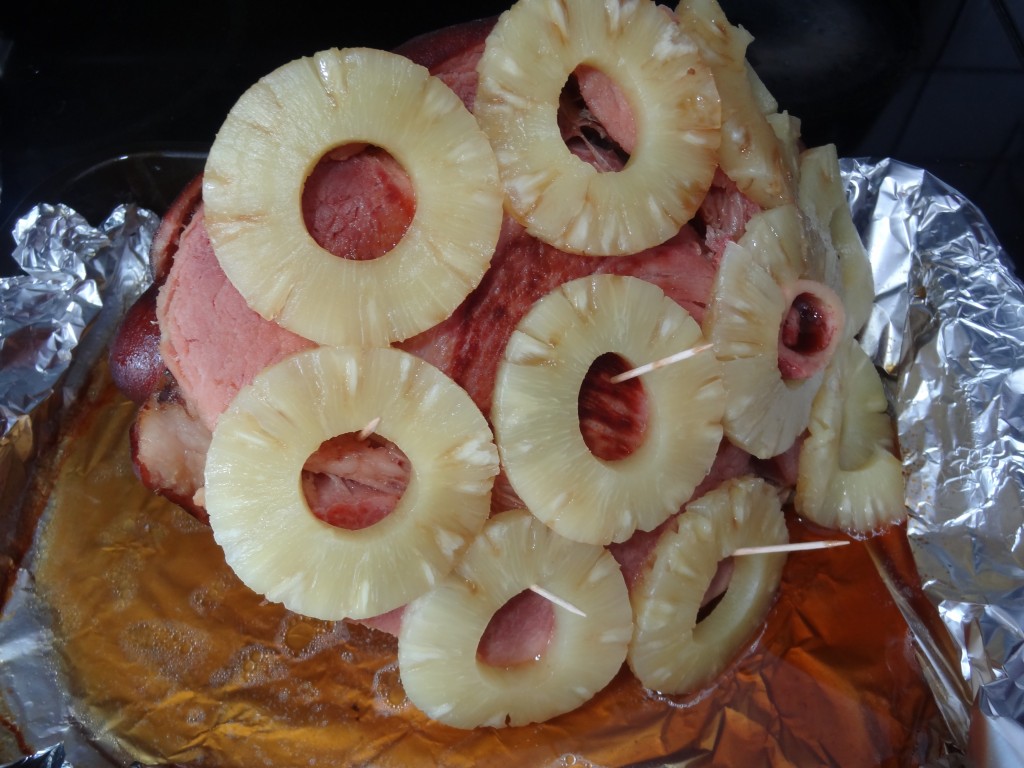
Top with the pineapple slices. Pour the glaze over the ham and pineapple slices. Cook for the remaining 30 minutes.
Place the ham on a large serving platter and pour any leftover glaze over it. Arrange dried fruits and fresh fruit around the serving platter for a festive presentation that will wow your guests!
This ham can be served hot or cold and perfect for your holiday parties.
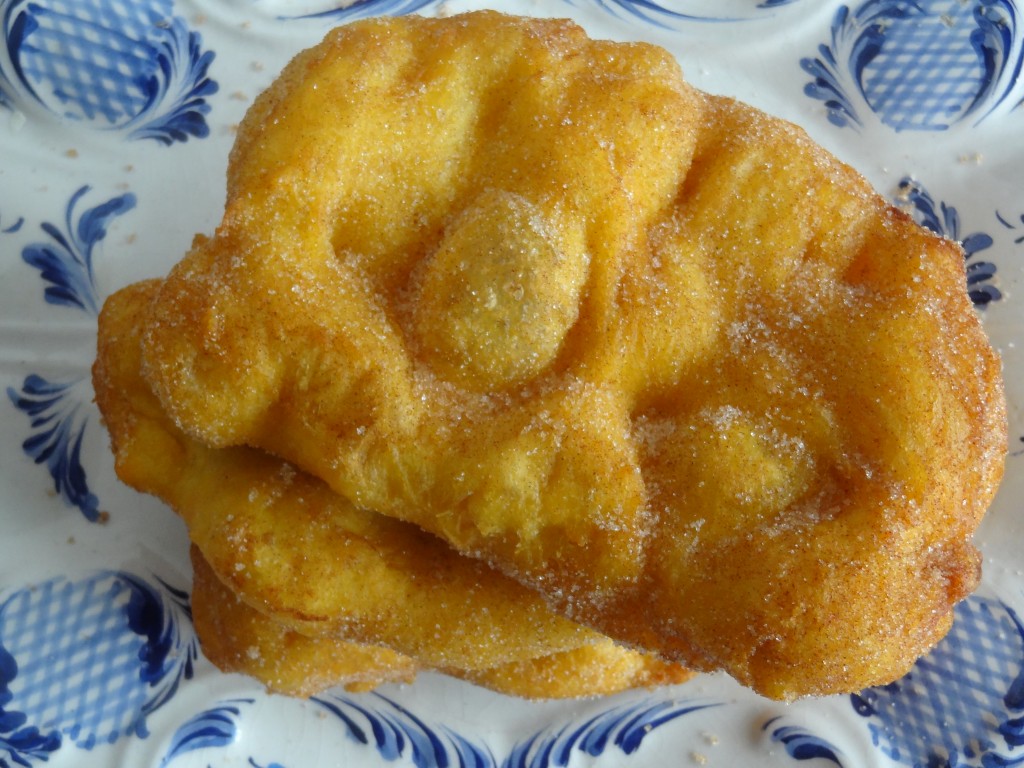
Malasadas are “Portuguese donuts”, a ball of fried yeast dough without a hole in the middle like regular donuts. After frying, they are rolled in confectioners sugar.
The terms “Filhóses” and “Malasadas” are sometimes used interchangeably, and sometimes one refers to doughnuts while the other refers to fritters without a hole in the center.
Many families have their own recipes and carry on the traditions of making this dessert with each generation. The pastry is prepared on Holiday’s such as, Easter, Christmas, New Years, and at many celebrations and family gatherings.
Different regions have different definitions of Filhós and Malasadas. Filhós are made by stretching out the dough with your hands into flat shapes and frying them whereas in preparing the Malasadas you drop the dough into the cooking oil by large tablespoons.
When the Portuguese first colonized Madeira and later the Azores Islands in the mid 1400’s they brought the deep frying method along with them. The Malasada is credited to have been originated on the Island of Sao Miquel. The other islands as well as the main land of Portugal call the fried confection “Filhós”.
In the United States, Malasadas, or Filhós are cooked in many Portuguese homes from the East to the West Coasts and featured in most Portuguese Bakeries.
When the first Portuguese immigrants moved from the Island of São Miguel to Hawaii, to work on the sugar cane plantations in the late 1800’s they brought the malasadas recipe with them.
Today, Malasadas have been incorporated into the cuisine and extremely popular in many parts of Hawaii.
Although traditionally not made with any fillings, in Hawaii they can be found in many flavors, and filled with creams and puddings.
Leonards Bakery in Honolulu, Hawaii is famous for their Malasadas but there are many shops who feature them as well.
photocredit: Leonards bakery
“In June 1882 the British sailing ship ‘Monarch’ brought Arsenio and Amelia DoRego from San Miguel Island, Portugal to Maui, Hawai’i under contract to work the sugar cane fields. Some 33 years later, their grandson Leonard was born. In 1946 Leonard and his wife Margaret moved to Honolulu with their daughter Diane, age 8. Leonard worked at Snowflake Bakery until he founded Leonard’s Bakery℠ in 1952.
Leonard and Margaret were no strangers to hard work, both coming from very large families. The bakery prospered. Not long after opening, Leonard’s mother suggested making malasadas for Shrove Tuesday – a Portuguese tradition. Although thinking it may be too ethnic, Leonard’s bakers complied. Malasadas were a huge hit. And, the appetite for malasadas in Hawaii was born.
Due to Leonard’s popularity Leonard required a larger, more modern facility, moving into their present location at 933 Kapahulu Avenue in 1957.” (http://www.leonardshawaii.com/)
Here’s an interesting video of the history of Malasadas in Hawaii
Today’s newly engaged couples are adapting a new trend of romanticism using ancient wedding traditions from past generations in planning their weddings.
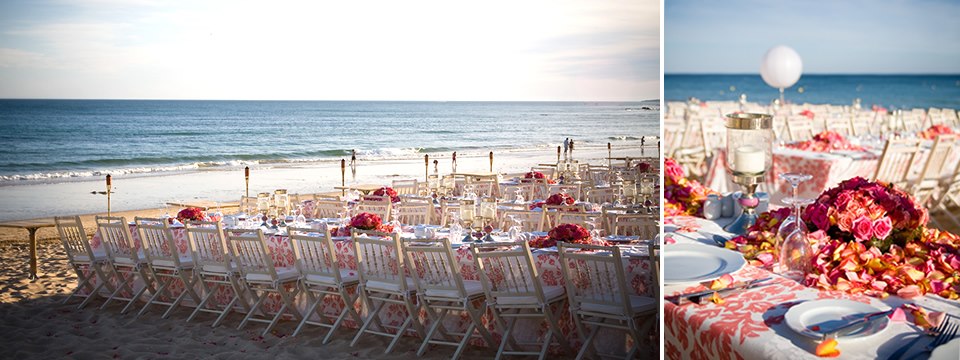
What better way to add that “Old World’ romance by having a destination wedding in Portugal.
Sally Kilbridge, veteran editor of Brides magazine, has created a new magazine; DestinationWwhich provides engaged couples with everything they need to plan a destination wedding.
In the “premier” edition of the magazine Portugal is featured on 58-77. Page 77 features their picks of TOP 5 hotels.
Destination W, Premiere issue, Winter 2013
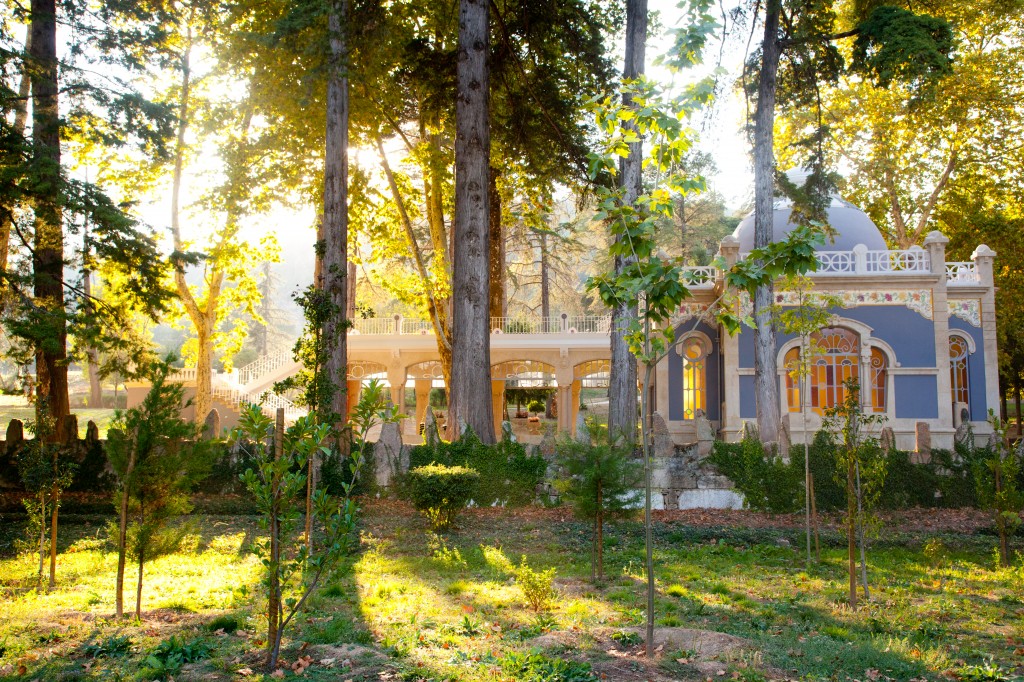
In a recent article the magazine also recommends; “For a fantasy wedding, you couldn’t do better than the fairytale buildings at Vidago Palace, in Portugal.”
In 1910, Portugal’s King Manuel II was days away from inaugurating his family’s newest holiday compound when he was overthrown and exiled. Instead of becoming a royal retreat, Vidago Palace was turned into a hotel and spa, inviting European elite to take the waters for 100 years.
—————————————————————————————-
The following are some websites dedicated to helping you plan your wedding in Portugal.
portugalweddingplanners.com – PWP organizes weddings for couples that live abroad and that would like to get married in Portugal. We are more than a brand, we are people serving people and serving emotions, dreams of a lifetime.
algarvedreamweddings.com – Algarve Dream Wedding Planners have had years of experience in organising weddings in the UK, Italy and Portugal so know your requirements and what standard you expect when planning your wedding.
—————————————————————————————-
Here more great links with information that can help you plan the romantic wedding of your dreams!
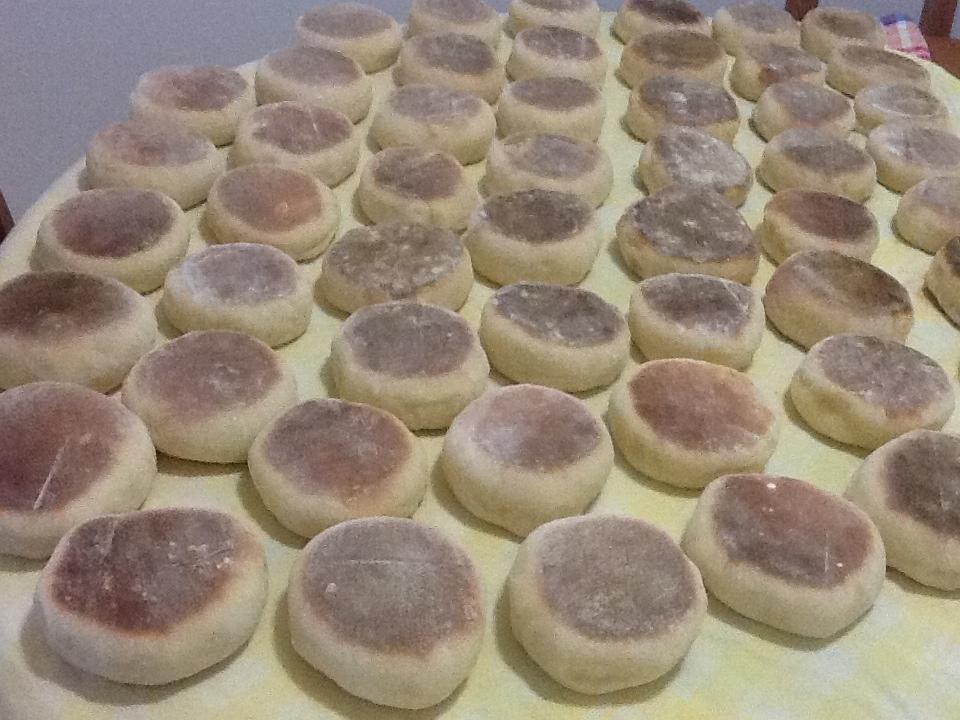
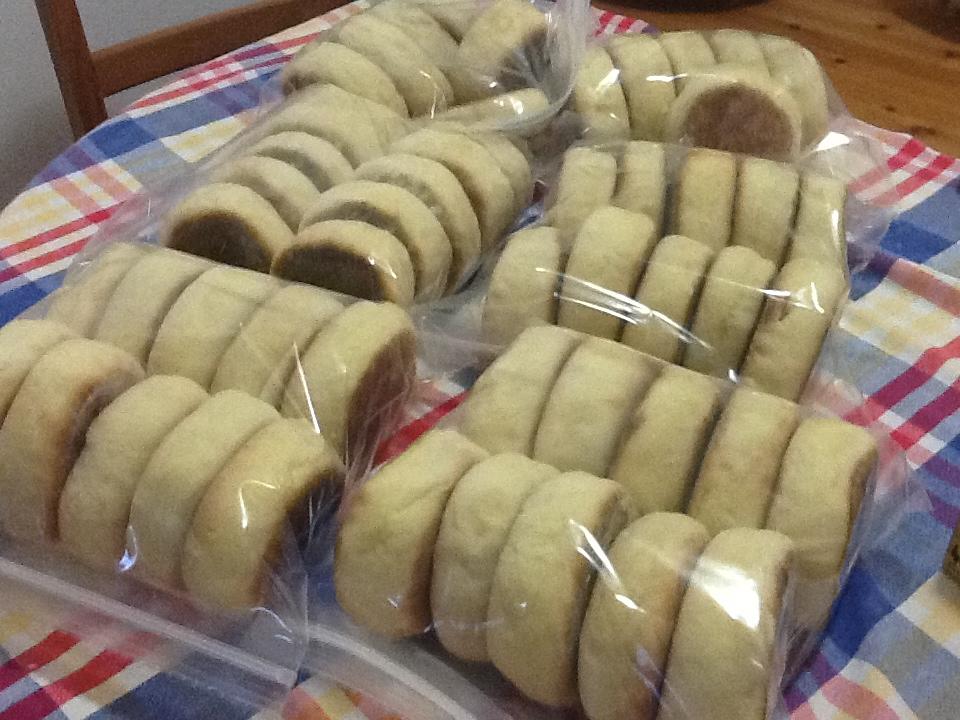
Bolos Levedos – Portuguese Sweet Muffins or Portuguese pancakes, originated from the Azorean Island of Sao Miguel, Portugal. They’re very popular in Portuguese American communities all around the country.
These muffins are great toasted with butter and jelly or use them as sandwich buns. Many grocery stores in Portuguese communities sell the muffins but you can order them online at Gasparssausage.com.
This great recipe was sent to me by Leonor Santos from Bermuda! It’s so nice to have Portuguese Foodies all around the world who want to preserve our recipes and our culture!
Note that this recipe makes dozens of muffins. Cut the recipe in half to make a smaller batch. However the freeze very well so go ahead and make the whole recipe! Enjoy!
Ingredients to make the yeast: 3 tbsp flour 1/2 tsp sugar 3 tbsp yeast
1 cup warm water
First Step:
Make the yeast mix with the listed ingredients and put it aside for 10 minutes
Heat the milk and butter in a pan until warm and the butter is melted. Set aside.
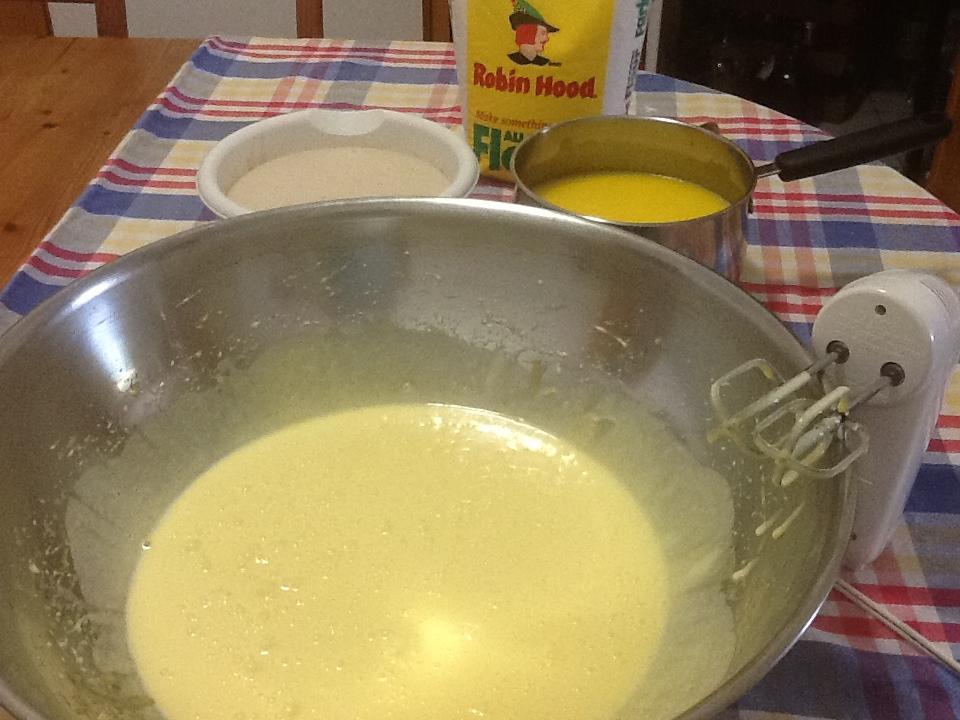
Beat the eggs, sugar salt for 2minutes. Add the milk and butter and beat for an additional 30 seconds. Mix in the yeast and stir.
Add flour and knead well until a soft bread dough forms. Let the dough rise for 30 minutes.
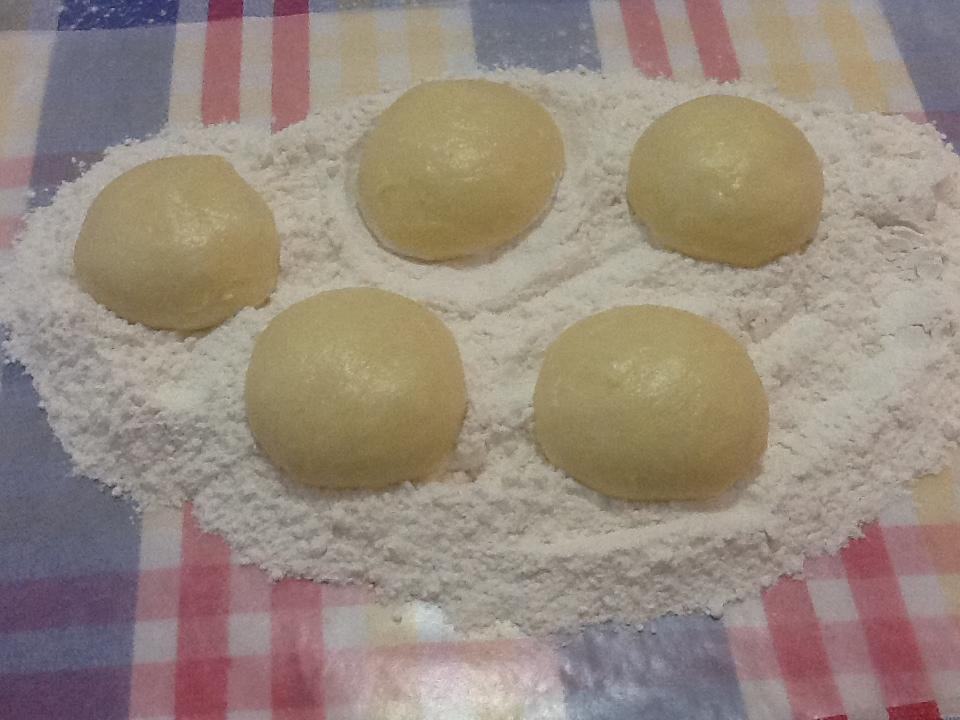
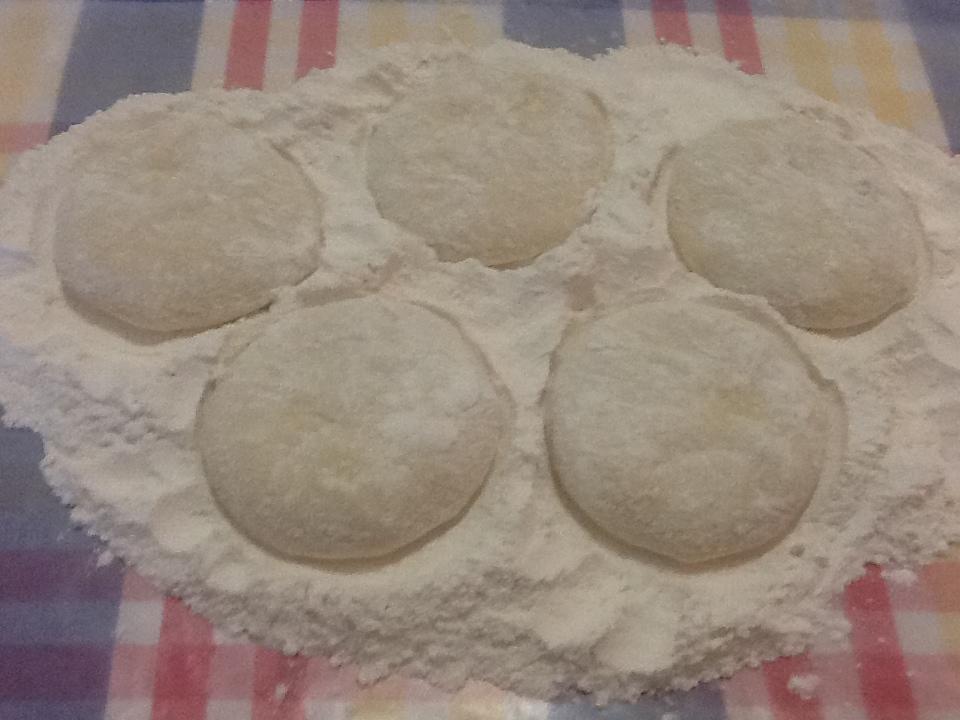
Form the dough into little balls and them dust with flour.
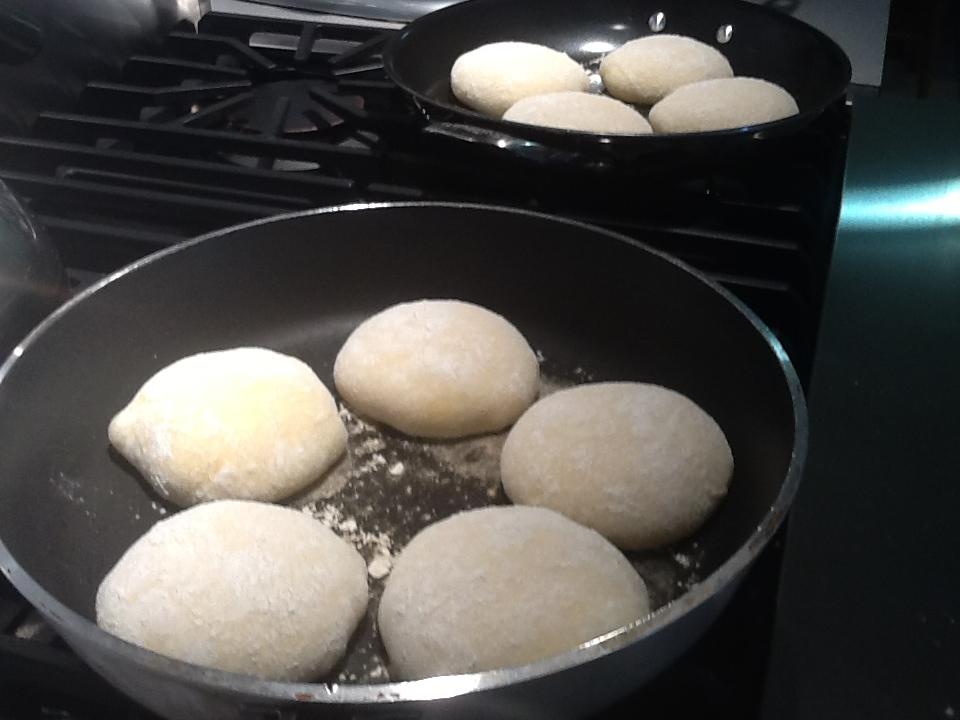
Let them rest for another 30 minutes. Press them flat to cook.
Cook in a cast iron or heavy skillet on low heat. When one side turns dark golden brown, flip over and cook the other side.
Let them cool. Place in freezer bags to store in freezer.
This true story that happened long before Shakespeare wrote Romeo and Juliet. A story of love – tragedy – and of a haunting. Could this have been Shakespeare’s inspiration?
The summer when I was 12 years old, my parents took our family on a vacation back to Portugal. We traveled on a fabulous train ride through some incredible scenery from Lisbon to Porto, toured the famous castles, museums, gardens, and all the other famous sites that my brothers and sisters and I had never seen before since we had immigrated to America when we were young.
It was a trip of a life time, which has left fond memories in my heart. But of all the places I visited that summer, there was estate in Coimbra, that left the most vivid image in my mind. Perhaps it was that spooky story that was told to us by the tour guide on that hot summer day. The terrifying story made my skin crawl and gave me a sense that a ghost was watching me as I walked along the guided tour with my parents and siblings.
This story takes place at; “Quinta das Lágrimas“ (Estate of Tears), a famous estate in Coimbra, Portugal once inhabited by the Portuguese nobility. The original castle was built in the 14th century during the rein King Afonso IV. The estate had very lush and famous hunting grounds often visited by many kings and emperors of Europe.
Ines de Castro and King Pedro
Prince Pedro, the son of King Afonso IV was the heir to the Portuguese throne. When he was 19 his father had him marry Constança of Castile (Spain) in order to build an alliance in 1340.
Ines de Castro,a daughter of a nobleman from Castile, was a lady-in-waiting to the Princess Constance. Ines was a radiant beauty who stole Pedro’s heart and they quickly fell madly in love.
Legend even says that Pedro would send his love letters through channel named “Fonte dos Amores” a pipe that carried water from the estate of Quinta do Pombal to the Monastery of Santa Clara-a-Velha, where Ines lived only less than half a mile away.
According to the legend, if two people in love simultaneously drink the water as it pours from one channel to a lower one called “Pipe of Love” their love will be everlasting.
Quinta das Lagrimas Hotel
“Fonte dos Amores” – Fountain of Love
The affair caused great conflict between the two countries which made King Afonso . The Queen tried to end the affair by making Ines Godmother to her children but to no avail. King Afonso was furious at the their affair so he banished Inês from Court and sent her back to Castile in 1344. However, the distance between them did not end their love for one another. Pedro’s passion could not be subdued and he would often visit Ines in Castile.
In 1349 Princess Constance died. Dom Pedro brought Ines back to Portugal and settled her in Coimbra, where they would live together openly. The lovers were closer than ever, and they went on to have four children.
Pedro wanted to marry Ines to make her the lawful Queen but his father opposed it because he feared that Ines’s children would claim the throne one day rather than the legitimate children borne by Princess Constance.
The King wanted to end the relationship so when Pedro was away he decided the only way to end the relationship was to kill Ines. On Jan 7, 1355 the king sent three of his courtiers – Pêro Coelho, Álvaro Gonçalves and Diogo Lopes Pacheco – to Coimbra, to end her life.
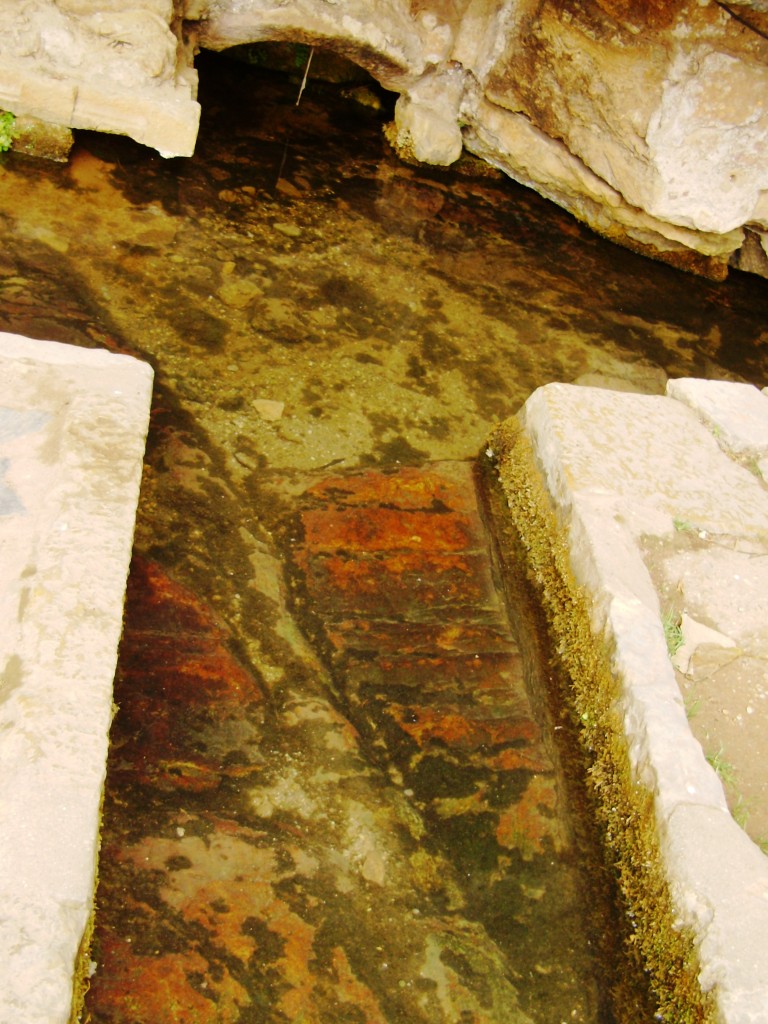
The assassination took place in Santa Clara-a-Velha but the myth associates Inês’ tragedy with the Quinta das Lágrimas. It is believed that her blood still stains the red stone-bed of the natural spring on this estate which irrigates the estate’s farmland through channels. Thin grasses sway the water, representing Inês’ hair. This is said to be where Ines shed her last tears at the hands of the assassins thus giving the spring it’s name.
Legend say’s Ines’s spirit still haunts the ground of the estate and you can see her blood stains embedded into the stones of the fountain.
Pedro’s love for Inês lived on after her death. He waged war against his father for having killed her thus creating a Civil war in the country for two years until the Queen, Pedro’s mother arranged a truce between the father and Son. However, Pedro never forgave his father and when he became king in 1357 after his father died, Pedro exhumed Ines’s body from the Monastery of Santa Clara of Coimbra, built her a royal tomb, and crowned as queen, claiming that they had married in secret before she died.
The legend says that after forcing the members of his court to kiss her decomposing hand and swear allegiance to their new queen, Pedro tracked down her assassins and killed them, ripping out their hearts with his bare hands.
Poem on the stone at Fonte das Lagrimas by the famous Portuguese Poet;Luís de Camões
To ensure they would be together in the afterlife, Pedro installed Inês’ body in the monastery of Alcobaça and had his own sarcophagus placed at the foot of hers.
Pedro and Ines’s sarcophagus at Alcobaça Monastery
The tragedy of Inês de Castro has been celebrated everywhere: in epic and lyric poetry, in novels, dramas, in paintings and in music. According to José Hermano Saraiva, more than 120 operas were created about this story in Italy alone. Among these is a famous 18th-century opera by Paisiello and an 1830 ballet entitled Pietro di Portogallo.
Decades later after the tragic love story the estate became part of the University of Coimbra and in 1730 purchased by the family; Osório Cabral de Castro, who had a palace built on the property. During the 18th century a lavish garden was added which contains exotic vegetation from all over the world.
The Duke of Wellington, commander of the troops who fought against Napoleon lived on the estate at one time and had planted tw0 sequoia trees near the fountain. which are now over 200 years old.
Today, the estate is a luxury hotel. If you have the pleasure of dinging at the Quinta das Lágrimashotel, you will feast on the food of love because its kitchen garden is still fed by the same channels of water. Tour guides are still available for lovers who want to experience romance of long ago.
Find a Recipe
FIND RECIPES HERE
"Join me! Lets' s share recipes, learn how to cook traditional Portuguese dishes, or chat about our cuisine, culture and traditions. I want to share these recipes to preserve our Portuguese passion for great food and pass them along to the next generation. So come along, Let's cook Portuguese!"
Support Tia Maria's Blog page to promote our Portuguese heritage. SCAN QR CODE:
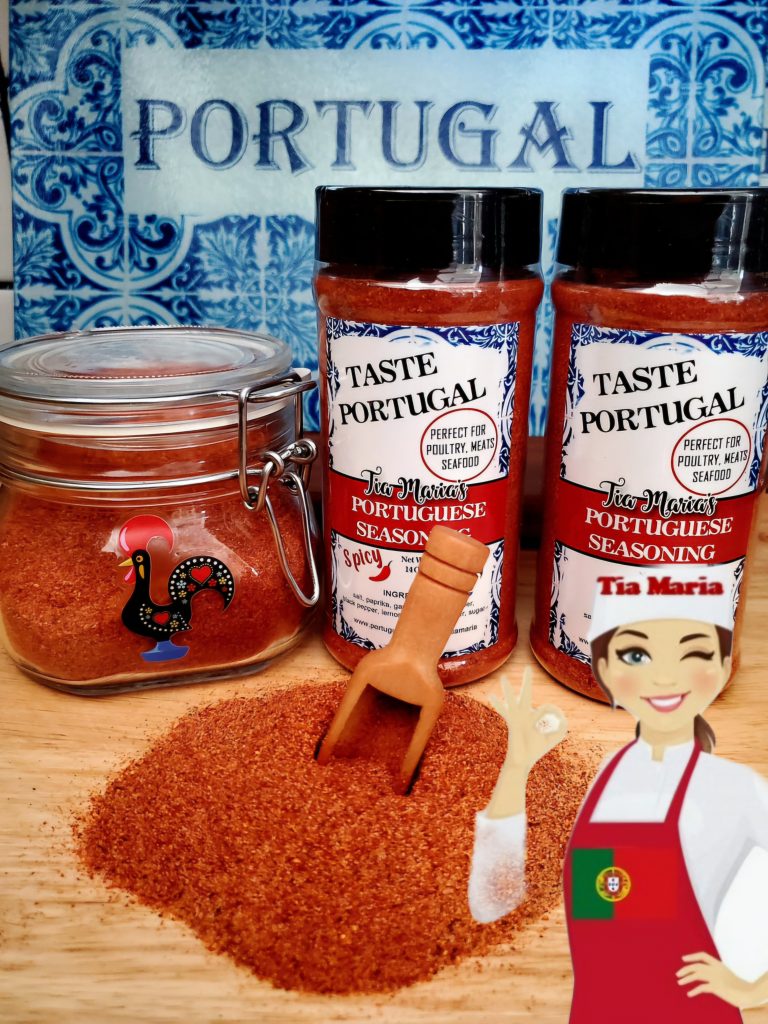
ORDER SET OF 1 REGULAR AND 1 SPICY JAR - FREE SHIPPING IN USA
BUY NOW ON PAYAPAL OR SCAN QR CODE BELOW
TASTE PORTUGAL COOKS AVAILABLE ON AMAZON ALL AROUND THE WORLD: FREE Prime shipping in USA
COOK BOOKS ARE ALSO AVAILABLE ON AMAZON.CA (CANADA)
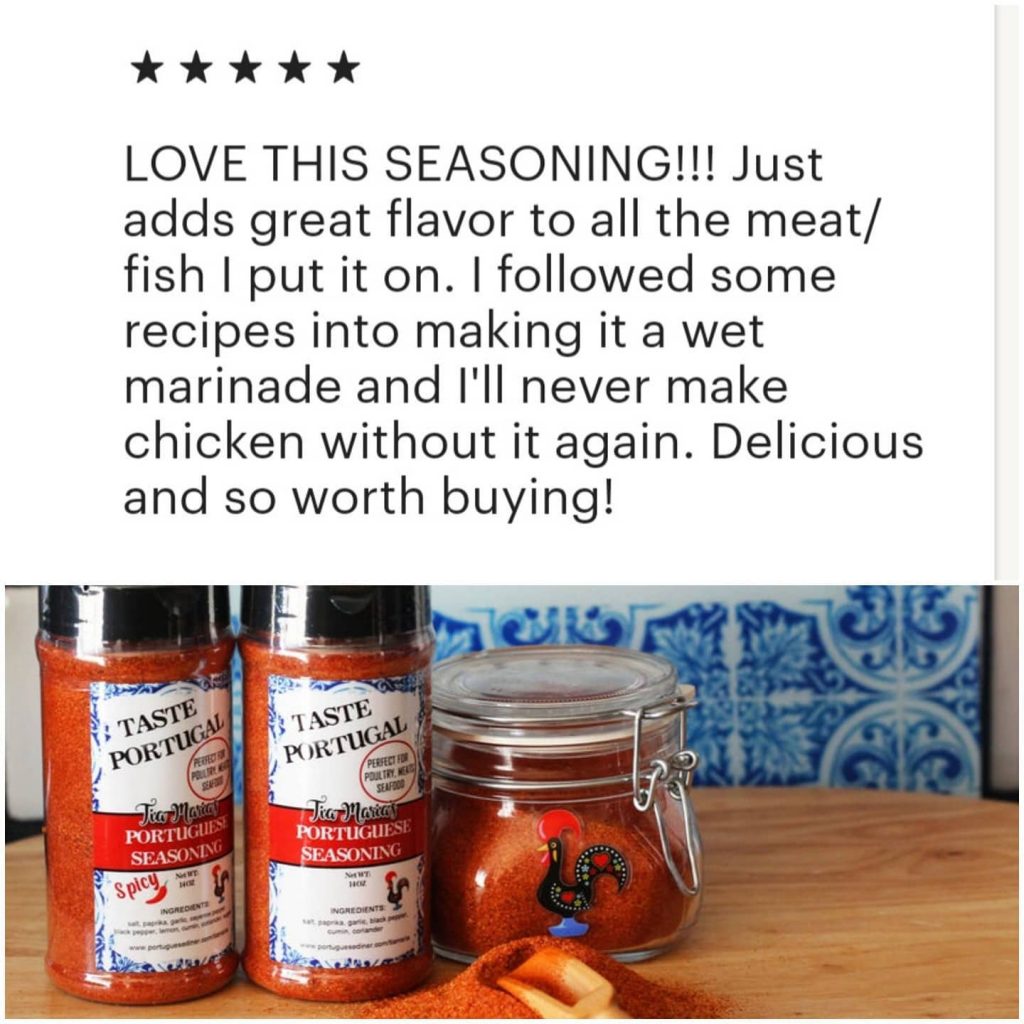
ORDER SET OF 2 TASTE PORTUGAL SEASONINGS ON PAYPAL OR SCAN QR CODE: FREE SHIPPING USA
COOKING PORTUGUESE IS EASY WITH TIA MARIA’S TASTE PORTUGAL PORTUGUESE SEASONINGS
LISBON BLUE ETSY SHOP – FREE SHIPPING IN USA
Shop at Gaspars online for great Portuguese Products
Portuguese Linguica and Chourico
Gift Packs
Gaspars Sausage Company
For nearly a century Gaspar’s Sausage Co., Inc. Has been recognized as the largest manufacturer of Portuguese smoked sausage in the United States. Order today! www.gasparssausage.com or call us at 1-800-542-2038
MY TASTE PORTUGAL SEASONINGS DISTRIBUTOR - GONSALVES FOODS.COM
GONSALVES FOODS
GONSALVES FOODS
The taste of Portugal here in America Your source for authentic Portuguese products We’re proud to offer a wide selection of authentic Portuguese foods from our Gonsalves and Bom Petisco brands as well as the leading Portuguese brands like Saloio olive
0





























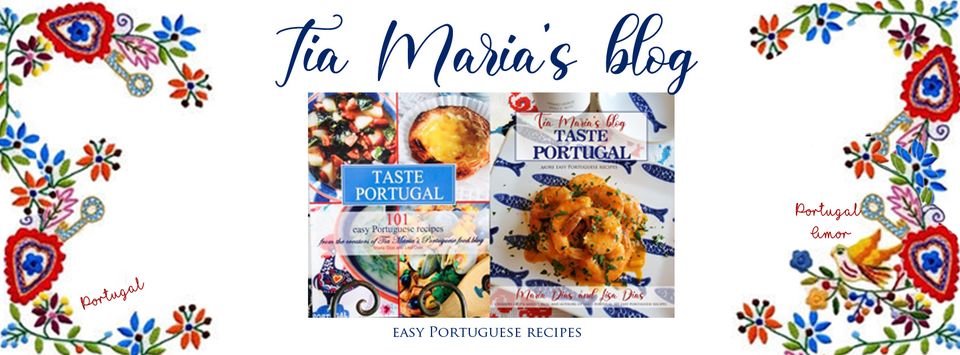
 Now available in Canada – Amazon Canada
 LISBON BLUE ETSY SHOP
 My appearance on RTP Portuguese TV Notícias do Meu País
 No Kid Hungry | Share our Strength Help End Child Hunger in America



















 GONSALVES FOODS