Category: Sauces and Jams

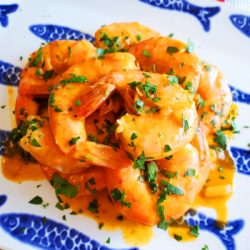
Portuguese Shrimp Mozambique | Camarão a Moçambique
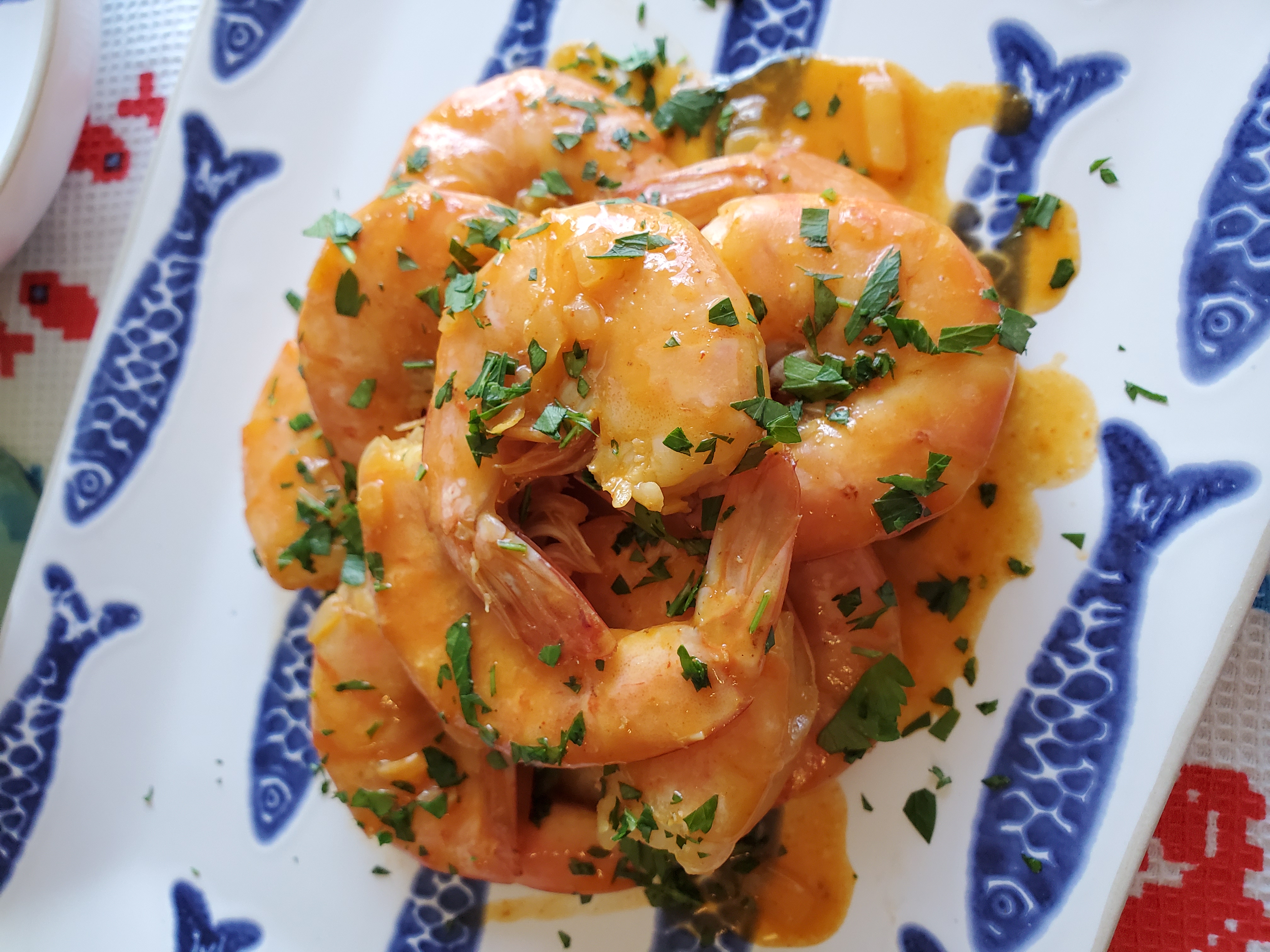
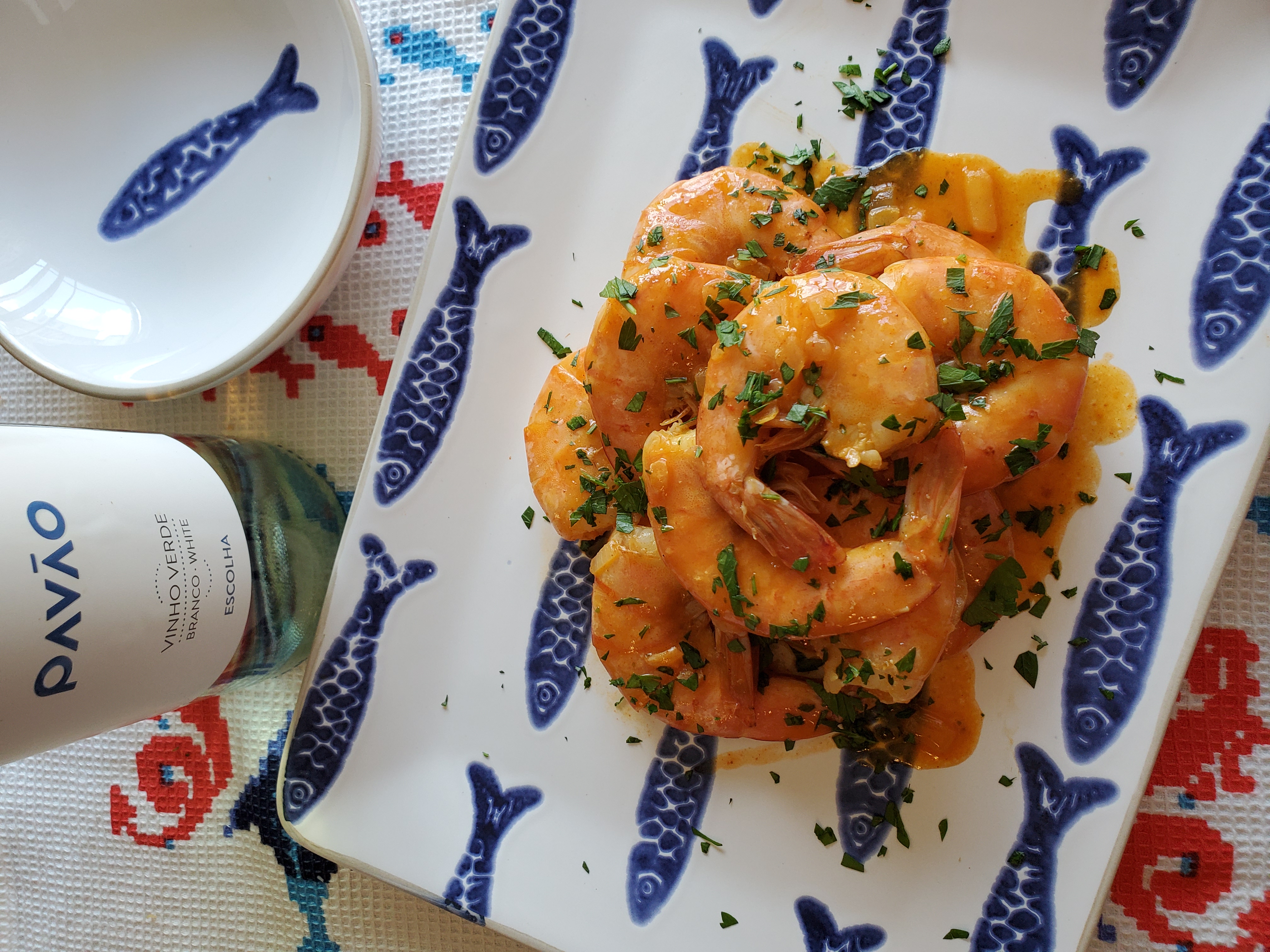
 

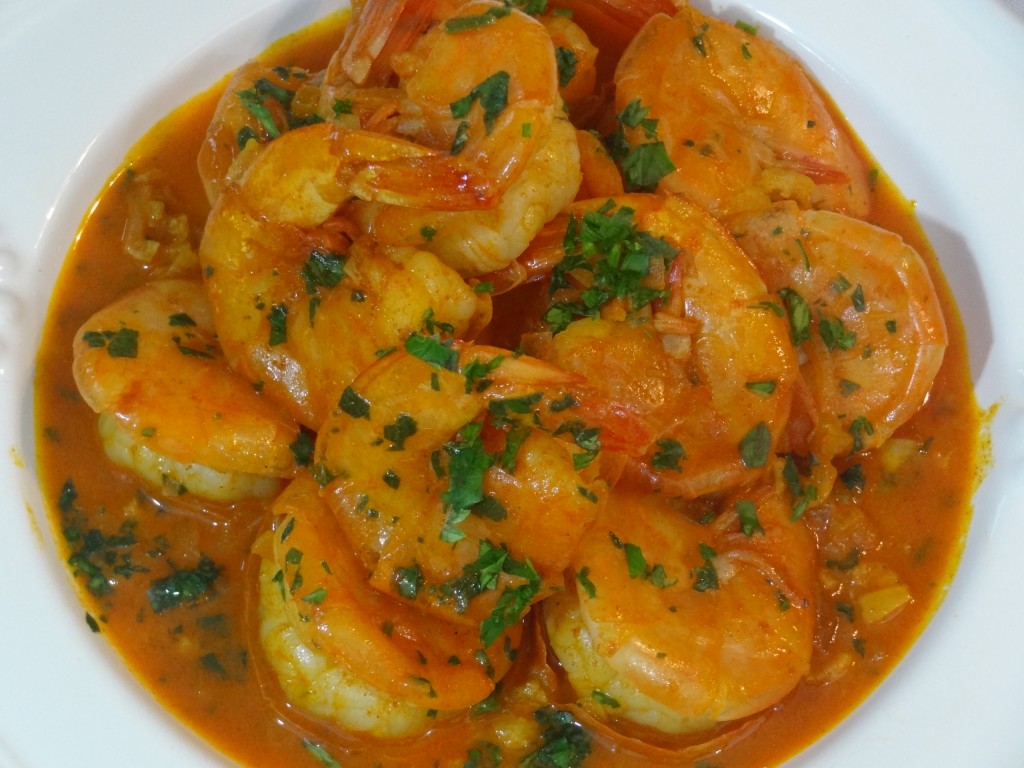
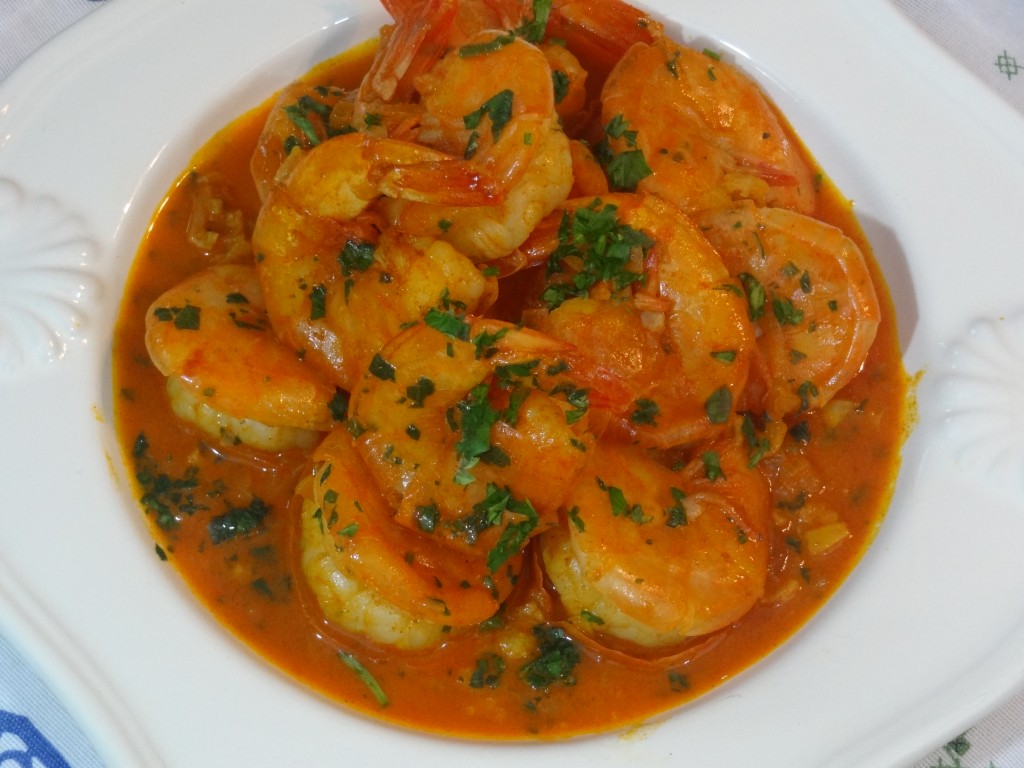
Shrimp Mozambique

This shrimp dish is a party in a pan!

 All you need is some good Vinho Verde, fresh crusty bread for dipping into to sauce, and friends to share it with!

Although the reicpe is called a Mozambique, it’s a favorite Portuguese dish served in many Portuguese restaurants. It’s given the name because of the spiciness from the piri piri hot sauce which contains the red hot peppers originating in Africa. Piri Piri means “pepper” in Swahili.

“Piri piri is a cultivar of Capsicum frutescens, a chili pepper that grows both wild and as a crop. It is a small member of the genus Capsicum. The cultivar was developed from the malagueta pepper in southeastern Africa and was spread by the Portuguese to their Indian territories of Gujarat and Goa.” Wikipedia

My favorite wine to serve with this dish is the classic Vinho Verde, but you can substitute with a good dry wine!

Let’s eat! Take one shrimp by tail, and suck the sauce from it. Then peel and eat. Dip crusty bread into the sauce and enjoy it’s savory flavor.

Note: I recommend leaving the shells on because it creates a more intense flavor.  The recipe can be made with shell off shrimp and then served with rice or pasta for a main dish.


Ingredients:


2 pounds of medium size shrimp (with shells on)

1 small onion ( finely minced)

4 cloves of garlic (minced finely )

1/2 teaspoon of salt

2 tablespoons of butter

2 tablespoons of olive oil

1/2 to 1 tablespoon paprika

1 cup of white wine or Vinho Verde

1 chicken bouillon cube

1/2 to 1 tablespoon of Piri Piri or your favorite hot sauce if you don’t have it available

1 tablespoon parsley (finely minced for garnish)

Preparation

In a medium skillet, add the olive oil, heat to medium and add the onion. Cook onion for about 2 minutes until it becomes translucent.
Add the garlic and cook for about 30 seconds. Add the shrimp and let cook for 1 minute. Add the butter, bouillon and paprika. Stir well and cook for 1 minute.
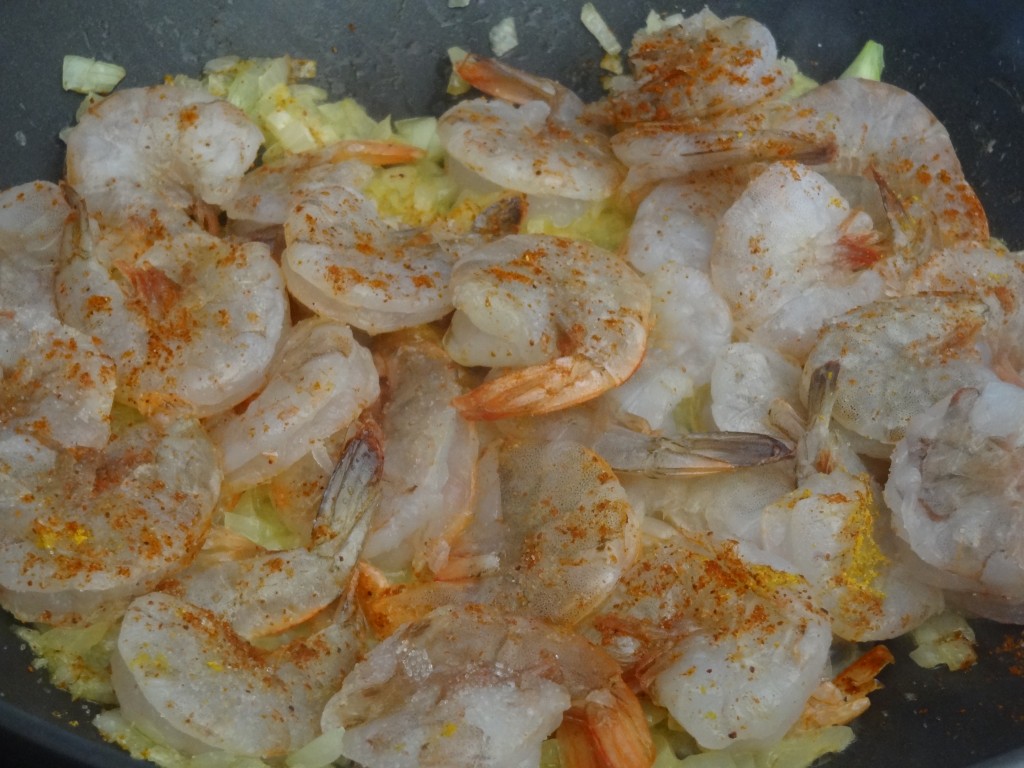
Add the wine, stir and let come to a boil on medium heat. Add salt. Simmer for a few minutes longer until the shrimp turns pink. Add the piri piri hot sauce.

Cook for a few minutes for the wine to evaporate. Add more piri piri if desired. Garnish with parsley. Serve with crusty bread.
 

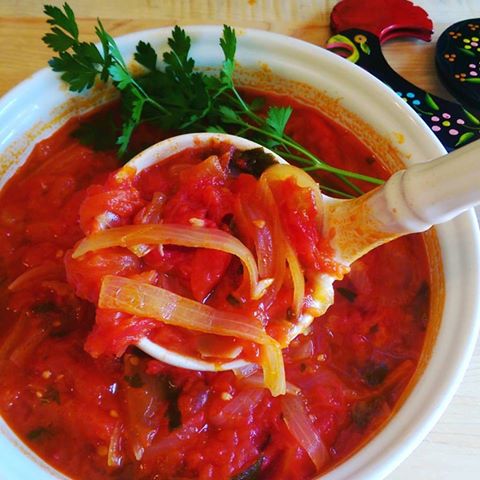
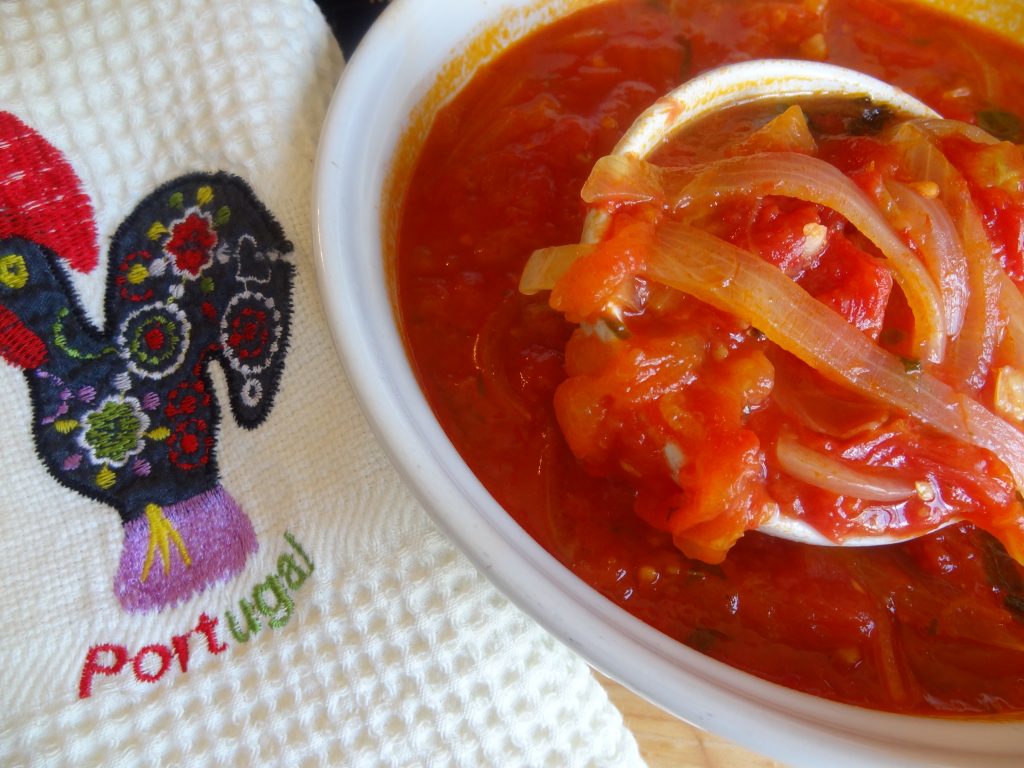
Cebolada – Onion Sauce

ceboladaThis Cebolada (Onion Sauce) is great to put on steak, pork chops or as a base for baking fish. I like to make large batch and freeze into portions for later use.

To defrost simply leave the sauce defrosting overnight in the refrigerator or heat on low heat in a heavy saucepan.

Ingredients:

3 – 4 pounds ripe tomatoes (skinned, and partially seeded)

3 large onions (sliced)

1 large red bell peppers (sliced) optional

5 cloves garlic (minced)

2 large sprigs parsley (chopped)

1/2 cup white wine

1 teaspoon salt

1/2 teaspoon black pepper

1 teaspoon sugar

1/4 cup olive oil

1 chicken or vegetable bouillon cube

Preparation:

Saute the onions, peppers and garlic in olive oil until translucent. Add the rest of the ingredients and cook on low medium heat for about 20 -30 minutes stirring often.

The sauce will thicken as it cooks. Taste for saltiness and add more to your taste. If you like the sauce thicker, simply add a tablespoon of tomato paste to thicken and let cook for a few minutes longer.

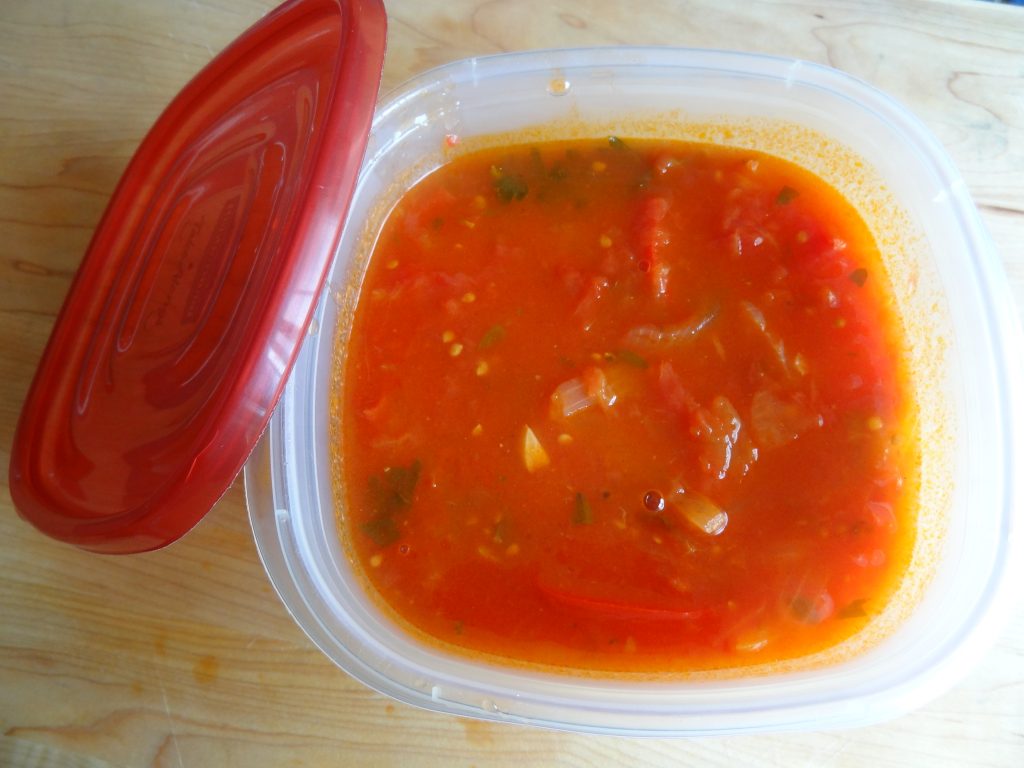
Let sauce cool and place into portions in freezer safe Tupperware or plastic. Store in freezer for a later use.

DSC05890  DSC05892

Sun Dried Tomatoes in Portuguese Olive Oil

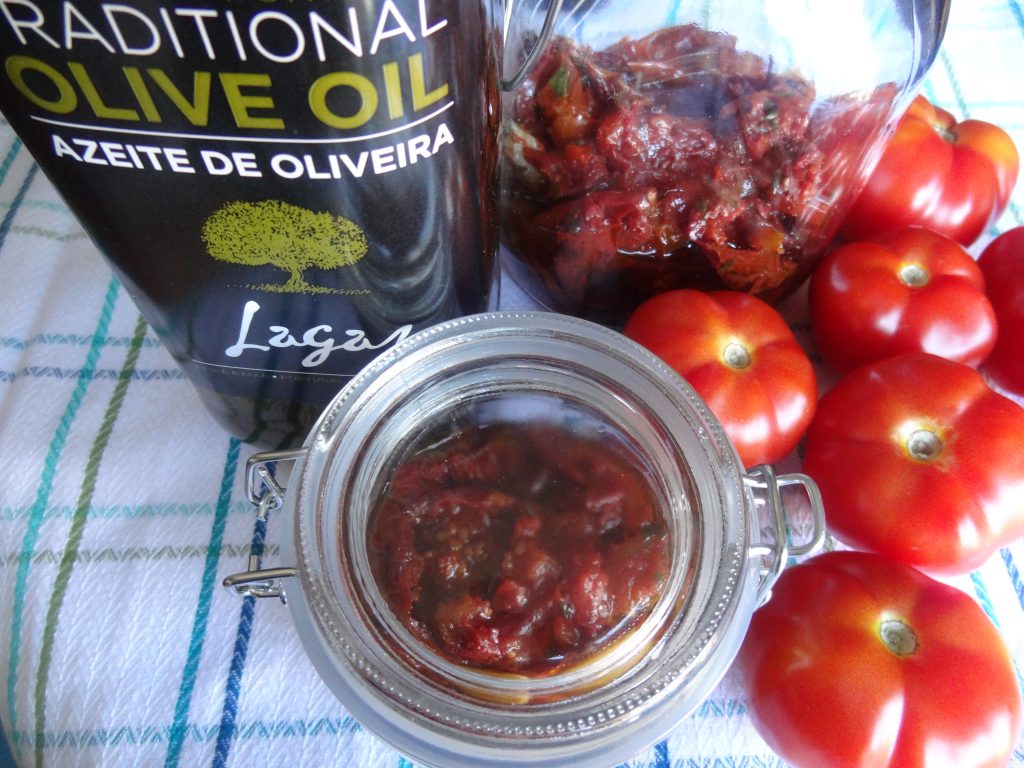
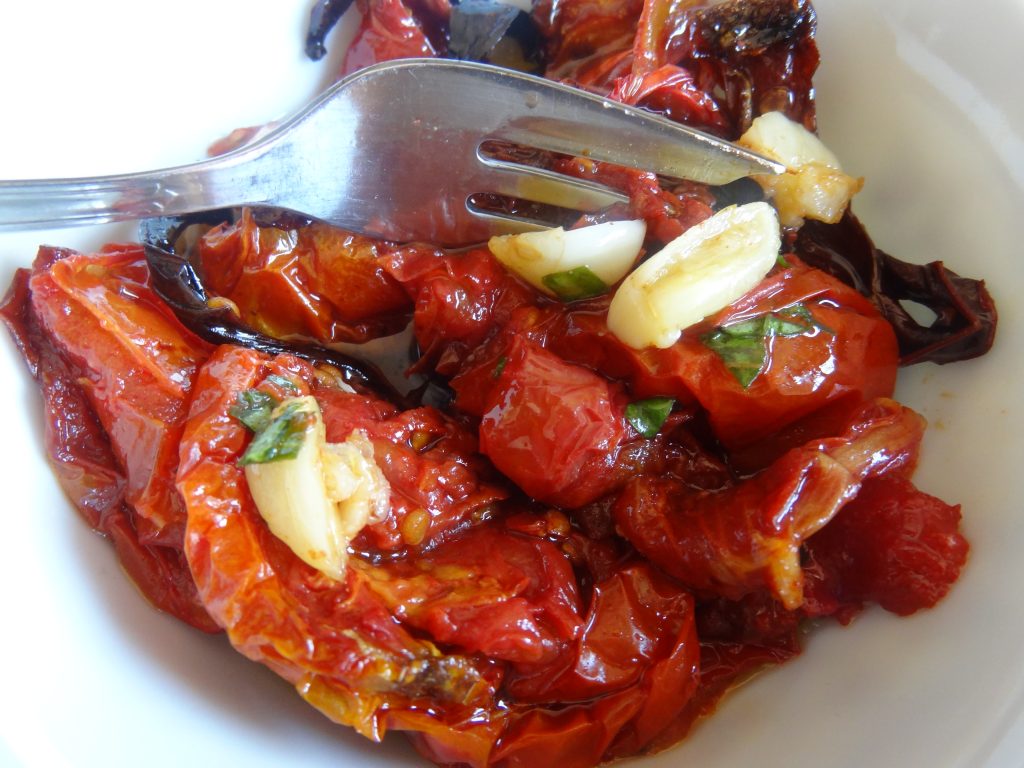
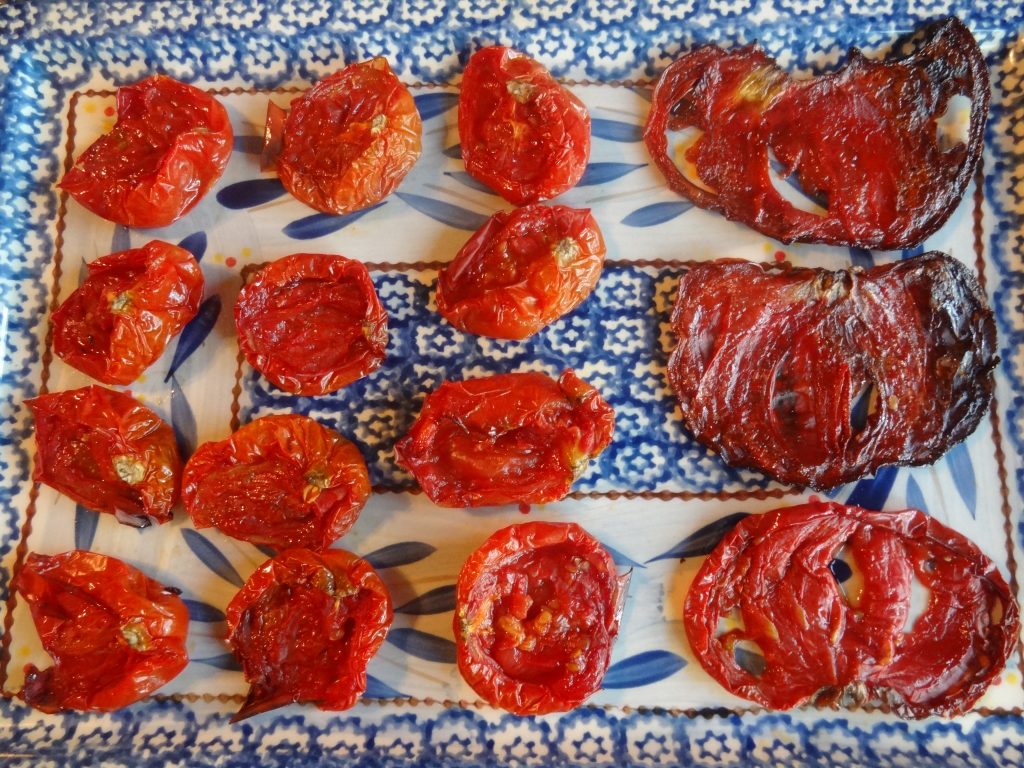
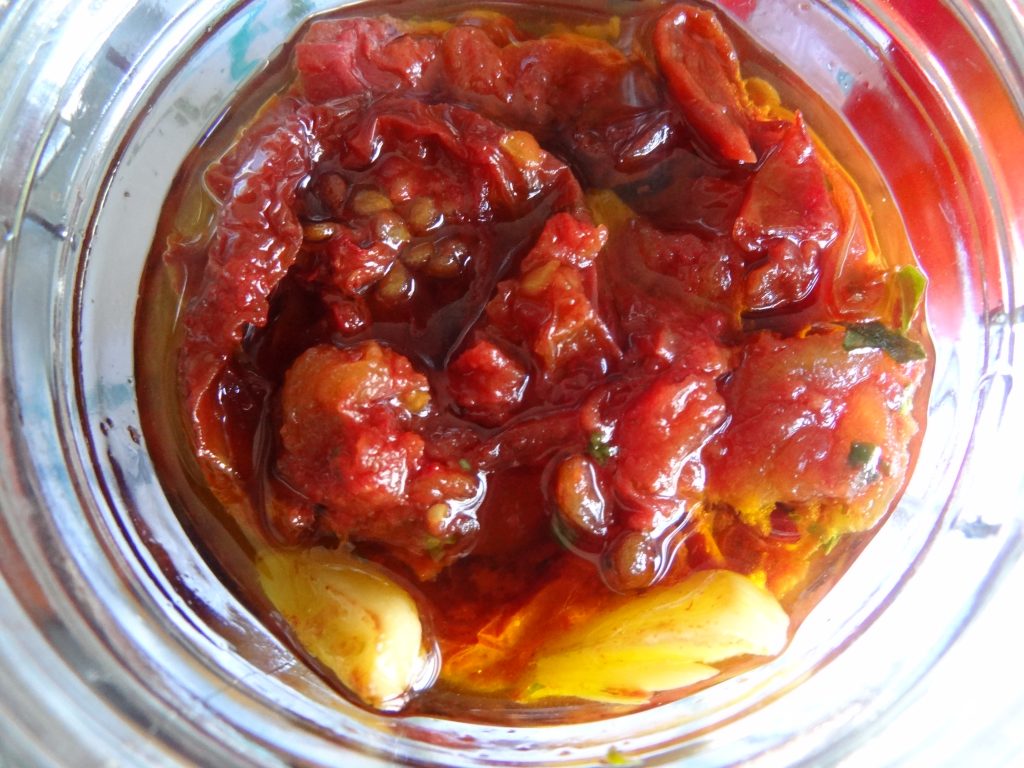
DSC05870 I had a very bountiful tomato harvest this year so I had to use the tomatoes in many different recipes. These sun dried tomatoes came out perfect! This was the first time I made the recipe and I was pleasantly surprised at the results. These tomatoes last up to 1 – 2 months in the refrigerator and are great on pizza, bruschetta, served on toast or crackers as appetizers, as a garnish or as an add on to sauces and soups!

DSC05866

Ingredients:

Ripe tomatoes (3 pounds or more)

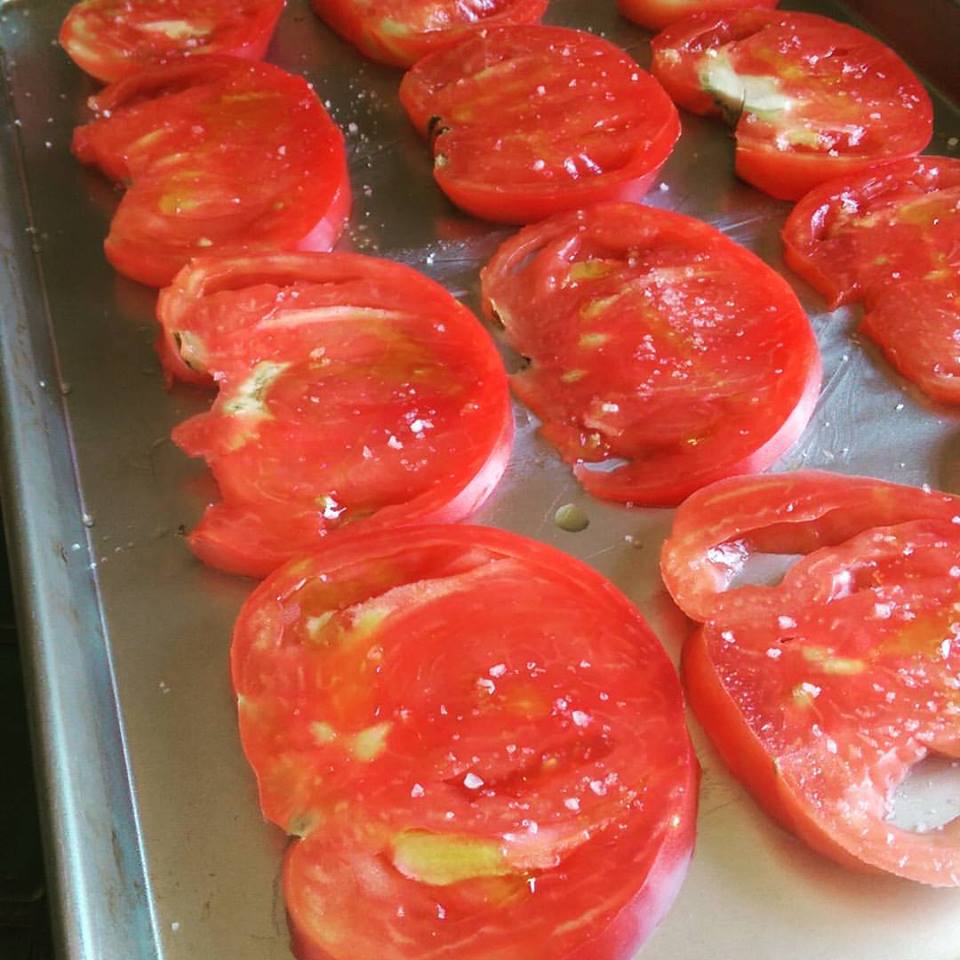
(small red tomatoes sliced in half and seeded, or thin sliced larger tomatoes mostly seeds removed)

Sea Salt

Portuguese Virgin Olive Oil (2 cups or more)

Garlic (about 8 cloves or more)

Basil (optional)

sundried tomato
Preheat oven to 200 degrees F. Place the tomatoes slices and haves on lightly greased baking sheet. Sprinkle with a little drizzle of olive oil and salt.

Cook for about 6-10 hours depending on how much moisture your tomatoes have. Check after the 6 hours to see it they are dried.

DSC05862
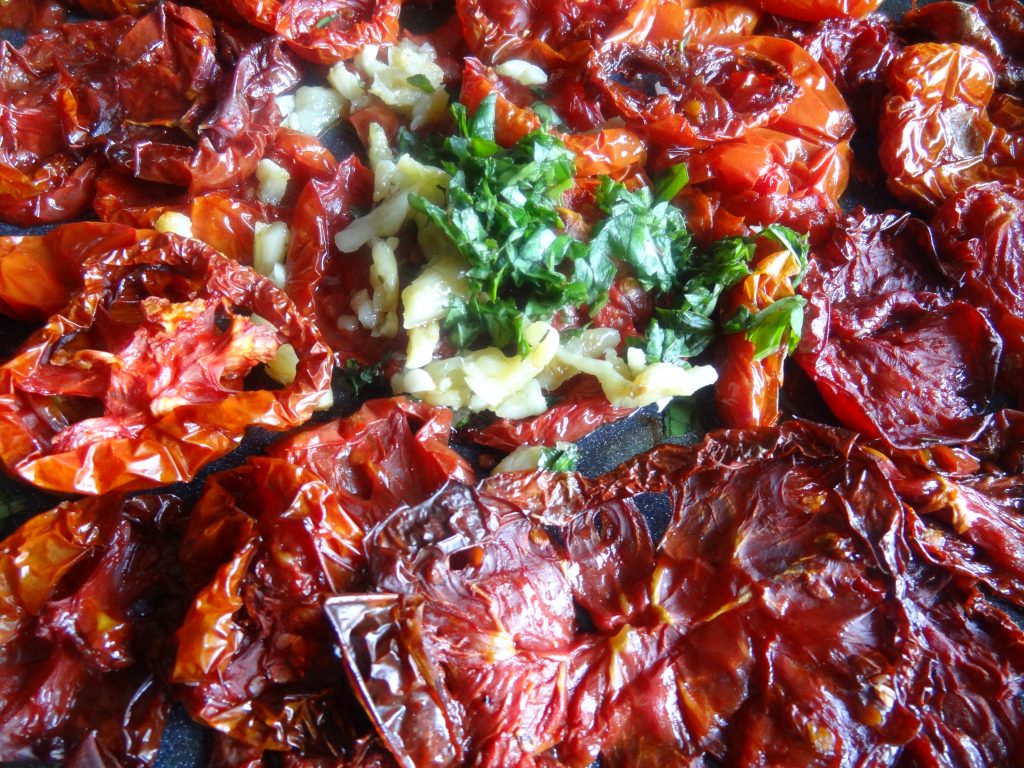
While the tomatoes dry, mix 1 cup olive oil with the garlic and cook on low heat for about 5 minutes or until the oil is infused with the garlic and let cool. Chop basil if desired and add to the olive oil and garlic blend.

DSC05886

When tomatoes are done, let cool and mix in the olive oil blend. Place the tomatoes into very clean mason jars or clean lidded jars. Add more olive oil to cover and store in the refrigerator.

They’ll stay edible for up 1 month in the oil. Check for signs of mold or a rancid smell before using them. If you find mold discard them.

If you find the oil has thickened and turned a whitish color, just remove your desired amount of tomatoes and let the oil reach room temperature for about 30 minutes.  It will thin out. DSC05869

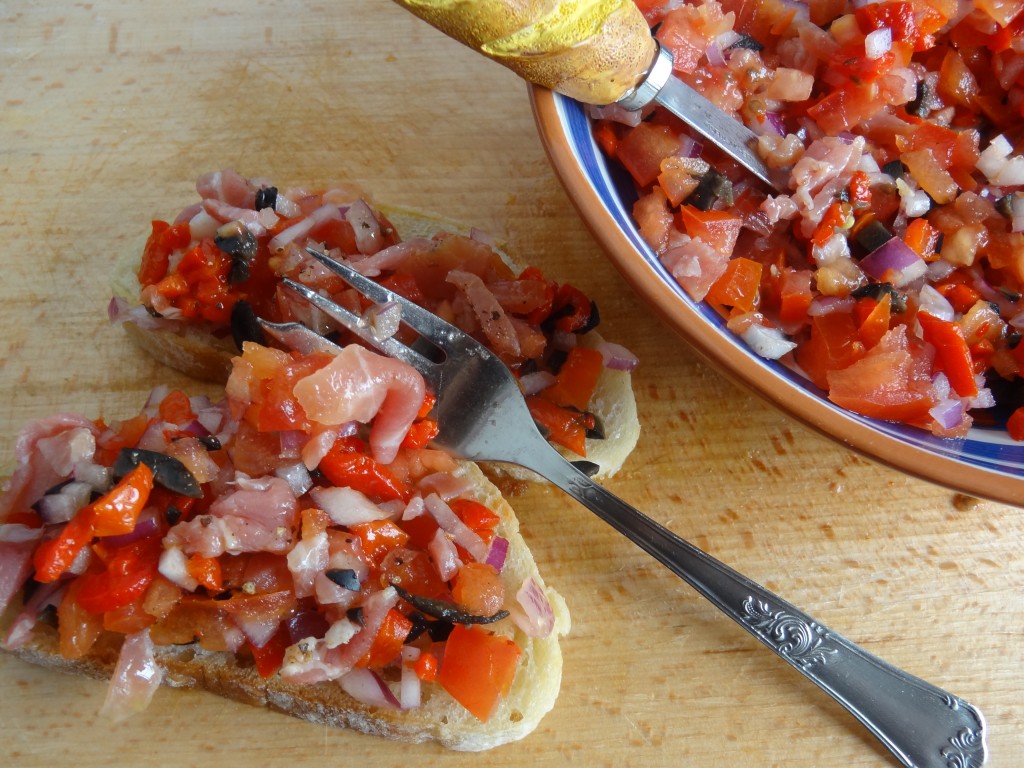
Try my brushcetta recipe:

Bruschetta Portuguesa prep


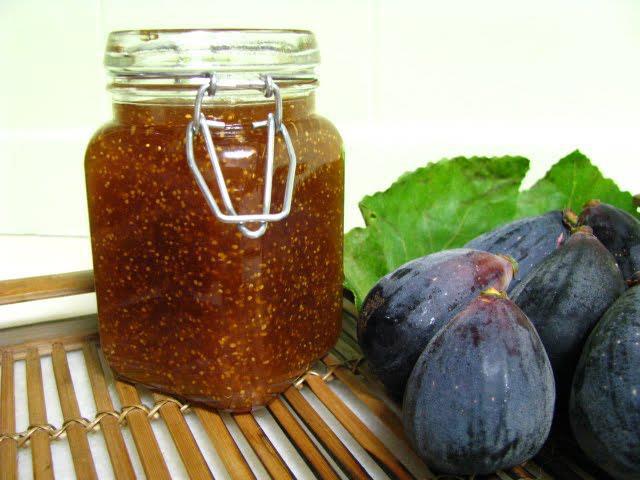
Compota de Figo com Vinho do Porto | Fig Jam with Port Wine

I’ve had many requests for Fig Jam so here’s a recipe for you in both English and Portuguese. I have never made fig jam because figs are hard to find in my town. I hope you enjoy the recipe and let me know how it turns out!

Recipe from Receitas de Portugal:

Find more jams, compotes, and jelly recipes here on their Facebook Page in Portuguese:

English Version:

Ingredients:

1 and 1/2 pounds of figs

1 and 1/2 cups of granulated sugar

1 cup of Port wine

1 stick of cinnamon

1 slice of lemon zest

Preparation:

Wash and dry the figs and cut into quarter pieces. Place the figs into a heavy pan and add the sugar, wine, cinnamon stick and lemon zest.

Let come to a boil and reduce heat to simmer. Stir once in a while as it cooks to a thick constituency. You should be able to make a clear line in the bottom of the pan with your spoon. Remove the lemon zest and cinnamon. Let cool slightly and place into sterilized jars. Flip the jars over for storing. This will create a natural seal for preserving the jam longer. Store in refrigerator.

Portuguese Version:

COMPOTA DE FIGO COM VINHO DO PORTO
Bom Apetite!

INGREDIENTES:
700 g de figos maduros
300 g de açúcar
1 chávena de café de vinho do porto
Casca de meio limão
1 pau de canela

PREPARAÇÃO – Tradicional:
Lave os figos, corte-os em quartos;
Coloque-os num tacho, adicione o açúcar, o vinho do porto, o pau de canela e a casca do limão;
Depois de levantar fervura, baixe o lume e deixe cozinhar lentamente mexendo de vez em quando para não pegar;
Quando estiver em ponto estrada ( quando depois de colocar um pouco de doce num prato e lhe passar a colher, se formar uma estrada);
Retire o pau de canela e as cascas do limão, coloque a compota em frascos esterilizados, feche os frascos e vire-os com a tampa para baixo – isto ajuda a criar um vácuo natural e ajuda a conservar o doce mais tempo.


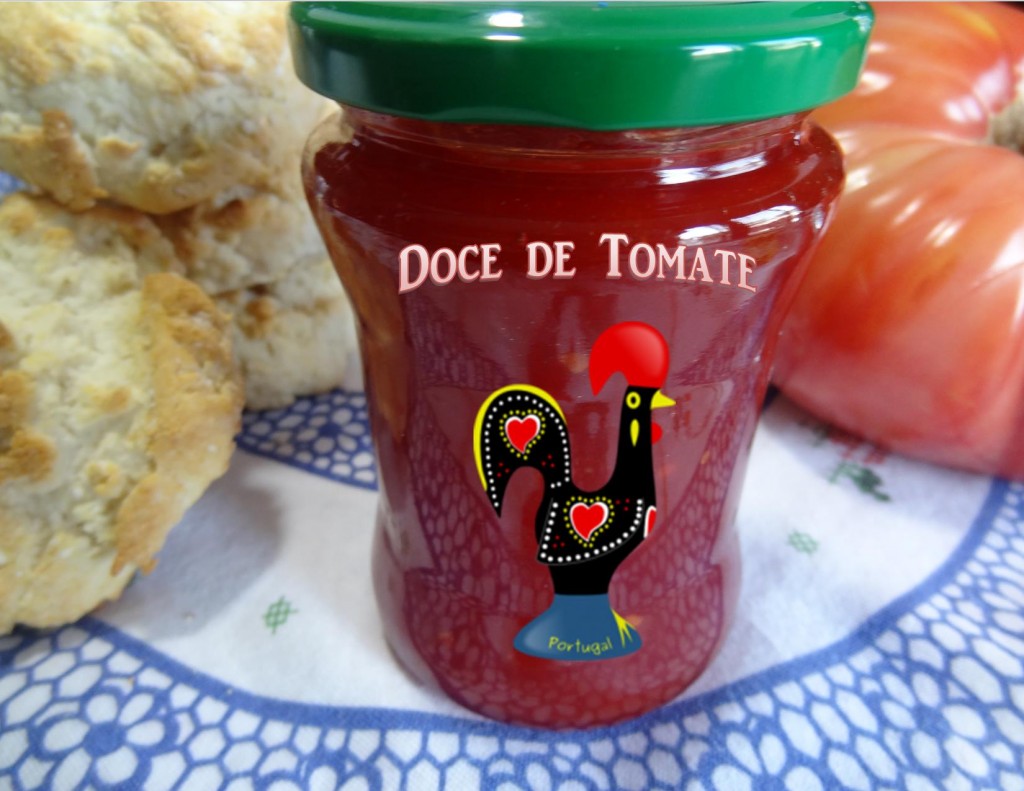
Doce de Tomate – Tomato Jam

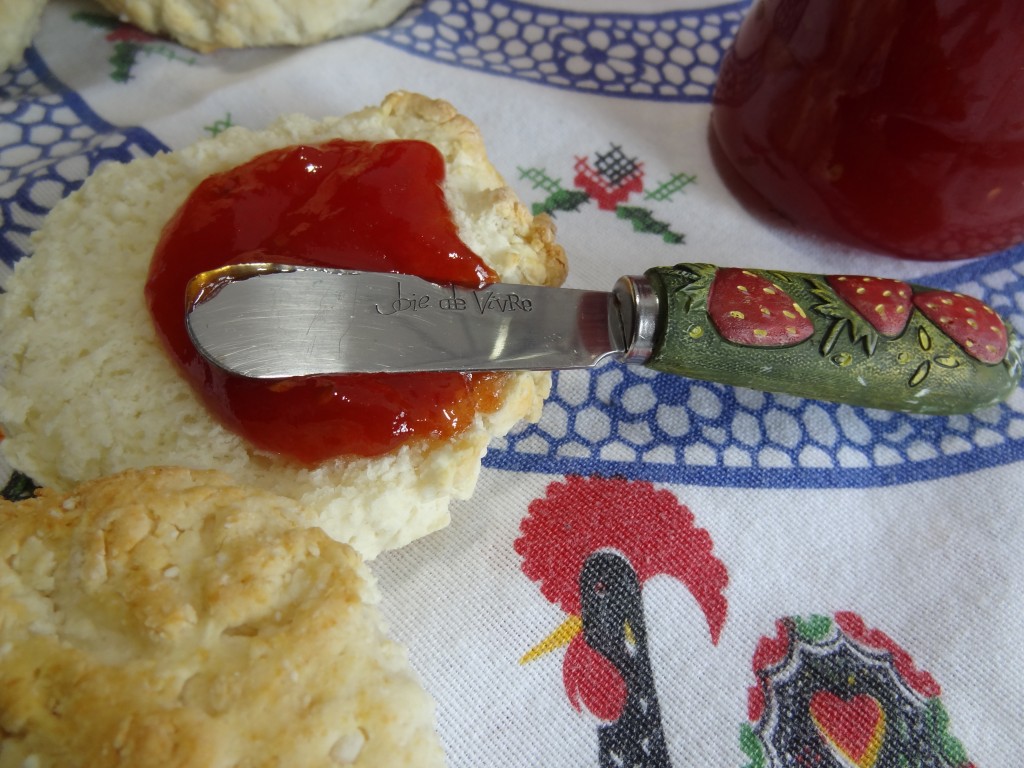
I love my Gallo de Barcelos sticker

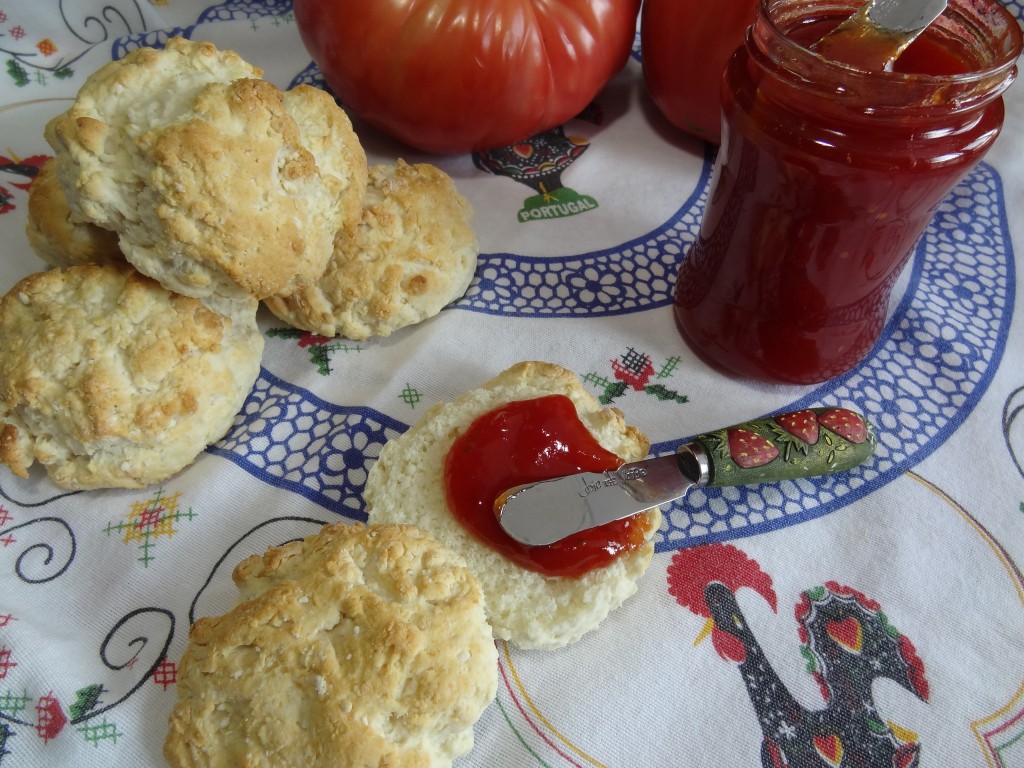
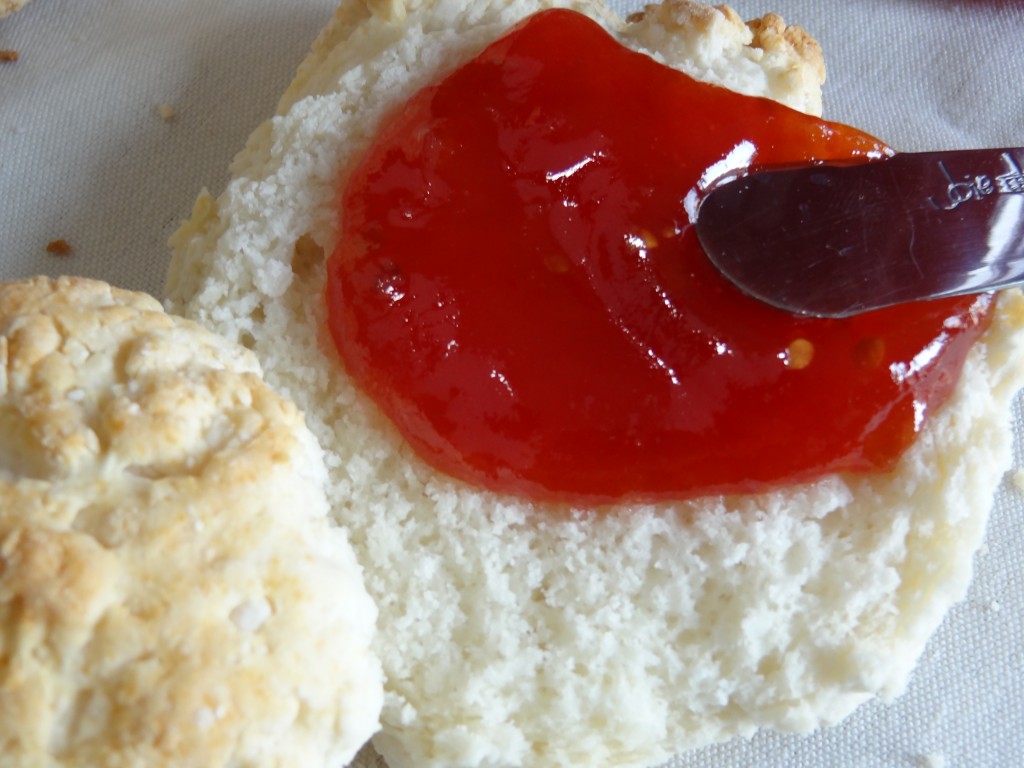
I had a big tomato harvest this year so I decided to make tomato jam for the first time. I was pleasantly surprised at how easy it was to make and how delicious it turned out! I made some fresh home biscuits to serve with the jam and it was divine!

Recycle some of your old jelly jars. I wash and save them in my cupboard for later uses such as; spice mixes, jams, and to make salad dressings.

In case you’re not sure how to use the jam, here is a good reference below.

12 ways to use Tomato Jam

by Barbara Lynch
from Fine Cooking #130, p. 56

This Summer Tomato Jam is so good that I’ll eat it with a spoon right out of the jar while waiting for my bread to toast in the morning. It’s great on burgers in place of ketchup or served alongside grilled lamb or salmon. It also pairs exceptionally well with cheeses and cured meats. My spicy version complements sweeter flavors, such as corn (mix some into grilled corn stripped o the cob for a spectacular side) or caramelized onions (dab some on pizza, top with the onions and some blue cheese, and be wowed). For even more ways to use the jam, see the list below. If nothing there strikes your fancy, there’s always the spoon.

  1. Slather on a grilled cheese sandwich.
  2. Stir into a lentil or coconut curry soup.
  3. Dollop on a bowl of white beans.
  4. Serve with fried eggs and bacon.
  5. Garnish a crab cake.
  6. Use as the T in a BLT.
  7. Toss with avocado for a quick relish.
  8. Substitute for some of the molasses in baked beans.
  9. Smear on a biscuit or bruschetta with a creamy cheese.
  10. Whisk into a vinaigrette.
  11. Add red pepper flakes for a spicy jam and mix some into grilled corn stripped off the cob.
  12. Dab the spicy jam on a pizza, top with caramelized onions and some blue cheese.


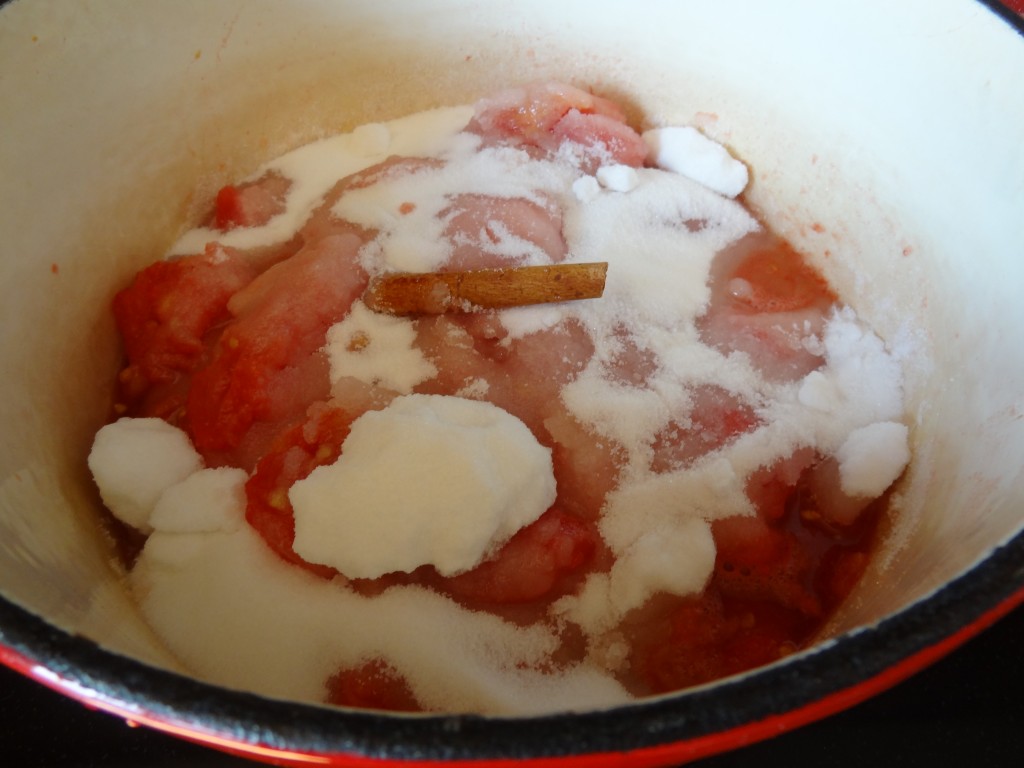
Ingredients:

3 pounds of very ripe tomatoes (weight after peeled and seeded)

3 1/4 cups of granulated sugar

2 tablespoons lemon juice

1 stick cinnamon

What a beautiful color

How to peel tomatoes: Click on this site for a great tutorial

Preparation:

Place the tomatoes in a colander for about 30 minutes to drain any excess water. Don’t worry if you have a few seeds some people leave the seeds to make the jam. Place all ingredients into a large heavy saucepan or dutch oven, bring to a boil stirring often and reduce heat to simmer.

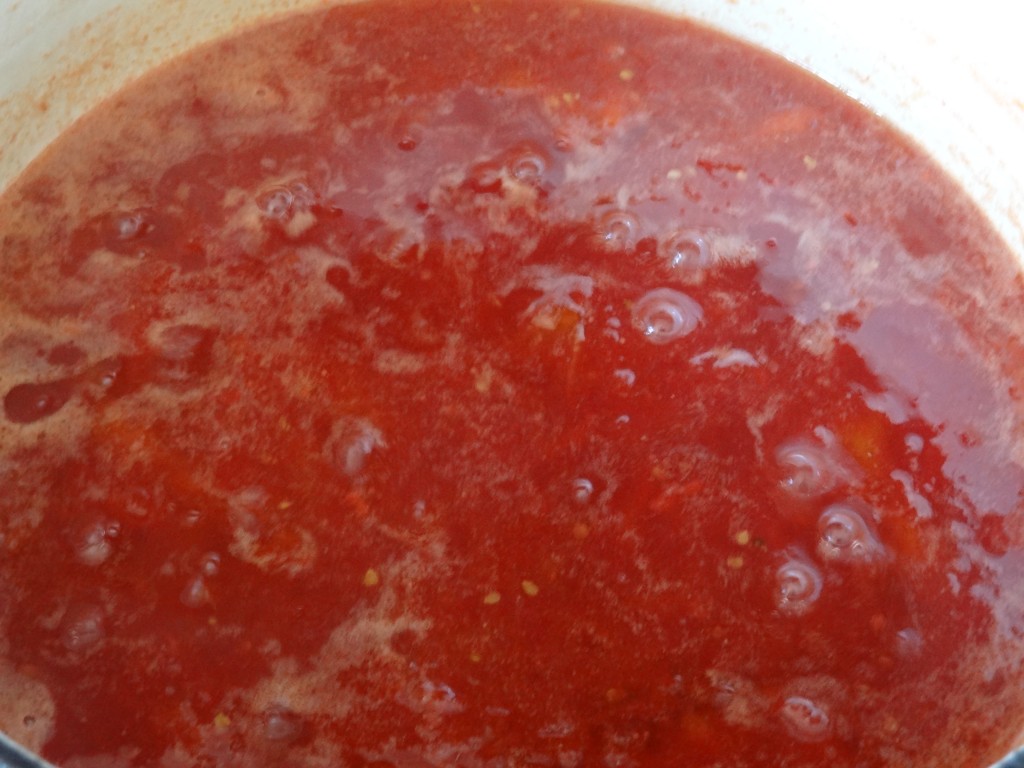
Let’s start the cooking process!

Let the tomatoes cook for at least 2 – 2 and 1/2  hours or until they thicken while stirring often. You should be able to make a clear line forming when you separate the jam in the bottom of the pan. This process time will depend on the water content of the tomatoes so be aware that it could take less than or more than the 2 hours to complete the cooking time.

It’s getting a great color!

Let cool slightly and remove the cinnamon stick. Puree the jam with an immersion blender to dissolve the bigger pieces of tomato to your desired consistency.

Let the jam cool down and place into jam jars. The jam will thicken more as it cools down. Store in refrigerator for 2 weeks. You can also freeze the jam in plastic containers and let them defrost in the refrigerator for later use.

It tasted divine! Enjoy everyone!

Tzatziki Dressing

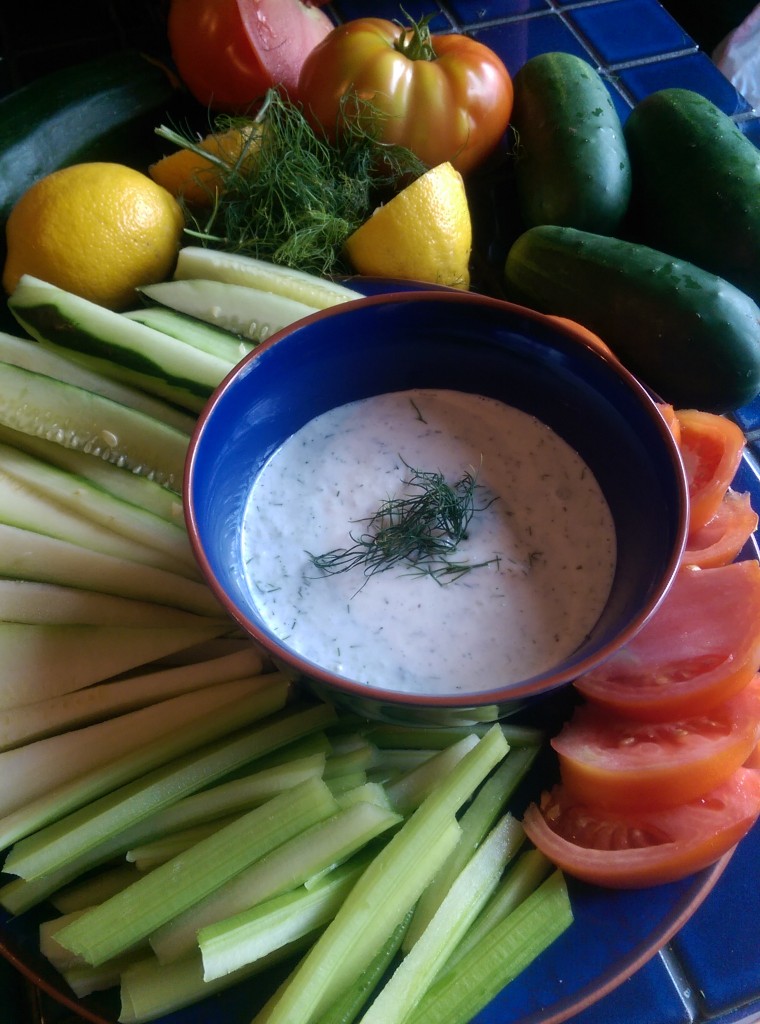
I made this last night using fresh cucumber, zucchini and tomatoes from my home garden, and fresh dill from a friends garden. The dressing is a perfect compliment to the vegetables because it’s light and doesn’t overpower them. Grill up some chicken and make chicken gyros, or make a Greek salad. Enjoy!

Tzatziki Dressing

1 cup low fat yogurt or light sour cream

1/2  of a cucumber (peeled, seeded and chopped)

1 or 2 teaspoons of minced dill (depending on your taste)

1/2  teaspoon garlic powder

2 teaspoons lemon juice

1/4 teaspoon salt

pinch of black pepper

Preparation:

Place all of the ingredients in a food processor and mix until creamy. Taste for seasoning and add more salt, and pepper if desired.

 

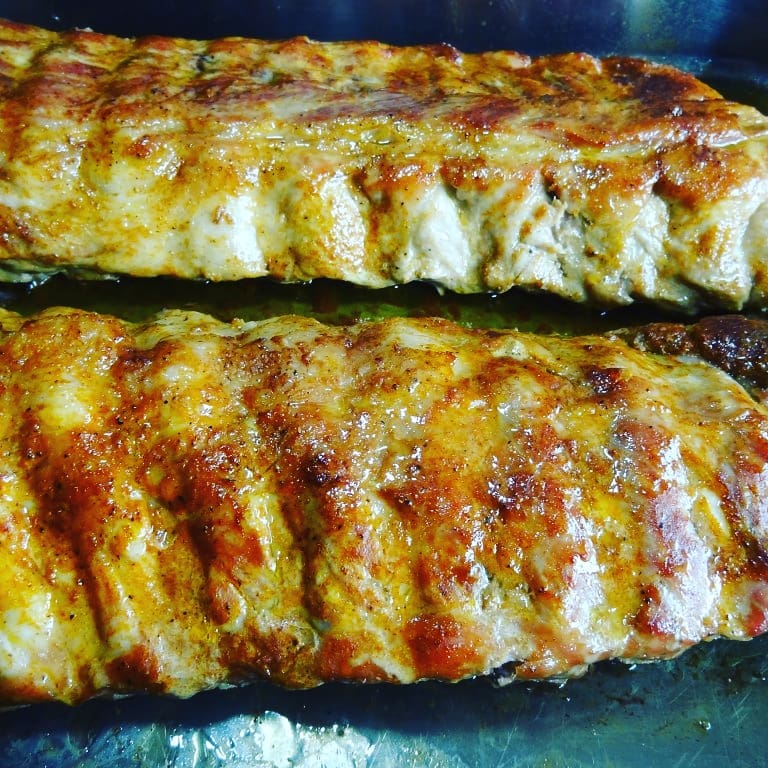
Portuguese Style Baby Back Ribs


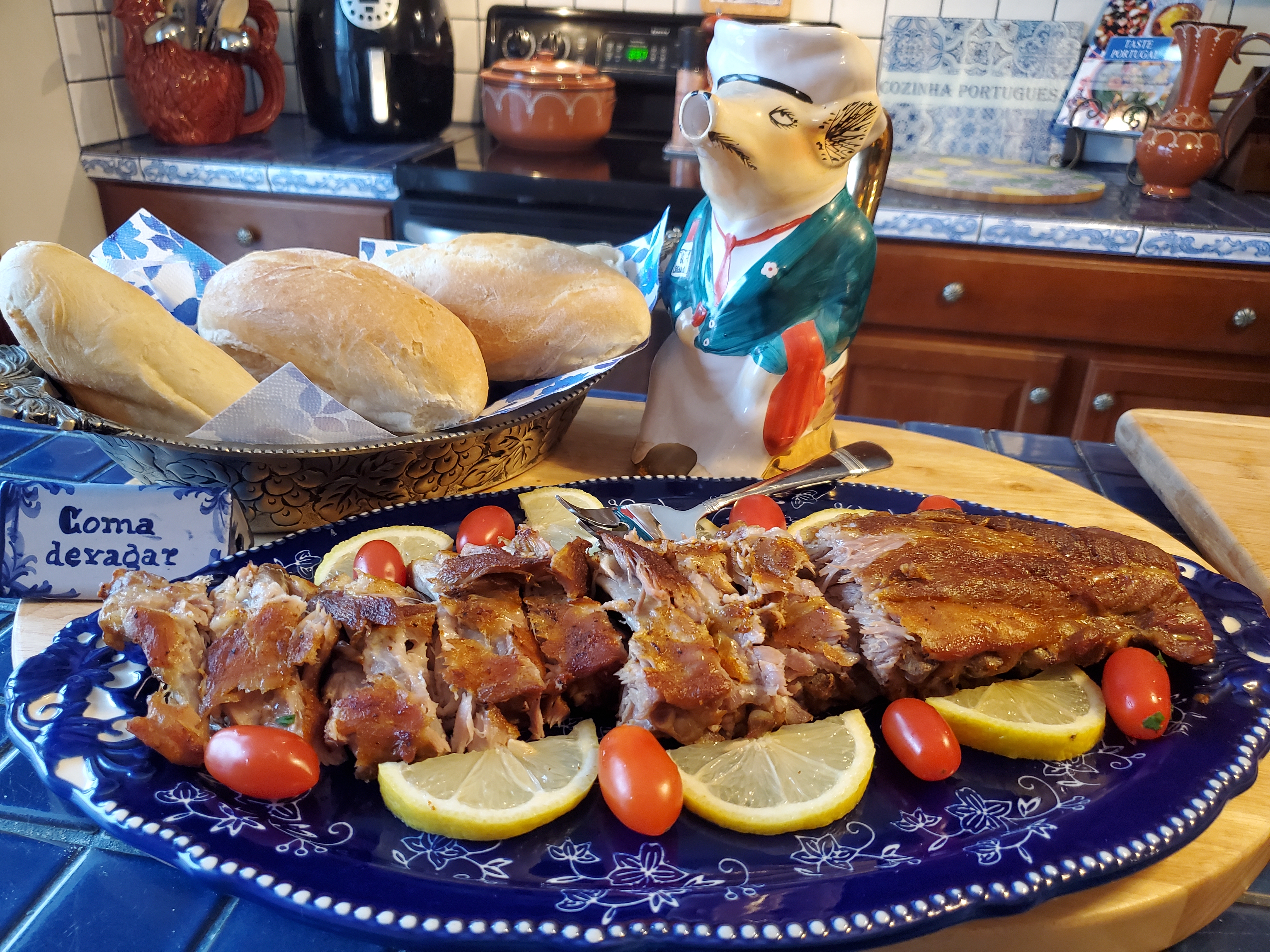
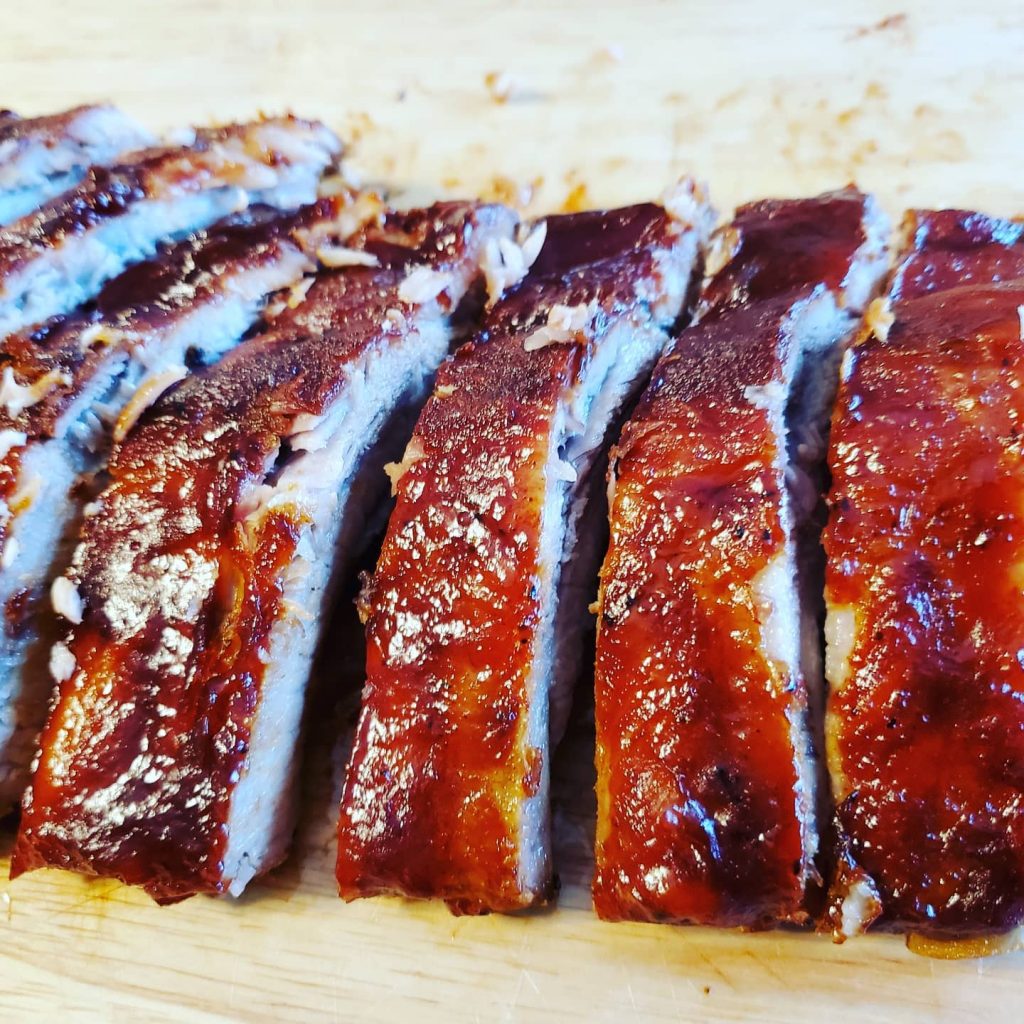
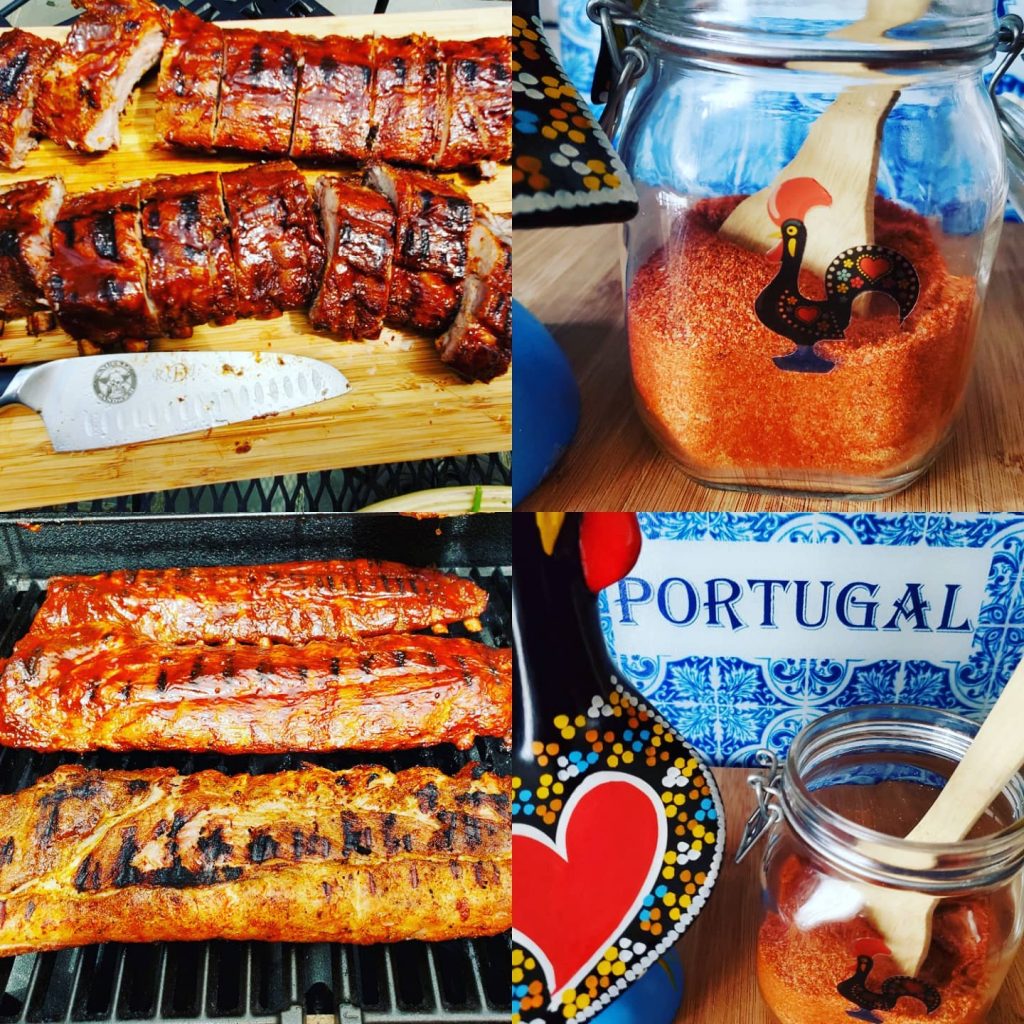
These ribs are fall off the bone with my spice mix recipe. You can bake them or cook out on the grill using the same technique. Enjoy!

Watch my Portuguese Rib video recipe on Youtube below. Subscribe and follow for the latest videos added.


Ingredients:

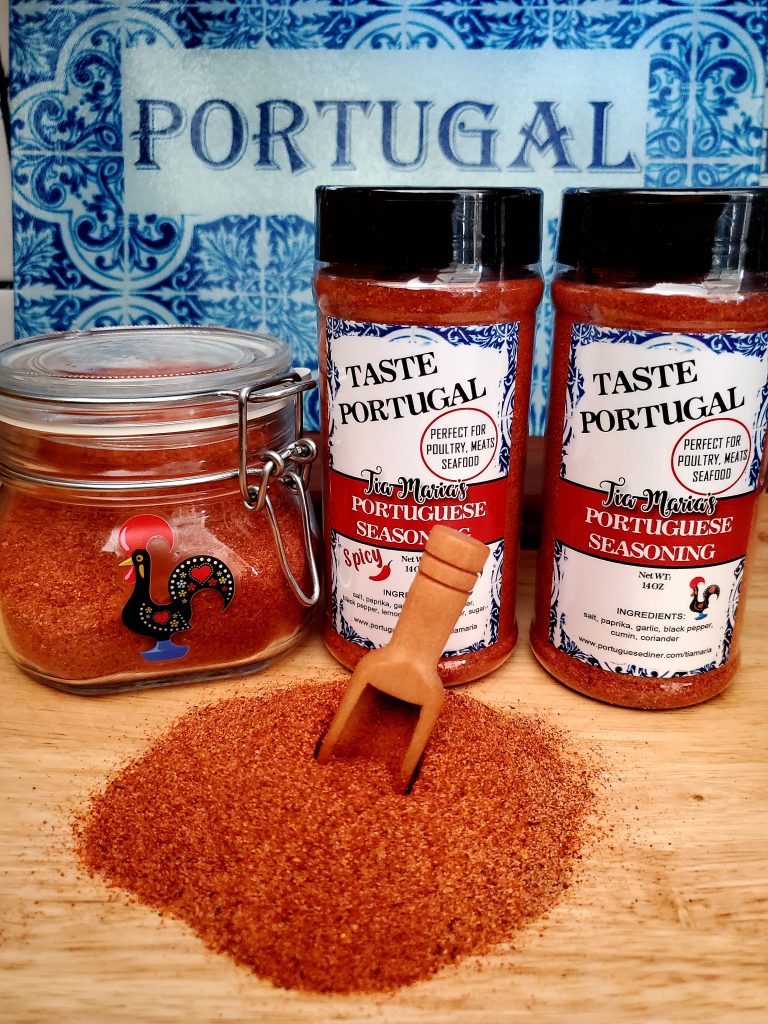
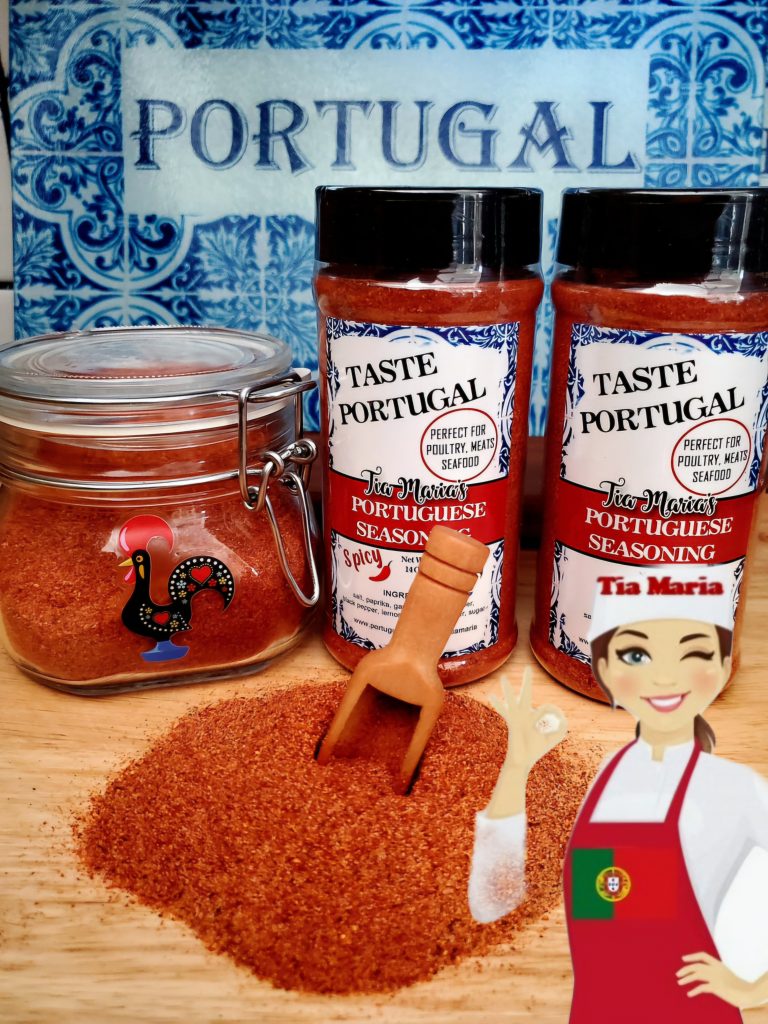
3 tablespoons my Taste Portugal Spice Mix (regular or spicy blend)

2 racks baby back ribs

2 tablespoons olive oil

1/4 cup white wine

My Barbecue Sauce: Optional

1 cup Ketchup

3 tablespoons Brown sugar

1 tablespoon Soy sauce or Worcestershire sauce

1 tablespoon White Vinegar

Note: If you want to cover with barbecue sauce, mix ingredients in a small bowl and spread over the ribs 15 minutes before end of total cooking time.

Preparation:

Mix seasoning and rub over ribs on both sides. Drizzle with wine and olive oil. Cook at 325 for 2 hours covered with foil.  Cook uncovered for the last 30 minutes to create a crispy top.

When done, cover with foil and place in the oven to keep warm until ready to serve.

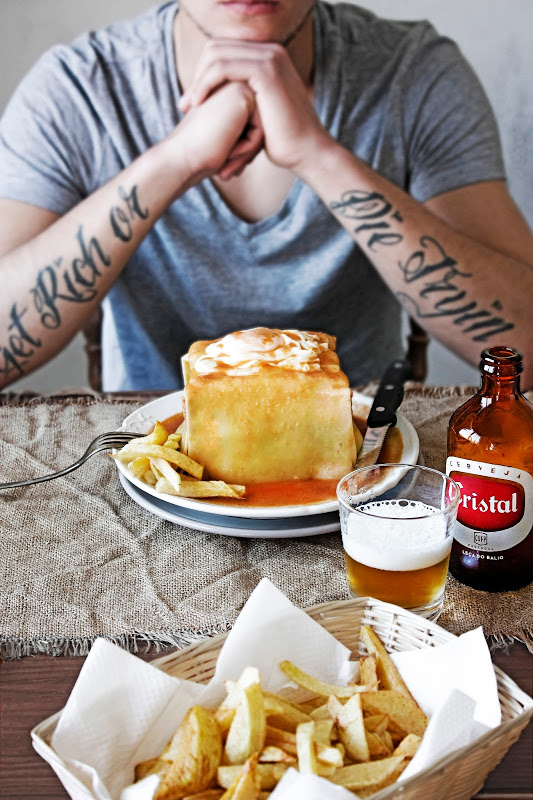
Francesinha – Little Frenchie Portuguese Sandwich

It is said that the now famous;  Francesinha was invented in the city of Porto, Portugal, in the 1960’s by  Daniel da Silva, a returned emigrant from France who tried to adapt the croque-monsieur  to Portuguese tastes.  There is no standard recipe for the sandwich which is typically made with ham, Portuguese sausage, and steak but there are many adaptations using different types of ham, sausages and various roasted meats other than steak. The rich beer and tomato based sauce that covers the sandwich is a secret but there are many variations. Some use a tomatoes, while others use various ingredients to create the sauce with different levels of spiciness added.

The sandwich is famous throughout the city of Porto and featured at many restaurants. Visit the “For the Love of Port” website for their article “Best Fransicinha in Porto”; A comprehensive tasting and find the very best preparation of the sandwich throughout the city.

Here are 2 interesting videos of how the recipe is made which I enjoyed watching.

Recipe from Portuguese Soul Food:

Recipe from Saborintenso in Portuguese:


Recipe by pratos-e-travessas.blogspot.com

Image credit: http://pratos-e-travessas.blogspot.com

Ingredients: 1 francesinha
2 slices of white, but not to soft, slices with aprox. 2 cm/0.8 inches thickness (I buy a whole loaf and cut it into slices)
1 linguiça
1 fresh sausage
1 small veal steak
2 slices of mild ham
7 to 8 thin slices of cheese
1 egg

Sauce: serves 4 or 5
6,6 dl beer (2 cans)
4 dl semi skimmed milk
1 dl whisky
2 dl tomato passata
1 bay leaf
1 medium carrot, peeled
1 small veal steak
2 cubes of meat stock
2 tsps corn starch dissolved in a bit of milk
Salt to taste
Black pepper to taste
Piri Piri (portuguese hot chili sauce)

Fries:
Potatoes cut into
Corn, soy or sunflower oil to fry

Preparation:
*Place all the ingredients for the sauce (except the corn starch and the piri piri) inside a heavy bottomed pan and take to the heat. Cook for aprox. 30 minutes in meddium heat. Season with salt and pepper and remove the carrot, bay leaf and steak.
*Add the dissolved corn starch to the sauce a bit at a time, stir, let it come to a boil and if it´s still to runny add a bit more. Don´t make a very thick sauce, it should fall from the wooden spoon in a constant thread, ending up in thick drops.
*Remove from the heat and add the piri piri to taste, which in my case means lots of it.
*Grill the meats, I use a press grill because it´s easier to cook the sausage and linguiça. Cut the sausage and linguiça in half and then in 4 equal parts.
Fries:
*Cover the potatoes with cold water and keep in the fridge for 30 minutes or up to a day.
*Fill a deep frying pan up to 2/3 with oil and heat it very well, drain the potatoes and clean them with a kitchen towel. Fry in small batches until golden. Drain on top of kitchen paper.
*This way the fries will be crisp outside and soft on the inside.
Assembly:
*On top of a slice of bread place first a slice of cheese, on top place a slice of ham, then the 4 pieces of linguiça, on top the steak, followed by the fresh sausage, another slice of ham and another slice of cheese, top with the other slice of bread and on top a slice of cheese. Place one slice of cheese in each side of the sandwich – You can hold the cheese with skewers and remove them once the cheese is melted, later – and place one more on top.
*Put the sandwich inside a preheated oven for a couple of minutes just so the cheese starts to melt but let it toast. If you used skewers now is time to remove them.
*Fry the egg in a bit of hot oil.
*Remove from the oven, put the fried egg on top of the sandwich and immediately pour the very hot sauce over it – you want the bottom of the sandwich immerse in sauce – and serve with the fries and a cold, cold beer.
*Keep a bowl with the sauce near so you can add more as you go.

Molho Cru – Portuguese Chimichurri Sauce

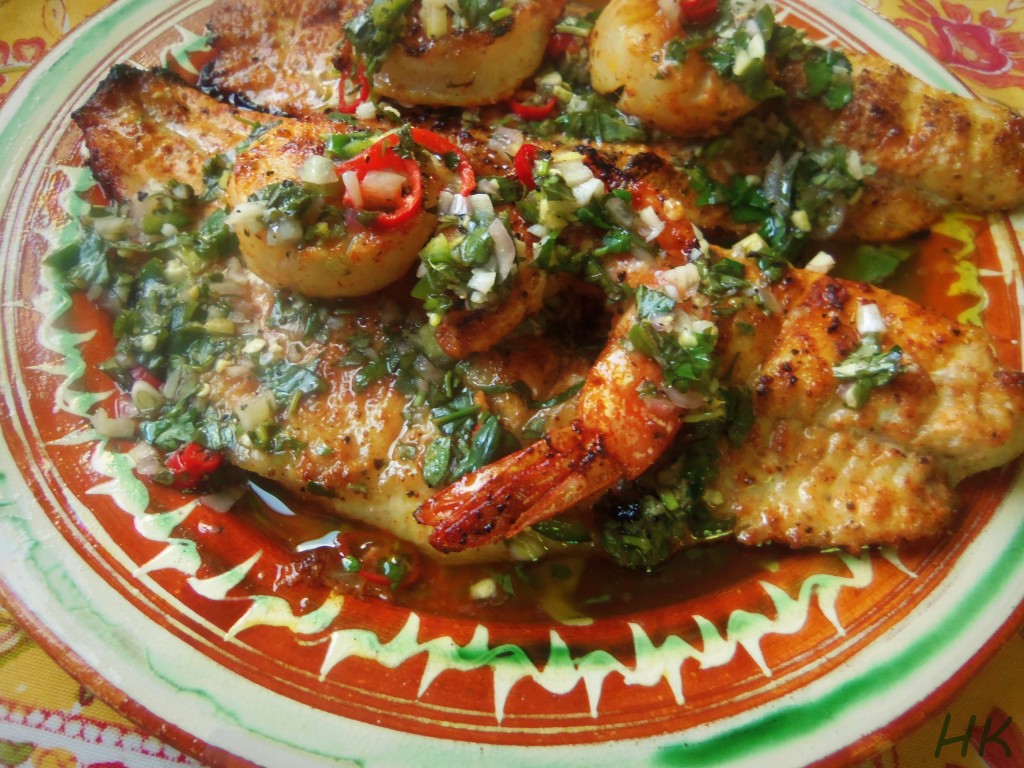
Molho Cru is Portuguese Chimichurri Sauce. You’ve probably heard about chimichurri sauce on cooking shows lately, but this sauce has been used in Portuguese cuisine for many centuries.

You can serve the sauce over bacalhau assado (grilled or baked salt cod), fish dishes and over grilled meats It also doubles as a marinade for grilling meats, chicken or shrimp. If you use it as a shrimp marinade leave it marinating for only about 5 minutes.  Enjoy!

Ingredients:

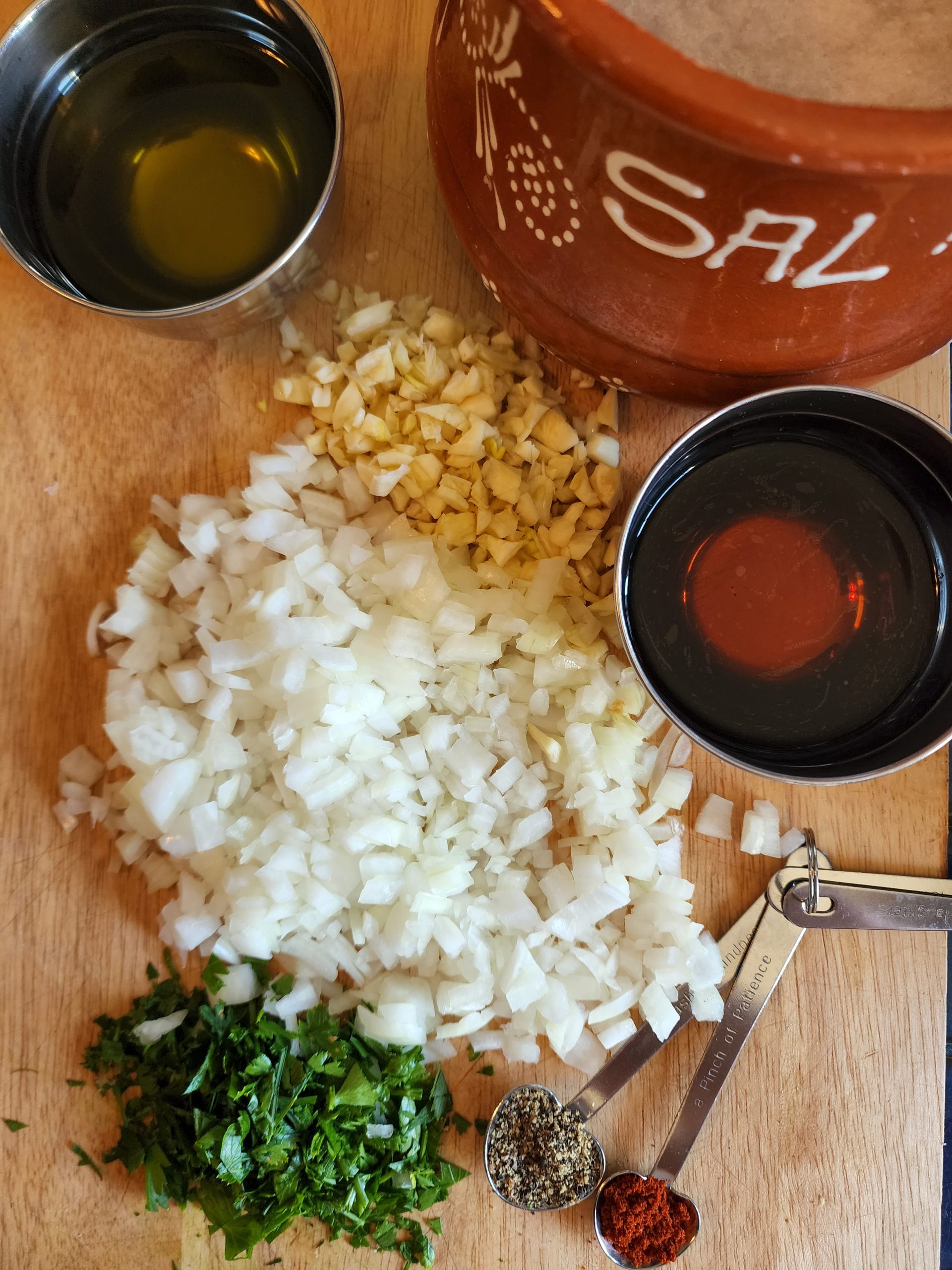
1 small onion (finely chopped)

3 garlic cloves (finely chopped)

3 tablespoons Portuguese olive oil

2 tablespoons red wine vinegar

salt

pepper

1/2 teaspoon paprika

1 teaspoon  crushed red pepper flakes or 1 fresh red chile (finely minced)

1/2 bunch fresh parsley (minced)

Instructions:

Place all ingredients into a bowl and mix well. Add salt and pepper to taste. Store in the refrigerator for at least 2 hours or overnight for flavors to absorb.

Spread over cooked meats or fish.

photo credit:

http://thenourishinghome.com

http://www.gardenbetty.com

http://www.hispanickitchen.com

Orange Marmalade – Marmelada de Laranja

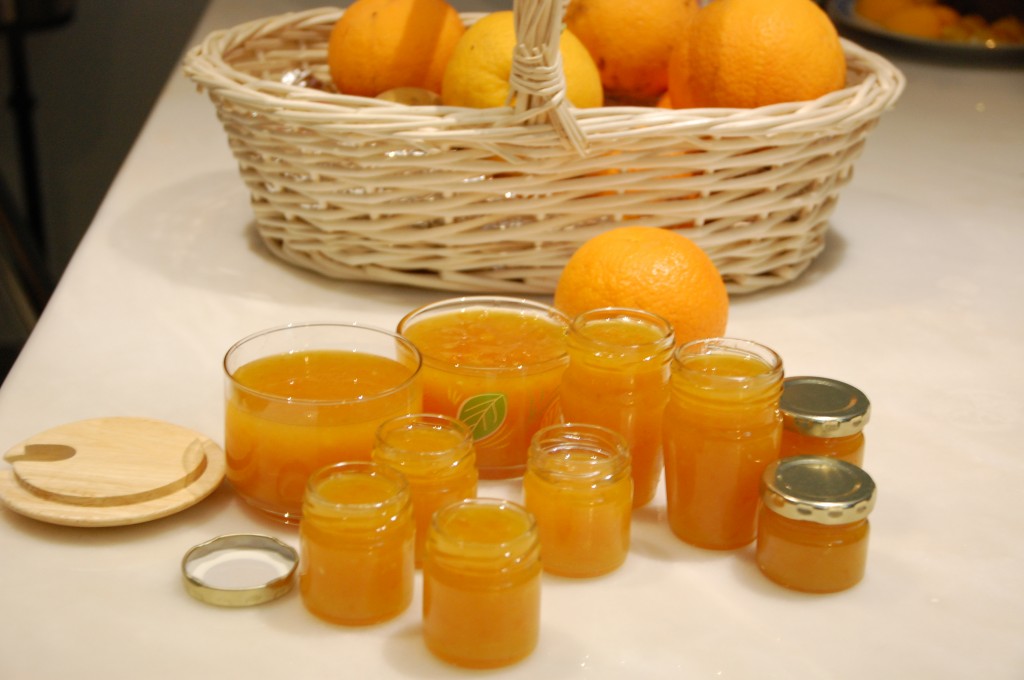
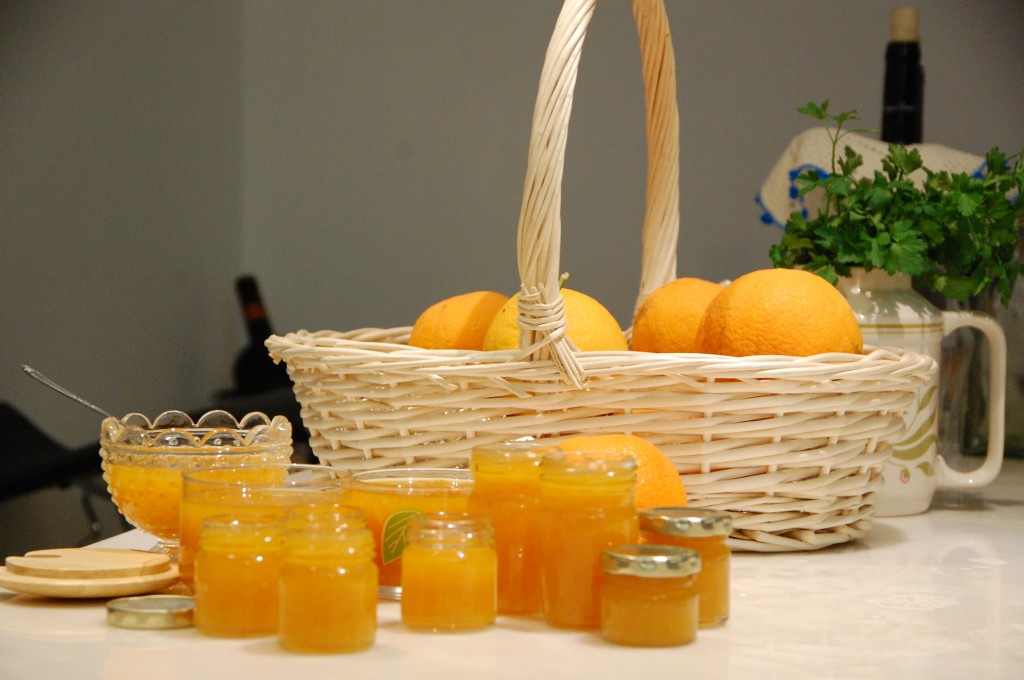
Oranges are in season this time of year, so it’s a great time to make orange marmalade.

This recipe was sent to me by Sofia Vieira who happens to have an orange tree growing in her back yard in Alentejo region of Portugal! 

Oranges are thought to have their origin in a sour fruit growing wild in the region of South West China and North East India as early as 2,500 BC. For thousands of years these bitter oranges were used mainly for their scent, rather than their eating qualities.

The Romans brought the fruit to Europe and later oranges were spread to Spain by the Moorish conquests in the eight and ninth centuries. The sweet orange familiar to us today probably developed somewhat later.

The fruit arrived in Central America with Columbus in 1493 and soon afterwards the Portuguese introduced them to Brazil.

Oranges are now an important crop in warm climates around the world, most notably Brazil, USA, Spain, North and South Africa, Israel and Australia. Credits: http://www.eattheseasons.com

Orange Marmelade Recipe:
Ingredients:

6 oranges

Same weight in sugar as peeled oranges

1 lemon

Instructions:

Zest 3 of the 6 oranges and peel all 6. Peel the lemon.  Remove any seeds and place the orange and lemon in a food processor.

Pulse a few times to mince slightly leaving orange and lemon pieces.

Measure out the same amount of sugar as the minced citrus and place into a heavy saucepan.

Cook on low heat for about 1 hour and 1/2 stirring often. When you can trace a clear line in the bottom of the pan, the marmalade will be ready.

Remove from heat and pour the marmalade into clean, hot sterilized Mason jars.

Wipe the rims thoroughly with a clean damp paper towel, and seal with the lids.

You can also place into small jars and store in the refrigerator for up to 1 month.

Contact:
Sofia Vieira

Tourist Guide

Português- Francês – Inglês – Castelhano

Telf + 351.927500244 or +351965652420

PORTG. COOKING SCHOOL – private classes for min 2 persons

https://www.facebook.com/pages/Portuguese-Cooking-School/444075519031618