Category: Recipes

Correia Chestnut Farm Brings Fall Tradtion to Your Table

Chestnut – Castanha season is here!

Warm your family’s and friends heart with fresh chestnuts this fall. See the recipe for cooking chestnuts at the bottom of this article.

Harvey Correia is a third-generation farmer of Portuguese decent from the Sacramento River Delta.  His grandfather first immigrated from Madeira Island, in the Azores in 1907 and returned twice to his homeland. On his second visit back to Madeira he married Harvey s grandmother.  Harvey ponders at how in 1920, his grandfather and then pregnant grandmother sailed the long journey across the Atlantic, and traveled that long train ride across the country to reach California. Harvey’s father, is the second of 10 children and recently celebrated his 90th birthday.

His grandfather worked at the docks in the San Francisco Bay Area and then began farming near Isleton, California where he eventually purchased farmland and settled.  Harvey began growing chestnuts at the since 1998 after transitioning the farm from growing Bartlett pears. Growing pears required the use of many pesticides which left Harvey with concerns about the risks of using large amounts of pesticides on his farm. However, chestnuts in the Central Valley of California are relatively pest free.

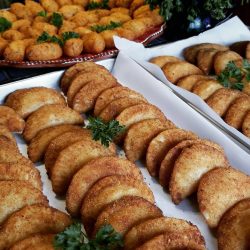
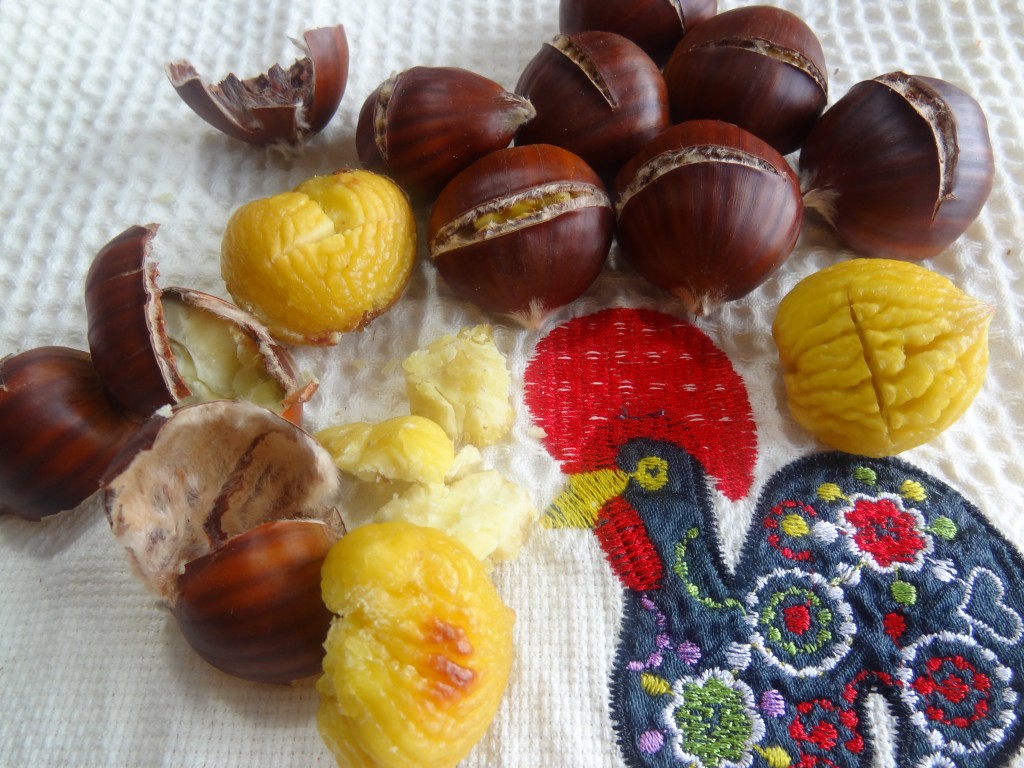
Warm and just out of the oven! They came out delicious!

Correia Chestnut Farm has experimented with growing many different varieties of chestnuts and began offering a limited quantity of Italian marroni-type chestnuts in 2005 which received rave reviews from customers.

The rest of the farm’s orchard was grafted to these varieties in 2007 and they are now the only varieties grown in significant quantity.  While some varieties of chestnuts will produce larger chestnuts, most customers have agreed that none match the taste and quality of the Italian marroni. Visit them on their website for more information and visit them on their Facebook page for updates.

Order your chestnuts here just in time for Dia de Sao Martinho (St. Martins Day) and the upcoming Holidays!

Medium Size – 1.125 to 1.25 inches in diameter, averaging 30 nuts per pound.  $5.50 per pound

Large Size – 1.25 or more inches in diameter, averaging 20 nuts per pound.  $7.00 per pound

 Minimum Order – 5 pounds

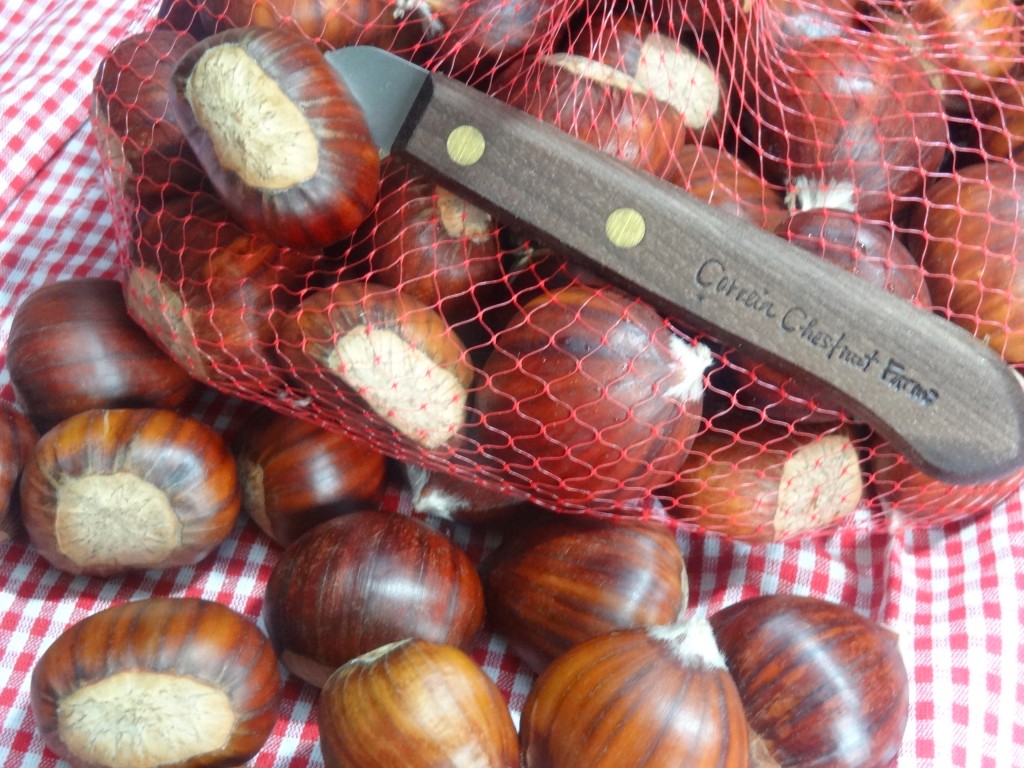
Don’t forget to order the chestnut knife and roasting pans as well !

Look at these beautiful chestnut trees on the Correia farm!
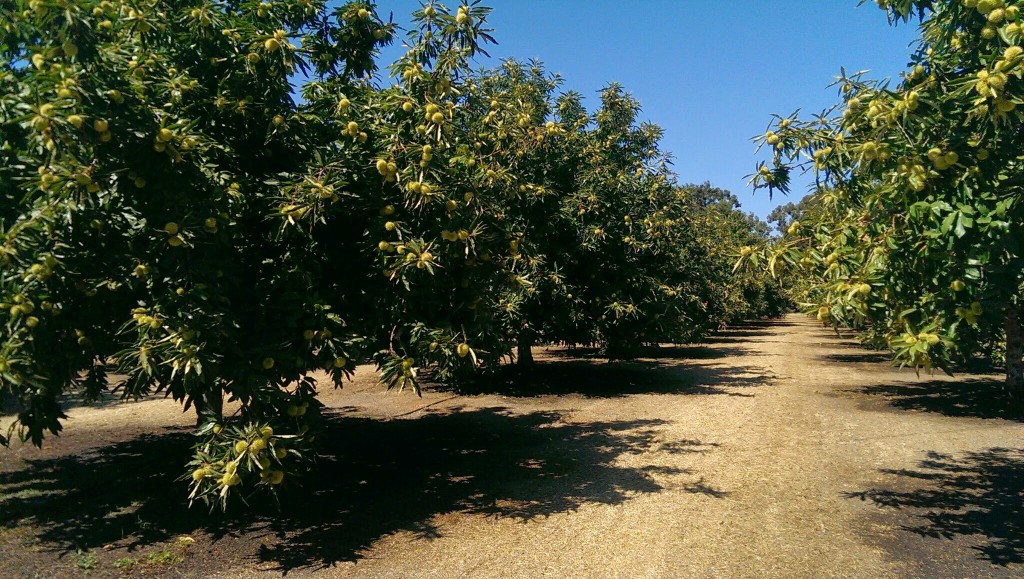
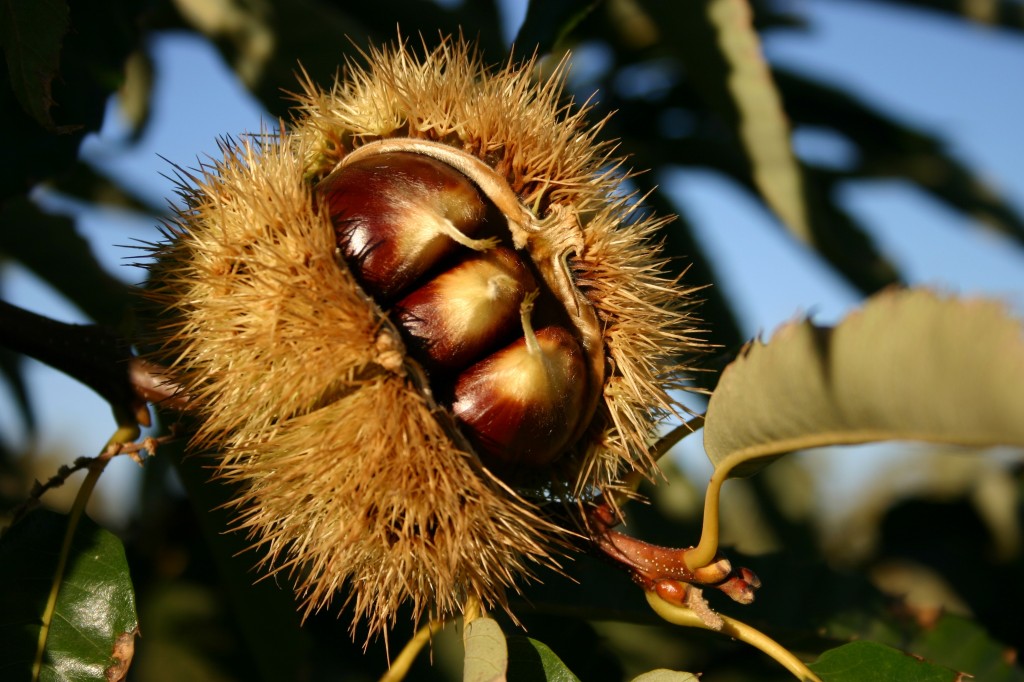
Chestnust should normally be able to be stored for at least a month in your refrigerator at home following the instructions supplied with your order.

“Chestnuts are unlike other “nuts” in that they have a high moisture content and are low in fat.  Therefore, it is important to store chestnuts in refrigeration until a few days before you intend to enjoy them.

We have found that a majority of grocery stores do not properly refrigerate chestnuts or do not refrigerate them at all!  As a result, chestnuts purchased from a store are often spoiled or dried out.  The industry is attempting to educate retailers but this has been a slow process.  To ensure the chestnuts you purchase are of the highest quality, we suggest that you make your chestnut purchase directly from us, the grower, so that we can rush them directly to you from our refrigerated storage.” www.chestnuts.us
Corriea Chestnut Farm video


How to roast chestnuts recipe:

1. Using sharp knife, make an incision about 1/8-inch deep through the top of chestnut.
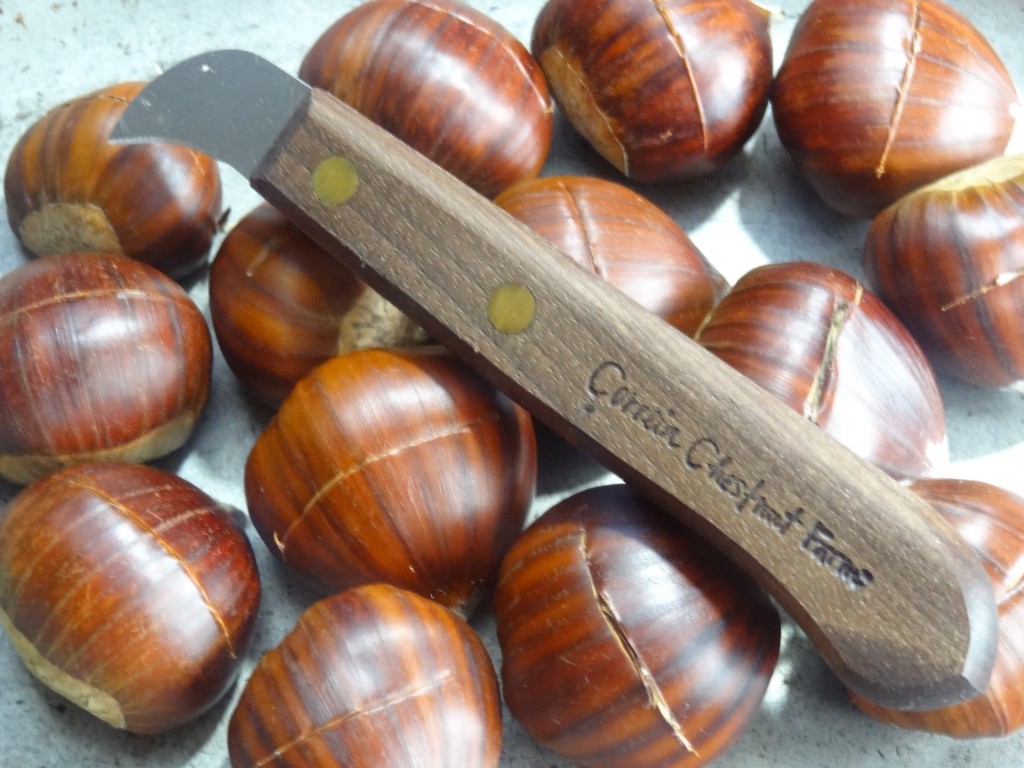
2. After slitting place the chestnuts on roasting pan and roast them 400  degrees for about 20 – 30  minutes. To check for doneness, squeeze one holding a dish towel and it should be soft.
Note: Optional – Portuguese custom is to sprinkle the chestnuts with salt before roasting for a salty kick.
3. Place a damp towel over the chestnuts to retain the heat and moisture. While they are still hot and cool enough to handle squeeze them gently with a towel to peel the shell and then remove the inner skin.

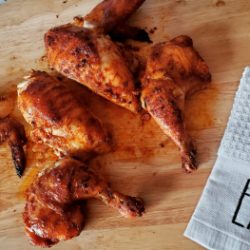
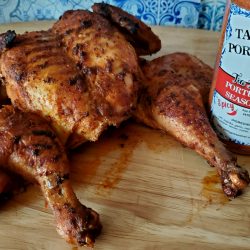
Easy Portuguese Baked Chicken

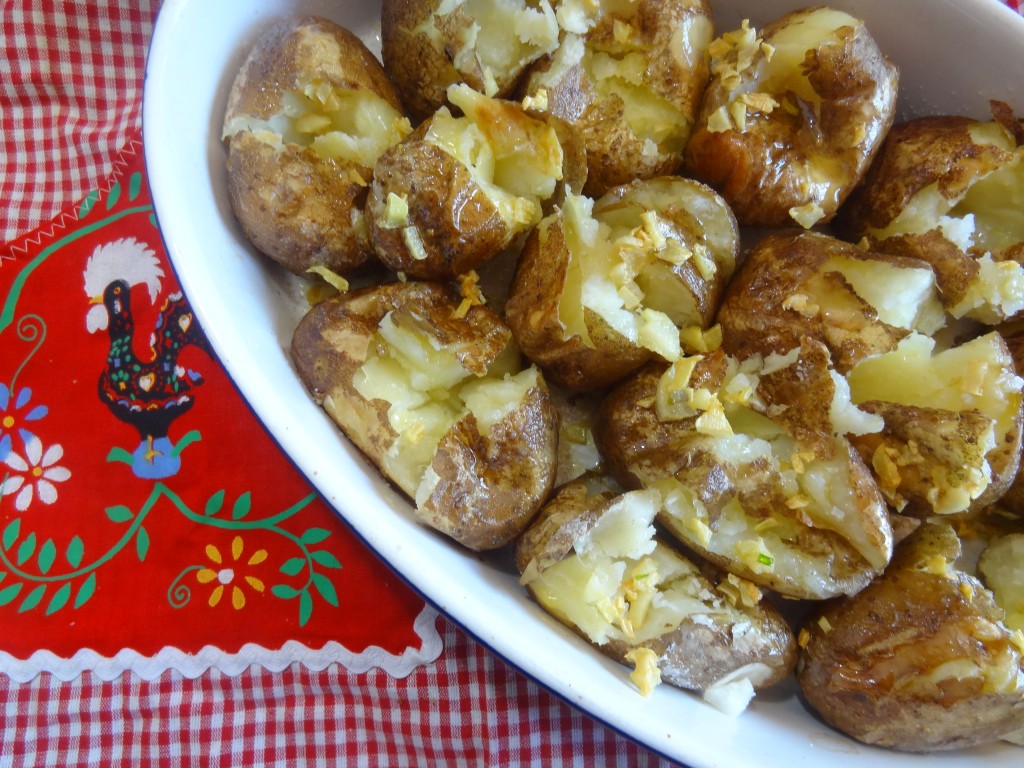
 Easy dinner in one hour! Portuguese Baked Chicken and Portuguese Punched Potatoes!

Cooking can be easy. I promise! Enjoy!

Ingredients:

2 small frying chickens (3 pounds each cut into halves)

1 tablespoon salt

2 teaspoons garlic powder

2 teaspoons paprika

1/4 cup white wine

1 tablespoon olive oil

2 teaspoons Piri Piri or your favorite hot sauce (optional)


Instructions:

Preheat oven to 400 degrees. Wash and pat dry the chickens. Rub the chicken with the wine and hot sauce. Place the seasonings in a small bowl to mix and then rub over the chicken.

Place the chickens skin side up on a flat baking tray and drizzle the olive oil over the skin.
Cook for 45 minutes to 1 hour depending on your oven. During the last 15 minutes of cooking, drizzle the chicken with the pan drippings.

Keep warm in the oven until ready to serve.

Pasteis de Gila

sao33.blogspot.com

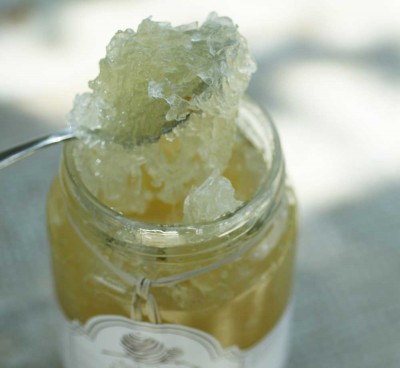
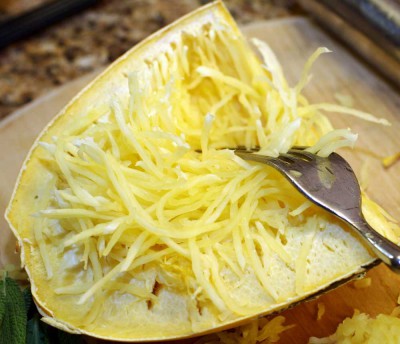
Pasteis de Gila- Puff Pastry is made using a sweet jam filling made from the fiber of the spaghetti squash. You can make the jelly at home, or you can buy it in jars already made for you. Watch the video below for the demonstration of how to cook the squash! Enjoy!

Order online at Amazon

Ingredients:
Puff pastry sheets (get them at your local bakery or use Pepperidge Farm)
Gila
1 beaten egg
1 teaspoon water
Powdered Sugar
Assemble Pastry:
Cut the defrosted but very cold pastry sheets into 3 x 6 inch rectangles. Place 2 teaspoons of the Gila into the center and fold the dough over forming a square. Pinch the sides of the pastry together. Beat the egg with the water and brush the tops of the pastry. Line a cookie sheet with parchment paper, and place the pastries 2 inches apart on the sheet. Cook at 375  degrees for about 15 minutes or until lightly golden brown and cooked through.
Let cool and Sprinkle with powdered sugar if desired and serve. Enjoy!
Ingredients for Gila:
1 spaghetti squash about 2 pounds
2 cups water
1 pound sugar
1 cinnamon stick
1 piece of lemon peel

Directions:

Break the squash on the ground and break it up into pieces. Wash the squash, remove the seeds using you fingers. Place in a large pan and boil until the the skin falls apart from the fibers.

Drain the squash and place into an ice bath to cool. Separate any skin or seeds and discard them. Drain the remaining fibrous flesh and separate into threads. Rinse in cold water, drain and let it continue draining in colander for about 10 minutes.

image: tasteofbeirut.com

Cook the sugar and water in a medium pan until the sugar begins to thicken. Add the squash, cinnamon and lemon and cook for about 10 minutes until the squash mixture becomes very thick. Remove from pan and cool completely before storing in the refrigerator.

Watch this video for a demonstration on how to cook the gila:

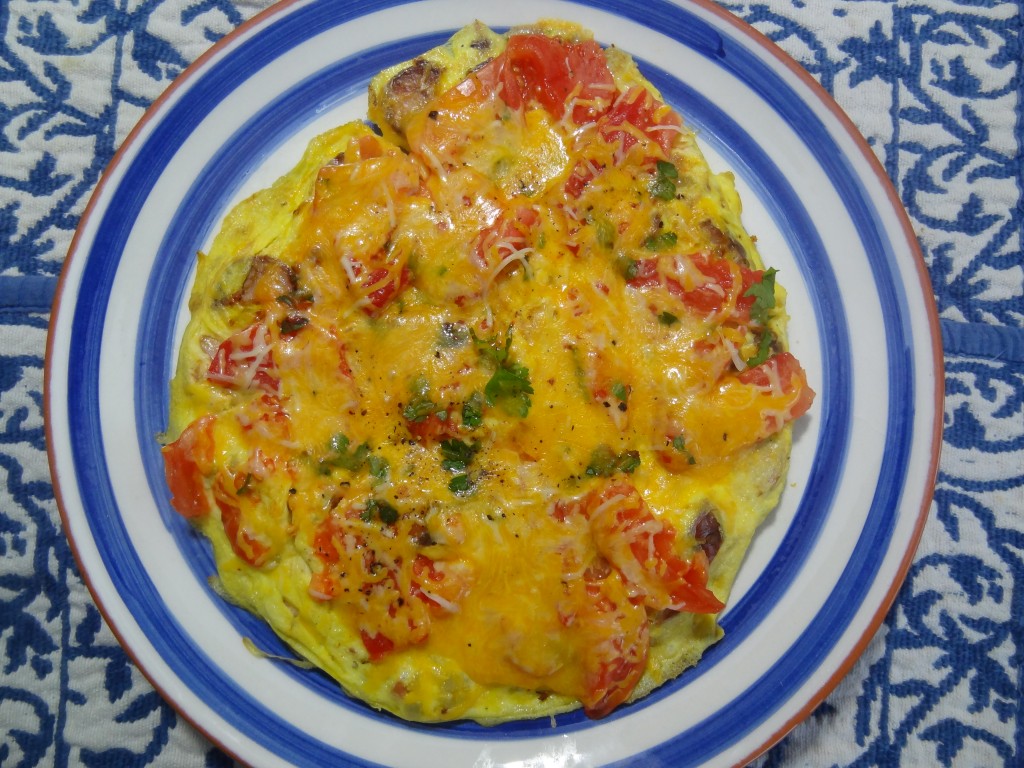
Chourico Omelet

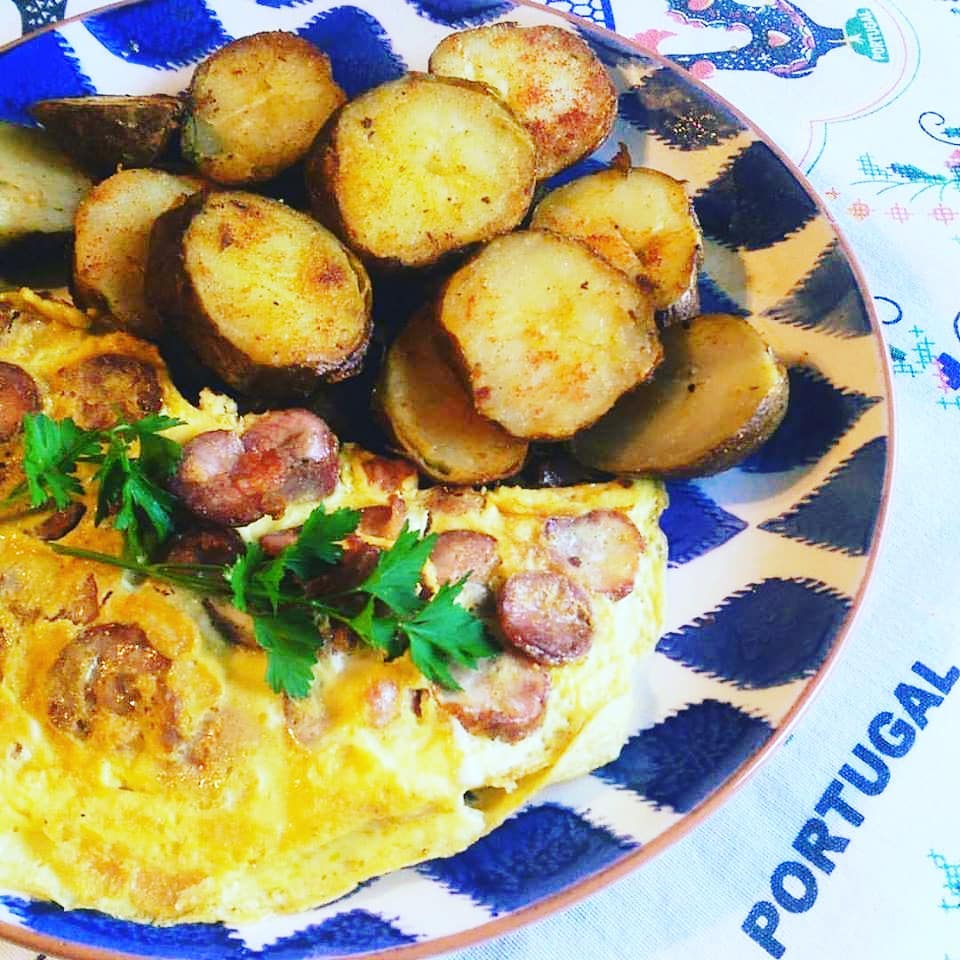
Chourico and egg omelet is a classic Portuguese go to dish often served for breakfast, lunch, snack or even dinner. When my family and I arrived in America, lunch coolers and ice packs weren’t invented yet, so my mother would make my father omelets for his lunch break at work.  I can still smell the aroma of the chourico or presunto cooking at 6 O’clock on those mornings! It’s funny the things that remain in our memories.

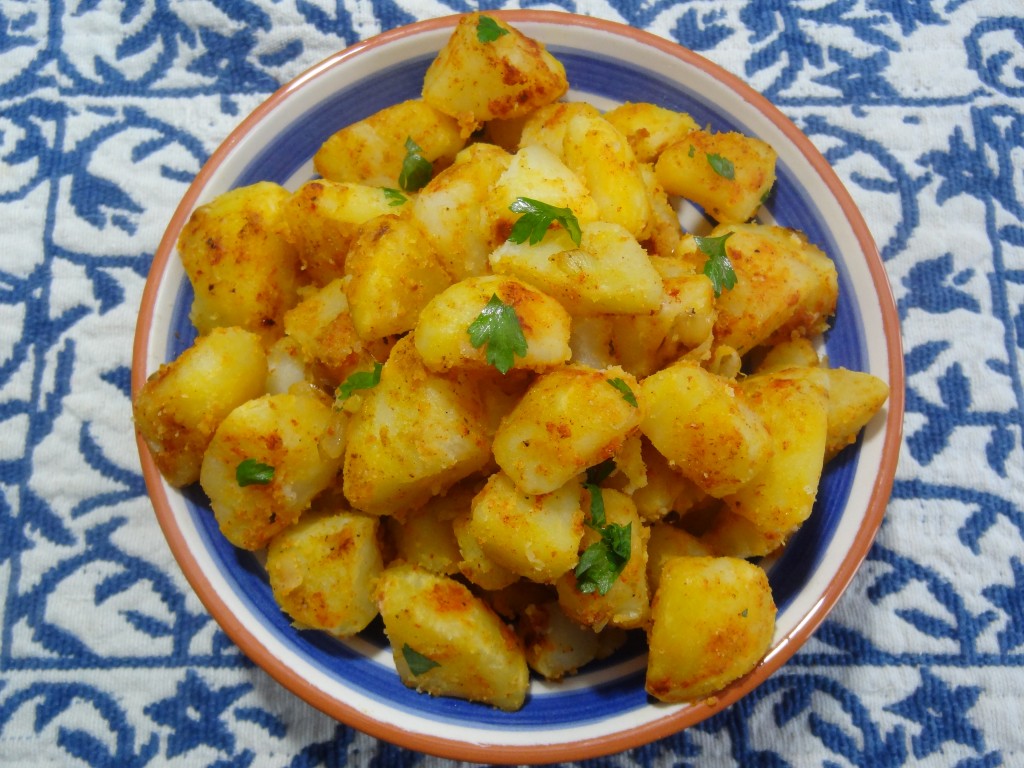
I served my omelet with the Batatas a Rodelas. Here’s the easy recipe.

Video:

Ingredients:

3 eggs

1 teaspoon water

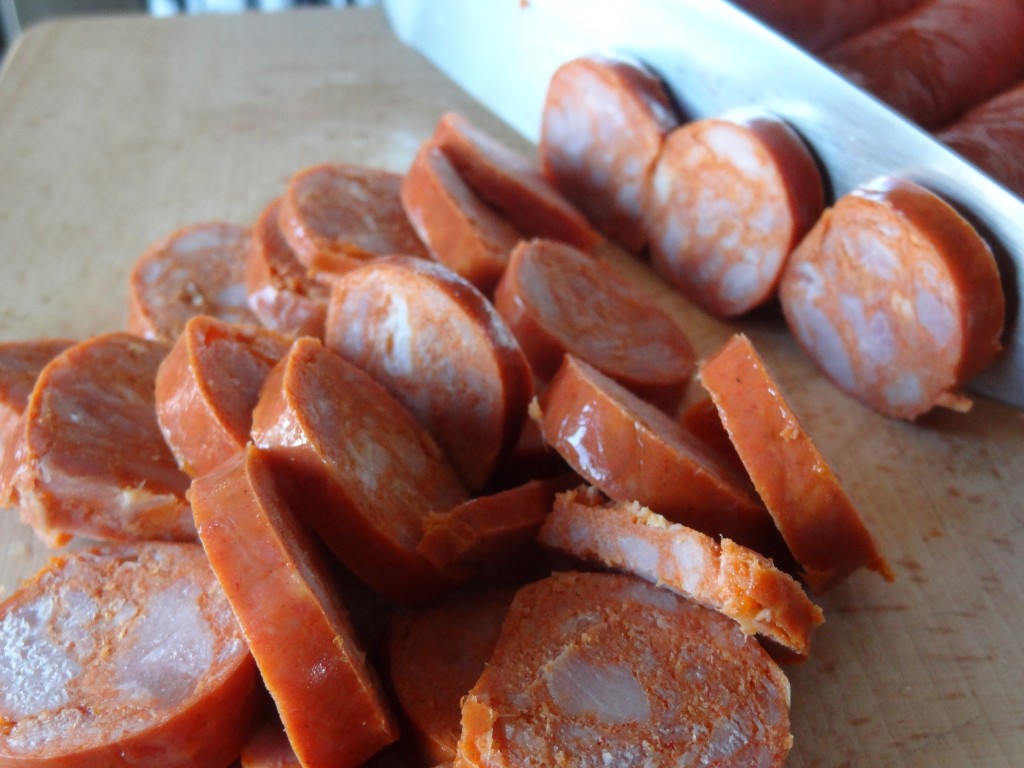
1/2 small chourico (or about 1 cup) (sliced very thin)

2 tablespoons onion (finely minced optional)

1 tablespoon olive oil

4 oz of your favorite shredded cheese (optional)

parsley for garnish

salt

pepper

Instructions:

Saute the onion in a medium skillet in the olive oil until golden brown. Add the Chourico sausage and cook for a few minutes until it becomes slightly crispy.

Beat the eggs with water until foamy and add to the chourio. Cook the eggs on low medium heat while slightly moving the edges toward the center.

Let the omelet cook for about 2 minutes. Place a flat plat over the omelet and flip it over uncooked side down into the pan.

Spread the tomato over the omelet followed by the cheese. Cover and cook for about 2 minutes on low heat.

Add parsley, salt and pepper as desired and garnish with parsley.

Batatas Bravas – Spicy Potatoes

It’s potato harvest season in New England! I made a trip to the local farm this past weekend and picked up a 50 lb sack of russet potatoes which is my usual custom every fall. The potatoes store well during the winter months in a cool basement or garage.  I only paid $11 for the sack. If I bought them at my supper market by the pound it would cost me over $50! I suggest you pick one up to. You’ll thank me in a few months when the potato prices go up for the Holidays.

My first dish using the russet potatoes is Batatas Bravas – Spicy Potatoes! This dish is often served warm with a spicy tomato sauce or aioli but just made them plain to go with the Chourico omelet. These potatoes aren’t fried and use very little olive oil, so they’re light on calories. Enjoy!

Batatas Bravas

2 pounds of potatoes (chopped into 1-2 inch cubes)

1 small onion (finely minced)

1 teaspoon salt

1 teaspoon pepper

1 teaspoon paprika

1 teaspoon garlic powder

1/4 teaspoon cayenne pepper

1 – 2 teaspoons of hot sauce

2 tablespoons of olive oil

1 tablespoon of parsley (finely chopped)

Instructions:

Cook the potatoes in the teaspoon of salt and boiling water for about 10-15 minutes until tender but not over cooked. Drain cover the pan and put them back on the stove on the warm burner.

Toss the potatoes in the pan gently for some of the moisture to evaporate for about 5 minutes.

While the potatoes sit for the 5 minutes, saute the onion in the olive oil in a medium non stick pan until golden brown.

Season the potatoes with the pepper, garlic powder, paprika, cayenne pepper, and piri piri, toss and gently place them in the pan with the onions.

Cook the potatoes on low medium heat turning them gently in the pan until they obtain a slight crisp on the edges.

Taste and add more piri piri or seasonings if desired. Top with parsley. Serve warm

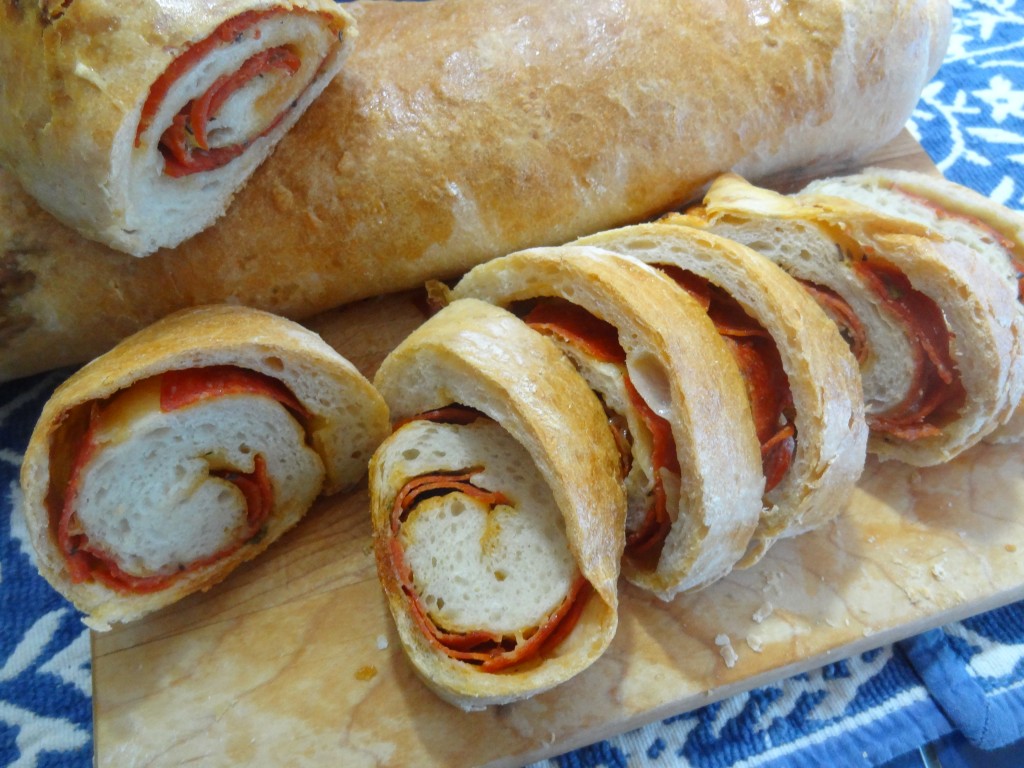
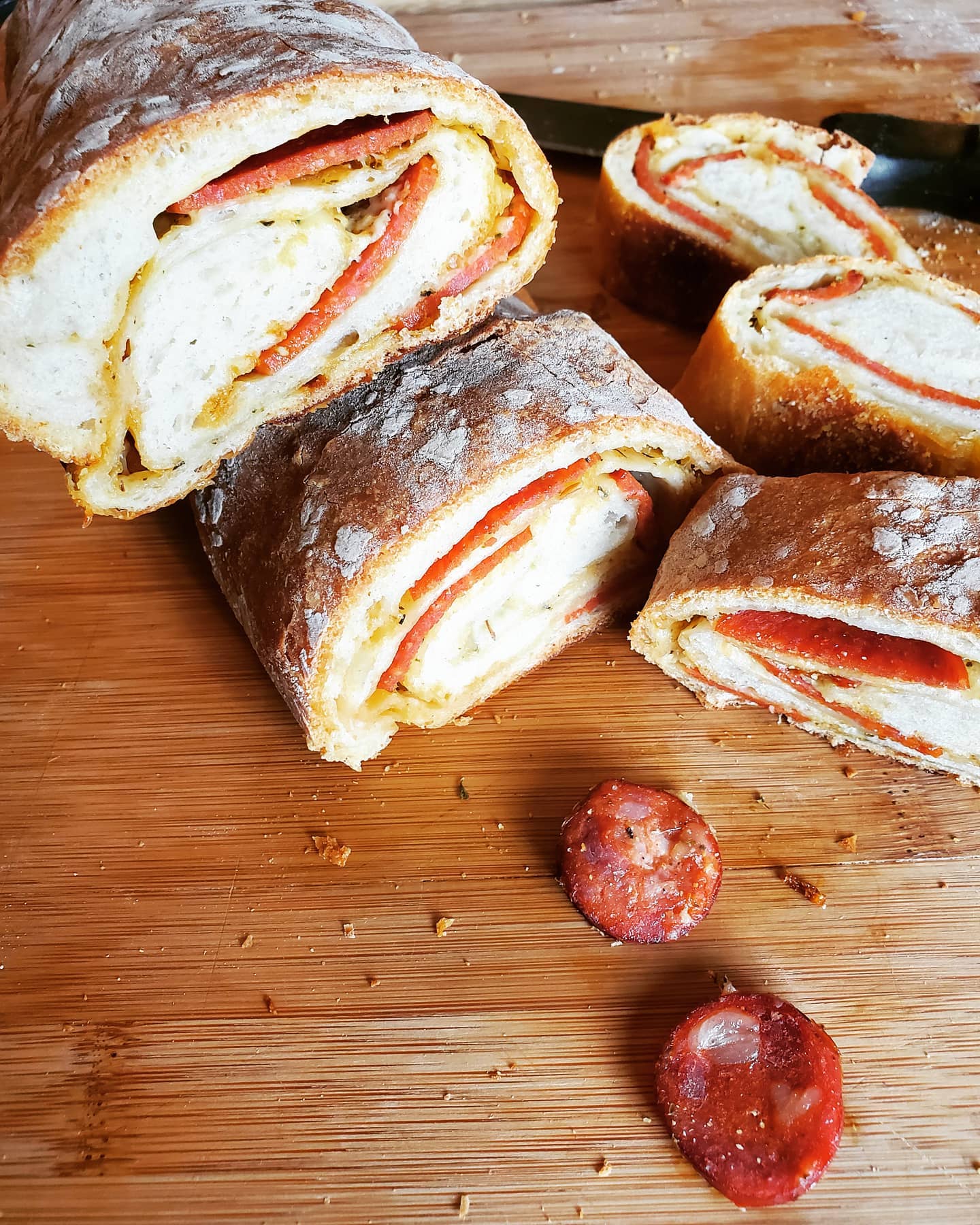
Lisa’s Swirly Chourico and Pepperoni Bread

M

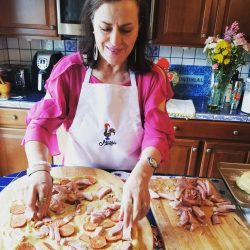
This Swirly Chourico/Pepperoni Bread was made by my daughter. This is one of those recipes that you’ll make very often! It’s great for an easy snack, as an appetizer or to serve for game day parties!

I have a recipe here on this blog for a perfect pizza dough although, some days I get my pizza dough at my supermarket since they make fresh pizza there and sell it by the pound. You can also use the frozen pizza dough or bread dough. Let dough thaw out completely. If you find your dough too elasticity add a little flour and it will roll better for you. Enjoy!

Ingredients:

1 and 1/2 pounds pizza or bread dough

1/2 to 1 pound pepperoni/chourico/linguica sausage (sliced thin) (use only chouriço or pepperoni if desired.

8 oz Mozzarella cheese (shredded depending how cheesy you like)

1 small onion (thin sliced) (optional) 

2 tablespoons olive oil

1 teaspoon dry oregano

1  tablespoon fresh or dried basil leaves 

1 egg (for egg wash)

1 teaspoon water

Instructions:

Cook onions in oil until translucent and let cool

Roll pizza dough and place on floured surface.  Spread the onions evenly over the dough and brush the dough with the remaining oil left in pan.

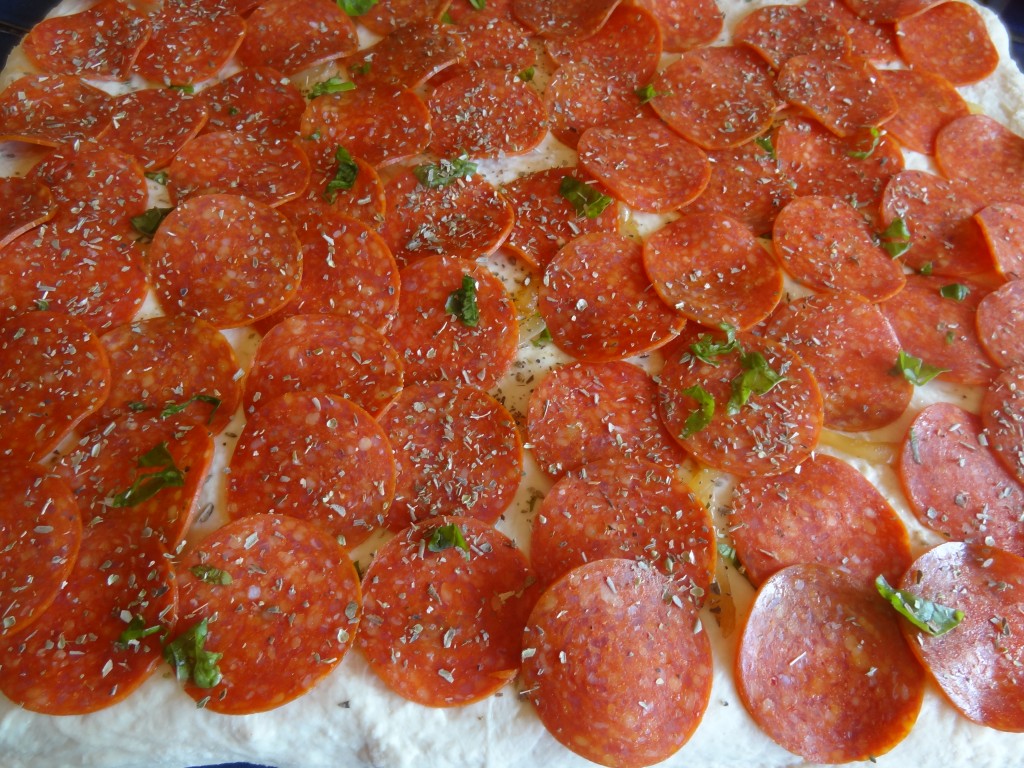
Layer chourico or pepperoni evenly over the entire area of dough.

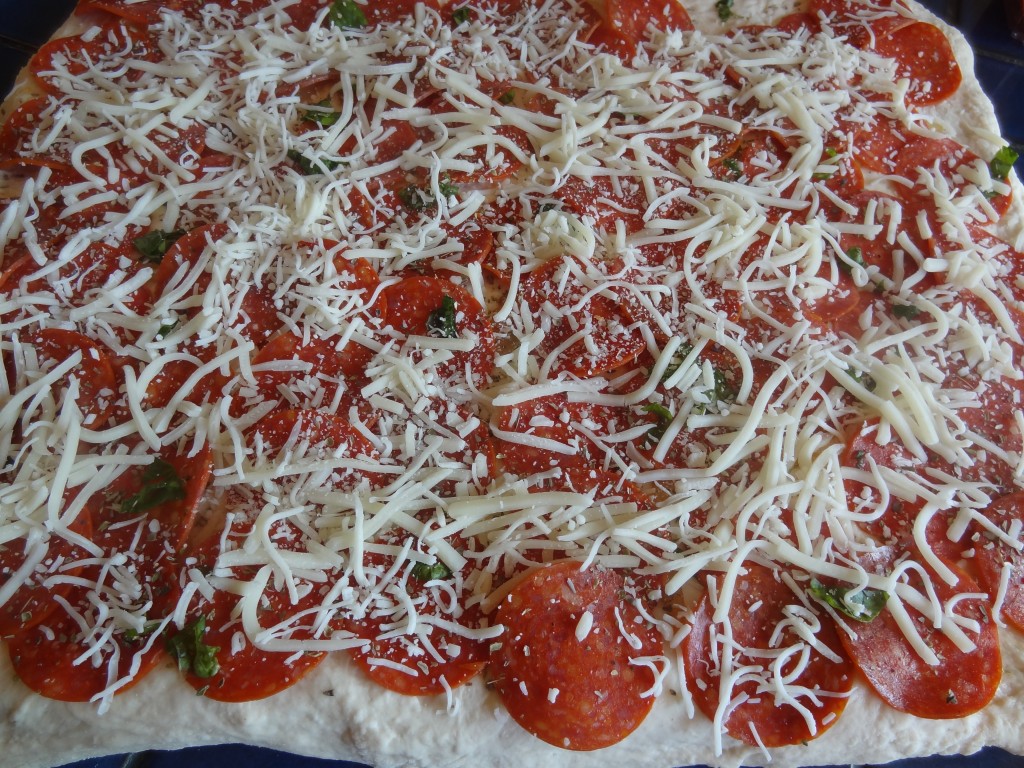
Top with the oregano, basil, and cheese.

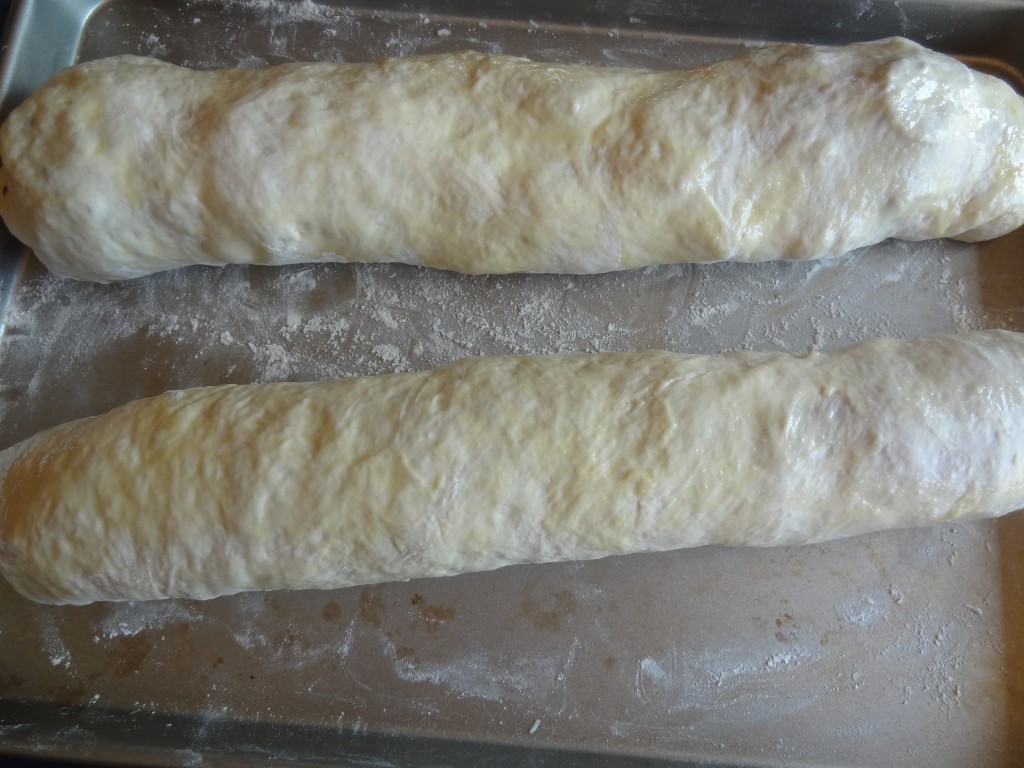
Beginning at  the long end, gently roll the dough into a long cylinder shape. Pinch any open edges with your fingers.  Lightly flour a long sheet pan and the gently place the bread onto the middle of the pan.

Beat the egg with the water and brush over the bread. Make a few small slits on top of bread with a knife. Cook at 400 degrees F. for about 20 -30 minutes or until golden brown. Let sit for a few minutes to cool before slicing. Enjoy!

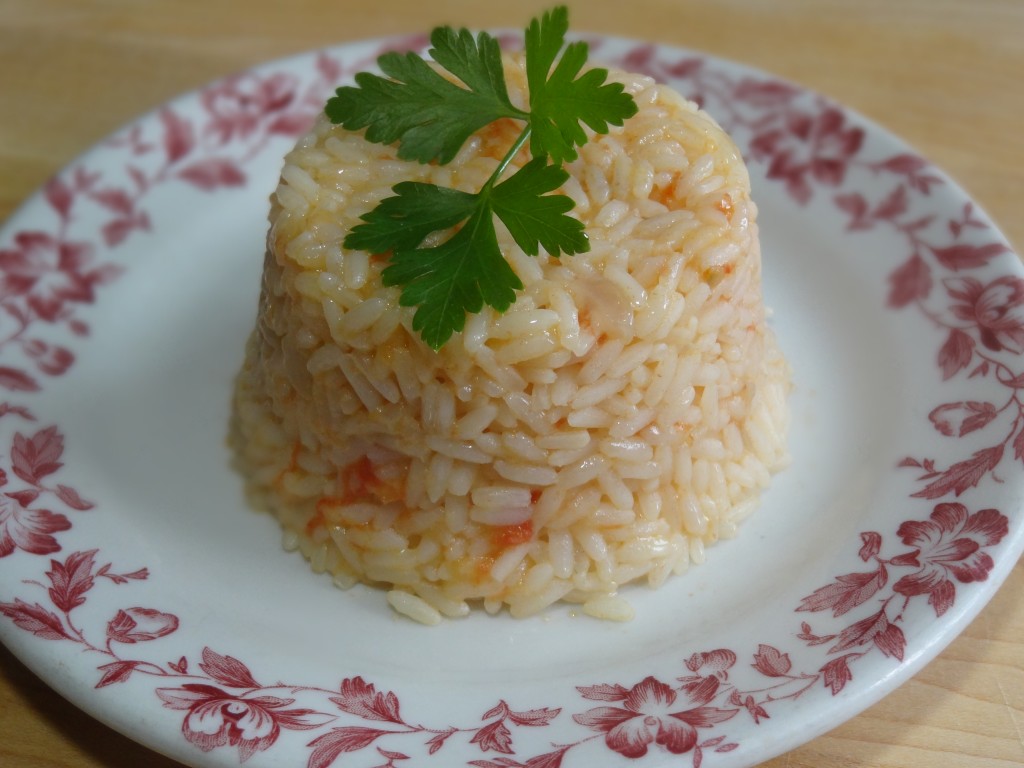
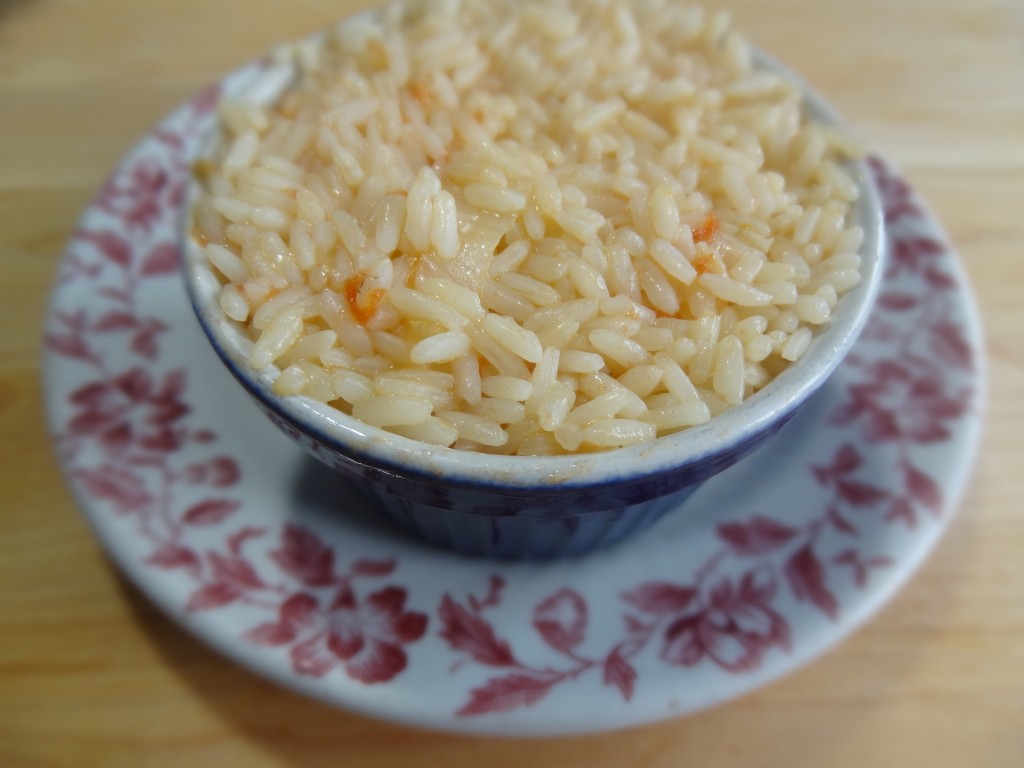
Arroz de Tomate – Portuguese Tomato Flavored Rice

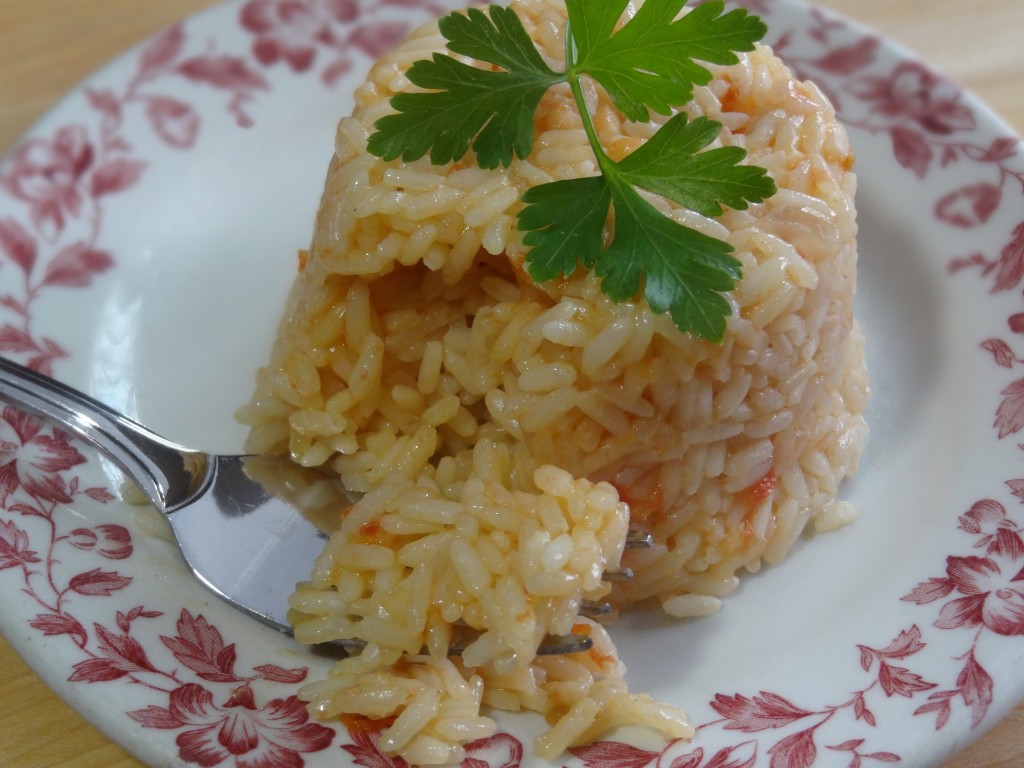
Arroz de Tomate – Tomato Flavored Rice

This rice pairs well with fish and poultry, but you can serve it as a side dish for any meal. My father was named Dinis after Rei D. Dinis (1279 – 1325) he also loved rice as did the once reining king!

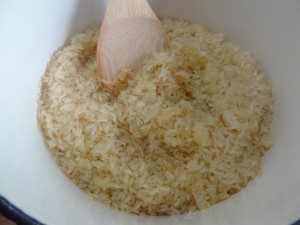
He first showed me how to make rice it when I was a young girl. To obtain a fluffy rice you should gently coat it with the olive oil or butter and let it stir fry gently for about a minute or two. This process allows the grains to stay intact and not get mushy while cooking.

To read more about the popularity of rice in Portugal visit this link from Catavino.com.

Excerpt from Catavino.com:

Portugal’s rice production along the Tejo River estuary has been documented since the 18th century, rice was cultivated in the southern regions of Portugal well beforehand – inherited from the Moors. It was during the reign of King D. Dinis (1279-1325) that rice was first referenced, curiously as a luxury product found only on the dining tables of the wealthy. Centuries later, the production of rice was outlawed, due to a high risk of malaria from the poor growing conditions. By the 19th century, rice became highly prized and produced, extending beyond the river basin to the North. Consequently, the Portuguese government changed their tune from rice as a “tolerable grain” to an agricultural powerhouse, thereby creating better conditions to ensure its success. By the beginning of the 20th century, a solid base for rice production had been established provoking the dissemination of rice fields across the country. credits: http://catavino.net/portuguese-rice-arroz-carolino/

Ingredients:

2 cups uncooked rice (preferably long grain Carolina Rice or Uncle Bens)

1 small onion (finely chopped)

4 cups boiling water

1 chicken boullion cube

2 large very ripe tomatoes (peeled, seeded, chopped)

1 teaspoon salt

1 bay leaf

1 tablespoon of olive oil

Instructions:

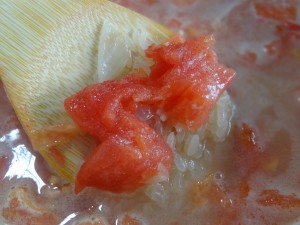
In heavy medium pan, saute the onion and bay leaf in the oil for a few minutes on medium heat until translucent. Add the rice, stir to coat with the oil for about 1 minute. Add the boiling water, salt, boullion and tomato.


Stir, cover and cook on medium heat for about 15 minutes stirring often. After fifteen minutes stir and taste for saltiness. Cover, remove from heat and let the rice absorb moisture as it sits until ready to serve.

Note: I like a firm rice, cook  rice longer if you prefer it more will done.

To form the rice tower lightly grease a small ramekin with margarine. Pack the rice firmly in the ramekin and flip onto a plate.


Bacalhau com Grao – Salt Cod and Chick Pea Salad


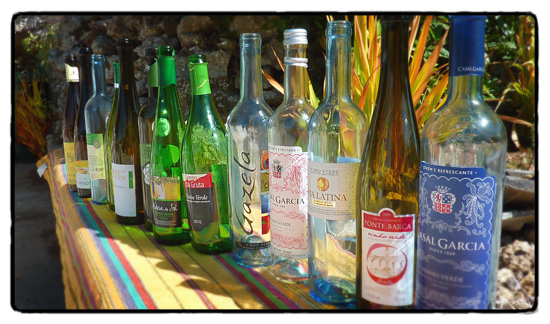
This is a perfect dish to make when you have leftover bacalhau. It’s simple to make and requires no cooking! Serve with a simple fresh tomato salad, crusty bread and a glass of Vinho Verde, or any dry white wine for a perfect taste of Portugal!

Serves 2

Ingredients:

8 oz. cooked bacalhau (flaked)

1 32 oz can cooked chick peas

1/2 small onion (finely chopped)

1 clove garlic (very finely minced)

1/4 cup olive oil

1/4 cup white wine vinegar

crushed black pepper

2 hard boiled eggs cut into quarters (optional)

Parsley (chopped)

Instructions:

Note:

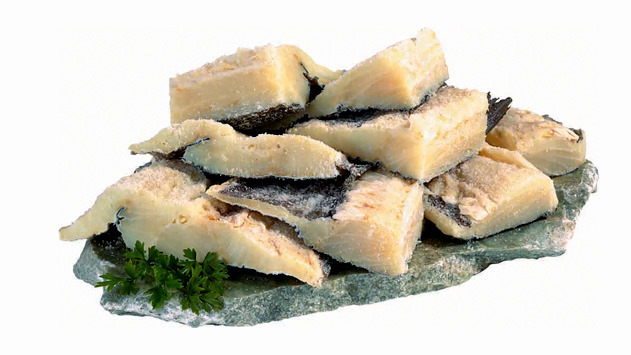
If you buy salted cod prepare the fish by soaking in a large pan of cold water for 2 – 3 days and let it sit in the refrigerator changing the water once a day. Taste a small piece of the cod after 2 days for saltiness. The cod should taste like fish and still be a little salty. Let it soak for another day if needed.

Poach cod in water for about 8-10 minutes depending on the portion. It should be flaky but not too mushy. Strain and let the cod cool before making the salad.

Prepare Salad:

Mix all ingredients except the eggs in a small bowl and toss gently. Add the eggs and drizzle with more olive oil to your desired taste.

photos credit: Bacalhau com Grao (tascarestaurant.com)(pingodoce.pt)gannet39.wordpress.com)

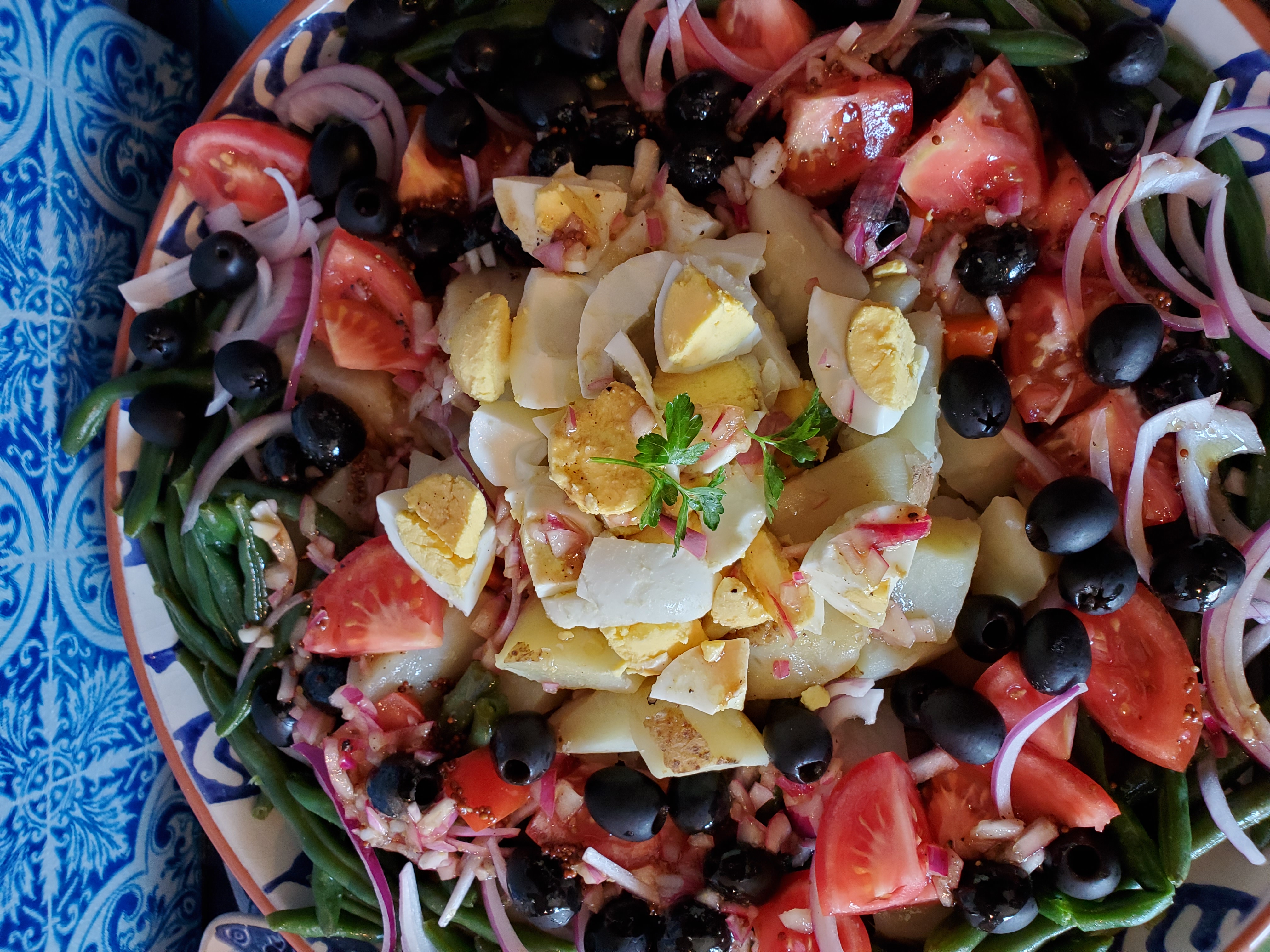
Summer Tomato, Egg and Potato Salad

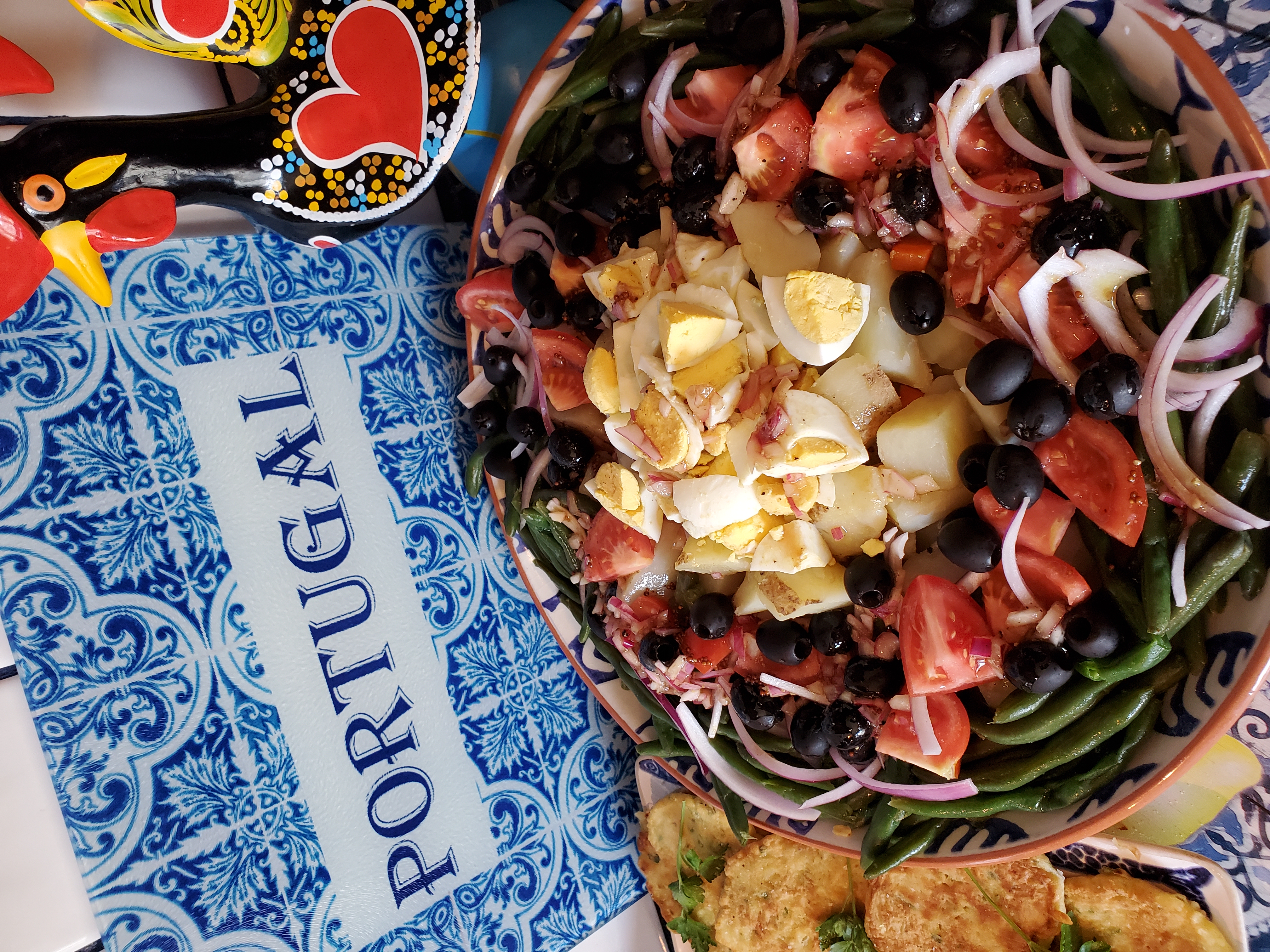
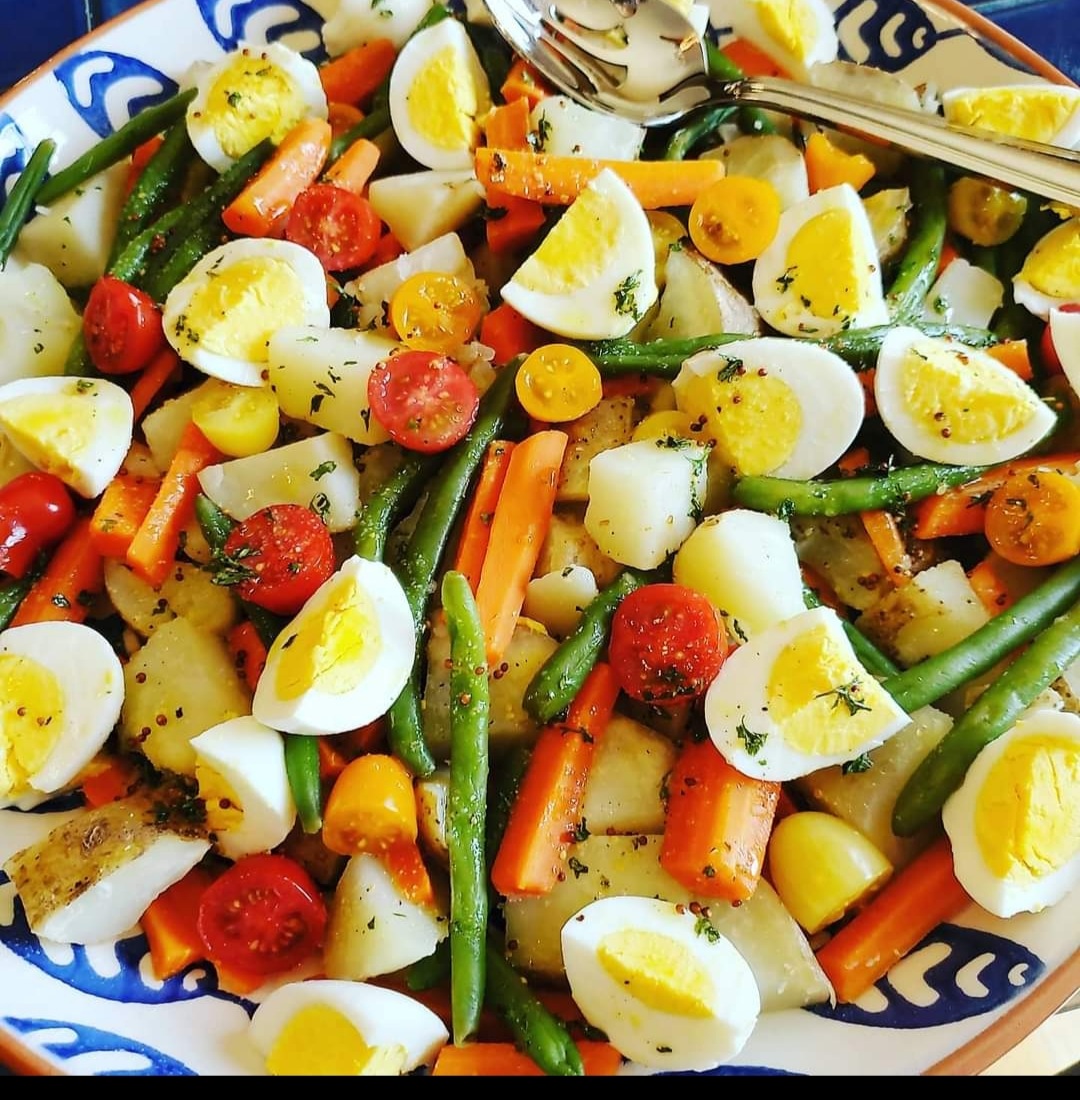
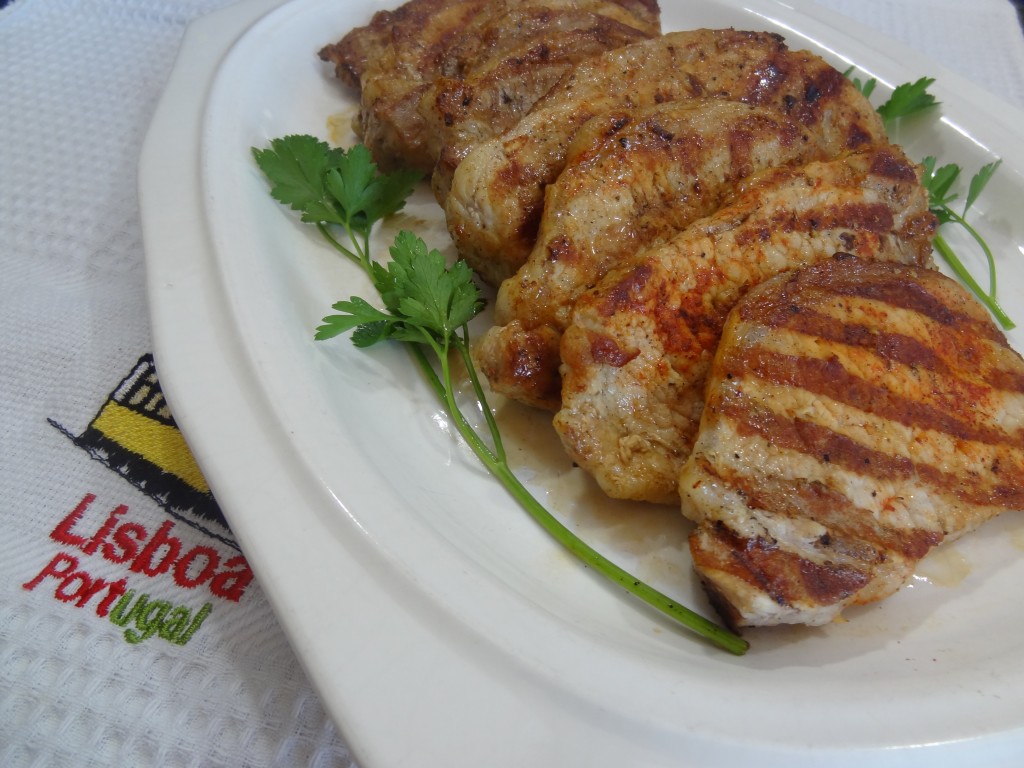
This easy salad can be served with meat, fish and poultry. Add cooked green beans and carrots for a beautiful mix of color. I used beautiful heirloom tomatoes from my garden and served the salad with “Bifana” grilled pork strips.  Find the bifana recipe here.

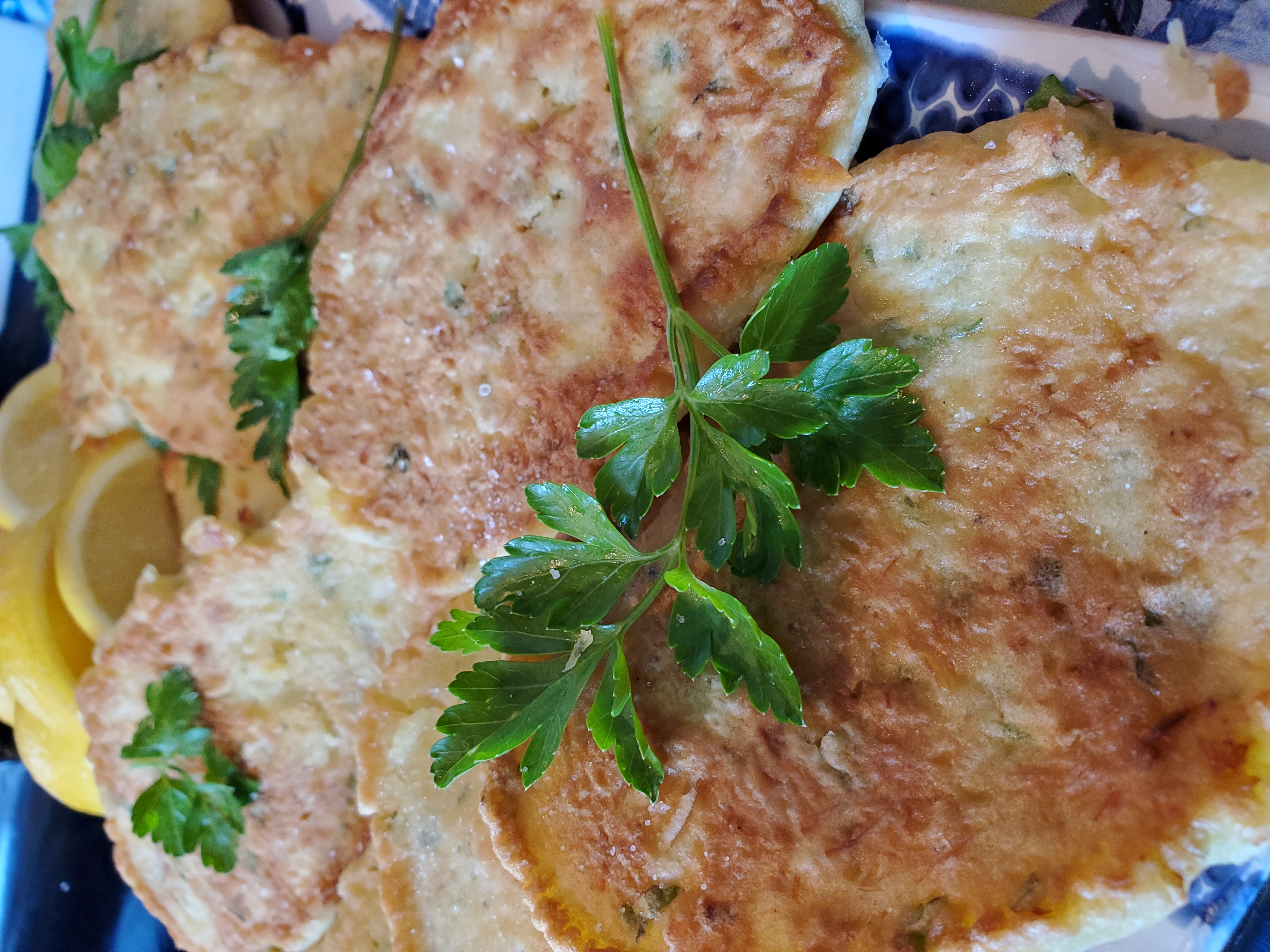
Pataniscas de Bacalhau go perfectly with this salad.


Take it along on a picnic and pour the dressing over the salad when ready to serve. Since you don’t use mayonnaise, you don’t have to worry about keeping this salad cold. Enjoy!

Ingredients:

1 to 2 cups tomatoes (sliced or quartered)

6 cooked red or white potatoes (chopped into 2 inch cubes)

6 hard boiled eggs (cut into quarters)

1 cup cooked green beans (any variety)

1 cup cooked sliced carrots

1 small yellow or red onion (diced or sliced)

2 tablespoons parsley (finely chopped)

basil (minced) optional

Dressing:

1/4 cup red or white wine vinegar

1/4 cup olive oil

1/2 teaspoon yellow mustard

1/2 teaspoon whole grain mustard

2 cloves garlic (crushed)

1/2 teaspoon salt

1/2 teaspoon black pepper

Preparation:

Arrange all vegetables in a large serving platter. Mix dressing ingredients well and mix into vegetables. Top with parsley and basil.  Serve and enjoy!

September recipe: 10 Chefs 10 Wineries – Crispy Chilean Sea Bass/Catch35 – Aveleda/Alvarinho 2012


To showcase the incredible versatility of Portuguese wines with food, Wines of Portugal is launching an exciting new culinary-focused program in the United States this April. The program, known as “10 Chefs / 10 Wineries,” will match ten Portuguese wineries with ten of America’s top chefs, culminating in an online cooking series and limited edition printed recipe guide that will be available to trade, press and consumers by the end of the year.

Recipe and photos credit: http://www.winesofportugal.com/us/food-and-wine/10-chefs-10-wineries/

Recipe for September in 10 Chefs 10 Wineries series. Crispy Chilean Sea Bass/Chef Eddie Sweeney  Catch35, paired with Aveleda/Alvarinho 2012.


Crispy Chilean Sea Bass with
Sweet Pea Risotto, Bacon Vinaigrette, Bottarga, Egg Yolk

Wine
Aveleda
“Alvarinho 2012”

www.aveledaportugal.pt


For Bacon Vinaigrette & Croutons

2 slices thick cut applewood smoked bacon (cut into small strips)
3 tbl grape seed oil
1 tbl shallots (finely minced)
1/2 cup champagne vinegar
1/4 cup sherry vinegar
juice of 1 lemon
1/2 tbl lemon zest
1 tbl Dijon mustard
1/2 tsp ground black pepper
1/2 tsp kosher salt
1/2 tbl honey
1 cup extra virgin olive oil
2 tbl Italian flat leaf parsley (finely chopped)
5 scallions (green onions)(finely chopped)

1 1/2 cup multigrain bread diced ¼ inch thick

In a small saucepan, cook bacon and grape seed oil on low heat until bacon is semi crispy. Drizzle bacon fat and oil over the diced multigrain bread and Bake in 350 degree oven for 7-8 minutes (reserve for plating).
Meanwhile, add the shallots and both vinegars to the bacon left in pan and reduce by ¼. Put into a bowl. Whisk in lemon juice, zest, mustard, black pepper, salt, honey. Slowly drizzle the olive oil in, while whisking, until all oil is incorporated into the vinaigrette. Finish by whisking in parsley and scallions. This can be held at room temperature for up to an hour before serving.

For the Risotto

5 cups peas
8 cups water
1/4 cup Kosher salt

29 oz chicken stock

2 tbl extra virgin olive oil
1/2 cup white onion
pinch of kosher salt
2 cloves garlic (smashed with side of knife)
1 1/2 cups Arborio rice
5 oz white wine
1/4 cup heavy cream
1/2 cup parmesan cheese

Bring water and Kosher salt to boil in a sauce pan. Add peas to the water and blanch them for 1 ½ minutes. Drain the water, reserving 3/4 cup of the cooking liquid. Cool peas under cold running water. Puree half of the cooled peas in a food processor and strain the puree. Mix the puree and whole peas together and reserve to finish the risotto.
In the same pot bring the chicken stock to a slow simmer.
Meanwhile, in a large saucepan, sweat the onions and oil until they are translucent. Add the rice and cook for 1 minute to slightly toast the rice. Add the garlic, cook for 30 seconds. Add the wine and cook until rice absorbs it, constantly stirring. Add the chicken stock, ladle by ladle, again constantly stirring until incorporated into the rice. By stirring you are building a creamy starchy risotto. When all of the stock is incorporated, add the heavy cream and reserved peas with puree mixture. Once mixed in fold in the cheese and it is ready to eat. The rice should have a slight toothy feel, but rich and creamy at the same time.

For the fish and plating

4 each 7 oz filets of Chilean Sea bass
salt and pepper (to taste)
2 cups all purpose flour
1 egg
1/2 cup water
1 1/2 cups Panko (Japanese bread crumbs)
4 tbl grape seed oil

4 super fresh egg yolks
3 cups baby arugula
1/2 cup red onions (shaved very thin)
croutons from earlier
salt & pepper
1 oz. bottarga (preserved mullet roe)

Preheat oven to 400 degrees. Heat a sauté pan on medium high heat. Season the bass with salt and pepper on both sides. Dip the filets into the flour only on one of the sides. Dip them in egg on the same side. Then, dip them in the Panko on that side. Reserve them on a sheet tray or plate. Add the oil to the hot pan. Fry the filets, two at a time, Panko side down first for a minute or two until golden brown, flip them over and give them another minute on the other side. Transfer them to a sheet tray. Repeat with remaining filets. Place the sheet tray in the oven until they are cooked. When they can flake easily, or better yet, the internal temperature reaches 130 degrees. About 3-5 minutes depending upon the thickness of the filet.

Plating:
Spoon some risotto on each plate in a long oval shape. On one side place your sea bass. On the other side make an indentation for an egg yolk and place the raw egg yolk. Put a small pinch of kosher salt on the yolk. In a small bowl toss together arugula, red onions, and croutons. Dress the salad with a little vinaigrette and a pinch of salt and pepper. Place some salad over the egg yolk and fish. Drizzle a little more vinaigrette around the plate. Finally grate a small amount of the bottarga over your dishes. Enjoy with 3 of your friends.


Catch 35
35 W Upper Wacker Dr, Chicago, IL 60601
(312)346-3500

www.catch35.com
https://www.facebook.com/pages/Catch-35-Chicago/182949201157
https://twitter.com/CatchThirtyFive