Category: Main Dish

Wines of Portugal: 10 Chefs 10 Wineries August: Roasted Saddle of Rabbit with Chartreuse flavors and Spring: Apple Street Farm Herbs and Sprouts/Quinta do Cruzeiro “Sousa Lopes Unfiltered, 2012”

To showcase the incredible versatility of Portuguese wines with food, Wines of Portugal is launching an exciting new culinary-focused program in the United States this April. The program, known as “10 Chefs / 10 Wineries,” will match ten Portuguese wineries with ten of America’s top chefs, culminating in an online cooking series and limited edition printed recipe guide that will be available to trade, press and consumers by the end of the year.


Recipe and photos credit: http://www.winesofportugal.com/us/food-and-wine/10-chefs-10-wineries/

Wine
Quinta do Cruzeiro
“Sousa Lopes Unfiltered, 2012
www.adegacasadatorre.com


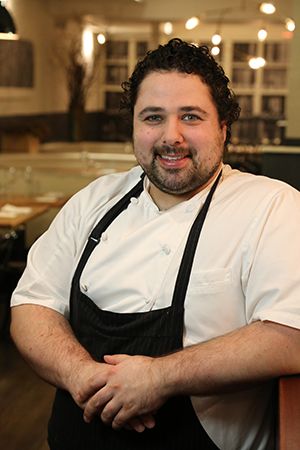
Chef Mathew Delisle – L’Espalier Boston, Ma.

Recipe

Roasted Saddle of Rabbit with
Chartreuse flavors and Spring:
Apple Street Farm Herbs and Sprouts

As a first course serves 4

Rabbit Saddle

2ea rabbit saddle
2 tbls olive oil
2 tbls butter
salt
black pepper
3 sprigs thyme
2 garlic cloves
2 tbls Chartreuse liquor

First, clean any excess fat and extraneous meat from around the saddle. Preheat a heavy bottom saute pan over medium heat and turn the oven on to 350 degrees. Generously season the saddle with salt and pepper. Add olive oil into the pan and saute the saddle on each side until golden in color. To finish cooking, place in the oven for 5-7 minutes. Remove pan from the oven and return to stove top. Deglaze pan with Chartreuse, add butter, thyme, and garlic; baste for 2-3 mins. Take off heat and allow rabbit to repose and reserve any juices and some of the pan butter to dress the final dish.

Spring Vegetables

1 cup English peas (shelled)
1 cup fava beans (shelled)
1 cup asparagus tips
12 ea ramps

Clean and wash all vegetables. Bring a large pot of salted water to boil and prepare an ice bath. Blanch each vegetable separately (except the ramps) to desired doneness and then place in ice bath (to stop the cooking process). Peel the peas and favas.

Oyster Emulsion

4ea fresh – preferably New England Oysters
1 cup fresh herbs – chive, tarragon, chervil, parsley, dill
1 cup fresh spinach
1 cup grape seed oil
1 lemon (for the zest)
salt
black pepper

Shuck oysters and retain all liquor (oyster juices). Blanch herbs and spinach for 3 seconds in a pot of salted boiling water and then remove to ice bath. Drain well. In a blender, puree oysters and herbs together until very smooth. Then, on low speed, slowly add in oil to form an emulsion. Season to taste and zest in the lemon.

Pickled Vegetables

1 ea sweet onion (i.e., Vidalia or Maui)
2 ea small carrots

Slice onions and carrots into thin strips (either by hand or with a mandolin).

Pickling liquid

2 cups vinegar – white wine or white balsamic work best
1 ea star anise
5 ea green cardamon
1/2 ea cinnamon stick
1 tsp anise seed
1 ea mace
2 ea clove
2 tbls kosher salt
2 tbls sugar

Gently toast all spices over low heat until they release their aroma. Bring vinegar, sugar, and salt to a low simmer, just enough to dissolve the sugar and salt. Add toasted spice and remove from heat. Helpful tip: It is helpful to wrap the toasted spices in cheese cloth before adding to the pickling liquid (making it easier to remove later). Let the pickling liquid cool to room temp and pour over the carrots and onions, with the spices so that they continue to release flavor. Cover and place in the refrigerator and allow to sit at least over night (up to 2 weeks) so the vegetables can absorb the vinegar and spices.

Greens

1 cup wild miner’s lettuce
1/2 cup wild wood sorrel
1 cup petite nasturtium leaves
1 cup chickweed
1 cup sunflower sprouts
1/4 cup nice green olives, pitted
various herbs – chive, chervil, tarragon, and mint
1 cup Pistachio oil
1 ea lemon
finishing salt – Maldon or Fleur de Sel
edible flowers such as mustard, borage, violets, or nasturtium pedals

To Finish

Warm rabbit saddle in oven gently. Zest and then juice the lemon in a bowl, add pistachio oil and season to create a broken style vinaigrette. Heat one tablespoon butter over medium heat until it becomes lightly brown and nutty in aroma. Add ramps and various other Spring vegetables and lightly saute until just warmed. Remove rabbit from the saddle and reserve one loin per guest. Arrange oyster puree on the bottom of a large plate. Disperse the Spring vegetables equally on to each plate, haphazardly strewn about. Slice rabbit loin and place onto each plate. Garnish with generous amounts of olives, greens, herbs, and flowers – creating a Spring garden effect. Finally, drizzle dishes with the reserved warmed pan butter, rabbit juices, and the pistachio-lemon oil. Season with finishing salt and a touch of fresh ground black pepper if you like.

L’Espalier
774 Boylston St, Boston, MA 02199
(617)262-3023

http://www.lespalier.com/
https://www.facebook.com/lespalierboston
https://twitter.com/LESPALIER

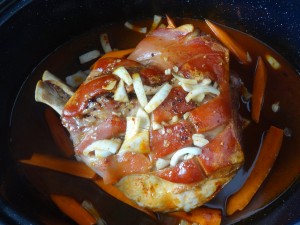
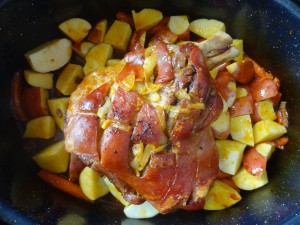
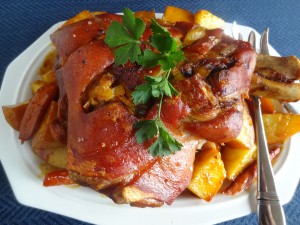
Roast Pork Shoulder – Pernil Assado


This pork shoulder recipe is simple to make on a lazy Sunday morning. All you have to do is put it in the oven and it pretty much cooks on its own. It has 5 easy steps to a perfect family Sunday dinner! The pork turns out moist and tender. You can slice it or shred it with a fork to create pulled pork sandwiches with my barbeque sauce. Enjoy!

Ingredients:

1 fresh pork shoulder 6-8 pounds

2 table spoons sea salt or kosher salt

1 teaspoon fresh ground pepper

3 garlic cloves (chopped)

1 large onion (chopped)

3 large carrots (cut into quarters)

1 bay leaf

6-8 potatoes (cut into cubes)

2 tablespoons olive oil

1 teaspoon paprika

1 cup of white wine

Cooking pan: 1 large oven roasting pan with lid

Instructions: Prep and cook time 4.5 to 5 hours

Serves 8-10

Pre heat oven to 400 degrees. Remove the pork from the refrigerator and let it sit for at least 30 minutes before prepping if you’re planing on cooking it right away.

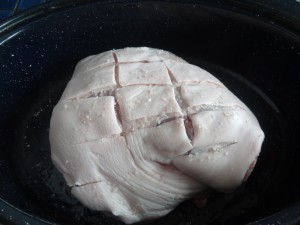
Step 1. Wash and pat dry the shoulder. Place it on a cutting board and score the skin being careful not to cut into the meat.

Coat the pork on both sides with the salt leaving the skin side up. Place the olive oil in the center of the roasting pan and place the pork over the olive oil.

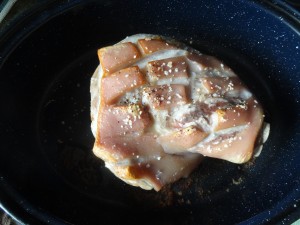
Step 2. Cook the pork uncovered for 30 minutes until the skin starts to get crackling and browned.


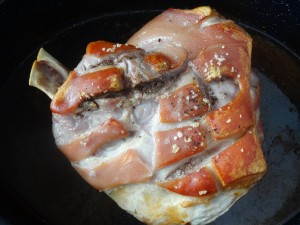
Step 3. After 30 minutes turn the heat down to 325 degrees. Cover the pork with the lid or very tightly with heavy foil and cook for 2 hours.


Step 4. After 2 hours remove the pan from the oven, coat the pork with the paprika, garlic and onions and pour the pan drippings over the pork. Place the carrots into the pan evenly around the pork. Add the wine and stir to coat the carrots. Cover and continue cooking at 325 for 1 hour.

Step 5. After 1 hour remove the pan from the oven, add the potatoes evenly around the pork and stir to coat with the seasonings. Add a little more wine if you find the juices have dried out. Coat the pork with the pan drippings. Cover and cook for another 45 minutes at 325 degrees.

Remove the pan from the oven and pierce potatoes with a fork to see if they’re cooked. Gently stir the potatoes and let the pork rest for a few minutes before serving.

Wines of Portugal – Chef David Santos – Louro Restaurant – Poached Duck Egg with Amarello Grits, Chourico and Kale – Quinta de Vallado

Here is the recipe for June in the 10 Chefs 10 Portuguese Wineries series from Wines of Portugal.

Wines of Portugal will announce new chef collaborations and pairings (using the hashtag #10Chefs) throughout the year from now through January on Wines of Portugal’s Twitter (@WPTUSA), U.S. Facebook page, and program page. The printed recipe guide featuring all ten chef collaborations will be available by the end of the year at all Wines of Portugal events around the country and as a special giveaway to Facebook fans. credits and images: http://www.winesofportugal.com/us/food-and-wine/10-chefs-10-wineries/

Chef David Santos – Louro Restaurant

Louro is a restaurant in the West Village of New York City that features the creative Modern American cuisine of Chef David Santos in a sophisticated yet relaxed setting.

Recipe for June: From wines of Portugal
Poached Duck Egg with Amarello Grits, Chourico and Kale, paired with Quinta do Vallado

For the Chourico:

2 lb pork butt, diced into 2 inch pieces
1/2 lb pork fat, diced into 2 inch pieces
3 tbsp salt
6 tbsp smoked paprika
30 cloves whole garlic, peeled
3 bay leaves
2 cups white wine
4 onions, small dice
6 red peppers, small dice
¼ cup extra virgin olive oil
1 cup tomato paste
1 bottle white wine
2 cups water
seasoning to taste


The day before, marinate the pork, pork fat, salt, paprika, garlic and bay leaves in two cups of white wine in a non-reactive bowl or container. Mix well with your hands and leave covered in the refrigerator overnight. The following day run the mixture through a meat grinder. In a large pot that will fit both the sausage and the remaining ingredients, sauté the onions and peppers in olive oil over medium high heat. When the vegetables begin to color and are nice and soft, add the tomato paste and toast for 2 minutes. Add the sausage and sauté until it’s nice and crumbly, about 10 minutes. Make sure to keep stirring to break up any large clumps that form. Add the white wine and water and bring to a boil. Reduce the heat and simmer for 2 hours, making sure to stir every few minutes. When the mix is nice and tender with a thick consistency, it’s ready. Keep in mind that you may have to add a little more water during the cooking process to allow for the time it needs to cook.


For the Kale:

1 small onion, diced
6 cloves garlic, peeled and chopped
3 tbsp olive oil
3 bunches kale, washed and de-stemmed
salt and pepper


In a pot with a lid big enough to fit all the kale, sauté the onions and garlic in olive oil over medium heat. When the vegetables are slightly colored and soft, about 6 minutes, add your kale and season. Cover the pot with the lid, lifting every minute or so over the first 7-8 minutes to stir. The kale will start to release moisture; this liquid will become your braising liquid. Keep the cover on and reduce the heat to low. Braise slowly for about 30 minutes until the kale is tender but not falling apart. Cool and chop to make mixing more manageable.


To finish the dish:

3 cups milk
4 tbsp butter
1/2 cup Anson Mills coarse grits
4 tbsp queso amarello
2 tbsp distilled vinegar
4 duck eggs
salt and pepper


Bring the milk, butter and seasoning to a simmer in a large sauce pot. Add the grits and stir continuously over medium heat for 20 minutes, adding more milk if needed. Check the seasoning and adjust as needed. In the meantime, while stirring the grits, fill a 2 quart sauce pot with water and add the vinegar. Bring the water to just before simmering. When the grits are done, cover and set aside. In another pot warm a 50/50 mix of kale and chourico until nice and hot. To finish the grits, mix the cheese into it and stir to emulsify. Check the seasoning. Make a whirlpool in the egg pot and crack the eggs in one at a time. Poach the eggs for about 2-3 minutes until the white is set and the yolk is soft.

                     To plate, pool grits in a bowl, then place the kale mixture on top of the grits, and top with the poached egg. Drizzle with a little good Portuguese olive oil.

Louro
142 WEST 10TH STREET
(BETWEEN WAVERLY PLACE AND GREENWICH AVENUE)
212.206.0606

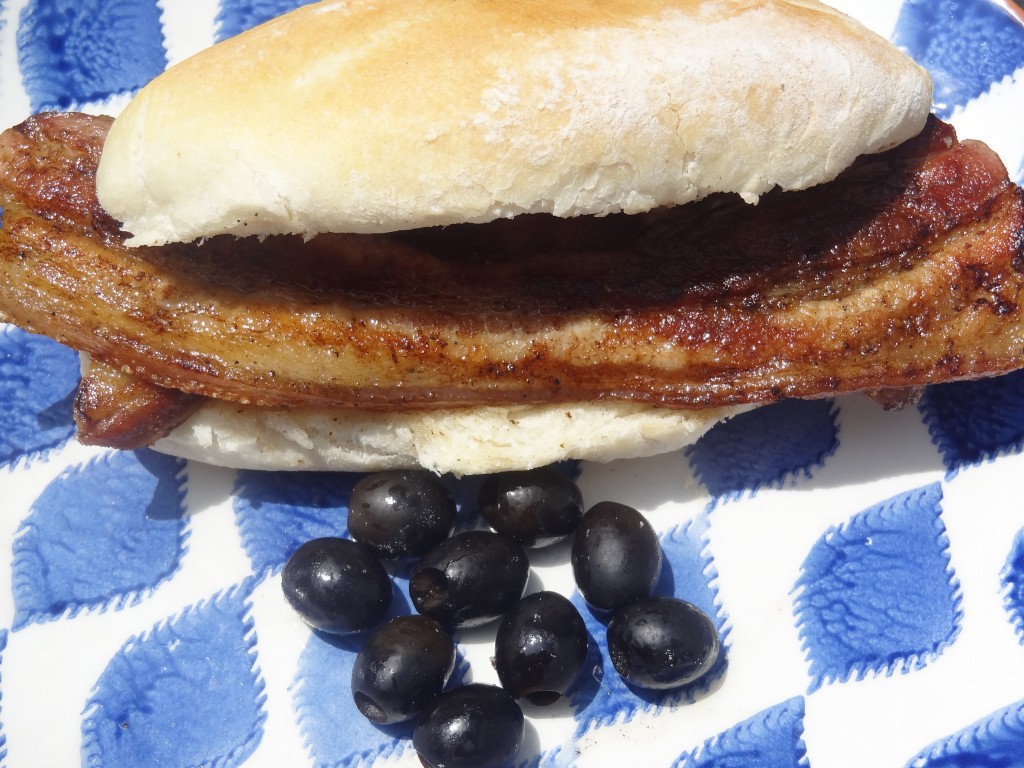
Grilled Pork Belly – Tocinho Assado

You may have seen grilled pork belly as a new trend in upscale restaurants but cooking pork bellies has been around in Portuguese cuisine for centuries.

Pork belly is not like regular bacon that you find in your supermarket. The pork is uncured and has no salt or smoky taste.

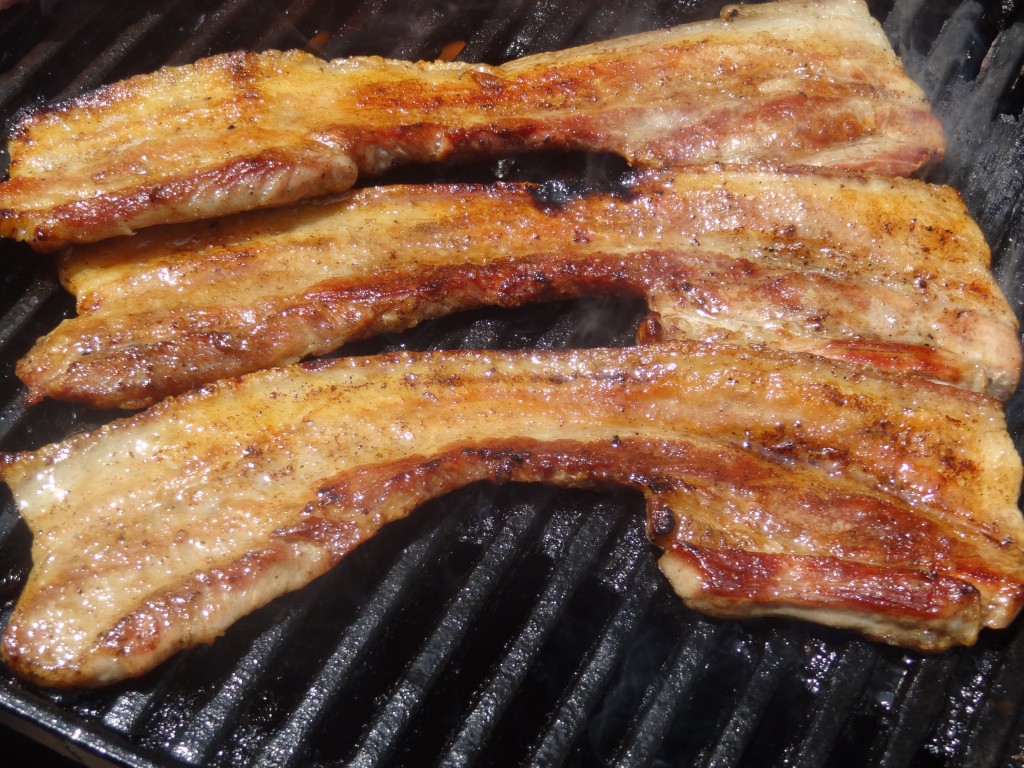
This method of grilling the pork in it’s natural state on the outdoor grill creates a crispy texture with  juicy flavor will make your mouth water!

You can find pork bellies at butcher shops but be sure to ask for uncured bacon. Have them slice it to about 1/4 inch thick.

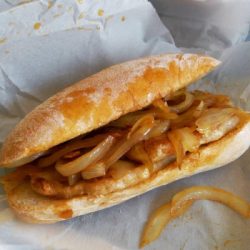
Our family has been cooking this at every family picnic. Once your friends and family taste this pork they will go crazy for it and except it every time you have another cook out! It is perfect on a simple Papo Seco Portuguese roll or any crusty roll. You can also serve it as a main protein in you meal but eating it in a simple sandwich is my favorite way. Enjoy!

Ingredients:

2 pounds of uncured Pork Belly sliced to 1/4 inch thick

1 tablespoon of coarse sea salt or more to taste

2 cloves of crushed garlic (optional if like a garlicky taste)

Instructions:

Salt each pork belly slice heavily with the coarse salt. I prefer a natural flavor in the pork so I don’t use garlic, but I added it in the ingredient list for those that love a garlic.

Let the pork marinate for at least 1 hour or longer in the refrigerator to absorb the salt.

Cook on a very hot out door grill turning often. Keep the pork away from flames as it cooks and lower the heat if needed. The pork should be a golden color and slightly crispy.

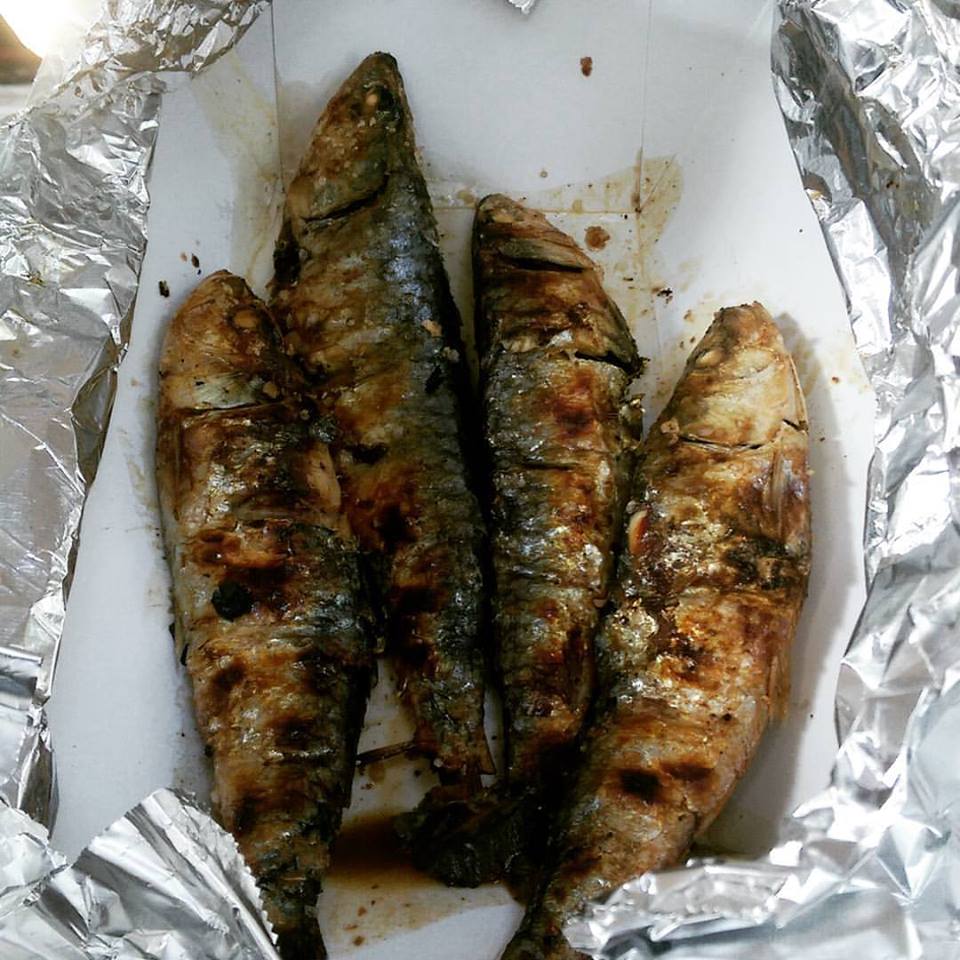
Portguese Grilled Sardines – Sardinhas Assadas

Fire Grilled Sardines with Onions Peppers

Sardinhas Assadas com Cebolada

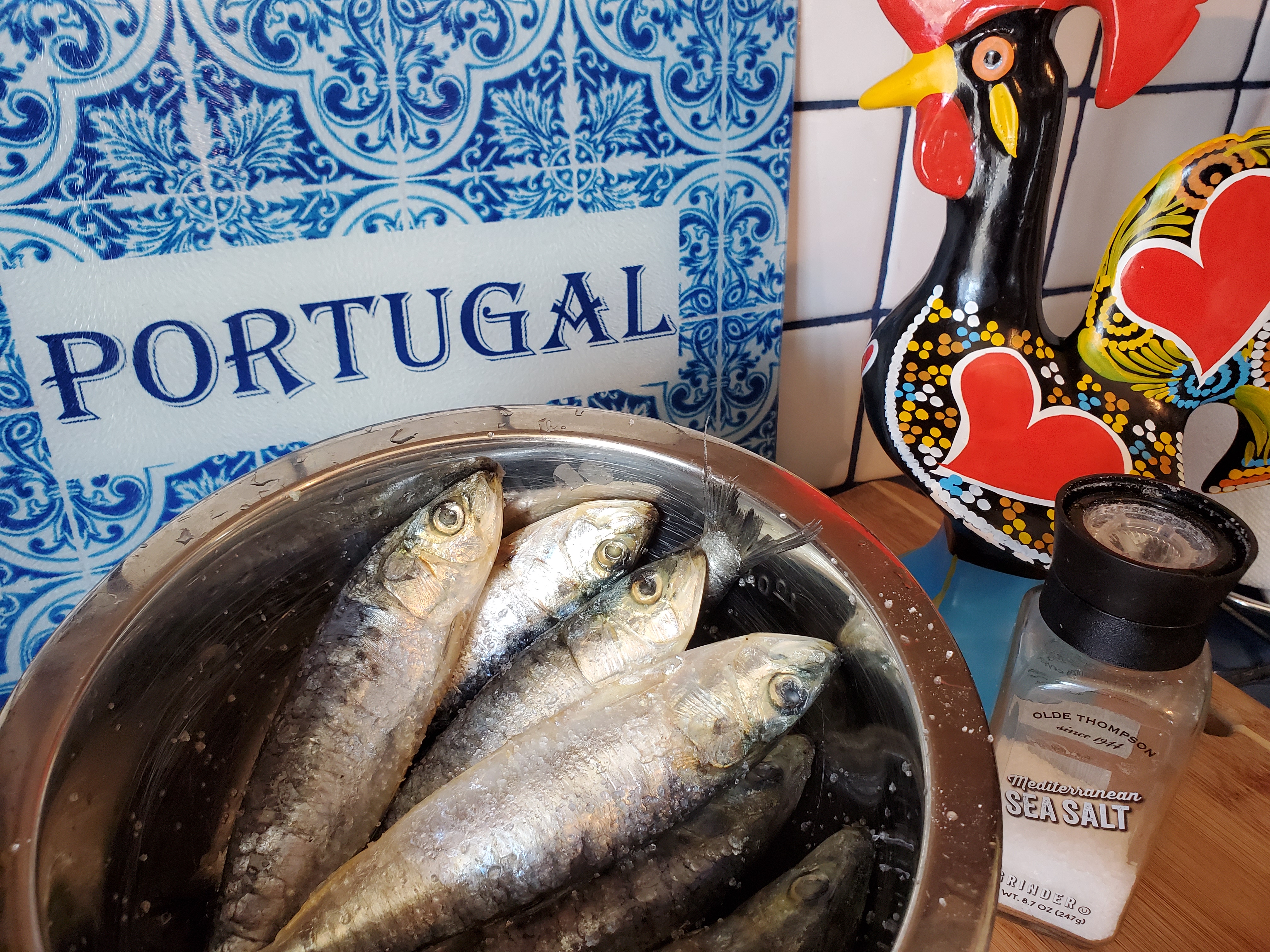
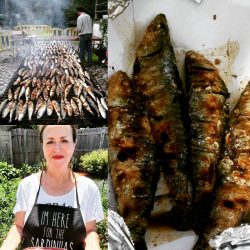
Get this beautiful PORTUGAL TILE GLASS CUTTING BOARD AND I’M HERE FOR THE SARDINHAS HERE
Sardines season in Portugal is from the month of May to October.This sustainable food is extremely popular and is very healthy because the sardines are loaded with calcium, vitamin E, protein and contain good fish oil.

Portuguese sardines have the Blue Label awarded by the Marine Stewardship Council, which means fishing of sardines in Portugal takes account the sustainability of the sea resources. Sardine catches happen all along the Portuguese Coastline but the most favored sardines come from Algarve. Portimão in the Algarve, is where you eat the best fresh grilled sardines, especially at the Sardine Festival during the first 10 days of August. sardines 

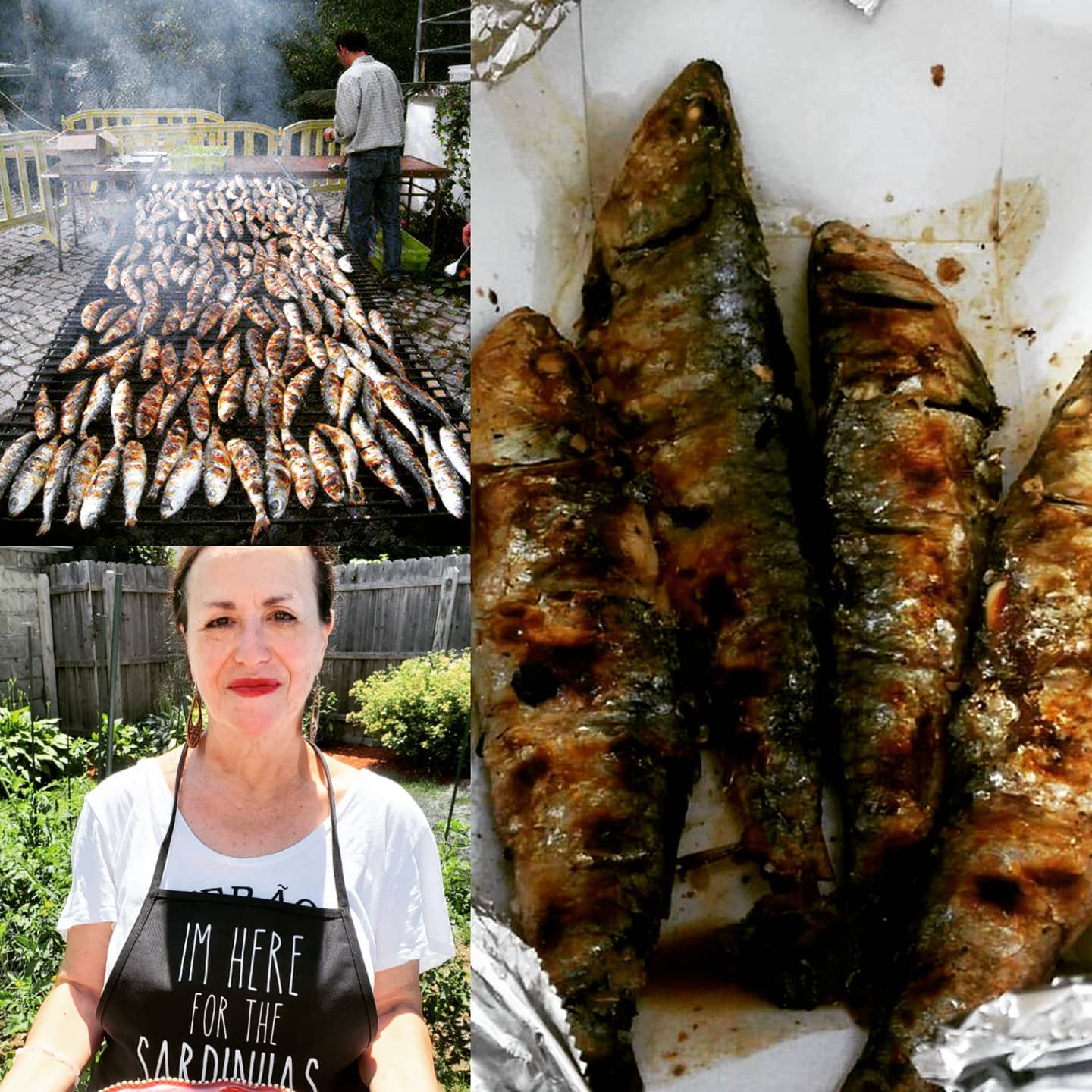
Most festivals and picnics in Portuguese communities feature sardines. The festivals for the Saints; John, Peter and Anthony feature grilled sardines and often sold by the dozen at these festivals along with Portuguese rolls; Papo Secos or other crusty breads.

When served as a main dish, they are accompanied by the humble boiled potatoes, grilled onions and peppers and a simple salad with olive oil vinaigrette.


Serves 6-8


Ingredients:

1 to 2 pounds of Fresh or Frozen Sardines

1 large red bell pepper

1 large green bell pepper

1 large onion (sliced)

2 large garlic cloves (chopped)  

Portuguese olive oil

Sea salt

Pepper

Preparation:

Step 1: If your sardines are frozen, defrost them slightly in a large bowl by rinsing them with cold water and covering them with a good coating of sea salt. Let them sit for about 30 minutes to absorb the salt. Drain any moisture from the bowl and set in the refrigerator until you’re ready to grill.

Step 2: Heat the grill on high.

Step 3: Rub the onions and peppers with salt, pepper and a little olive oil. Cook peppers and onions on the grill until the skin has charred and fully cooked all around. Place peppers in a brown paper lunch bag and set aside. Place the onions aside in a medium heat proof bowl on the grill to keep warm. 

Step 4: Meanwhile place the sardines on a slightly greased charcoal or gas grill on medium high heat. Let the sardines cook until they turn golden brown and slightly crispy, turning them gently not to break the skin.

When they are fully cooked, cover with foil and place them on a platter in a warm place.

Step 5: Remove the peppers from the paper bag and peel off the skin. You’ll find the skin will come out easily.

Slice the peppers into strips and mix with the onions. Add chopped garlic, olive oil and more salt and pepper. Heat slightly and pour the mixture over the cooked sardines.


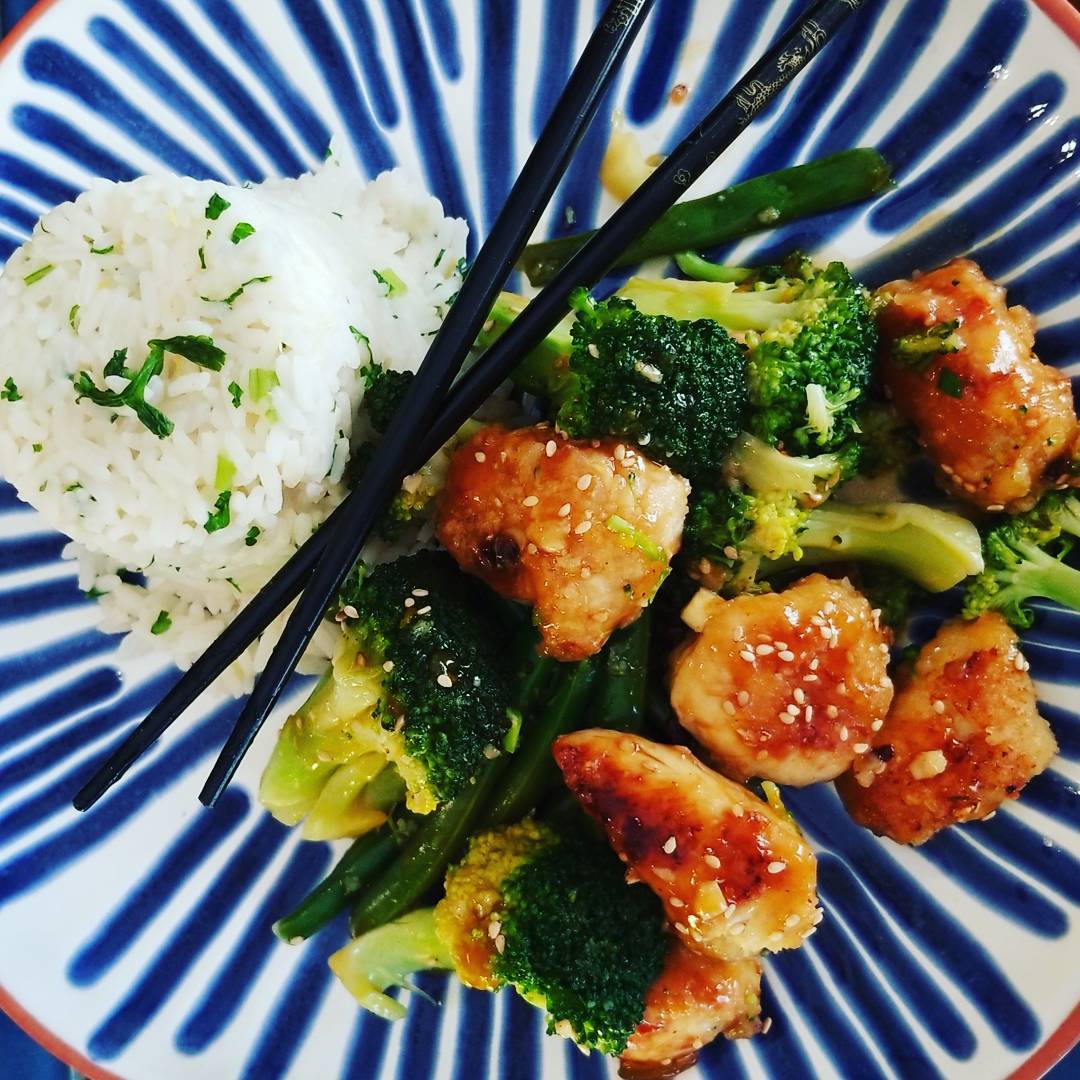
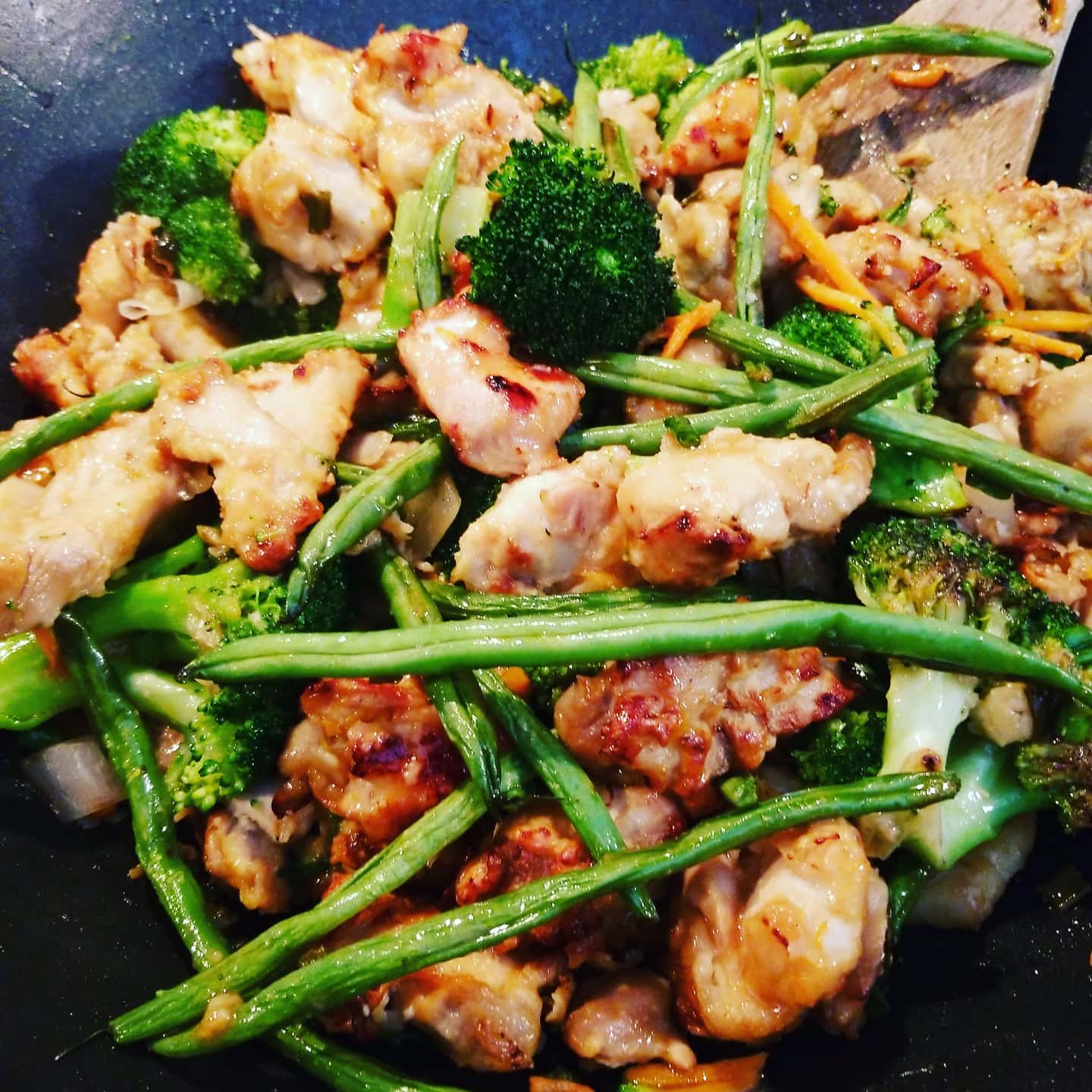
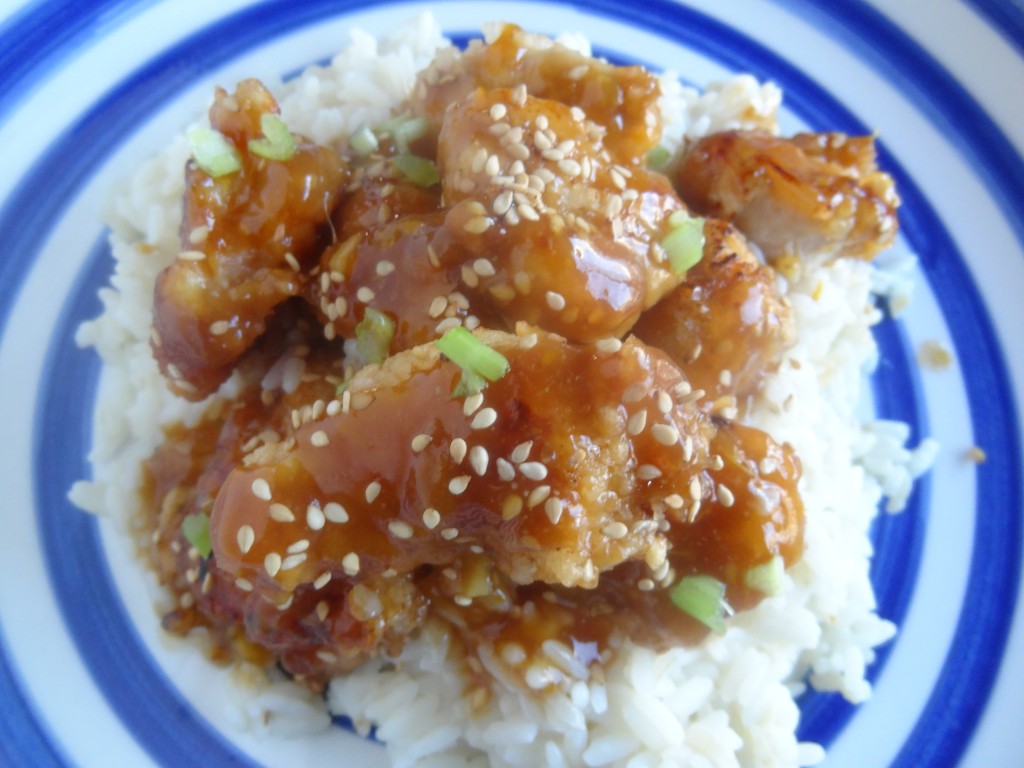
Sweet & Spicy Orange Chicken

Tired of the same old chicken recipes?  Try this Sweet & Spicy Orange Chicken. It’s easy to make and it tastes exactly like your favorite take out version. The marinade smells amazing from the scent of the fresh orange and ginger.
My family loves Chinese take out so this was a big hit last night. Enjoy!

Ingredients for Chicken:

2 pounds of skinless boneless chicken breast (cut into 1 inch cubes

1 and 1/2 cup corn starch

2 eggs beaten with 2 tablespoons of water

Vegetable oil for frying

Sesame seeds

Chopped Scallions

Ingredients for Marinade:

1 large orange

zest of 1 large orange

1/2 chicken bouillon cube

1 cup of warm water

1/2 cup  sugar

1/2 cup white vinegar

1/2 cup soy sauce

2 cloves garlic (finely minced)

1 tablespoon fresh ginger (finely minced)

1 teaspoon of Sriracha hot sauce or more to taste

1 or 2 tablespoons of corn starch

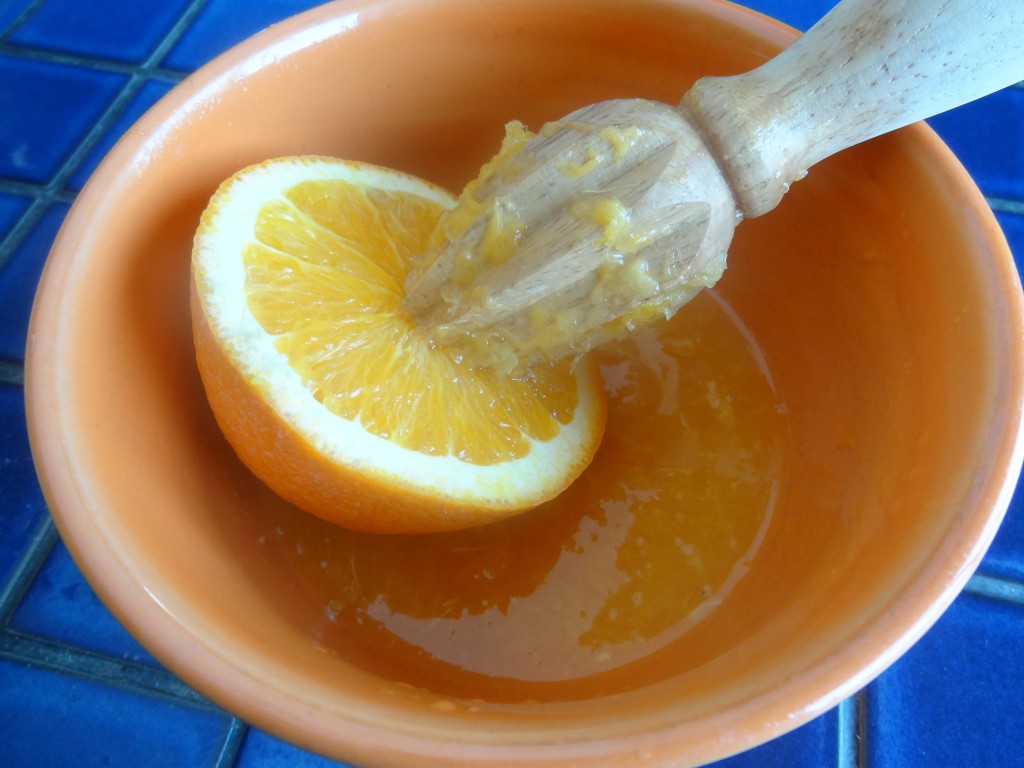
I used fresh squeezed orange juice which gave the sauce a fresh taste.

Instructions:

Place all of the marinade ingredients in a large bowl and mix well to incorporate all the flavors. Place the chicken in a ziploc plastic bag and add 1/2 of the marinade.

Let the chicken marinade for at least 30 minutes shaking the bag once in a while.

Place the eggs in a large bowl and beat with 2 tablespoons of water. Place the corn starch in a large bowl.

Remove the chicken from the marinade, shaking off any excess. Discard the marinade. Add the chicken to the eggs and mix well to coat.

Remove about 10 pieces of the chicken at a time while shaking off excess egg and place in the corn starch. Toss each piece of chicken with the corn starch coating it well.

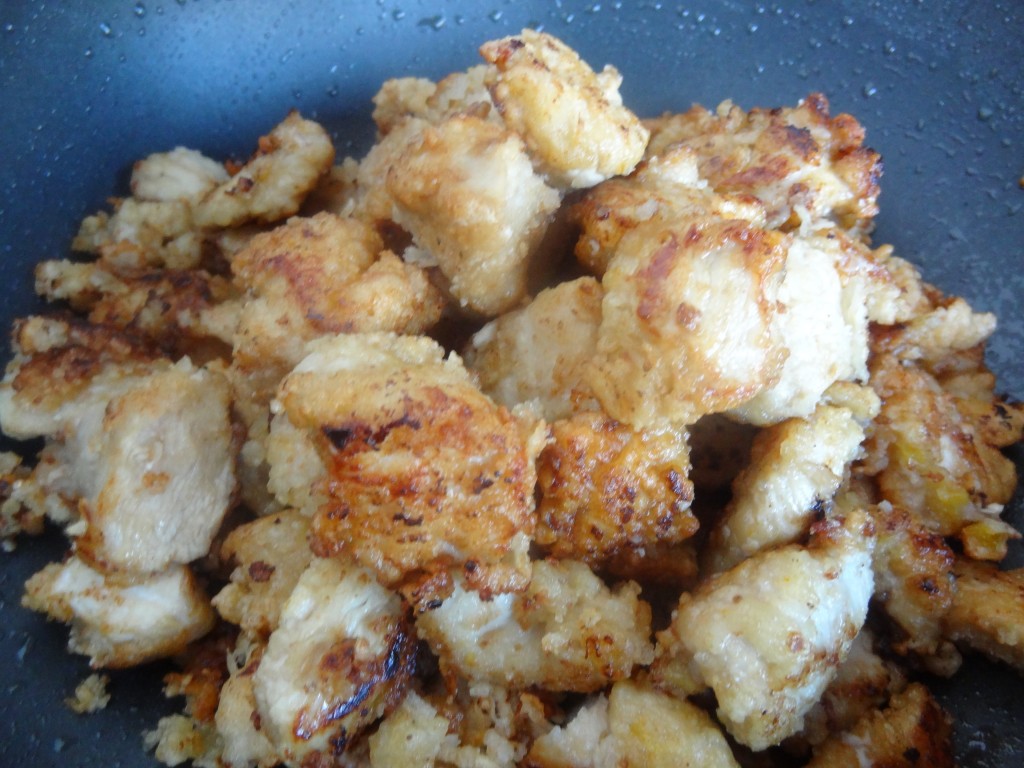
Place the coated chicken onto a plate. Heat the oil in a large wok, or skillet on high heat. Shake off excess corn starch from each piece of chicken and begin frying in batches of about 10 pieces of chicken. Cook for about 2 minutes until each piece is golden brown. Drain on paper towels.

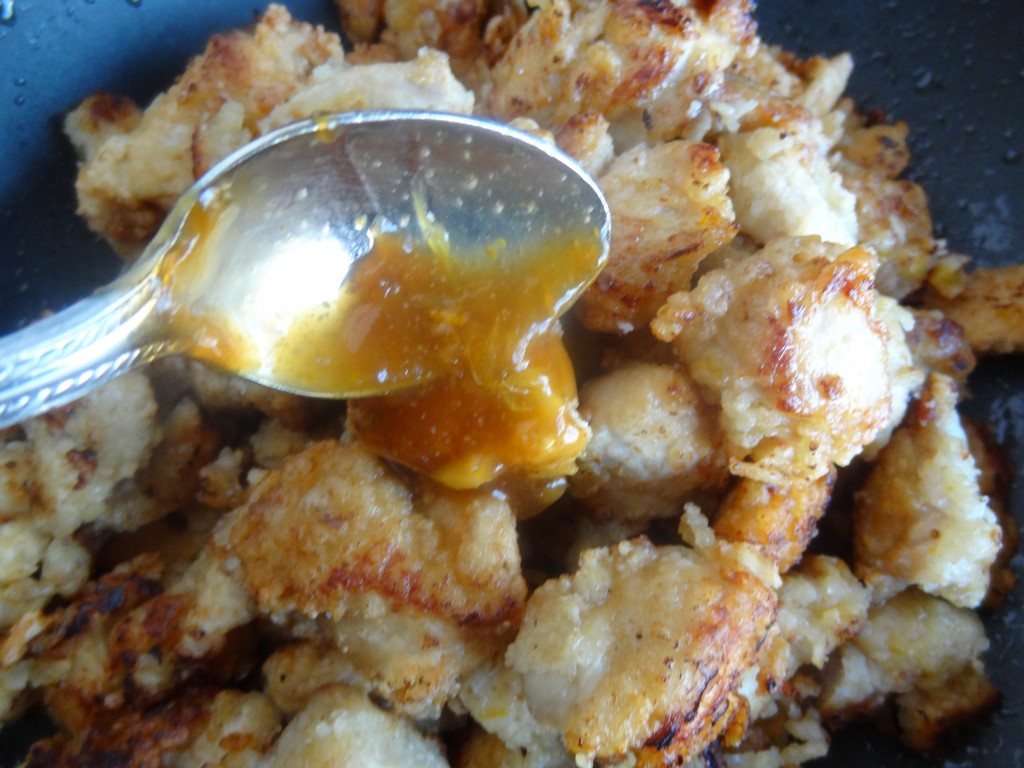
Meanwhile, heat the remaining marinade with 1 tablespoon of cornstarch and cook for a few minutes to thicken. Add more water if you find it too thick.

Taste and add more hot Sriracha sauce if you like it spicier.

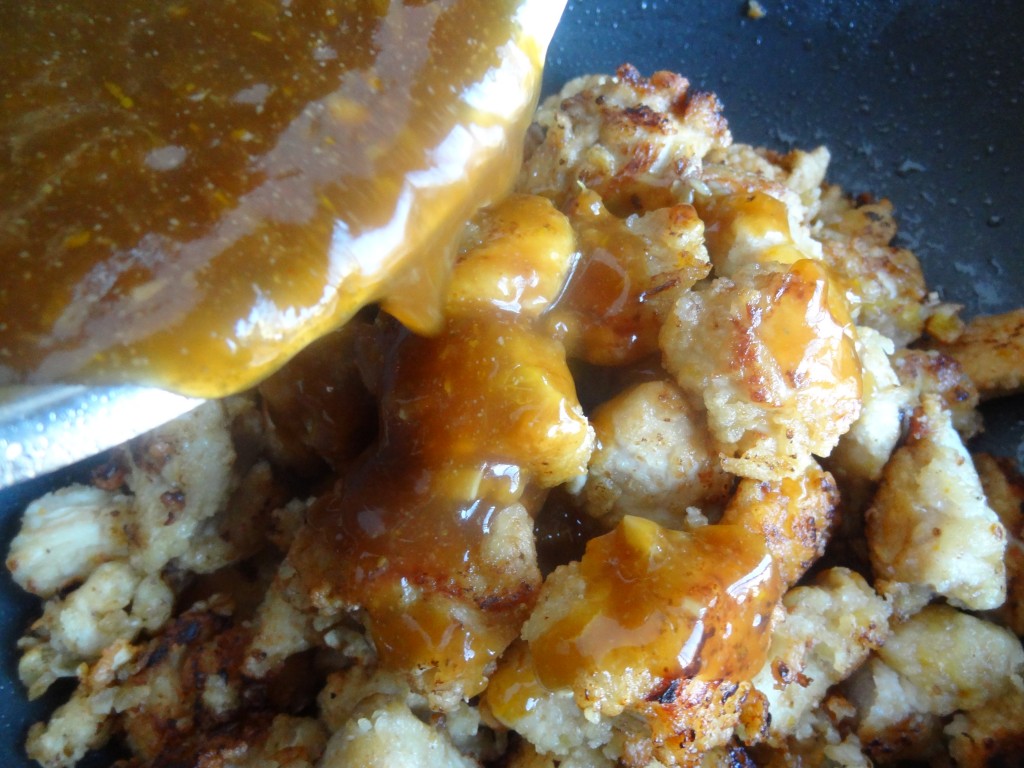
Discard the oil and place the chicken back into the skillet on low heat. Drizzle the warm sauce over the cooked chicken.

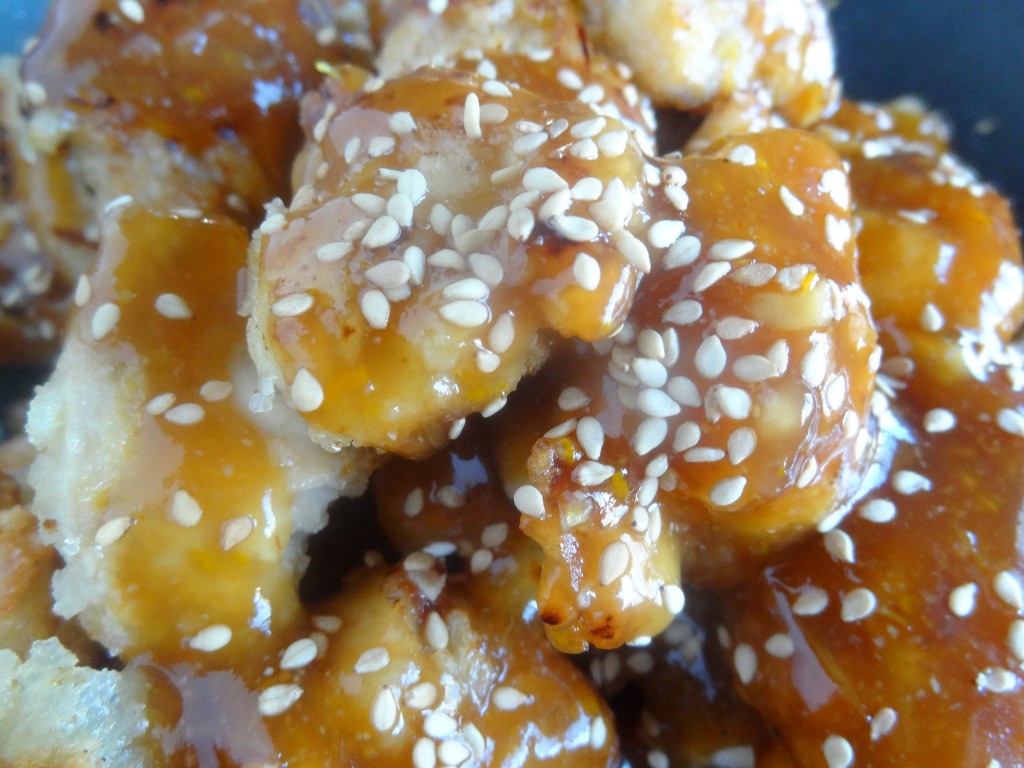
Sprinkle with sesame seeds and sliced scallions.

Serve over rice. Enjoy!

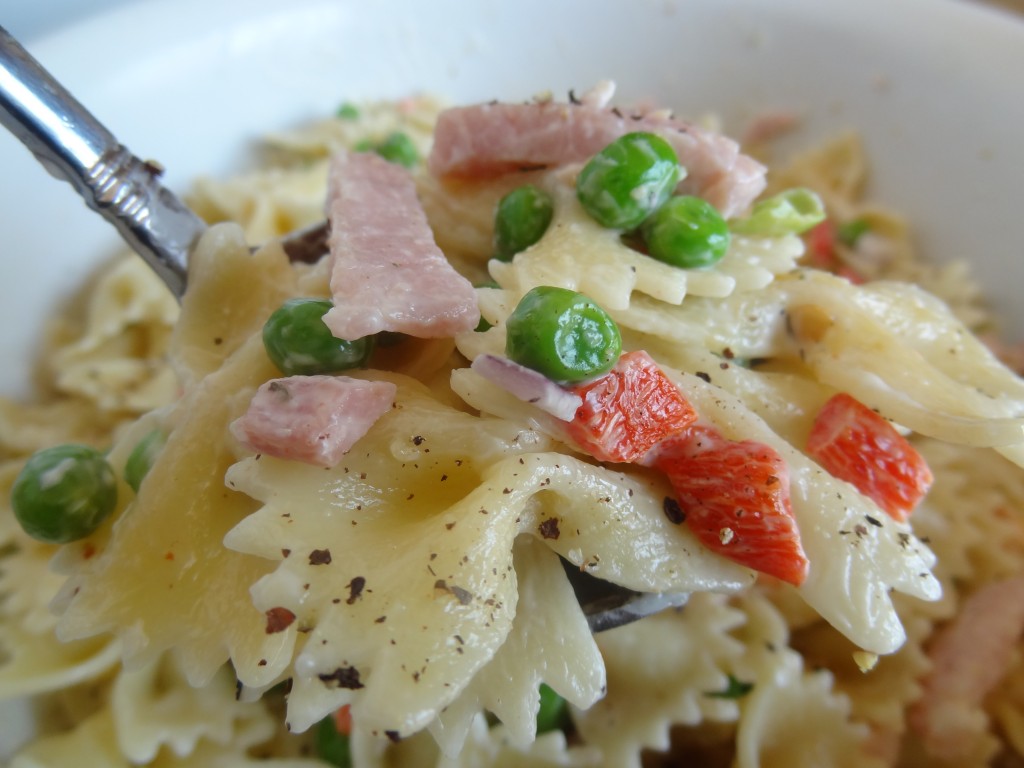
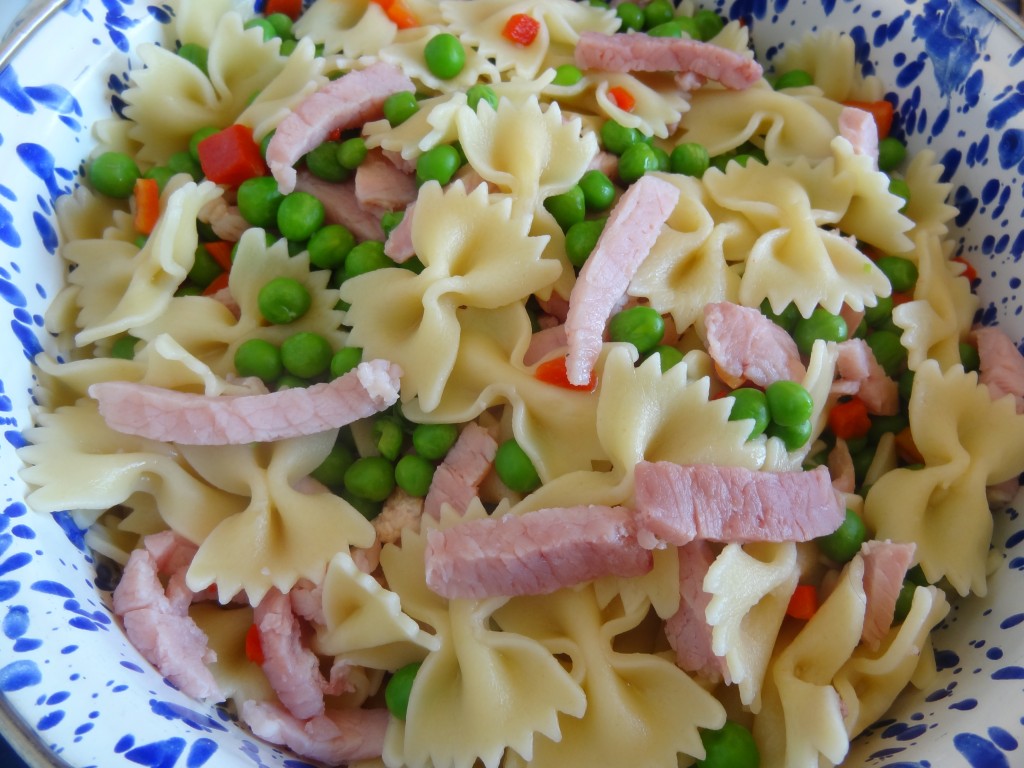
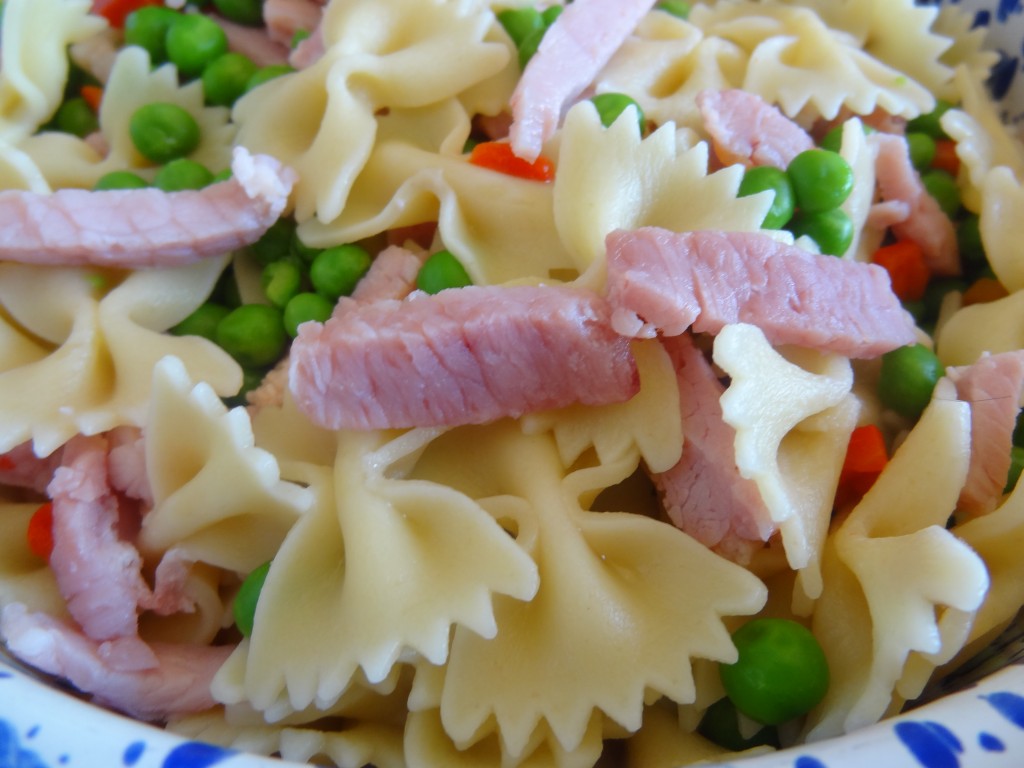
Pasta & Ham Salad Primavera


What can you do with all that left over ham? Make Pasta & Ham Salad Primavera. Cut up the ham into 1/4 inch strips and freeze in food safe freezer bags. The ham will be ready for adding to your summer recipes.

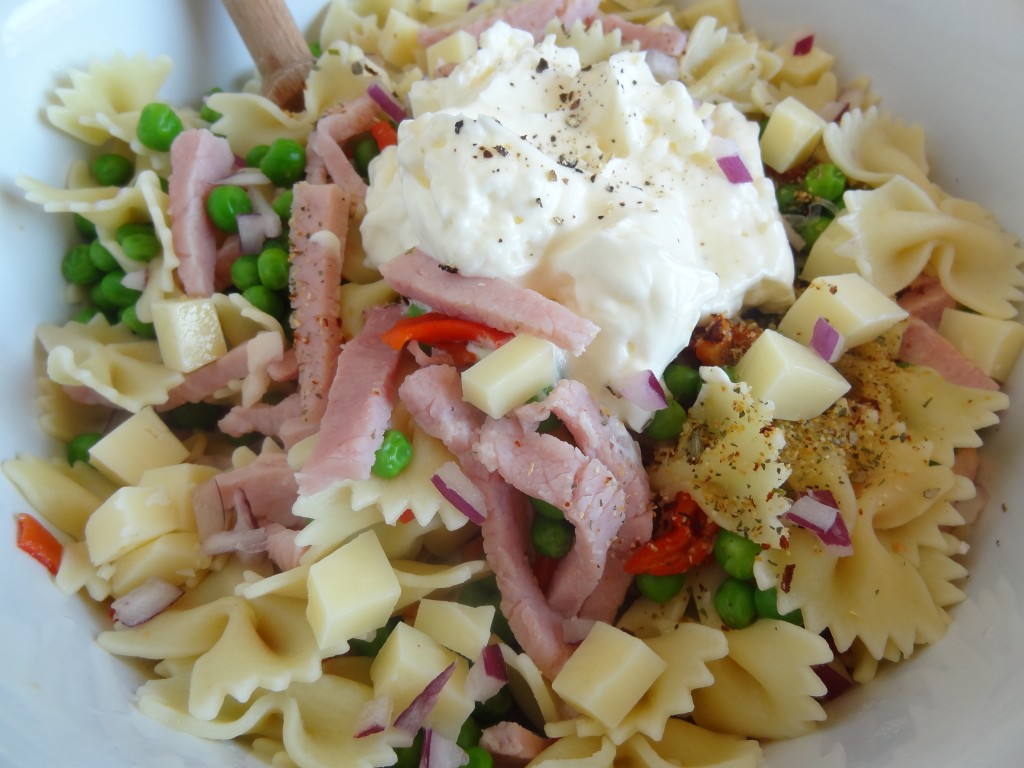
Ingredients:

1 16 oz package bow tie pasta (or any you prefer)

1 cup or more cooked ham (cut into 1/4 inch long strips)

2 cups frozen petite peas

1/2 cooked roasted red pepper (finely diced)

1 slice red onion (finely minced)

2 ounces cheddar cheese (chopped into small pieces) (optional)

3 tablespoons mayonnaise

1/2 teaspoon of Italian seasoning mix

Fresh crushed black pepper

1 squirt lemon juice

Instructions:

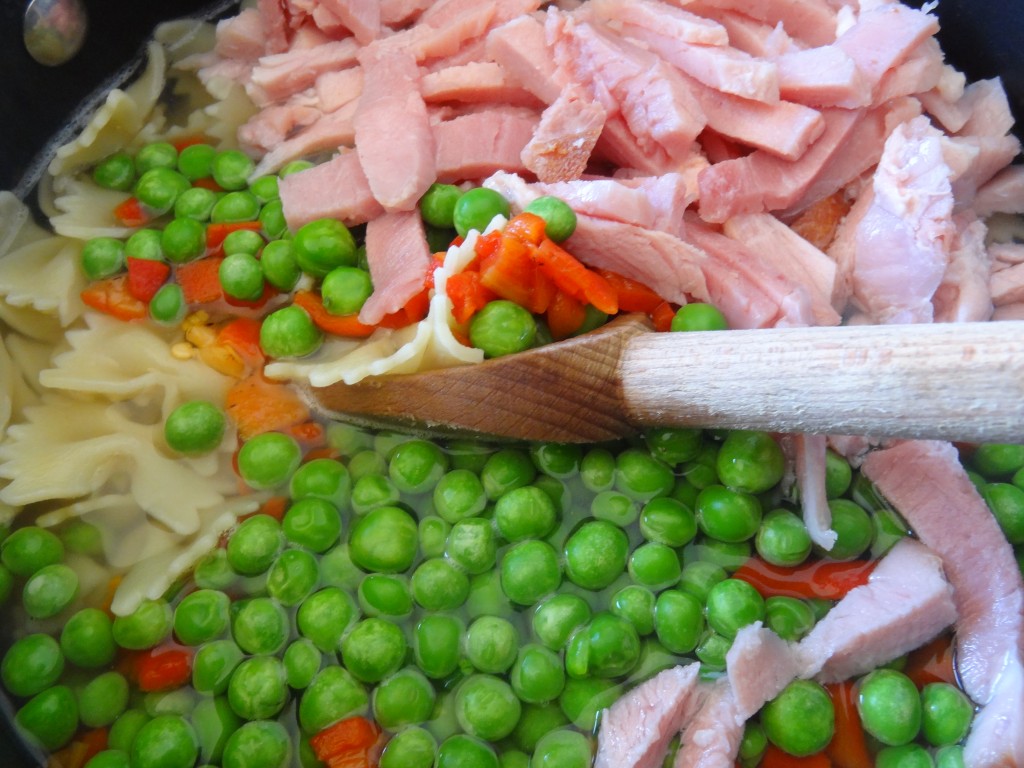
Cook the pasta as per package directions. Turn off heat, 5 minutes before the pasta is cooked add the ham, peas, and peppers and let simmer for a few minutes. The peas are very tender so they’ll cook with the heat from the pasta.


Drain the pasta in colander and place in a large bowl.

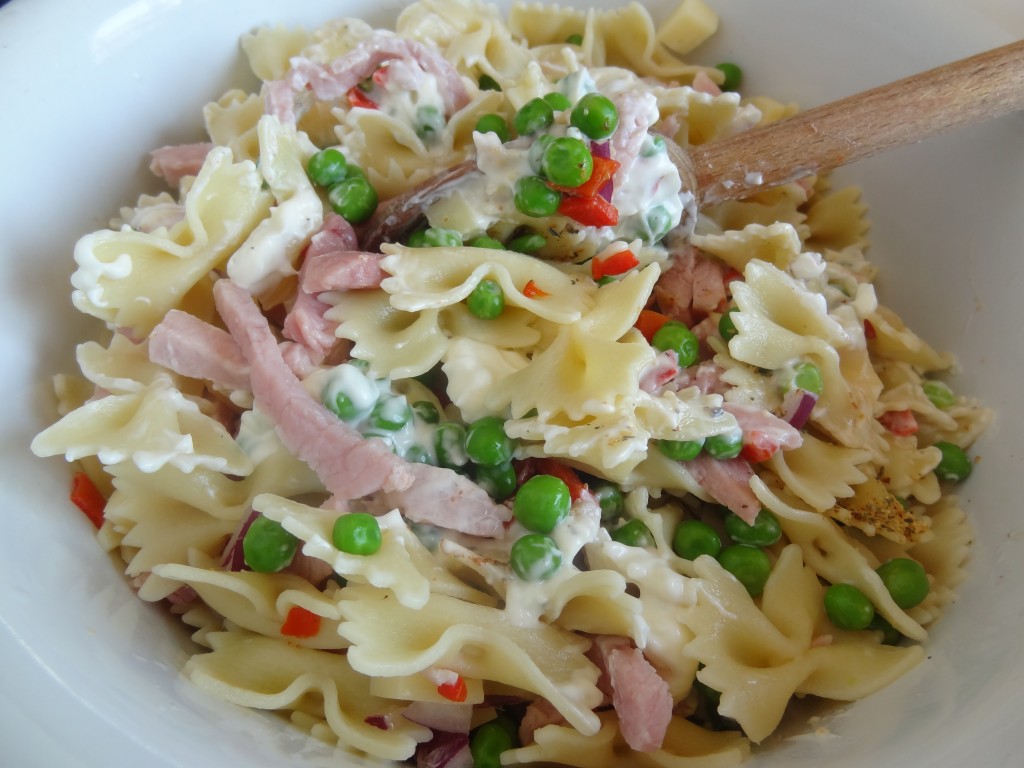
 Add the remaining ingredients and toss gently.

Taste and add more pepper or seasoning if desired. Place in the refrigerator to cool. Serve and enjoy!

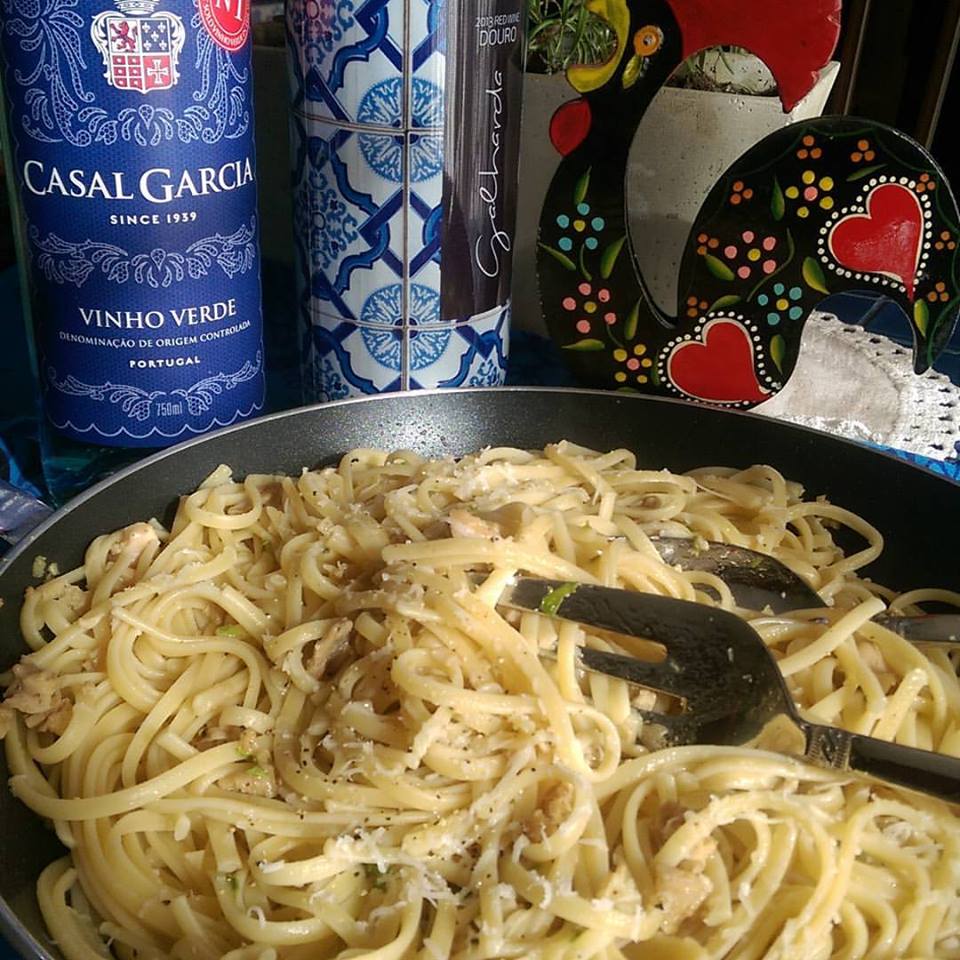
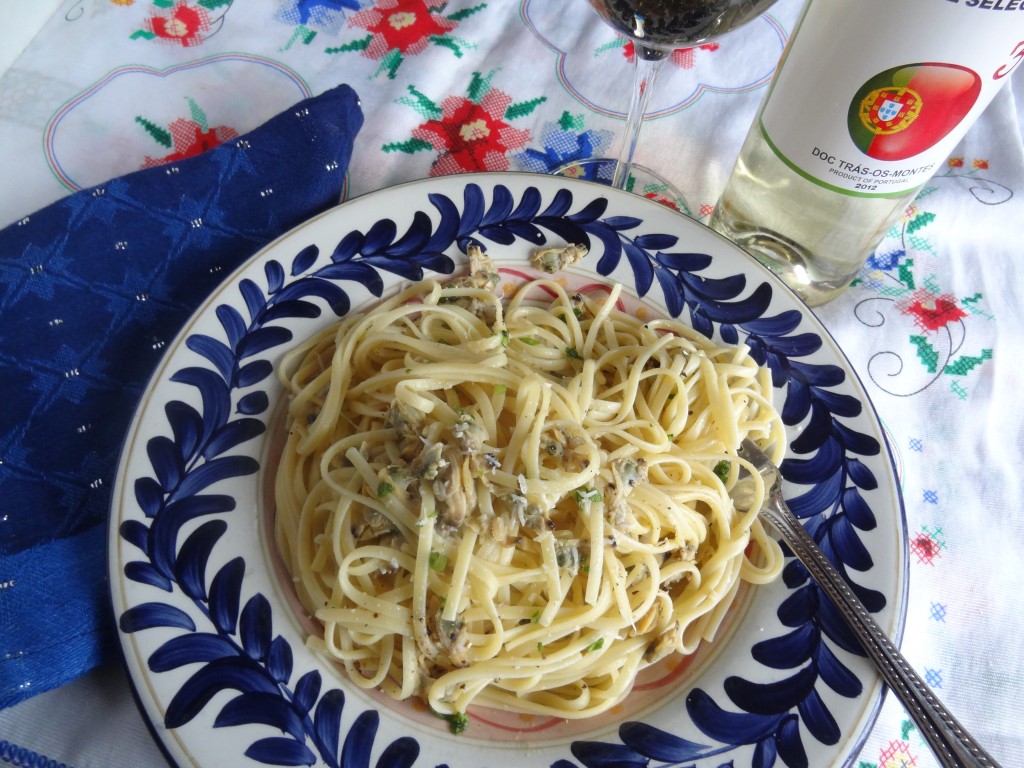
Linguini & Vinho Verde Clam Sauce – Ameijoas à Bulhão Pato

Vinho verde clam sauce

This recipe is inspired by the classic Ameijoas à Bulhão Pato (recipe below). Raimundo António de Bulhão Pato was a nineteenth century writer, poet and politician. He was also a gourmet cook with signature dishes he created such as clams, hare, partridge and grouper. Ameijoas à Bulhão Pato is one of the most popular appetizers today.

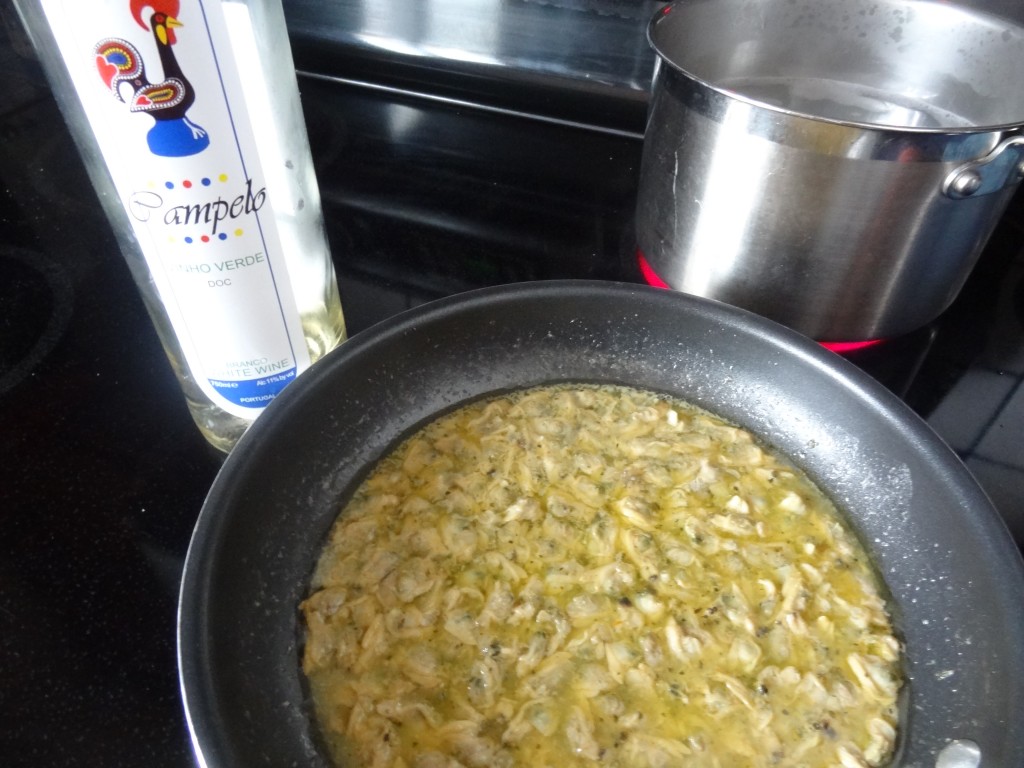
My Linguini dish is very easy and uses basic pantry ingredients. I used canned whole baby clams but you can substitute with chopped clams or fresh clams in the shell if you prefer.

I also used Vinho Verde because it pairs perfectly with fish and seafood. I cook with it whenever a recipe calls for using white wine.

If you like a more cream based sauce simply add a little cream and more butter to the sauce and little it thicken before adding the pasta. Enjoy!

Linguini & Vinho Verde Wine Sauce

Serves 2

Ingredients:

8 oz (1/2 package of Linguini)

1 10 ounce can of cooked baby clams or chopped clams

2 cloves of garlic (thinly sliced)

3 tablespoons olive oil

1 tablespoon butter

1/4 cup of Vinho Verde (or any dry white wine)

1/4 cup of clam juice or chicken broth (optional)

Fresh grated Parmesan cheese

Black pepper

Salt

Parsley or cilantro  (finely minced)

Instructions:

Drain the clams into a bowl and save the clam juice.

Cook the pasta in salted water and the reserved clam juice until al dente.

In a medium skillet add the olive oil, butter and garlic. Cook on medium heat until the garlic is translucent. Add the drained clams, Vinho Verde and clam juice.

Cook for about 5 minutes on low heat until the wine reduces a little. Taste and add crushed black pepper and more salt if desired.


Drain the pasta and add it to the clam sauce. Stir well. Add the parsley or cilantro and top with grated Parmesan cheese. Mix gently and cook for a minute or two for the sauce to incorporate into the pasta.

Top with more fresh grated cheese when serving. Enjoy!


Clams a Bulhão Pato Recipe:

Serves: 1


2 tablespoons olive oil
1 tablespoon diced garlic
1 tablespoon finely chopped cilantro
3 tablespoons dry white wine
15 little neck clams, cleaned


Instructions:

Lemon segments (to supreme the lemons, cut lengthwise, remove the peel, pith, and membranes and use only the soft flesh)

In a pan, add the olive oil and garlic over high heat and cook until the garlic becomes fragrant. Add clams, white wine, half the cilantro, and cover. Simmer for 5 minutes.

Uncover the pan and make sure that all clams are open, discarding any that aren’t. Top with remaining cilantro and lemon segments. Serve immediately.

Bacalhau de Trás-os-Montes by Oceana Restaurant NYC

To showcase the incredible versatility of Portuguese wines with food, Wines of Portugal is launching an exciting new culinary-focused program in the United States this April. The program, known as 10 Chefs / 10 Wineries,” will match ten Portuguese wineries with ten of America’s top chefs, culminating in an online cooking series and limited edition printed recipe guide that will be available to trade, press and consumers by the end of the year. credits: http://www.winesofportugal.com/us/food-and-wine/10-chefs-10-wineries/

Executive Chef Ben Pollinger and Wine Director Pedro Goncalves

 First Offering April: Oceana – New York City

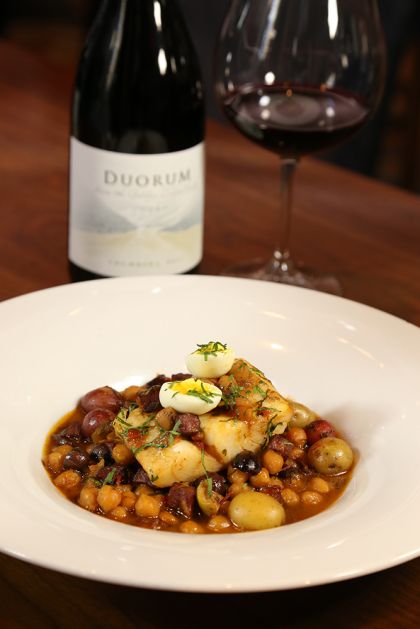
“House-made Bacalhau de Trás-os-Montes”

Paired with Duorum Colheita 2011

 
4 4-ounce portions bacalhau, soaked three days in equal parts milk and water, changing liquid every day 
 
Chickpea-potato ragout

3 Tbs EVOO
1/3 Cup chorizo, skinned and diced 1/3 inch (approximately one link)
1 ¼ Cup Vidalia onion, medium dice (approx ½ medium onion)
3 cloves garlic, sliced thin
2 plum tomatoes, cored and diced 1/3 inch
1 Cup cooked chickpeas
¾ Cup cooked fingerling potatoes, diced 1/3 inch (about 6 small potatoes)
1 Cup chicken stock
2 Tbs halved black olives
2 Tbs quartered large green olives
1 Tbs slivered parsley


1.   Heat a 12 inch skillet over medium heat. Add 2 Tbs EVOO.
2.   Add chorizo and fry over medium high heat for 3 minutes, until lightly browned and oil takes on a red color from the sausage.
3.   Add onion and garlic and sauté five minutes, until lightly colored
4.   Add tomatoes; cook five minutes until tomato starts to break down
5.   Add chickpeas, potatoes and stock. Cover and simmer 15 minutes.
6.   Nestle bacalhau into the ragout and spoon some of the ragout over the fish.
7.   Place cover on pan, cook 8 minutes.
8.   Add olives, remaining 1 Tbs EVOO and parsley, stir to combine.
9.   Spoon the ragout into four bowls. Place the fish on top of the ragout.
10. Spoon remaining ragout over the fish.
11. Place the halved quail egg over fish, top with a little more sliced parsley and a drizzle of EVOO.
 
Quail eggs (can substitute with chicken eggs if quail eggs are unavailable)
4 quail eggs (quarter a single chicken egg if substituting)
Place in a pot, cover with cold water.
Bring to a boil, boil two minutes.
Remove from water, peel and cut in half.

photos and text credits: http://www.winesofportugal.com/us/food-and-wine/10-chefs-10-wineries/

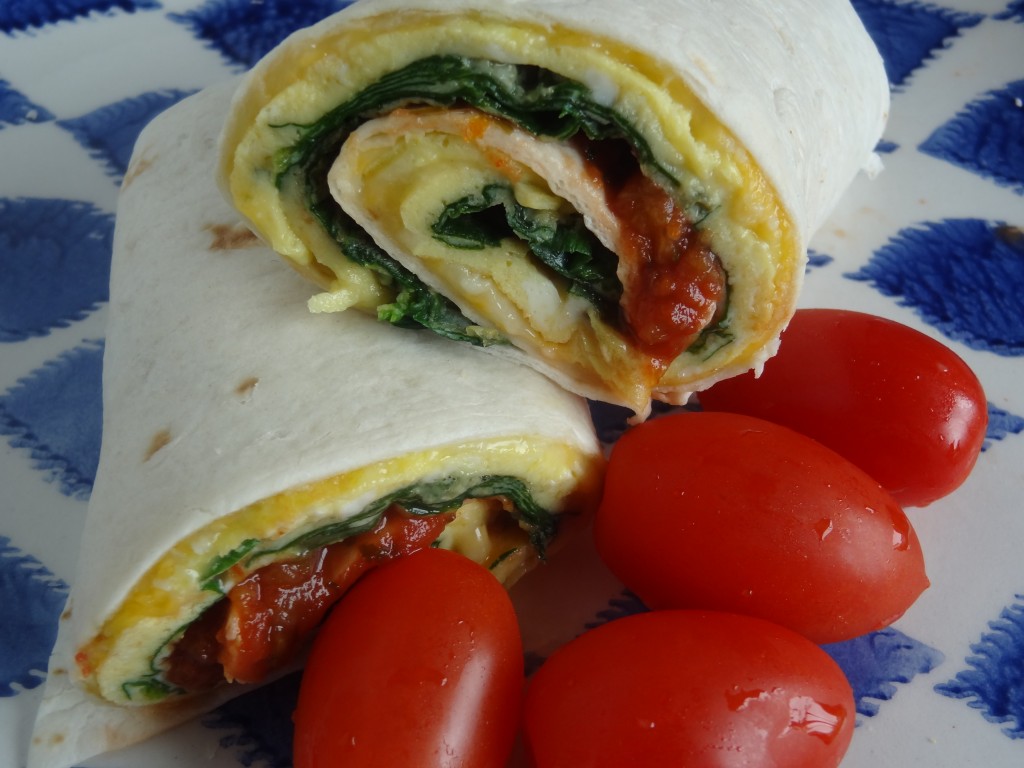
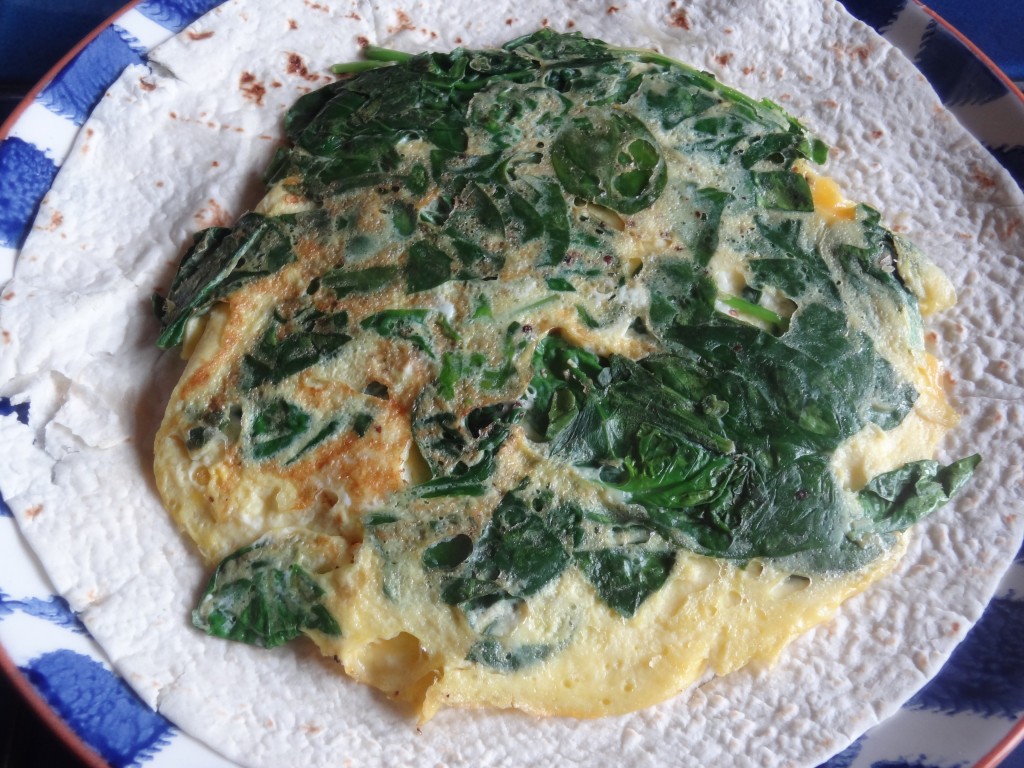
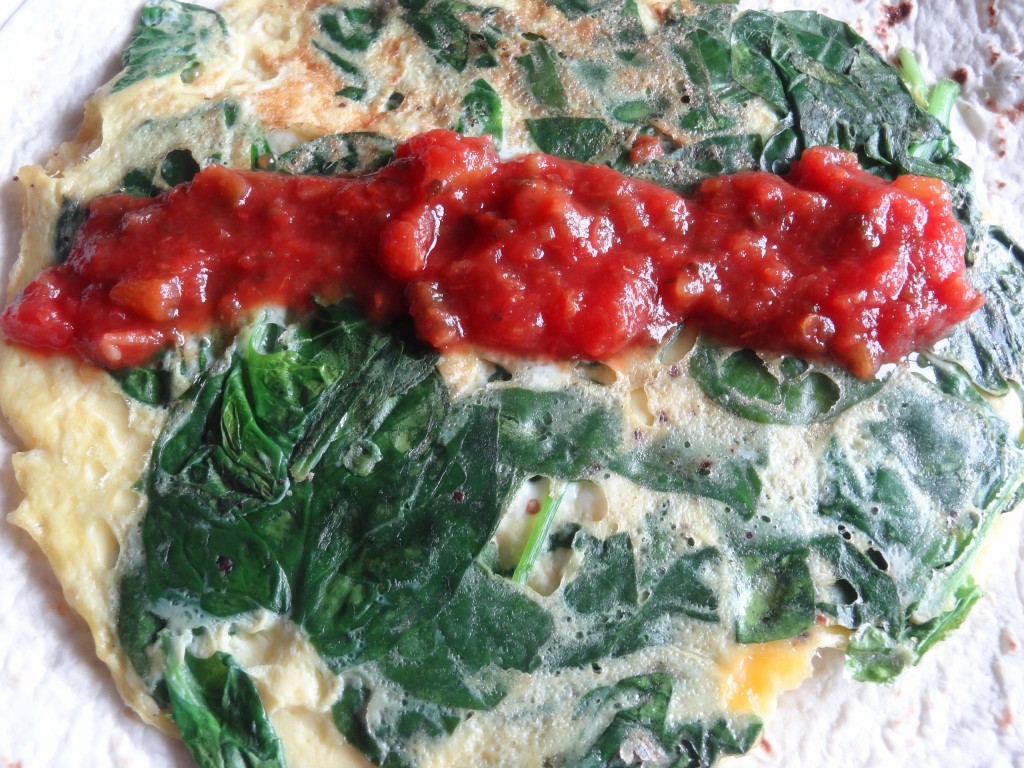
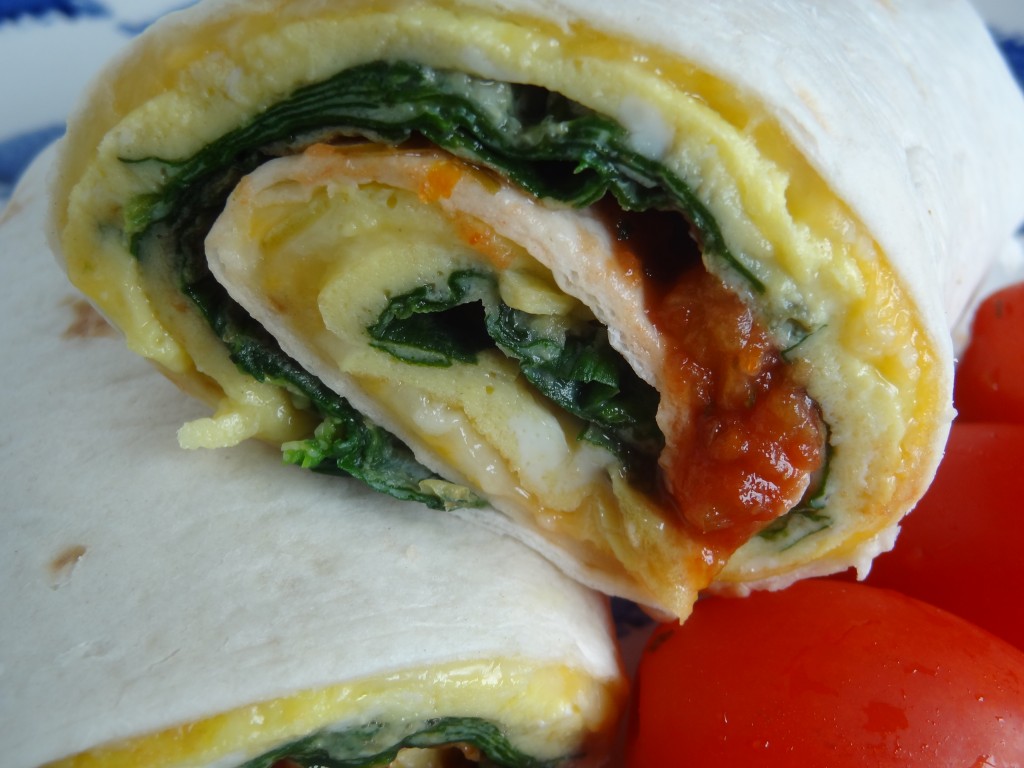
Spinach & Cheese Omelet Wrap with Salsa


Spinach & Cheese Omelet with Salsa – A perfect healthy lunch or dinner that’s under 350 calories in just 5 minutes.

It’s perfect for those days when you’re feeling a little bit lazy!

Ingredients:

1 fajita wrap

2 eggs

1 cup of baby spinach (washed and dried)

Shredded cheese

salt

pepper

Salsa

Instructions:

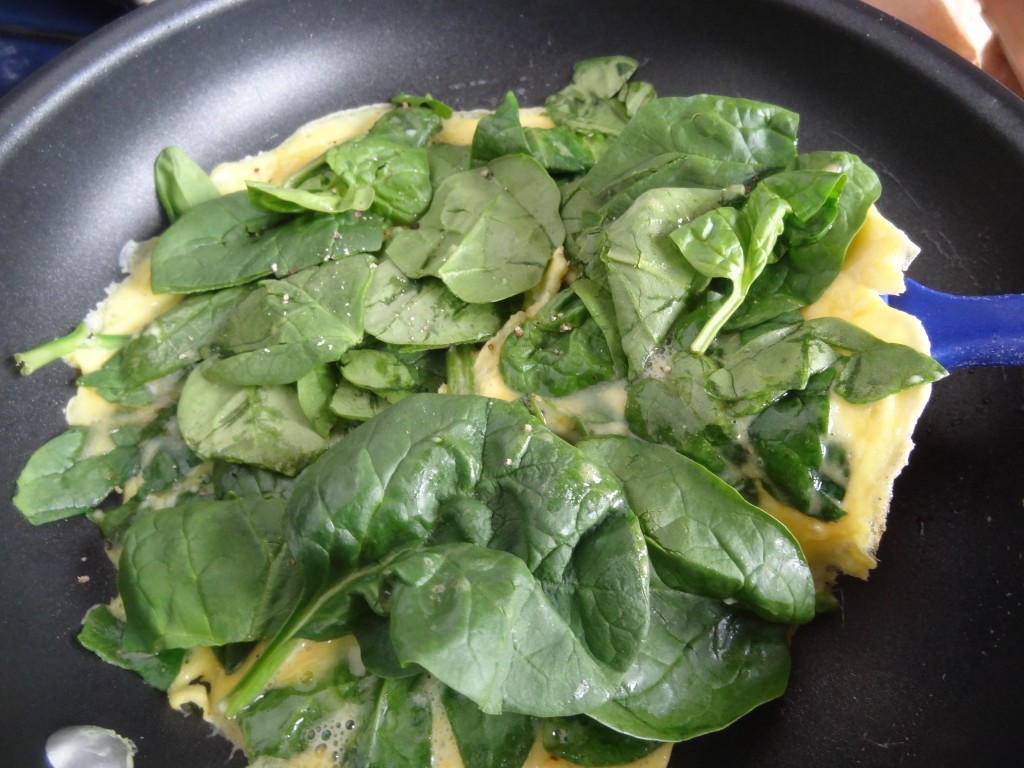
Coat a medium non stick skillet with cooking spray. Add eggs and cook for 45 seconds on low medium heat. Add spinach, salt and pepper.

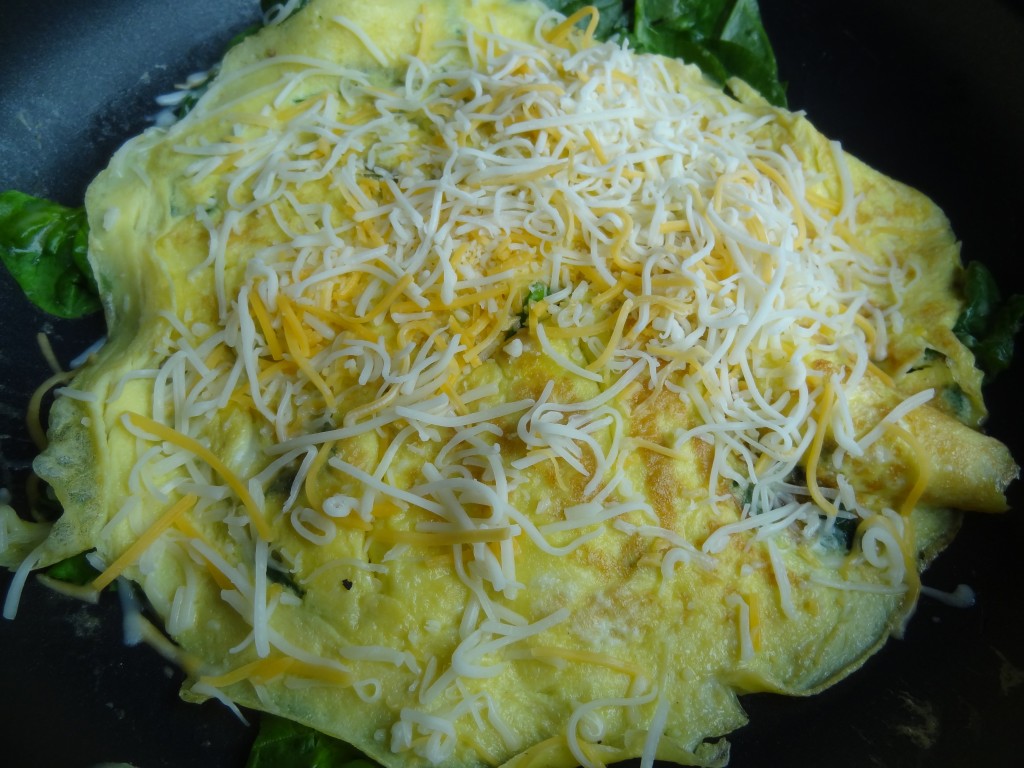
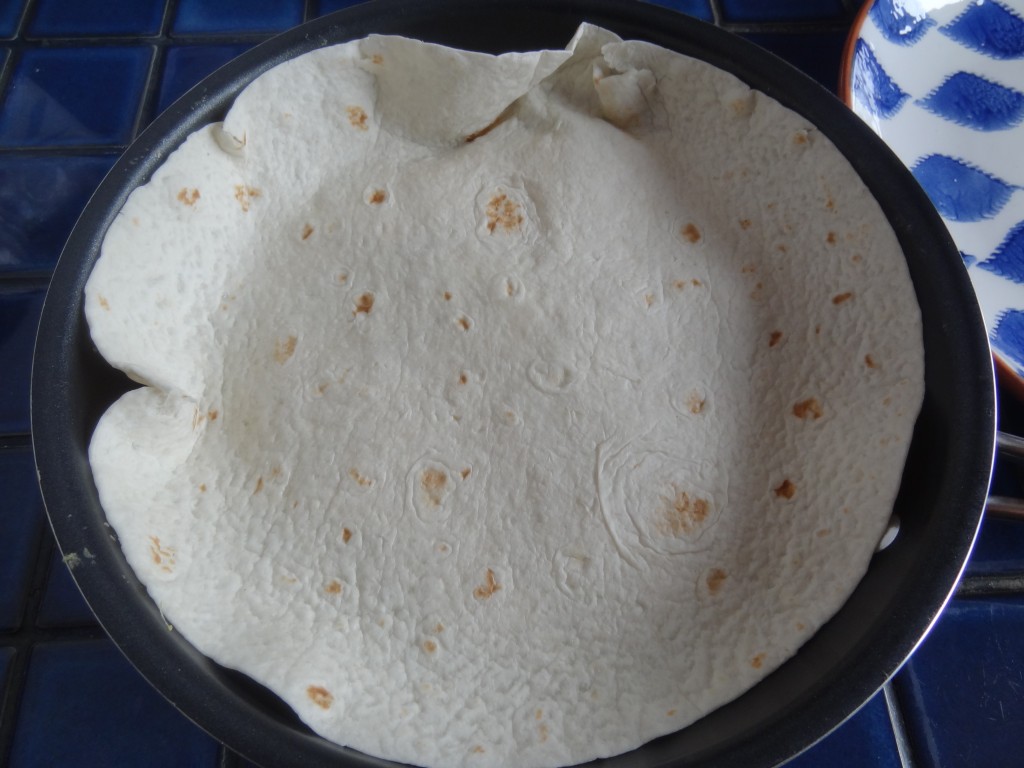
Cook for about 1 minute. Flip the omelet over and add cheese. Cover the omelet with the wrap to heat it a little.

Flip the wrap onto a plate. Add your favorite salsa. Roll up the omelet inside the wrap. Eat and enjoy!