Category: Traditional customs

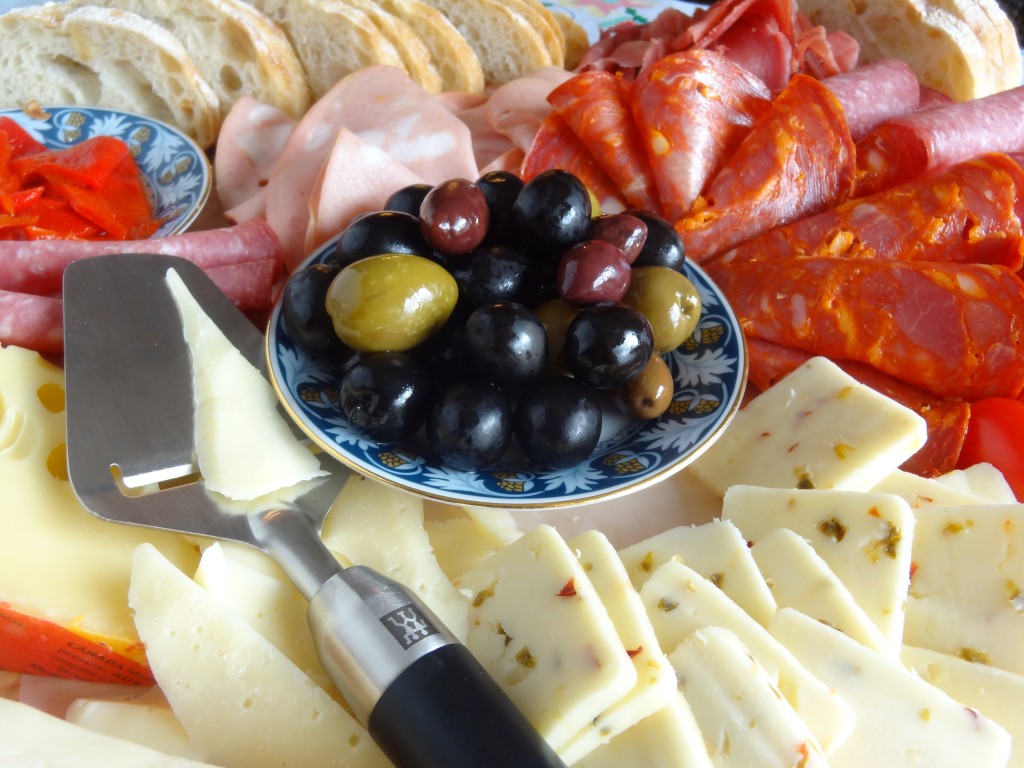
Portuguese Cheese Platter

This rustic cheese platter is a great way to start off your diner or for hosting a simple cheese and wine party. If I have a large crowd I also prepare a Portuguese Style Cold Cuts Anitpasti Platter.

I make this very often when I’m entertaining a large crowd for a diner party because it keeps the guests busy while I finish cooking dinner.

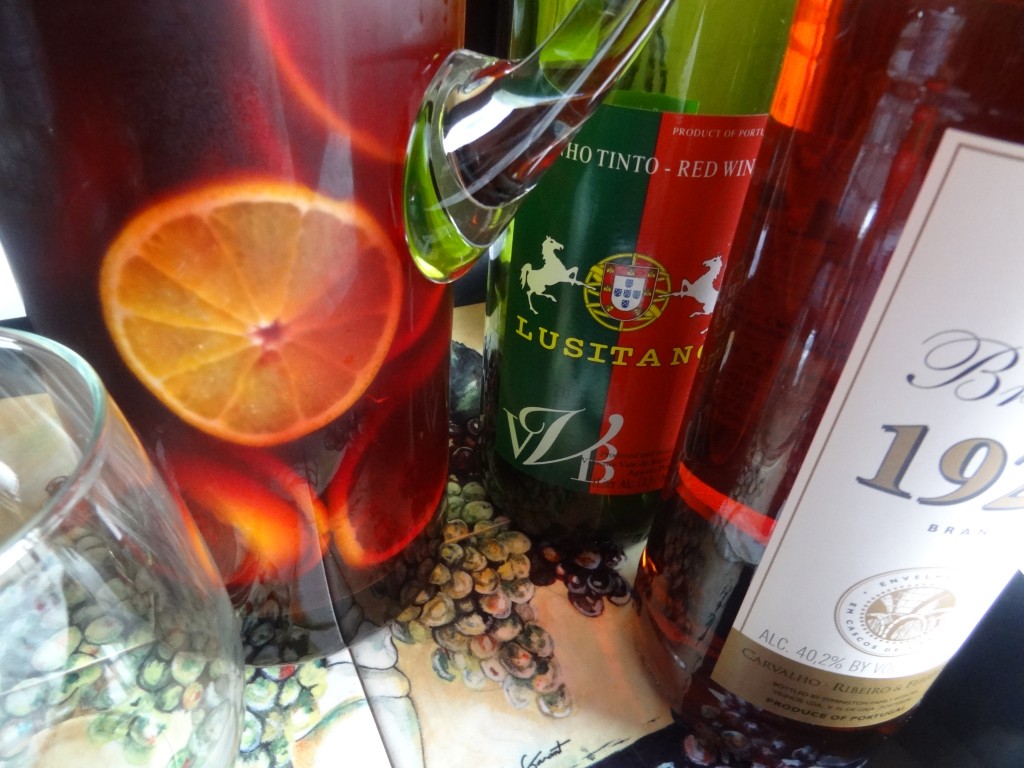
Portuguese Sangria is a perfect match with these appetizer trays.

You’ll need:

Wooden cutting board or large platter

Variety of sliced breads

Variety of Portuguese cheeses:

 Azeitão

 Évora cheese

 Nisa

 Pico

 São Jorge

 Serpa

 Serra da Estrela

 Condiments:

 Almonds

 Walnuts

 Fig jam

 Marmelada

(Portuguese Quince Jam)

 Preparation:

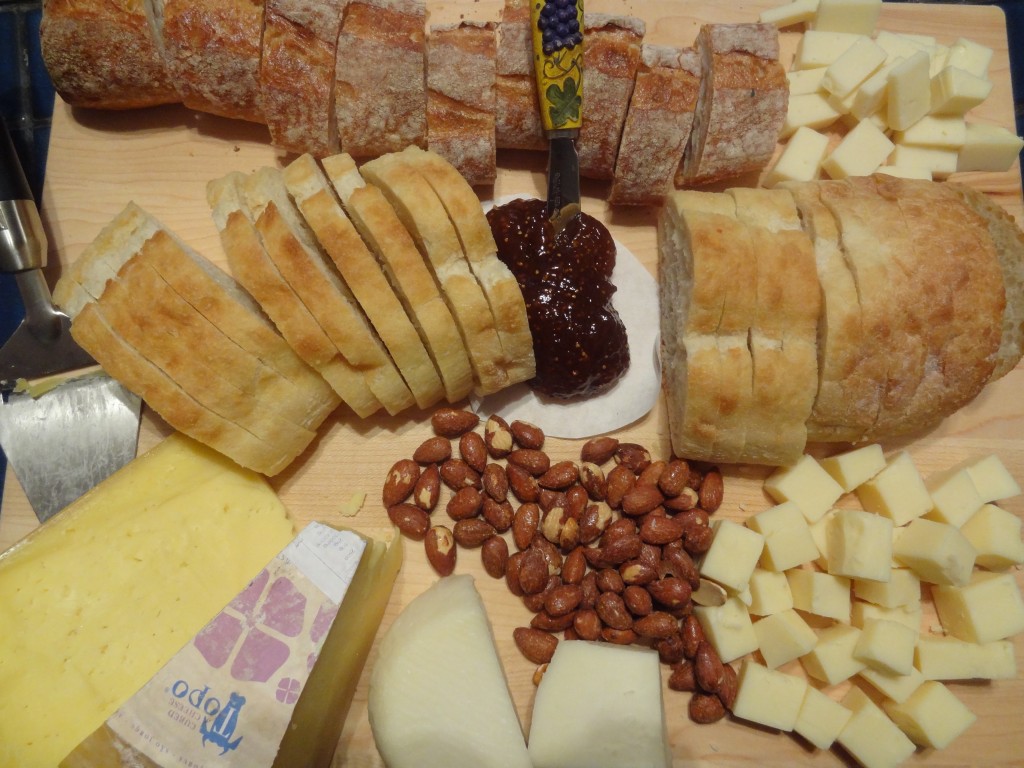
Arrange cheeses and breads around the outside of a large cutting board for a rustic effect.

Place almonds and fig jam in the center.You may also use Portuguese Marmelada and walnuts as a substitute for the figs and almonds or use any combination of spreads and nuts.

Serve with Portuguese dry or sweet wines, red, Port, or Madeira combination. Enjoy your cheese and wine party.

Here are some great articles on Portuguese Cheese: 

Perfect guide to Portuguese cheese by Catavino part 1-3

Part 1: The Ultimate User’s Guide to Portuguese Cheese | Catavino. July 20, 2009 | by Andrea Smith

Part 2. The Ultimate Guide to Portuguese Cheese/Catavino July 20, 2009 | by Andrea Smith

Part 3. The Ultimate Guide to Portuguese Cheese/Catavino July 20, 2009 | by Andrea Smith


Saveur Magazine – Portuguese Cheese

Formaggio Kitchen’s Cheese Blog-This blog has a great post on Portuguese cheese

Wine journalist Jamie Goodies Wine Blog – Portuguese cheese with Alentejo wine

catavino image credit catavino.net

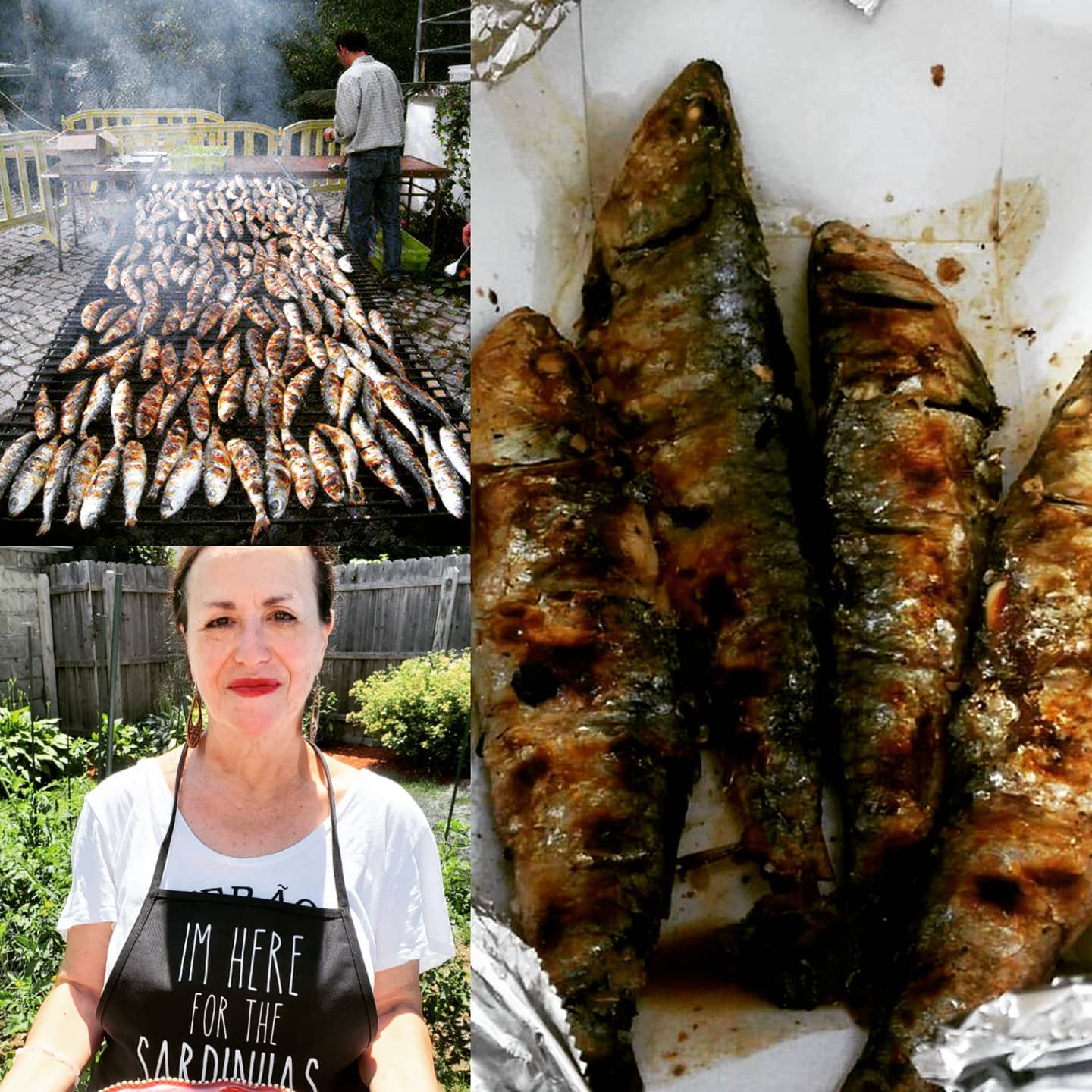
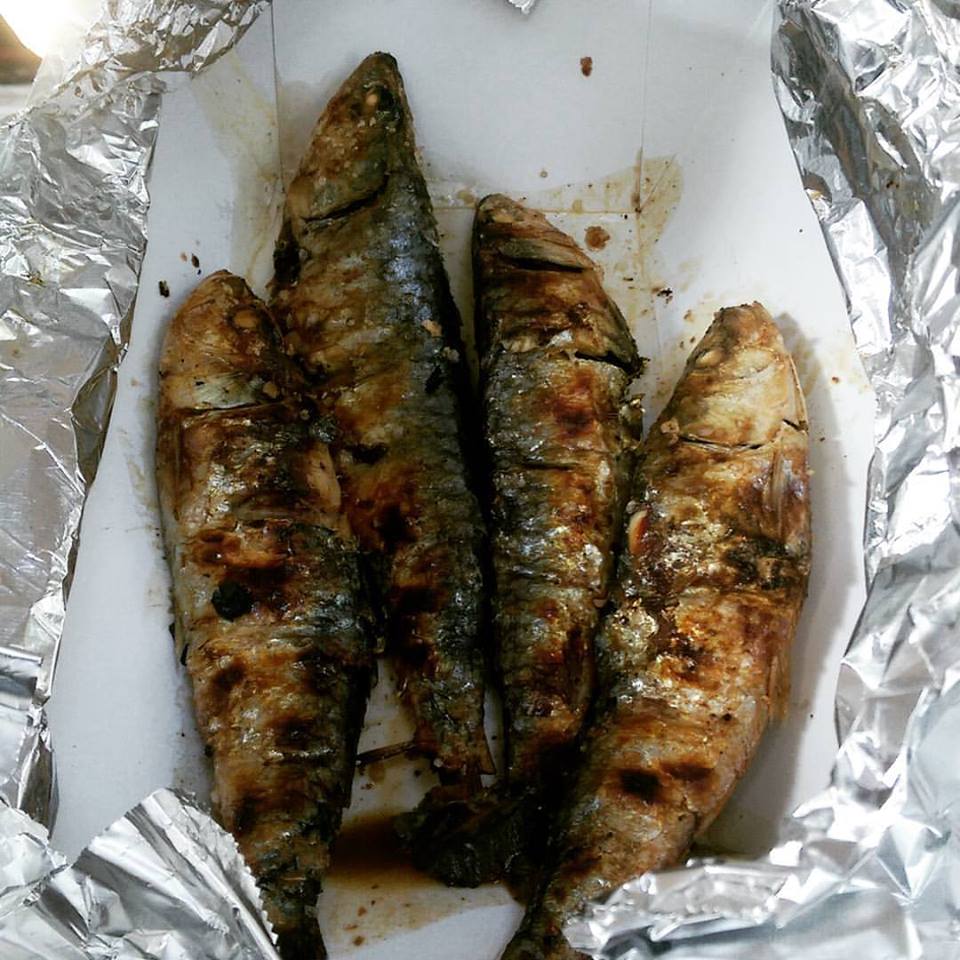
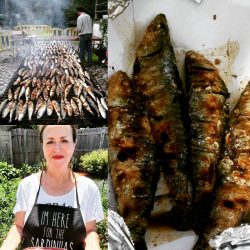
Portguese Grilled Sardines – Sardinhas Assadas

Fire Grilled Sardines with Onions Peppers

Sardinhas Assadas com Cebolada

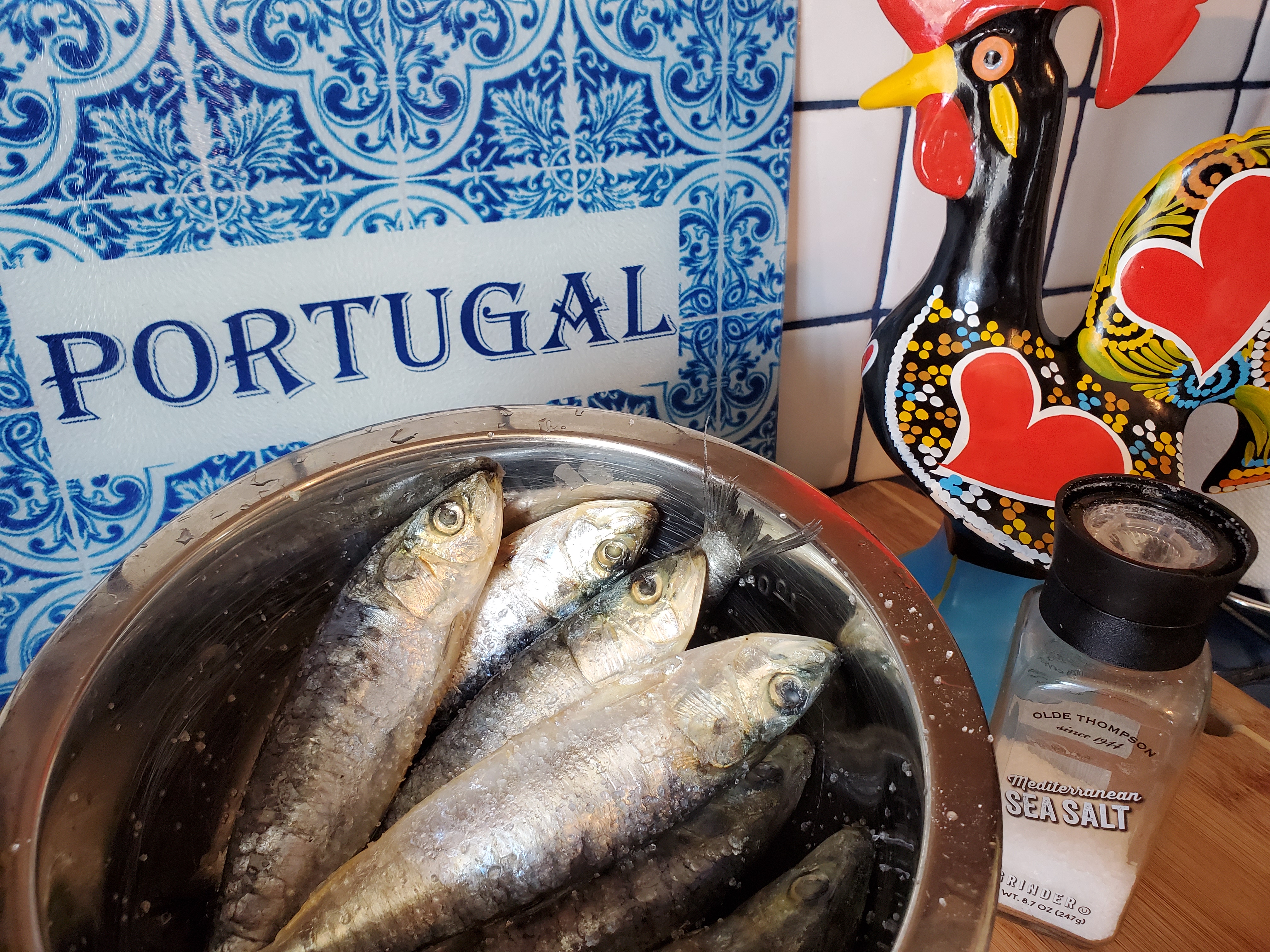
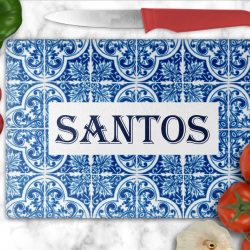
Get this beautiful PORTUGAL TILE GLASS CUTTING BOARD AND I’M HERE FOR THE SARDINHAS HERE

Sardines season in Portugal is from the month of May to October.This sustainable food is extremely popular and is very healthy because the sardines are loaded with calcium, vitamin E, protein and contain good fish oil.

Portuguese sardines have the Blue Label awarded by the Marine Stewardship Council, which means fishing of sardines in Portugal takes account the sustainability of the sea resources. Sardine catches happen all along the Portuguese Coastline but the most favored sardines come from Algarve. Portimão in the Algarve, is where you eat the best fresh grilled sardines, especially at the Sardine Festival during the first 10 days of August. sardines 

Most festivals and picnics in Portuguese communities feature sardines. The festivals for the Saints; John, Peter and Anthony feature grilled sardines and often sold by the dozen at these festivals along with Portuguese rolls; Papo Secos or other crusty breads.

When served as a main dish, they are accompanied by the humble boiled potatoes, grilled onions and peppers and a simple salad with olive oil vinaigrette.


Serves 6-8


Ingredients:

1 to 2 pounds of Fresh or Frozen Sardines

1 large red bell pepper

1 large green bell pepper

1 large onion (sliced)

2 large garlic cloves (chopped)  

Portuguese olive oil

Sea salt

Pepper

Preparation:

Step 1: If your sardines are frozen, defrost them slightly in a large bowl by rinsing them with cold water and covering them with a good coating of sea salt. Let them sit for about 30 minutes to absorb the salt. Drain any moisture from the bowl and set in the refrigerator until you’re ready to grill.

Step 2: Heat the grill on high.

Step 3: Rub the onions and peppers with salt, pepper and a little olive oil. Cook peppers and onions on the grill until the skin has charred and fully cooked all around. Place peppers in a brown paper lunch bag and set aside. Place the onions aside in a medium heat proof bowl on the grill to keep warm. 

Step 4: Meanwhile place the sardines on a slightly greased charcoal or gas grill on medium high heat. Let the sardines cook until they turn golden brown and slightly crispy, turning them gently not to break the skin.

When they are fully cooked, cover with foil and place them on a platter in a warm place.

Step 5: Remove the peppers from the paper bag and peel off the skin. You’ll find the skin will come out easily.

Slice the peppers into strips and mix with the onions. Add chopped garlic, olive oil and more salt and pepper. Heat slightly and pour the mixture over the cooked sardines.


Portuguese in California Documentary

The Red Carpet World Premiere Gala of “Portuguese in California will take place in the San Francisco Bay Area. The bilingual series captures the full essence of the Portuguese contribution to the California of today. This Premiere is the first of multiple events in the state of California before aired on TV Worldwide.

The launch will be on 27th April and will be in San Jose and Gala Red Carpet will be in San Francisco. Will be released in other parts of California with some dates already announced on their Facebook Page.

This premier showcase of the Portuguese Diaspora experience in the rich history of the development of California offers the viewer a comprehensive historical overview of this unique and vibrant ethnic population. Each episode presents a complete subject area as a standalone program. (http://www.portugueseincalifornia.com/)


The ticket purchase includes :
-Admission to the Premiere
– 1 Free DVD
– Hors D’oeuvres and cocktails
– Live Contemporary Portuguese Music “La Fora”

Purchase tickets at this link: www.eventbrite.com/e/documentary-premiere-tickets


Jean Anderson – The Food of portugal Cook Book Writer – Winner of; IACP 2014 Food Writing Award

Click to order the book on Amazon

Congratulations to Jean Anderson Winner of; IACP 2014 Food Writing Award  – Saveur Magazine for “Food I Dream Of” 

In the article, Jean Anderson writes about her love of the “Alentejo” region of Portugal!


When I bought The Food of Portugal many years ago when it was first published, I found it fascinating in its approach at introducing and teaching the reader about Portuguese cuisine to someone like me who loved the food, but had little knowledge about the origins and the history of the many dishes that I had loved since I was a child.

The book begins with the following quote;  “For thirty years now, I’ve been in love with Portugal. And no matter how often I return or how long I stay, my passion shows no sign of cooling. It’s not just the Portuguese people I warm to, or Lisbon (to my mind one of Europe’s loveliest capitals). It’s the look of the land”.

The cook book begins with part I,  “The Food and Wine of Portugal” where she gives us a brief history and a translation of the language of Portuguese food, Drink and Dining. Part II is titled; “The Best of Portuguese Cooking” with detailed recipes of the classic traditional dishes from the various regions of the country.

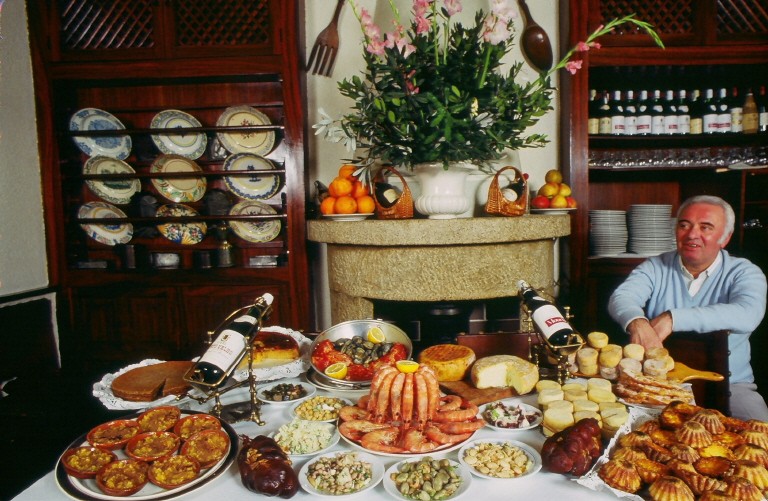
According to her website, Jean  has traveled to Portugal 89 times since her trip back in 1964. It’s evident that when you read this cook book you get the sense for her and passion, for the food and the country.  Jean’s last visit was two years ago when she was on assignment for “Gourmet Magazine” but she’s planning to return again soon. “My favorite “food cities” are Lisbon and Porto”, Jean said to me during her interview. “But I have a particular fondness for the food of Alentejo province because it’s so earthy and honest. There’s some mighty good eating in Evora, particularly a Fialho Restaurant”.  (photo below)
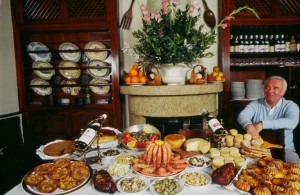
Jean’s talents go beyond her cooking genius. Her creative photography skills are evident in the photographs that she personally shoots for her award – winning cook books. The Food of Portugal has stunning photos of the food, land and the people of our beautiful country of Portugal. Here are two examples; Still Life in Evora, and Sopa de Pedra, Palmela, Portugal.

In the past Jean has won six best cookbook awards (Tastemaker, James Beard, IACP) and a member of the James Beard Cookbook Hall of Fame, Jean Anderson writes for Bon AppÉtit, Food & Wine, Cottage Living, Gourmet, More, and other national publications. Jean has written many cook books.  Her latest “Falling Off the Bone” is full of recipes for simple and nourishing comfort food with techniques for braises, pot roasts, soups, and stews for meats so tender that it falls off the bone!

When I asked Jean how Portuguese cuisine has influenced her cooking, she responded by saying;  “The Portuguese technique of “refogado” the technique of slowly sauteing onions and garlic in oil – preferably a good fruity olive oil, until translucent which intensifies the flavor, has been a major influence in my own cooking”.

As far her grasp of the Portuguese language Jean says; “I wish I could say that I am fluent in Portuguese but, alas, only speak what I call “kitchen, highway, and hotel” Portuguese”. But, I think those basic language skills which she mentioned is all anyone needs to enjoy the flavors of Portugal!


 The Food of Portugal Reviews:

“Jean Anderson is probably the food world’s greatest authority on Portuguese cooking, having made 54 trips there in the past 25 years. This fascinating and beautiful book (also photographed by the author) is the culmination of 10 years of research and testing. It is a valuable contribution to the realm of ethnic food.”
The Pleasures of Cooking
“Ms. Anderson has written many good cookbooks, but this one surpasses the rest. It is the result of a 25-year passion for the land, people, and food of Portugal. Such books are rare; buy this one and read it– even cook from it.”
Vogue Magazine
“Portugal, as much as Portuguese cooking, is the subject of this book, which is enlivened by veteran food writer Anderson’s familiarity with the country’s people, regions, rivers, and markets. The narrative is buoyed by historical notes, reminiscences, and tips on the best inns and restaurants in Portugal.”
Publishers Weekly
“Anderson breaks new ground here with a big book on a cuisine that is virtually unknown outside its own country. . . Portuguese food is not at all what most people think: ‘just like the Spanish’ . . . It deserves, and now it has, its own major cookbook.”
Library Journal


Visit Jean’s website jeanandersoncooks.com to see her What’s New  posting with two recipes from the book. On her website, Jean says;  “Because I’ve yet to receive review copies of the cookbooks now being published for the 2012 Winter List, I’m breaking precedence here to celebrate the 25th anniversary of the publication of my Portuguese cookbook, which has never been out-of-print and continues to sell briskly. I’d also like for more people to sample what’s been called “Western Europe’s least known cuisine.” It’s unique, it’s gutsy, it’s delicious.

It was quite difficult to select which recipe to use in this article since there are so many great choices in the book, but with Jean’s approval, I’m giving you the recipe for Bolinhos de Bacalhau, undoubtedly Portugal’s most popular hors d’oeuvre!

The following recipe for Jean’s Bolinhos de Bacalau is taken from;

Anderson, Jean, The Food of Portugal. William Morrow Cookbooks, 1994. Print.
 
Here’s a recipe from her book which Jean personally gave me permission to use when I wrote this article a few years ago.

Bolinhos de Bacalhau

1/2 pound dried salt cod

2 medium Maine or Eastern potatoes, peeled and cubed

1 medium yellow onion, peeled and minced

1 large garlic clove, peeled and minced

4 teaspoons olive oil

2 tablespoons finely minced parsley

1 large egg, separated

1/8 teaspoon cayenne pepper

1/8 teaspoon freshly ground black pepper

Vegetable shortening or oil for deep-fat frying


Soak the salt cod in the refrigerator 24 hours in several changes of cold water. (Keep the bowl covered so that the whole refrigerator doesn’t smell of fish.) Drain the co, rinse, and drain well again. Place in a small saucepan, add enough cold water to cover, and bring to a simmer over moderate heat. Adjust the heat so that the water barely trembles, cover and simmer the cod 15 to 20 minutes until tender. Meanwhile, boil the potatoes in enough water to cover about 20 minutes until soft, drain well , return pan to low heat, and shake well to dive off all excess moisture. When the cod is tender, drain well, then flake with a fork, removing any bones and bits of skin, mince fine and reserve.

Ina small heavy skillet set over moderate heat, saute the onion and garlic in the olive about 5 minutes until limp, mix in the parsley and set off the heat. Mash he potatoes, then mix in the reserved minced cod, onion mixture, egg yolk,  cayenne, and black pepper. Whisk the egg white to soft peaks, then fold into the cod mixture, cover and refrigerate until ready to shape the balls. (It’s best not to hold the mixture too long because it’s apt to adsorb moisture an soften too much to shape.)

Place the shortening in a deep -fat fryer, insert a deep-fat thermometer, and set over moderate high heat. Shape the cod mixture in 1-or 2 inch ball; then, as soon as the fat reaches 370 degrees F., fry in batches, about 4 large balls at a time or 6 to 8 small one, until golden brown -1 to 2 minutes. As the balls brown, lift with a slotted spoon to several thickness of paper toweling to drain then; then set uncovered in a very slow oven (250 F.) to keep warm while you fry the balance. Raise and lower the burner heat as needed to keep the temperature of the deep fat as near to 370 F. as possible. Serve the codfish balls piping hot, or , as they do in Portugal, serve at room temperature -they are especially good this way.


Portuguese Muffins Featured in Huffington Post

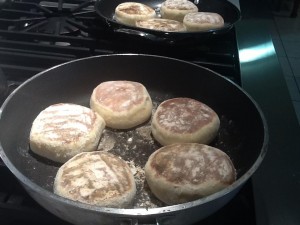
Portuguese Sweet Muffins featured in Huffington Post article!


Click on this link to read the article! Why Portuguese Muffins AreSeriously Underrated

The article links back to Tia Maria’s Blog for the recipe by Leonor Santos!

Here’s an excerpt from the article in the Huffington Post – Travel – February 22, 2014

“Popularized in the United States by Portuguese immigrants around New Bedford and Cape Cod in Massachusetts, these muffins can still be found in many a Cape Cod sandwich shop. Larger, chewier, slightly sweeter and more flavorful and substantial than an English muffin, it’s no wonder they’ve caught on outside of Massachusetts too. While they’re still not as ubiquitous English muffins, we think their time will come. Once you try one, you’ll understand why they’re seriously underrated.” Excerpt and top left photo credit: http://www.huffingtonpost.com/2014/02/25/portuguese-muffins_n_4847213.html?utm_hp_ref=travel&ir=Travel


In Rhode Island, a Celebration of Portugal – NYTimes.com

Click here or NY times article : In Rhode Island, a Celebration of Portugal – NYTimes.com.

“NEWPORTUGAL” DINNER WEEK:
MARCH 7 – 14

“Newport hotel is trying to change that with a week’s worth of Portuguese food and wine, aimed at promoting the heritage of the state’s large population of Portuguese descendants.

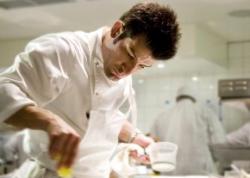
The inaugural New Portugal Food and Wine Week, hosted by the Castle Hill Inn, March 7 to 14, centers around a four-course meal created by George Mendes, the owner of Aldea restaurant in New York, and Karsten Hart, Castle Hill’s executive chef.

Mr. Mendes, whose cooking is inspired by his family’s Portuguese heritage and the culinary traditions of the Iberian Peninsula, will be on hand to prepare the first meal, on Friday, March 7, to be paired with wines selected by Bartholomew Broadbent, whose Broadbent Selections specializes in importing port, Madeira and other wines from Portugal.” Excerpt Credits: (In Rhode Island, a Celebration of Portugal By RACHEL LEE HARRIS http://intransit.blogs.nytimes.com/2014/03/03/in-rhode-island-a-celebration-of-portugal/?_php=true&_type=blogs&_r=1)

Castle Hill Restaurant, New Port, Rhode Island

Embrace the bold flavors of Portuguese-inspired cuisine while taking in the last of the crisp winter air at Castle Hill Inn. The seven-day celebration features menu offerings that pay homage to Portuguese cooking and begins with a special collaborative dinner on March 7 with George Mendes, Executive Chef of Aldea in New York City, and our own Chef Karsten Hart. Book a one-night stay during Portuguese Dinner Week [March 7-14th] and enjoy a dinner for two at Castle Hill, along with a gourmet breakfast and afternoon tea and a luxurious amenity kit upon your arrival. The menu offers an array of native dishes inspired by the Portuguese culinary scene, along with wine pairings handpicked by the experts at Broadbent Selections. This Portuguese prix-fixe menu will be available until the following Saturday for your enjoyment in the Dining Room at Castle Hill.

*One-night stay at the Castle Hill Inn (30% offf – call to book your room)
*Daily gourmet breakfast & afternoon tea
*Portuguese-inspired dinner for two at the Castle Hill Dining Room. View the menu here.
*Dinner will include wine pairings handpicked by the experts at Broadbent Selections

Dinner: $90 per person | Lodging Rates start at $590.
Call 888-466-1355 for reservations.

Credits and photo: http://castlehillinn.com/best-lodging-deals-newport-ri/

Chef Mendes photo credit: http://aldearestaurant.com/about/


Azorean Festival at The Langham, Boston

Azorean Festival at The Langham, Boston

EXPERIENCE THE AZORES AT THE LANGHAM, BOSTON

In collaboration with the Azores Promotion Board, SATA Airlines, and Escola de Formação Turística e Hoteleira (school of tourism and hospitality), The Langham, Boston is pleased to bring the color and flavor of the Azores to Boston. Join us throughout March for specially created Azorean menus served in The Reserve, Café Fleuri and BOND restaurant | lounge.

The series runs from March 3 through 30 and will officially kick-off when works of art from Ponta Delgada’s Fonseca Macedo – Arte Contemporanea are installed in the hotel lobby. The series will culminate into a four-course wine dinner March 28 featuring Portuguese entertainment.

Learn more about the Azores at visitazores.com

Credits and photo: http://boston.langhamhotels.com/restaurants/azorean-festival-boston.htm

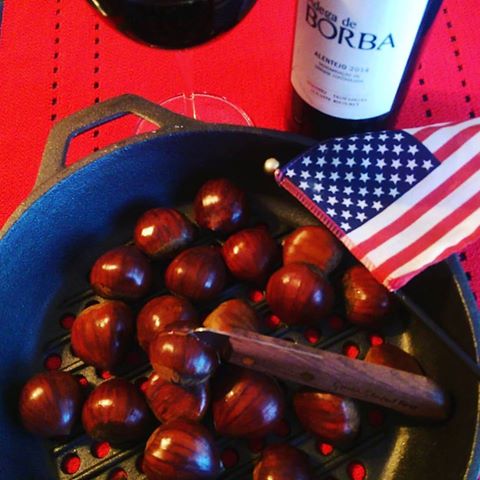
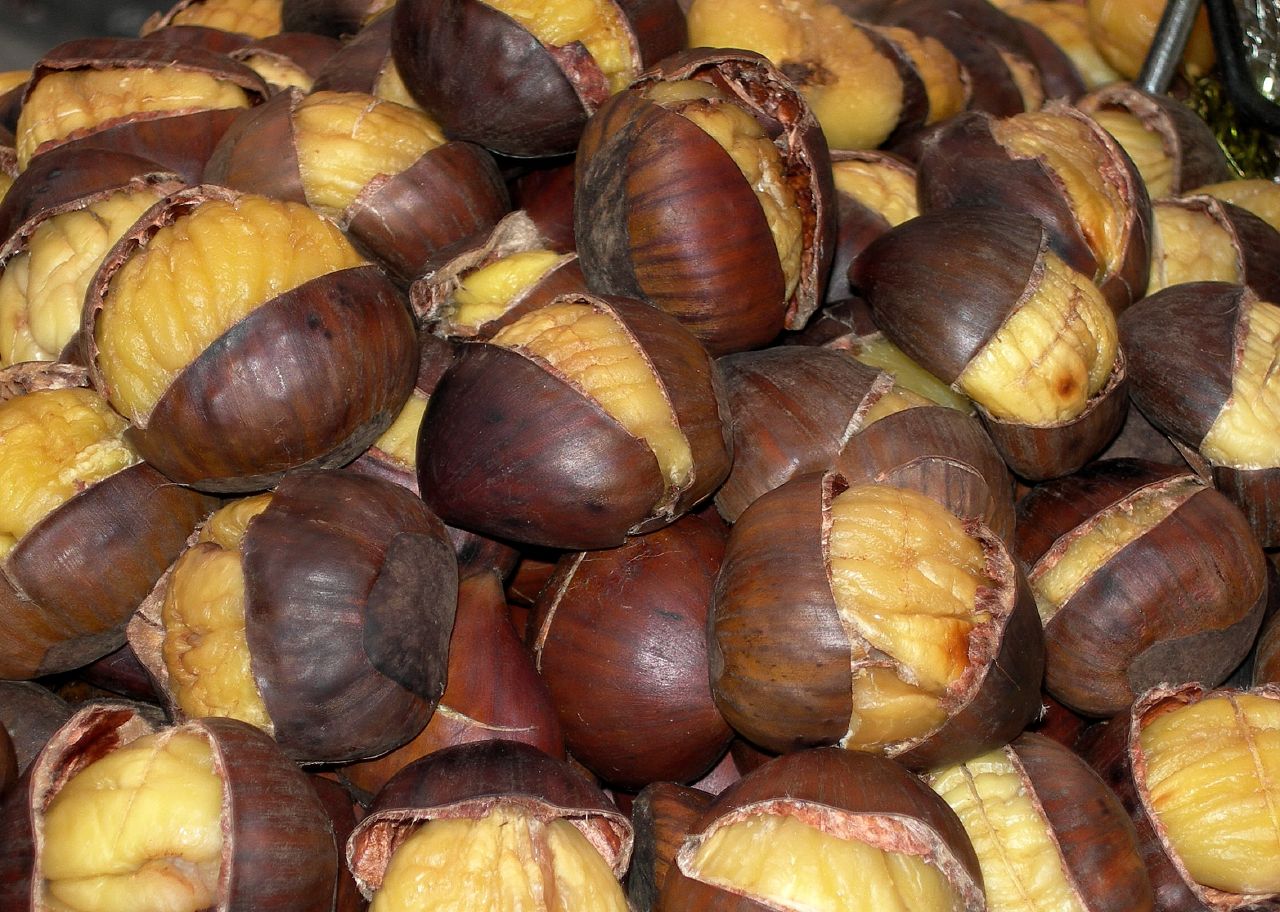
Dia de Sao Martinho – Castanhas – Roasted Chestnuts

“É dia de São Martinho;comem-se castanhas, prova-se o vinho”

“It’s Saint Martin’s day; we eat chestnuts and drink the wine”

chestnuts


Dia de Sao Martinho – Saint Martin’s Day is celebrated each year on November 11.

Martinho, was a Roman soldier who encountered a bad storm on a winter day wearing only his cape to to keep him warm.

While riding through the storm, he was approached by a beggar who was shivering with the cold. Upon seeing the beggar, Martinho cut his cloak in half to share it with the beggar. When Martinho did this good deed, the clouds broke up, the storm ended and beams of sun shined in the sky.

That night, Martin had a dream of Jesus, who was wearing the half-cloak he had given away to the beggar. A voice spoke, saying;  “’I tell you with certainty, since you did it for one of the least important of these brothers of mine, you did it for me.”

Martin became a changed man and became a patron of the poor.

From this day on, he began looking at and treating people differently and was later canonized as a saint.

St Martin’s day is celebrated in many countries of Europe, as signifying the end of Fall and beginning of winter.

In Portugal, the first wine of the season is tasted and the harvested chestnuts are eaten around a bonfire.

The weather in Portugal during this time of year is generally mild and summer like, thus called; Verão de São Martinho (St. Martin’s Summer).

As the storm dissipated by the good deed of Sao Martinho, we thank God for the good summer like weather on the saints feast!


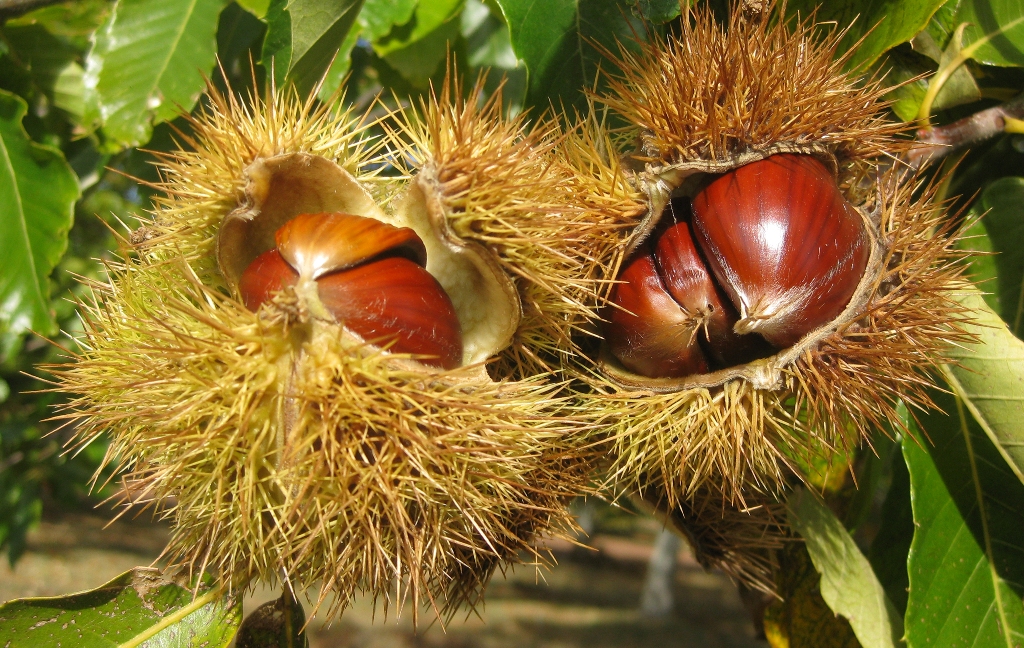
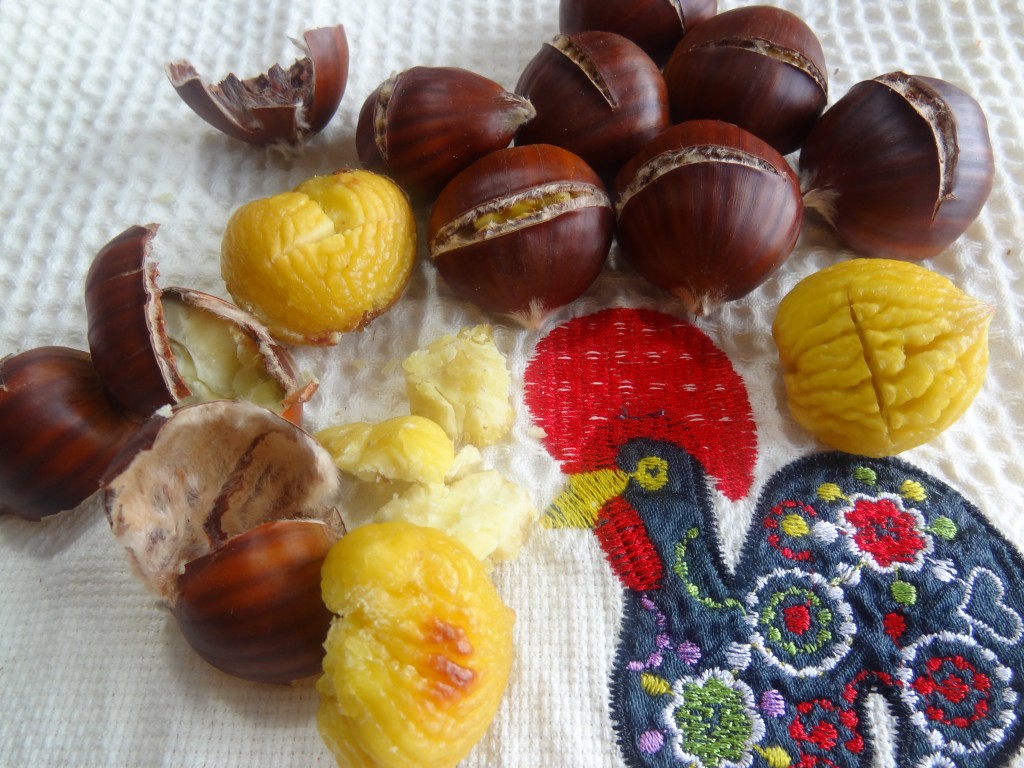
Chestnuts

The scent of roasting chestnuts during the Holiday’s is an instant heart warming feeling!

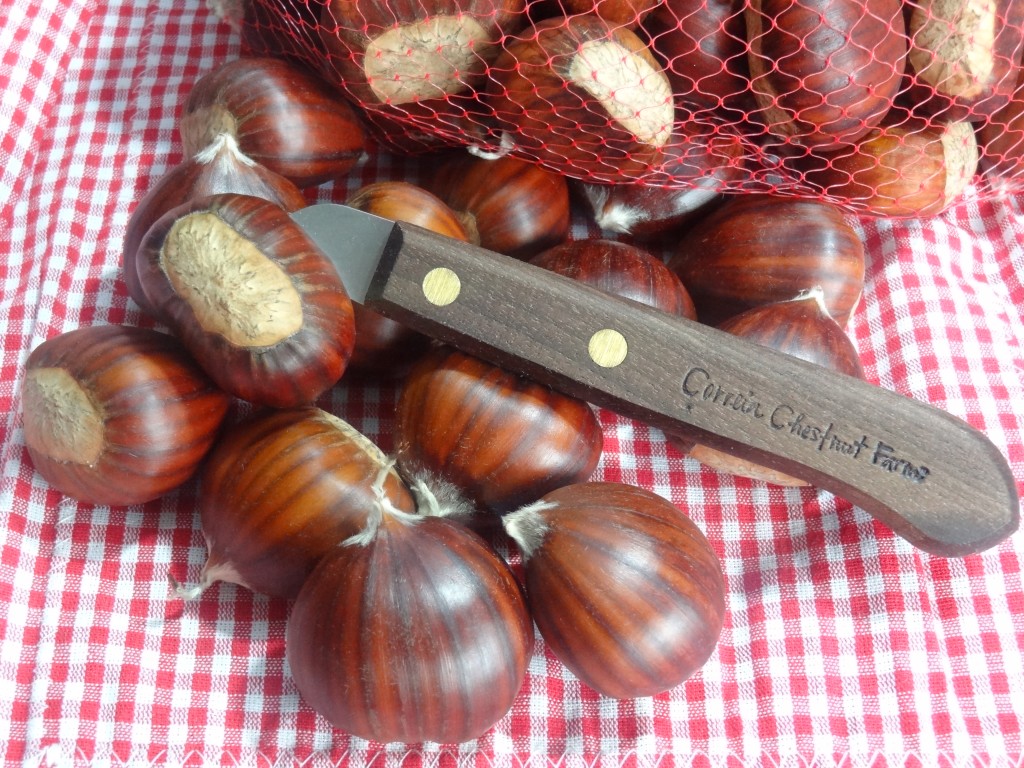
The season for chestnuts is October through late December. Look for unwrinkled shells and a glossy brown shell.

Avoid dingy shells with small pin holes. They feel very firm to the touch. Smell them for a scent of mold which means that they are not good!


How to roast Chestnuts recipe:

1. Using sharp knife, make an incision about 1/8-inch deep through the top of chestnut.

2. After slitting place the chestnuts on roasting pan and roast them at 350 degrees for about 35 minutes.

Here is a video of a different recipe with a great demonstration of the process!


Photo credit:

http://ladies-with-bottle.blogspot.com/2011/11/chestnut-liqueurfor-christmas.html

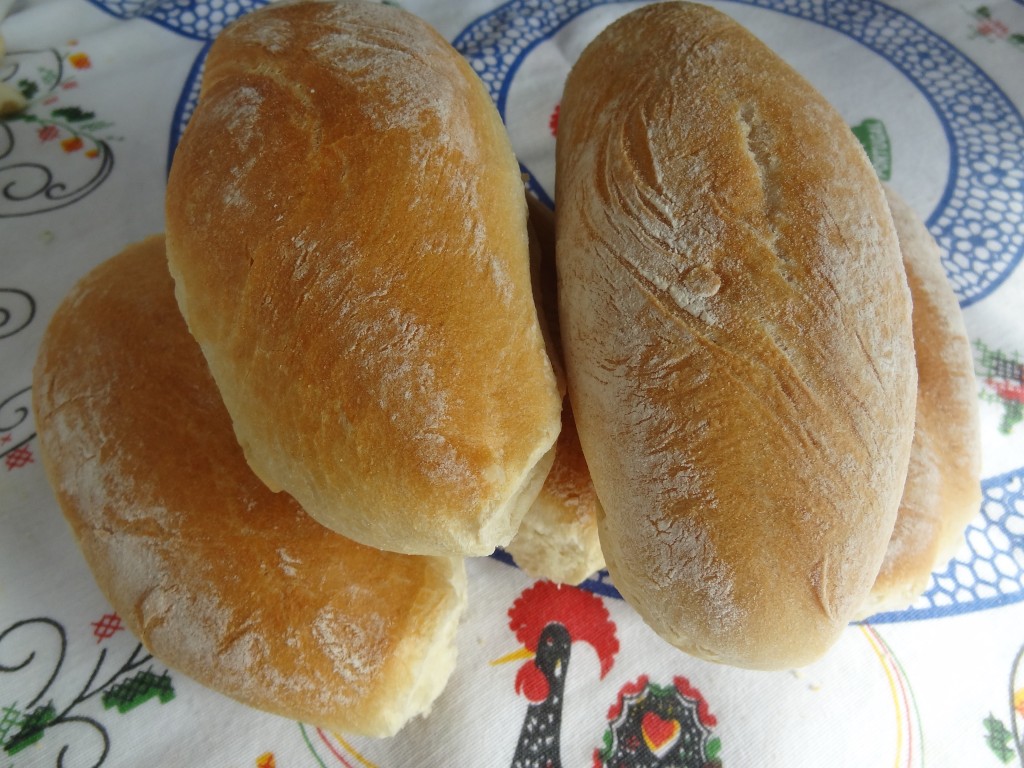
Portuguese Rolls – Papo Secos

The Portuguese passion for it’s cuisine is surely matched by the love of it’s bread!
“Good bread is the most fundamentally satisfying of all foods; and good bread with fresh butter, the greatest of feasts.” – James Beard

Various regions of the country have their own artisan favorites such as Pão de Centeio “Rye Bread” and “Broa de Milho” from Tras-Os-Montes, and Pão Alentejano from Alentejo.

The Papo Seco which literally means “dry throat” is the most popular bread eaten all over the country both in homes and a staple at every restaurant. Often people will say I have a “Papo Seco” to signify they need something to drink.

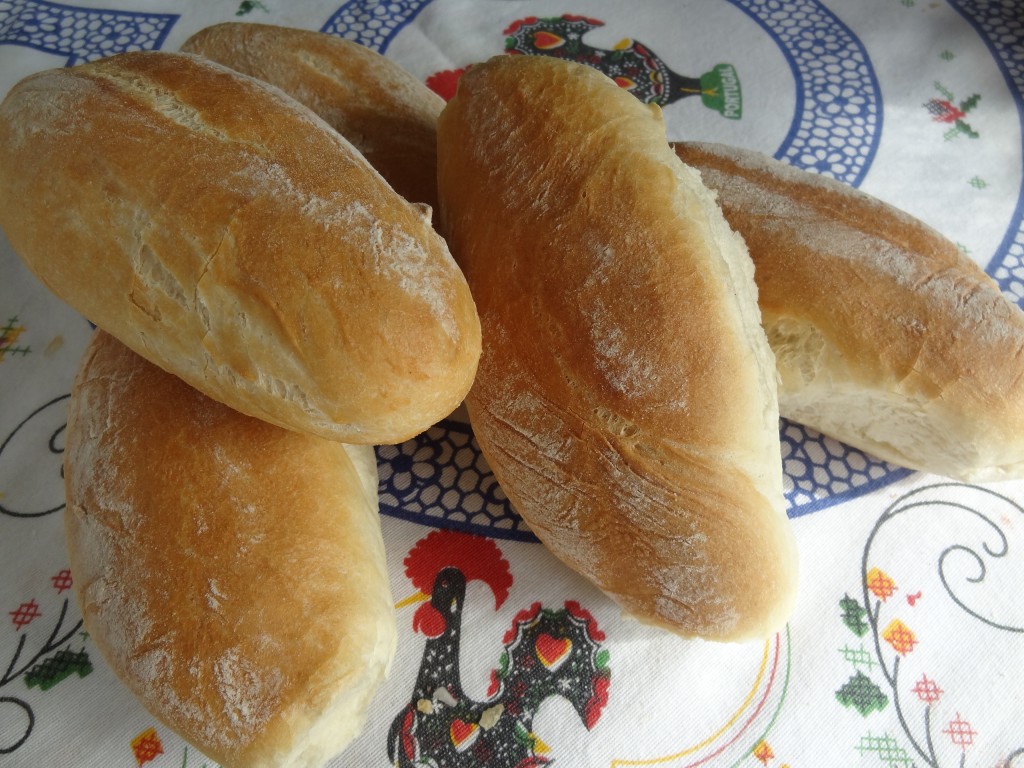
The roll is crusty on the outside and light and airy in the center which make it perfect for sandwiches and for absorbing sauces.

The method of preparing it and shape of the roll is uniquely Portuguese and extremely popular but I found there are many recipes.

While researching some bread recipes I discovered that there are many different recipes to make Papo Secos. Some use basic dry yeast, while other use (fresh starter).

Papo Seco Recipe :

Ingredients:

10 and 1/2 cups of all purpose flour (plus more for kneading)

1 and 1/4 tablespoon salt

1 and 1/4 tablespoons sugar

2 packages of active dry yeast

3 cups warm water


Instructions:

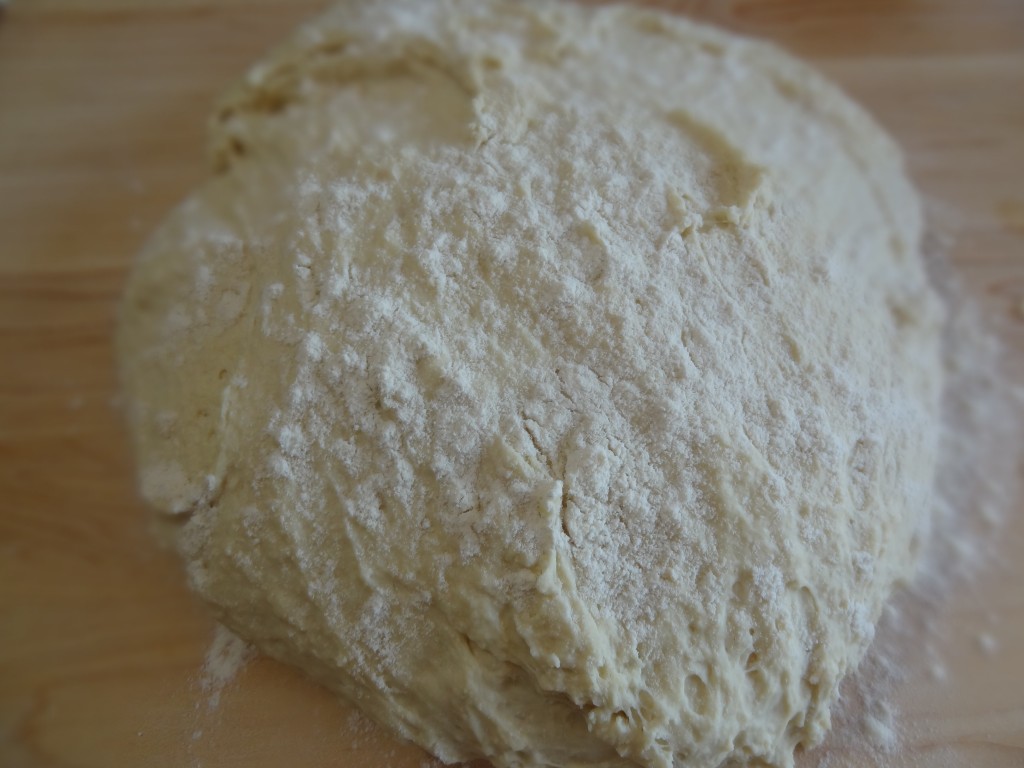
Mix water, sugar, salt and yeast in a bowl.  Add the flour a little at a time and mix with your hand or with a dough hook.

Knead for at least 10 minutes until the dough is smooth and forms a ball of dough. Poor the dough onto a floured surface and knead into a ball.

Place in a bowl, cover and store in a warm place until the dough doubles in size. Approximately one hour.

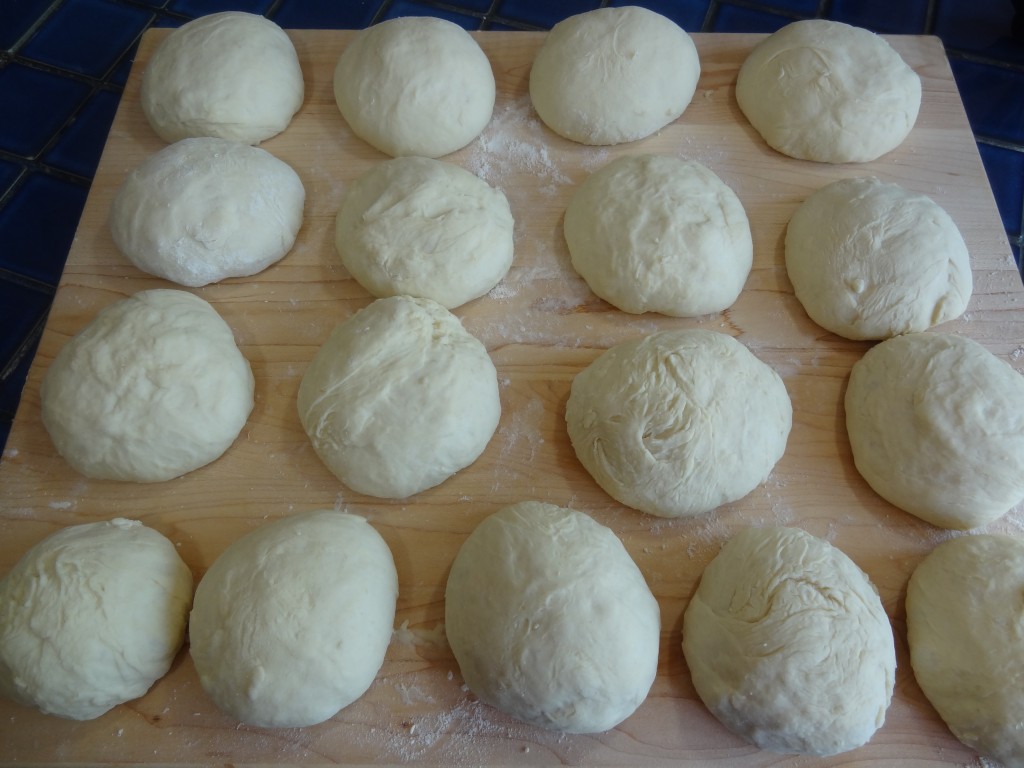
Shape the dough into balls, make a crease with your palm to form a crease and let rise for at least one hour or until doubled.

Cook at 375 degrees for 40 -45 minutes until golden brown.

 The rolls will be crusty after cooking. Place in a plastic bag when cooled and they will become softer.


Portuguese Rice With Green Beans

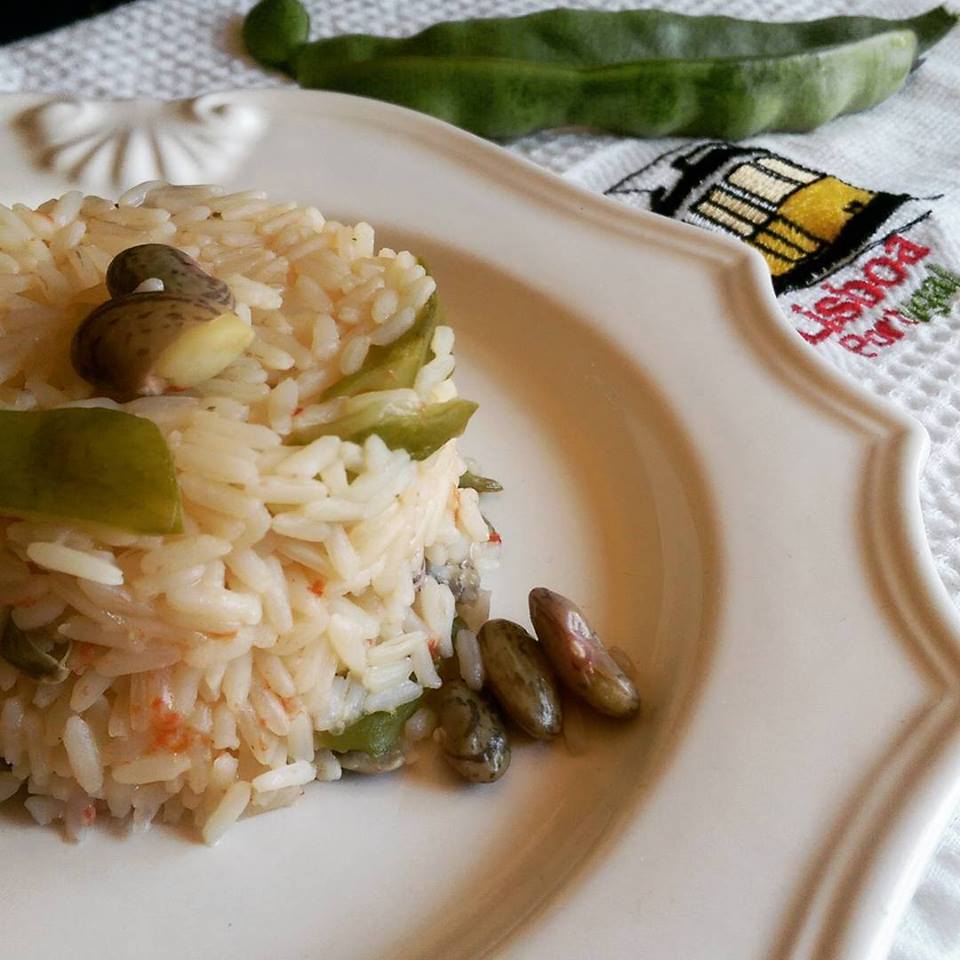
arroz-de-feijao


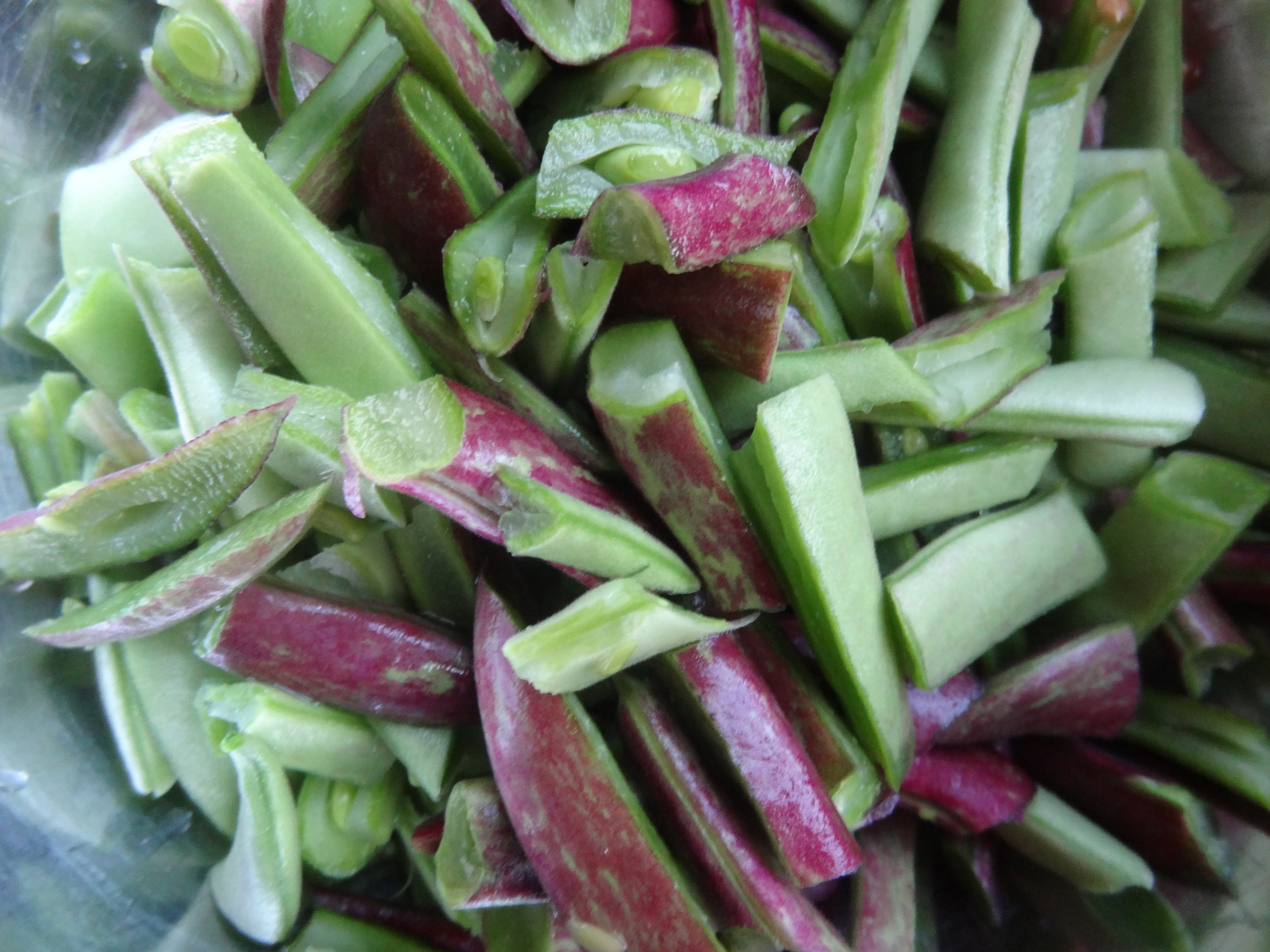
I make Portuguese rice once a week but I particularly use this recipe every summer during my green bean harvest.

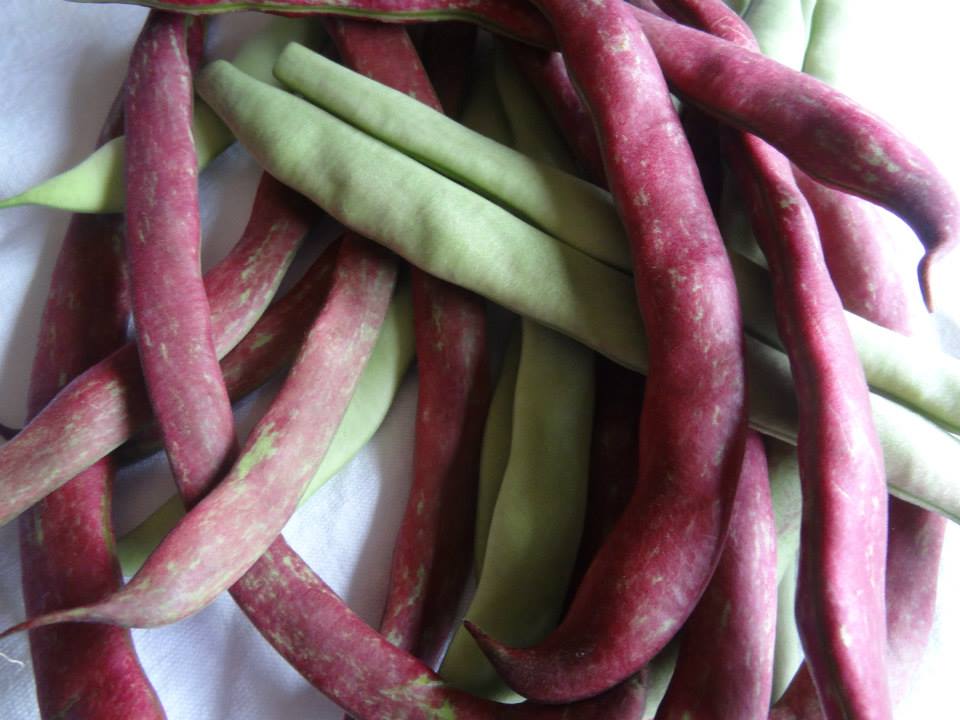
If you’ve ever eaten Heirloom Green Beans you know there is nothing like them since they are tender, sweet, and full of vitamins.

I grow my  Portuguese green beans in my garden every year from bean seeds given to me by my friend who saves her seeds every year.

They are extremely easy to grow and all you need is about 6 plants to give you a pretty good harvest.

The only extra care they need is that need watering every day, and you may have to spray them once or twice to get the garden beetles off them.

Ingredients:

2 cups fresh green beans (use frozen Italian Green Beans if you don’t have fresh)

2 cups long grain rice

1/2 small onion finely chopped

1 small very ripe tomato

2 tbsp of Olive Oil

4 cups of chicken or vegetable stock

1 tsp salt

Instructions:

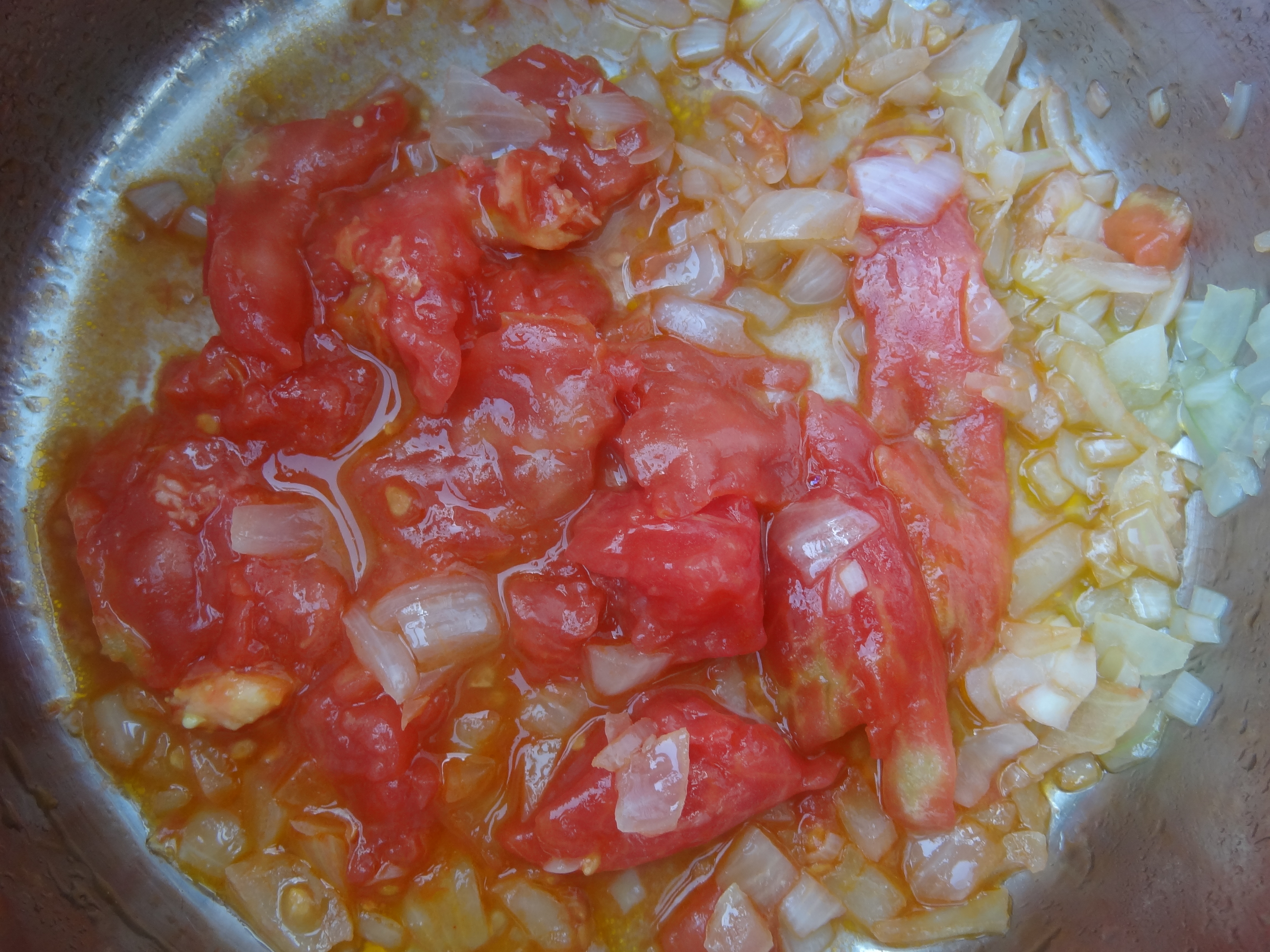
Saute the onion with the olive oil in a medium heavy saucepan until translucent. Add the tomato and cook for about 1 minute and crush it with your spoon.

Add the water or stock on cook until boiling on medium heat. Add the rice and salt. Cover and cook for 10 minutes.

Uncover the rice, and add the green beans. Stir, cover, and let the rice cook for another 10 minutes on medium.

Stir the rice a few times. If you notice the rice needs water, add only 1/2 cup of boiling water at a time.

*Do not add cold water to rice after it has already cooked.

Enjoy this recipe!