Category: Traditional customs

Giveaway: The Portuguese Travel Cookbook by Nelson Carvalheiro

If you long to visit Portugal, taste the foods, learn some history, learn about the cuisine, and mingle with the locals, I suggest you pick up a copy of The Portuguese Travel Cookbook. It’s the next best thing to physically traveling there. If you’re planning a trip, take the book along with you because it’s a great guide to plan your journey!

“This book shows you the Portuguese way of saying; I love you through food.” (The Portuguese Travel Cookbook)
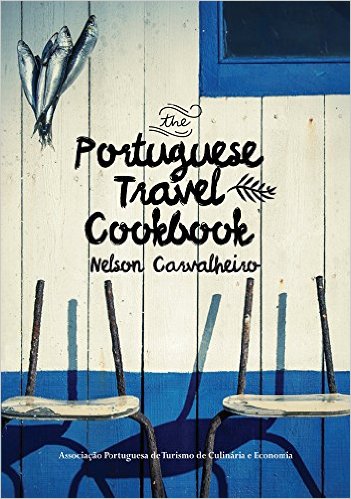
Portuguese travel cookbookNelson Carvalheiro, the author, is a travel writer, award winning blogger (FITUR 2014/2015) and a photographer. Visit Nelson’s award winning blog nelsoncarvalheiro.com. Visit his webpage to order the cookbook in Portuguese.

The cookbook has won the award the Portuguese Gourmand Winner of World Book Awards 2016, the author tells us; “My love for Portuguese cuisine knows no boundaries or limits, is something that is in my soul, in my skin and in my heart. It is the Portuguese identity that matters the most and something I strive to preserve for future generations.” He also says that since he was a little boy, his favorite hobby is and always has been “eating.”

Like most of us who grew up with the comforting meals made by our Portuguese mother’s, grandmothers, and relatives, the passion for our cuisine is deep in our soul, because it brings back joyous memories of home.
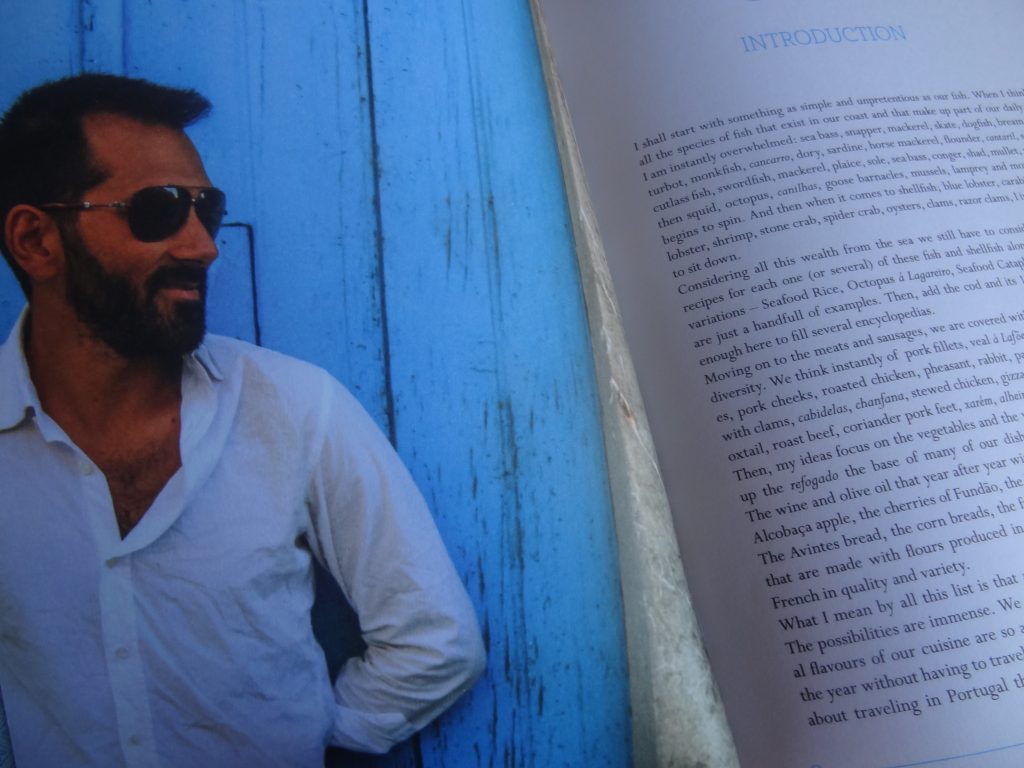
DSC05827

ORDER HERE
Leave a comment on this post, Instagram or the Facebook feed mentioning the contest to be entered to win a free signed copy of the English version! Good luck everyone! ****This contest has ended. Thank you for participating.******

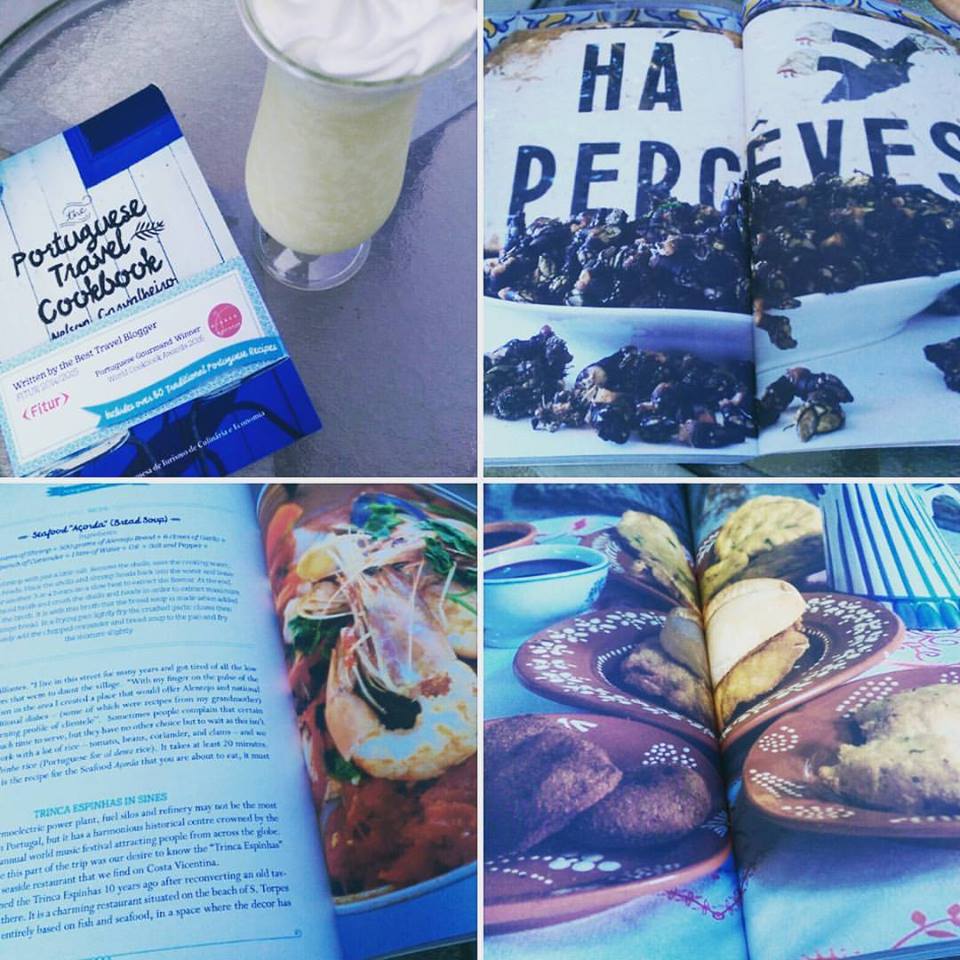
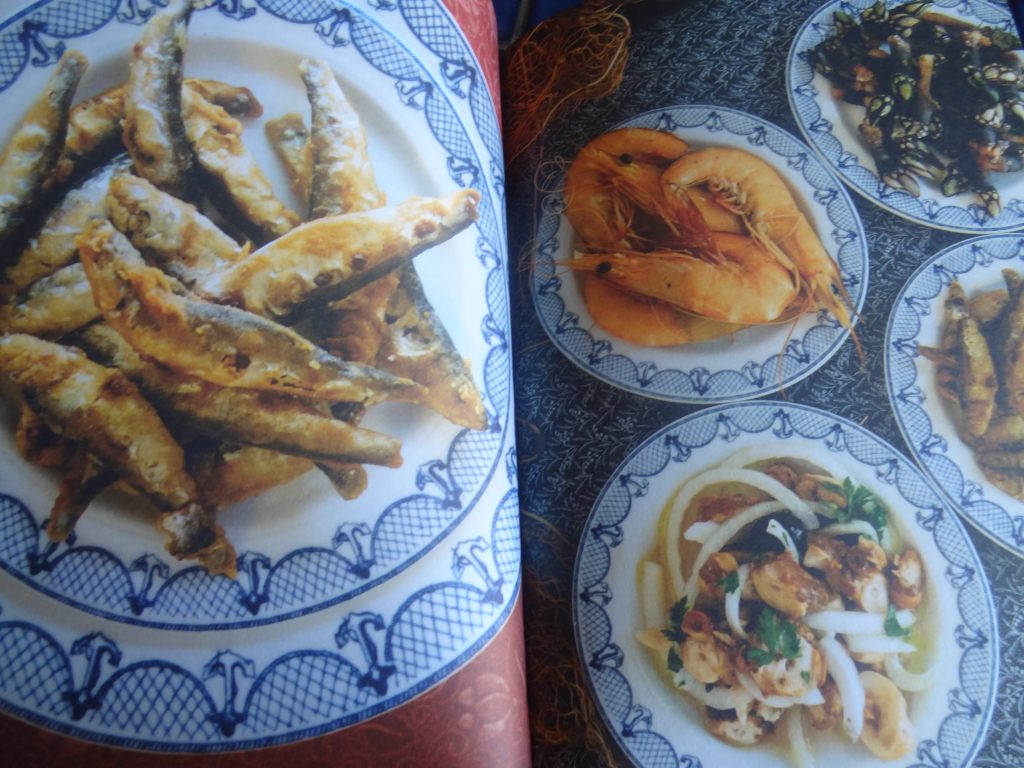
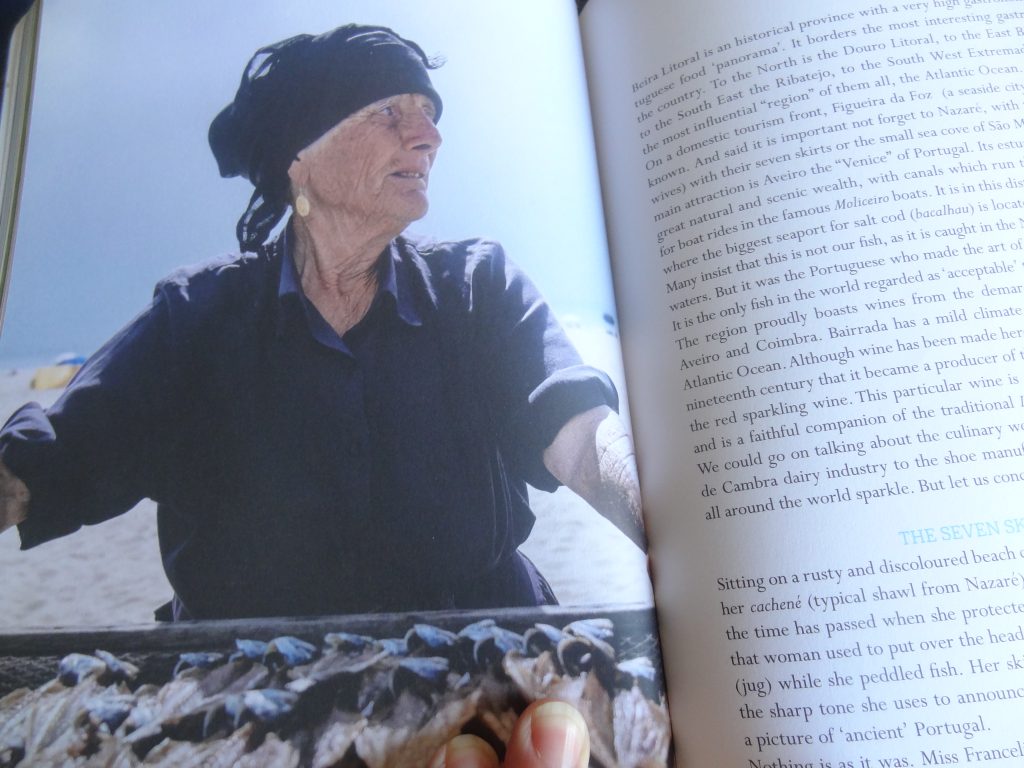
The author put his heart and soul into this cookbook which reflects the love between this man and his beloved country. Nelson and his photographer, Emanuele take us on a journey around Portugal spanning 300 cities, towns and villages from the beaches of Algarve to the mountains of the North. They visited almost 90 restaurants and tasted over 250 dishes. Stunning photography by Emanuele brings us up close to heartwarming simplicity of the old landscape, villages and rusticity of the many faces of Portugal’s inhabitants. It also includes 50 traditional authentic Portuguese dishes from the places he visited.

I read his book these past few weeks while on my vacation on the shore of the Rhode Island, nicknamed; “The Ocean State” which has a vast coastline like Portugal. I sat on my beach chair with my toes digging into soft sand often looking up at the sunny landscape where the ocean meet the clear blue sky. I said to myself, that if I sailed off into that ocean, in a straight horizontal line, I would place my feet on the very distant shores of Portugal. Although the distance between Nelson and I, is far and wide, as I read the book, I felt a bond and a connection to him because we have the same love for the food of Portugal, it’s cultural identity and it’s heritage.
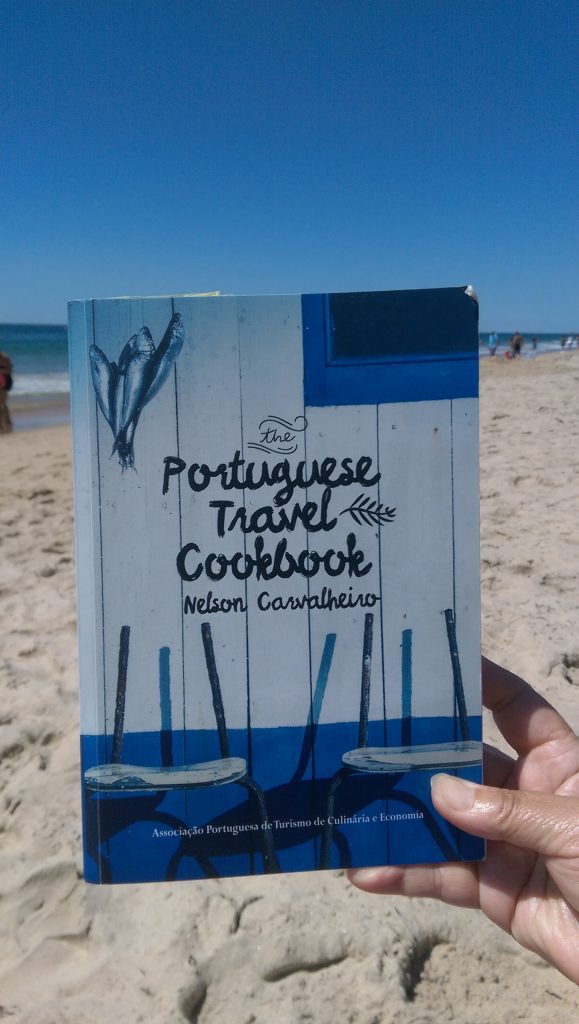
Portuguese travel cookbook

Portuguese travel cookbook 1The cookbook  took me on a spiritual, inspirational, and educational journey. Reading each page I felt as if was there traveling right alongside him, meeting the locals,  listening to the stories from those faces that bring me back to the past. I could and taste the dishes so lovingly prepared by fisherman, farmers, chefs and locals he introduced me to. The familiar names which are so recognizable, the faces in the photographs that remind me of my ancestors and the foods that brought me sweet memories of family, love and home.

Portugal is a part of me. I have often longed to travel the paths which Nelson so lovingly paved for me and this book brings me to the same rustic tables he dined in the forgotten countryside of the north, I can taste the wine from the vineyards that grow in the mountains and valleys of the Douro. I see the Algarve with it’s beautiful beaches, cliffs and amazing seafood dishes. In the Alentejo I taste the wines, savor the rich foods from the land, and listen to the Cante Alentejo, (Alentejo popular singing) from those that love the land and sing about the joys and sorrows of life. Here’s the sample Nelson put in his book below.

“I am indebted to the earth, the earth is in debt to me. the land pays me with life; I pay the earth by dying.”

Although I left Portugal as a young girl, this cookbook made me feel as if I never left. Happy travel to Portugal everyone!

The food and the 50 authentic recipes had me at hello.
DSC05837

The beautiful rustic faces of our heritage remind me of my ancestors.
DSC05839

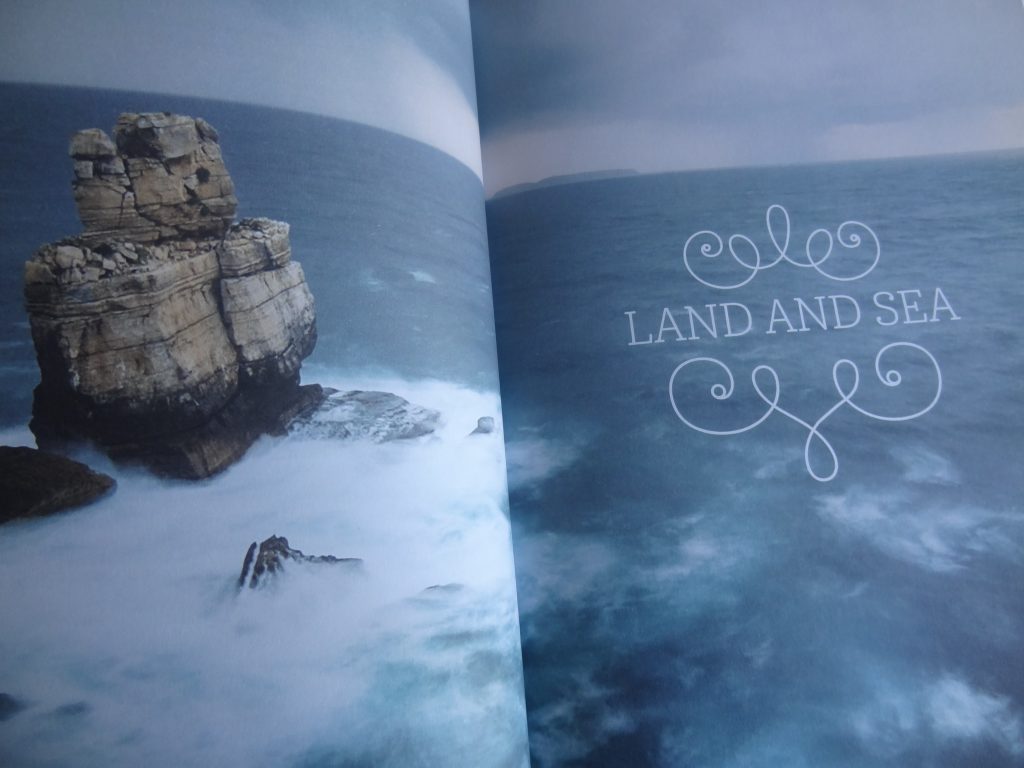
The spectacular photographs want me to jump on the plane and visit.
DSC05828

The beautiful cities and landscapes bring me to another time in history.

DSC05831

*Contest open to residents of USA and Canada only. Winner will be chosen at random on August 22, 2016.
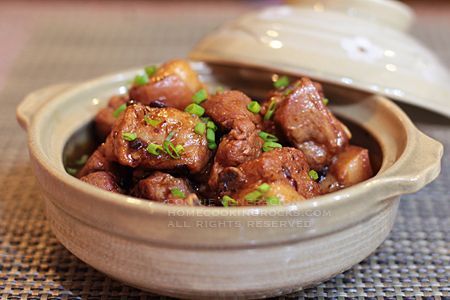
 

Carne Vinha d’alhos – Garlic Wine Marinated Pork

In the Island of Madeira, during the family reunion on Christmas Eve it is customary to have chicken broth, apart from other meat dishes. Also, families usually drink the typical homemade tangerine, orange and anise liqueurs or even a glass of Madeira Wine.

On Christmas Day, a dish of Vinho d’ Alho,  pork loin marinated in wine is served.

Ingredients:

2 pounds of pork loin (with some fat cut into 2 inch cubes)

1 cup of red wine vinegar

1 cup of dry white wine

2 tablespoon of kosher salt

10 garlic cloves (chopped)

3 Bay leaves

1 teaspoon black Pepper

1 teaspoon dried red pepper flakes

1 teaspoon of paprika

1/4 cup olive oil

Preparation:

Cut the meat in cubes and season with salt. Let marinate for 12 hours. Make marinade with the vinegar, wine, garlic, bay leaves, pepper, pepper flakes, paprika and 1/4 cup of the olive oil.

Place the meat in the marinade for at least three days in the refrigerator. The traditional way is to marinate in a food safe clay pot but you can use a ceramic bowl or plastic bag.

Drain the meat from the marinade and cook in hot heavy skillet in a little olive oil. Cook in batches until browned on all sides and fully cooked.

The traditional way to serve the pork is with crusty bread that has been fried in the same pan using any leftover oil.

Serve with bread, potatoes, or rice.


 Image credit: portuguesefoodrecipes.com

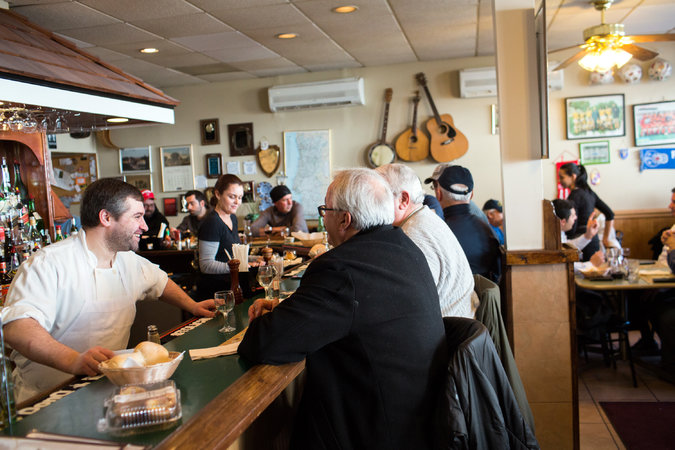
A Review of Primavera Pub in Hartford in NYTimes.com

image credit: Christopher Capozziello for The New York Times

Portugal’s Heritage, Soaked in Wine and Garlic: A Review of Primavera Pub in Hartford – NYTimes.com.

New York Times review of Primavera Pub in Hartford, Ct.

By RAND RICHARDS COOPER

Click here for the full article


Following text credit to : RAND RICHARDS COOPER NYT

THE SPACE Seating for 35 in a small, homey room with stained drop-ceiling panels, gingham curtains, rudimentary mismatched chairs and tables, and walls decorated with family photos, musical instruments and commemorative soccer balls. Wheelchair access through the front door.

THE CROWD Regulars, many speaking Portuguese, chow down on colossal portions of seafood and grilled meats served by two friendly waitresses, in stylish black jeans, skillfully navigating the crowded room.

THE BAR Seating for a dozen, with full dining. Drinks include standard cocktails along with Portuguese beers; a changeable wine list of about 15 mostly Portuguese bottles, from $16 to $27; and house wine by the glass from $2 to $3.50.

THE BILL The bargains include appetizers, $4.50 to $8.50; soups, salads and sandwiches, $3 to $8.50; entrees, $13.50 to $16.50; and desserts, $2 to $3.50. All major credit cards except American Express.

WHAT WE LIKED Shrimp cakes, vegetable soup, grilled sausage and peppers, steak sandwich, garlic shrimp, clams in white wine and garlic, grilled shrimp and squid, seafood pasta, wild boar, rib-eye steak with mushrooms, picadinho, bacalhau and clams caldeirada, braised rabbit stew, grilled octopus, porco alentejana, toasted almond cake, flan.

IF YOU GO All-day menu served Tuesdays through Saturdays, 11:30 a.m. to 9 p.m., and Sundays, 11:30 a.m. to 7 p.m. Reservations not accepted. Parking in lot.

RATINGS Excellent, Very Good, Good, Fair, Poor.

Primavera Pub

271 Newington Avenue

Hartford

860-953-7411

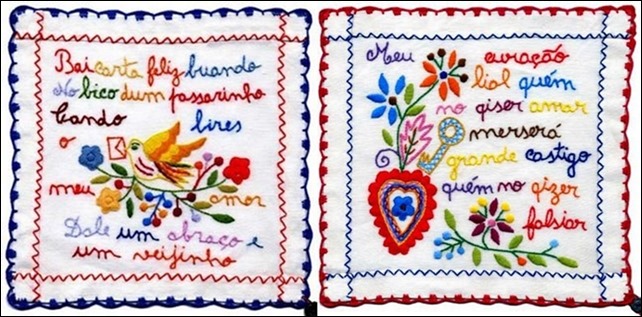
Lenços dos Namorados – Portuguese Sweetheart Handkerchiefs

Photo credit: http://www.turistaprofissional.com

Happy Valentine’s Day

Hundreds of years ago, young women of marring age began making “Lenços dos Namorados” – Sweetheart Handkerchiefs, to show love for their sweethearts.

They were made of linen or cotton and embroidered with several romantic and love-related motifs with flowers, birds, hearts, and verses from love poems.

The motifs meant; a rose = woman; a heart = love; a lily = virginity; a red carnation = some provocation; and doves = the symbol of the couple in love.

This handcraft was a typical clothing used by young women looking for love in the Minho province of Northwestern Portugal.

“Our love when end, when this love can fly”

The handkerchiefs have their origin in the 17th century, when they were used among the Portuguese nobility as “marriage proposal handkerchiefs,” but later became popular as a way to start dating someone. Young girls at that time learned embroidery at an early age and later used these techniques to show their admiration for their loves.

These young women would often embroider a handkerchief and give it to their sweetheart as a sign of their love just before he would leave on a sea journey to the former colonial provinces. The men would then wear the handkerchief in public to show everyone they were in a committed relationship.

Today, the craft is a regional certified handcraft where a committee evaluates the handkerchiefs strict criteria including the motifs, the threads, size and colors. If it meets their requirements, they certify it as an approved handicraft.


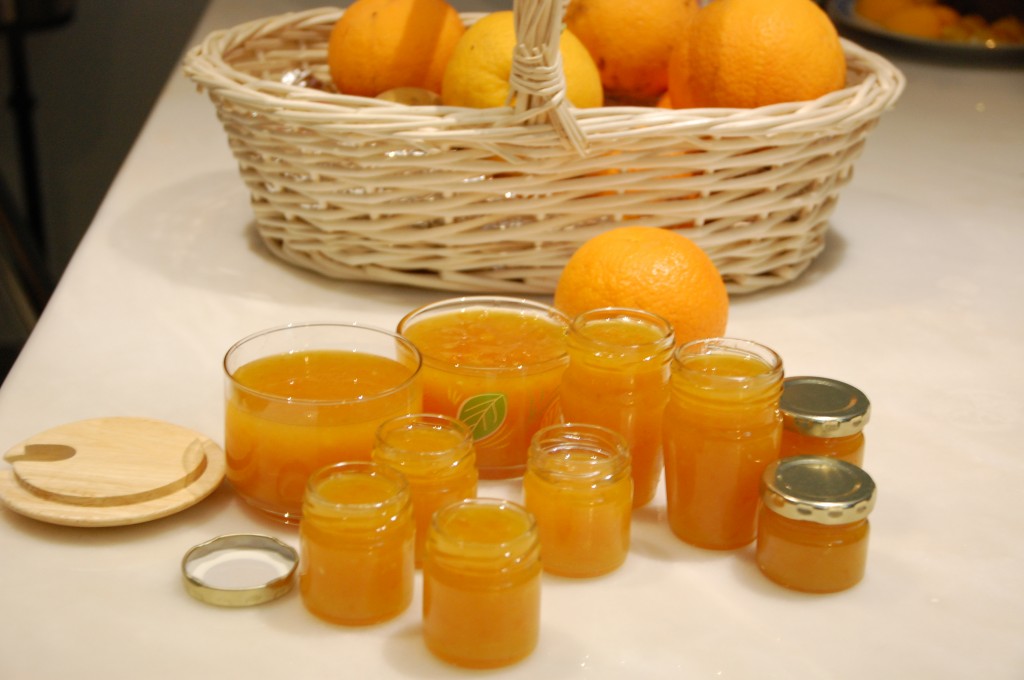
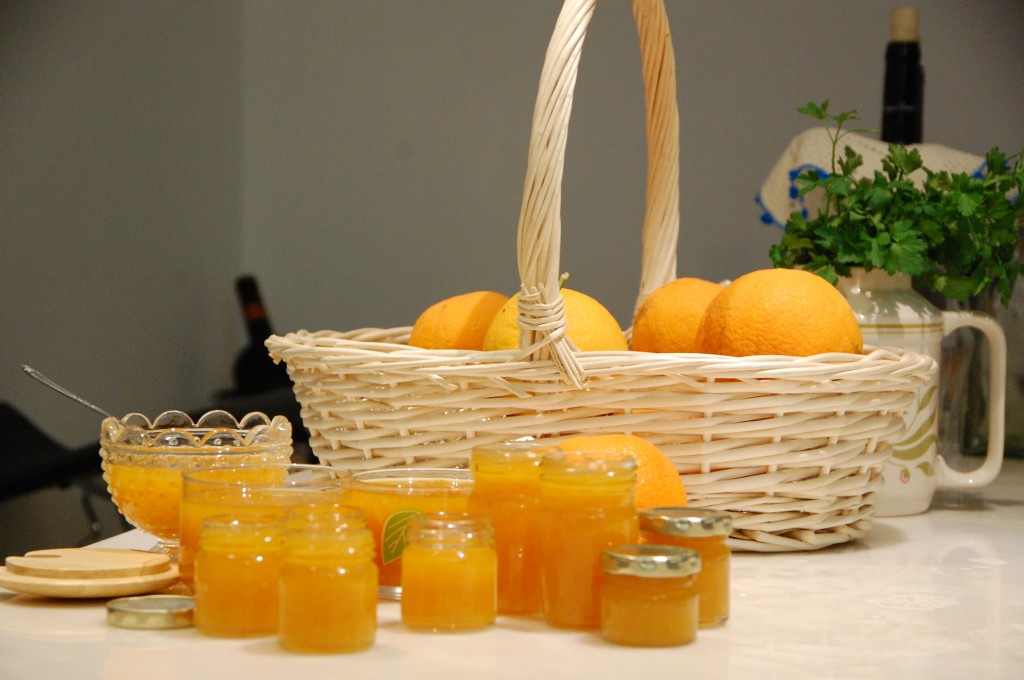
Orange Marmalade – Marmelada de Laranja

Oranges are in season this time of year, so it’s a great time to make orange marmalade.

This recipe was sent to me by Sofia Vieira who happens to have an orange tree growing in her back yard in Alentejo region of Portugal! 

Oranges are thought to have their origin in a sour fruit growing wild in the region of South West China and North East India as early as 2,500 BC. For thousands of years these bitter oranges were used mainly for their scent, rather than their eating qualities.

The Romans brought the fruit to Europe and later oranges were spread to Spain by the Moorish conquests in the eight and ninth centuries. The sweet orange familiar to us today probably developed somewhat later.

The fruit arrived in Central America with Columbus in 1493 and soon afterwards the Portuguese introduced them to Brazil.

Oranges are now an important crop in warm climates around the world, most notably Brazil, USA, Spain, North and South Africa, Israel and Australia. Credits: http://www.eattheseasons.com

Orange Marmelade Recipe:
Ingredients:

6 oranges

Same weight in sugar as peeled oranges

1 lemon

Instructions:

Zest 3 of the 6 oranges and peel all 6. Peel the lemon.  Remove any seeds and place the orange and lemon in a food processor.

Pulse a few times to mince slightly leaving orange and lemon pieces.

Measure out the same amount of sugar as the minced citrus and place into a heavy saucepan.

Cook on low heat for about 1 hour and 1/2 stirring often. When you can trace a clear line in the bottom of the pan, the marmalade will be ready.

Remove from heat and pour the marmalade into clean, hot sterilized Mason jars.

Wipe the rims thoroughly with a clean damp paper towel, and seal with the lids.

You can also place into small jars and store in the refrigerator for up to 1 month.

Contact:
Sofia Vieira

Tourist Guide

Português- Francês – Inglês – Castelhano

Telf + 351.927500244 or +351965652420

PORTG. COOKING SCHOOL – private classes for min 2 persons

https://www.facebook.com/pages/Portuguese-Cooking-School/444075519031618

Bacalhau in Food Predictions for 2015 – Bon Appetit Magazine

 Bacalhau listed as one of 13 top World Predictions for 2015 in Bon Appetit Magazine!

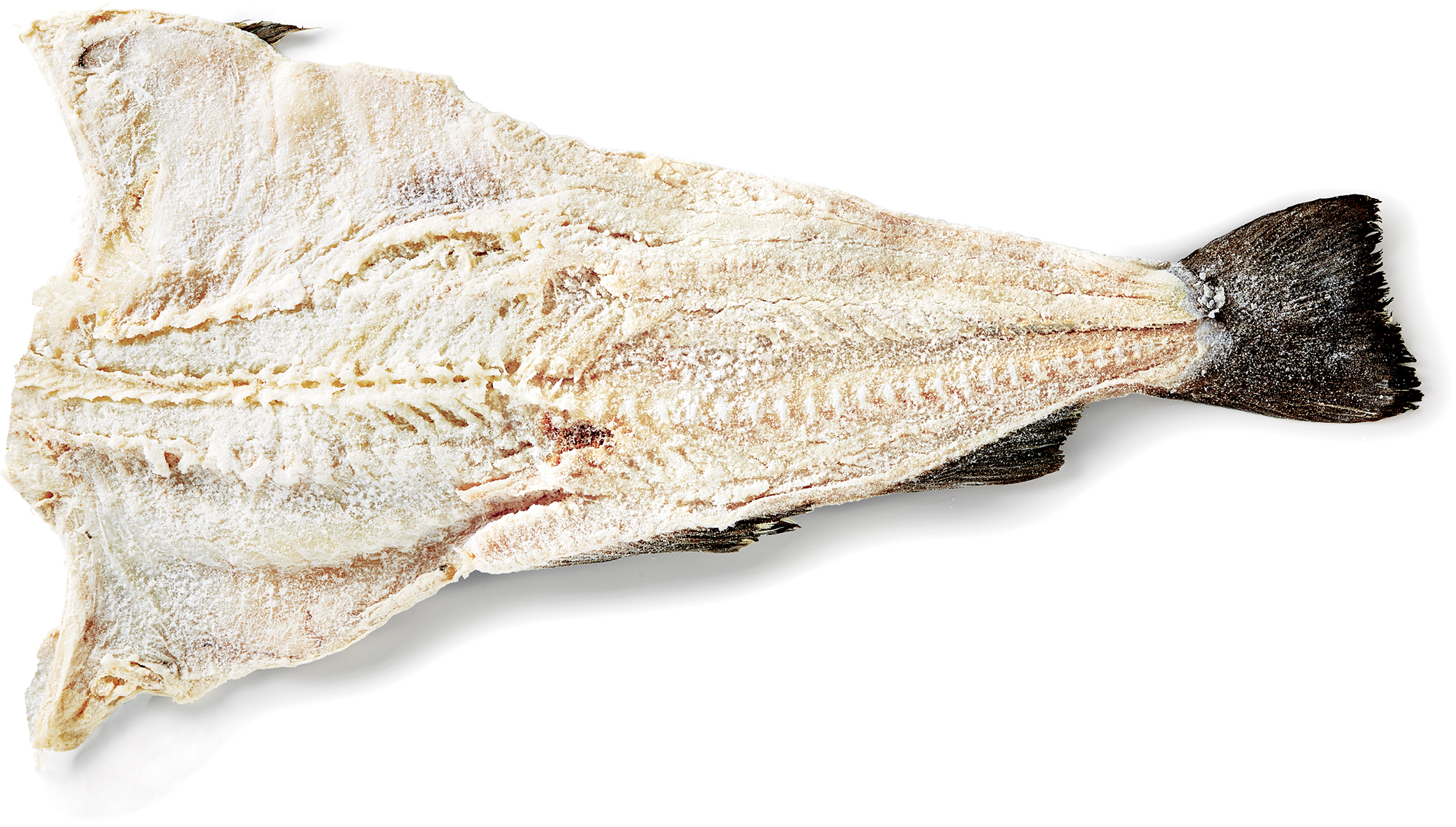
 The national dish of Portugal, is “bacalhau,” dried, salted cod. The Portuguese have been obsessed with it since the early 16th century, when their fishing boats reached Newfoundland.

The sailors salted and sun-dried their catch to make it last the long journey home, and today there are said to be 365 different ways of preparing it, one for each day of the year.

Search for Bacalhau on the search bar to find many recipes here on this site!


13 Food World Predictions for 2015 From Andrew Knowlton – Bon Appétit.

Photo credit: Bon Appetit Magazine

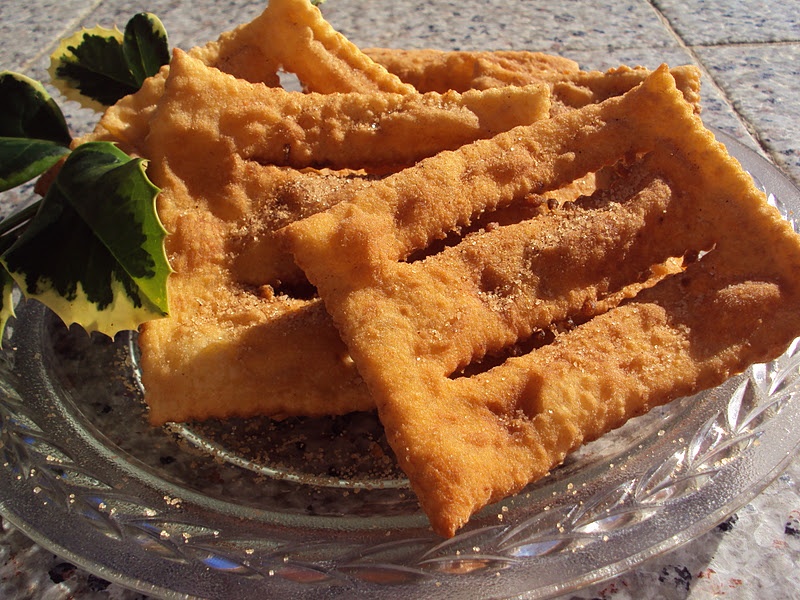
Coscorões – Angel Wings Fried Pastry

photo credits: narwencuisine.blogspot.com

Coscorões are fried dough often referred  to as Angel wings, and similar to filhos. However, no yeast or other leavening agents are used to make the dough. They are usually made during the Christmas season.

This recipe is from the SaborIntenso.com website which has many Portuguese recipes in video. It’s a good resource for those of you that like to watch the process of cooking recipes. Watch the video below.

Ingredients:

5 cups  flour (600 gr flour)
4 eggs
zest of 1 orange
juice of 1 orange
4 tablespoons melted butter (60 gr)
 4 tablespoons sugar ( 60 gr)
2 oz. of whiskey (50 ml aguardente)
cinnamon
sugar
pinch of salt
oil for frying

Instructions:

Beat the sugar, eggs and butter. Add the pinch of salt, orange rind, orange juice, aguardente, and the flour and continue beating until the batter is smooth. Cover the bowl and set aside for 1 hour.

After 1 hour, pour the batter onto a very floured counter. Knead the dough with enough flour until the batter is no longer sticky.

Roll out the dough into 3×5 inch rectangles 1/4 inch thick. Make cuts lengthwise  in center of the rectangles.

Fry in hot oil until golden brown. Place on paper towels to absorb any grease.

Blend sugar with cinnamin in a bowl and coat each Coscorões.

Galo de Barcelos – Portuguese Rooster

The Galo de Barcelos has become the national symbol of Portugal. It symbolizes  honesty, integrity, trust and honor, and it is also believed to bring good luck!

The Legend of “O Galo de Barcelos”

The legend has it that a serious crime had been committed in the small town of Barcelos, Portugal. Some believed that on the day of the crime, a Spaniard was passing through Barcelos on a pilgrimage and various circumstances pointed to his guilt. The accused Spaniard proclaimed his innocence, but could not present any proof in his defense. As a result, he was arrested and condemned to be hanged. The poor man continued to plead his innocence to no avail.

As a last request, he asked to be brought before the judge one last time. The judge was in the middle of dinning with his friends and again, in front of everyone, the Spaniard declared his innocence. “There is nothing I can do” replied the judge. The Spaniard, turning to the Saints of his faith looked over at an already roasted chicken that was on a platter about to be served to the judge and his friends, and cried, “As surely as I stand innocent, so will that rooster crow”. Everyone laughed, but then suddenly to everyone’s amazement, just as the man was being escorted to his execution, the roasted chicken turned into a tall standing rooster, and began to crow. The judge immediately permitted the Spaniard to be released and set free.

History and culture:

Since the end of the 19th Century, the legend of “The Rooster of Barcelos”, also known as “O Galo de Barcelos” in Portuguese, has lasted throughout time and has established itself in the history and culture of Portugal. The legend of “O Galo” is most commonly remembered and represented by a clay art piece that is in the shape of a rooster and colourfully painted (as shown above). The labour of making clay objects is a trade that has been passed down from generation to generation throughout the northern area of Portugal. The connection between the trade of clay making and the legend of “The Rooster” has matured into an extraordinarily strong relationship. In fact, now, the two things often go hand in hand.

It was around the year 1935 that the neighborhood of Galegos Santa Maria, Barcelos experienced the birth and creation of “O Galo de Barcelos”. It is widely known by many of the local inhabitants of the city of Barcelos that, with his hard working hands, his inherited skill, and through the inspiration brought to him by the original legend, Domingos Coto (the maternal grandfather of Eduardo Pereira) created the clay molded art piece.

Since then, this art piece has become a nationally recognized symbolic representation of the legend of “O Galo de Barcelos”. “O Galo” can now be found all over the country in local markets and souvenir shops. The continual existence of “The Rooster of Barcelos”, the art piece made of clay, paint and hard work, can be attributed to the important symbolic significance that the legend still carries in the hearts of the people of Galegos Santa Maria, Barcelos, Portugal. credits: http://www.galogrill.com/Legend

Bizarre Foods | Lisbon

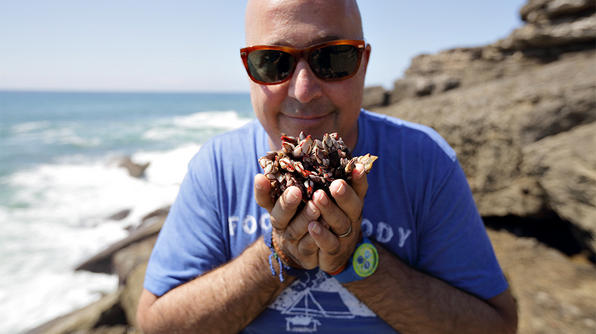
Andrew Zimmern traveled to Lisbon, Portugal for Travel Channels Bizarre Foods episode called;  Lisbon | Snails | Sardines | Barnacles which aired on Monday. He went diving for Percebes ( Barnacles ), visited a spectacular market with blogger Andrea Smith and visited Lisbon’s dining scene.

Visit Andrew’s website for a great article where George Mendes Shares 5 Favorites in Lisbon – where to eat in Lisbon!

If you missed the show. you can catch you can see it next Monday, November 10 at 8 pm!


Image and video credit: Travelchanel.com

Portuguese Muffins – Tia Maria’s Blog on SIC Portuguese TV

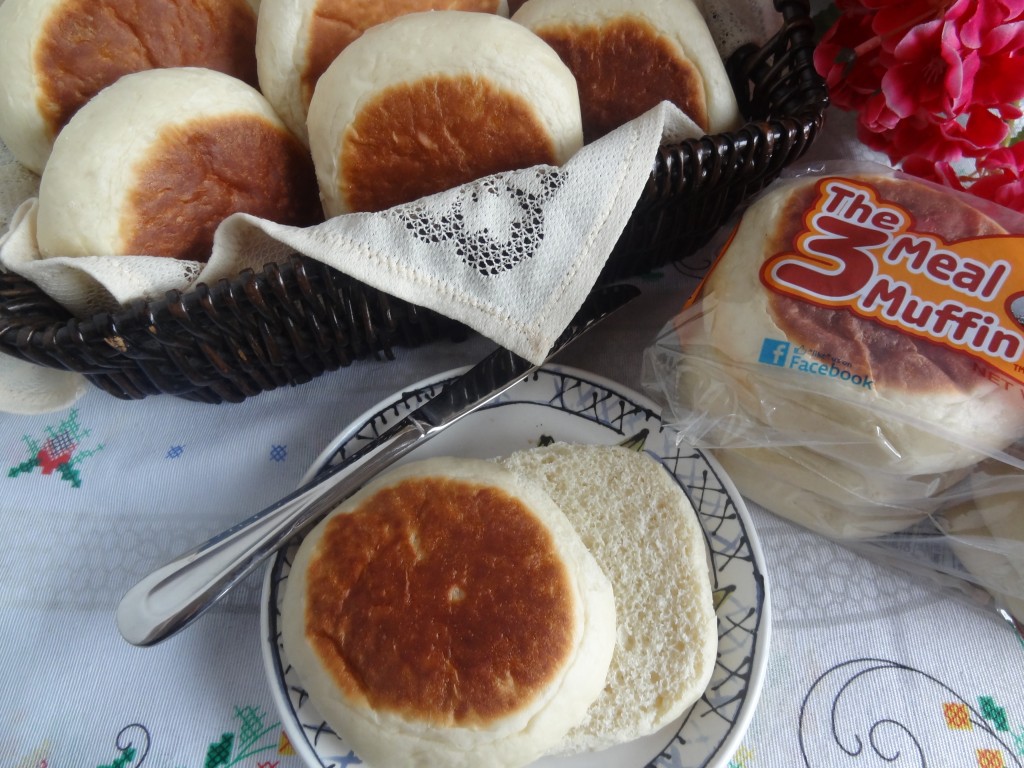
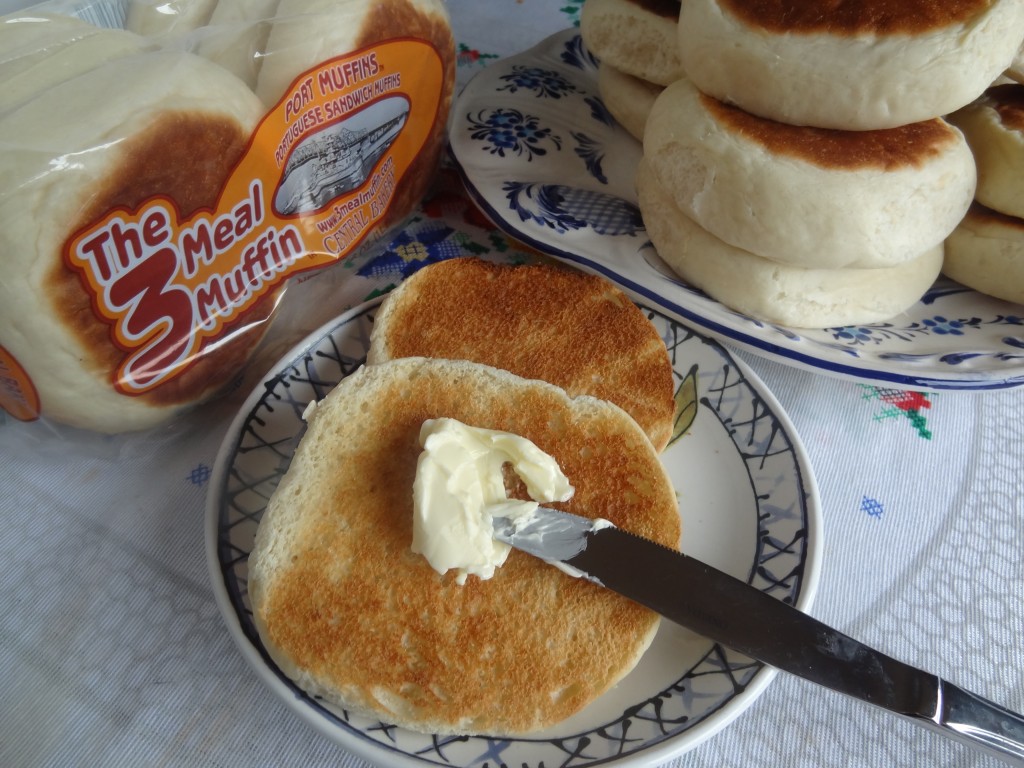
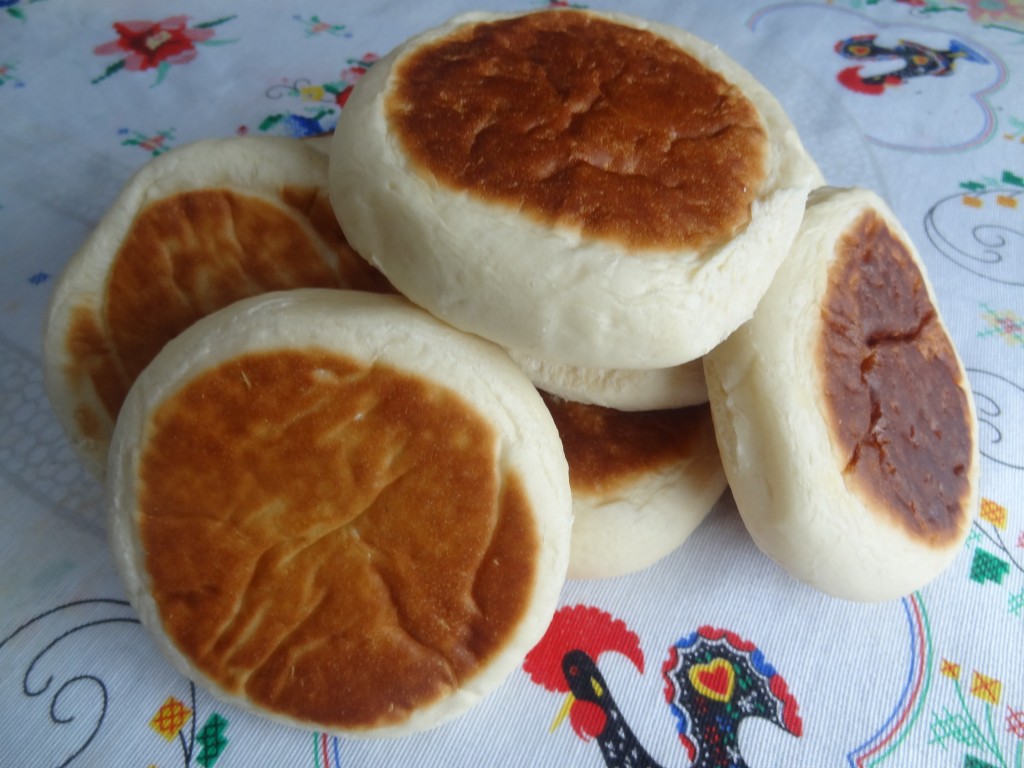
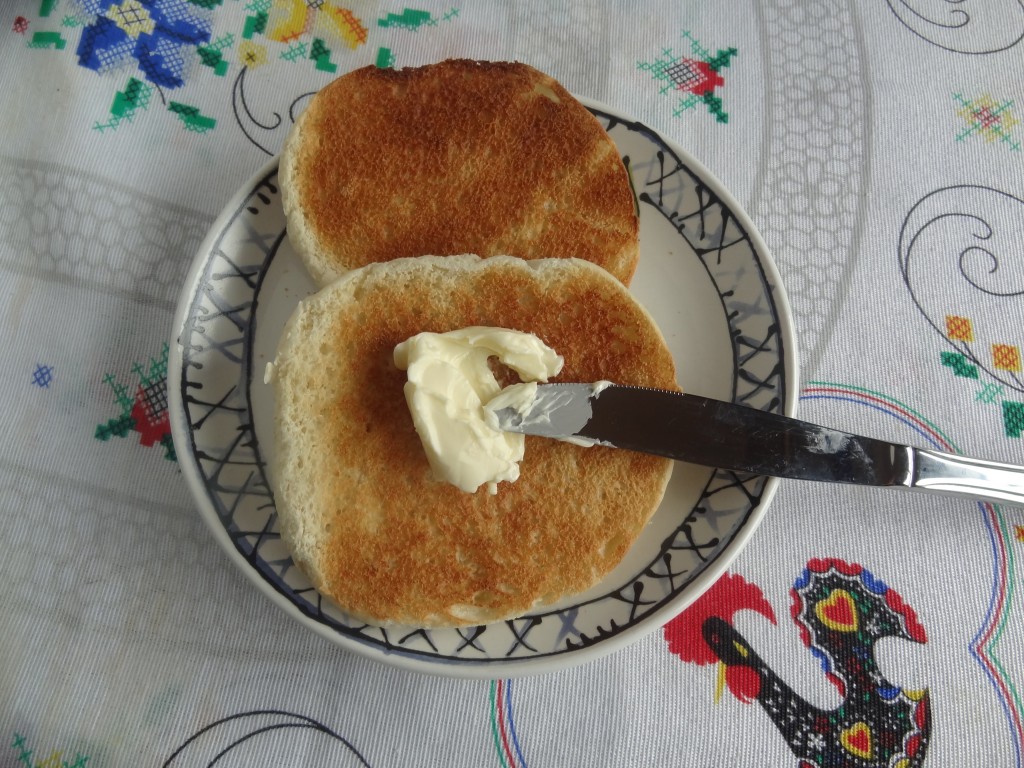
I appeared on  Portuguese TV – SIC NOTICIA/SAPO on Tuesday June 10, Portugal day. The news piece featured Portuguese Sweet Muffins – Bolos Levados from the Portuguese company  3mealmuffin company of Fall River.

Mr. Lopes sent my family his delicious muffins and I can tell you, they were simply delicious! The muffins are available in many markets in New England and will soon be able to order online via their website in the near future.

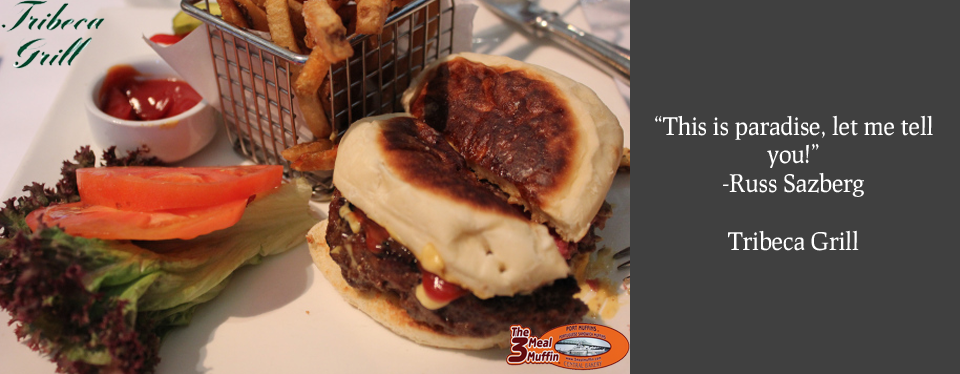
The muffins have gained much popularity in the recent years and are now featured at many famous upscale restaurants.  Paul Lopes, owner of the company says his muffins are used as burger and sandwich buns in many New York City restaurants such as the famous Tribeca Grill, and at Madison Square Garden. They are also used in many upscale restaurants around the country, in Miami, and at the famous Craigs Restaurant in L.A. Ca.

When the Lopes family came to this country 46 years ago, Mr. Lopes’s mother-in-law, Beatriz Caetano, noticed that no one was making the kind of breakfast muffins they ate in the Azores.

Tiberio Lopes, the Portuguese muffin patriarch, got the idea for his product while working at Chaves Market, a Portuguese market that did not sell bolos levedos. Beatriz gave Tiberio and Leonor the recipe.

In 1975 the husband-and-wife team started the baking business out of their garage. They found a distributor who brought the muffins to mom-and-pop shops in Cape Cod.

Their muffins became a hit and the demand was enough to start a mail order business. It catered to customers who got to know the product while vacationing in Cape Cod and wanted to get the muffins back home.

This led to them moving out of the garage and into their first and smallest bakery on South Main Street.
In 1988, the Lopes’s got their first big break. A story in the New York Times featured the family and their product. The muffins were already being sold to restaurants in the city including high-end eateries like Balducci’s.

Another publication called “Food Finds” also featured the muffins. Today the Food Channel has a show based on the book which looks at local specialty foods.

The Bakery only makes Portuguese Muffins, which they brand as 3-meal muffins due to the fact that they are not just considered breakfast food by their customers. The branding is also a way of shaking off the competition that has followed the names they have given the product since introducing it. They wanted to separate themselves from everyone who tried duplicating their muffins.

The Central Bakery family is proud to be baking the Original Portuguese Muffin since 1975. credits (http://3mealmuffin.com/our-distributors

You can find Leonor Santos’s recipe for Bolos Levedos here.