Category: Recipes

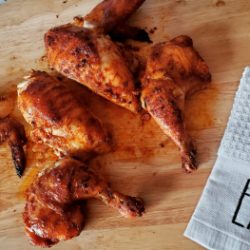
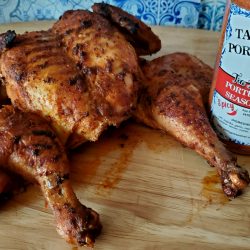
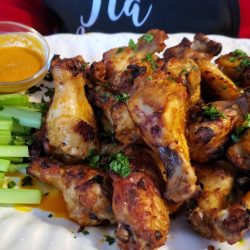
Easy Portuguese Baked Chicken

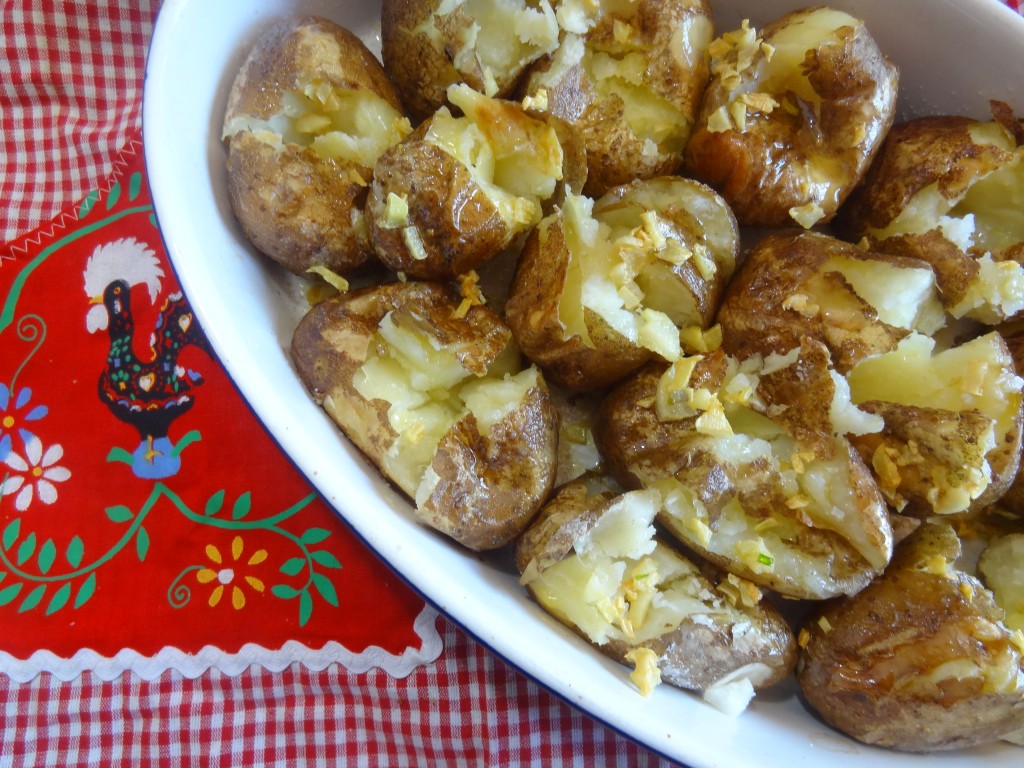
 Easy dinner in one hour! Portuguese Baked Chicken and Portuguese Punched Potatoes!

Cooking can be easy. I promise! Enjoy!

Ingredients:

2 small frying chickens (3 pounds each cut into halves)

1 tablespoon salt

2 teaspoons garlic powder

2 teaspoons paprika

1/4 cup white wine

1 tablespoon olive oil

2 teaspoons Piri Piri or your favorite hot sauce (optional)


Instructions:

Preheat oven to 400 degrees. Wash and pat dry the chickens. Rub the chicken with the wine and hot sauce. Place the seasonings in a small bowl to mix and then rub over the chicken.

Place the chickens skin side up on a flat baking tray and drizzle the olive oil over the skin.

Cook for 45 minutes to 1 hour depending on your oven. During the last 15 minutes of cooking, drizzle the chicken with the pan drippings.

Keep warm in the oven until ready to serve.

Pasteis de Gila

sao33.blogspot.com

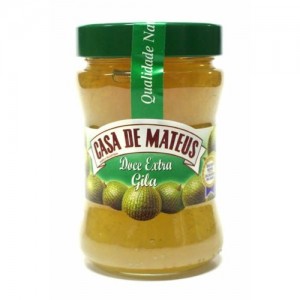
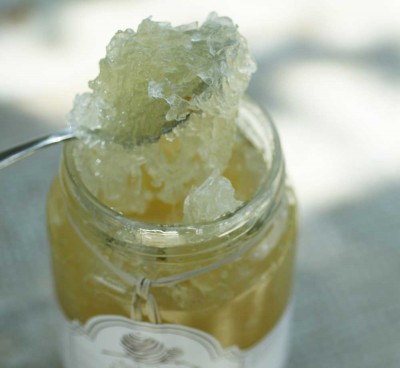
Pasteis de Gila- Puff Pastry is made using a sweet jam filling made from the fiber of the spaghetti squash. You can make the jelly at home, or you can buy it in jars already made for you. Watch the video below for the demonstration of how to cook the squash! Enjoy!

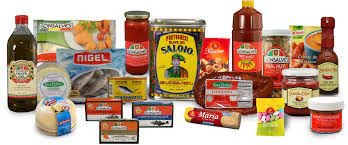
Order online at Amazon

Ingredients:
Puff pastry sheets (get them at your local bakery or use Pepperidge Farm)
Gila
1 beaten egg
1 teaspoon water
Powdered Sugar
Assemble Pastry:
Cut the defrosted but very cold pastry sheets into 3 x 6 inch rectangles. Place 2 teaspoons of the Gila into the center and fold the dough over forming a square. Pinch the sides of the pastry together. Beat the egg with the water and brush the tops of the pastry. Line a cookie sheet with parchment paper, and place the pastries 2 inches apart on the sheet. Cook at 375  degrees for about 15 minutes or until lightly golden brown and cooked through.
Let cool and Sprinkle with powdered sugar if desired and serve. Enjoy!
Ingredients for Gila:
1 spaghetti squash about 2 pounds
2 cups water
1 pound sugar
1 cinnamon stick
1 piece of lemon peel

Directions:

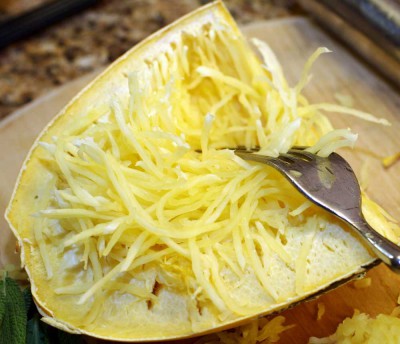
Break the squash on the ground and break it up into pieces. Wash the squash, remove the seeds using you fingers. Place in a large pan and boil until the the skin falls apart from the fibers.

Drain the squash and place into an ice bath to cool. Separate any skin or seeds and discard them. Drain the remaining fibrous flesh and separate into threads. Rinse in cold water, drain and let it continue draining in colander for about 10 minutes.

image: tasteofbeirut.com

Cook the sugar and water in a medium pan until the sugar begins to thicken. Add the squash, cinnamon and lemon and cook for about 10 minutes until the squash mixture becomes very thick. Remove from pan and cool completely before storing in the refrigerator.

Watch this video for a demonstration on how to cook the gila:

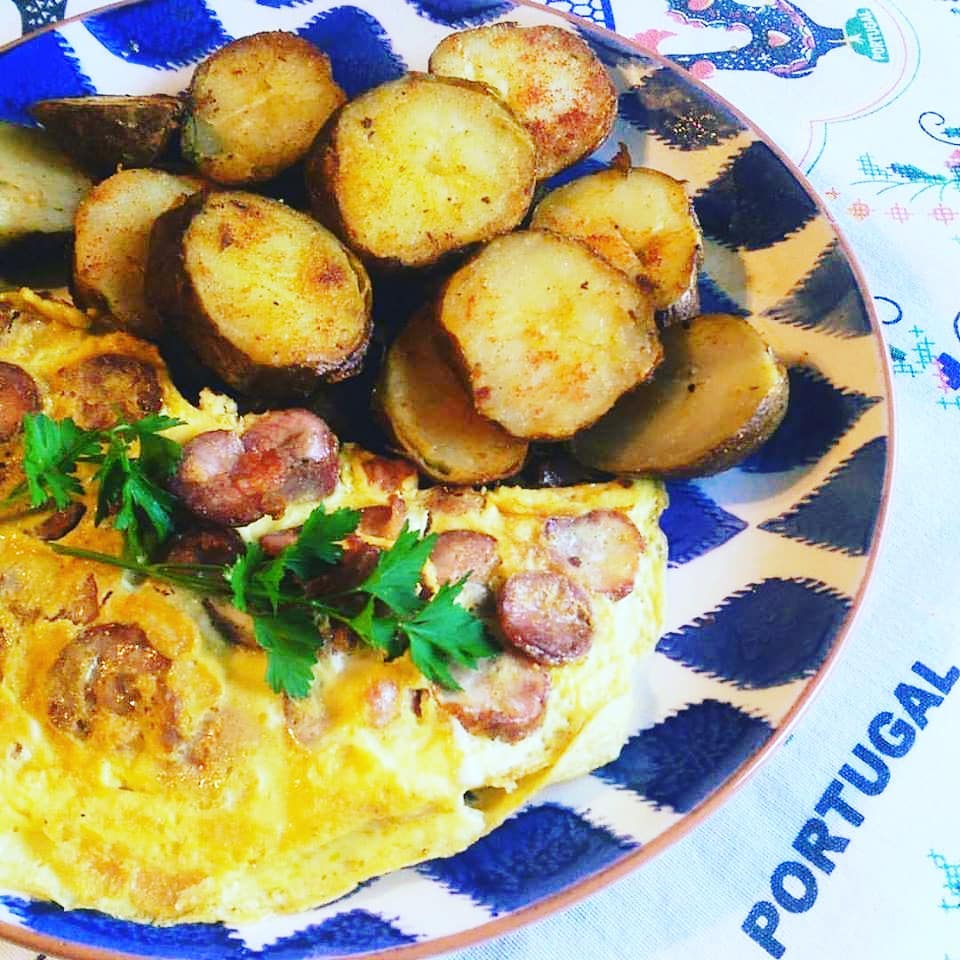
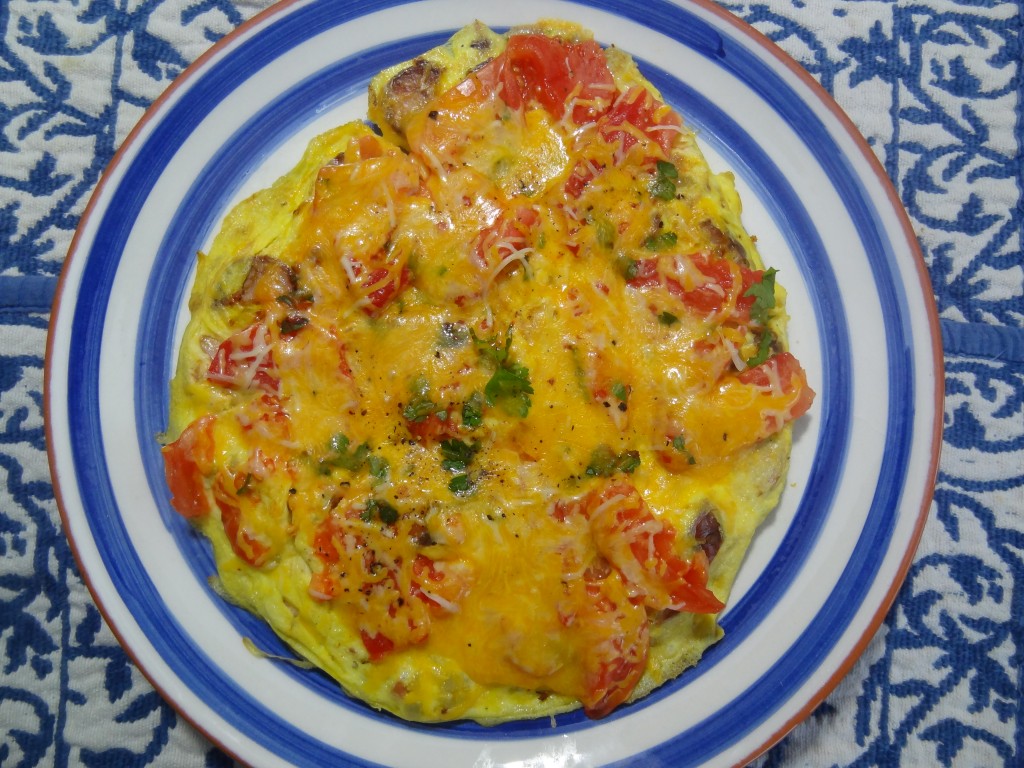
Chourico Omelet

Chourico and egg omelet is a classic Portuguese go to dish often served for breakfast, lunch, snack or even dinner. When my family and I arrived in America, lunch coolers and ice packs weren’t invented yet, so my mother would make my father omelets for his lunch break at work.  I can still smell the aroma of the chourico or presunto cooking at 6 O’clock on those mornings! It’s funny the things that remain in our memories.

I served my omelet with the Batatas a Rodelas. Here’s the easy recipe.

Video:

Ingredients:

3 eggs

1 teaspoon water

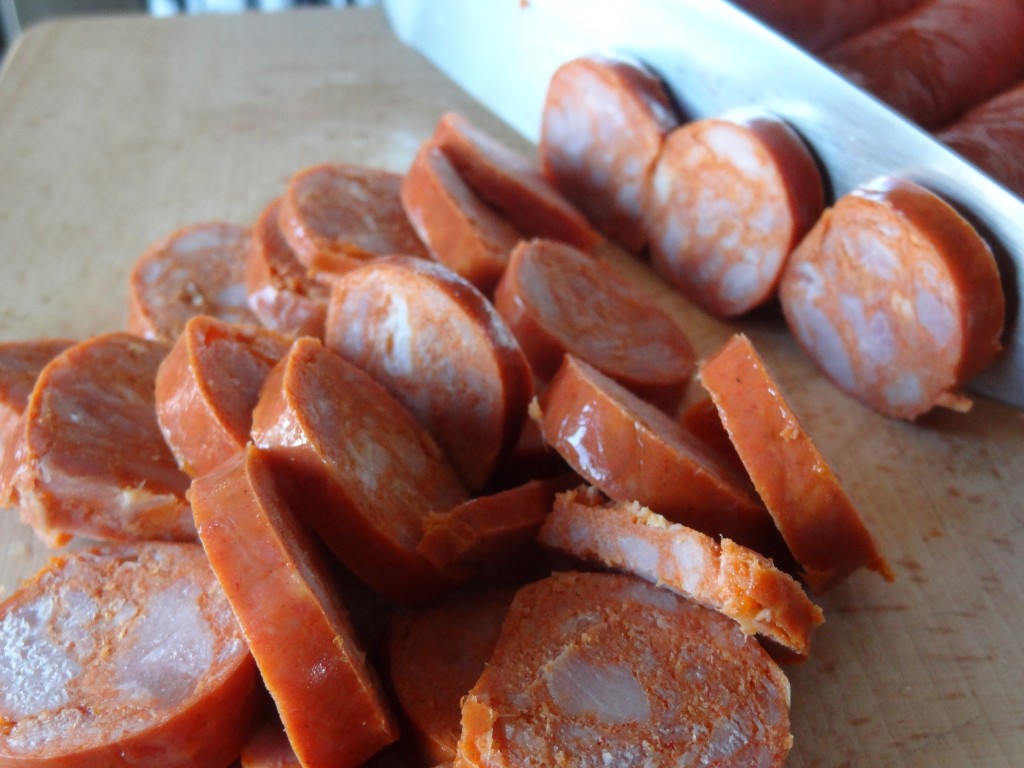
1/2 small chourico (or about 1 cup) (sliced very thin)

2 tablespoons onion (finely minced optional)

1 tablespoon olive oil

4 oz of your favorite shredded cheese (optional)

parsley for garnish

salt

pepper

Instructions:

Saute the onion in a medium skillet in the olive oil until golden brown. Add the Chourico sausage and cook for a few minutes until it becomes slightly crispy.

Beat the eggs with water until foamy and add to the chourio. Cook the eggs on low medium heat while slightly moving the edges toward the center.

Let the omelet cook for about 2 minutes. Place a flat plat over the omelet and flip it over uncooked side down into the pan.

Spread the tomato over the omelet followed by the cheese. Cover and cook for about 2 minutes on low heat.

Add parsley, salt and pepper as desired and garnish with parsley.

Batatas Bravas – Spicy Potatoes

It’s potato harvest season in New England! I made a trip to the local farm this past weekend and picked up a 50 lb sack of russet potatoes which is my usual custom every fall. The potatoes store well during the winter months in a cool basement or garage.  I only paid $11 for the sack. If I bought them at my supper market by the pound it would cost me over $50! I suggest you pick one up to. You’ll thank me in a few months when the potato prices go up for the Holidays.

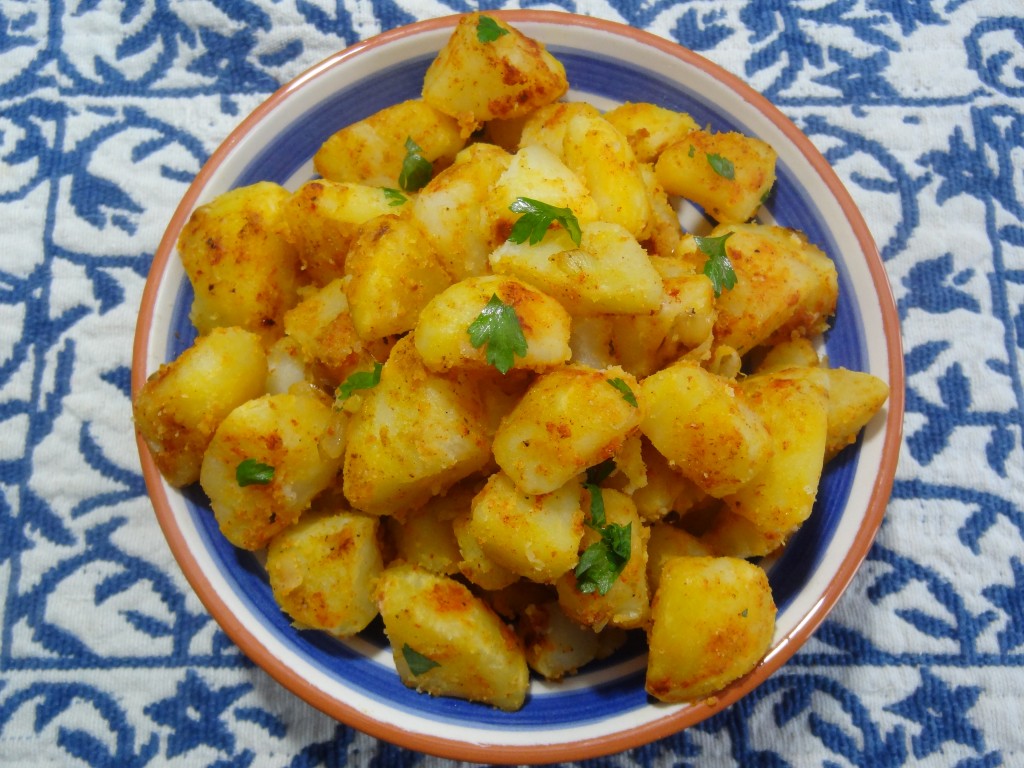
My first dish using the russet potatoes is Batatas Bravas – Spicy Potatoes! This dish is often served warm with a spicy tomato sauce or aioli but just made them plain to go with the Chourico omelet. These potatoes aren’t fried and use very little olive oil, so they’re light on calories. Enjoy!

Batatas Bravas

2 pounds of potatoes (chopped into 1-2 inch cubes)

1 small onion (finely minced)

1 teaspoon salt

1 teaspoon pepper

1 teaspoon paprika

1 teaspoon garlic powder

1/4 teaspoon cayenne pepper

1 – 2 teaspoons of hot sauce

2 tablespoons of olive oil

1 tablespoon of parsley (finely chopped)

Instructions:

Cook the potatoes in the teaspoon of salt and boiling water for about 10-15 minutes until tender but not over cooked. Drain cover the pan and put them back on the stove on the warm burner.

Toss the potatoes in the pan gently for some of the moisture to evaporate for about 5 minutes.

While the potatoes sit for the 5 minutes, saute the onion in the olive oil in a medium non stick pan until golden brown.

Season the potatoes with the pepper, garlic powder, paprika, cayenne pepper, and piri piri, toss and gently place them in the pan with the onions.

Cook the potatoes on low medium heat turning them gently in the pan until they obtain a slight crisp on the edges.

Taste and add more piri piri or seasonings if desired. Top with parsley. Serve warm

Lisa’s Swirly Chourico and Pepperoni Bread

M

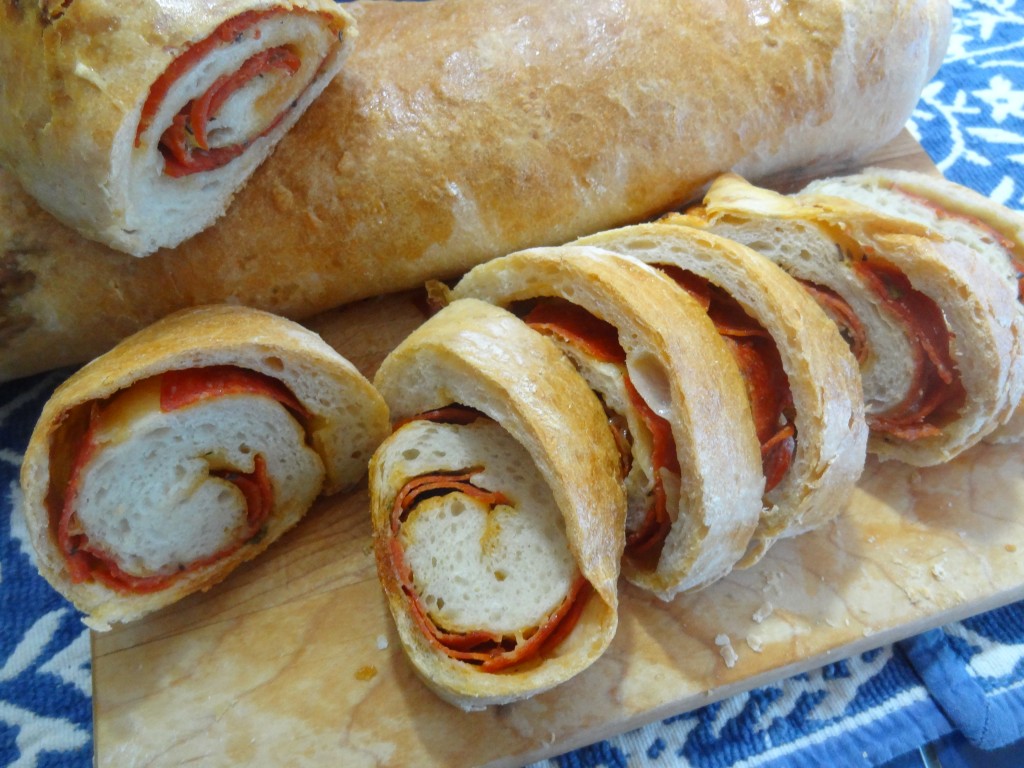
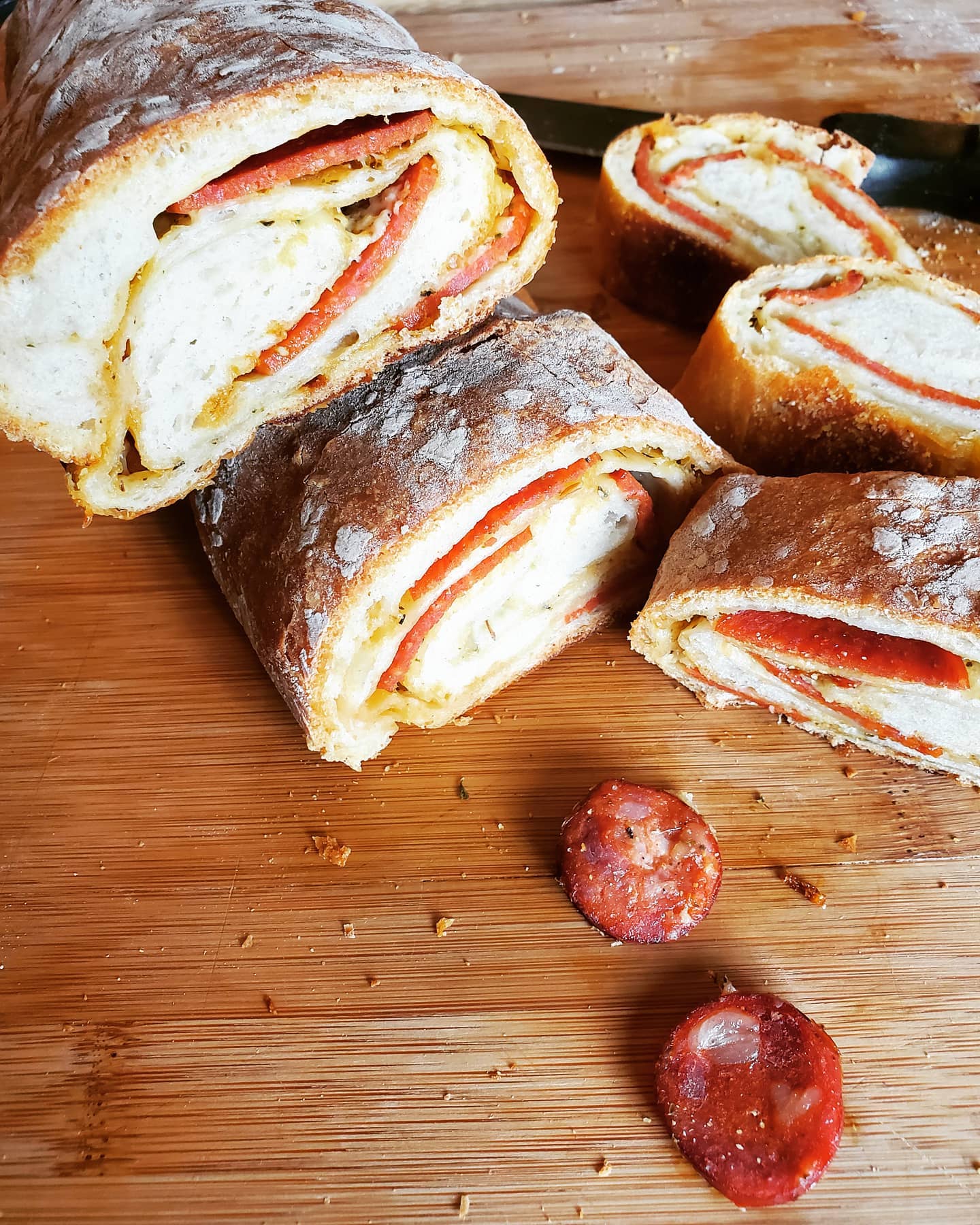
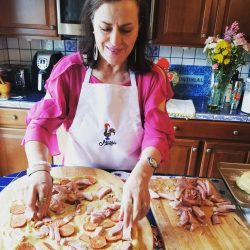
This Swirly Chourico/Pepperoni Bread was made by my daughter. This is one of those recipes that you’ll make very often! It’s great for an easy snack, as an appetizer or to serve for game day parties!

I have a recipe here on this blog for a perfect pizza dough although, some days I get my pizza dough at my supermarket since they make fresh pizza there and sell it by the pound. You can also use the frozen pizza dough or bread dough. Let dough thaw out completely. If you find your dough too elasticity add a little flour and it will roll better for you. Enjoy!

Ingredients:

1 and 1/2 pounds pizza or bread dough

1/2 to 1 pound pepperoni/chourico/linguica sausage (sliced thin) (use only chouriço or pepperoni if desired.

8 oz Mozzarella cheese (shredded depending how cheesy you like)

1 small onion (thin sliced) (optional) 

2 tablespoons olive oil

1 teaspoon dry oregano

1  tablespoon fresh or dried basil leaves 

1 egg (for egg wash)

1 teaspoon water

Instructions:

Cook onions in oil until translucent and let cool

Roll pizza dough and place on floured surface.  Spread the onions evenly over the dough and brush the dough with the remaining oil left in pan.

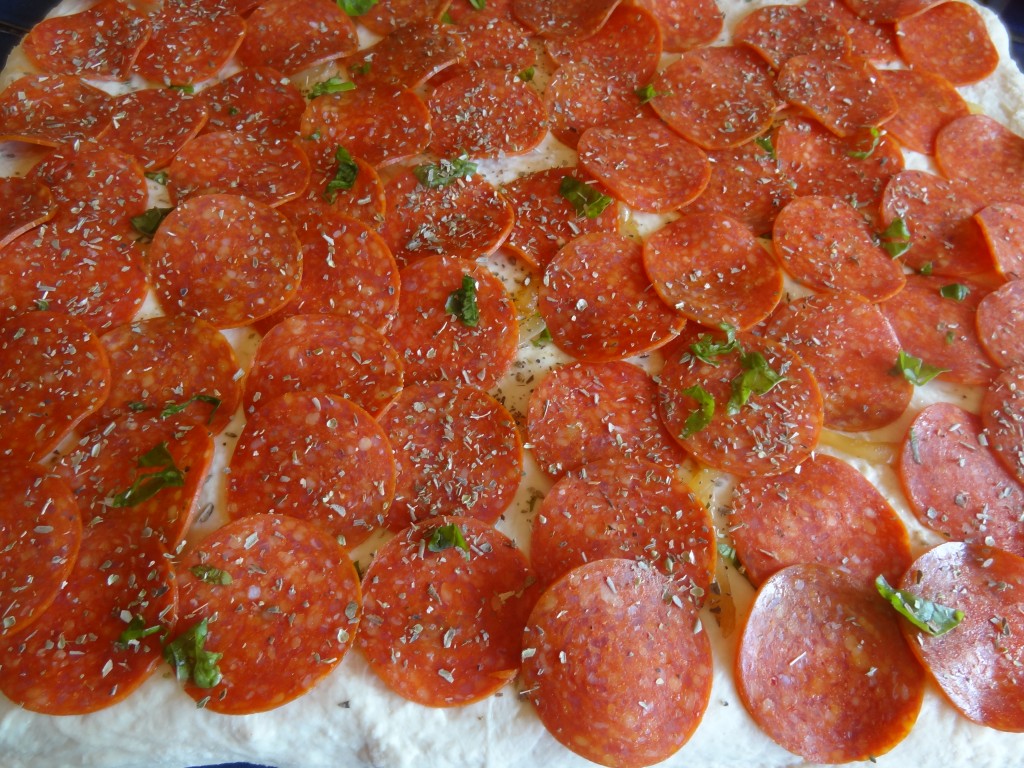
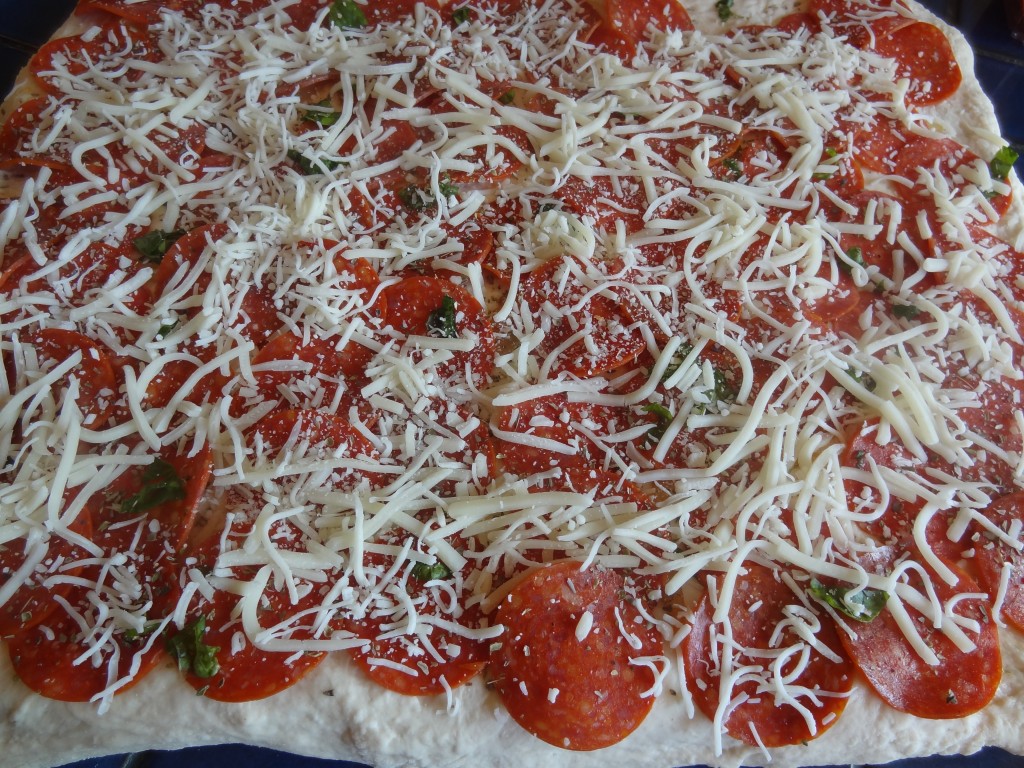
Layer chourico or pepperoni evenly over the entire area of dough.

Top with the oregano, basil, and cheese.

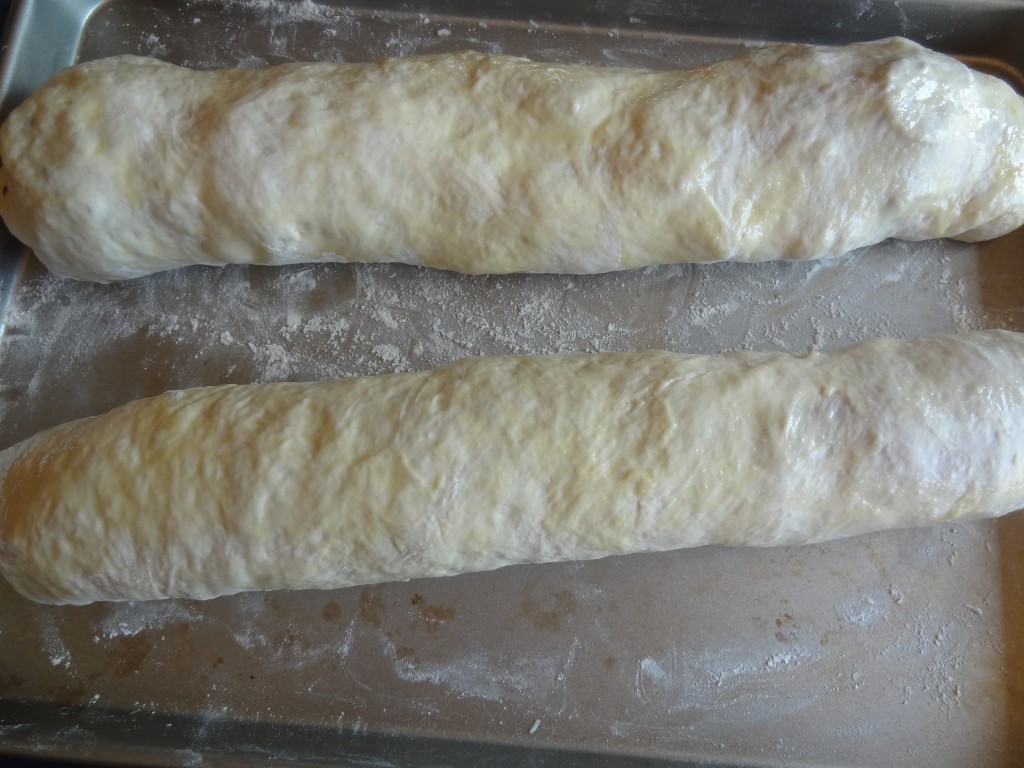
Beginning at  the long end, gently roll the dough into a long cylinder shape. Pinch any open edges with your fingers.  Lightly flour a long sheet pan and the gently place the bread onto the middle of the pan.

Beat the egg with the water and brush over the bread. Make a few small slits on top of bread with a knife. Cook at 400 degrees F. for about 20 -30 minutes or until golden brown. Let sit for a few minutes to cool before slicing. Enjoy!

Arroz de Tomate – Portuguese Tomato Flavored Rice

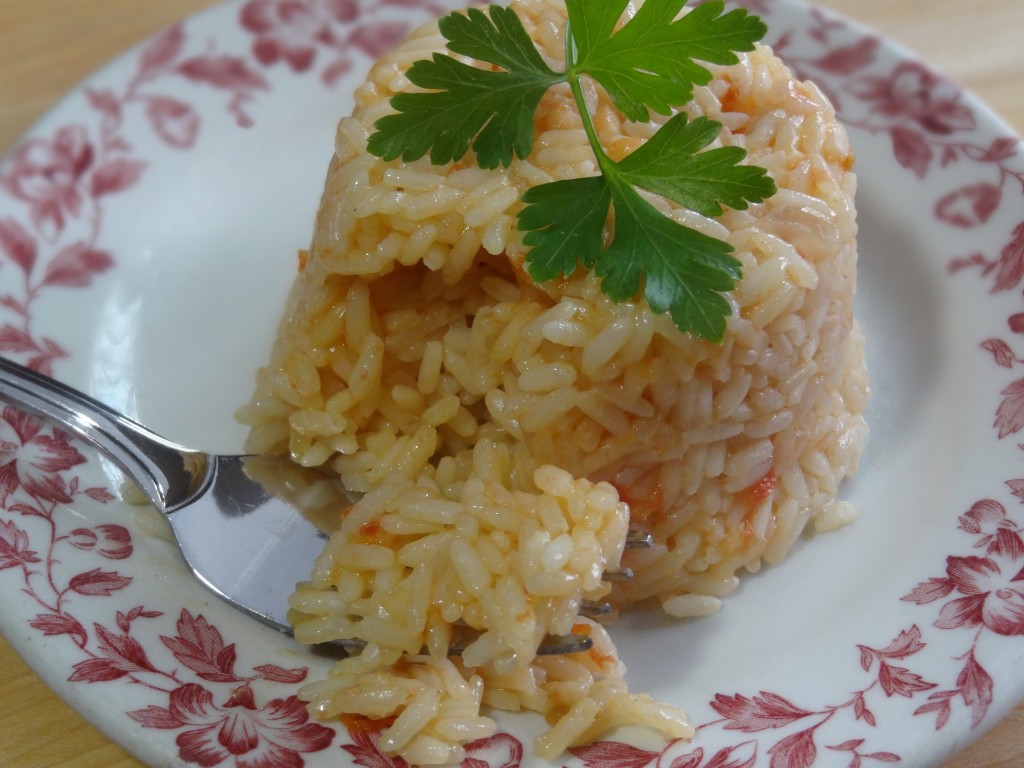
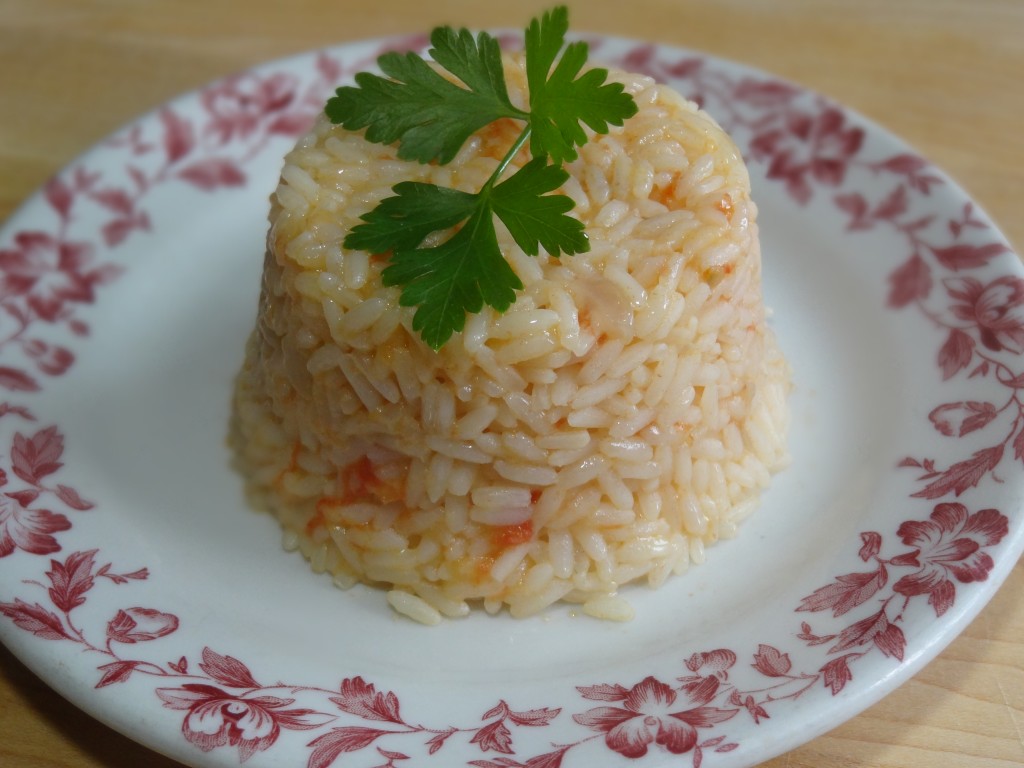
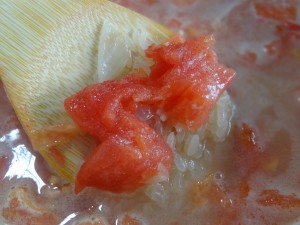
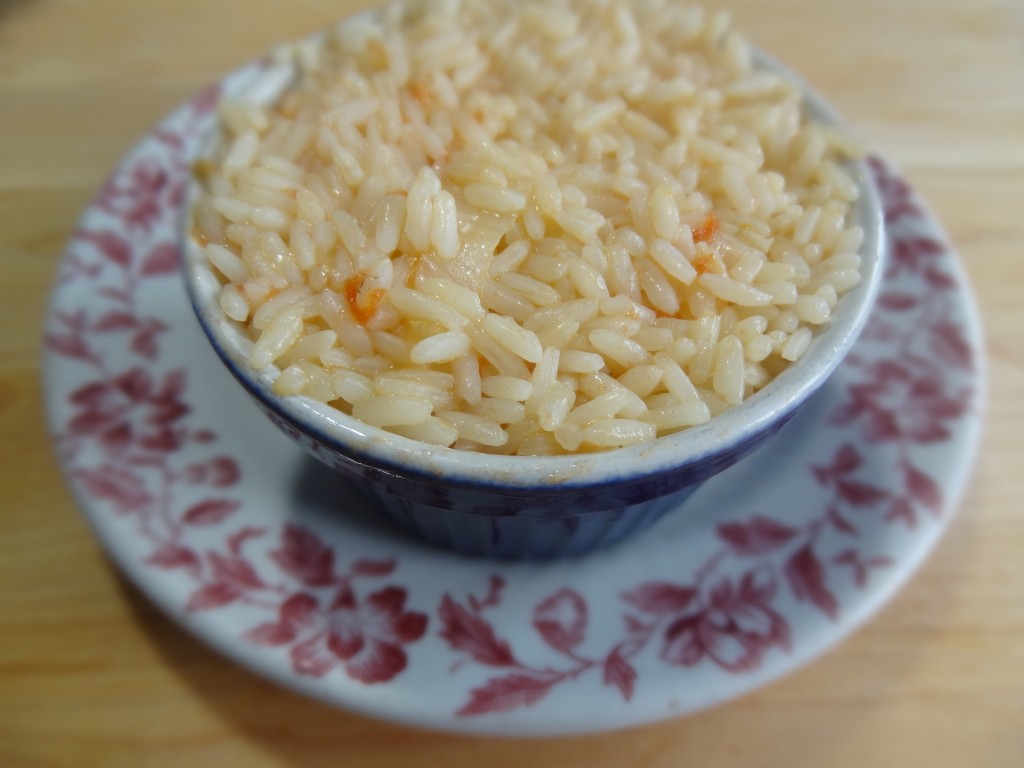
Arroz de Tomate – Tomato Flavored Rice

This rice pairs well with fish and poultry, but you can serve it as a side dish for any meal. My father was named Dinis after Rei D. Dinis (1279 – 1325) he also loved rice as did the once reining king!

He first showed me how to make rice it when I was a young girl. To obtain a fluffy rice you should gently coat it with the olive oil or butter and let it stir fry gently for about a minute or two. This process allows the grains to stay intact and not get mushy while cooking.

To read more about the popularity of rice in Portugal visit this link from Catavino.com.

Excerpt from Catavino.com:

Portugal’s rice production along the Tejo River estuary has been documented since the 18th century, rice was cultivated in the southern regions of Portugal well beforehand – inherited from the Moors. It was during the reign of King D. Dinis (1279-1325) that rice was first referenced, curiously as a luxury product found only on the dining tables of the wealthy. Centuries later, the production of rice was outlawed, due to a high risk of malaria from the poor growing conditions. By the 19th century, rice became highly prized and produced, extending beyond the river basin to the North. Consequently, the Portuguese government changed their tune from rice as a “tolerable grain” to an agricultural powerhouse, thereby creating better conditions to ensure its success. By the beginning of the 20th century, a solid base for rice production had been established provoking the dissemination of rice fields across the country. credits: http://catavino.net/portuguese-rice-arroz-carolino/

Ingredients:

2 cups uncooked rice (preferably long grain Carolina Rice or Uncle Bens)

1 small onion (finely chopped)

4 cups boiling water

1 chicken boullion cube

2 large very ripe tomatoes (peeled, seeded, chopped)

1 teaspoon salt

1 bay leaf

1 tablespoon of olive oil

Instructions:

In heavy medium pan, saute the onion and bay leaf in the oil for a few minutes on medium heat until translucent. Add the rice, stir to coat with the oil for about 1 minute. Add the boiling water, salt, boullion and tomato.


Stir, cover and cook on medium heat for about 15 minutes stirring often. After fifteen minutes stir and taste for saltiness. Cover, remove from heat and let the rice absorb moisture as it sits until ready to serve.

Note: I like a firm rice, cook  rice longer if you prefer it more will done.

To form the rice tower lightly grease a small ramekin with margarine. Pack the rice firmly in the ramekin and flip onto a plate.


Bacalhau com Grao – Salt Cod and Chick Pea Salad


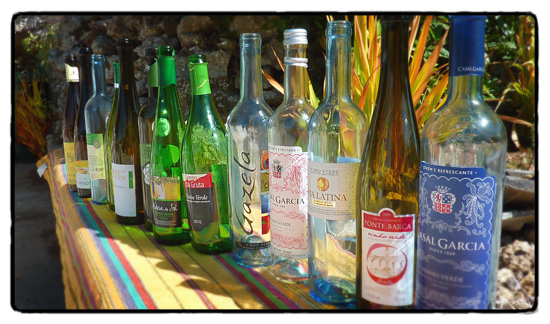
This is a perfect dish to make when you have leftover bacalhau. It’s simple to make and requires no cooking! Serve with a simple fresh tomato salad, crusty bread and a glass of Vinho Verde, or any dry white wine for a perfect taste of Portugal!

Serves 2

Ingredients:

8 oz. cooked bacalhau (flaked)

1 32 oz can cooked chick peas

1/2 small onion (finely chopped)

1 clove garlic (very finely minced)

1/4 cup olive oil

1/4 cup white wine vinegar

crushed black pepper

2 hard boiled eggs cut into quarters (optional)

Parsley (chopped)

Instructions:

Note:

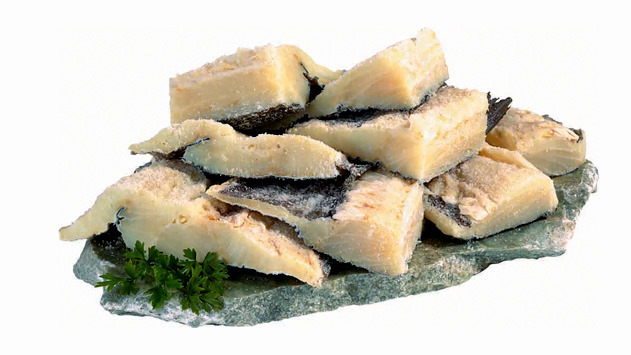
If you buy salted cod prepare the fish by soaking in a large pan of cold water for 2 – 3 days and let it sit in the refrigerator changing the water once a day. Taste a small piece of the cod after 2 days for saltiness. The cod should taste like fish and still be a little salty. Let it soak for another day if needed.

Poach cod in water for about 8-10 minutes depending on the portion. It should be flaky but not too mushy. Strain and let the cod cool before making the salad.

Prepare Salad:

Mix all ingredients except the eggs in a small bowl and toss gently. Add the eggs and drizzle with more olive oil to your desired taste.

photos credit: Bacalhau com Grao (tascarestaurant.com)(pingodoce.pt)gannet39.wordpress.com)

Summer Tomato, Egg and Potato Salad

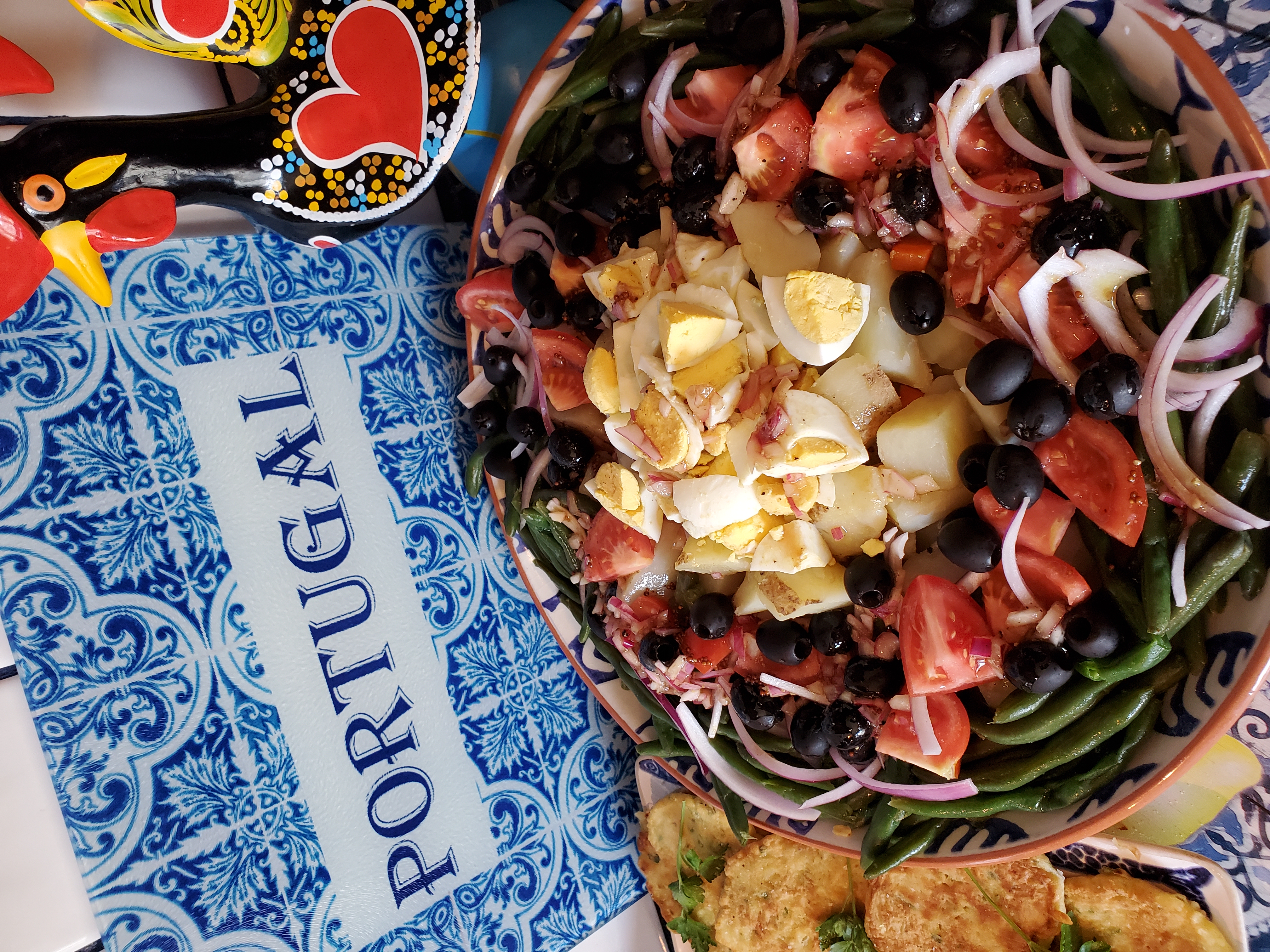
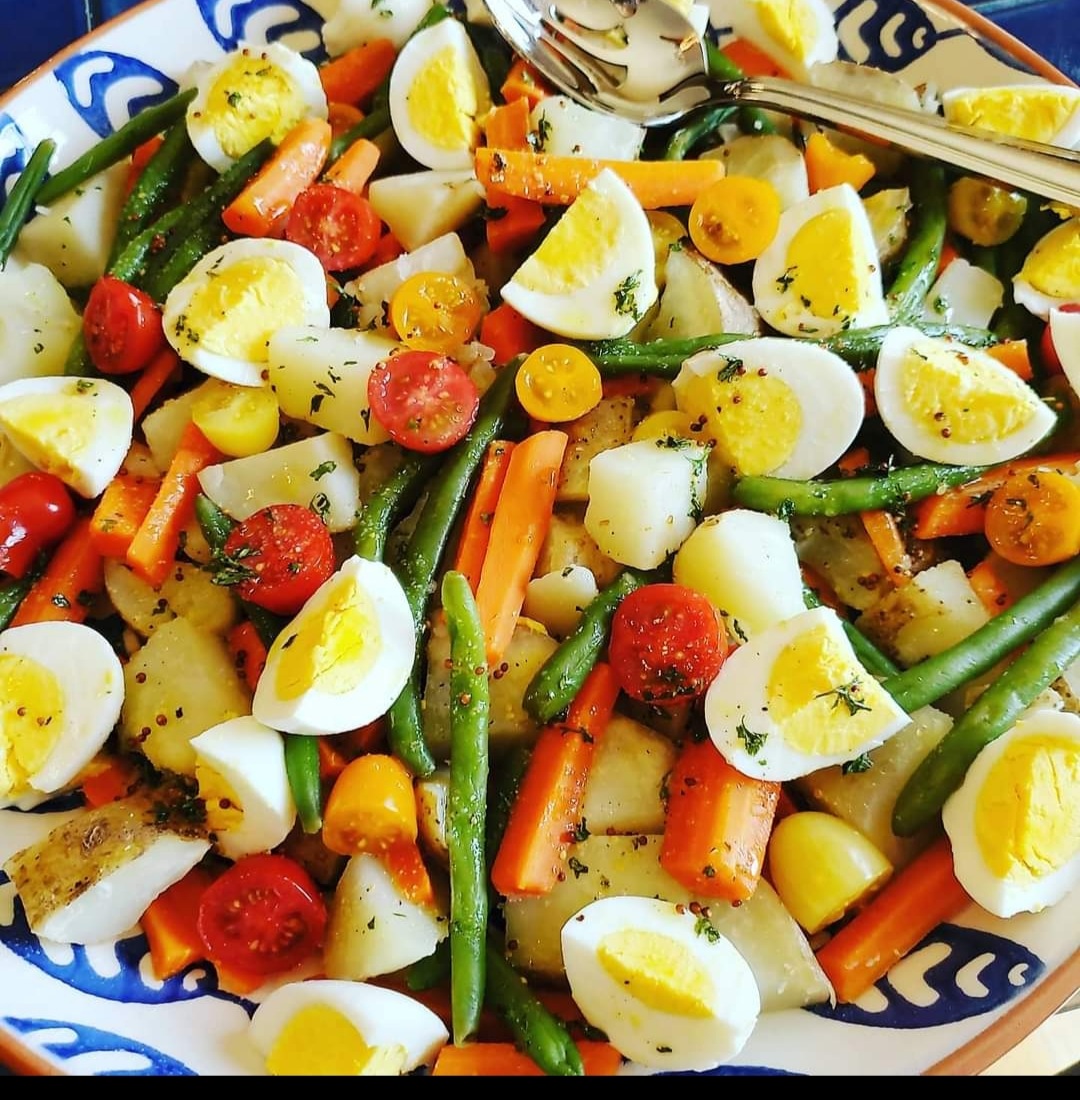
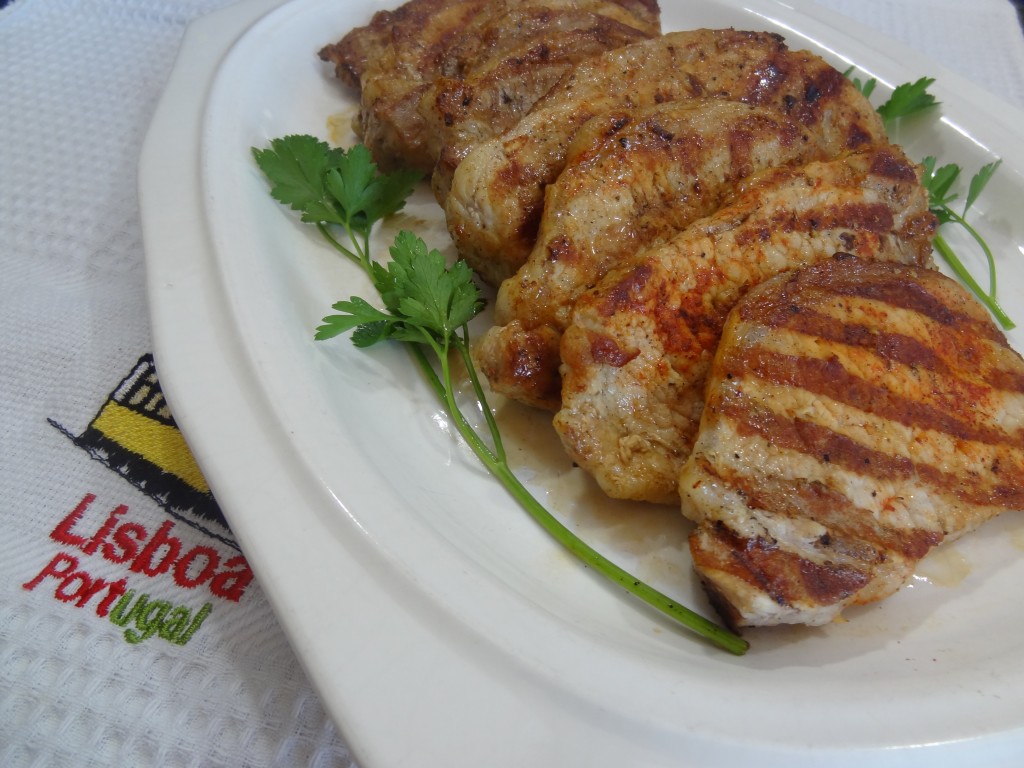
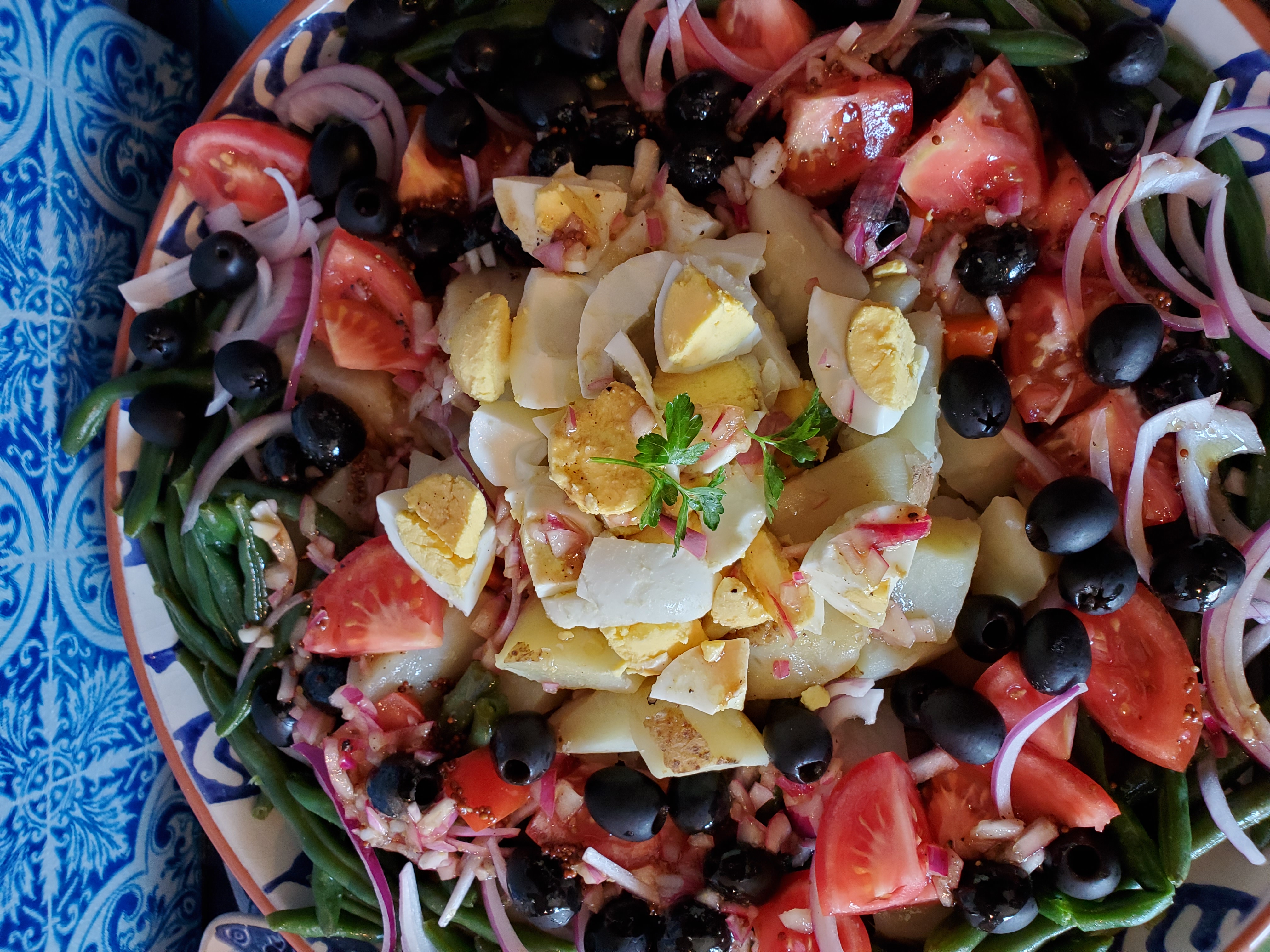
This easy salad can be served with meat, fish and poultry. Add cooked green beans and carrots for a beautiful mix of color. I used beautiful heirloom tomatoes from my garden and served the salad with “Bifana” grilled pork strips.  Find the bifana recipe here.

Pataniscas de Bacalhau go perfectly with this salad.


Take it along on a picnic and pour the dressing over the salad when ready to serve. Since you don’t use mayonnaise, you don’t have to worry about keeping this salad cold. Enjoy!

Ingredients:

1 to 2 cups tomatoes (sliced or quartered)

6 cooked red or white potatoes (chopped into 2 inch cubes)

6 hard boiled eggs (cut into quarters)

1 cup cooked green beans (any variety)

1 cup cooked sliced carrots

1 small yellow or red onion (diced or sliced)

2 tablespoons parsley (finely chopped)

basil (minced) optional

Dressing:

1/4 cup red or white wine vinegar

1/4 cup olive oil

1/2 teaspoon yellow mustard

1/2 teaspoon whole grain mustard

2 cloves garlic (crushed)

1/2 teaspoon salt

1/2 teaspoon black pepper

Preparation:

Arrange all vegetables in a large serving platter. Mix dressing ingredients well and mix into vegetables. Top with parsley and basil.  Serve and enjoy!

September recipe: 10 Chefs 10 Wineries – Crispy Chilean Sea Bass/Catch35 – Aveleda/Alvarinho 2012


To showcase the incredible versatility of Portuguese wines with food, Wines of Portugal is launching an exciting new culinary-focused program in the United States this April. The program, known as “10 Chefs / 10 Wineries,” will match ten Portuguese wineries with ten of America’s top chefs, culminating in an online cooking series and limited edition printed recipe guide that will be available to trade, press and consumers by the end of the year.

Recipe and photos credit: http://www.winesofportugal.com/us/food-and-wine/10-chefs-10-wineries/

Recipe for September in 10 Chefs 10 Wineries series. Crispy Chilean Sea Bass/Chef Eddie Sweeney  Catch35, paired with Aveleda/Alvarinho 2012.


Crispy Chilean Sea Bass with
Sweet Pea Risotto, Bacon Vinaigrette, Bottarga, Egg Yolk

Wine
Aveleda
“Alvarinho 2012”

www.aveledaportugal.pt


For Bacon Vinaigrette & Croutons

2 slices thick cut applewood smoked bacon (cut into small strips)
3 tbl grape seed oil
1 tbl shallots (finely minced)
1/2 cup champagne vinegar
1/4 cup sherry vinegar
juice of 1 lemon
1/2 tbl lemon zest
1 tbl Dijon mustard
1/2 tsp ground black pepper
1/2 tsp kosher salt
1/2 tbl honey
1 cup extra virgin olive oil
2 tbl Italian flat leaf parsley (finely chopped)
5 scallions (green onions)(finely chopped)

1 1/2 cup multigrain bread diced ¼ inch thick

In a small saucepan, cook bacon and grape seed oil on low heat until bacon is semi crispy. Drizzle bacon fat and oil over the diced multigrain bread and Bake in 350 degree oven for 7-8 minutes (reserve for plating).
Meanwhile, add the shallots and both vinegars to the bacon left in pan and reduce by ¼. Put into a bowl. Whisk in lemon juice, zest, mustard, black pepper, salt, honey. Slowly drizzle the olive oil in, while whisking, until all oil is incorporated into the vinaigrette. Finish by whisking in parsley and scallions. This can be held at room temperature for up to an hour before serving.

For the Risotto

5 cups peas
8 cups water
1/4 cup Kosher salt

29 oz chicken stock

2 tbl extra virgin olive oil
1/2 cup white onion
pinch of kosher salt
2 cloves garlic (smashed with side of knife)
1 1/2 cups Arborio rice
5 oz white wine
1/4 cup heavy cream
1/2 cup parmesan cheese

Bring water and Kosher salt to boil in a sauce pan. Add peas to the water and blanch them for 1 ½ minutes. Drain the water, reserving 3/4 cup of the cooking liquid. Cool peas under cold running water. Puree half of the cooled peas in a food processor and strain the puree. Mix the puree and whole peas together and reserve to finish the risotto.
In the same pot bring the chicken stock to a slow simmer.
Meanwhile, in a large saucepan, sweat the onions and oil until they are translucent. Add the rice and cook for 1 minute to slightly toast the rice. Add the garlic, cook for 30 seconds. Add the wine and cook until rice absorbs it, constantly stirring. Add the chicken stock, ladle by ladle, again constantly stirring until incorporated into the rice. By stirring you are building a creamy starchy risotto. When all of the stock is incorporated, add the heavy cream and reserved peas with puree mixture. Once mixed in fold in the cheese and it is ready to eat. The rice should have a slight toothy feel, but rich and creamy at the same time.

For the fish and plating

4 each 7 oz filets of Chilean Sea bass
salt and pepper (to taste)
2 cups all purpose flour
1 egg
1/2 cup water
1 1/2 cups Panko (Japanese bread crumbs)
4 tbl grape seed oil

4 super fresh egg yolks
3 cups baby arugula
1/2 cup red onions (shaved very thin)
croutons from earlier
salt & pepper
1 oz. bottarga (preserved mullet roe)

Preheat oven to 400 degrees. Heat a sauté pan on medium high heat. Season the bass with salt and pepper on both sides. Dip the filets into the flour only on one of the sides. Dip them in egg on the same side. Then, dip them in the Panko on that side. Reserve them on a sheet tray or plate. Add the oil to the hot pan. Fry the filets, two at a time, Panko side down first for a minute or two until golden brown, flip them over and give them another minute on the other side. Transfer them to a sheet tray. Repeat with remaining filets. Place the sheet tray in the oven until they are cooked. When they can flake easily, or better yet, the internal temperature reaches 130 degrees. About 3-5 minutes depending upon the thickness of the filet.

Plating:
Spoon some risotto on each plate in a long oval shape. On one side place your sea bass. On the other side make an indentation for an egg yolk and place the raw egg yolk. Put a small pinch of kosher salt on the yolk. In a small bowl toss together arugula, red onions, and croutons. Dress the salad with a little vinaigrette and a pinch of salt and pepper. Place some salad over the egg yolk and fish. Drizzle a little more vinaigrette around the plate. Finally grate a small amount of the bottarga over your dishes. Enjoy with 3 of your friends.


Catch 35
35 W Upper Wacker Dr, Chicago, IL 60601
(312)346-3500

www.catch35.com
https://www.facebook.com/pages/Catch-35-Chicago/182949201157
https://twitter.com/CatchThirtyFive

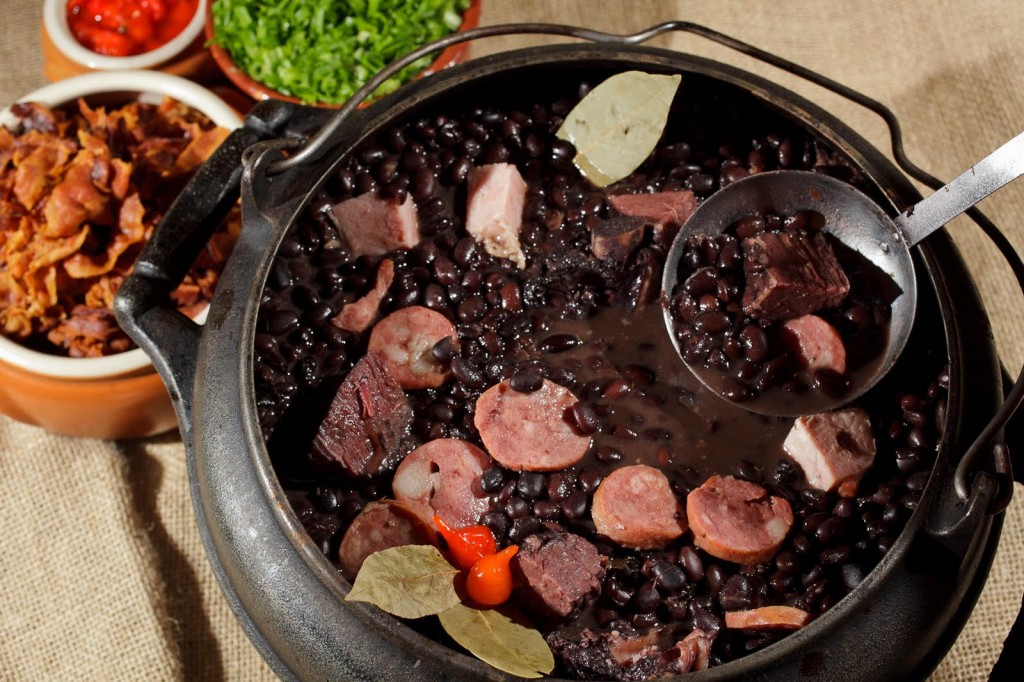
Feijoada à Brasileira – Brazilian Black Bean Stew

(image credit: www.acontece.com)

My family loves Feijoada à Transmontana – Portuguese Bean Stew that I make on cold winter days. This recipe for Feijoada à Brasileira is similar but it uses black beans which gives the stew and meat a dark rich color. Known references to the dish in Brazil, go back almost 100 years ago when an article about feijoada appeared in; Diario de Pernambuco, in Recife, August 7, 1833.

This is perfect dish to serve for a large group of friends! The recipe seems complicated but it’s relatively easy because the stew cooks in one pot. I’ve included the recipe for the sides which are also easy to make and require few ingredients. I also have the recipe for the national drink of Brazil;  “Caipirinha” which is typically served with the feijoada!

Caipirinha Recipe

1 lime (quarted)

2 teaspoons sugar

2 ounces cachaça liquor

Place the lime and sugar in a thick glass. Mash the sugar and lime together. Add ice. Add the cachaca and stir well.

(image credit: foodviva.com)


The recipe is also posted in the Portuguese language below for my Brazilian followers!

If you’re wondering why the recipe calls for 2 oranges? It’s because you use 1 orange to cook in the stew to cut the fattiness in the meats. The other orange is served on the side as a garnish to clean your palette.

This recipe is adapted from a Brazilian foodie website run by a group of four friends which include an advertising agent, an architect, an administrator, and an attorney. They were very helpful and also sent me a very informative article on the history of “Feijoada” which is fascinating!


“Food goes beyond the taste, aroma, color and texture … Every food has a story!  An advertising agent, an architect, an administrator and an attorney … what do they… have in common? Besides the passion for two wheels, friendship, and charm they have an immense curiosity for cuisine.  Mix it with travel, history, tasting, and with motorcycling! We decided to begin our on the road culinary search on our motorcycles. We go behind the history of food, wherever it is! Come travel along our roads as we explain about food and have fun around the table!

This is; “every food has a story”…

Instagram:todacomida 
Twiter:todacomidatem 


Traditional “Feijoada a Brasileira” recipe adapted from Toda Comida tem Historia

Ingredients:

1/2  pound of beef jerky

1/2  pound of salted or smoked pork ribs

1/2 pound of salted pig trotters (optional)

1/4 pound of  salted pork tail

1/4 pound of salted pork ears

1/4 to 2/3 pound of smoked or salted pork Loin

1/4 pound of sausage (Paio Portuguese Sausage)

1/4 pound of Portuguese chourica sausage

1/4 pound  of smoked ox tongue

1/8 pound of cured bacon

2 pounds of uncooked black beans

2 cups chopped onion

6 minced garlic cloves

6 bay  leafs

1/4 cup olive oil

2 oranges (1 for cooking, 1 for garnish)


Sides

Collards

2 pounds Collard greens

2 garlic cloves

2 tablespoons olive oil


Rice

2 cups rice

4 cups water

1 tablespoon of butter

salt


Cassava

1/2 pound of cassava (manioc) flour

1 onion (chopped)

3 garlic cloves

6 tablespoons flour

salt


Instructions:

Prepare the beans the day before:

Pour the black beans into a bowl and discard any stones or debris. Wash them in a colander under running cold water and place them back into the bowl. Cover with cold water 3 inches above the beans and let soak in the refrigerator overnight.  The beans will double in size. Drain them and set aside for cooking.

Wash and clean salted meats, removing excess fat and nerves. Let soak in water for 24 hours in the refrigerator, changing the water three or four times during this period.

Day of cooking:

Boil salted meats in whole pieces for about 20 minutes over high heat, and through out the water.  In a large heavy soup pan saute the onion and garlic in 1/4 cup of olive oil on medium heat. Add the beans, bay leaves and oranges cut in halves. Add the meats in the following order; beef jerky, pig feet and ear. Add enough water to cover the meats, stir and cook on low medium heat. Half an hour later add the tongue, tail and ribs. Half hour later add the pork loin, the sausages, and bacon, cook for a few minutes and remove any of the fat that is rising to the surface.

Remove the orange halves and bay leafs, and cook for 2 hours on low simmering heat stirring very often so it does not stick. After two hours test the degree of doneness of the meats by piercing with a fork. Remove the meats that are done and set aside. Continue cooking the remaining meats until fork tender. Remove meats, cut them into small serving size pieces and return them to the pot with the beans. Cook for 10 to 15 minutes on low heat to incorporate the flavors.

Serve with white rice and steamed cabbage in olive oil and garlic, and a beautiful crumbly cassava.

Collard green preparation:

Wash, pat dry and remove the stem from the collards. Stack the leaves on top of each other and form a roll. Cut the collards into thin strips.

Saute one garlic clove in 2 tablespoons of olive oil until translucent. Add the collards a dash of salt and cook for about 3-5 minutes stirring continuously until tender.

Set aside and reheat if necessary on low heat before serving.

White rice preparation:

Bring 4 cups of water to a rolling boil. Add 2 cups of rice, 1 teaspoon of salt and 1 tablespoon of butter. Stir, lower heat to medium, cover and cook for 15 minutes stirring a few times.

Remove from heat, leave covered until ready to serve.

Cassava preparation:

Saute the onion and garlic in the olive oil on medium heat until translucent. Add the flour a few tablespoons at a time while stirring until it is cooked and golden brown.

Set aside and serve warm.
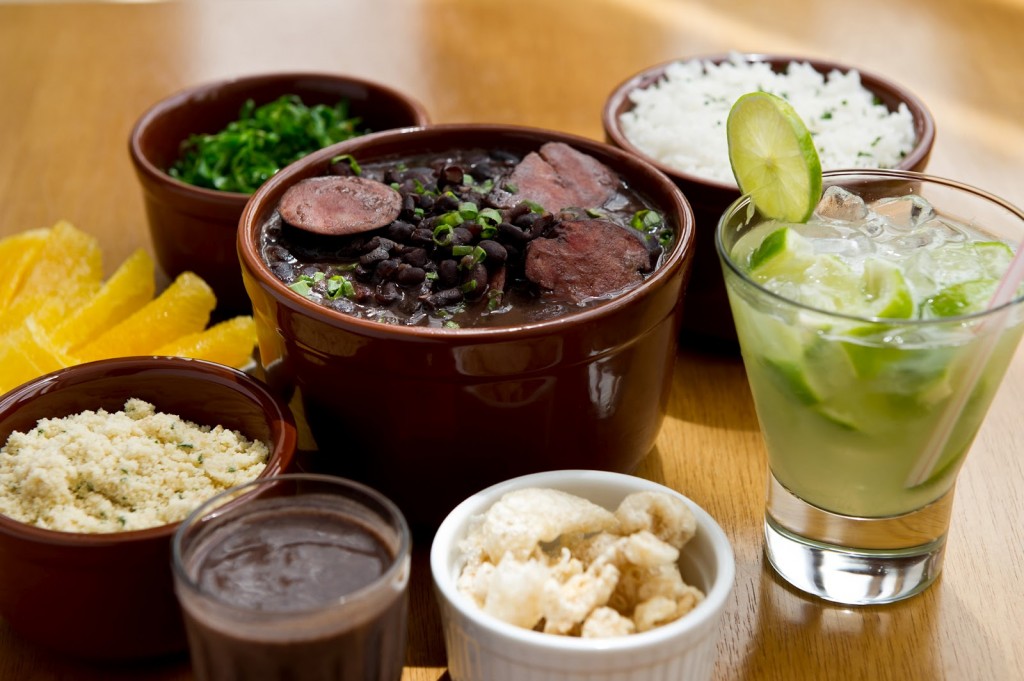
 

(image credit: .esquinamagica.com.br)

History of Feijoada

The popular most widespread explanation of the origin of feijoada is that the masters – the coffee farms, and the gold mines of the sugar mills – supplying slaves to the “remnants” of pigs when they were carneados. The cooking these ingredients with beans and water, was to give rise to revenue. This version, however, does not hold, either in culinary tradition, is lighter in historical research. According to Carlos Augusto Ditadi, specialist in cultural affairs and historian of the National Archives of Rio de Janeiro, in an article published in the Gula Magazine, May 1998, the alleged origin of feijoada is merely contemporary legend, born of modern folklore, a romanticized view social and cultural relations of slavery in Brazil.

The dietary pattern of the slave does not differ fundamentally in eighteenth-century Brazil. Still based on cassava flour or corn made ​​with water and a few more additions, ie, which had been established since the early days. The slave society of Brazil in the eighteenth century and into the nineteenth, was constantly plagued by shortages and high prices of basic foods, due to the monoculture, the exclusive dedication to mining and the system of slave labor, there are rare deaths due to poor diet including the death of lords themselves.

The slave could not be bullied simply because it was expensive and the cost base of the economy. Should eat three times a day. Usually lunched at 8 o’clock in the morning, dined at 1 o’clock and dined around 8 or 9 o’clock at night. In historical references on the menu of slaves, found the clear presence of corn meal mush, or cassava flour, besides beans seasoned with salt and fat, served very thin and the occasional appearance of a piece of beef or pig. Harvested some orange complemented the rest of the foot, which prevented scurvy. Sometimes, at the end of good coffee harvest, the foreman of the ranch could even get a whole pig slaves. But that was the exception. Recognized no historical reference about a poor and humble feijoada, elaborated within the most sad and starving senzalas no.

There is also a sales receipt for the Imperial House of April 30, 1889, a butcher in the city of Petropolis, State of Rio de Janeiro, in which one sees that ate up green meat, veal, lamb, pork, sausage, blood sausage, liver, kidneys, tongue, brains, entrails and ox tripe sauces. This proves that not only were slaves who ate these ingredients, and they were by no means “leftovers”. Instead, they were considered delicacies. In 1817, Jean-Baptiste Debret now report the regulation of the profession of tripeiro in the city of Rio de Janeiro, who were street vendors, and which sourced these parts of the animals at slaughterhouses from cattle and pigs. Debret also reports that his brains were going to hospitals, and liver, heart and tripe (cow, cattle and pigs) were used to make polenta, commonly sold for slaves to gain or blinders in the squares and streets of the city. This practice, which arises, in Rio de Janeiro, is called “the angu Bahia”, mainly because it takes in its composition, palm oil (palm oil).

Therefore, its creation and name has to do with ways of making Portuguese, the regions of Extremadura, the Beiras and Tras-os-Montes and Alto Douro, mixing beans of various kinds – minus the black beans (of American origin) – sausages, ears and pig’s foot. In fact, cooked are common in Europe, as French cassoulet, which also leads beans in its preparation. In Spain, the Madrid native Asturian stew and pork and, in Italy, the Milanese casseruola or casserola beans are prepared with chickpeas. Apparently, all of these dishes were similar to that ugly, it was increased with the passage of time, becoming even in the dish of the present development. Cascudo noted that its formula is still in development.

The feijoada seems to be already well known in the early nineteenth century, as evidenced by a notice published in the Diario de Pernambuco, in Recife, from August 7, 1833, in which a restaurant, Hotel Theatre, newly opened, informs that Thursdays would be served “the Brazilian feijoada”. On March 3, 1840, in the same newspaper, Father Carapuceiro published an article in which he said:

“In families where the real food is unknown where regabofes take, and it is usual practice comezinha convert into feijoada fragments from dinner when they call burying the bones […] You can lay in a large pot or cauldron leftover turkey, roasting pigs, fatacões bacon and ham, moreover good vassalhos jerky aka Ceará, everything will mix with the beans essential: everything is reduced to a grease “!

In 1848, the same Diário de Pernambuco already announced the sale of “beef bacon, suitable for stews, 80 reis pound”. On January 6, 1849, the Jornal do Commercio of Rio de Janeiro, is a statement that the newly installed eatery “New Coffee do Commercio” near the tavern of “Fame Coffee with Milk”, will in all Tuesdays and Thursdays, at the request of many customers, “Bella Feijoada to Brazilleira”.

composition

Full feijoada, as we know, accompanied by white rice, orange slices, braised kale and farofa, was very renowned restaurant in Rio G. Lobo, who worked on General Street Hall, 135, in the city center of Rio de Janeiro . The establishment, founded in the late nineteenth century, disappeared in 1905, with the works of enlargement of the street Uruguayana. With the construction of Avenida Presidente Vargas, in the 1940s, this street disappears definitive.
In the books “Chest Bones” and “Iron Floor”, Pedro Nava describes the feijoada G. Wolf, praising the one prepared by Master Wolf. Especially, it is revealed in the presence of black beans, a Rio predilection. Contemporary revenues would have migrated from the establishment G. Wolf kitchen to other restaurants in town, as well as São Paulo, Minas Gerais and Bahia. Bars and taverns of the great cities of the East Central also adopted successfully. But caveat is that Pedro Nava (…) “before the venerable evolution of Latino dishes.”

“In my Chest Bones said, repeating Noronha Santos, who is legitimately complete feijoada carioca dish. Was invented in Old Hall Street General, the famous restaurant of G. Wolf, whose name was said in Globe contracted. Emphasis added now the “invented” to score well marked its meaning of “finding.” we can not say that it was spontaneous creation.’s venerable before the evolution of Latino dishes like French cassoulet which is a ragout of white beans with goose meat , duck or lamb – which asks cooker stoneware – cassole – so be prepared.

– Pedro Nava in “Iron Floor”

The feijoada, anyway, become popular among all social classes in Brazil, always a spirit of festivity and celebration, far from remembering shortage. Became famous in remembrance those prepared in the late nineteenth century and early twentieth century, in the city of Rio de Janeiro, Bahia by Tia Ciata.

And previously, the writer Joaquim José de França Júnior, text 1867, notionally describes a picnic in the field of Old Jail, serving a feijoada with “(…) Loin, pork head, guts, mocotós, language Rio Grande, ham, beef jerky, sausage, bacon, sausages (…) “, and, in 1878, describes a” feijoada in [Paqueta] “, where it says:” (…) The word “feijoada “whose origin is lost in the mists of time of the King our Lord does not always means the same thing. in common sense, feijoada is a succulent and savory delicacy of our ancestors, the bastion of poor table, ephemeral whim of banquet of rich, essentially the national dish, as the theater of Pena, and the thrush of felt endeixas Gonçalves Dias. figuratively, that word refers to binge, that is, “a role made ​​between friends in remote or little patent “(…)”.

Currently, it spreads throughout the country, as the most representative Brazilian cuisine recipe. Revised, enlarged and enriched, feijoada is no longer exclusively a dish. Today, as also noted Cascudo, is a complete meal.

Text reference: Gula Magazine


Feijoada tradicional

Ingredientes

200 g. de carne seca bovina
200 g. de costela de porco salgada, ou defumada
200 g. de pé de porco salgado
100 g. de rabo de porco salgado
100 g. de orelha de porco salgada
150 g. de lombo de porco defumado ou salgado
100 g. de paio
100 g. de linguiça portuguesa
100 g. de língua de boi defumada
050 g. de bacon
900 g. de feijão preto
200 g. de cebola picada (para o tempero do feijão)
100 g. de alho picado (para o tempero do feijão)
006 fls. de louro (para o tempero do feijão)
002 un. de laranjas com casca (bem lavadas)

Modo de fazer

Limpar bem as carnes salgadas, tirando o excesso de gorduras e nervuras, limpando os pêlos e colocando-as de molho em água por 24 horas, trocando-se a água três a quatro vezes durante este período.

Ferva as carnes salgadas em peças inteiras, durante mais ou menos 20 minutos em fogo forte, e jogue a água fora, pois nela está todo o excesso de gordura. Coloque então as carnes para cozinhar de forma definitiva, já com o feijão, as folhas de louro e as laranjas cortadas em metades, na seguinte ordem: carne seca, pé e orelha. Meia hora depois coloque a língua, o rabo e a costela, e após meia hora, coloque o lombo, a linguiça, o paio e o bacon, cuidando para tirar e jogar fora, durante todo o cozimento, a gordura que for subindo à superfície.

Em uma frigideira, doure bem a cebola e o alho em duas xícaras de óleo previamente aquecido, colocando na panela do cozimento, junto com as últimas carnes para cozinhar, retirando antes as metades das laranjas, que já cumpriram a sua missão de ajudar a cortar a gordura das carnes. Após duas horas comece a testar o grau de cozimento da carnes com o garfo, pois nem todas chegam ao grau de maciez ao mesmo tempo, retirando e reservando as que já estiverem no ponto.

Quando todas as carnes e o feijão estiverem no ponto, retire e corte as carnes em pedaços pequenos para servir, voltando para a panela com o feijão e cozinhando por mais 10 a 15 minutos em fogo brando.

Sirva com arroz branco e couve refogada no azeite e alho, e uma bela farofa de mandioca.