Category: Main Dish

Turkey and Vegetable Lasagna


This lasagna is so hearty and cheesy that once you taste it, you’ll never go back to using ground beef.

By adding Red Wine, to the sauce I discovered that you get a bolder richer flavor and I haven’t used beef since!

What a great way to get your family to eat more vegetables in their diet since there are shredded vegetables in the recipe!

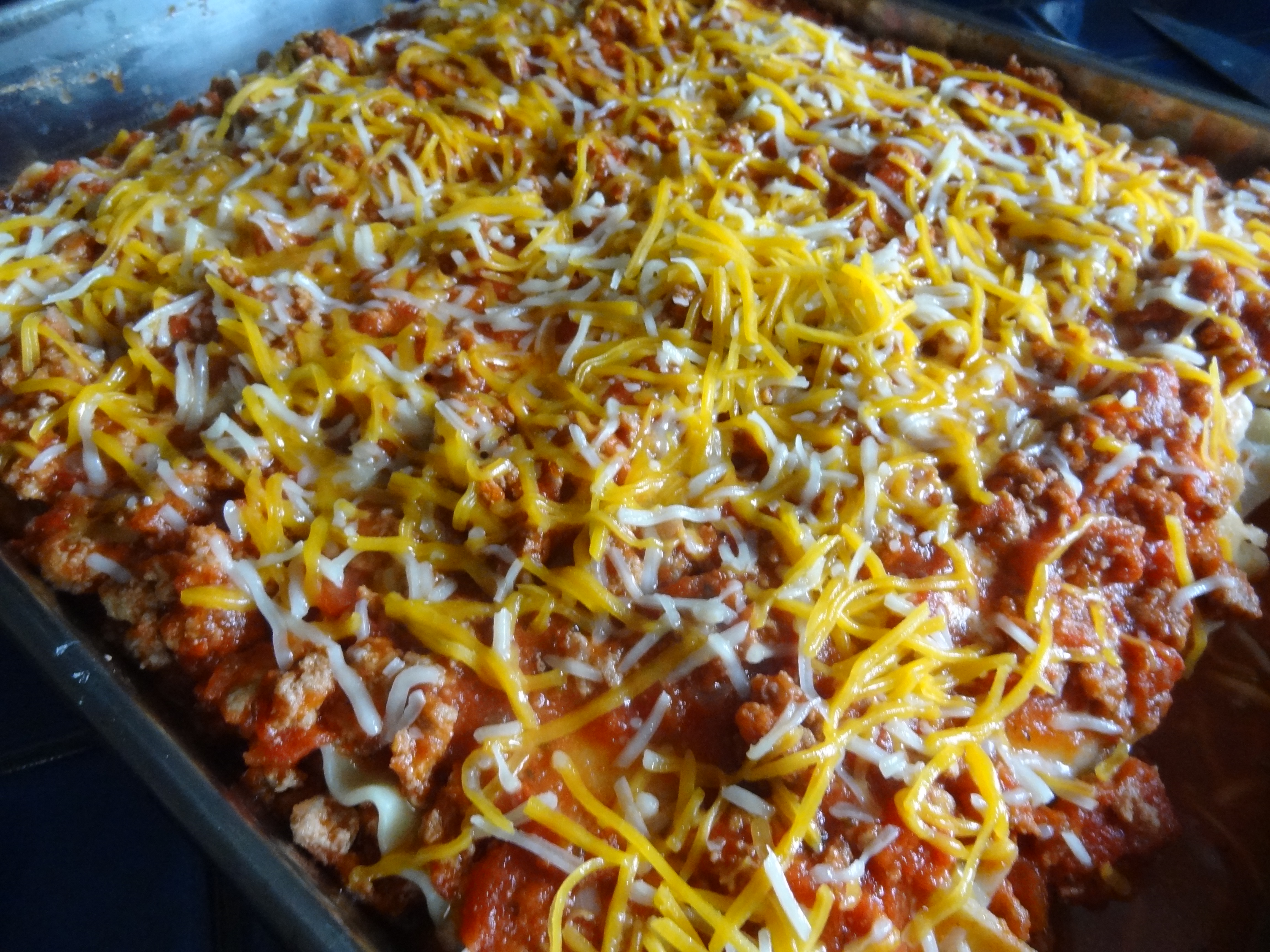
Since most of you know the basic way to make the lasagna, I didn’t take photos along the way until the finished product!

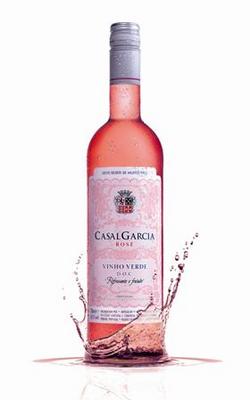
This goes perfectly with Vinho Verde Rose. I discovered this wine a few years ago and I’ve been hooked since! Enjoy!


Ingredients:

2 lbs ground turkey

1 large onion

2 cloves garlic

3 tbsp Olive oil

1 tsp salt

1 tsp pepper

2 tsp dry oregano

2 tsp dry basil

2 28 oz cans of crushed tomatoes (any brand)

2 tbsp tomato paste

1 cup red wine

1 cup shredded carrots (optional)

1 cup shredded zucchini (optional)

1 8 oz package of shredded Cheddar cheese

1 8 oz package of Mozzarella cheese

2 cups part skim Ricotta cheese

1 package of Lasagna noodles (Any brand)


Instructions:

Step 1 :

Saute the onions and garlic with the olive oil in a large sauce pan until translucent. Add the turkey and let brown. Break up the turkey as it cooks.

Add 1 tsp oregano, salt, pepper, 1 tsp basil, tomato sauce, tomato paste, red wine, carrots and zucchini. Let the sauce cook on medium heat for about 20 minutes.

Step 2:

Meanwhile cook the Lasagna noodles as directed and put aside.

Step 3:

Mix the Ricotta cheese with 1/2 of the cheeses, 1 tsp oregano and 1 tsp of the basil in a small bowl, and set aside.

Step 4:

In large lasagna pan – begin layering: 1 layer sauce, 1 layer pasta, 1 layer Ricotta cheese, 1 layer sauce etc. Finish with remaining sauce and top with the remaining shredded cheese.

Cover loosely with foil to let steam escape and let it cook for about 40 minutes at 350.

If you like a crusty cheese top uncover the lasagna for the last 10 minutes.

Let the lasagna sit for 10 minutes and serve! Enjoy!


Cozido a Portuguesa – Portuguese Hot Pot

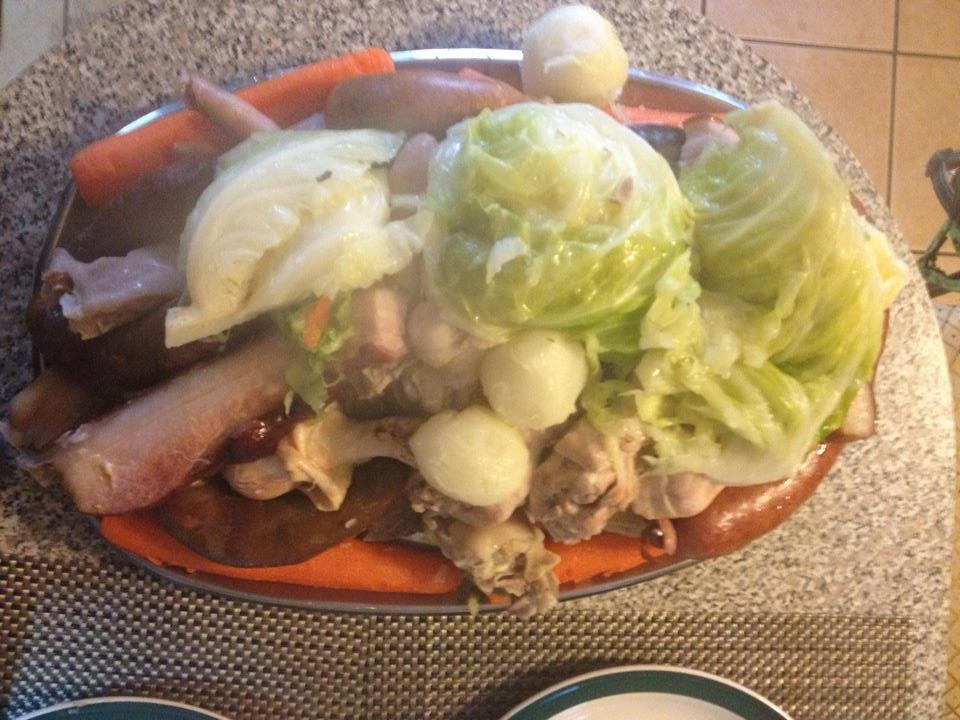
Cozido a Portuguesea (Portuguese Hot Pot) by Nelson de Sousa

Nothing says I love you as much as cooking that great classic, “Cozido a Portuguesa” for your family on a cold winter day!

Here’s a recipe from a great home cook! Nelson, is a Bona fide –  “Portuguese Foodie” like me who puts his heart on the plate.

He loves Portuguese food so much that began a “Portuguese Cooking” page on Facebook and even took a job as unpaid intern – sous chef at: o lagar restaurant – a Portuguese restaurant in Union NJ.

Nelson’s  recipe for Portuguese Oxtail Stew recently won a contest on (rumbameats.com).

Here’s his intro and his recipe below. Thanks Nelson. Enjoy everyone!

Nelson de Sousa – Feb 21, 2011:

Every culture has a tradition of a boiled meat dish. The Chinese call it hot pot, the French call it choucroute and Latin Americans call it sancocho. The Portuguese call it cozido and nothing beats this comfort food in the middle of winter with several inches of snow falling and a negative wind chill!

Of course it doesn’t much snow in Portugal but cozido reminds me of cold Saturdays in my parent’s basement with a big pot of boiling goodness that would steam up the windows, walls and the TV with its warmth. The Portuguese cozido has its origins in the Beira region and is commonly made from shin of beef, pork, and Portuguese smoked sausages and in some regions chicken, served with cabbage, carrots, turnips, rice, potatoes, and collard greens.

Since the origins of this dish are humble (this is a rustic recipe meant to use up the cheaper cuts of meat) it contains ingredients that are unsavory to more “American” refined palates such as pig’s snout, pig’s feet, pig’s ear and blood sausage.  I give no quantities below as it varies by how many people you are serving.

When you go to the store you will have to gauge how much meat to buy for the amount of people you are serving. Similarly,  I don’t give cooking times as this varies by how much meat you are using, which particular cut you are using and the thickness/weight of each meat item. You will have to test periodically with a knife and fork until you reach your desired tenderness.

Some aficionados of cozido prefer the meat less tender while others prefer it falling off the bone. Traditionally a well plated dish will consist of some quantity of one of everything mentioned below albeit in a smaller cut up portion.

If all the various cuts of meat are not available or they disgust you don’t worry all you need to maintain the spirit of the dish is to have a sampling of all the meats (pork, beef, chicken)  sausage and the vegetables.  


Cozido


Ingredients:

  • stewing beef (whole piece not cut up stew meat)
  • pork ribs
  • pork hock,
  • pork snout
  • pork tail
  • pork ear
  • pork neck bones
  • chicken
  • morcela sausage (a Portuguese blood sausage)
  • chourico sausage (the Portuguese equivalent to chorizo)
  • salpicao sausage (a Portugese sausage)
  • farinheira sausage (a Portuguese mealy sausage)
  • lean unsmoked bacon slab, in one piece
  • turnips
  • potatoes
  • white cabbage
  • carrots, scraped
  • collard greens
  • rice (optional)


Directions:

Place all the meat except for the sausages in boiling water enough to cover all and allow it to  cook at a low boil. Add salt to taste. As each item of meat cooks, remove it from the broth into a separate dish.

Please note that different meats will cook differently.  Check your meat periodically for your desired tenderness.

When all the meat has cooked thoroughly place the white cabbage, potatoes, carrots and turnips in the broth and cook.  Remove vegetables as they are cooked and set aside with the meat.

Once again please note that vegetables may cook at varying rates so check periodically. Add collard greens and boil until tender and cooked.  Finally add the sausages and boil until cooked being careful to watch the farinheira as it can explode.

When the sausages are near being fully cooked gently place the meat back into the broth pot, along with vegetables so that all the ingredients can come up to temperature. Place the vegetables last into the pot.

To plate the dish place the cabbage into a platter. Slice the beef, pork, chicken and sausages into manageable 2-3 inch  pieces and place on top leaving the bone in pieces a little bigger so as to not distort the natural shape of the meat.

Garnish the dish with the remaining vegetables around the platter and top with slices of sausage.

Some like to reserve some of the broth and cook some rice in it.  To do so take some broth out before adding all the ingredients back into the pot to reheat.  Remember that liquid to rice ratios are: 1 quantity or rice to 2 of liquid.

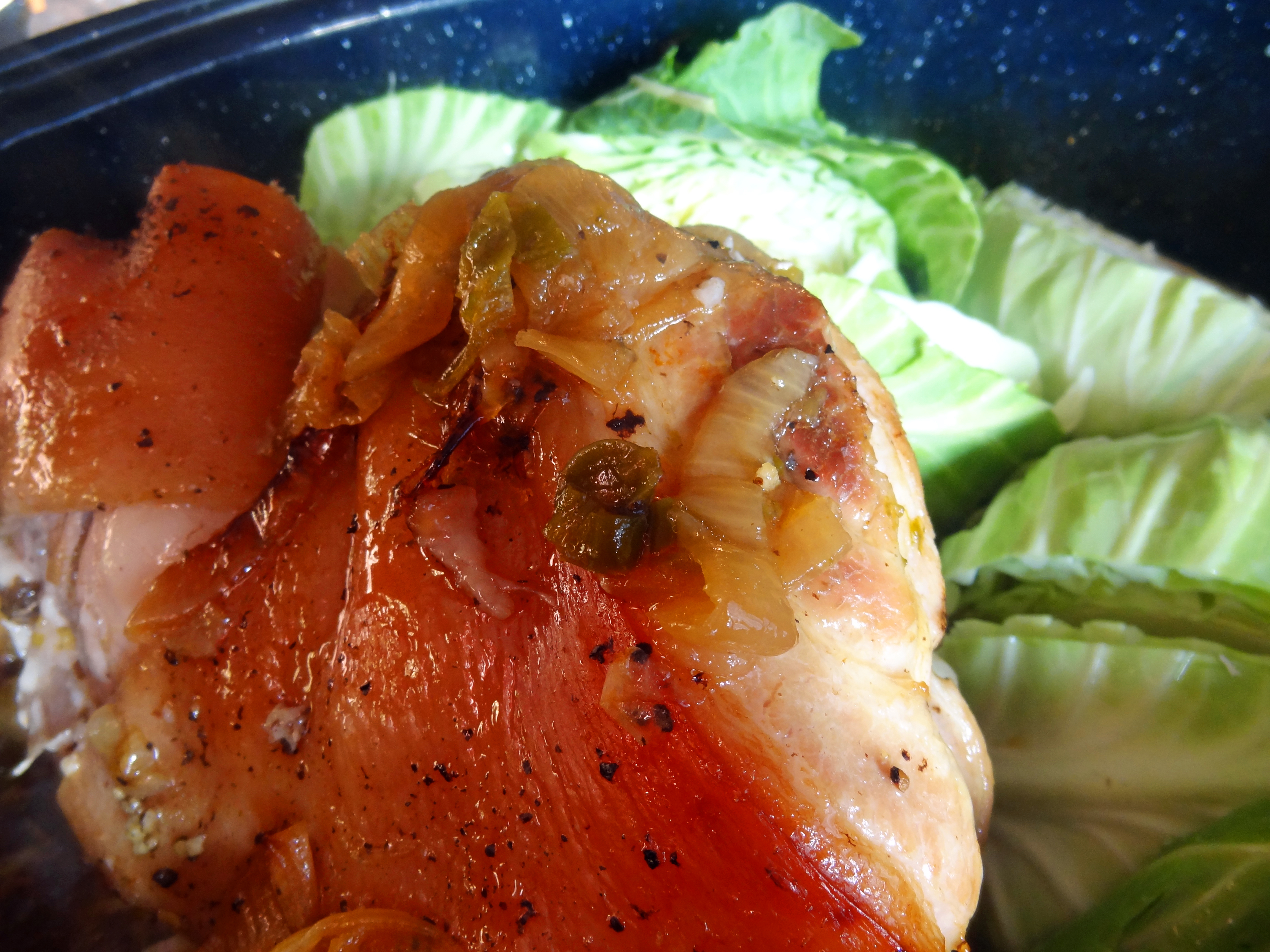
Spicy Portuguese Pulled Pork & Cabbage


I love pulled pork but I’m not a fan of Barbeque sauce so I came up with a Portuguese version.

This recipe is a crowd pleaser for your next party or family gathering. What a great way to warm up on a cold winter day!

My family loves Polish Perogies so I add them to the recipe, but this is optional.

Don’t you love the American Melting Pot of Cuisine?  I used the Southern, Polish, and Portuguese influences in this dish.

It’s very easy to make. You put the pork shoulder with all the ingredients in the oven and 6 hours later your meal is done!

I serve the pulled pork on Portuguese rolls, Pao Caseiro, or Pao Milho of course! Enjoy the recipe.


Ingredients:

1 large uncooked pork shoulder

2 large sliced onions

2 large carrots cut in half

3 cloves garlic

1 bay leaf

1 tsp cumin

2 cups (Sagres Beer) – or any Dark Beer


1 jar of Jalapeno, Chipolte, or any favorite (hot) peppers

2 tbsp  Piri Piri sauce

1 tbsp salt or more to taste

1 tbsp pepper or more to taste

1 large head of cabbage cut into wedges

1 package of any flavor Perogies (optional)


Instructions:

Wash and dry the pork. (Remove Skin if desired) Season with desired salt and pepper. Add all ingredients into a large covered Dutch Oven. I use my turkey roaster which has a lid.

Cook at 300 degrees for 5 hours. During the last half hour add the cabbage and cook until the cabbage is tender. Remove the excess grease from the pan but leave the cabbage in the pan.

Remove the pork and trim off all the fat. Shred the meat using 2 forks and place it back into the pan with the cabbage. (Add Perogies if desired) Cook for about 15-20 minutes to absorb the seasonings in pan.

Serve with Portuguese Roast Potatoes if desired. If you want to serve the pork the next day, let pork cool and store in refrigerator. Enjoy!


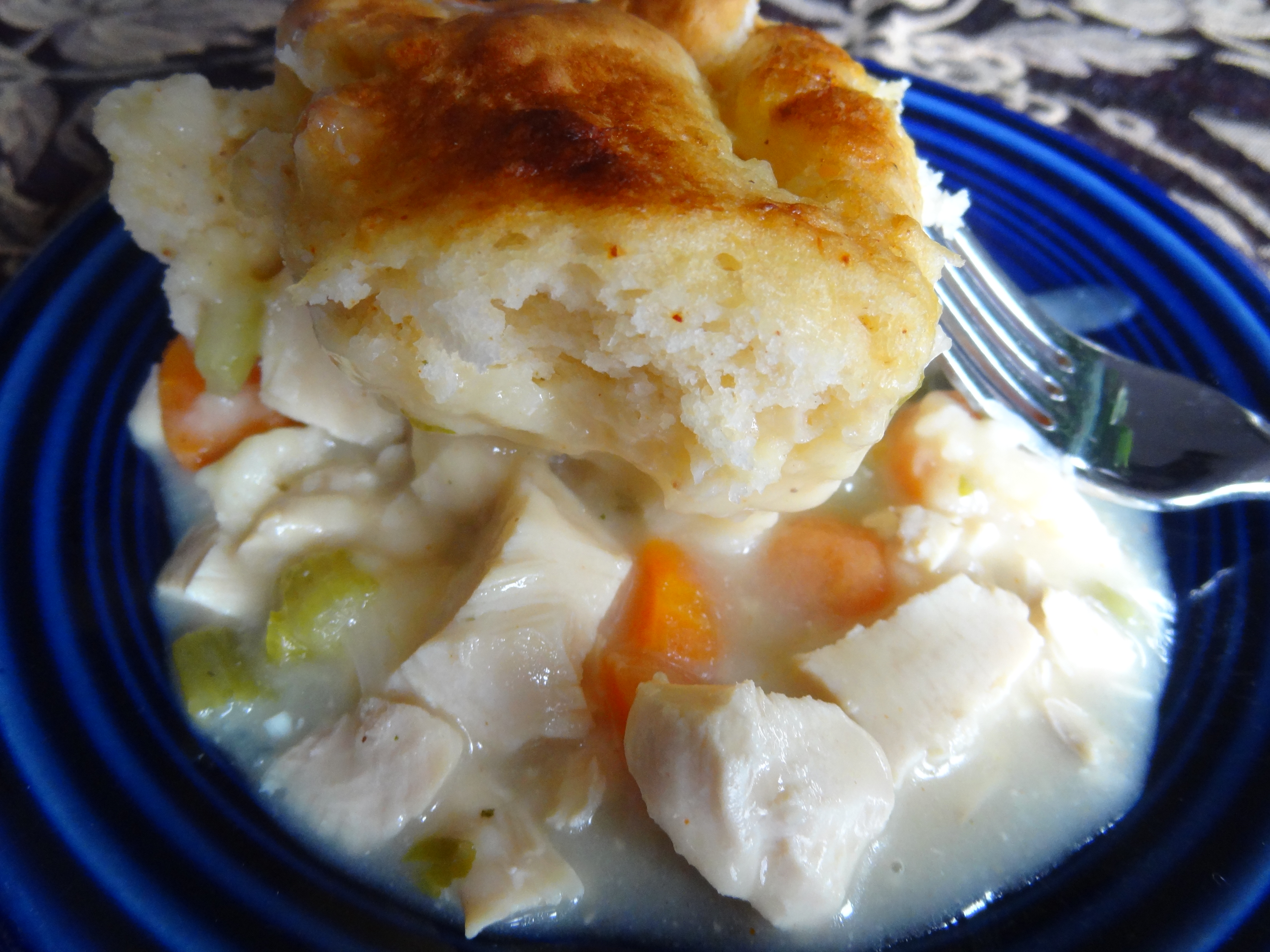
Stove Top Turkey Pot Pie With Dumplings

Don’t through away those leftovers! “Turkey or Chicken Pot Pie” is a family favorite.

This comforting classic is easy to make and I guarantee it will be gone before you know.

Enjoy!

Ingredients:

Filling:

Leftover Turkey (4-6 cups or amount desired) cut into cubes

1/2 cup chopped onion

1/2 cup chopped celery

1 cup cooked carrots

1 cup cooked peas

2 cups leftover gravy

Leftover – cooked potatoes or any vegetables chopped into small cubes (if desired)

salt

pepper

1/2 – 1 cup milk or cream

1 tbsp  Olive oil or Margarine


Dumplings:

3 cups Bisquick or other biscuit mix

1/2 tsp garlic powder

1 tsp chopped parsley

1/2 tsp paprika

1 tbsp melted margarine

1 1/2 cups milk

1 cup shredded cheddar cheese (or any you prefer)


Instructions:

In a very large oven proof skillet or dutch oven, saute onions and celery in oil until tender.

Add all ingredients (except Dumpling ingredients) and cook on low – med for about 10-15 minutes.

Reduce to low, taste and add seasonings if desired. Add more gravy to thicken if needed.

Meanwhile, make the Dumplings by mixing all ingredients in a large bowl. This should look like a very thick pancake dough.

With a large spoon that measures 1/4 – 1/2 cup, drop the dough into the cooked turkey mixture in even amounts that cover the pan.

Add any leftover stuffing if desired in between the dumplings. Cook the dumplings in the pan for about 10 minutes.

The dough will sink into the gravy but it will double in size as it cooks.

Shake the pan gently so the gravy doesn’t stick but don’t break up the dumplings. You’ll notice the dumplings will cook from bottom up.

After 10 minutes, place the pan in the oven on Broil. Leave the oven door slightly open and let the dumplings get golden brown.

Take the pan out of the oven and lift one dumpling to see if it’s cooked through.

If you see the dough is still raw, cook the pot pie on stove top at medium heat for a few more minutes, or in the oven at 400 degrees until the dumpling is fully cooked. Serve with any leftover sides such as the stuffing or vegetables! This will keep in Refrigerator for 2 days. Heat up in oven or microwave.

Enjoy!


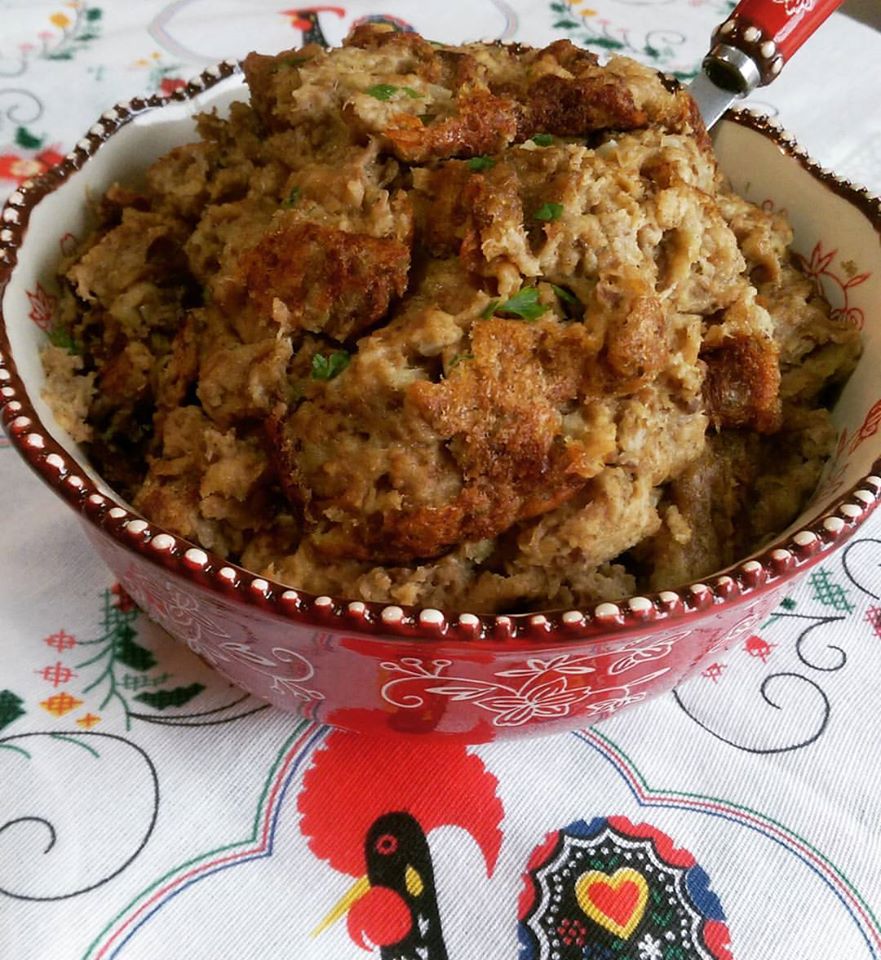
Portuguese Style – Thanksgiving Stuffing


portuguese-stuffing-1

I get many requests from people looking for lost recipes, but especially around the Holidays.

There are many reasons why people don’t have their family recipes.

Some family members didn’t want to share them, the recipes were not written down, or they just hadn’t taken the time to learn the recipe until it was too late.

This Thanksgiving, I encourage you to sit down with the cooks in your family, write down their recipes and share the family traditions and history!

In this post, I’m sharing a little of my own family history along with my family’s favorite Thanksgiving recipe which I only cook once a year!

My family came to America in 1963, when John F. Kennedy was President of the United States. We came here, thanks to my Aunt Isabel, my mother’s sister, who immigrated to America when she was only 16 years old.

She sailed here by ship and passed through the historical landmark of Ellis Island in New York. She eventually became a US Citizen and later filed the paperwork for my mother and her family to immigrate!

My parents were typical Portuguese immigrants, who idolized President Kennedy because he was a proponent of Immigration, which eventually led to the Immigration Act of 1965.

This act, allowed my two older brothers who were living in Brazil at that time to join our family in the USA a few short years after we arrived here.

A soft velvety tapestry of JFK hung on the walls of most Portuguese family living rooms those days. I still have the one my parents had, neatly stored away in my cedar chest as a reminder of our family’s journey of coming to America.

President Kennedy was assassinated only 6 months later and like so many of others, I remember exactly where I was the moment I heard about it. I cried but I don’t think I knew why it affected me so much. Perhaps it was because my mother was crying.

Like so many before them my parents grew to love America and they were happy and grateful to move here. They followed the dream of a better life for their family, opportunity, and freedom from living in a country ruled by Salazar who was the dictator at that time.

I remember my first day in America, but that story is for another day and another recipe.

Like most Portuguese immigrants in America, my family has embraced the tradition of celebrating Thanksgiving since we were very grateful for the blessings of the food, our health, friends, and family.

I was very young when I watched my mother prepare our family’s first Thanksgiving diner, but I remember it vividly.

A friend of hers came by the night before Thanksgiving to teach her how to brine the turkey, and to make the stuffing.

I didn’t understand why they had to drown the poor bald turkey in a big plastic tub filled with salt, water and lemons since it was already dead anyway!

I watched in horror as they prepared the stuffing by peeling the sagging skin hanging off the turkey neck and then chopping up the cooked heart and the liver! Yuk!. I said to myself, I would never make that stuffing for my family, but of course I did.

Despite hating what I saw, I couldn’t leave that kitchen because I wanted to see, what this Thanksgiving cooking fuss was about anyway?

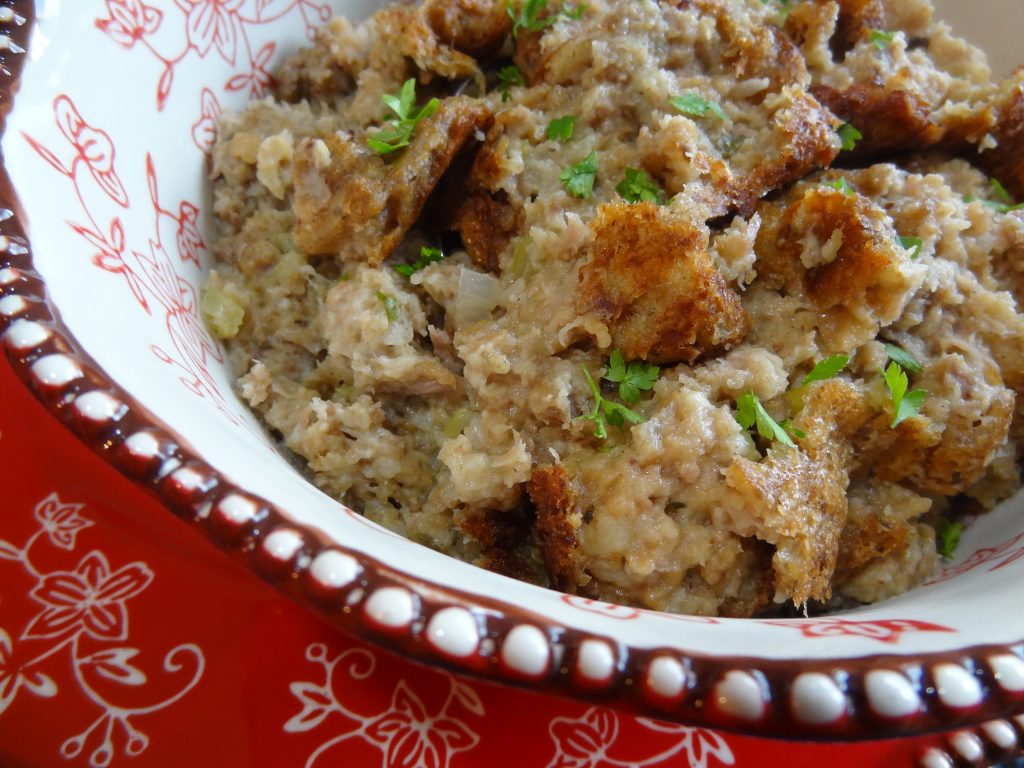
Many years later, I began preparing my mother’s stuffing recipe for my own family and it’s become the favorite side dish on our Thanksgiving table every year!

I hope you enjoy it as much as we do!

*Note that every family has a special Thanksgiving stuffing recipe. Some use meats in their stuffing, while some add chourica to the bread mix. I also use Pepperidge farm stuffing mix for an authentic Thanksgiving flavor. I suggest you try this recipe a couple of times to perfect to your taste by substituting your favorite meats, or bread stuffing mix. You can order chourica online at Gaspars Linguica.

Happy Thanksgiving Everyone!

Tia Maria
dsc06131

Portuguese Style – Thanksgiving Stuffing with Giblets – Serves 12 +

Ingredients:

Giblets & Stock

Turkey Giblets (which come inside turkey – neck, liver, heart, gizzard)

1 medium onion (chopped)

1 celery stock (chopped)

4 cups of water

4 cups of chicken broth

2 cloves of garlic

1 tsp of salt

1 tsp of pepper

Ground Meat & Bread Stuffing

1 lb ground beef, ground turkey, or sausage meat (this is optional)

1/2  cup diced Chourica or Linguica sausage (this is optional)

1/2 tsp garlic powder

1/2 tsp Paprika (omit if you use chourica)

1/2 tsp salt

1/2 tsp pepper

1 small diced onion

3 tbsp of olive oil

3 or 4 day old Portuguese rolls cut into cubes

4 cups of Pepperidge Farms stuffing mix with herbs (optional but use more bread instead and add 1/2 teaspoon of sage)

2 eggs

2 tsp very finely chopped parsley


Preparation:

How to cook giblets and stock:

Step 1:

Place the water, onion, garlic, celery, stock, and seasonings in a large stock pan and bring to a boil.

Rinse the giblets and neck and place them (except the liver) into the pan.
Cover, and cook on medium heat for at least 1 hour.

*Add liver during the last 10 minutes of cooking.

*The giblets should very well cooked, let cook longer if needed.

Remove the giblets from pan but save the stock. When giblets and neck are cooled, trim the meat by removing any ten-dints, veins or skin.

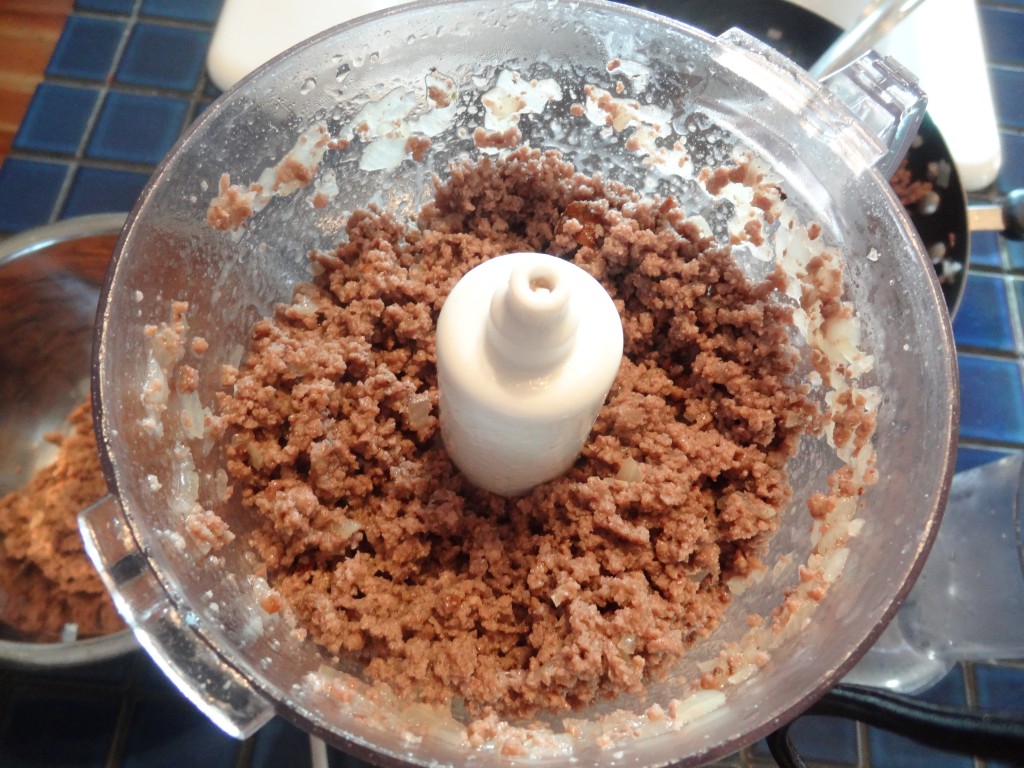
Place the trimmed meat in a food processor and pulse until they are the consistency of ground meat or leave chunky if you prefer.
Meatstuffing

Step 2

*Prepare meat for stuffing

Saute ground meat in olive oil with onions and seasonings until cooked. Add the diced Chourica the meat and mix.

Place in a food processor and pulse about 5 times until you get a smooth like consistency – (or chunky if you prefer

Step3:

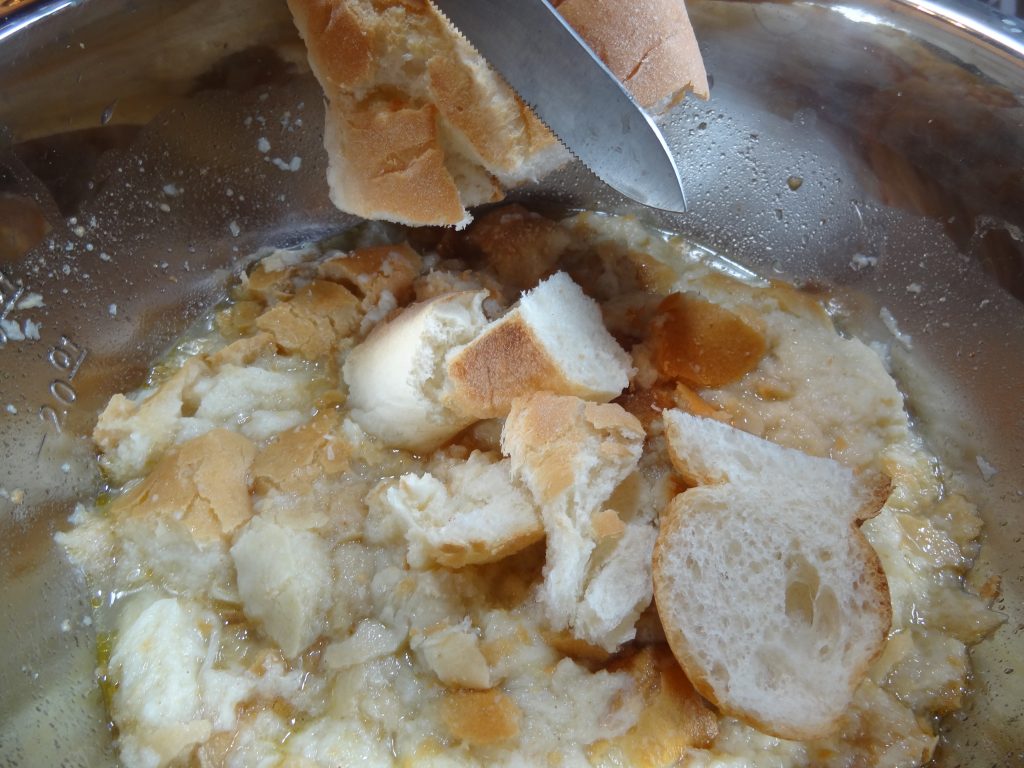
Strain your giblet turkey broth into a large bowl. Add the Portuguese rolls.
dsc06114

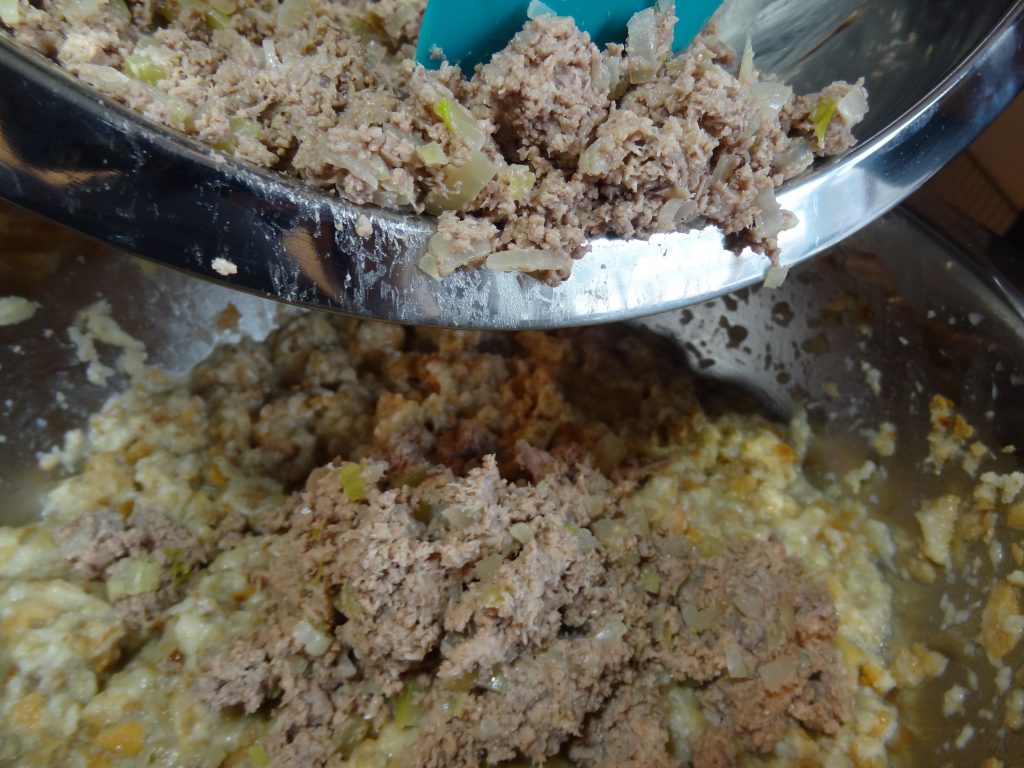
Let the rolls absorb the broth until they are soft. Add the cooked onion, garlic and celery from the broth. Mash well with your hand or a potato masher.

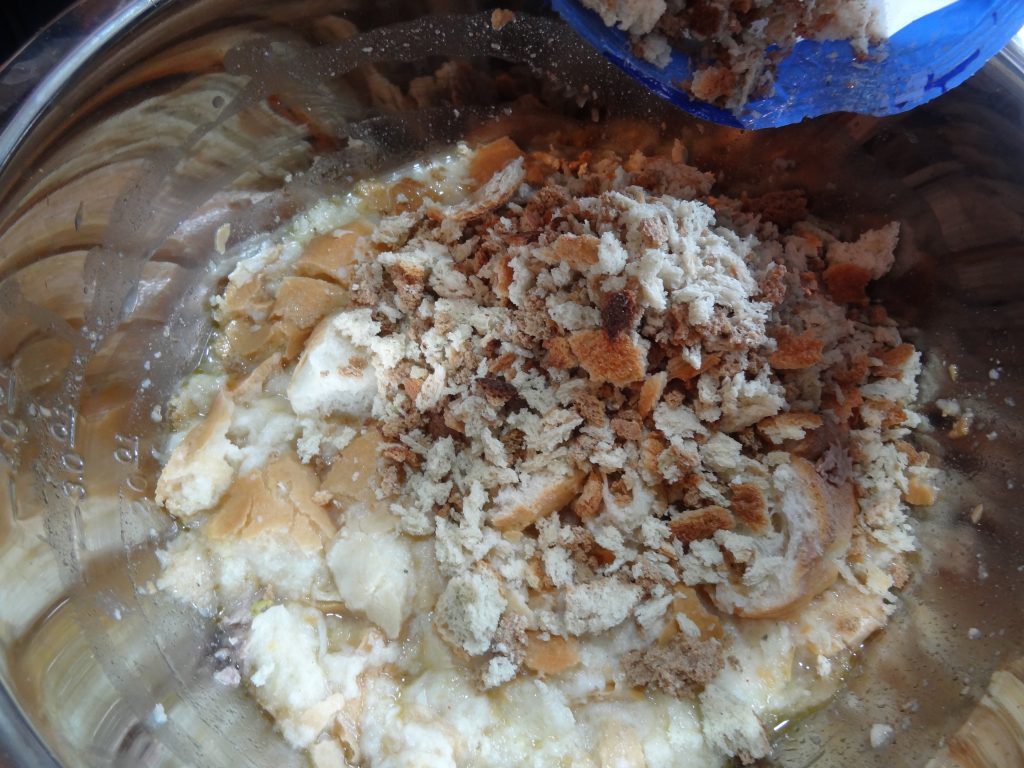
Add stuffing mix, ground meat mixture, and giblets. Mix until well incorporated.
dsc06118

dsc06122

At this point it’s up to you, if like a wet stuffing leave it alone, if you like a dry stuffing, add more stuffing mix or bread. If you find the stuffing dry add more broth.

Taste the stuffing and add salt or seasonings to your taste.

Add 2 eggs, and parsley. Mix well.

Spray or grease with margarine, a souffle, or baking pan which is at least 4 inches deep and big enough to hold all of the stuffing

Pour in the stuffing and cover with foil. Cook for at least 45 minutes at 350. If you want a crispy top remove foil during the last 15 minutes.
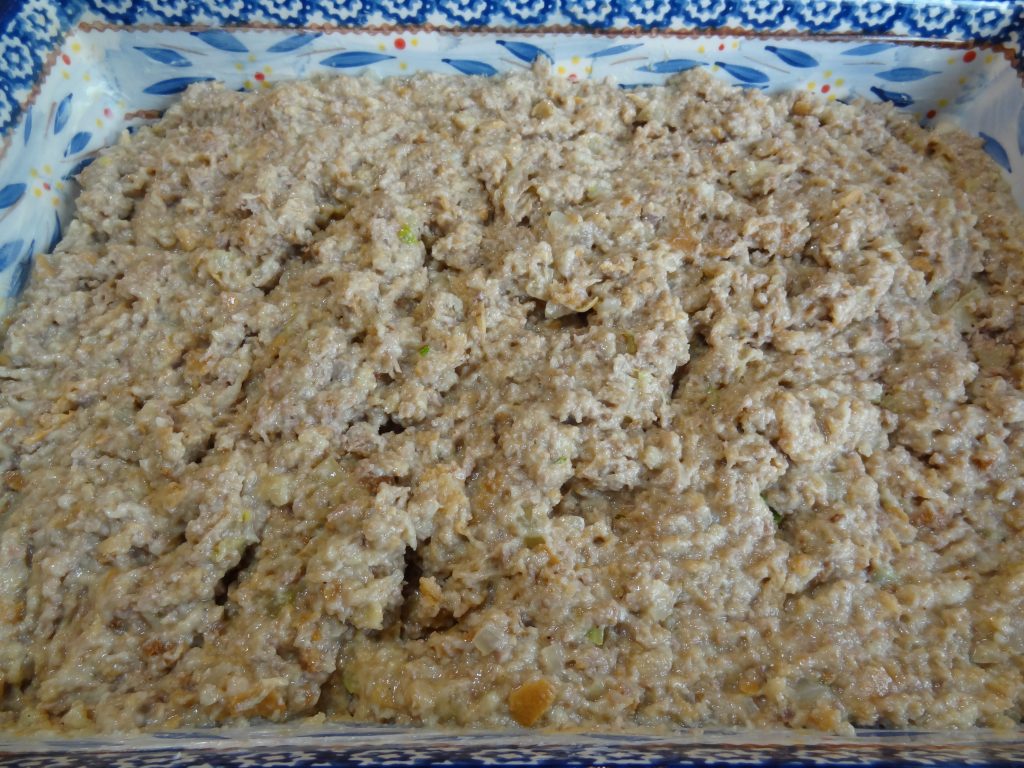
dsc06124

* Important – If you make this the day before. Let it cool – cover and store in refrigerator. (Heat up in the oven for 20-30 minutes at 350 F oven, or one portion at at time in the microwave.)
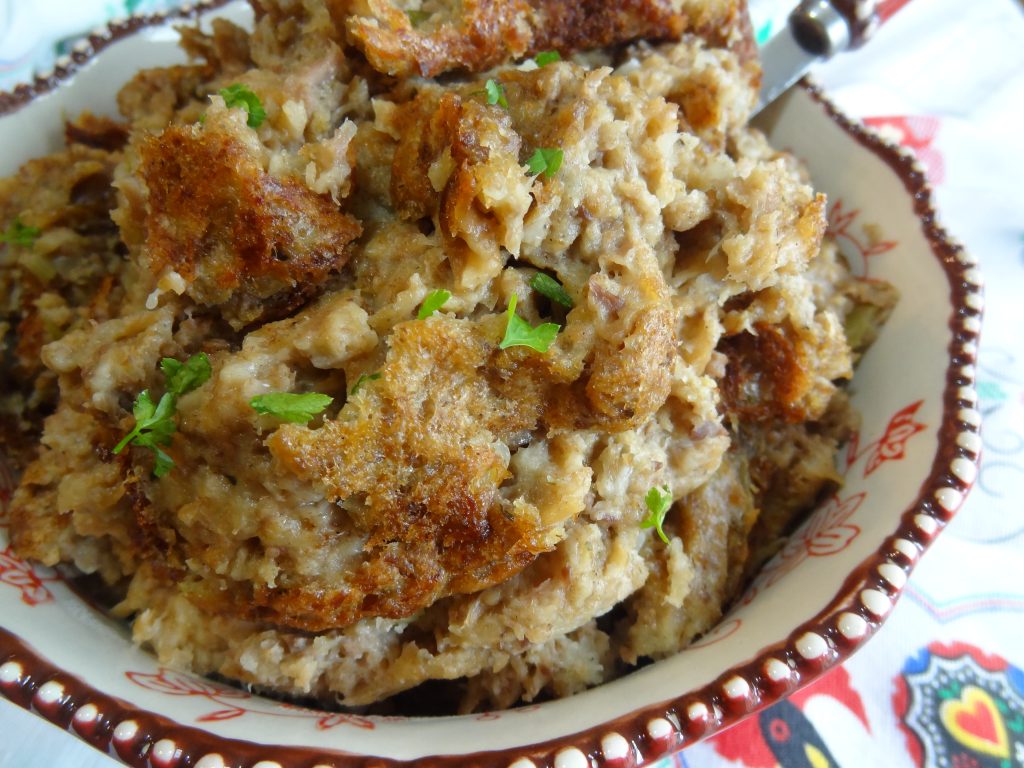

dsc06136

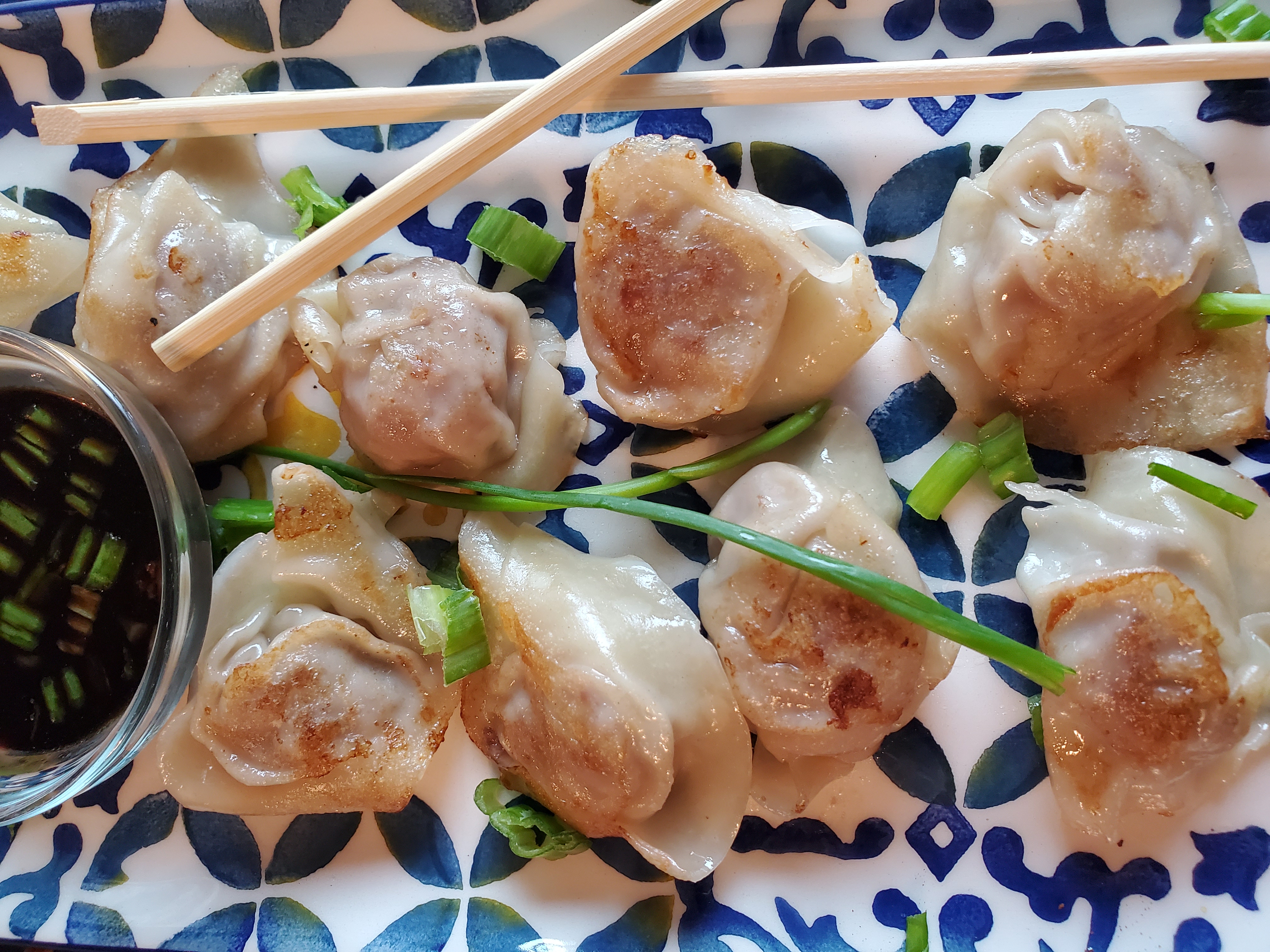
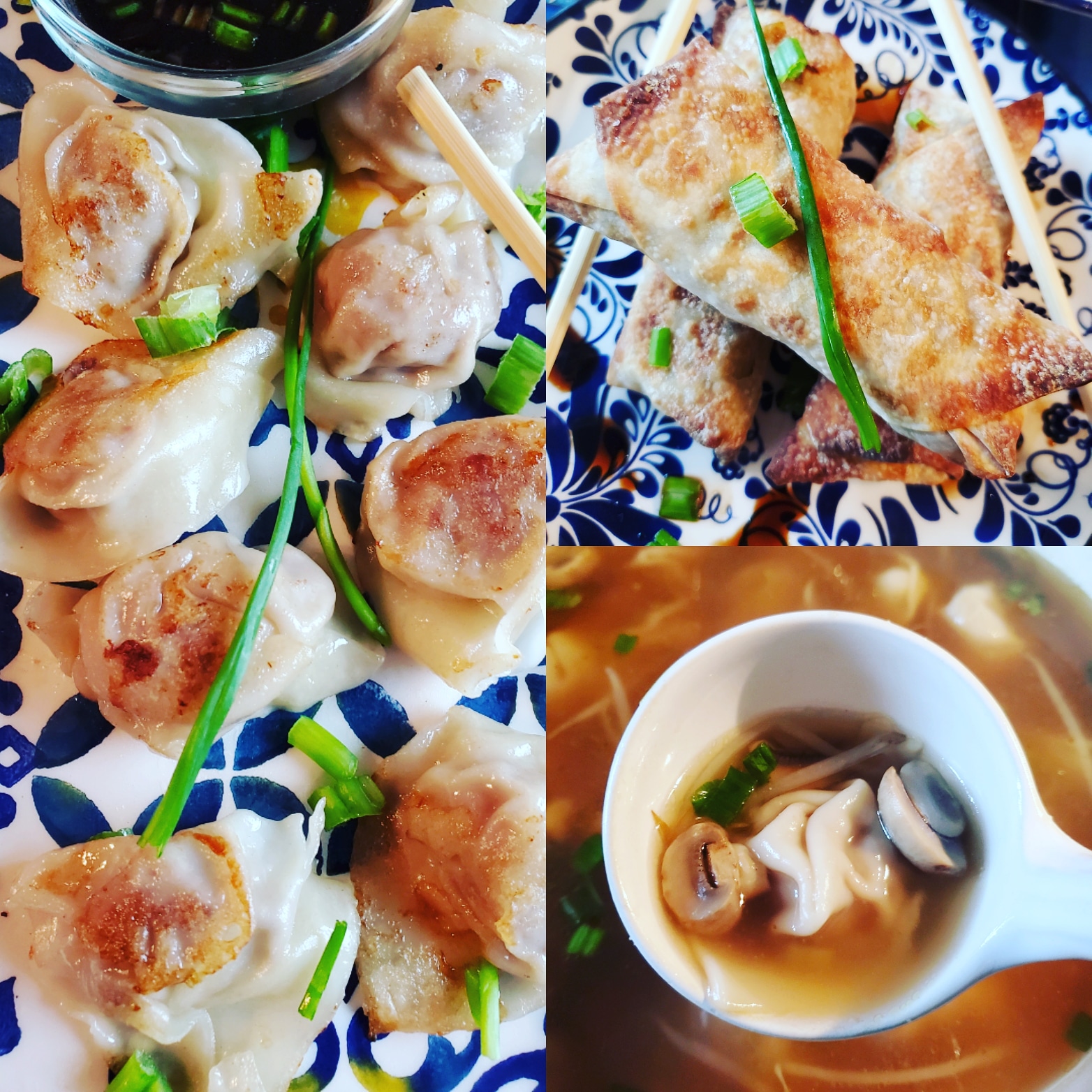
Tia Maria’s Shrimp & Pork Dumplings

Shrimp & Pork Dumplings!

This is an easy recipe for all your parties! You will never order dumplings out again once you try this easy recipe! I made about 48 dumplings with this recipe using Nasoya wrappers but you can use any brand you want.

You can find them in the fresh produce section of your market. I made 2 batches for a party and they were the first to go! Normally when you order these out, you’d pay $5.95 for 6.  I spent about $12.00 for 48.

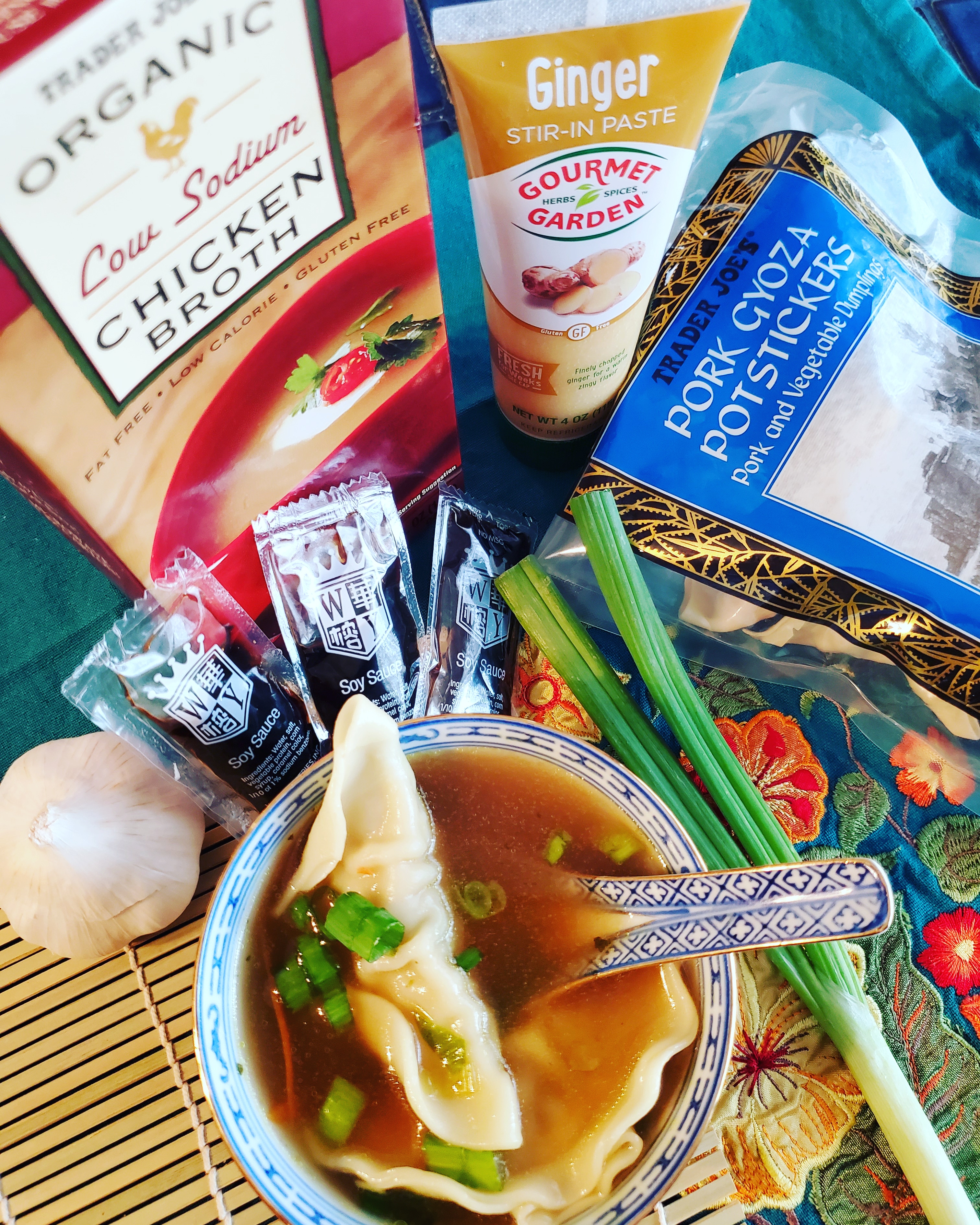
I always make it an Asian theme dinner so I make Won Ton Soup and Egg Rolls too! Find the recipes here.


Ingredients

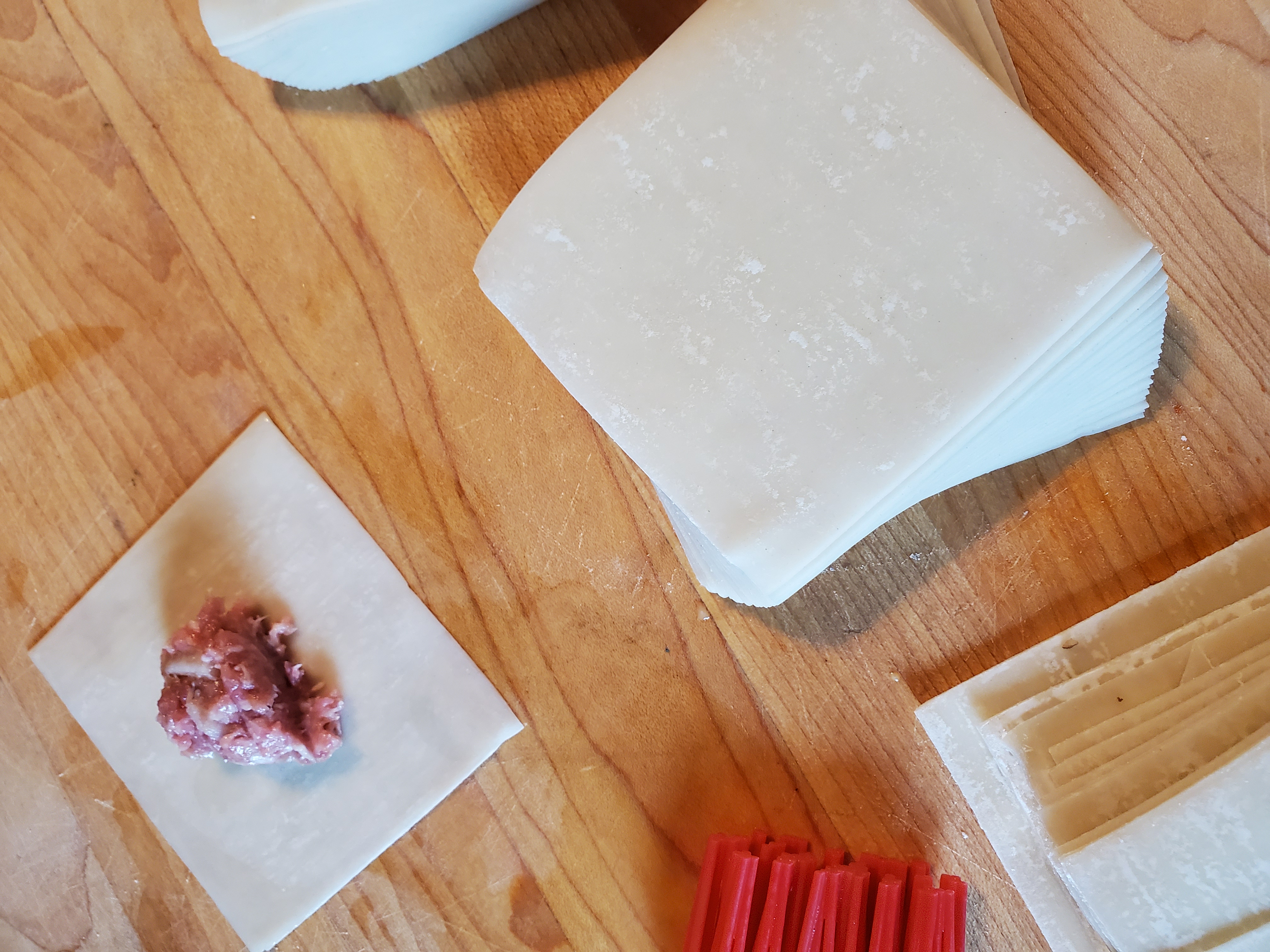
1 package won ton wrappers (48)

12 oz raw ground pork

8 oz (about 15 medium 20 small) finely chopped raw shrimp

4 oz finely chopped water chestnuts (rinse & drain can)

1/4 cup finely chopped celery

3 finely chopped scallions

2  tsp sesame oil

2 tsp soy sauce

4  tsp corn starch

Instructions:

Mix all ingredients except wrappers and 1 tablespoon of scallions in a small bowl until all incorporated. Place 1 teaspoon of filling in center of each wrapper.

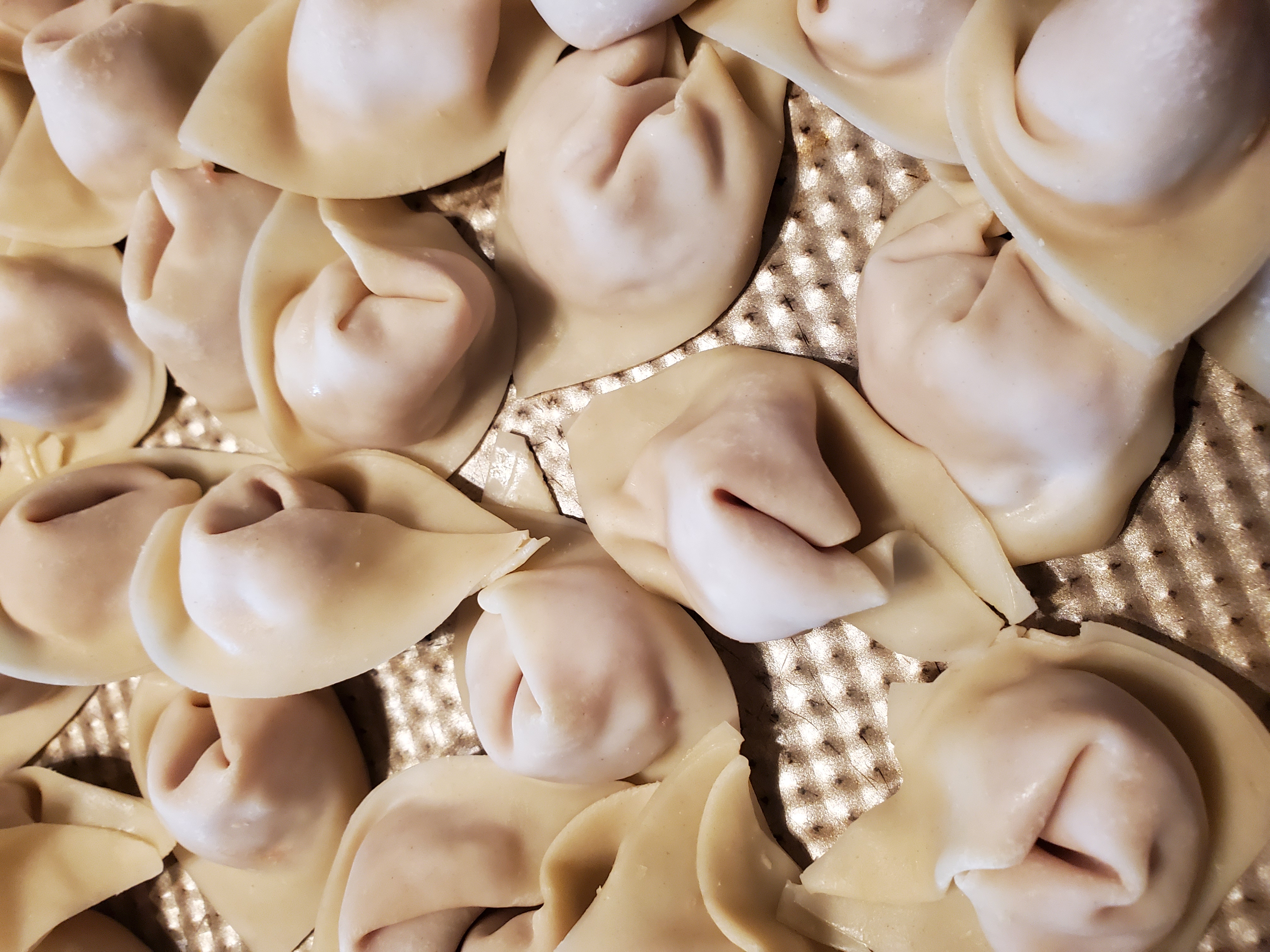
Moisten the edges with water and fold over to form a triangle. Pinch firmly to seal edges. Adjust filling accordingly by adding more or less filling. Set the dumplings aside until ready to cook.

In a medium skillet, heat vegetable oil to medium – high heat.  Place about 12 dumplings at time in the oil and let them brown for about 3 minutes, turning them over as needed. Reduce heat if you notice the dumplings are browning too dark.

Set the dumplings aside onto a platter until they are all browned. Add 1/2 cup water to the skillet and let it come to a boil.

Add 12 dumplings at a time back into the skillet, reduce heat to medium, cover and let them cook for about 5 minutes or until cooked through.

Add more water if needed. Test one to see if it’s cooked through.  Don’t let them over cook because the dough will become mushy and fall apart.

You can make these ahead of time to serve later, but let them cool and place in the refrigerator until ready to serve. Reheat by browning them in a greased skillet on low heat, or in your oven.

Serve with Soy Sauce topped with chopped scallions. Enjoy the Party!

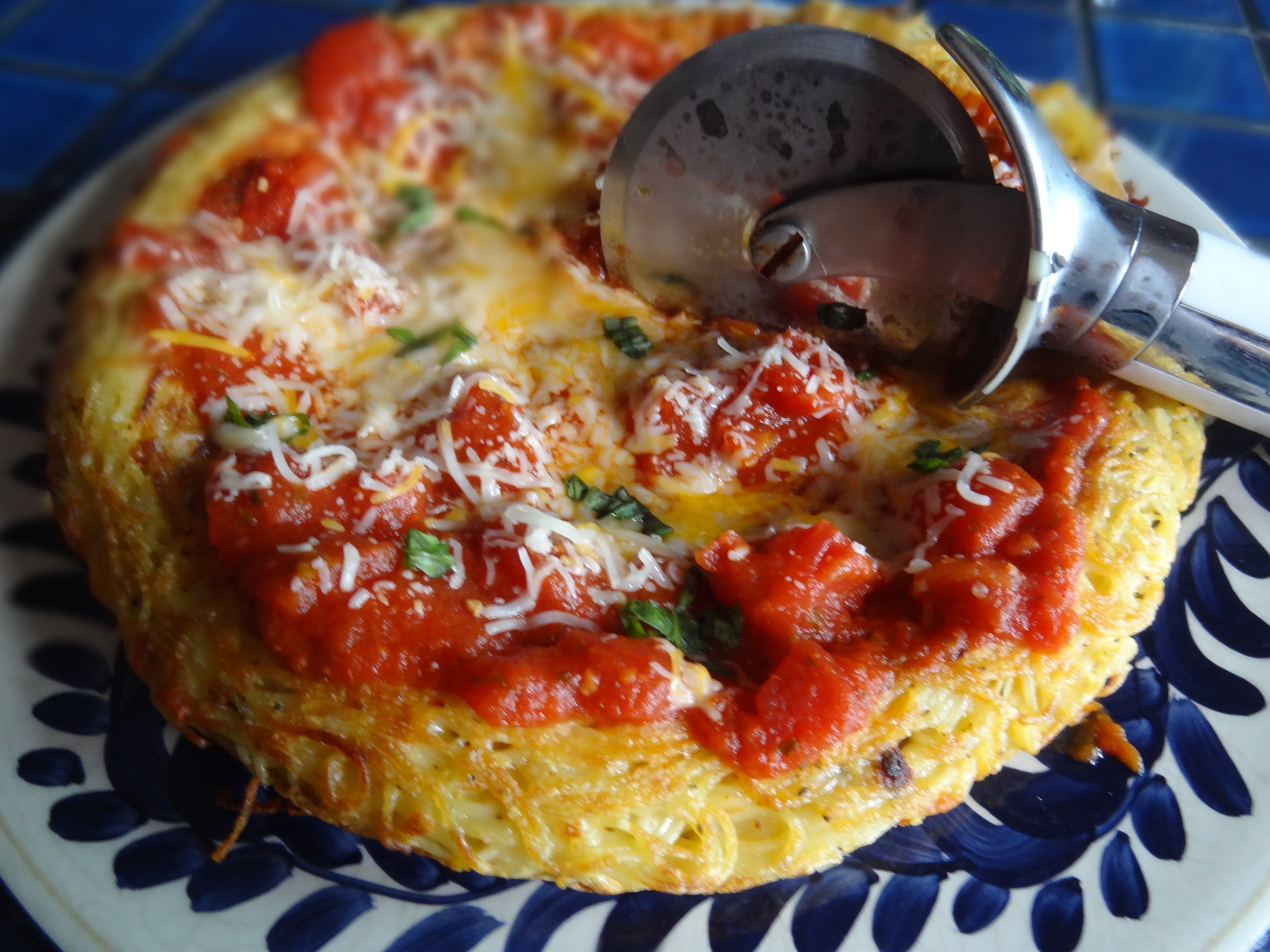
Spaghetti Pizza Pie!

Yes, it’s Spaghetti Pizza! You won’t believe how deliciously easy this recipe is.

You will never waste leftover spaghetti again, and best of all your family will love this.

I learned this recipe many many years ago from an Italian friend.

At first I was skeptical about making this because I had never heard of anything like before but I’ve been making it for many years.

This recipe  is very versatile because you can use whole wheat pasta for a healthier crust, add your favorite toppings like pepperoni, chourica, cooked meats and variety of cheeses.

Great for your “Meatless Mondays” Enjoy!


Ingredients

4 cups leftover cold spaghetti (preferably capellini)

2 eggs

2 tsp dry oregano

1 tsp black pepper

1 cup any shredded cheese

1 – 2 cups any favorite spaghetti sauce

chopped fresh basil

Parmesan cheese (crated)

1/2 cup of thinly sliced chourica or pepperoni.


Instructions:

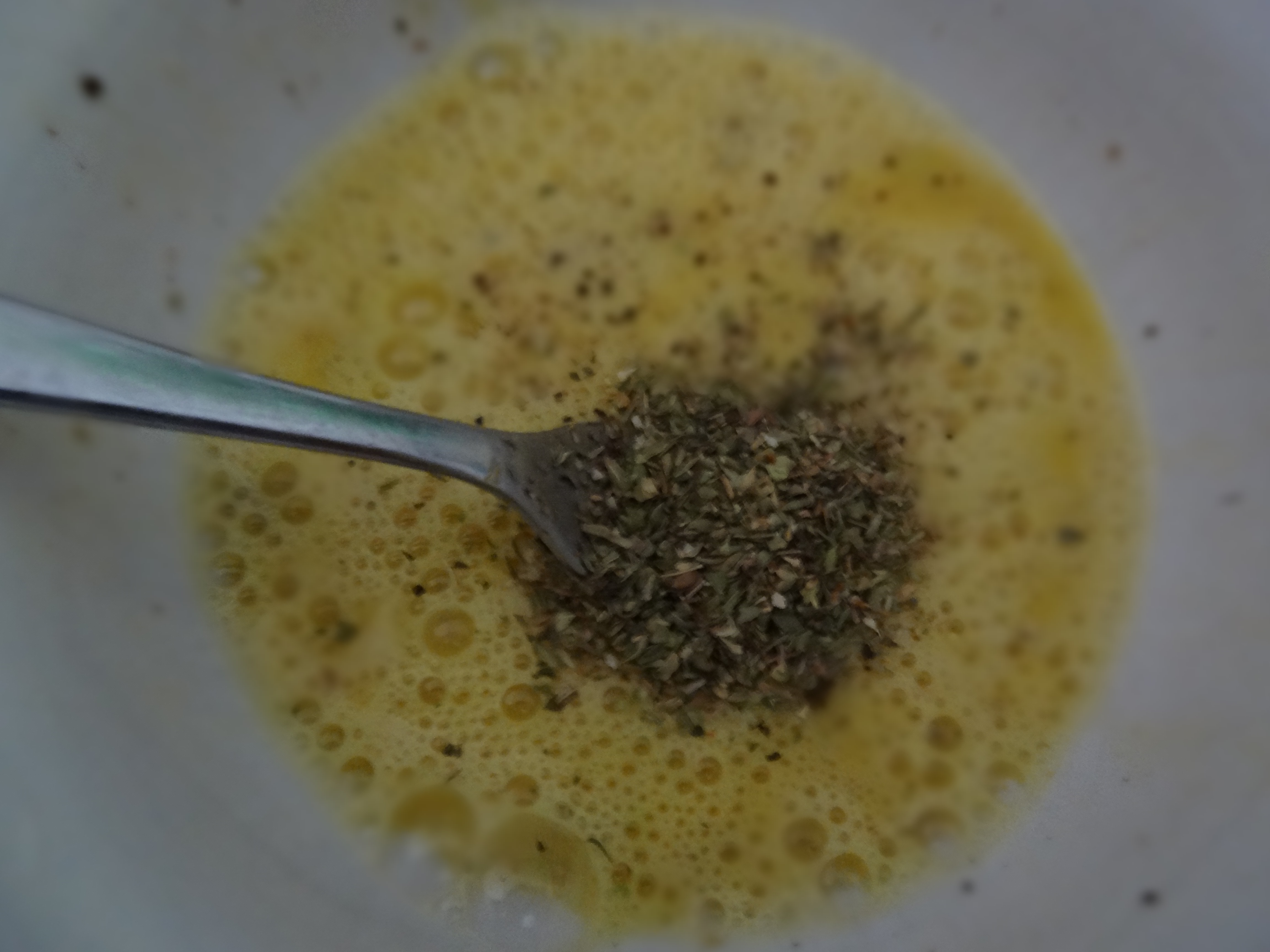
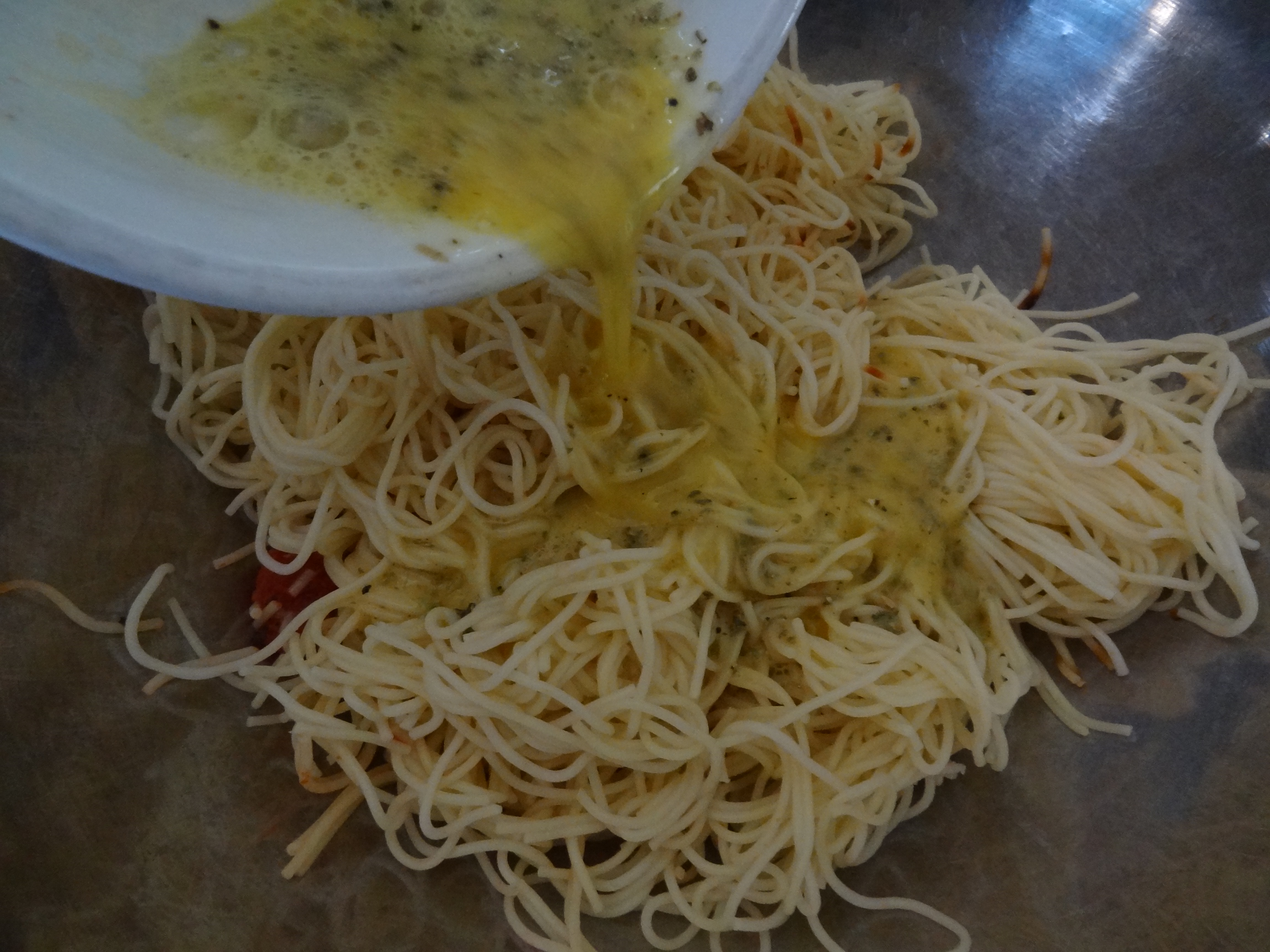
In a large bowl, beat the eggs with the pepper and oregano. Add the pasta and mix well until coated. Heat the olive oil in a medium non stick skillet on high.

Add the pasta. Lower heat to medium and cook pasta until a crispy golden brown coating forms on the bottom. (check bottom regularly to make sure it does not burn).

Turn over pasta and cook until bottom also forms a crispy coating. Top with sauce, cheese and desired vegetables or chourica toppings and cover.

Lower heat to low, and cook until cheese melts. Add basil and shredded Parmesan before serving. Enjoy!


Bacalhau à Brás – Cod Fish and Egg Scramble

image credit: http://bacalhautuga.blogs.sapo.pt/2004.html

This video for the recipe of Bacalhau à Brás, (Cod Fish with Potato Sticks) by Michelin Star Chef Jose Avillez  is from Taste Portugal. The recipe for this dish is said to have originated hundreds of years ago in the Estremadura (meaning extremities), the coastline region of central Portugal known for its consistent wind and ocean waves. The Chef’s restaurant, Belcanto, Lisbon Portugal has been awarded a Michelin Star for 2013. Congratulations to the Chef!

This popular Euro windsurf and surf destination has great beaches which has hosted many surf championships including the IFCA wave championships.

It’s interesting to note that last month,  The Guinness World Records confirmed that Garrett McNamara broke the record for the biggest wave ever, a 78-foot wave (23,7 metres) in Nazaré, Portugal by riding the wave in November of 2011. Read the article in Surfer Today.


Estremadura, Nazaré historical coastal province of central Portugal that contains Lisbon and the Tagus River estuary.

The landforms of Estremadura are geologically younger than other parts of the Iberian Peninsula, containing sandstone, limestone, and volcanic rock instead of granite and schist. The peninsulas of Lisbon and Setúbal are divided by the lower Tagus River valley. Land use north of the Tagus is diverse. Vineyards, olive groves, and cereal plots are found on the hilly slopes, and the Cartaxo and Torres areas are known for their wines. South of the Tagus the landscape is less tamed; much is still unproductive or in extensive estates of cork oak forest. Along the Tagus valley, corn (maize), grapes, rice, and wheat are cultivated, and some of Portugal’s finest horses and fighting bulls—both used in Portuguese bullfights—are raised there. A bullfighting museum is near Sintra.

Known as the Portuguese Riviera, the coastal region west of the city of Lisbon has important resort centres, including Estoril, Cascais, and Sintra. Apart from Lisbon, other chief towns include Setúbal, the main sardine port, with canneries; Barreiro and Almada, suburbs of Lisbon; and the fishing towns of Peniche and Nazaré.

“Estremadura”. Encyclopædia Britannica. Encyclopædia Britannica Online.
Encyclopædia Britannica Inc., 2012. Web. 21 May. 2012

Now that I shared a little bit of Portugal’s geography with you let’s get back to the recipe for this centuries old, yet one of Portugal’s most popular dishes!

 Recipe:

Bacalhau à Brás

Ingredients:

4 oz of hydrated salt cod finely shredded

1 small potato cut into small match stick size

1 egg + 2 yolks

1/4 cup thinly sliced onion

1 clove garlic

2 bay leaves

1 tbsp chopped parsley

5 olives

Salt & Pepper to taste

2 tbsp olive oil


Preparation:

Fry the potato sticks in very hot oil and set aside. Saute onions Garlic and Bay leaf until translucent (about 2 minutes) in olive oil.

Stir the cod fish into the onions and cook for about 1 minute. Remove Bay Leaf. Add eggs on very low heat until cooked leaving a creamy texture.

Stir in the potato sticks and parsley.  Reserve a few sticks to use as garnish. 

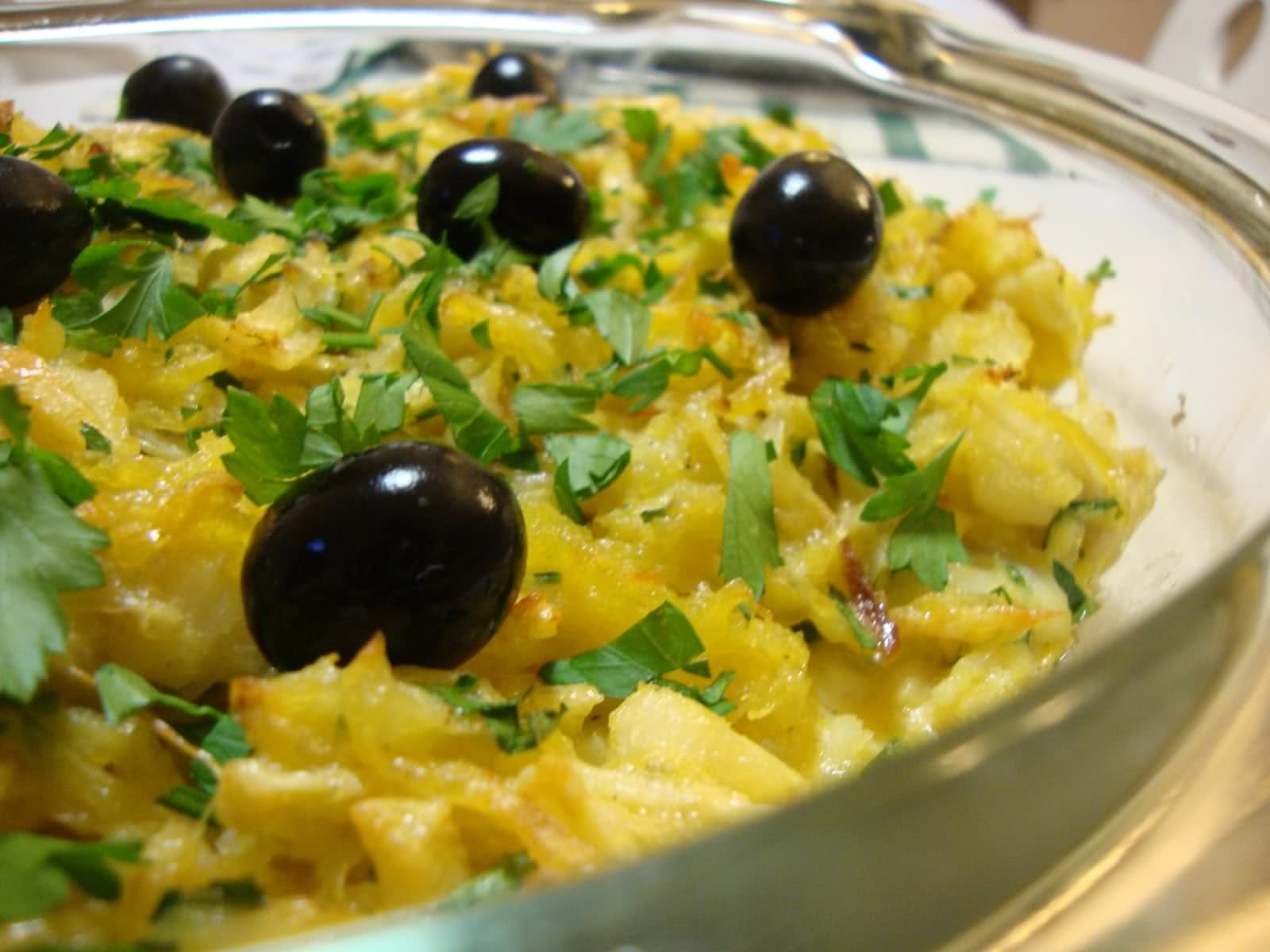
Add salt and pepper to taste.  Garnish with olives and parsley. Enjoy!

Baked Lobster a Maria

Happy New Year 2014 to all my fans and supporters of Tia Maria’s Blog!

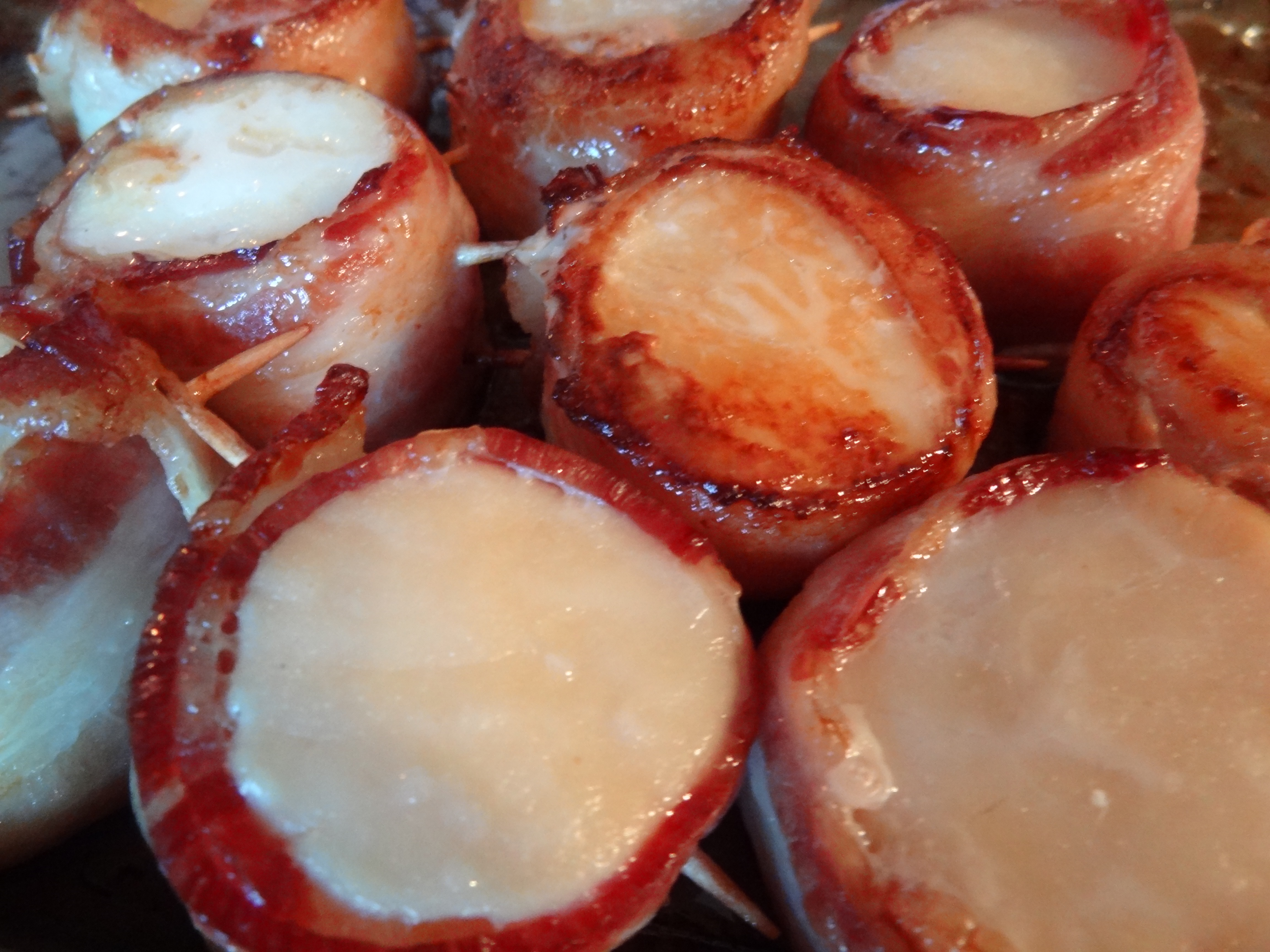
This recipe for Lobster Maria, Baked Scallops wrapped in Bacon and Brocolli Rabe with Presunto, will be a hit for your New Years Celebrations! Enjoy!

Since I began making this easy recipe, I rarely order lobster out unless I’m dining at the shore.  I know you’ll never have to go out to a restaurant for lobster again!

If you have a hard time killing the lobsters yourself, just ask the Seafood clerk to split them in half for you (however, be sure to have them put the lobster on ice for you, and cook it within a couple of  hours).

My family exits the kitchen, thus leaving me with the honor of performing the evil dead of splitting the lobsters in half.

I don’t enjoy this and I admit that I do it as quickly as possible closing my eyes when I feel the knife cracking the shell.

Since I usually make this recipe for special occasions, I also make other family favorites; Bacon Wrapped Scallops and Sauteed Broccoli Rabe (Grillos) with Presunto.

This meal is simple to make, but it has a very upscale restaurant look for your next diner party when you want to treat your guests to something special! Enjoy!

Recipe:

Baked Lobster a Maria

Ingredients:

4 Lobsters split into halves

1 cup Panko Bread crumbs

10 Ritz crackers

4 cloves garlic

1/2 cup Italian parsley

1/4 cup olive oil

1/2 stick butter or margarine


Instructions:

Place all ingredients into a food processor and pulse about 6-8 times until all of the ingredients are fine.

Place the lobster halves in a large baking dish facing shell down.

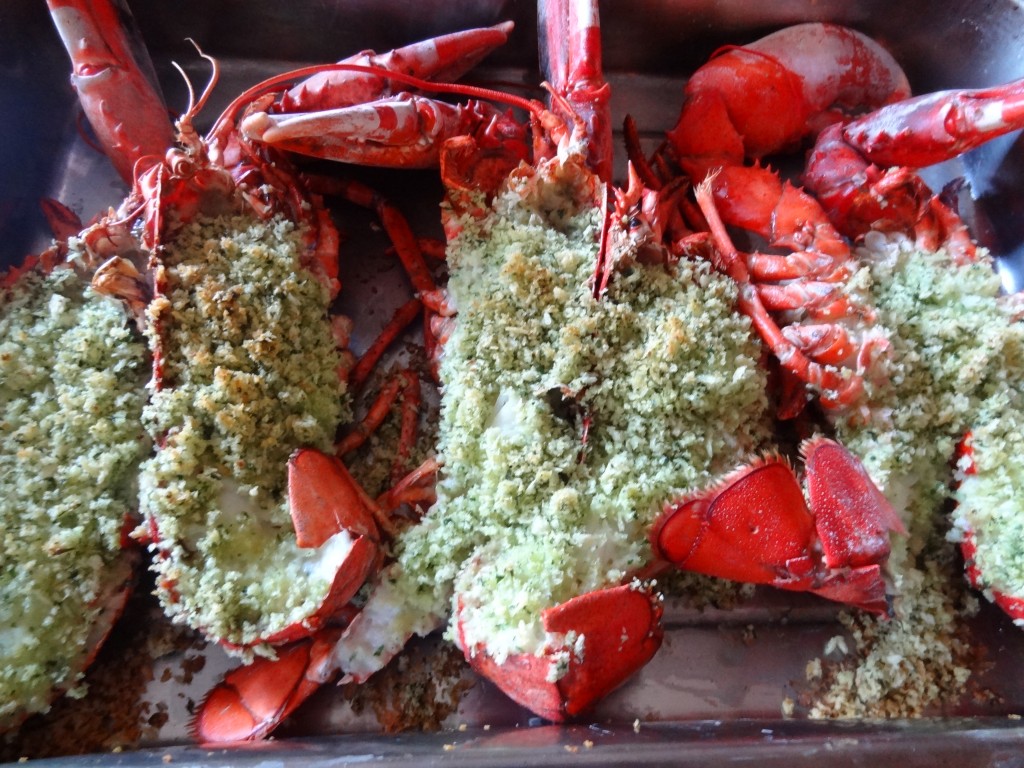
Spread the breadcrumb mixture over the lobsters and bake for about 20 minutes at 350 degrees. Serve warm with melted butter.


Bacon Wrapped Scallops:

Ingredients:

8 large fresh Sea Scallops

4 slices of thick cut bacon

Instructions:

Slice bacon strips in half and cook until slightly browned.

Wrap each piece around the scallop and secure with a toothpick.

Cook at 350 for about 10-15 minutes.


Broccoli Rabe with Presunto

Ingredients:

1 bunch of fresh Broccoli Rabe

1/4 cup of minced onion

3 slices of chopped presunto

1/4 cup of Olive oil

Instructions:

In a large pan bring water to a boil. Add the Broccoli Rabe and cook for about 5 minutes. Take out the Broccoli Rabe and strain in colander to remove excess water. Meanwhile, in a large skillet, saute the onions and Presunto until crispy. Add the Broccoli Rabe and continue sauteing for about 10 minutes until the Broccoli is tender. Drizzle some olive oil over the top when ready to serve. Enjoy!


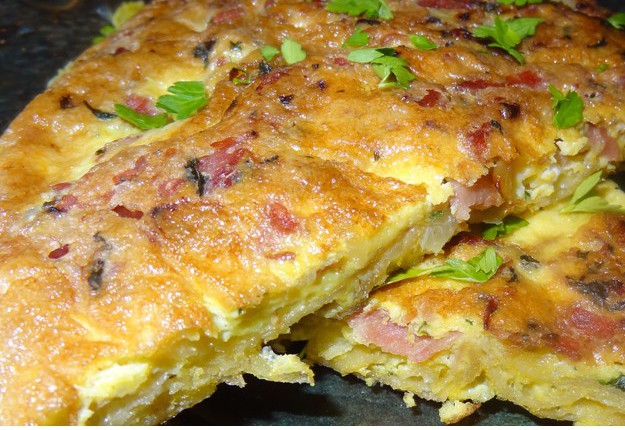
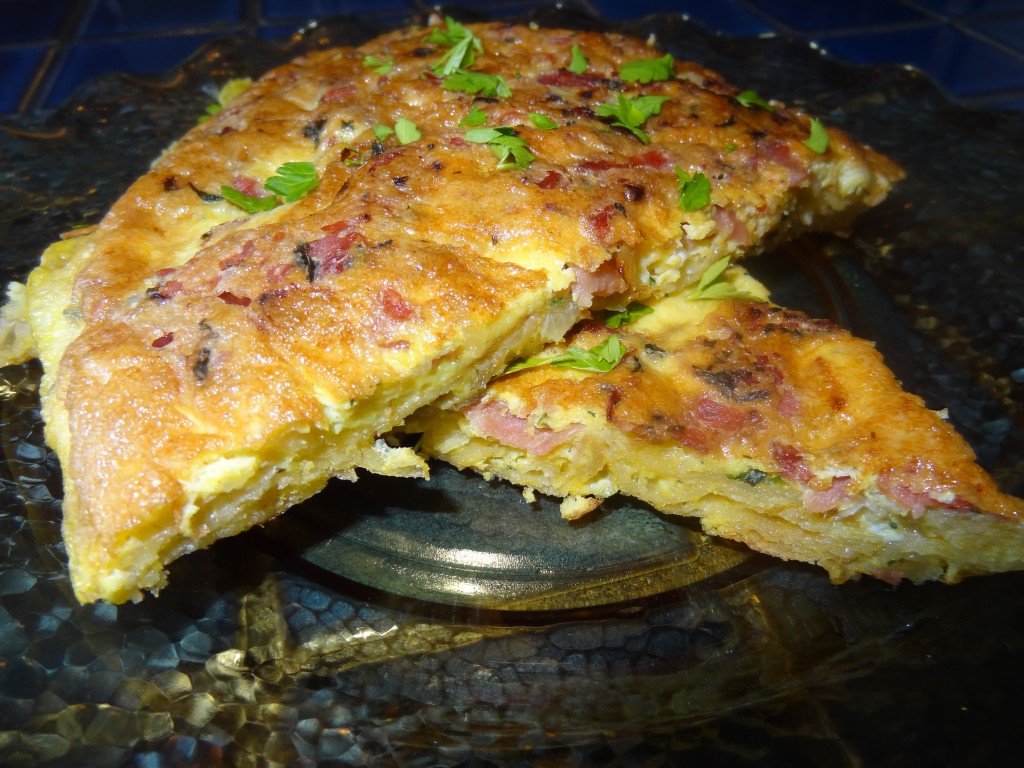
5 Minute Portuguese Potato Chip Omelet Video


Hi Everyone, here’s my recipe for “5 Minute Potato Chip Omelet” which I prepared live on TV –  WWLP Mass Appeal preparing “5 Minute Portuguese Potato Chip Omelet”


The segment was taped live on February 23,2012. You can see it at the left of this post. I’ve received great comments about the segment.

Everyone was amazed by the simplicity of the recipe, and said they’re going to try the very interesting technique using potato chips. But the most comments were about my “Flip” technique of flipping the omelet back into the pan and they were going to use it the next time they made omelets!

I never expected to get such a reaction from such as simple technique taught to me my mother, so many years ago when I was a young girl! Keep cooking everyone!

Recipe:

Ingredients:

6 whole eggs

1 6-8 oz bag of chips (any you prefer or use 1 – 2 cups of any cooked fries)

2 slices of Presunto, ham, chourica, cooked chicken, cooked shrimp turkey (meats are optional)

1/4 cup finely chopped onion

2 tsp chopped fresh parsley

olive oil

Pepper

Cheese (optional)

Instructions:

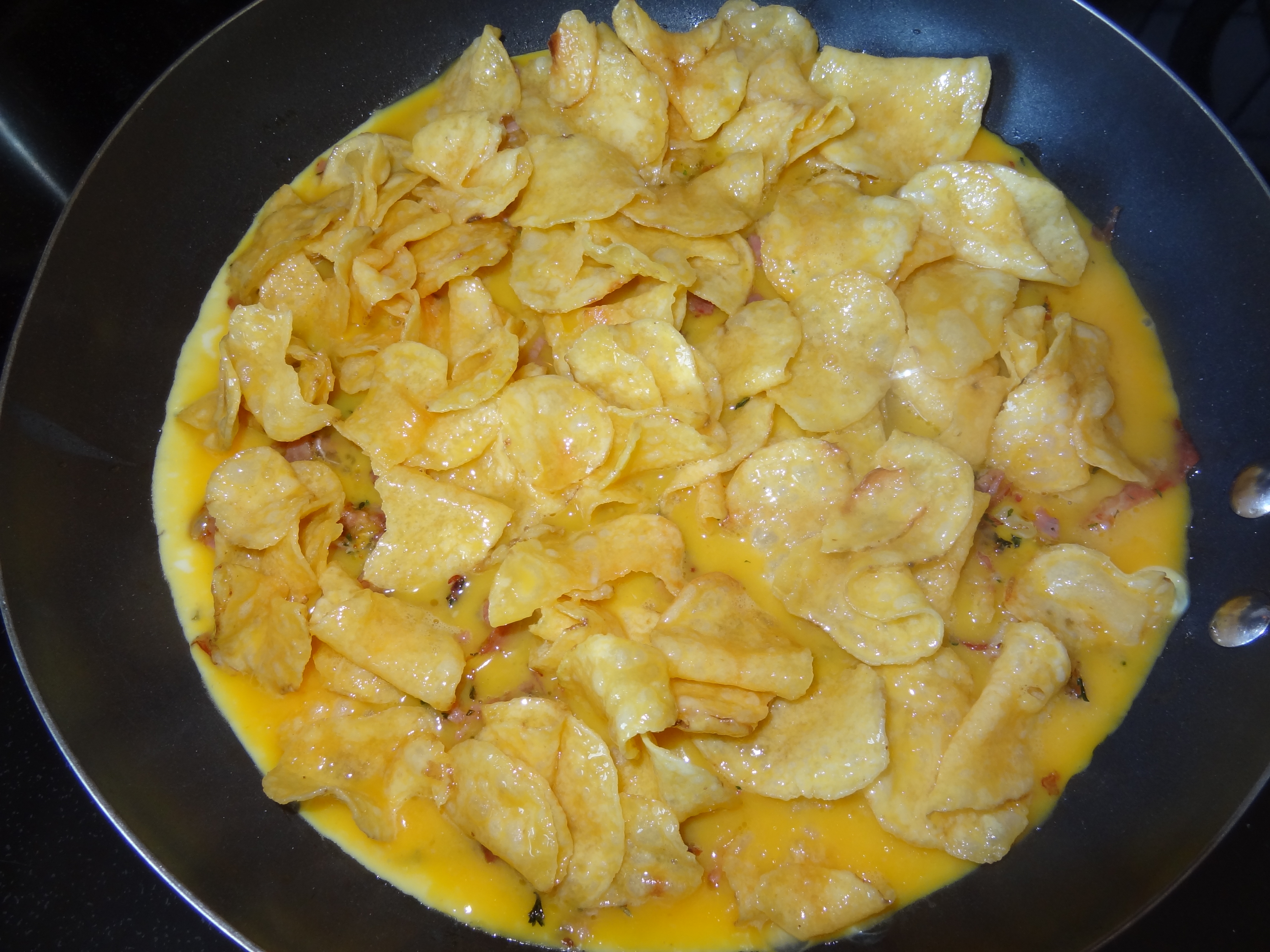
In a large bowl, beat eggs until foamy and add the chips or potatoes. Let them sit for about 5-10 minutes to soften.


Meanwhile, on high heat brown the onions and presunto in 3 tablespoons of olive oil until crispy.

Mix in the egg and potato mixture and 1 tsp parsley. Cook on medium for 3 -5 minutes (shake pan so it doesn’t stick)

Flip the omelet onto a large serving dish and place back in the skillet uncooked side down for another 2 minutes

At this point you can add cheese, or just top with the remaining tsp fresh parsley. Enjoy!