Category: Holiday Recipes

Tia Maria’s Pistachio Cake

Each member of my family has a favorite cake that I bake on their birthday, but this cake recipe is the easiest of them all.

It’s moist and full of flavor. Serve it with Pistachio Gelato for a treat! They will love you for it!

Enjoy and Happy Birthday to anyone that is celebrating a birthday today!


Pistachio Cake
Prep time: 
Cook time: 
Total time: 
Ingredients
  • 1 Package yellow or white cake mix
  • 1 can club soda
  • 3 eggs
  • 1 package Instant Pistachio Pudding
  • ½ cup of Vegetable oil
  • ¼ cup chopped Pistachios
  • Frosting:
  • 1 can of Vanilla Frosting
  • Chopped Pistachios
Instructions
  1. Heat oven to 350. Mix the cake mix, pudding,eggs,oil and club soda for about 4 minutes until creamy. Blend in the pistachios.
  2. Grease two 9 inch cake pans with margarine or cooking spray. Divide the batter equally and pour into the cake pans.
  3. Bake for about 25-30 minutes or until a toothpick comes out clean.
  4. Let the cake cool for about 5 minutes and remove from the pan.
  5. Let the cake sit until completely cooled before frosting.
  6. Sprinkle the chopped pistachios on top!

Portuguese Style Antipasti – Aperitivo

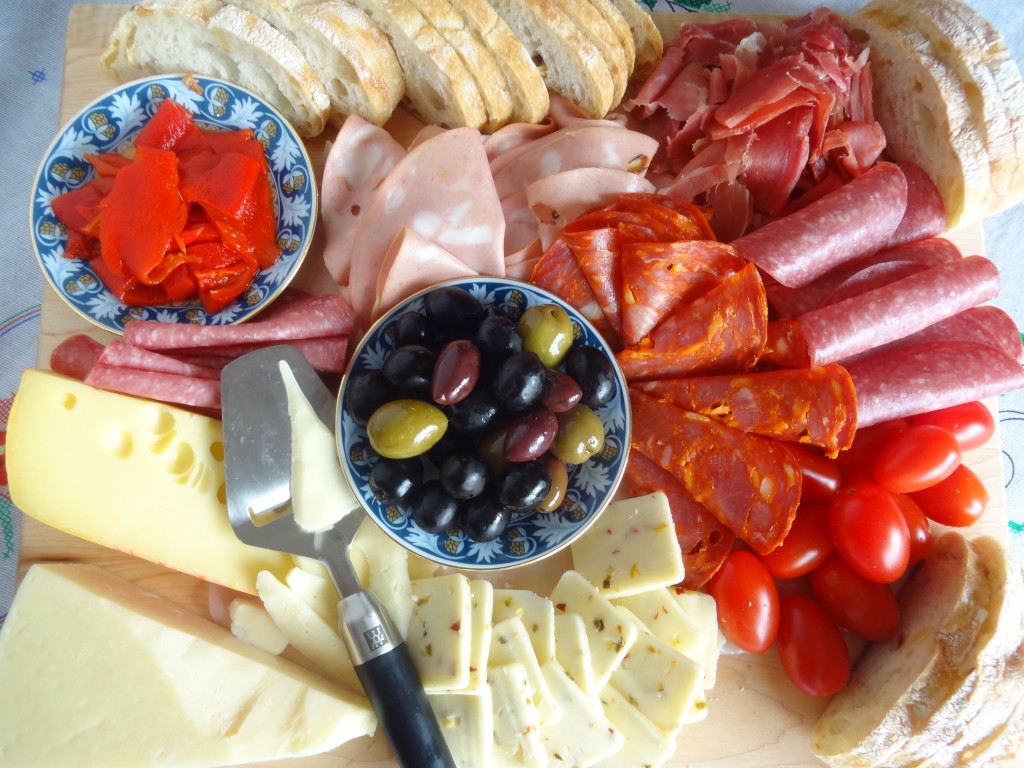
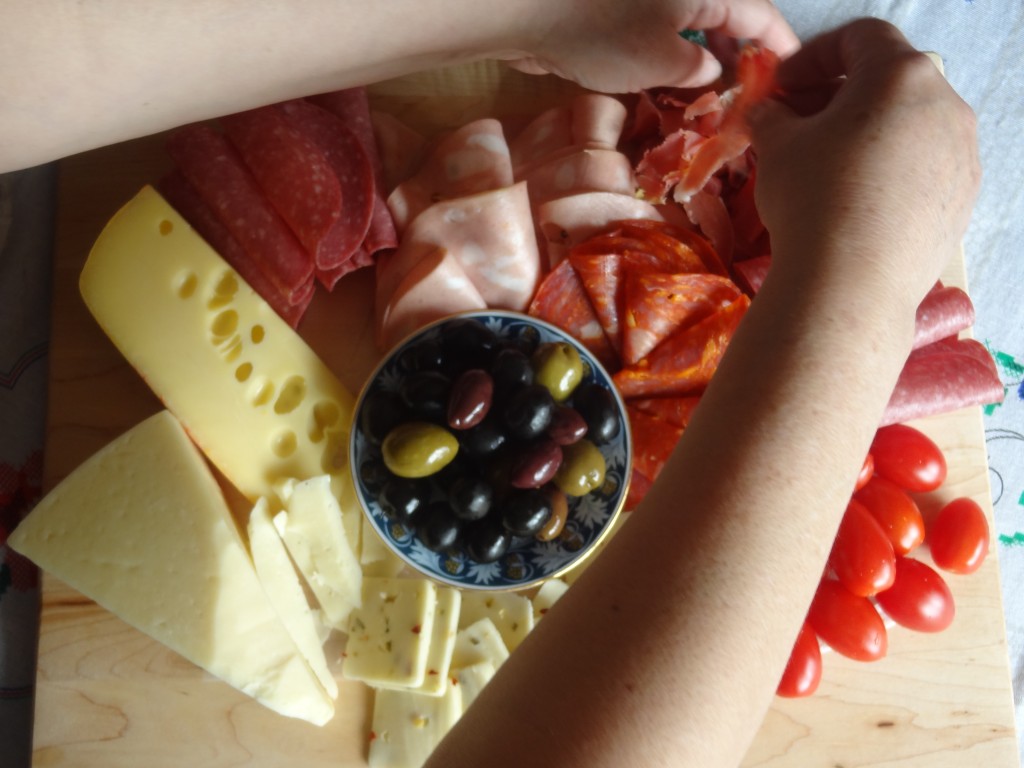
When I serve Antipasti before diner, I make an easy and colorful presentation of cheeses and cured meats for my guests.

What’s great about this easy appetizer is that is requires no cooking, and it’s easy cleanup since you just through away the parchment paper when you finish this wonderful sampler.

My family loves both varieties of Portuguese and Italian meats so I use both and call it a “PortItalian” platter.

You can improvise and use your family favorites.

How to set up your Antipasti tray:

1. Use a big wooden cutting board (this gives it a rustic look) and place a large piece of parchment paper over the board.

2. Next, place the meats in small piles around the edge. Pile the cheeses in the middle of the meats. Arrange the sliced bread on the tray.

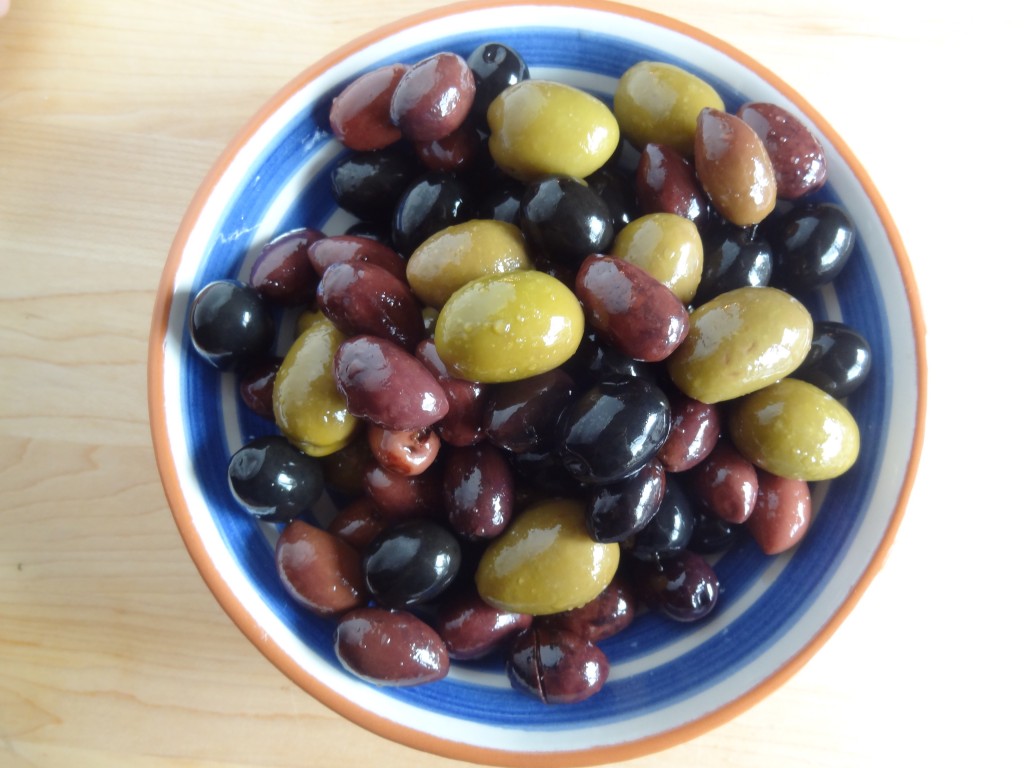
3. Add color with olives, cherry tomatoes, roasted peppers, pickled vegetables, or any of your favorites.

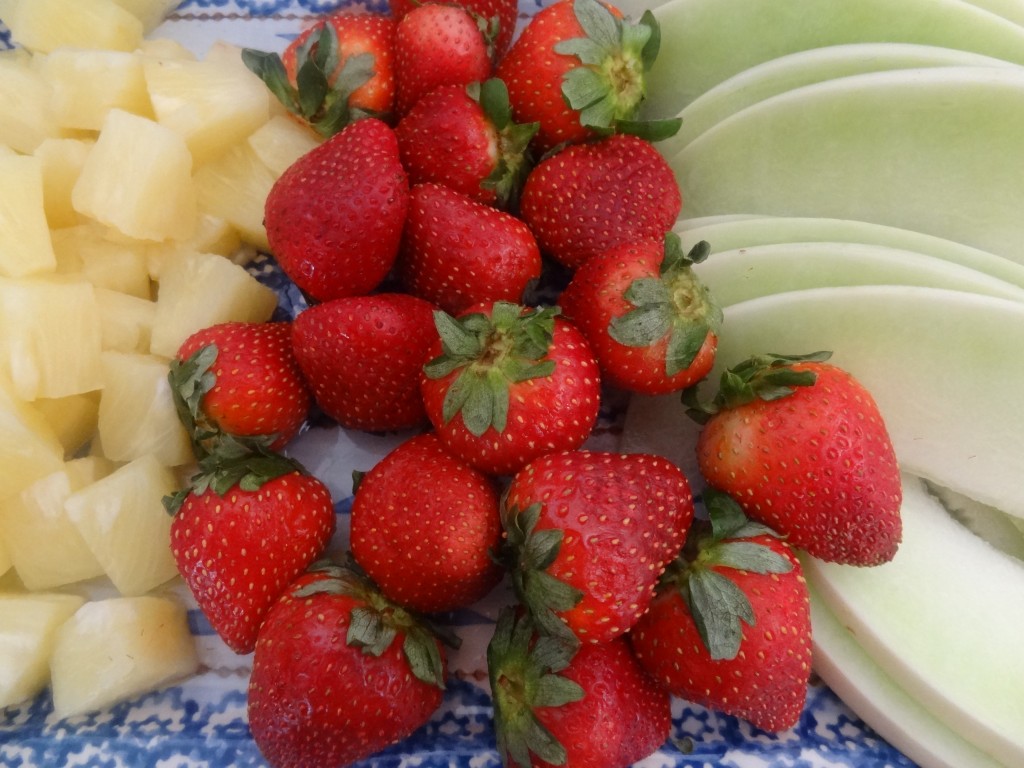
I also serve fruit along this platter to balance the saltiness with the sweet fruits.

Ingredient Ideas: 

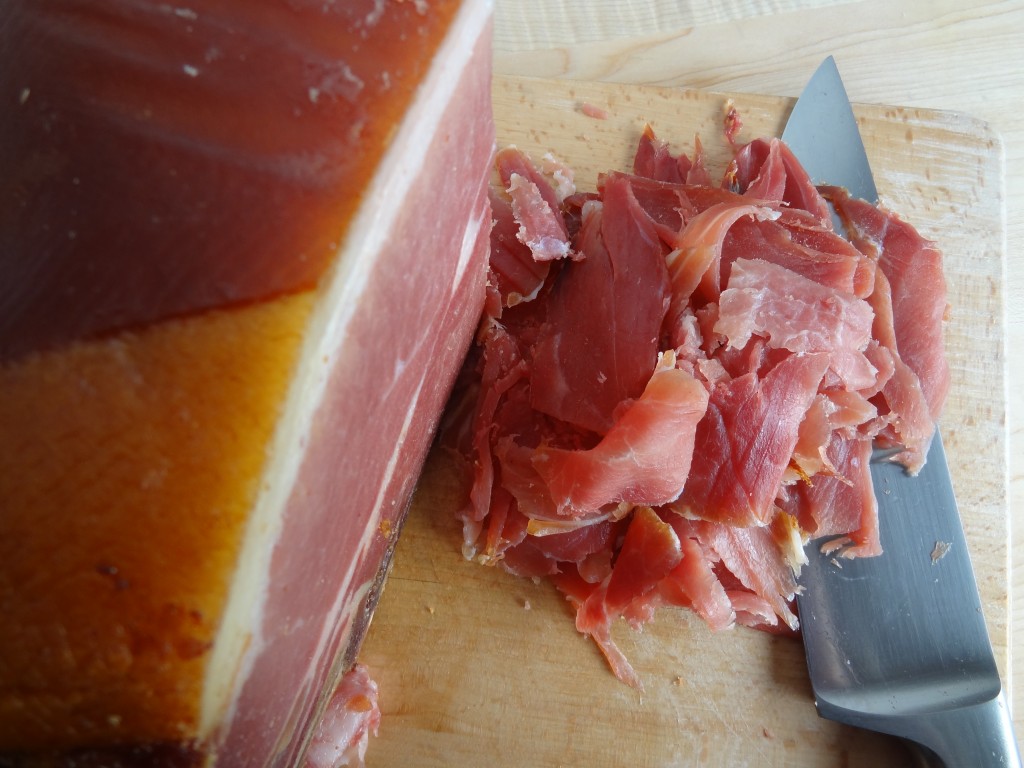
PresuntoProsciutto cured pork (Sliced very thin)

Salpicao – A spicy cured meat, made from Pork, wine garlic and salt  (Sliced very thin)

Chourico  – A spicy, pork cured sausage (Sliced very thin)

Queijo Fresco – A soft fresh cheese made from fresh milk – (Recipe for Queijo Fresco)

Queijo da ilhaSão Jorge cheese – A hard, sharp, spicy taste is a famous cheese that comes from the island of St. Jorge in the Azores.

Queijo Casteloes –  Casteloes Cheese –  A semi-hard cheese and has a lovely mild and buttery flavor

Mortadela Optional

Pepperoni – Optional 

Salami – Optional 

Azetitonas – Portuguese olives

Cherry Tomatoes

Dried figs

Shelled Nuts

Fresh ground pepper – For fresh cheese

Salt – For fresh cheese

Crushed red pepper paste – For the fresh cheese

Pao Caseiro Recipe – Or any Homestyle crusty bread sliced into thin slices.

Find more Pao –  bread recipes in search bar at the right top of this page.


There is an art to slicing Presunto very thinly. Watch this video it will make your mouth water!


There are many varieties of Portuguese cheeses which you can use. If you want to learn all about these cheeses, here’s a great resource at;  Catavino – The Ultimate Guide to Portuguese Cheeses!

You can also visit one of my favorite Pintrest Page – Portuguese Cheeses.


Here are some English translations of Portuguese cheese descriptions for your search.

DOP- Like DOC in wine, designated to cheeses produced in their traditional area Velho- Old, designation given to cheeses that have been aged at least 90 days or more
Curado, Semi-Curado- Cured, Semi-Cured Amanteigado- “Smooth Like Butter”, good for spreading on bread!
Mole/ de Pasta Mole, Semi-Mole- Soft, Semi-Soft Duro/ de Pasta Dura, Semi-Duro- Hard, Semi-Hard
Seco- Dry Leite – Milk
Leite de Vaca- Cow’s Milk Leite de Ovelha( “o-vayl-ya)- Sheep’s Milk
Leite de Cabra/Cabreiro- Goat’s Milk Cru- Raw
Gordura- Fat (in foods) Picante– Spicy
Casca- Casing, wrapping, shell Ligeiro/a- Light (in consistency and/or flavor)
Sabor Suave- Smooth Flavor Sabor Forte- Strong Flavor
Queijo em Barra- Block Cheese Queijo em Fatias- Sliced Cheese

( http://catavino.net/part-1-the-ultimate-user%E2%80%99s-guide-to-portuguese-cheese/)


Seafood Stuffed Mushrooms

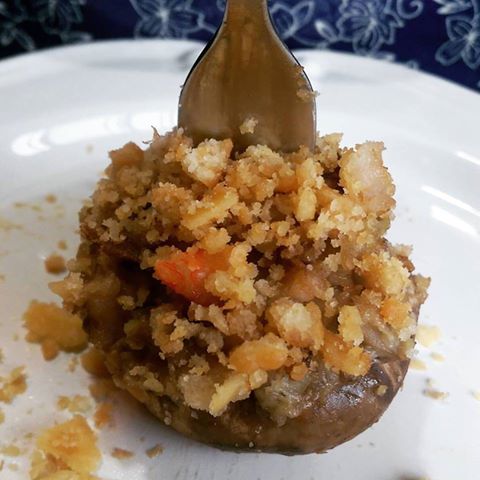
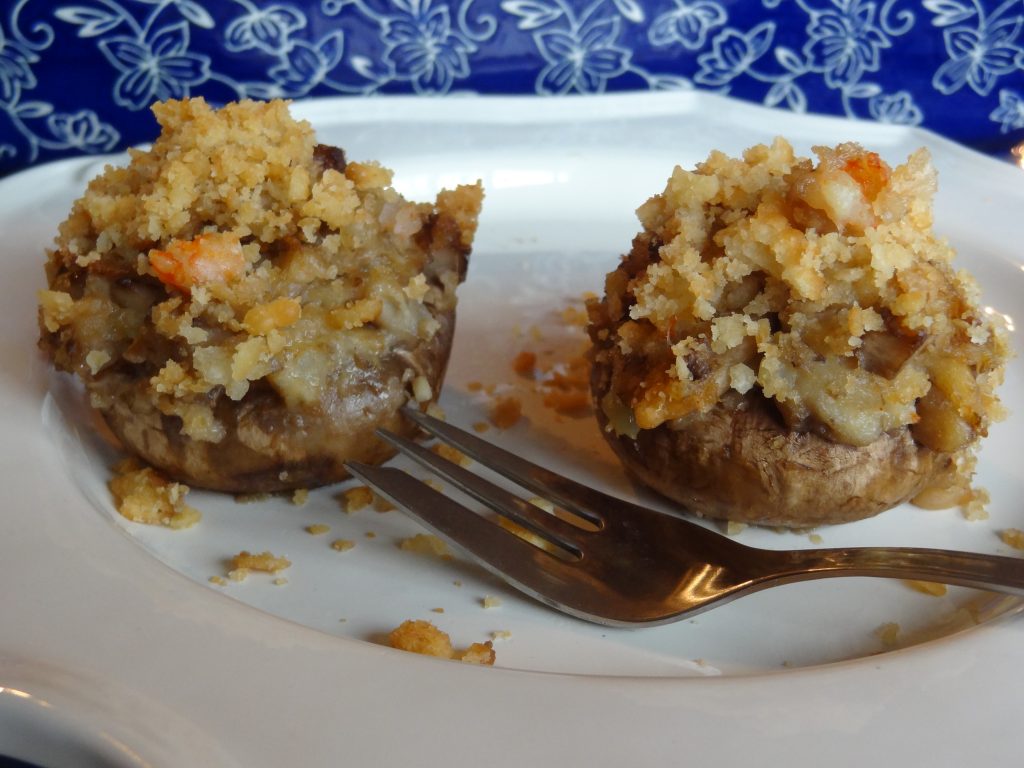
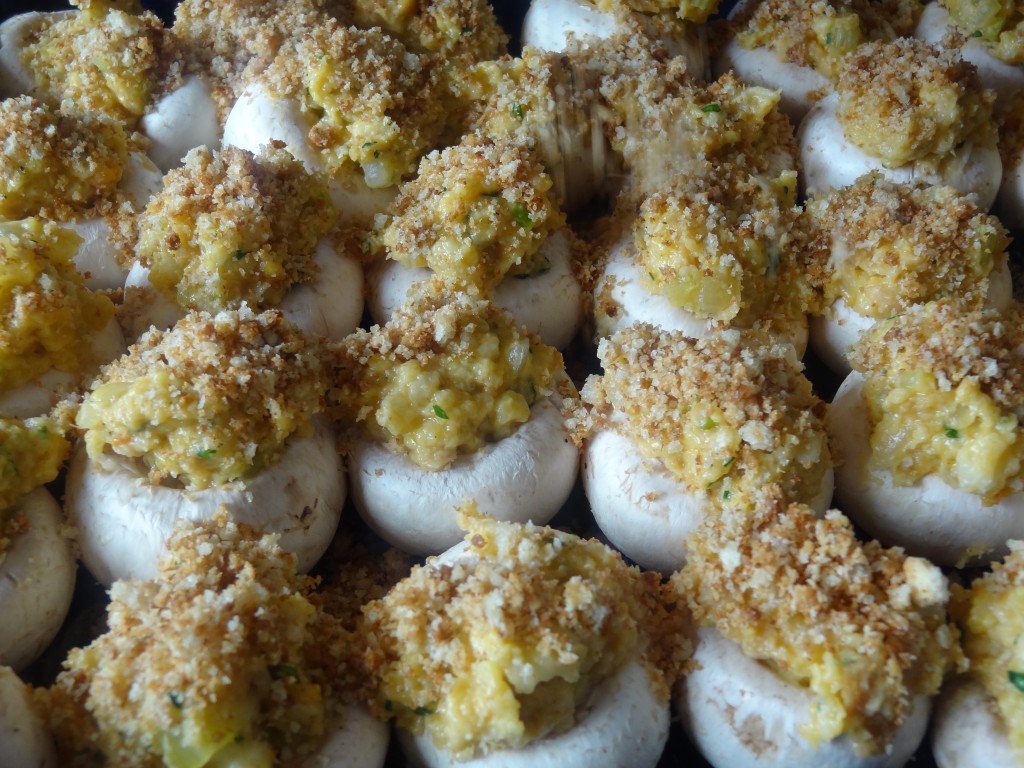
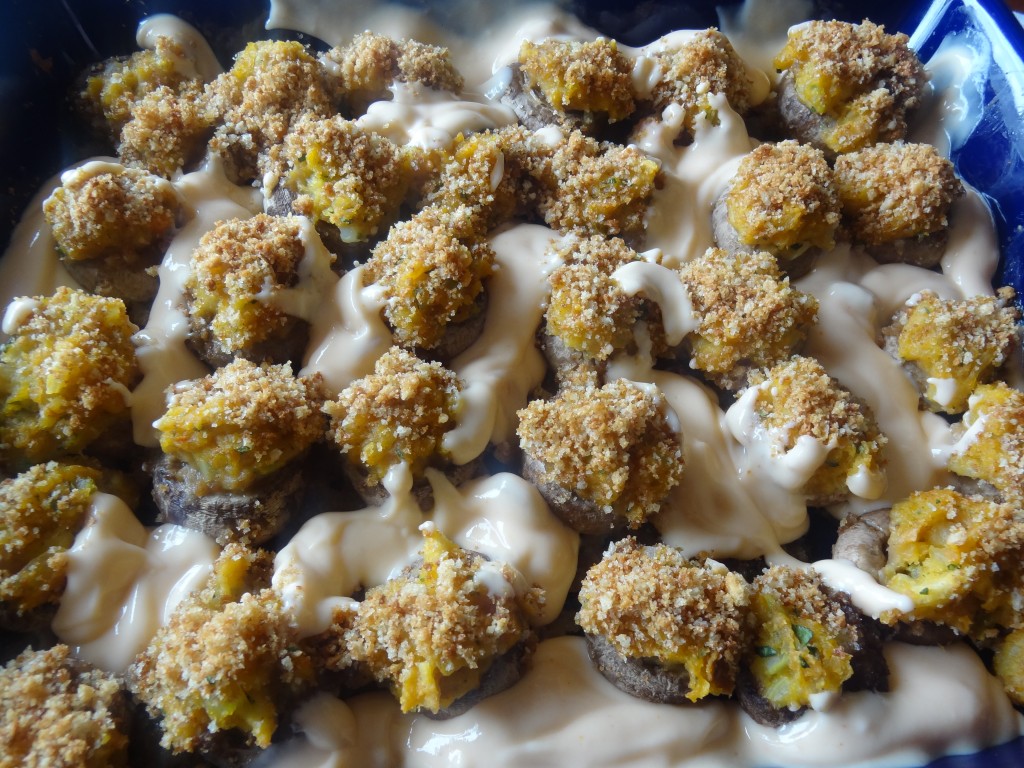
stuffed-mushroomsThis stuffed mushroom recipe is perfect for a special occasion appetizer. It’s deliciously decadent, and full of flavor.

The mushrooms come out moist, and the crunchy topping adds texture creating a perfect bite! Enjoy!

dsc06129

Ingredients

2 packages of white mushrooms

1 can finely chopped clams

1/2 cup of finely chopped raw shrimp

2 tbsp of finely chopped onion

2 tbsp of butter or margarine

1/4  tsp of Paprika

1 tsp very finely chopped parsley

1/2 cup of bread crumbs

1 cup of garlic flavored salad croutons

1 cup of ritz crackers

1/4 cup melted butter or margarine


Shrimp Sauce (optional)

1 can of shrimp soup

1/4 cup of milk


Instructions:

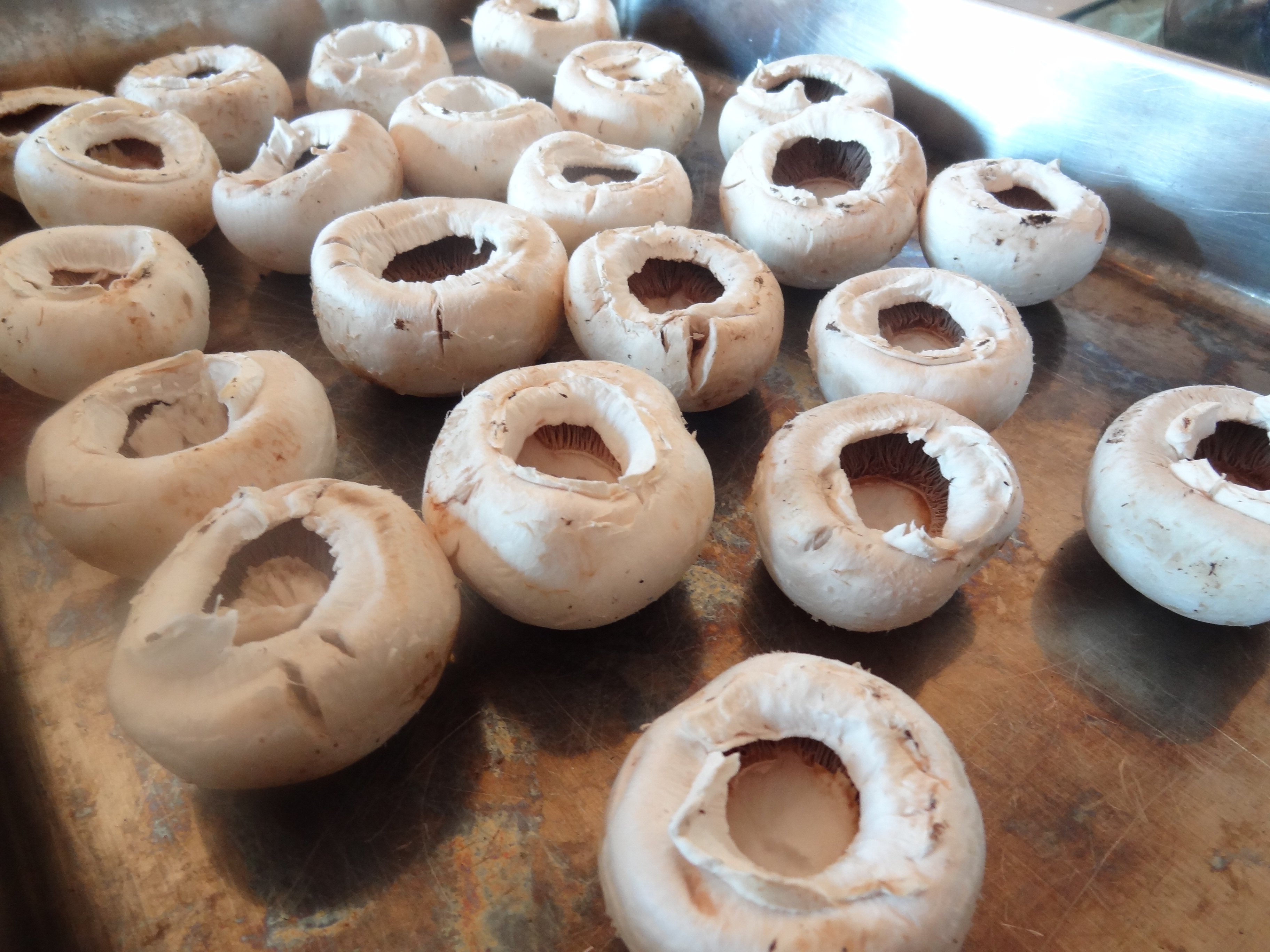
Prep mushrooms by removing the stems. Save stems to use in a different recipe in the refrigerator.

Rinse and pat dry. Place the mushrooms in a lightly greased medium baking pan. Saute the onion in the butter for about 1 minute in a small skillet.

Add the shrimp and cook for 1 minute and set aside off heat. Drain the clams but save the juice for later.  Add the clams and paprika to the cooked shrimp.

Place the crackers and croutons in a food safe plastic bag and crush with your kitchen mallet until very crumbly.

Place 1/2 of the cracker mix, and bread crumbs in a medium bowl. Add the seafood mix, and parsley, and mix well.

Slowly add a little of the clam juice until your stuffing is moist but not mushy. *If you find it to dry, add a few tbsp s of water.

Fill the mushroom caps with the stuffing. Top each mushroom with 1 tsp of the remaining cracker mix. *Don’t be afraid to use all of the topping mix.

Coat each mushroom cap with a little melted butter.

Cook at 350 for about 15-20 minutes or until the stuffing is golden brown and slightly crispy.

Mix the shrimp soup with the milk and heat in a small skillet.*The soup should be smooth but not runny.

Place the mushrooms onto your serving platter and spoon the shrimp sauce around them.

*You can make these mushrooms ahead of time, store in the refrigerator, and heat them in the oven with the shrimp sauce.


Rose’s Stuffed Cabbage – Golumpki

It’s become a tradition of mine to make Polish Golumpki every September during the harvest season in New England.

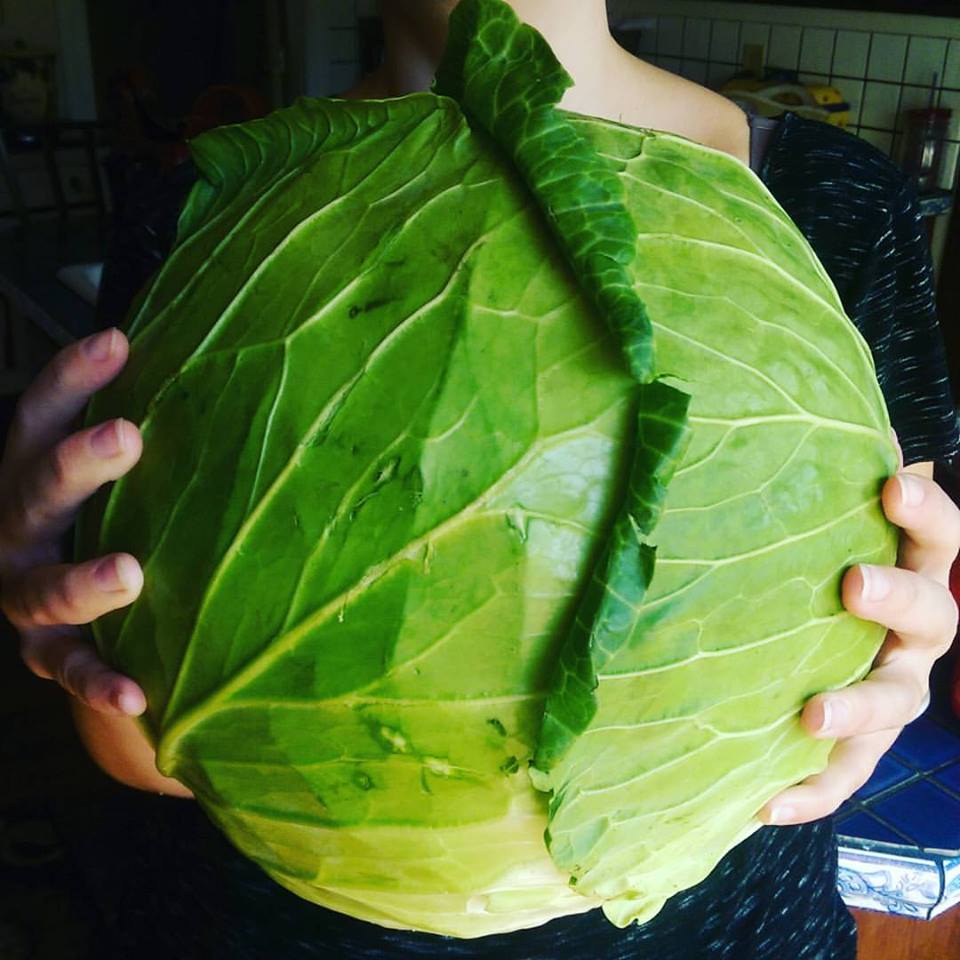
Visiting the local farm stands you’ll find large cabbage heads selling at ridiculous low prices ranging from .99 cents to $1.49 each.

This recipe is adapted from my sister Rose’s recipe who got her recipe from her Polish Mother in Law!

Rose is the designated Golumpki maker for every family party and there is never enough!

Every time I make these I think of a nick name;  PortaPole (Being of Portuguese and Polish decent)!

I hope I have a pot big enough to cook this cabbage head that I bought at my local farmers market!

Enjoy!

Stuffed Cabbage

Makes: 18- 20 rolls

Ingredients:

1 large head of cabbage

2 lbs of ground turkey or lean ground beef

1 large onion finely chopped

2 tbsp of olive oil

4 cups of cooked rice (room temp or cold)

1 stick of margarine

3 eggs

1 tsp of salt

1 tsp of pepper

1 chicken bouillon  cube

1 tsp garlic powder

1 Jar of marinara sauce or (* 1 can of Tomato soup)

1 cup of water

1 small onion sliced

Directions:

Heat oven to 350°. Core the end of the cabbage but keep it a whole head, and boil for about 10 minutes (or until leaves are soft) in a large pot of water.

Remove from the water, drain and let the cabbage cool on a large tray.

Saute the diced onion in a small skillet in the olive oil and 1/2 if the stick of margarine on medium-low heat.

Add the chicken bouillon cube do dissolve it and set the onion mixture aside to cool.

In a large bowl, combine the rice, eggs, ground meat, onion and spices and mix well to incorporate all the ingredients as you would a meatloaf.

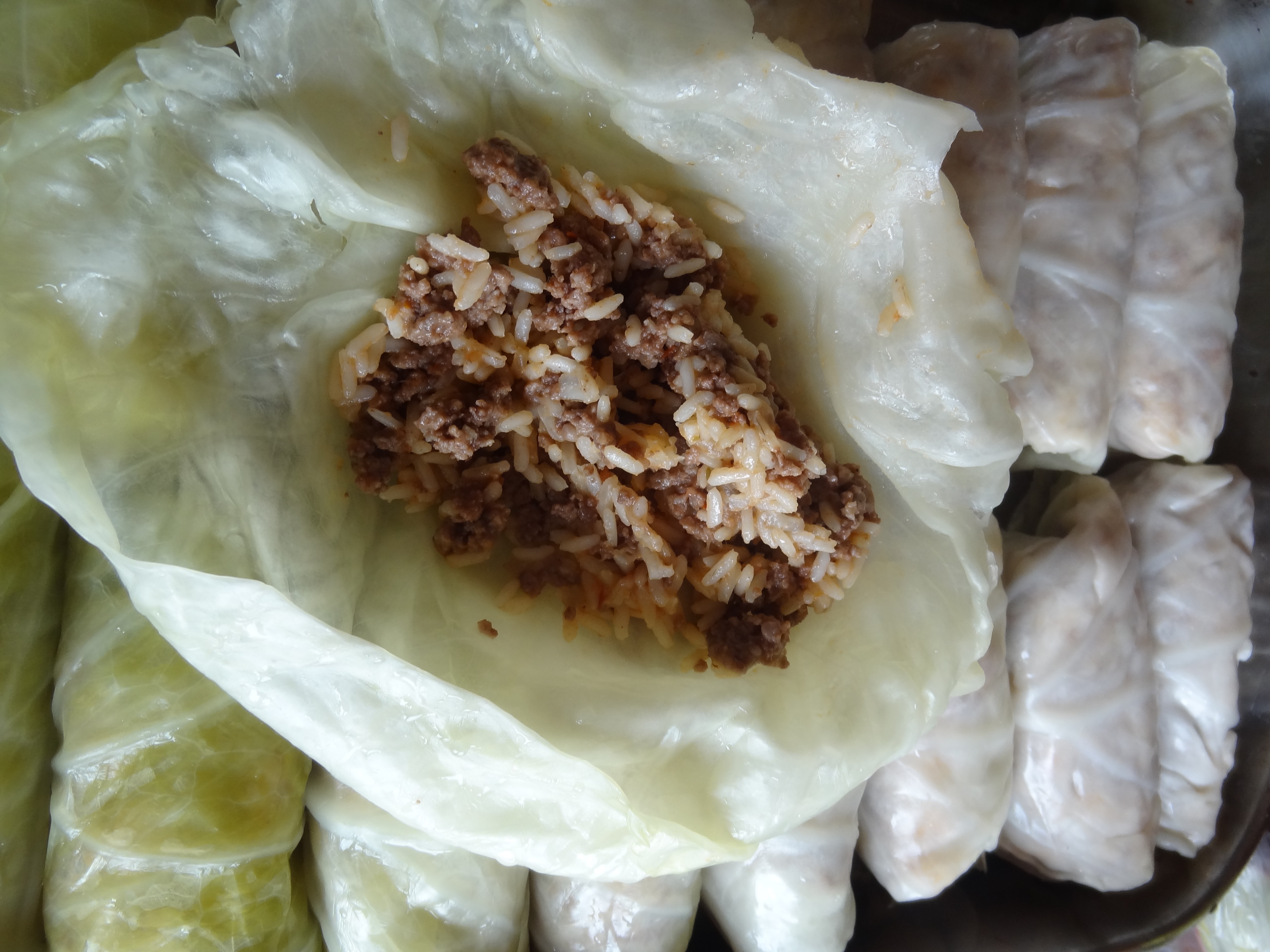
Pull the leaves of the cabbage apart. *Slowly and try not to tear them. With a small carving knife, remove the thick rib part from the leaves.

Coat the bottom of a large deep dish baking pan or lasagna dish with 1/2 cup of the marinara sauce.

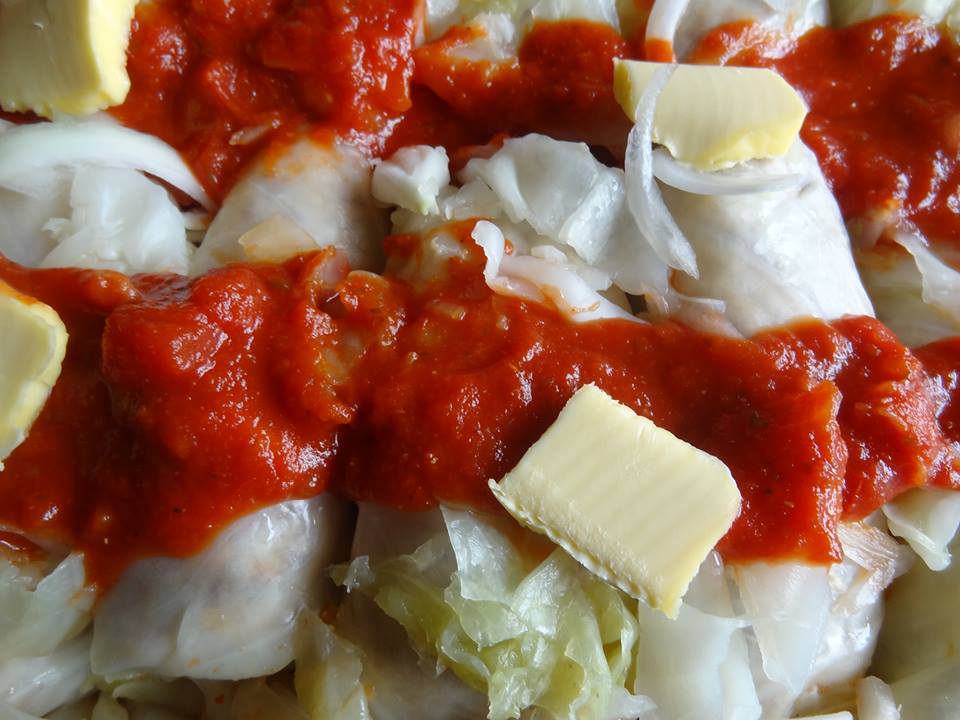
Fill each cabbage leaf with about 1/2 cup of equal portions, roll each leaf like a wrap and slowly place them in the baking pan.

Slice the remaining cabbage into shreds.

Saute the small sliced onion and the shredded cabbage in a skillet with a couple of tbsp of the margarine until the onion is translucent.

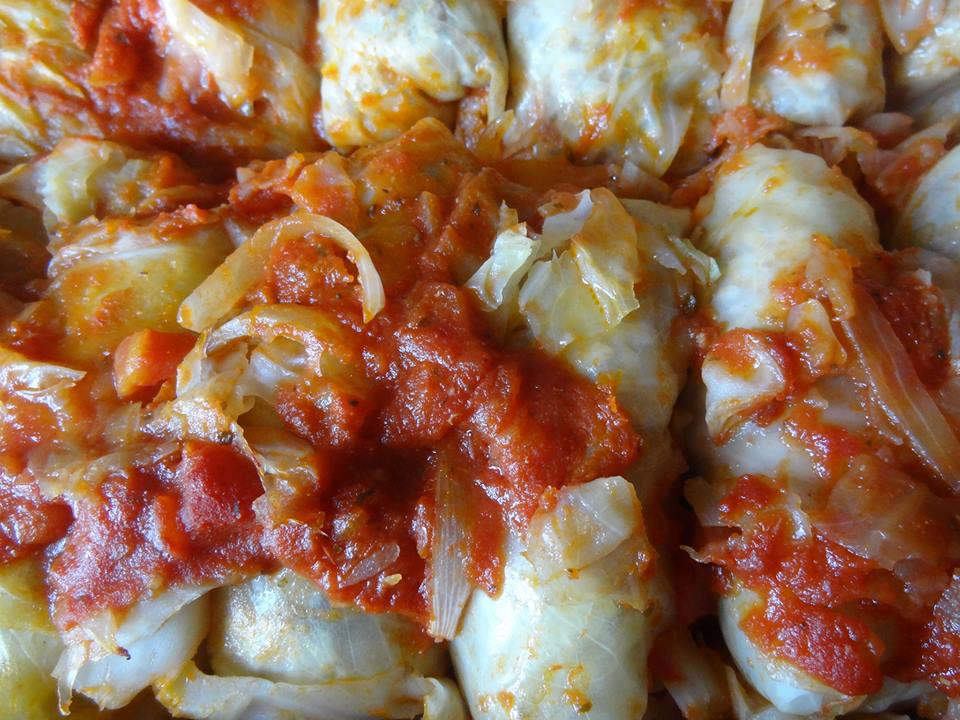
Pour the cooked onion and cabbage over the rolls filling in the sides and open spaces.

Add the 1 cup of water to the remaining marinara sauce and pour it over the cabbage rolls and into the sides.

Shake the pan to incorporate the sauce evenly.

Dot the top of the cabbage rolls with the remaining margarine.

Cover with foil and cook for 1 – 1/2 to 2 hours or longer until the cabbage is tender. *Test by piercing with a fork.

Remove from oven and let the rolls sit for at least 15 minutes before serving.

You can freeze the rolls covered in any type of tomato sauce in a plastic food safe container.

Defrost them overnight in refrigerator and heat in the oven or microwave.

Serve with Rye bread or Pao caseiro. Enjoy!


Portuguese Style Roast Chicken With Potatoes

The all time favorite; “Portuguese Roasted Chicken” is simple to prepare and comes out perfect every time.

Every Portuguese home cook can make this chicken practically with their eyes closed and each family has their own recipe.

In fact many of you will probably say, why post such an easy recipe when anyone can do it!

Through the years I’ve had many of my non Portuguese friends request the recipe for Roasted Chicken and Potatoes served at Portuguese weddings.

They claim to have tried to replicate many times it but never achieved the same flavor.

I believe the reason is because they didn’t use good olive oil, and they didn’t coat the chicken with enough paprika which gives it the unique smokey flavor.

Most of the time when I make the chicken I cook  Portuguese Style Roasted Potatoes *(recipe below) and Classic Portuguese Rice for a perfect combination to serve your family on a special Sunday afternoon.

But this is optional. You can make the chicken without the potatoes.

My husband on the other hand is not a chicken fan, but he loves the chicken flavored potatoes.

He always says to me; “honey you have to make chicken and potatoes all the time, but through out the chicken after your done cooking”!

This leaves me speechless!

Enjoy!

♥♥♥♥♥♥♥♥♥♥♥♥♥♥♥♥♥♥♥♥♥♥♥♥♥♥♥♥♥♥♥♥♥♥♥♥♥♥♥♥♥♥♥♥♥♥♥♥♥♥♥♥♥♥♥♥♥

Ingredients:

1 Roasting Chicken

2 tsp salt

1 tsp pepper

2 tsp garlic powder

2 tsp Paprika

1 small onion (Quartered)

1 small celery ( Chopped)

1/2 lemon

2 tbsp Olive Oil

1 tbsp butter or margarine

1 sprig fresh parsley

1/2 cup of white wine

Cook chicken at 400 degrees – cook for 1 – 1/2 hours for a small 3 pound chicken or 2 hours for a large 4-5 lb oven Roaster.

I like my chicken well done so I let it cook until the thigh bone separates from the chicken.

Roasted Potatoes & Carrots

*Skip this part if you don’t want to cook potatoes along with the chicken.

Potato Ingredients:

2 lbs potatoes (either Russet, Sweet Potatoes or Yams) cut into 2 inch pieces

2 large carrots peeled and cut into chunks  (optional)

1 tsp salt

1 tsp garlic powder

1/2 tsp pepper

1 tsp Paprika

1/4 stick of melted margarine or butter

1/ 4 cup of olive oil

♥♥♥♥♥♥♥♥♥♥♥♥♥♥♥♥♥♥♥♥♥♥♥♥♥♥♥♥♥♥♥♥♥♥♥♥♥♥♥♥♥♥♥♥♥♥♥♥♥♥♥♥♥♥♥♥♥

Instructions:

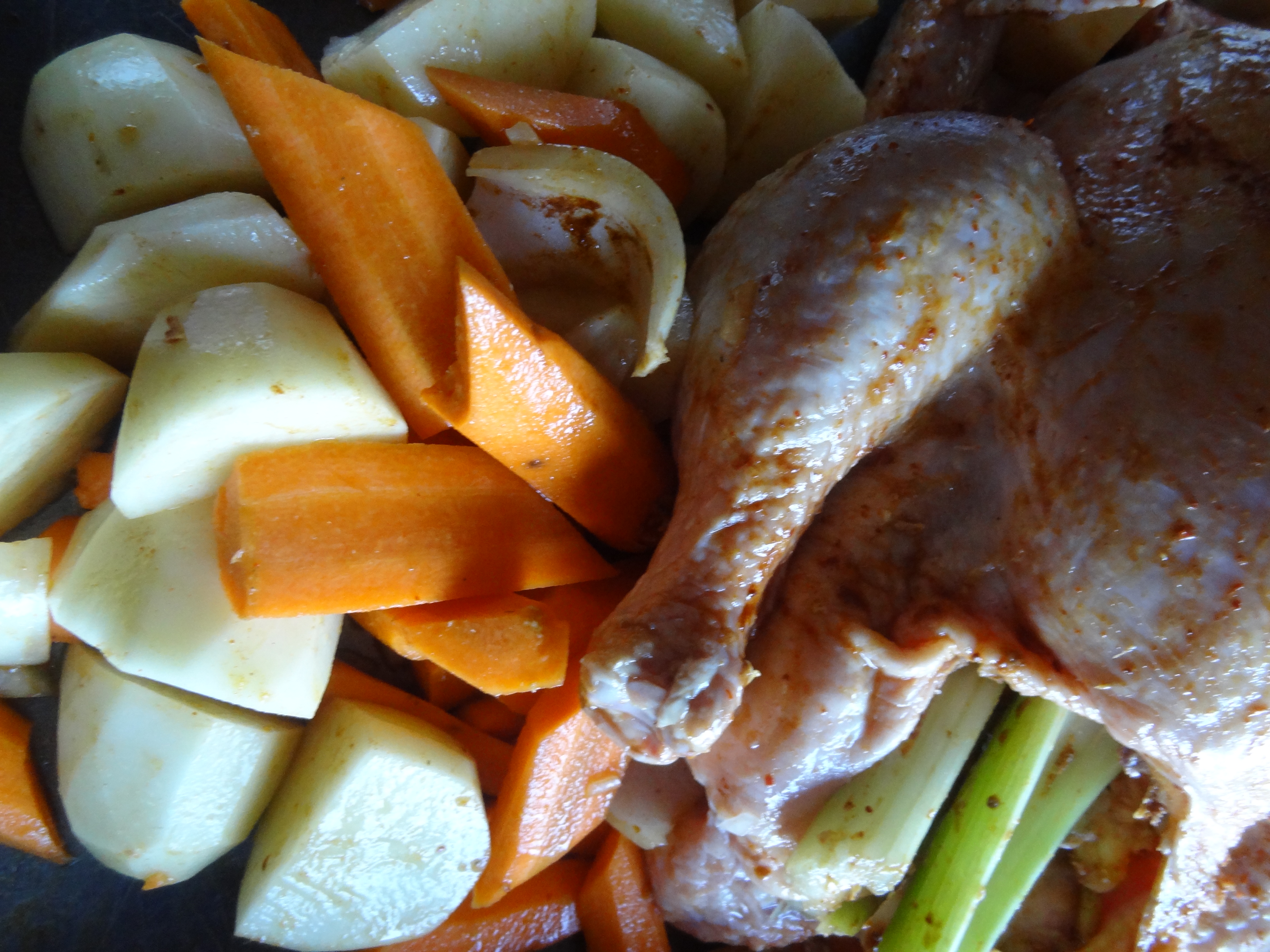
Wash the Chicken and place in roasting pan. Mix the seasonings together in a small bowl. Rub the chicken with olive oil and margarine.

Coat with the seasonings. Insert, onion, celery and parsley into cavity. Pour the wine into the cavity.

Squeeze the juice from the lemon over the top of the chicken and place the lemon into the cavity.

*Leave chicken marinating for at least 2 hours in fridge if you have time, but it’s OK to cook it right away too!

When ready to cook, place the chicken in a large roasting pan with the seasoned potatoes along the sides.

Cook at 400 degrees for (1 -1/2) – to 2 hours depending on size of your chicken.

Shake the pan every 15 minutes to stir potatoes.

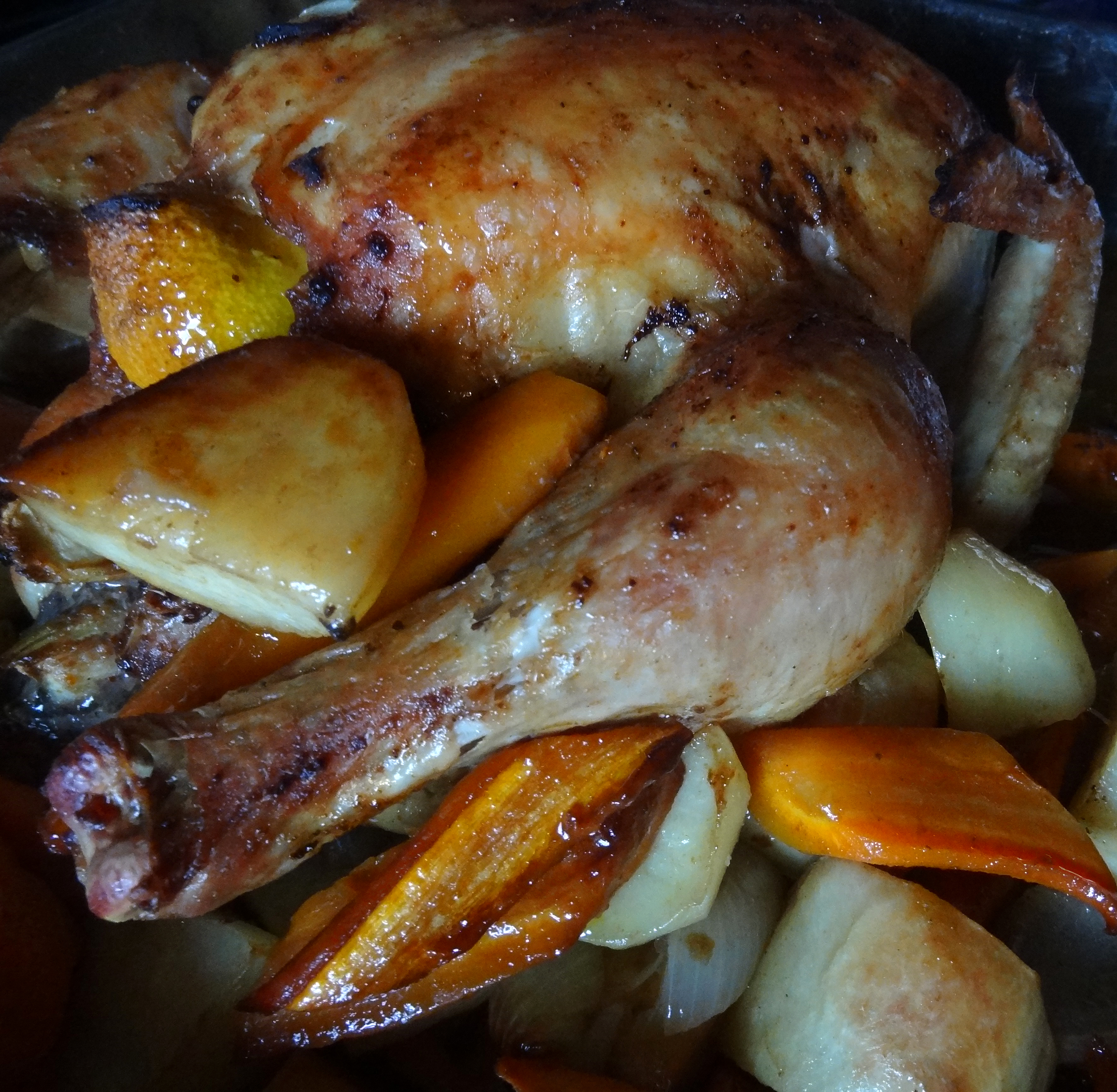
Even though your timer on the chicken may pop up, let the chicken cook longer until it’s crispy and golden colored on the outside!

I like a well done, crispy chicken. Test if it’s cooked by cutting into the thigh. The thigh should be easy to cut away and the juice should be clear.


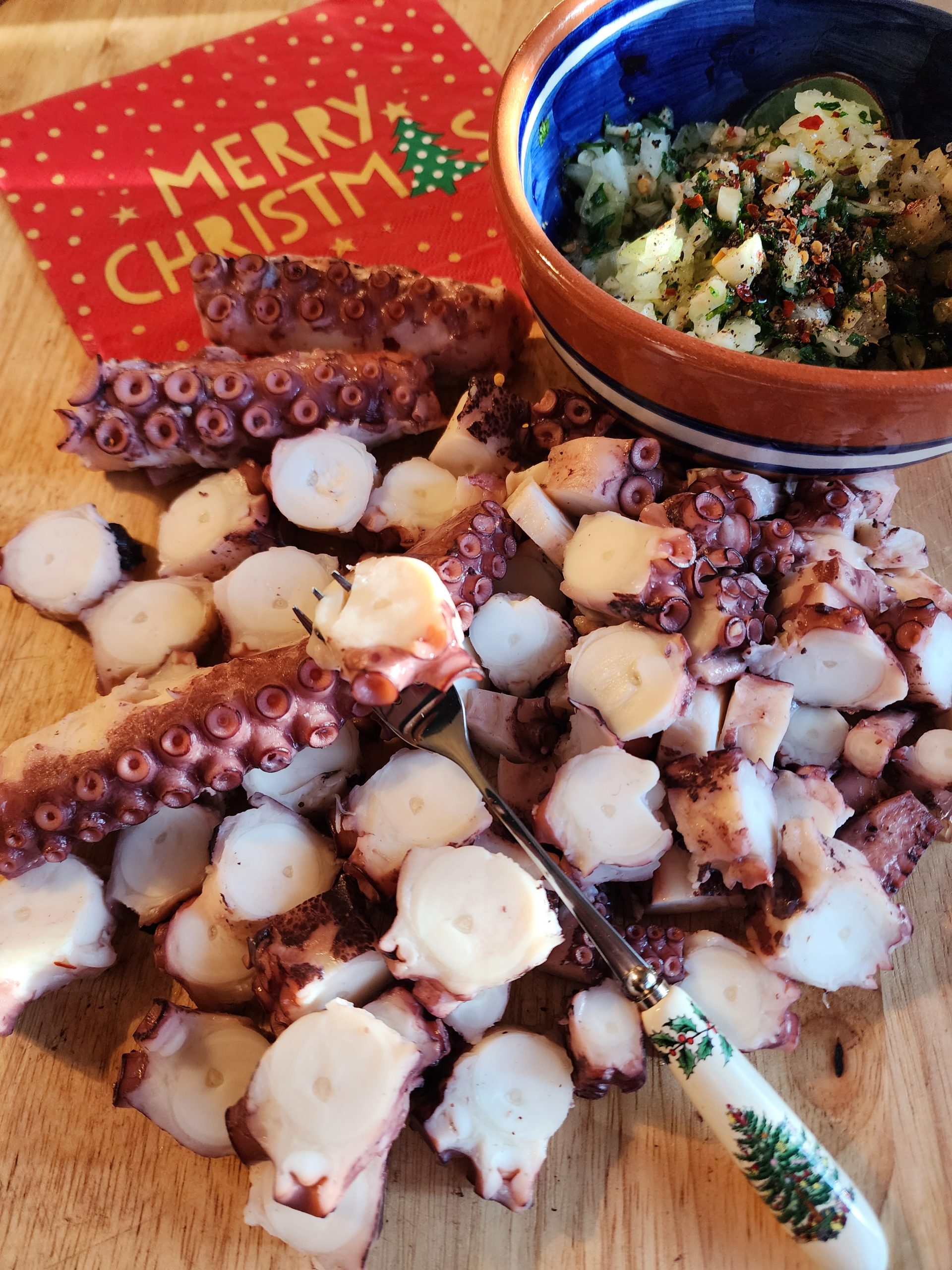
Octopus Salad – Salada de Polvo

Many of you may of never eaten Octopus, but believe me it’s delicious! I find the taste similar to lobster but the meat is a bit chewier. This recipe is very easy to prepare and deliciously different than anything you’ve ever tasted!

Don’t let it’s appearance scare you away! Enjoy!

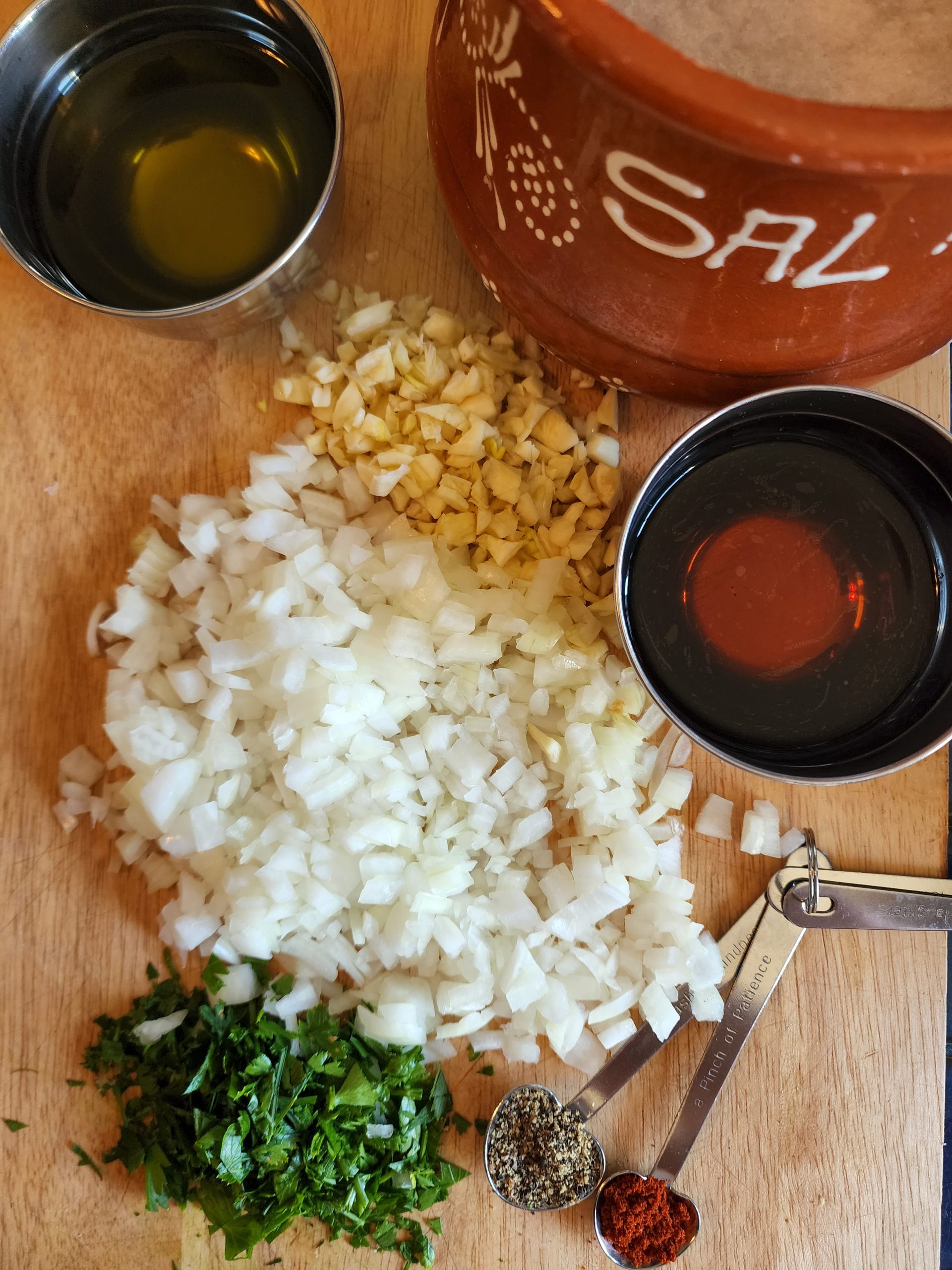
Ingredients:

3 cups chopped cooked octopus

1 tsp salt

1 tsp pepper

1/2 small chopped onion

2 cloves very finely chopped garlic

2 tbsp chopped fresh parsley

1/4 cup Olive Oil

1/4 cup White Wine Vinegar

Instructions:

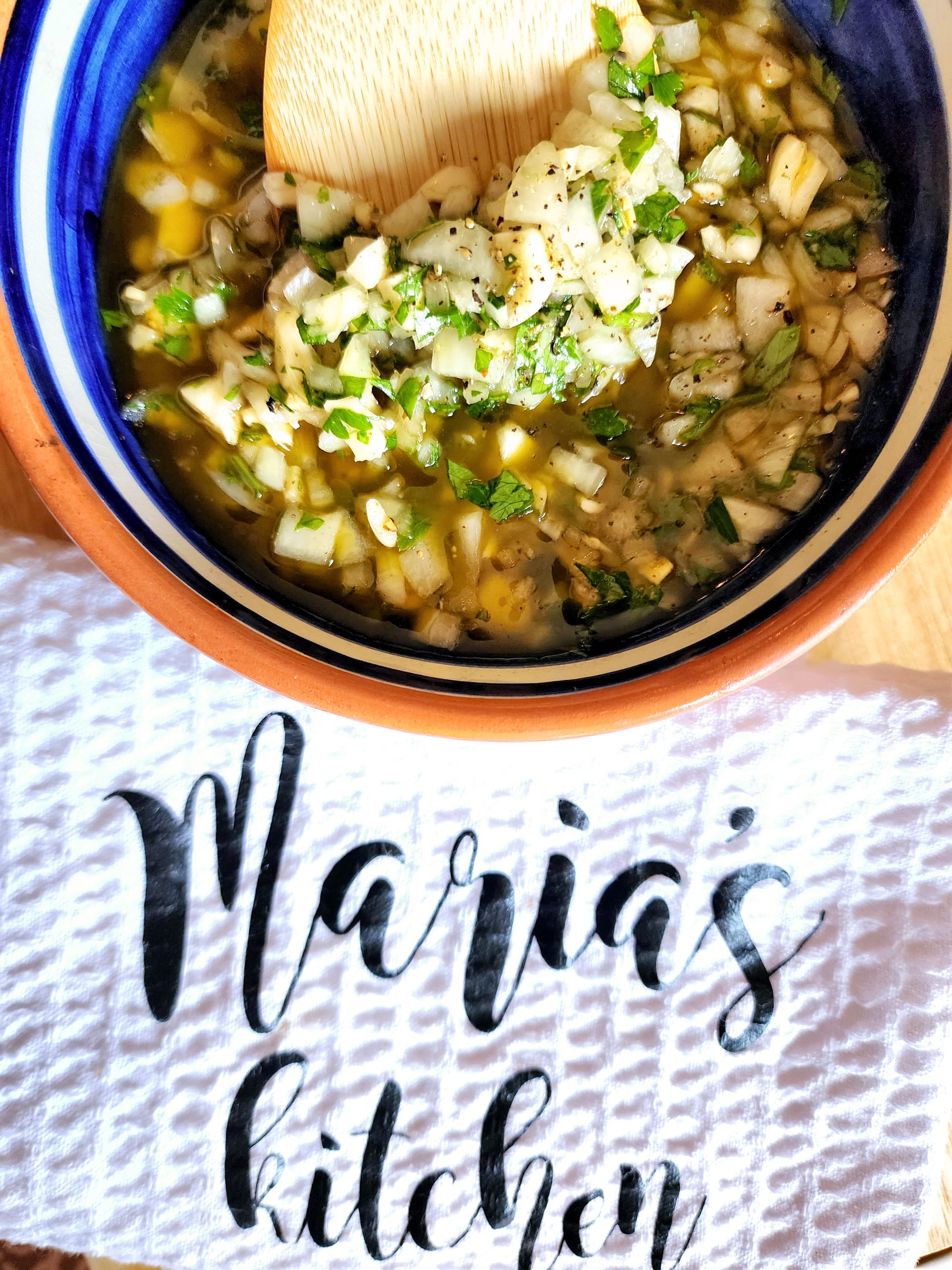
Place all ingredients in a bowl. Mix together. Let sit for at least 15 minutes to marinate. Serve or store in refrigerator until the next day. (Best if eaten within 24 hours)

Alcatra – Portuguese Pot Roast

Most often at the Portuguese Festa, or Holy Ghost Festival as some call it. The story goes like this:
Read more at http://www.farmgirlgourmet.com/2012/03/alcatra-portuguese-pot-roast-in-slow.html#bu0ukcesDDt7UDH0.99
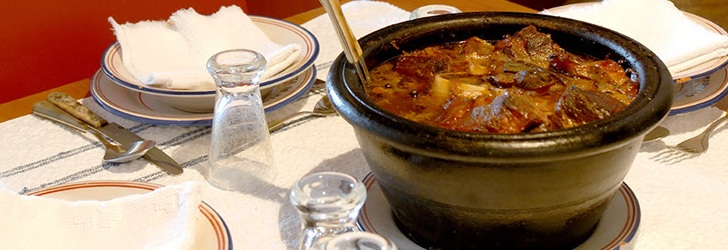
I’ve had many requests for the Alcatra recipe recently but I waited until the weather got a little cooler to share it with you.

Alcatra is a pot roast very popular in the Azorean Island of Terceira in Portugal. It is mostly made during the Holy Ghost Festivals which are celebrated at all the other Azorean Islands, as well as in many Azorean immigrant communities in the United States and in other countries with an Azorean – Portuguese immigrant community. Here’s a list of Holy Ghost and other Festas.

You can learn more about the gastronomy of the Azores here or read this book: Sopas: A brief History of Portuguese Islanders, the Cape Cod Town of Falmouth, and the Feast of the Holy Ghost (2012) Lewis A. White.

This following recipe for Alcatra is from the cook book;

Portuguese Home Style Cooking by Author Ana Patuleia Ortins

Thank you Ana!
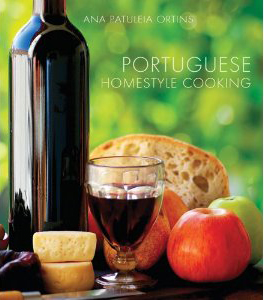
Alcatra – Beef Rump

“The Azorean Portuguese from the Island of Terceira are famous for this unique dish, Simply seasoned with allspice, pepper, salt and bay leaf, it is traditionally served on the Feast of the Holy Ghost, but can be served on other occasions as well. Cooked in red wine, the meat takes on a deep mahogany color.

Other Azorean Islands have versions of this popular meal. Some cooks use white wine for a lighter color. Served with rice as a separate coarse after the Soup of the Holy Ghost. (see page 40 of cook book), or is prepared in a clay pot.

The traditional pot is somewhat like an inverted lamp shade in shape. Similar deep, unglazed clay bakers may be found at kitchen specialty shops (or see resource guide at the end of the book). New -clay pots must be seasoned. Unglazed clay pots must be soaked before each use and placed in a cold oven to prevent cracking.”

Ingredients:

1 – Pre soaked unglazed 4 quart red clay pot or 4 quart dutch oven or casserole pan *soaking instructions below*

1   Stick of soft butter

3  Large onion, thinly sliced

½  Pound slab bacon cut into 1 inch pieces

6   Cloves garlic

2   Bay leaves

1    5 Pound rump or chuck roast, bone in, cut into 4 inch pieces

1   Pound shin bone (if using rump roast)

½  tsp whole allspice (Jamaican is best)

½  tsp black peppercorns

1   tsp coarse salt

4   tbsp firm butter, cut into pieces

1   cup water

4-6 Cups medium bodied red or white wine

Instructions:

1.  Generously grease the interior of the pot with the soft butter

2.  Place half of the onions in the bottom of the pot followed by half of the bacon, garlic and 1 bay leaf. Add the meat, including the bone from the roast or shin bone. Followed by the second bay leaf, the garlic and remaining bacon. End with the remaining onions. Scatter the allspice and Peppercorns over top along with the salt. Dot the top with pieces of the cold butter.

3.   Mix the water with 1 cup of the wine, pour over the ingredients followed by enough additional wine to cover everything by 1 inch.

4.   Place the pot in a cold oven. Set the temperature to 400 degrees F. When the liquid begins o boil, reduce the temperature to 300 degrees, cover the pot with foil and cook, without turning the ingredients until tender –  about 3-31/20 hours more.

5.  Turn off the heat. Uncover the pot and remove some of the broth for cooking the rice. Leave the uncovered pot in the oven just until the oven heat has dissipated.

The top will brown a little. Serve meat with rice cooked in the broth.

Soaking & Seasoning Pot – Notes:

Lucia Costa, who learned to prepare this dish as a young girl in Terceira, says long slow cooking is necessary to cook this dish.

A new unglazed clay pot needs to be seasoned to avoid passing an earthy flavor to food.

To season; fill the pot with water and add several cabbage or collard leaves and and some onion peelings.

Then place the pot on a flame diffuser over medium heat. Bring to a boil then reduce to a simmer. Simmer for about 2 hours and then drain.

When you want to cook in the pot, immerse it in water and soak for 24 hours. Then proceed with the recipe by generously greasing the interior with butter.”(Portuguese Home Style Cooking by  Ana Patuleia Ortins)

Alcatra Photo credit: http://www.visitazores.com/en/the-azores/the-9-islands/the-archipelago/food-and-drinks


Portuguese French Toast – Rabanadas do Minho


Rabanadas are Portuguese French Toast with a twist. Rabanadas do Minho are made with a twist by adding a warm wine and honey syrup over the cooked French Toast for a robust sweet wine flavor.


Ingredients:

1 large loaf of crusty bread; French, Italian or Portuguese

1 1/3 cups of granulated sugar

1 tbsp butter or margarine

1 stick of cinnamon

1 piece of lemon peel

2 egg yolks

2 eggs

5 glasses of Portuguese Red wine, or Vinho Verde Red

1 cup of Honey

1 tsp of powdered cinnamon

1 1/3 cup of water

Oil for frying


Preparation:

Slice the bread into (1 inch) slices.

In a saucepan, heat the sugar and 1 1/3 cups of water, butter, lemon peel, cinnamon stick and a dash of salt. Cook on medium heat for 5 minutes and remove from heat. 

Soak each slice of bread in the sugar mixture, remove and place in a strainer to remove excess liquid. Set aside.

Beat the yolks and eggs until foamy. Heat the oil in 1/4 inch depth in a large skillet on medium. Dip each slice of bread into the egg mixture shaking off any excess egg.

Place the bread slices in the oil and cook for a few  minutes on each side until golden brown.

As each slice cooks place it on paper towels to drain and then onto a serving tray.  Coat each slice with a mixture of sugar and cinnamon.

In a separate pan heat the wine, honey, powdered cinnamon until it comes to a boil.

Gently, pour the hot wine syrup over each slice turning them over to coat each side.

Serve warm or at room temperature. Store in the refrigerator.


Rabanadas Recipe in Portuguese:

Ingredientes:

1 pão de cacete de 500 g

300 g de açúcar

1 colher de sopa de manteiga

1 pau de canela

1 casca de limão

2 gemas

2 ovos

7,5 dl de vinho tinto verde ou maduro

250 g de mel

1 colher de sobremesa de canela em pó

óleo para fritar

Preparação:

Corta-se o cacete em fatias com cerca de 1 cm de espessura.

Leva-se ao lume o açúcar com 2 dl de água, a manteiga, o pau de canela, a casca de limão e uma pitada de sal. Deixa-se ferver durante 5 minutos.

Retira-se do lume e introduzem-se as fatias de pão na calda bem quente.

Escorrem-se sobre uma peneira ou passador.

Em seguida, passam-se as fatias pelas gemas batidas com os ovos inteiros e alouram-se em óleo quente. À medida que se vão fritando as rabanadas, põem-se

numa travessa funda e polvilham-se com açúcar e canela.

À parte, mistura-se o vinho tinto com o mel, a canela em pó e, se o vinho for verde ou agreste, açúcar. Leva-se ao lume só para levantar fervura e deita-se

sobre as rabanadas. Viram-se com cuidado para não se partirem.


Photo & recipe credit: http://receitas-culinaria.pt/rabanadas-tradicionais-do-minho-e-douro/

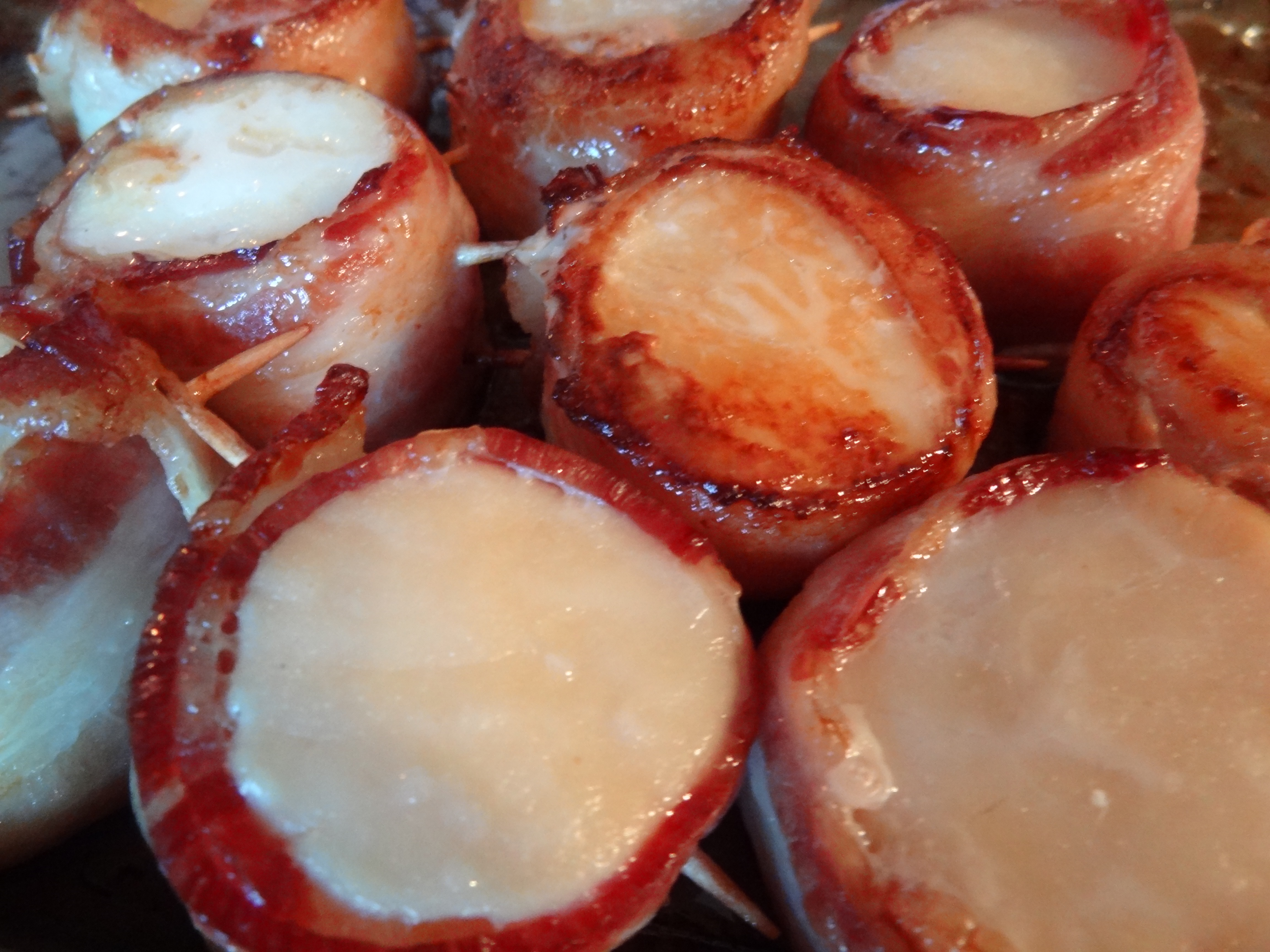
Bacon Wrapped Scallops


Bacon Wrapped Scallops

Ingredients:

8 large fresh Sea Scallops

4 slices of thick cut bacon

Instructions:

Slice bacon strips in half and cook in a dry skillet on medium until slightly browned.

Wrap each piece around the scallop and secure with a toothpick.

Cook at 350 for about 10-15 minutes. *Do not overcook or they will become dry and spongy

Cavacas – Portuguese Popover Dessert

Cavacas – “Portuguese Popover Dessert”. The taste and texture is similar to a  profiterole with a creamy, sugary glaze over the top.

This classic dessert most likely originating in Caldas da Rainha is a favorite in the Portuguese community for celebrations and Holidays. It’s easy to make and it requires few ingredients. Traditionally a glass of Port wine is served along the this delicate dessert.


Ingredients:

Makes 12 large cavacas

8 extra large eggs (room temp)

½ cup plus 2 tablespoons olive oil

2 cups sifted all-purpose flour

¼ cup milk

pinch salt

olive oil (for greasing tins)

Icing:

2 cups confectioner’s sugar

3 to 4 tablespoons milk

zest of 1 lemon

Preparation:

Here’s our YouTube Video page for you to follow along with the instructions:

Sift together the salt and flour and set aside. In a large mixing bowl beat the eggs and olive oil for about 5 minutes.

Add the flour mixture and beat for at least 10 minutes until the batter has reached a light creamy consistency. Add milk half during the last 5 minutes.

Grease large muffin tin or popover tins with 1 teaspoon olive oil to each section on bottom and up the sides. Fill each section 1/2 full with batter.

Cook at 350 degrees F. for 40 to 50 minutes. Note: *Do not open the oven or they will collapse! 🙁 Also note the ovens cook at different temperatures so keep an eye on them. If you notice they start to brown too dark remove from the oven.

Let cavacas cook slightly.

Meanwhile, In a small bowl make the icing by combining the confectionery sugar, and the lemon zest with milk until It reaches a smooth consistency. Taste and add more lemon zest if you prefer a lemony icing.

*If you find the icing too thick add milk, it it’s to soft add more sugar. Drizzle the icing over the Cavacas.