Category: Portuguese Christmas

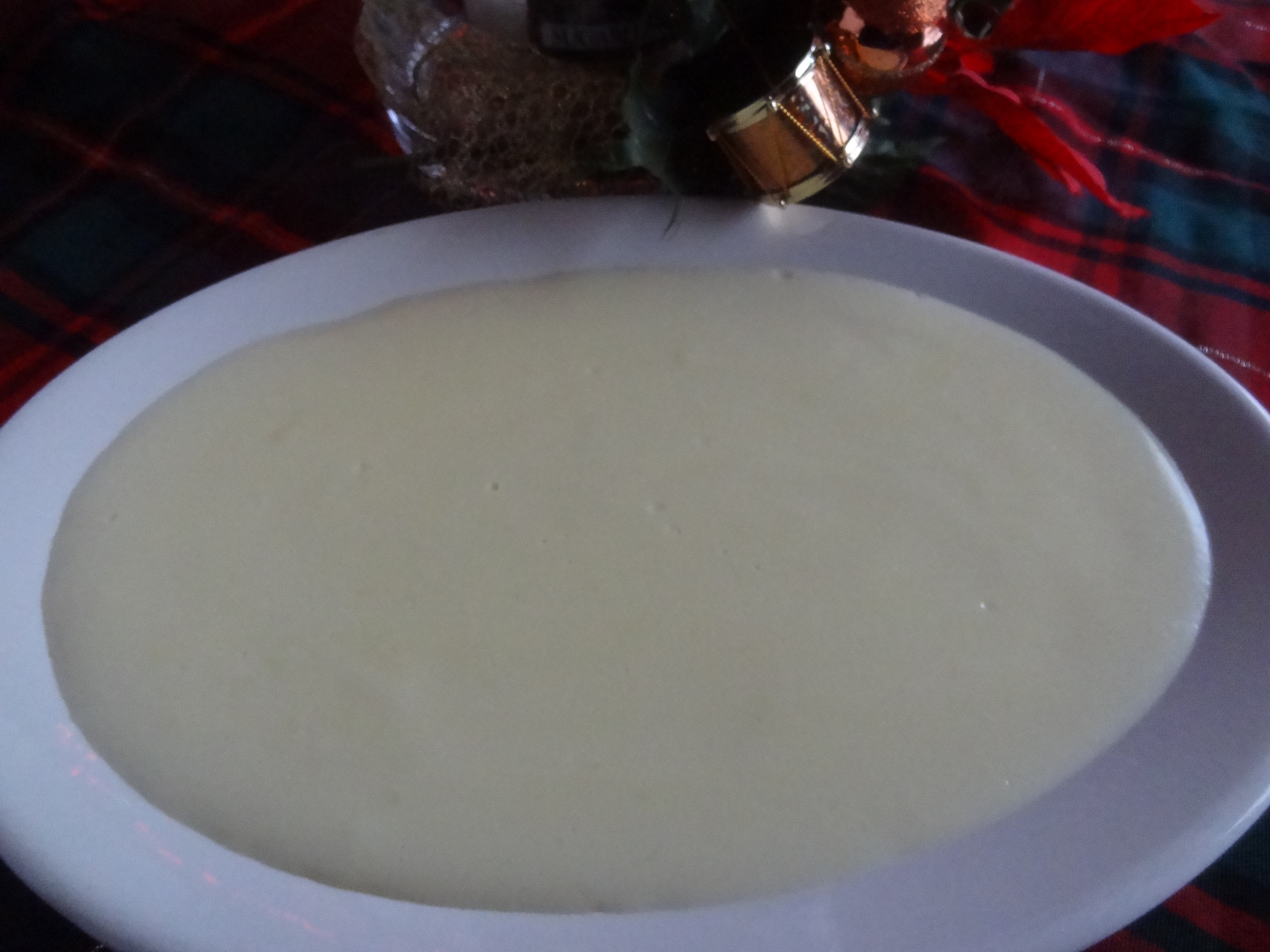
Leite de Creme – Portuguese Egg Custard
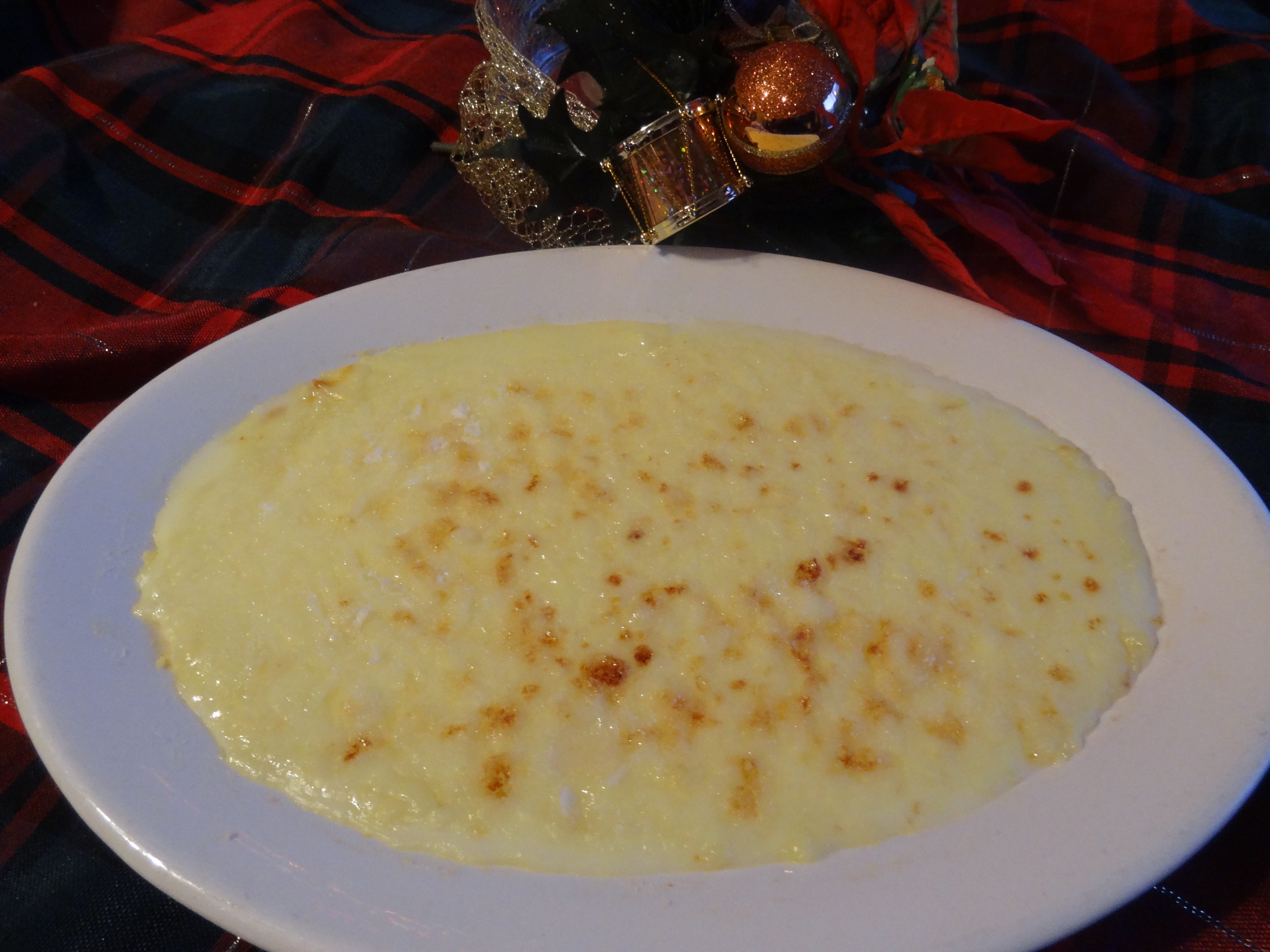
Leite Creme is a Portuguese Egg Custard similar to French Cream Brulee but cooked on the stove top instead of baked.

It’s rich, creamy texture is perfect as a light dessert.

The first time I ate this custard was when I was a only twelve years old and on my family’s first trip back to Portugal after coming to America.

We arrived in Lisbon and then took the long cab ride to Coimbra to stay at my Aunts house for a week.

She prepared this delicious creamy dessert for us when we arrived and I’ve been hooked ever since!


Leite de Creme – Serves 4-6

Ingredients:

2 tablespoons of Corn starch

5 tablespoons of sugar

3 egg yolks

2 cups whole milk

1/2  stick of cinnamon

1 slice lemon peel


Instructions:

In a medium bowl, beat the eggs and the milk with a whisk until well incorporated.

Add the cornflour and sugar and mix well.
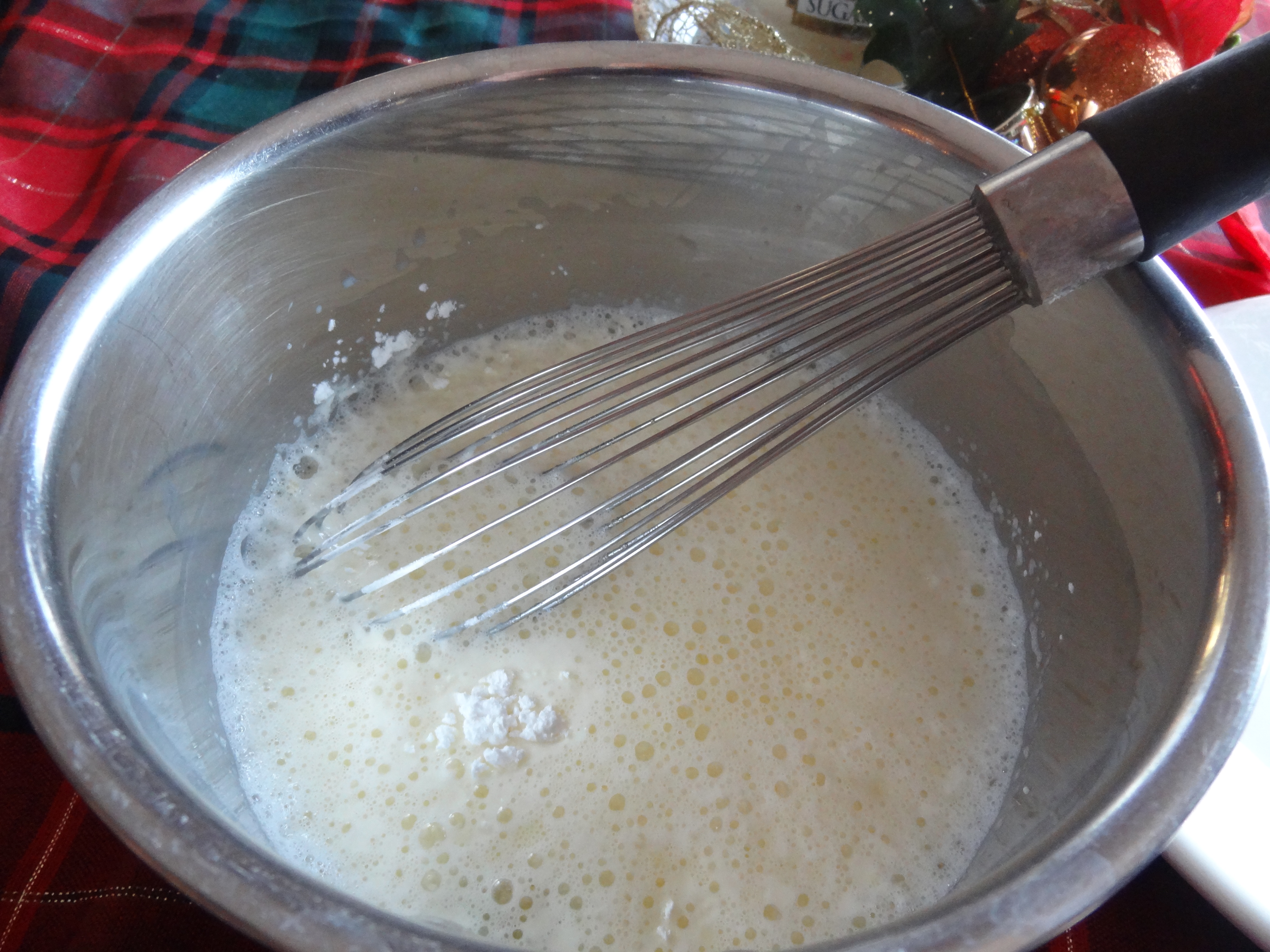
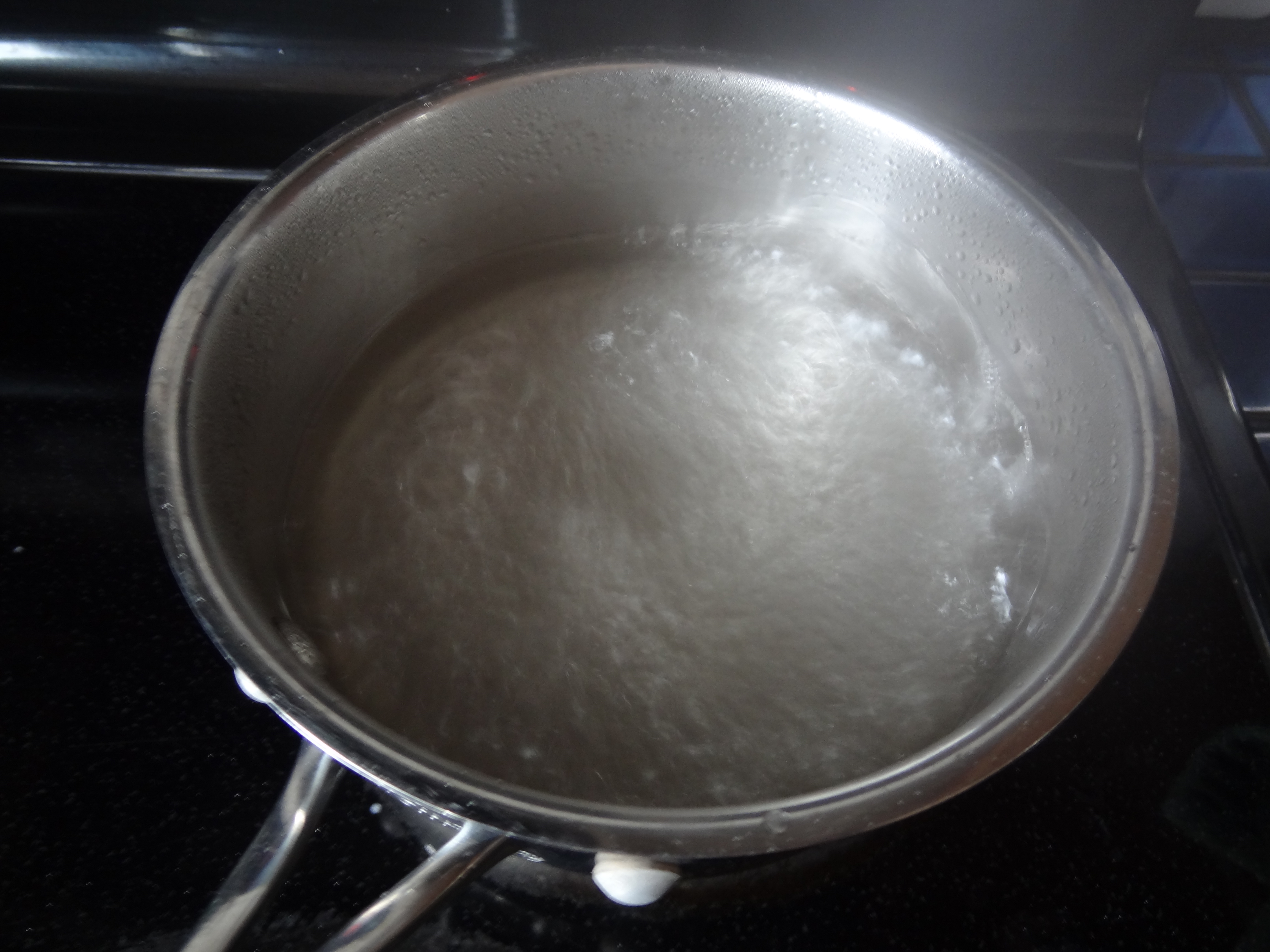
Add the lemon peel and cinnamon stick and heat in a saucepan on low – medium heat stirring continuously.

Do not let the custard boil. If it begins to boil remove from heat to cool down while stirring.

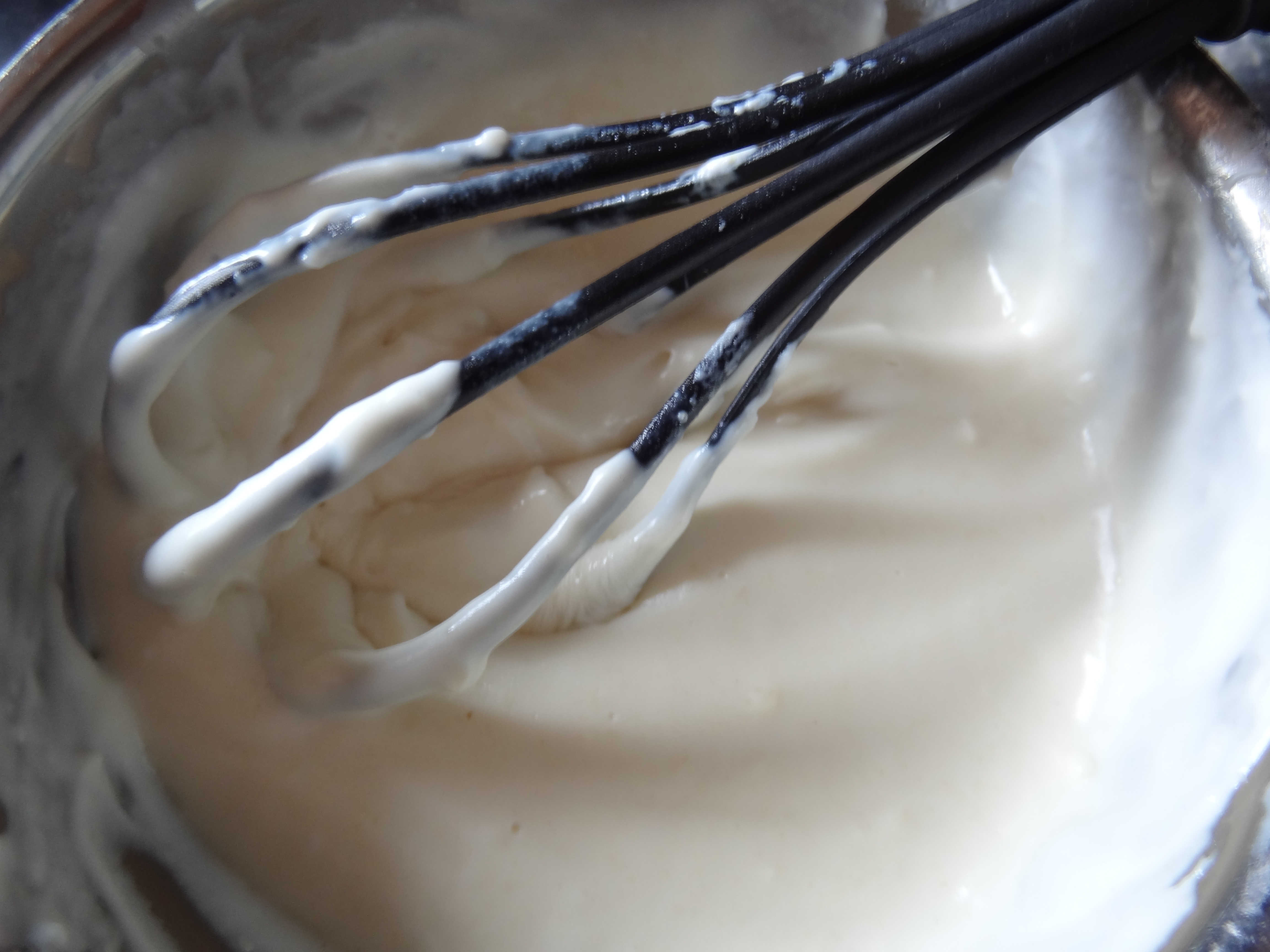
The custard should be thick enough to coat the spoon like pudding.

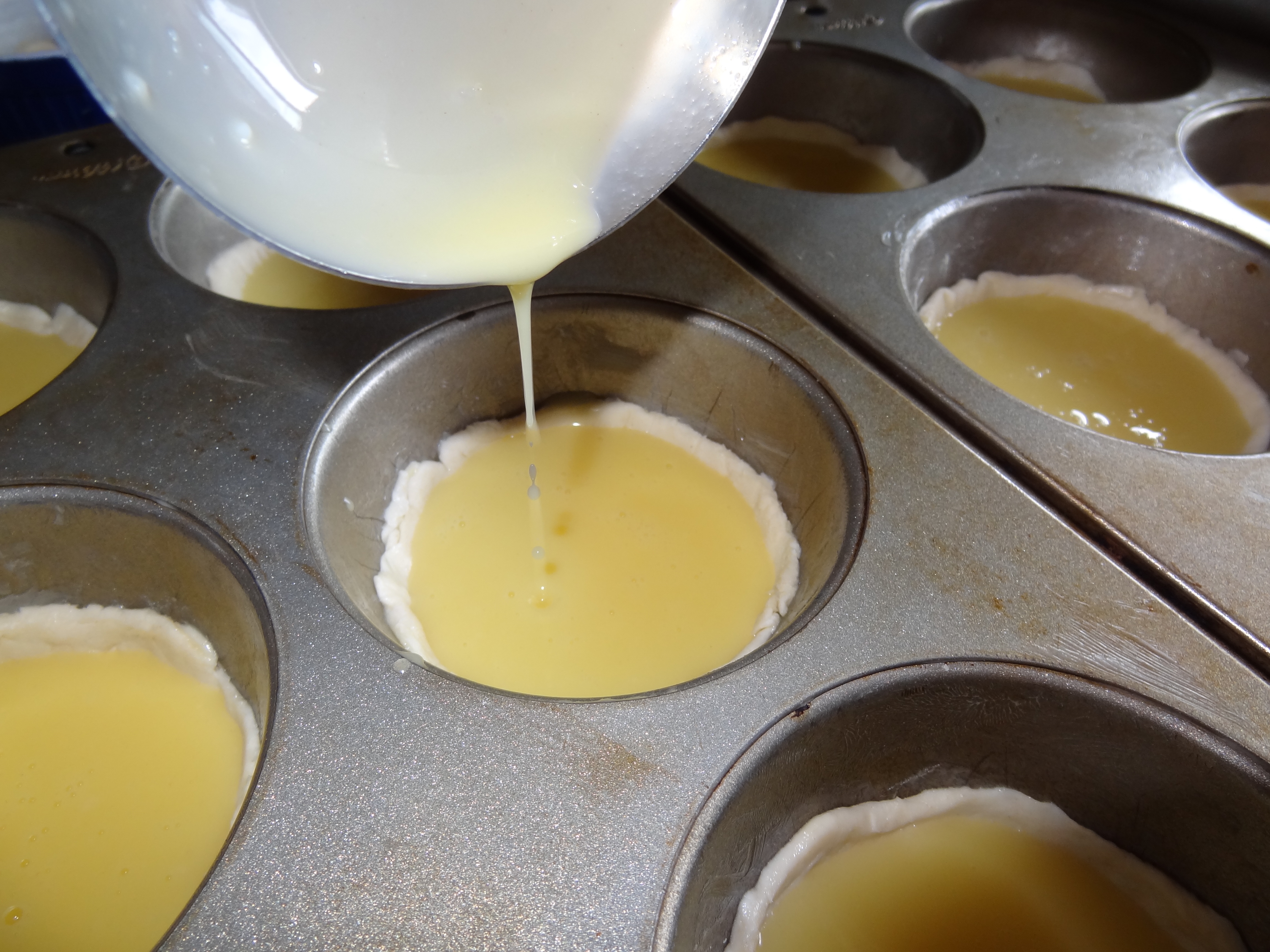
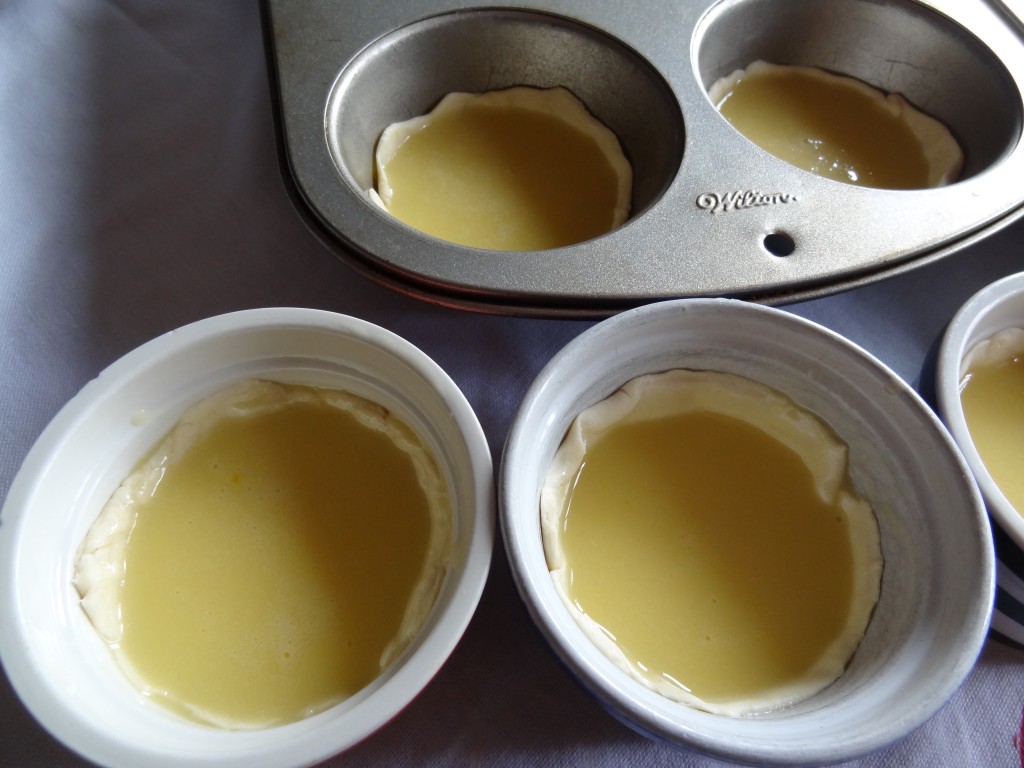
Pour into a serving platter or individual ramekins and let cool to room temperature.
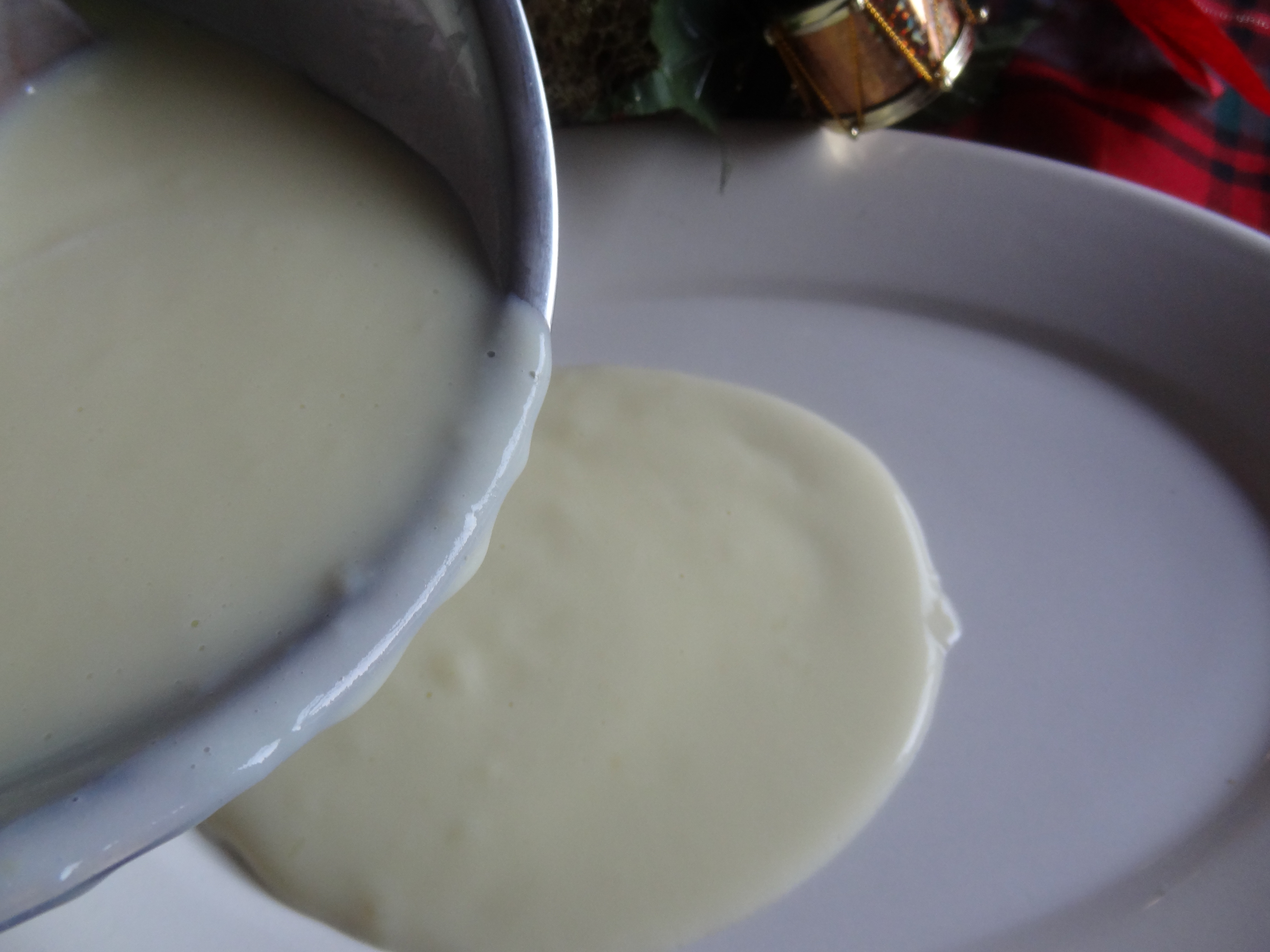
Store in the refrigerator until you are ready to serve.

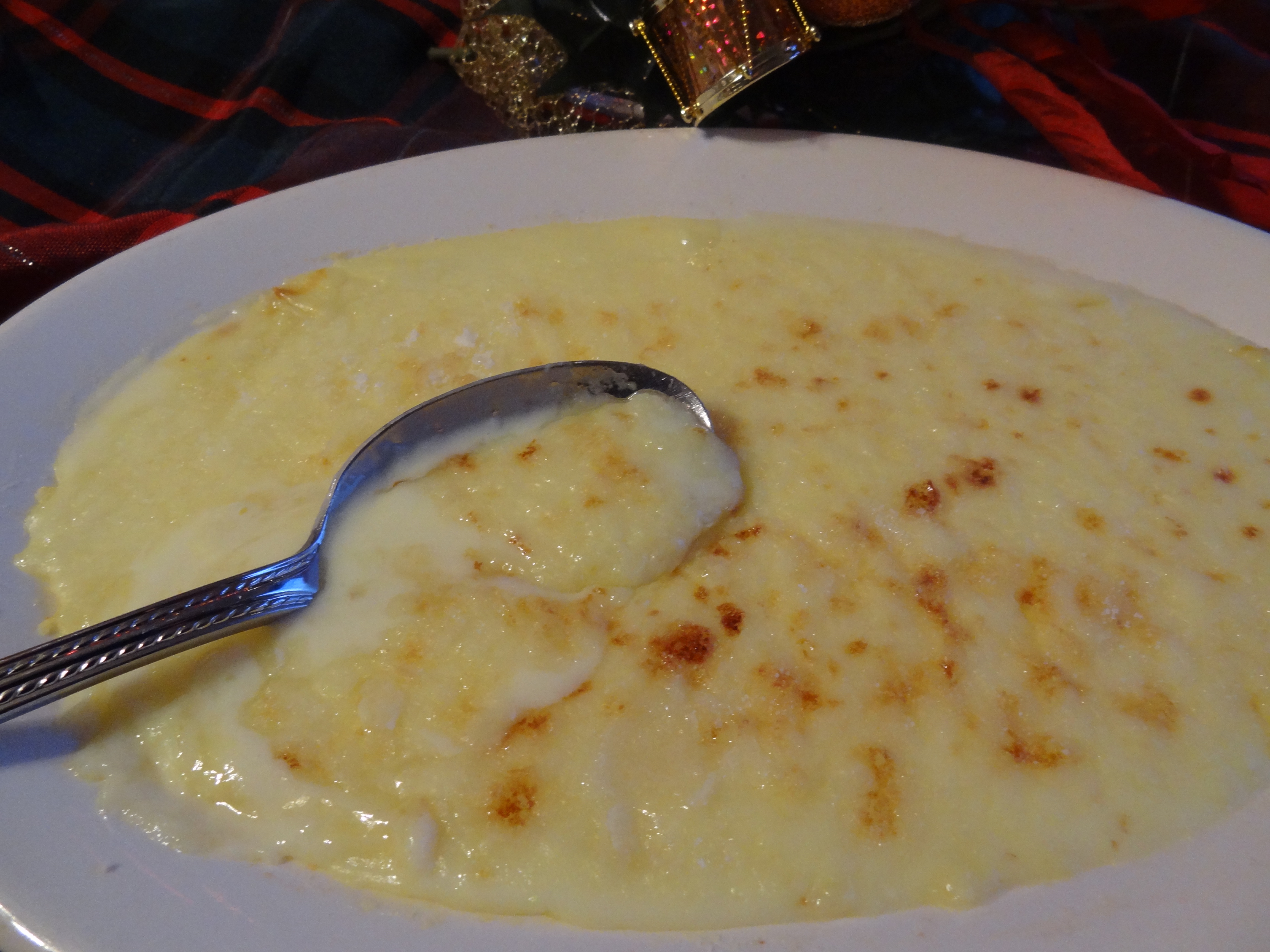
When the custard has cooled, sprinkle sugar on top and brown slightly in oven broiler or with a cooking torch.

Serve! Enjoy!


  • Beat the egg yolks in a large pan and mix with a little milk. Gradually add the rest of the milk whilst whisking.
  • Add the lemon zest (ideally, grate the lemon with a Micro-plane or very fine grater over the pan). Add the cornflour and sugar and mix well.
  • Heat over low to medium heat, stirring gently at all time. It should take 10 to 15 minutes for the mixture to thicken and reach a custard consistency.
  • Pour the mix into individual or a large terracotta ramequin(s). Sprinkle the top with sugar and caramelise under the grill or with the blow-torch. Chill before serving.

Read more at http://www.goodtoknow.co.uk/recipes/537728/erin-satterly-s-leite-creme#zGgOPrK8Dh6KrRxO.99
 

  • Beat the egg yolks in a large pan and mix with a little milk. Gradually add the rest of the milk whilst whisking.
  • Add the lemon zest (ideally, grate the lemon with a Micro-plane or very fine grater over the pan). Add the cornflour and sugar and mix well.
  • Heat over low to medium heat, stirring gently at all time. It should take 10 to 15 minutes for the mixture to thicken and reach a custard consistency.
  • Pour the mix into individual or a large terracotta ramequin(s). Sprinkle the top with sugar and caramelise under the grill or with the blow-torch. Chill before serving.

Read more at http://www.goodtoknow.co.uk/recipes/537728/erin-satterly-s-leite-creme#zGgOPrK8Dh6KrRxO.99

Portuguese Lemon Rice Pudding – Arroz Doce com Limao

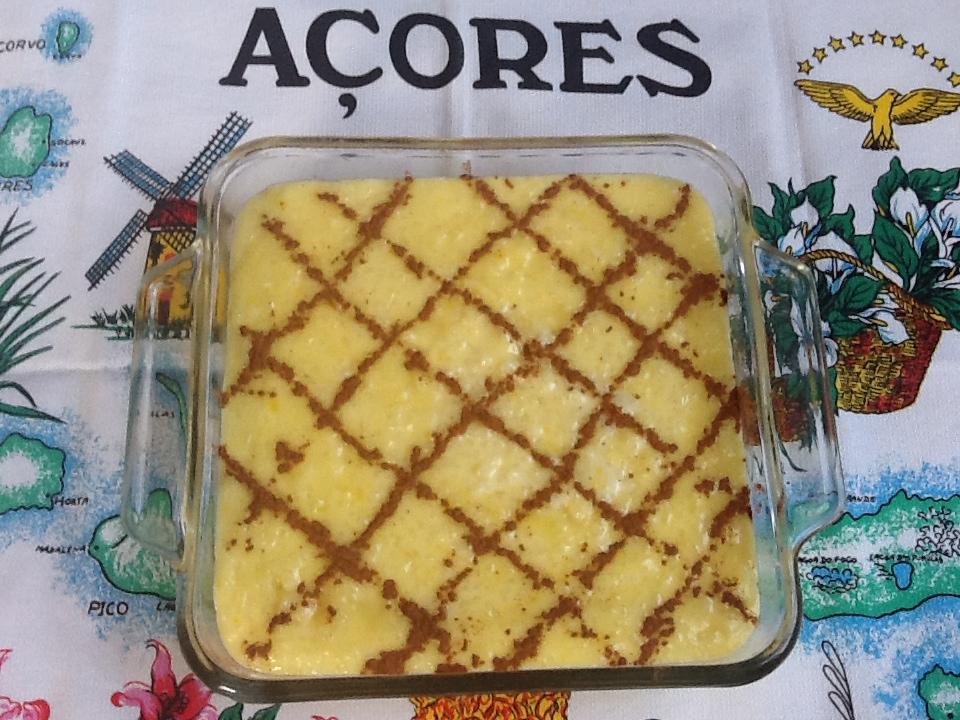
This recipe for Arroz Doce is a variation from the original that uses milk. This recipe is made using condensed milk and lemon pudding. This dessert comes out very rich, creamy and lemony.

Thanks to Leonor Santos for the recipe and photos! I love the Acores tablecloth! Enjoy!

Arroz Doce (Rice Pudding) by Leonor Santos

Ingredients:

1 pound Carolina rice


4 cups whole milk


4 cups water


2 cans condensed milk


1 stick Margarine


Zest of 1 lemon


2 boxes of instant lemon pudding


Cinnamon


Directions:

In a heavy pot place rice, milk, water, margarine, condensed milk and lemon zest. Stir from time to time.

When the liquid starts to boil, lower flame and keep stirring from time to time.

When the rice is cooked and all the liquid is absorbed turn off burner, remove from flame. Add the instant lemon pudding and stir fast until everything is incorporated.

Place in serving plates and decorate with cinnamon.


Photos credit: Leonor Santos


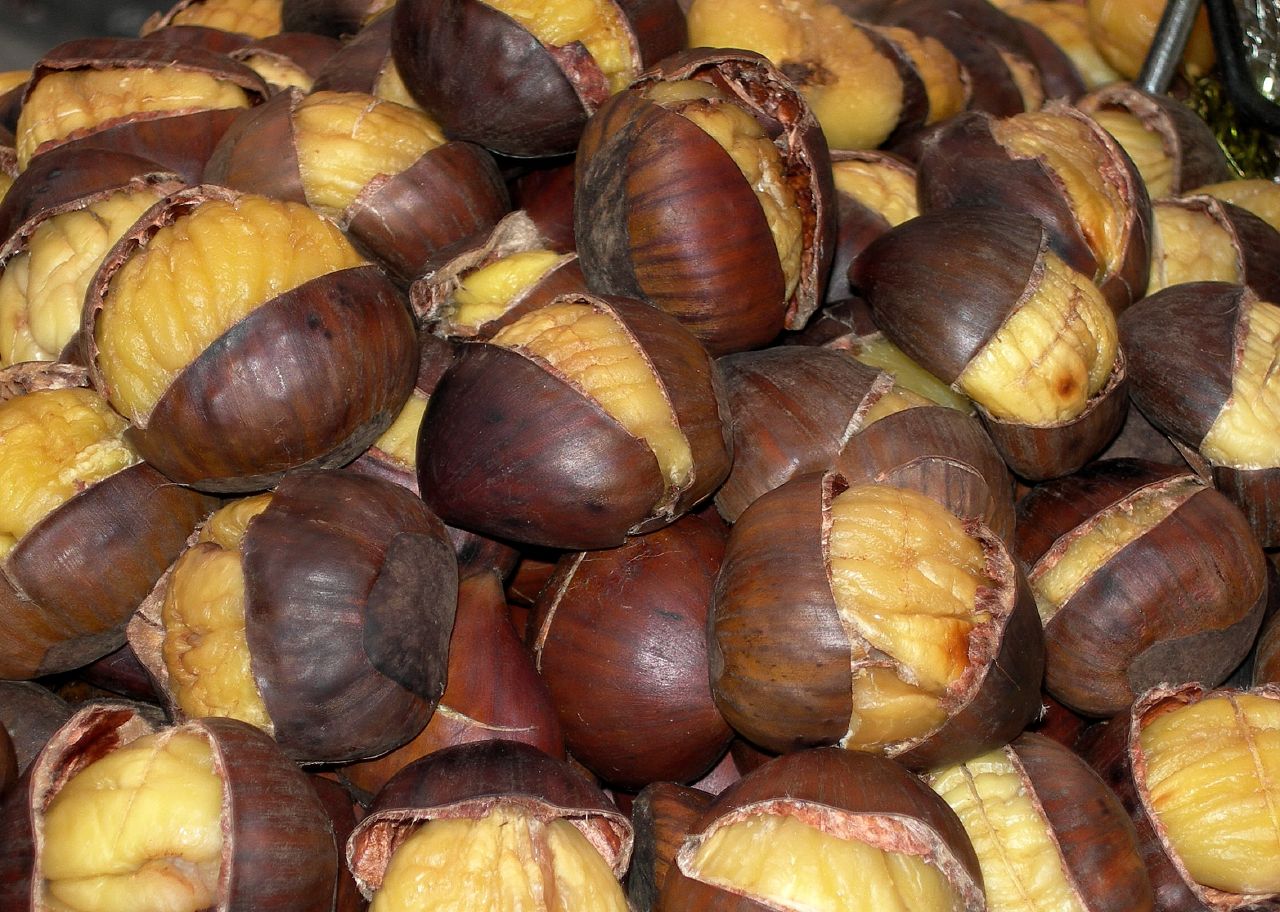
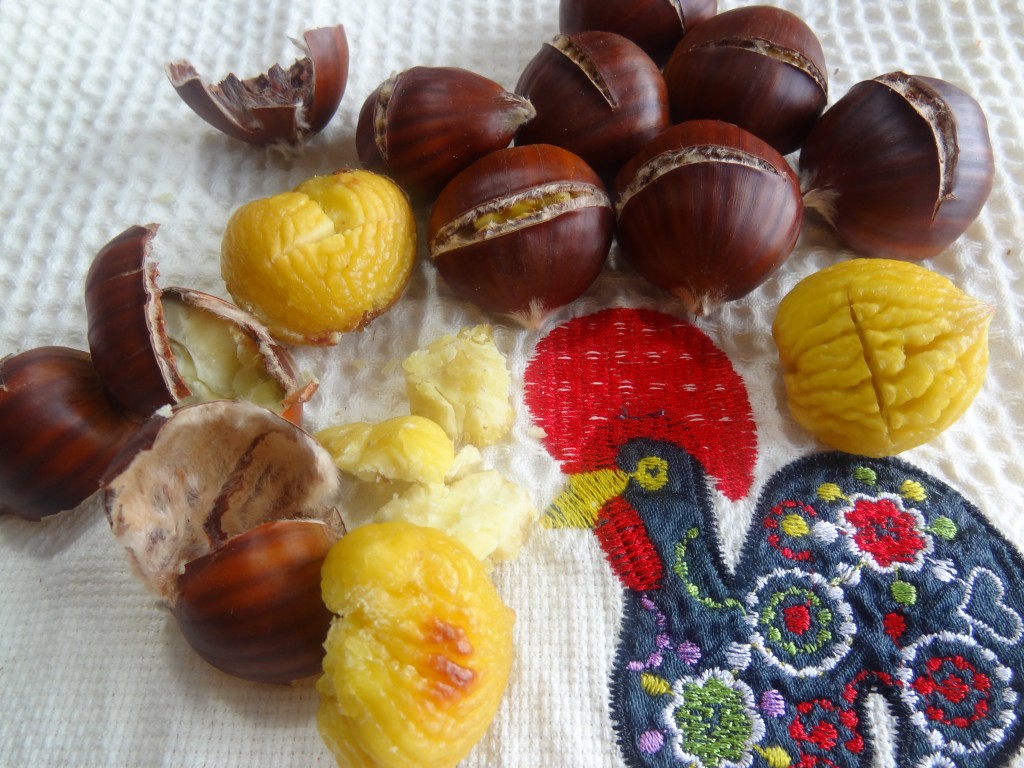
Dia de Sao Martinho – Castanhas – Roasted Chestnuts

“É dia de São Martinho;comem-se castanhas, prova-se o vinho”

“It’s Saint Martin’s day; we eat chestnuts and drink the wine”

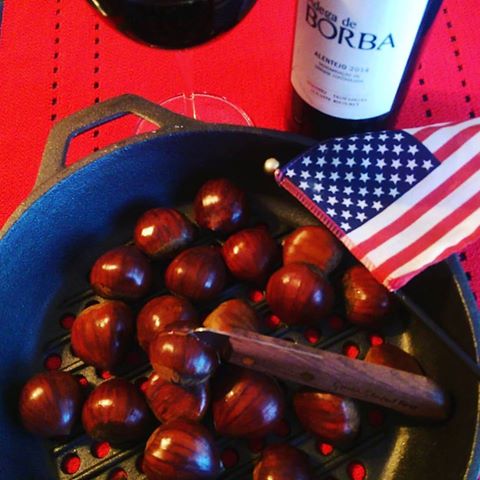
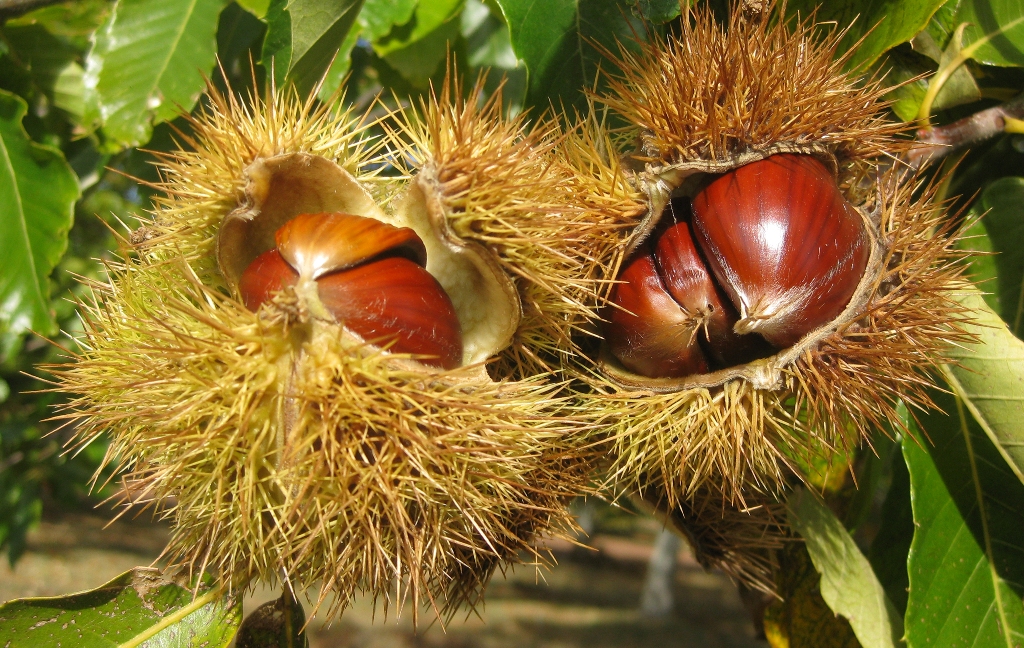
chestnuts

Dia de Sao Martinho – Saint Martin’s Day is celebrated each year on November 11.

Martinho, was a Roman soldier who encountered a bad storm on a winter day wearing only his cape to to keep him warm.

While riding through the storm, he was approached by a beggar who was shivering with the cold. Upon seeing the beggar, Martinho cut his cloak in half to share it with the beggar. When Martinho did this good deed, the clouds broke up, the storm ended and beams of sun shined in the sky.

That night, Martin had a dream of Jesus, who was wearing the half-cloak he had given away to the beggar. A voice spoke, saying;  “’I tell you with certainty, since you did it for one of the least important of these brothers of mine, you did it for me.”

Martin became a changed man and became a patron of the poor.

From this day on, he began looking at and treating people differently and was later canonized as a saint.

St Martin’s day is celebrated in many countries of Europe, as signifying the end of Fall and beginning of winter.

In Portugal, the first wine of the season is tasted and the harvested chestnuts are eaten around a bonfire.

The weather in Portugal during this time of year is generally mild and summer like, thus called; Verão de São Martinho (St. Martin’s Summer).

As the storm dissipated by the good deed of Sao Martinho, we thank God for the good summer like weather on the saints feast!


Chestnuts

The scent of roasting chestnuts during the Holiday’s is an instant heart warming feeling!

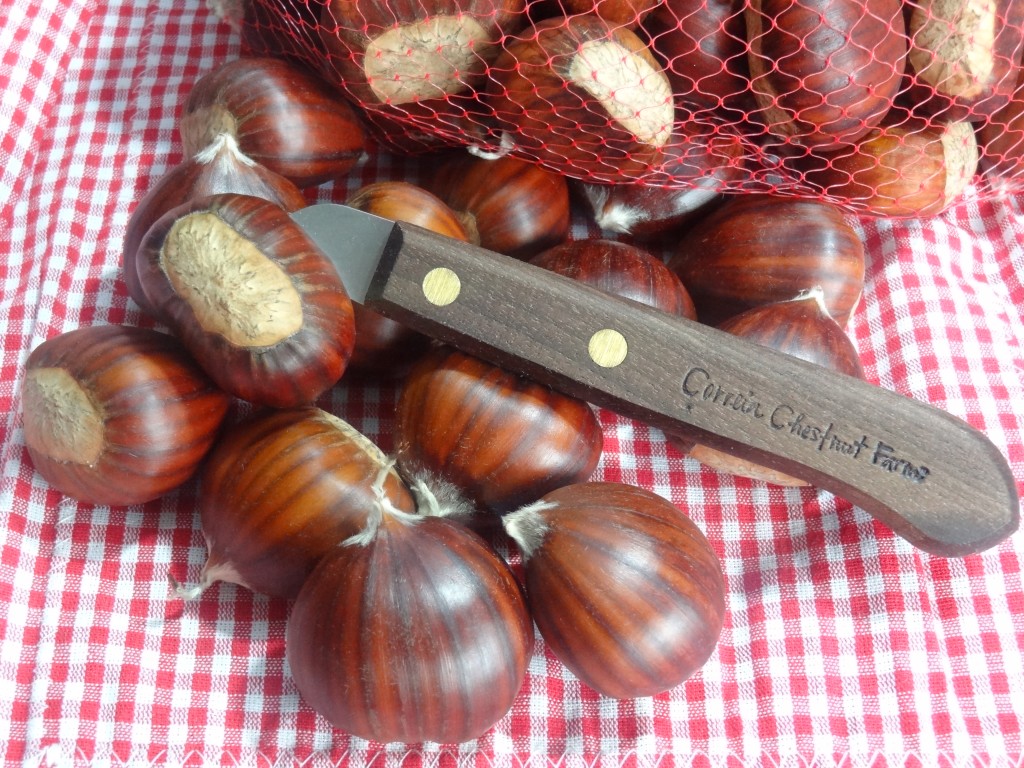
The season for chestnuts is October through late December. Look for unwrinkled shells and a glossy brown shell.

Avoid dingy shells with small pin holes. They feel very firm to the touch. Smell them for a scent of mold which means that they are not good!


How to roast Chestnuts recipe:

1. Using sharp knife, make an incision about 1/8-inch deep through the top of chestnut.

2. After slitting place the chestnuts on roasting pan and roast them at 350 degrees for about 35 minutes.

Here is a video of a different recipe with a great demonstration of the process!


Photo credit:

http://ladies-with-bottle.blogspot.com/2011/11/chestnut-liqueurfor-christmas.html

Portuguese French Toast – Rabanadas do Minho


Rabanadas are Portuguese French Toast with a twist. Rabanadas do Minho are made with a twist by adding a warm wine and honey syrup over the cooked French Toast for a robust sweet wine flavor.


Ingredients:

1 large loaf of crusty bread; French, Italian or Portuguese

1 1/3 cups of granulated sugar

1 tbsp butter or margarine

1 stick of cinnamon

1 piece of lemon peel

2 egg yolks

2 eggs

5 glasses of Portuguese Red wine, or Vinho Verde Red

1 cup of Honey

1 tsp of powdered cinnamon

1 1/3 cup of water

Oil for frying


Preparation:

Slice the bread into (1 inch) slices.

In a saucepan, heat the sugar and 1 1/3 cups of water, butter, lemon peel, cinnamon stick and a dash of salt. Cook on medium heat for 5 minutes and remove from heat. 

Soak each slice of bread in the sugar mixture, remove and place in a strainer to remove excess liquid. Set aside.

Beat the yolks and eggs until foamy. Heat the oil in 1/4 inch depth in a large skillet on medium. Dip each slice of bread into the egg mixture shaking off any excess egg.

Place the bread slices in the oil and cook for a few  minutes on each side until golden brown.

As each slice cooks place it on paper towels to drain and then onto a serving tray.  Coat each slice with a mixture of sugar and cinnamon.

In a separate pan heat the wine, honey, powdered cinnamon until it comes to a boil.

Gently, pour the hot wine syrup over each slice turning them over to coat each side.

Serve warm or at room temperature. Store in the refrigerator.


Rabanadas Recipe in Portuguese:

Ingredientes:

1 pão de cacete de 500 g

300 g de açúcar

1 colher de sopa de manteiga

1 pau de canela

1 casca de limão

2 gemas

2 ovos

7,5 dl de vinho tinto verde ou maduro

250 g de mel

1 colher de sobremesa de canela em pó

óleo para fritar

Preparação:

Corta-se o cacete em fatias com cerca de 1 cm de espessura.

Leva-se ao lume o açúcar com 2 dl de água, a manteiga, o pau de canela, a casca de limão e uma pitada de sal. Deixa-se ferver durante 5 minutos.

Retira-se do lume e introduzem-se as fatias de pão na calda bem quente.

Escorrem-se sobre uma peneira ou passador.

Em seguida, passam-se as fatias pelas gemas batidas com os ovos inteiros e alouram-se em óleo quente. À medida que se vão fritando as rabanadas, põem-se

numa travessa funda e polvilham-se com açúcar e canela.

À parte, mistura-se o vinho tinto com o mel, a canela em pó e, se o vinho for verde ou agreste, açúcar. Leva-se ao lume só para levantar fervura e deita-se

sobre as rabanadas. Viram-se com cuidado para não se partirem.


Photo & recipe credit: http://receitas-culinaria.pt/rabanadas-tradicionais-do-minho-e-douro/

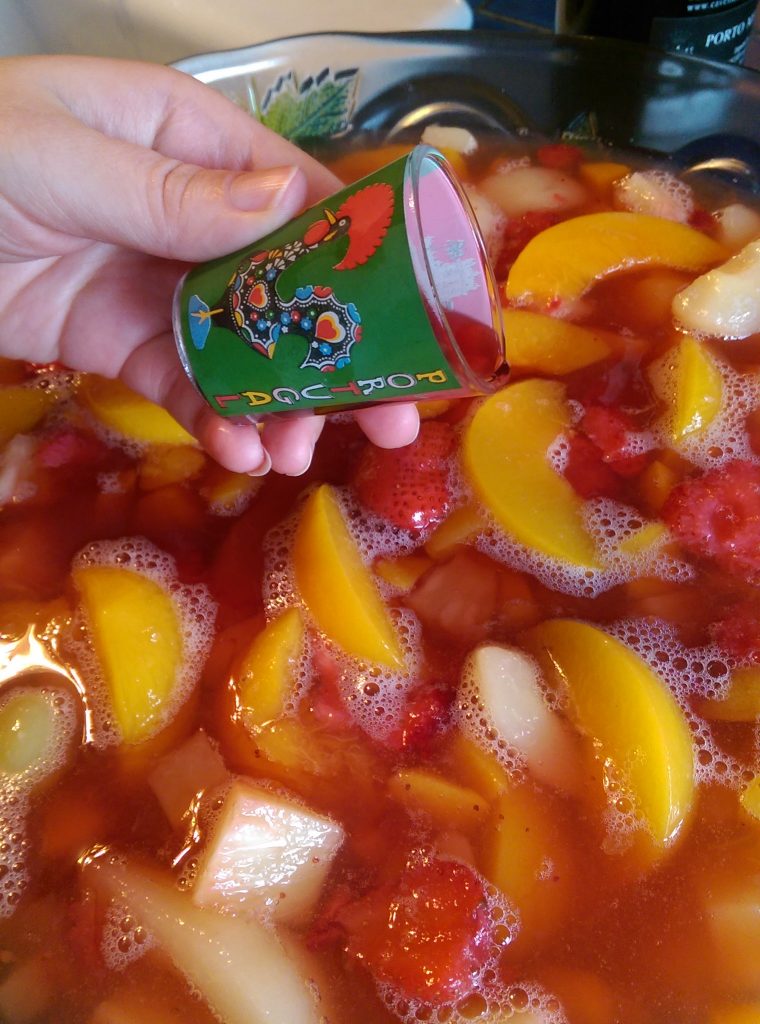
Port Wine – Vinho do Porto – Stawberry Fruit Salad

fruit-salad

You’ll love this fruit salad for summer picnics, Holidays and for family celebrations. It’s so simple and easy to make, because you don’t have to peel and slice the fruit.

The secret to this recipe, is that you use a packages of frozen strawberries in syrup.

*You may substitute the recipe with low calorie canned fruit, or use any of your favorite fresh fruits.

However, to obtain the rich sweet flavor of strawberries and Port you must use the frozen strawberries in syrup.

*If you want to make this for children, leave out the Port wine, it’s just as delicious!

Ingredients: Serves 12-24

Note: These ingredients are all optional so substitute with your favorite fresh or canned  fruits.

1/2 cup Vinho do Porto – (Port wine)

2 cups fresh strawberries cut into slices

1 (16 oz) container frozen strawberries in syrup

1 can chunk pineapple with juice

1 can sliced peaches

1 can fruit cocktail

1 can sliced pears

1 cup grapes

1 – 2 cups chopped cantaloupe (optional)

sliced bananas (optional)

 *Note if you want a low calorie option use fruit in its own juice and not sweetened


Instructions: Prep time – 10 minutes

Place all ingredients into a large bowl. Stir gently to incorporate the wine into the fruit.

Place it in your refrigerator or in a cool place for at least 2 hours before serving but it’s better if left overnight in your refrigerator to allow the port wine to infuse the fruit.

When ready to serve, transfer the fruit into a large glass punch bowl. Serve with a ladle into individual glass cups or bowls.

Store in refrigerator for up to 3 days if you have any left over that is! Enjoy!

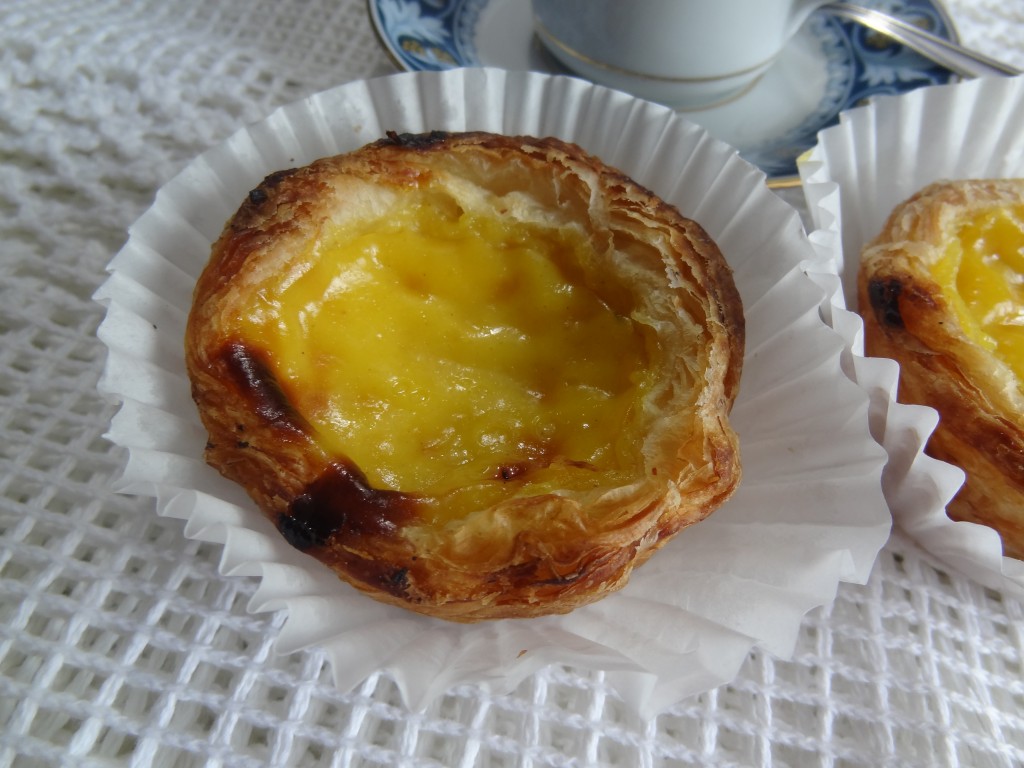
Pastéis de Nata – Portuguese Custard Tarts

These classic pastries are everyone’s favorite. Once you experience just how easy they are to make at home, you’ll never buy them at a bakery again.

Unless of course, your lucky enough to be in one of the famous pastry shops in Lisbon!

Before we get started, I want to share with you the history of this famous pastry that was first created over 200 years ago!

Portuguese Egg Custard Tarts, famously known as Pastéis de Belem are famous in many countries all over the world.

The original Pastéis de Belem, were first created by nuns who lived at the Monestary of Jeronimos in Belem, Lisbon in 1837.

Casa Pasteis de Belem is located in the town of Belem in Lisbon, Portugal. The official name of the town is “Santa Maria de Belem” but its referred to as “Belem”. The name “Belem” originated from the Portuguese word for “Bethlehem”.

Many bakeries have tried to replicate the recipe to no avail. The equally famous; “Pasteis de Nata” it’s copy cat version, has become a famous substitute for the original at every Portuguese bakery throughout Portugal and many other countries around the world.

The famous recipe is kept a secret. “The secret can only be memorized, it can’t be written down”, says the pastry chef who was carefully selected among 80 co-workers.

Café Pastéis de Belém below, sells approximately 20,000 pasteis per day! Wow!

Photo Credit: (http://www.flickr.com/photos/cialowicz/6122617070/)

The pastry’s name was trademarked in 1911, which means the company is the only one that can call the famous sweets by that name.  Visit this dessert site; desserteater.com for more on the history of one of the world’s most popular desserts!

In, December 2011, Pasteis de Belem was listed by Lonely Planet # 2 of 583 things to do in Lisbon, #5 of 12718 restaurants in Europe and # 42 of 382 restaurants in Portugal. (desserteater.com)

Watch this video of the famous bakery of Pasteis de Belem.

*I recommend that you try making this recipe a few times to adjust for your own oven temperature and baking time. Happy Baking!

Find this complete recipe plus 100 other recipes in my new cookbook!

Click here to order Taste Portugal cookbook!


Makes 18 – 24 depending on size of your tins

Ingredients:

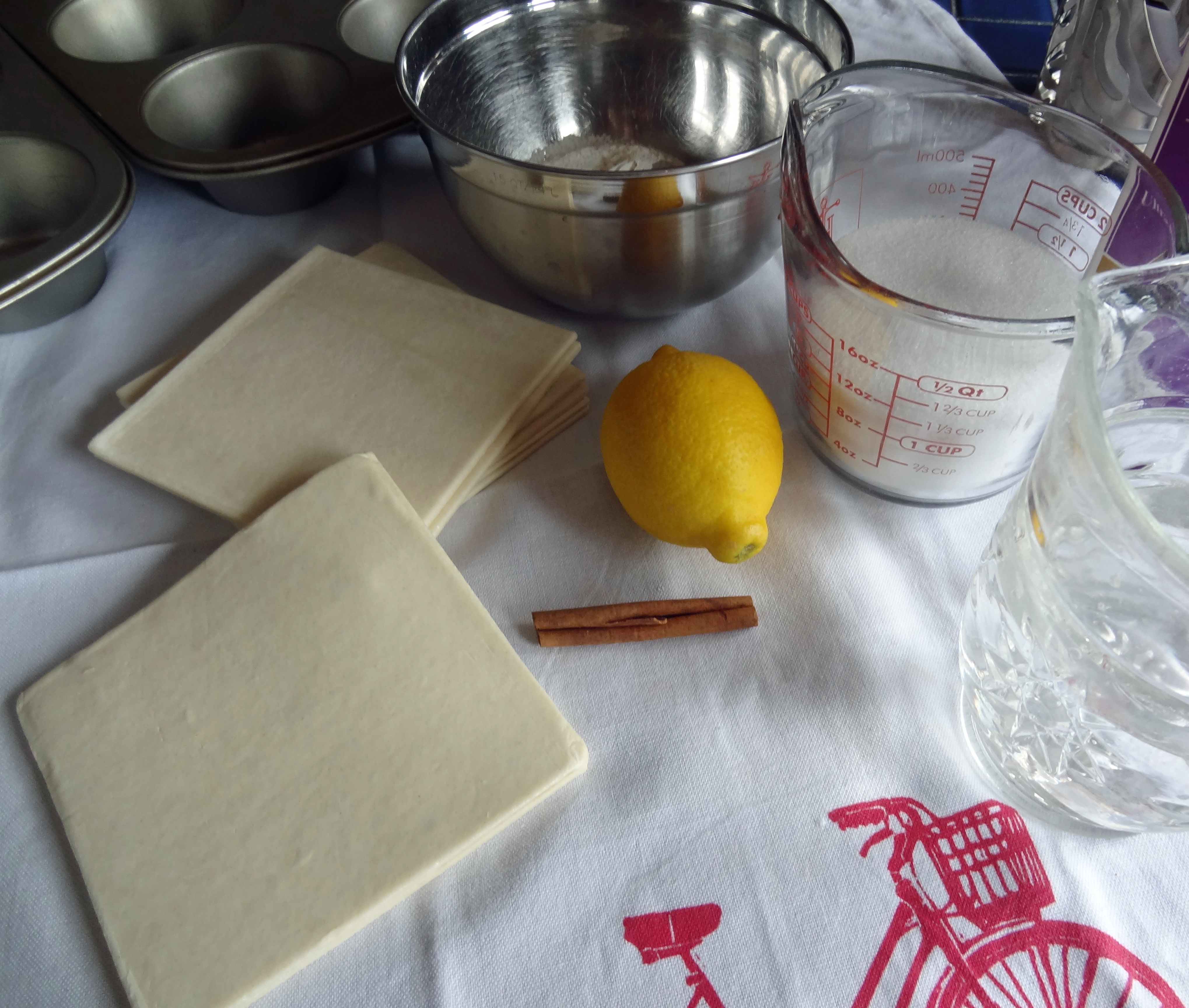
1 lb – Defrosted Puff Pastry Dough – *Note: Your local bakery may sell it, or buy: (Pepperidge Farm Puff Pastry Dough

2 cups whole milk (must be whole milk not low fat or skim)

1 1/2 cups sugar

1/2 cup flour

1 cup water

2 slices lemon rind

1 stick cinnamon

7  X Large egg yolks (room temp)

Cinnamon for garnish


Biscoitos – Portuguese Tea Biscuits

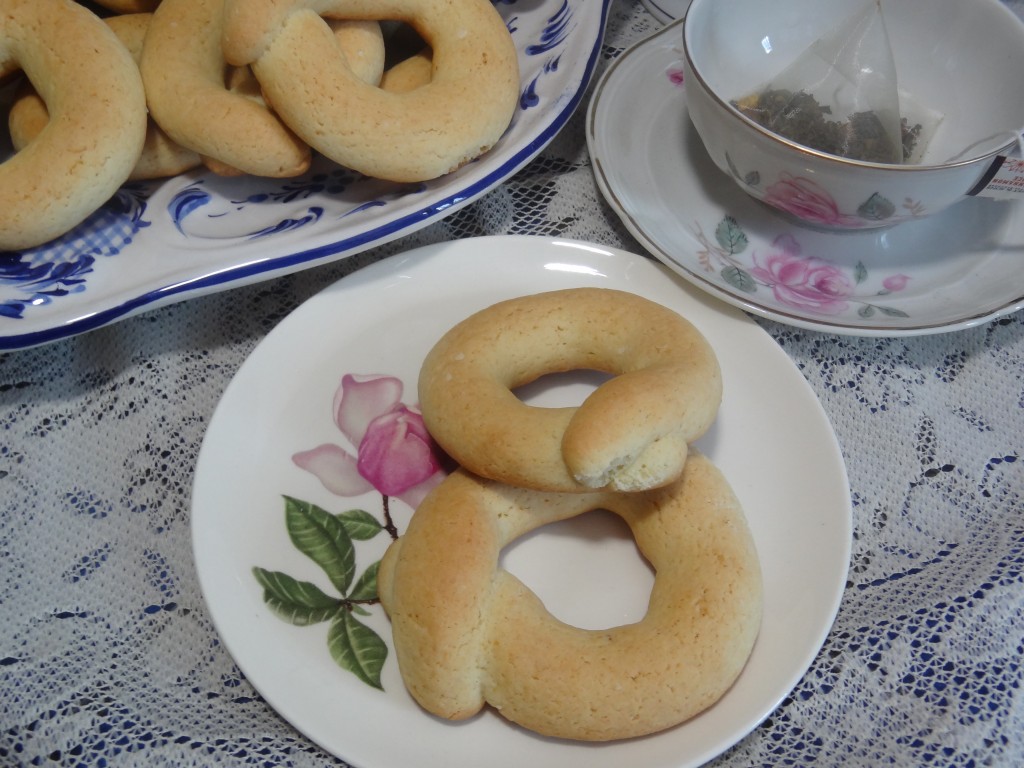
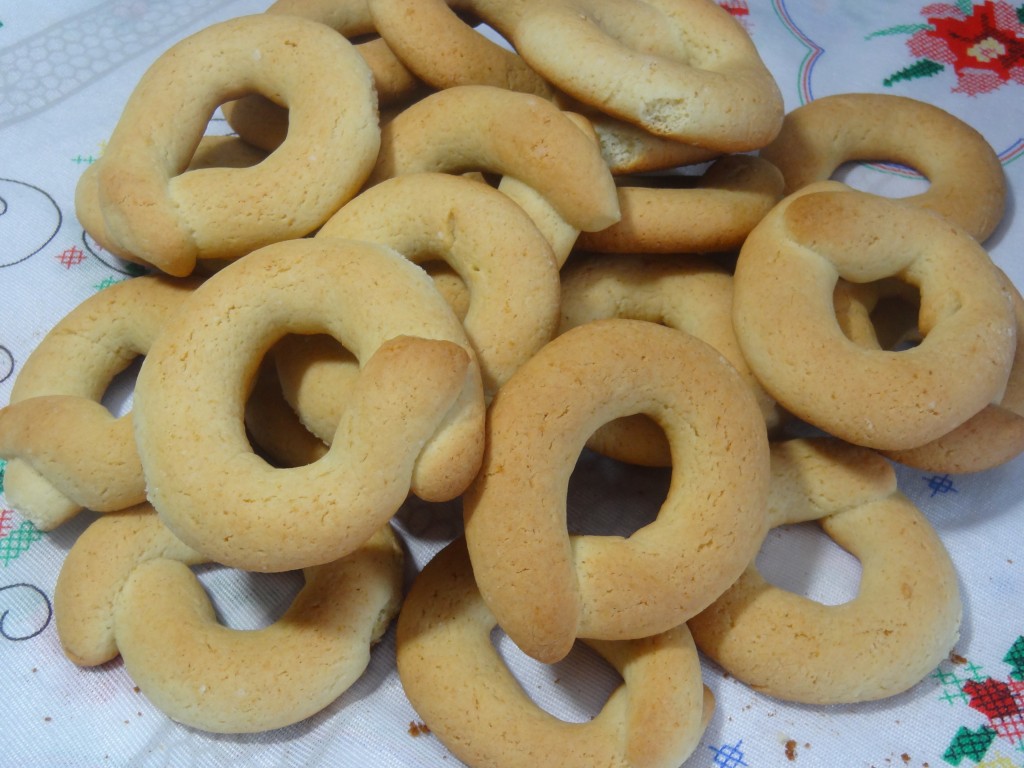
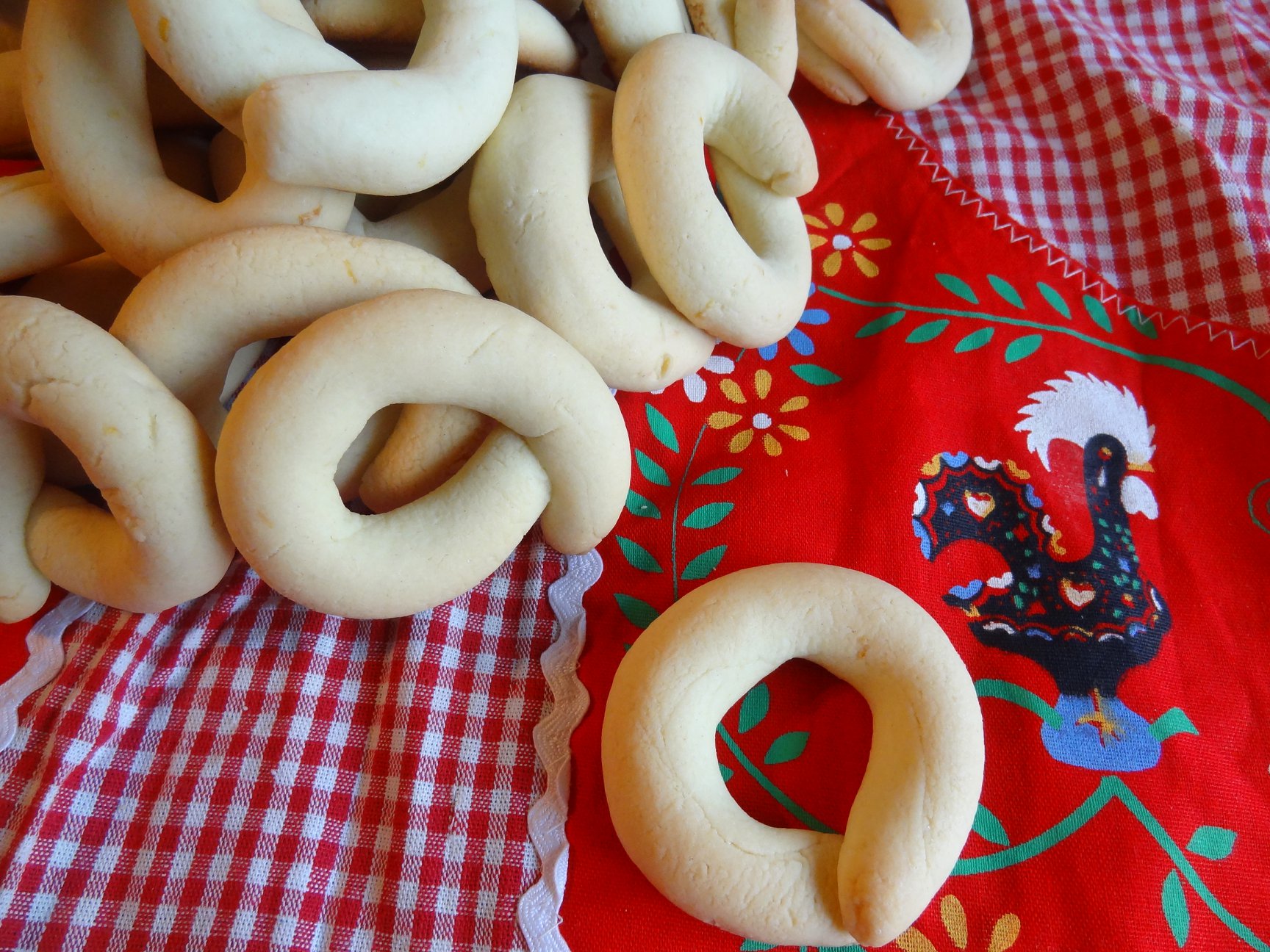
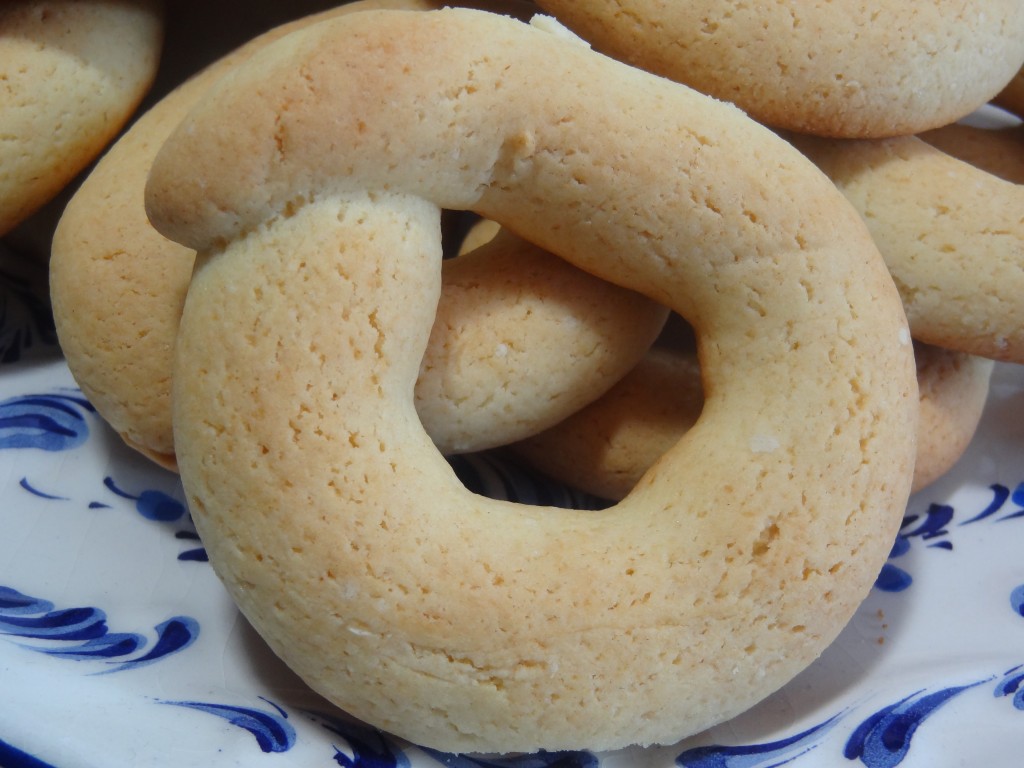
Portuguese Biscuit Cookies are perfect for your afternoon tea but they are great any time of the day!

This recipe is is simply easy, and perfect, for you to make with your kids because they can get their little hands into the dough and make all kinds of circle shapes, numbers, hearts and letters! *See my photos below, I guess the dough brought out the child in me!

Store in a Cookie jar and enjoy!

Here’s a video from our Youtube Channel:


Ingredients:


3 cups of flour + more if needed

1 cup of sugar

3 eggs (room temp)

6 tbsp of Margarine or Butter

2 tsp of baking powder

1 tsp grated lemon peel or Anis Liquor (optional)


Instructions:

Preheat the oven to 350 degrees. Soften the butter and mix with the sugar in a medium bowl until light and fluffy.

Add the eggs and lemon and beat for about 1 minute. Add the flour and baking powder to the sugar and mix with a dough hook for about 3 minutes until the batter forms into a ball. *You may need to a little flour if you find the dough too soft depending on your butter or the size of your eggs.


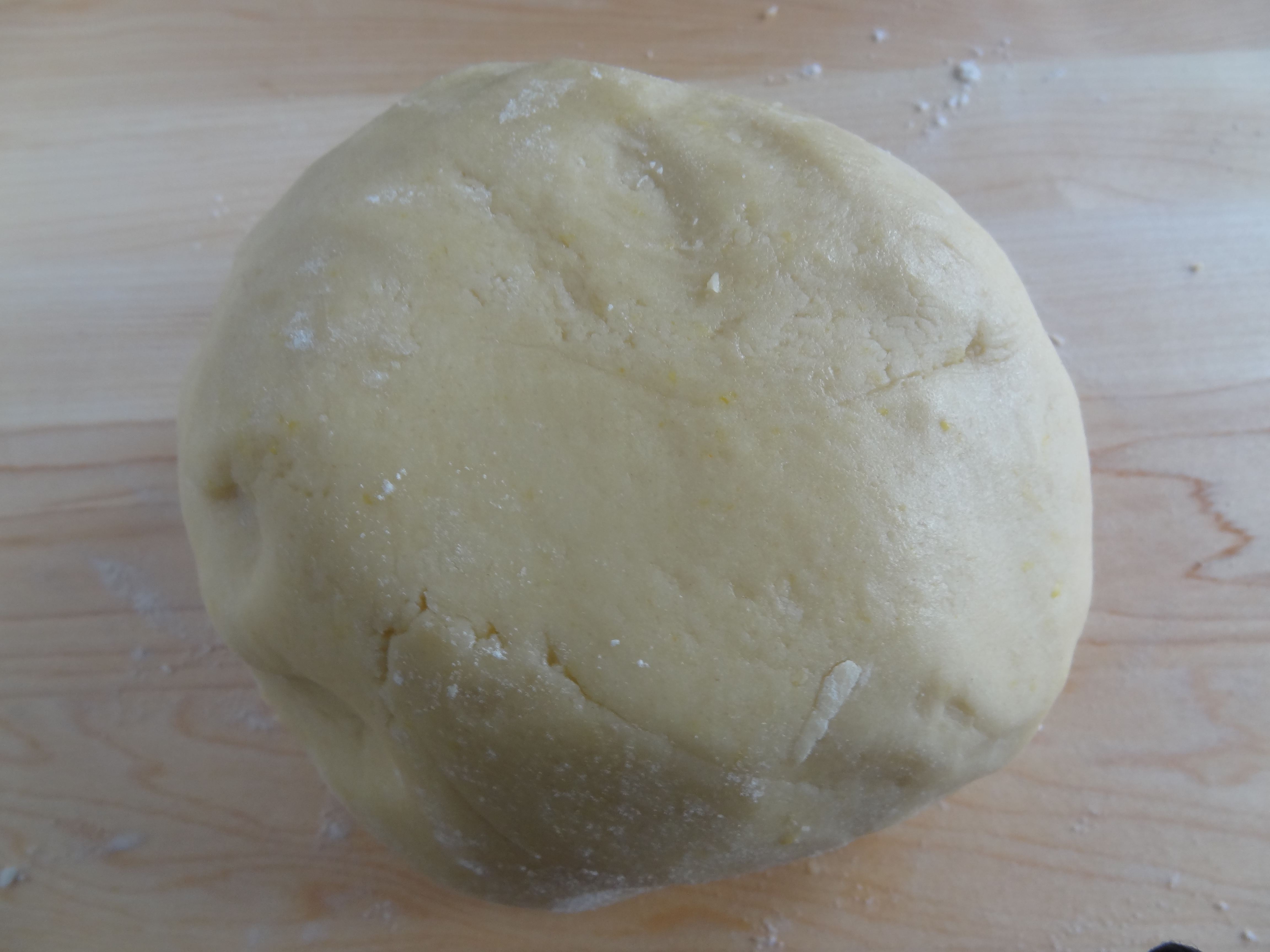
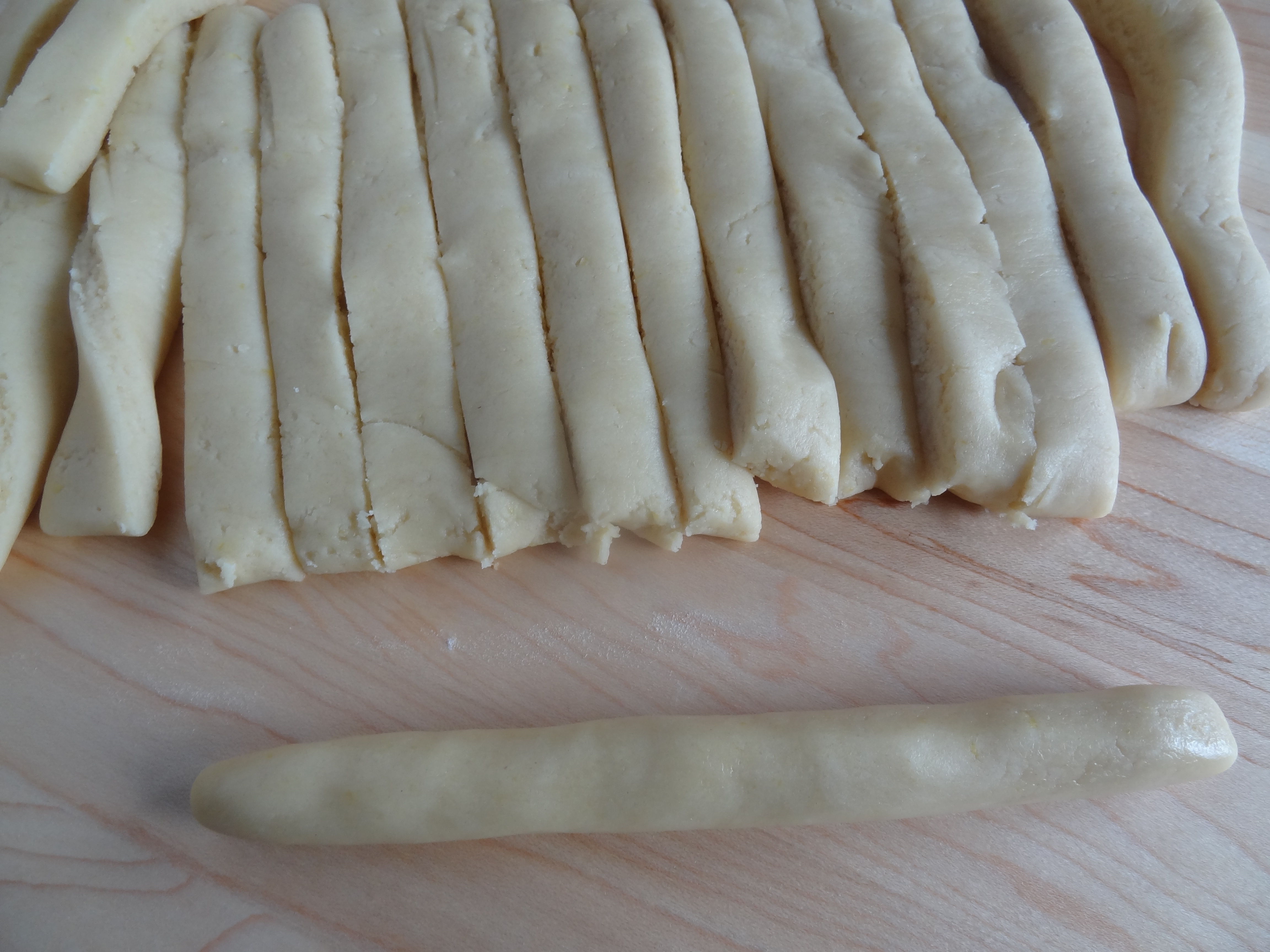
Place the smooth dough onto a lightly floured cutting board and shape into a flat disc with 1/2 inch in height.

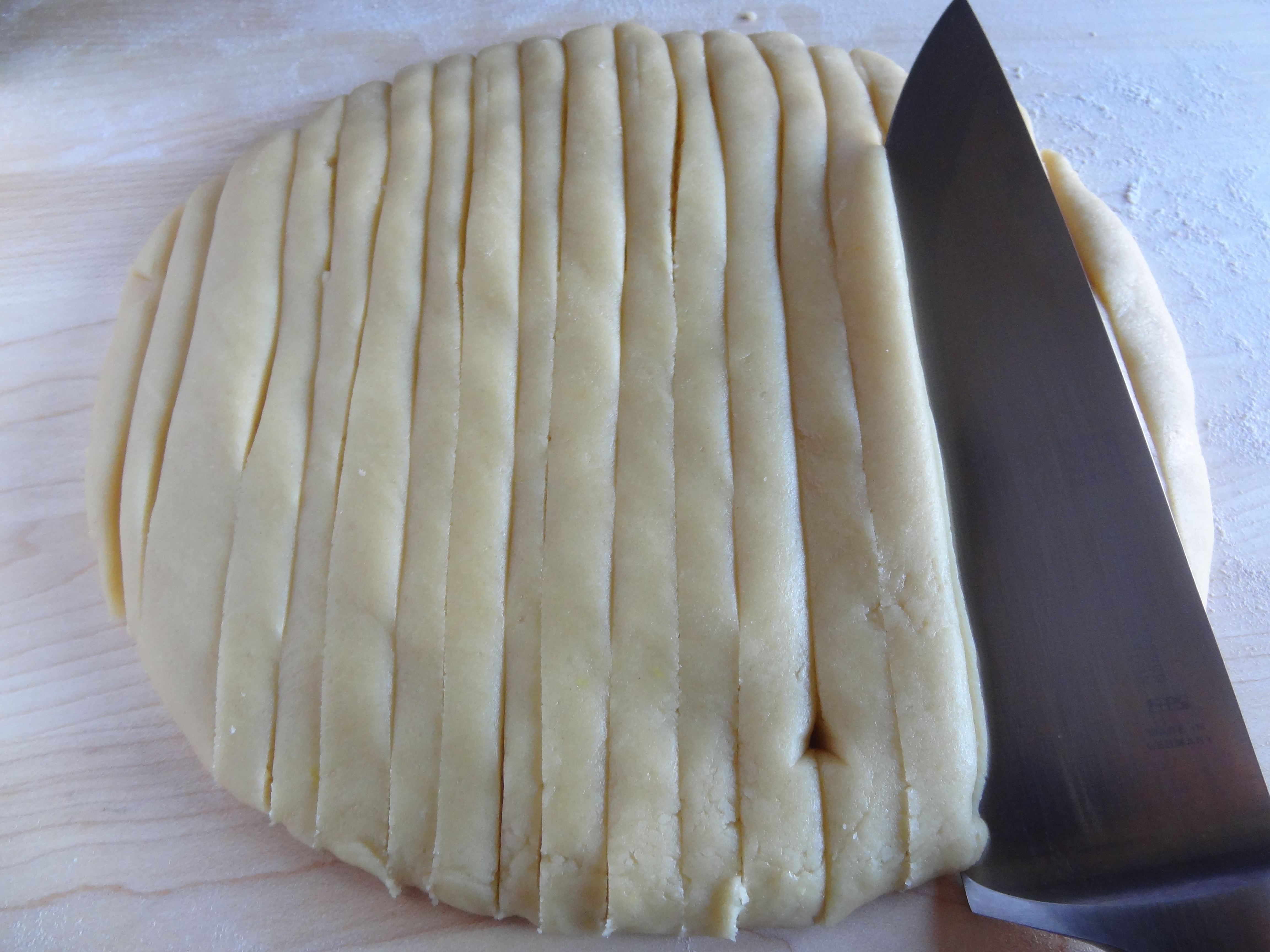
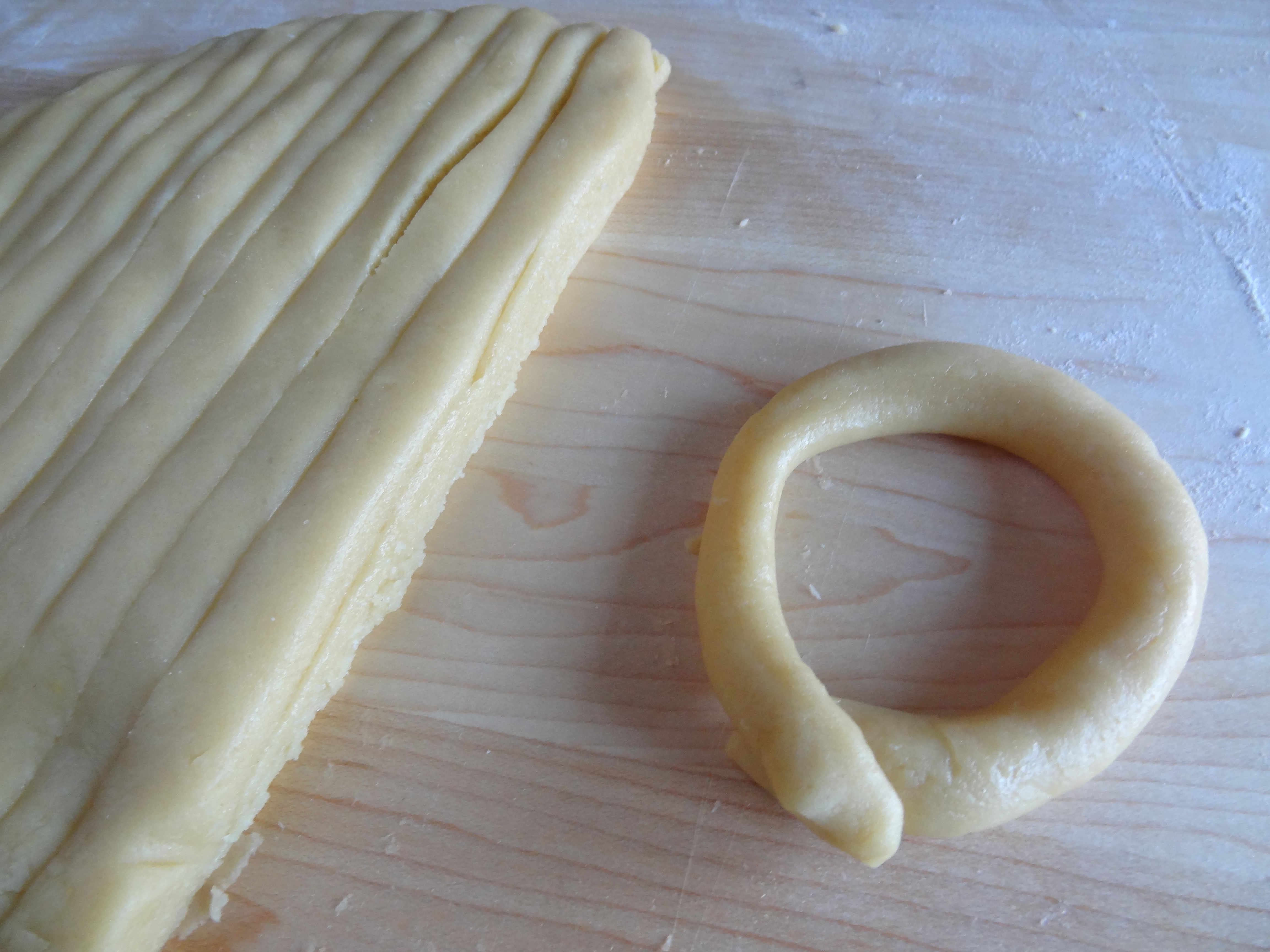
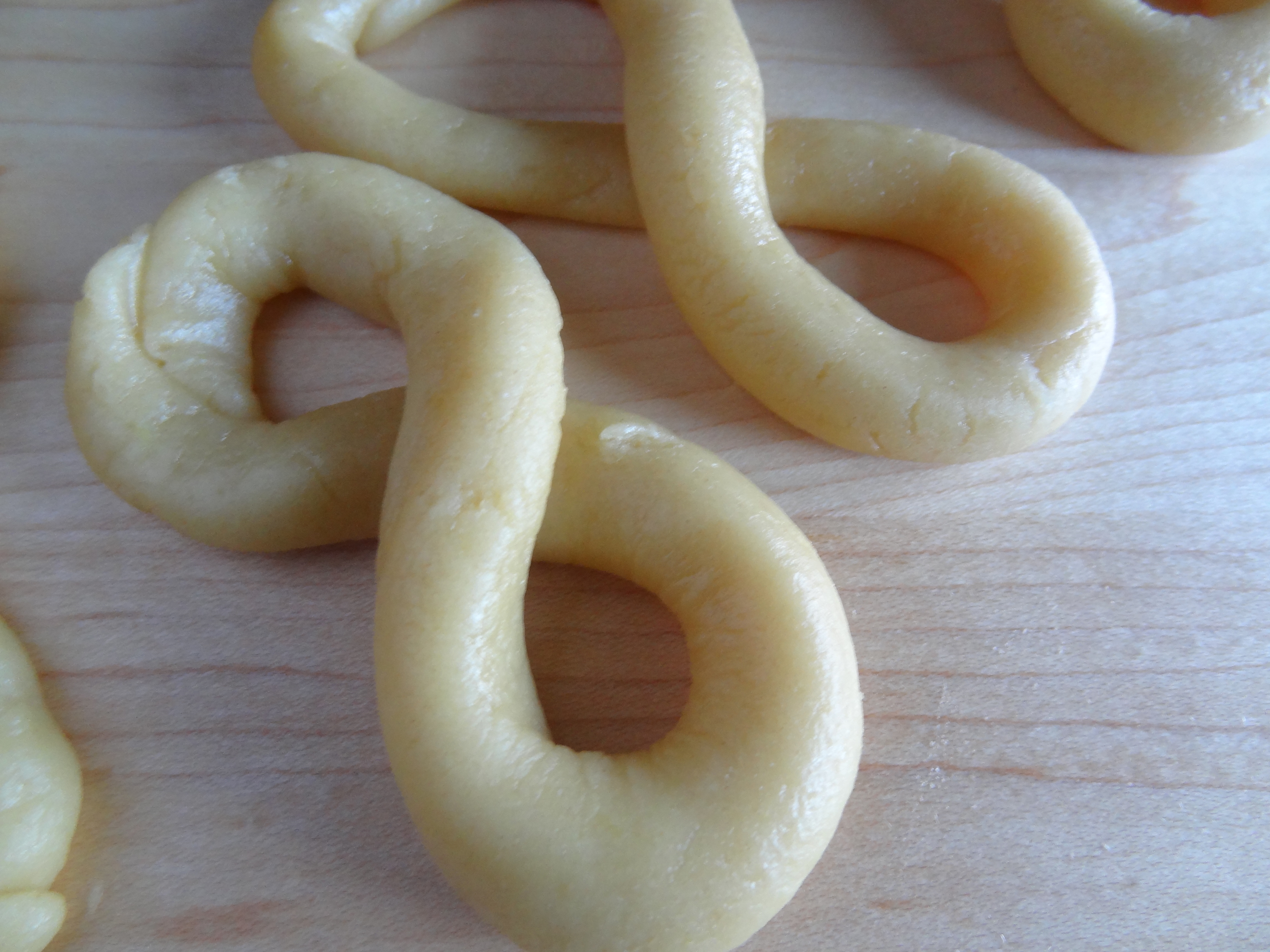
Cut the dough evenly into 1/2″ by 5″ strips. Roll each strip into a round snake like form or infinity shape.

You can form the dough into letters, shapes etc.. The dough molds perfectly together by rolling if you have any small pieces.


Slightly grease a cookie sheet and place the biscuits evenly on the pan.

Cook for about 15-18  minutes or until slightly golden brown.

*Lift one and look under neath to find a golden crust bottom.

Let them cool slightly and store. *They freeze well so make a double batch!

As you see below, I had a lot of fun making these! 🙂

Cha de Cidreira – Lemon Balm Tea

A little fun!


Bolos de Arroz – Rice Flour Cupcakes

My first memory of eating Bolos de Arroz (Rice Flour Cupcakes) was when my family traveled back to Portugal a long time ago.
The morning after arriving in Lisbon, my parents took my brothers and sisters and I downstairs to the bakery located in my Aunt’s apartment building.
When we placed that first step onto the sidewalk the aroma of the fresh Papo Secos baked that morning made my mouth water.
Little did I know that something better was going to get me hooked for the rest of my life!
Nothing tempts your pallet more than a Portuguese bakery early in the morning when you can smell the fresh bread, the pastries and the fresh brewed espresso being served.
This was my first attempt at making this recipe and I was pleasantly surprised at how wonderfully light and fluffy they came out. My first bite brought me back to Portugal and that bakery. Enjoy the recipe and I hope it brings you back some found memories!
Ingredients for 12 cakes in muffin tins or (6 coffee cups 6 to 8 oz)
1 1/2 cups of sugar
2 cups flour
1 cup rice flour
3/4 cup of margarine
2 tablespoons of baking powder
6 eggs room temperature
1 cup of warm milk
2 tsp of grated lemon peel

Instructions:
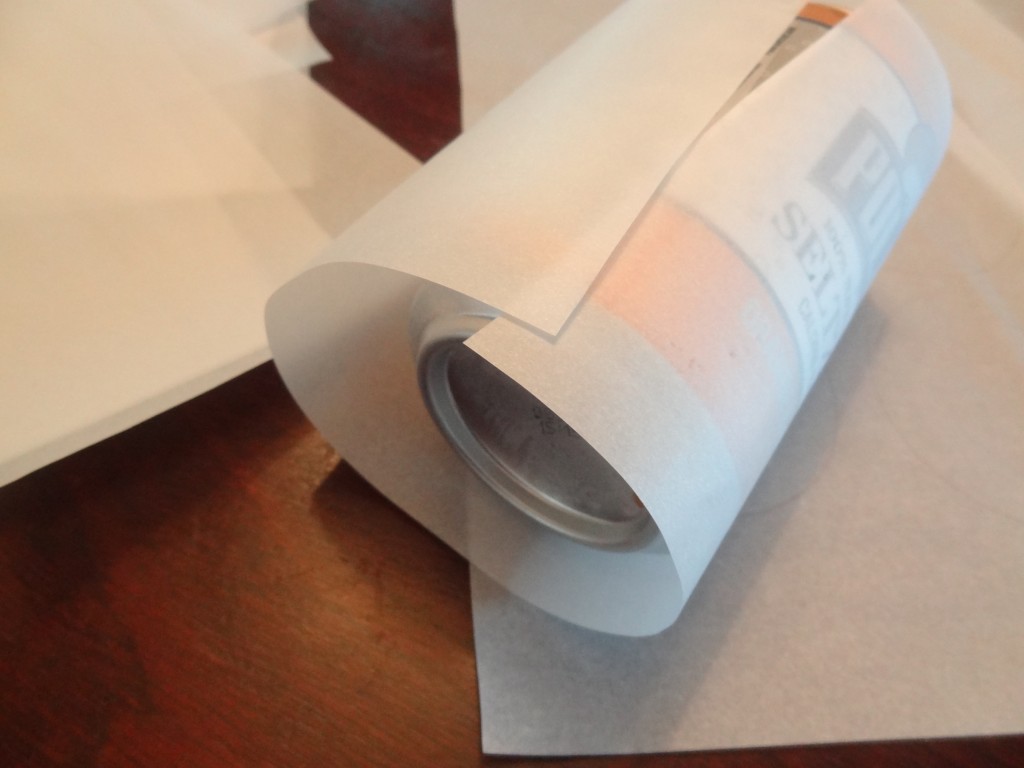
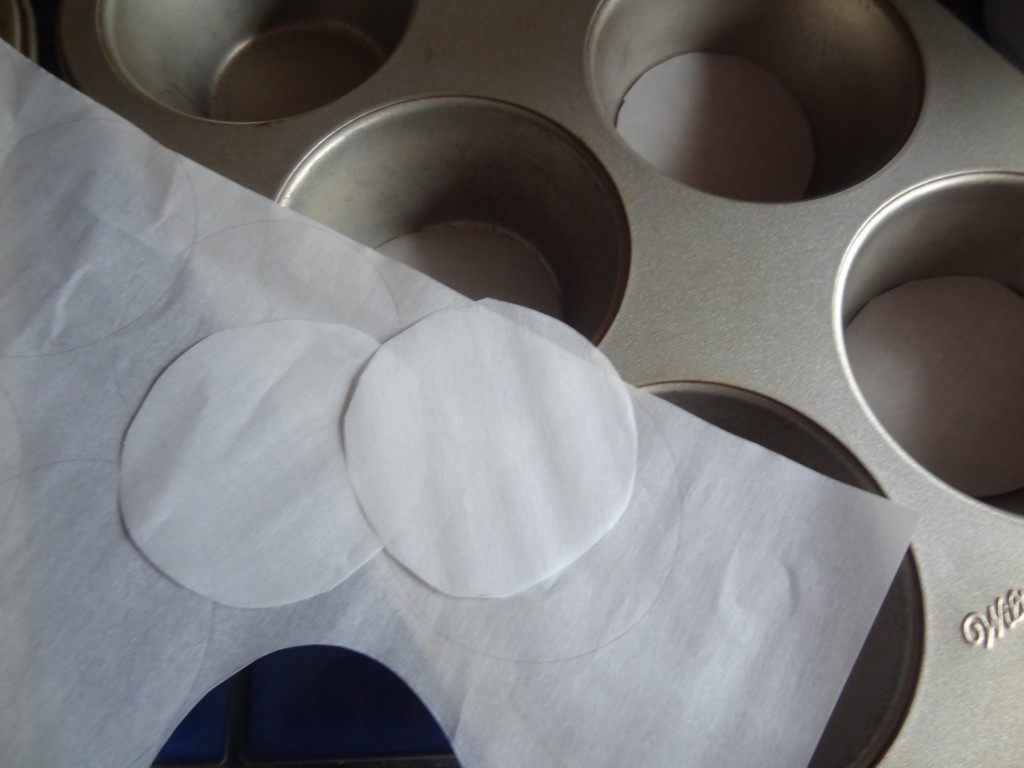
* Note: Prepping the parchment paper took the longest time. Do this step first:
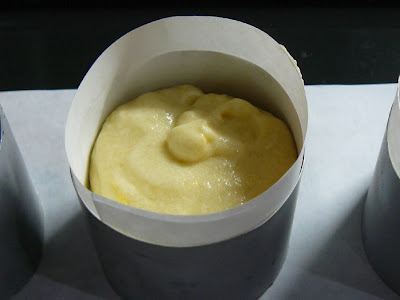
I also used ceramic coffee cups to bake the cakes because I wanted to make it authentic looking but this is optional. You can make also these with regular muffin tins using cupcake liners.
Line muffin tins or oven proof cups or ramekins with parchment paper or use cup cake liners and lightly spray with cooking spray.
Begin Prep:
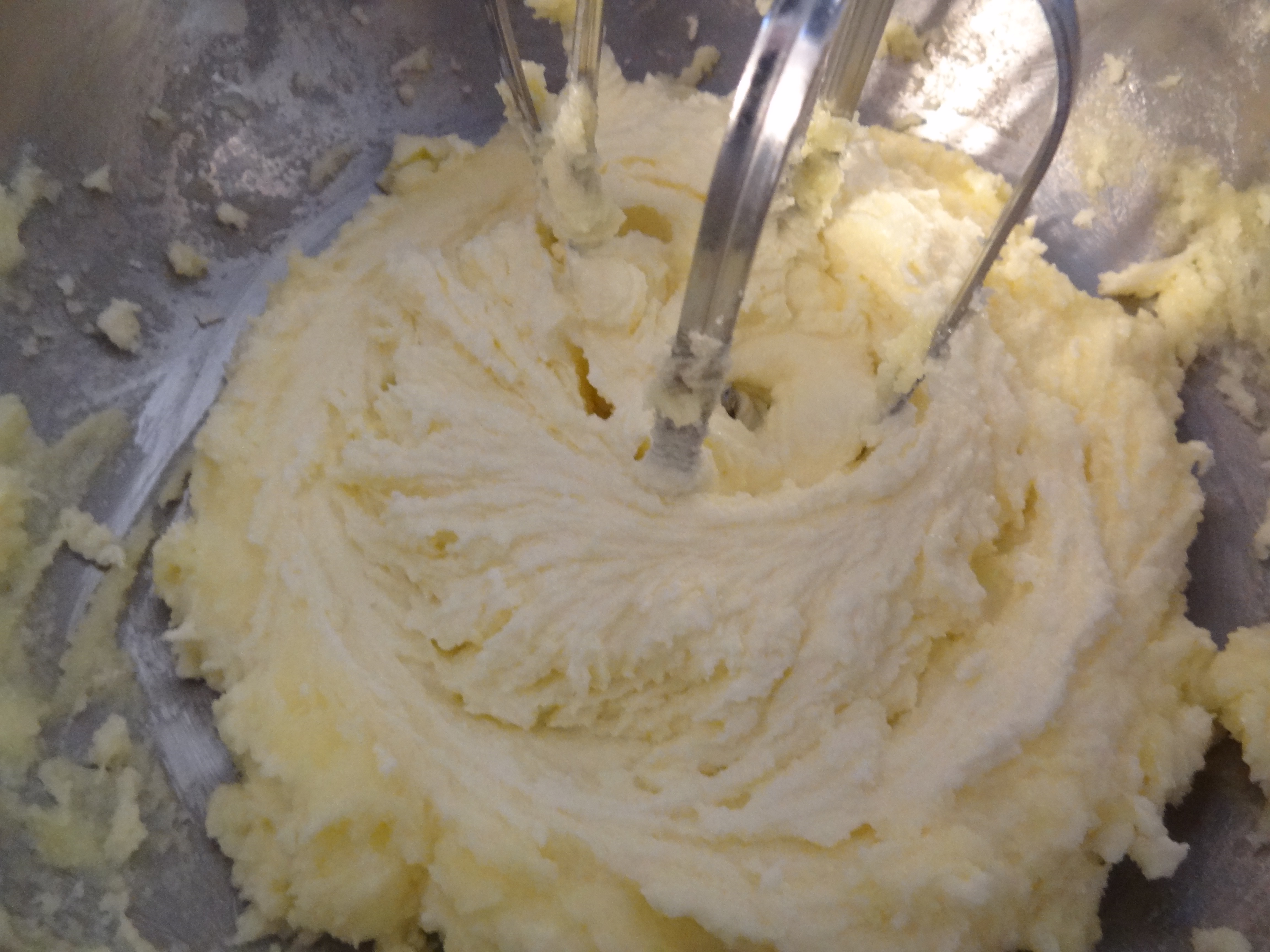
Beat together the sugar and margarine until light and fluffy. Add the lemon zest and beat well.
In a separate bowl, beat the eggs and milk until well incorporated, then add to the sugar mix. Beat the batter for at least 5 minutes.
Add both flours and baking powder to the batter and  beat for at least 5 minutes or until the batter is light yellow, and fluffy.
Fill the tins, or cups 3/4 to top. Cook at 350 for 20-25 minutes. (If you use ceramic cups it will take 30 minutes or longer depending on your oven).
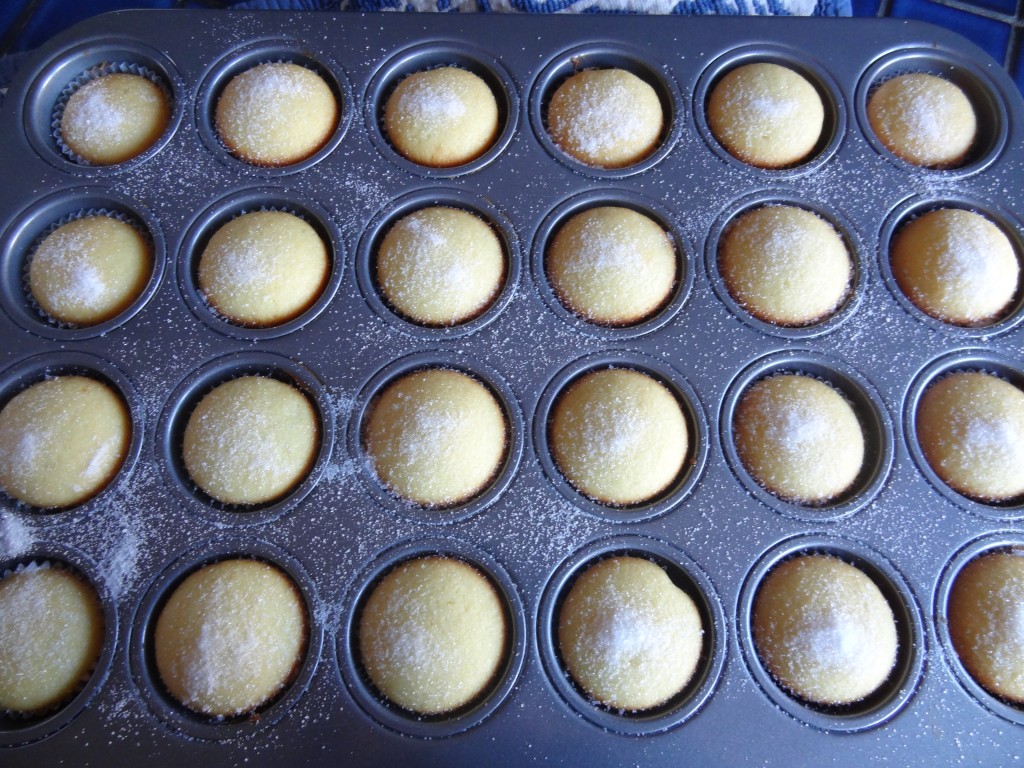
During the last 5 minutes sprinkle with granulated sugar and cook until they turn a golden brown. Enjoy!
You can also make mini cupcakes but cook for only 15 minutes or less depending on your oven.


Pineapple Glazed Ham

This recipe for Pineapple Glaced Ham is easy. Don’t buy those expensive fancy hams because this ham recipe is just as delicious, and juicy.

All you need is a regular shank ham or a butt portion ham that you’ll find on sale in your supermarket. Some hams come spiral cut for you.

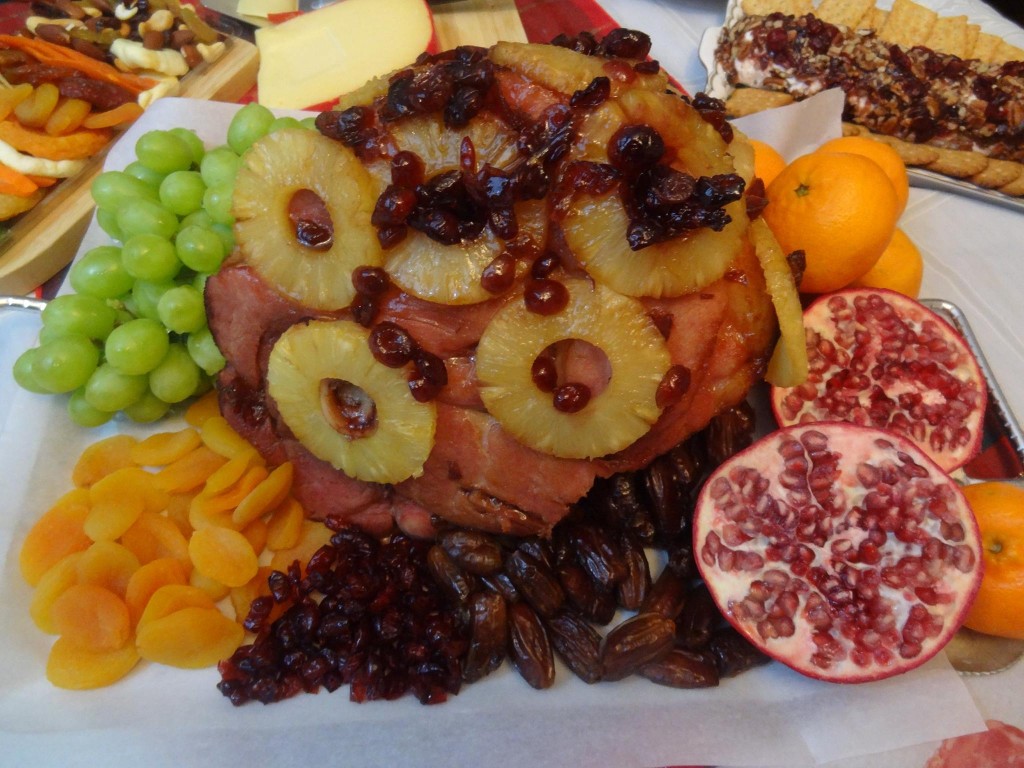
You’ll only need one can of Pineapple slices and 1/2 cup of brown sugar.  In the photo, I added 1 cup of dried cranberries for my Christmas Ham but this is optional.

Make my Portuguese Style Sweet Potatoes as a side dish. 


Instructions:

Wash the ham, cut off any excess fat and place it in a baking pan that has been lined with foil for easy clean up. Add 2 cups of water to the pan.

The water will help draw out the salt from ham while keeping it moist while baking!

Heat oven to 325. Loosely cover the ham with aluminum foil and place it in the oven. Let the ham cook for 20 minutes per pound or more depending on the size of your ham.

*Note: If you have spiral ham cook as per package directions since it will take less time to cook.

Strain the pineapples into a small bowl but save the juice. In a small pan heat the sugar and the pineapple juice at medium heat until the sugar has dissolved and slightly thickened.

During the last 30 minutes before the ham is cooked, remove the pan from the oven and  drain the water out of the pan. Pour 1/2 of the glaze over the ham.

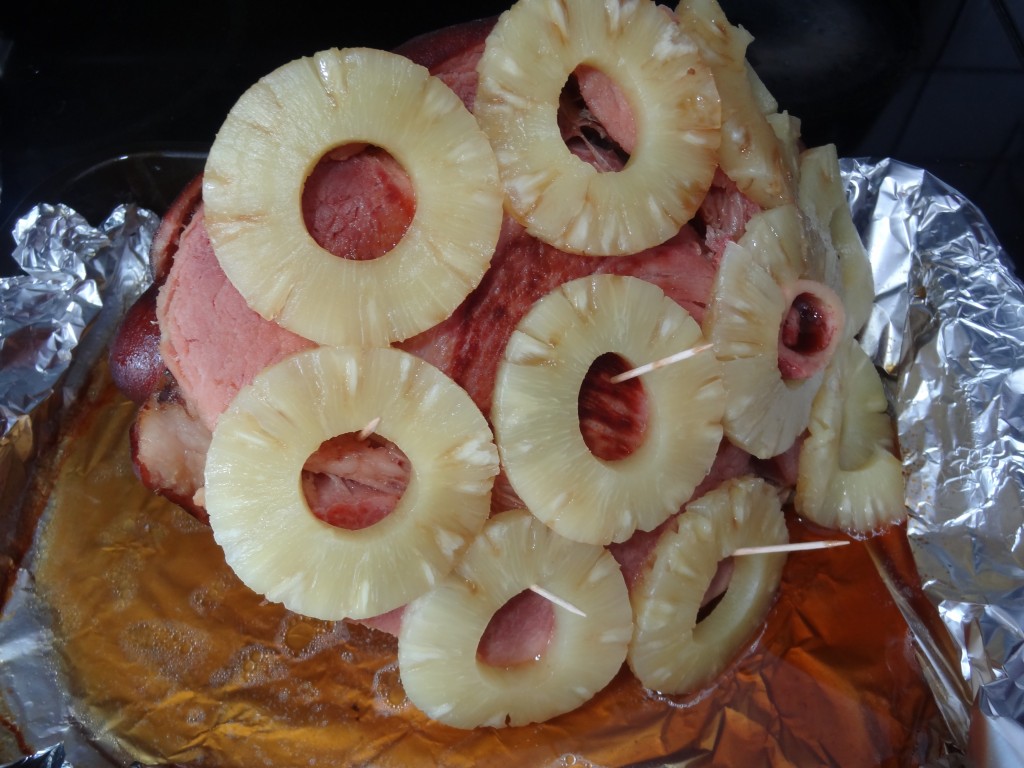
Top with the pineapple slices. Pour the glaze over the ham and pineapple slices. Cook for the remaining 30 minutes.

Place the ham on a large serving platter and pour any leftover glaze over it. Arrange dried fruits and fresh fruit around the serving platter for a festive presentation that will wow your guests!

This ham can be served hot or cold and perfect for your holiday parties.

Enjoy and Happy Holidays!


Portuguese Sweet Bread – Pao Doce


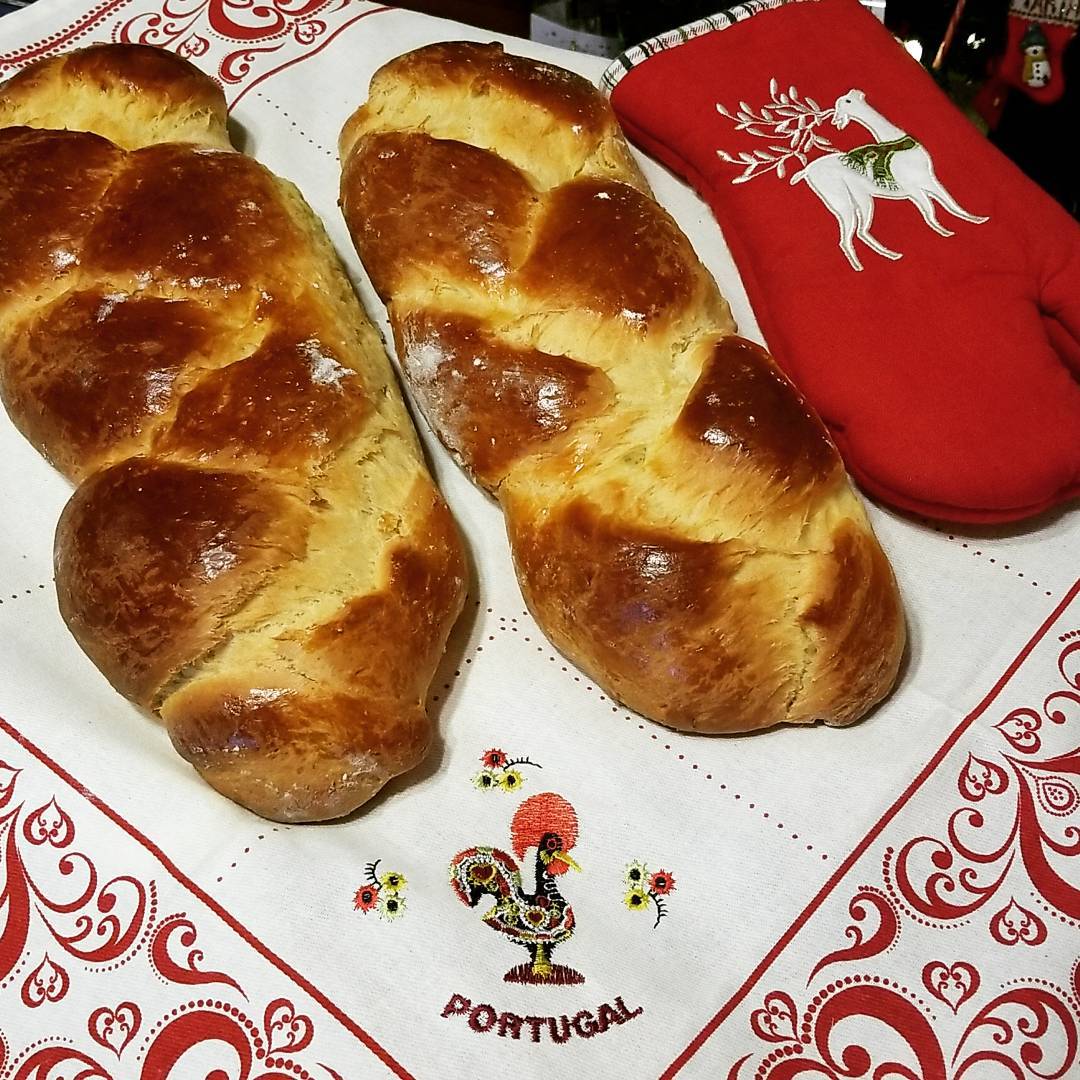
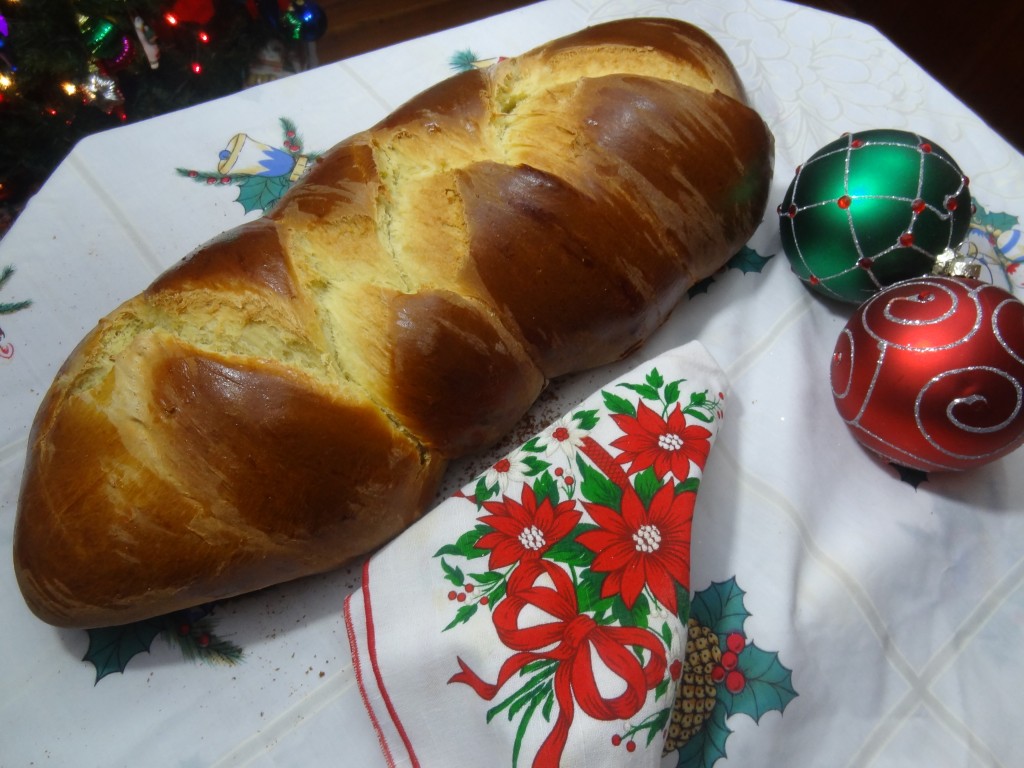
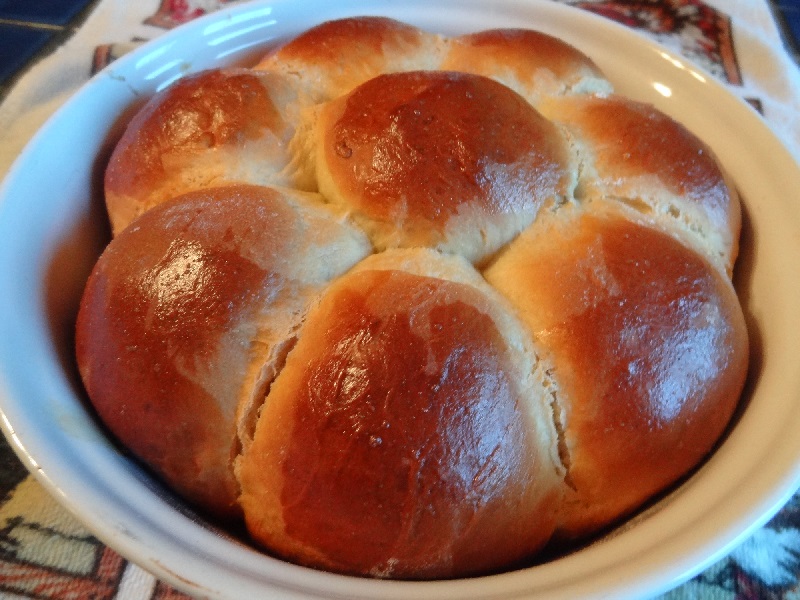
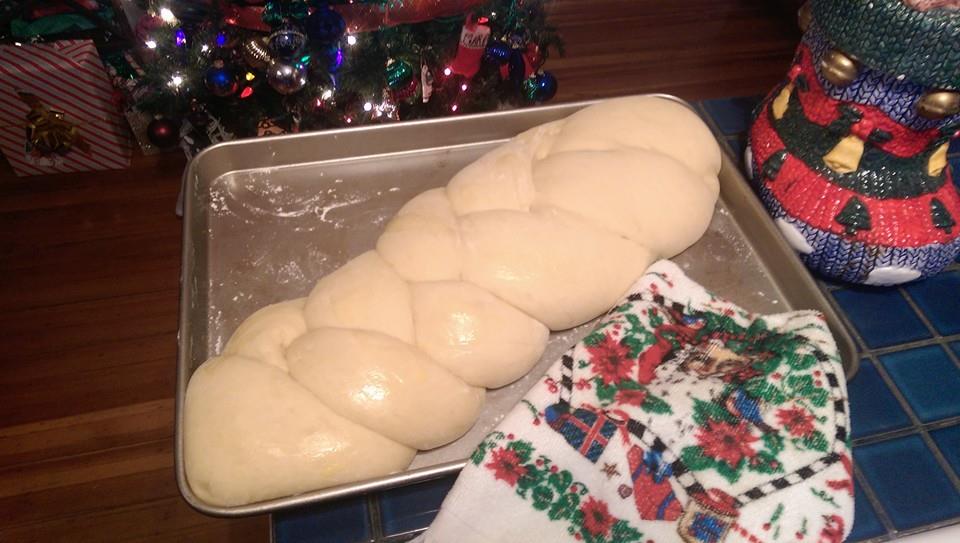
Portuguese Sweet Bread Christmas Braid

Watch my video recipe on my Youtube channel


Portuguese sweet bread (Massa Sovada or simply Massa, Pão Doce. This light and airy sweet bread is usually made during Christmas and Easter. It’s also enjoyed throughout the year at breakfast, during meals and even served as a dessert. Some Sweet Breads made during Easter are called Folar de Pascoa. A hard boiled egg is cooked in the dough to signify the rebirth of Christ.There are many variations of this bread. Some recipes call for raisins, lemon zest, rum or whiskey to intensify the flavor.
This bread has maintained its popularity and it’s tradition within the Portuguese Immigrant communities in the United States. The first Portuguese immigrants came from the Azores and settled on the East Coast of Southern New England to work in the fishing and whaling industry during the late 18th century. One century later, another group of immigrants settled on the West Coast in the San Fransisco Bay area to work in the dairy and farming industry.
By the late 19th century, more had immigrated to Hawaii to work in the sugarcane fields.
The Kona Historical Society in Hawaii has an interesting page dedicated to Portuguese Stone Oven Baking of Portuguese Sweet Bread.
Watch the video below of actual baking in an authentic (Forno) brick oven.


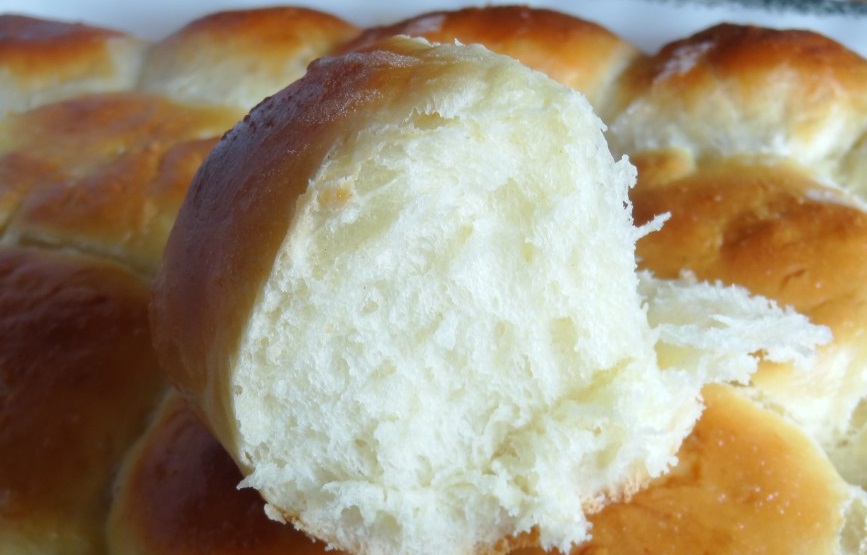
I’ve tried many recipes and finally come up with this perfect one to share with you. The bread comes out light and fluffy and delicious.

Ingredients:                             

6 to 7 cups flour

2 and 1/2 packages of dry yeast

1 cup warm milk

1 stick butter

1 tablespoon salt

4 Jumbo eggs

1 cup sugar

1 tbsp (whiskey – aguardente) 

1/4 cup warm water

1/2 teaspoon sugar

Preparation:

Heat milk, but do not scald. Remove from heat and stir in margarine until melted. Add sugar, salt and mix. Let the milk cool down.

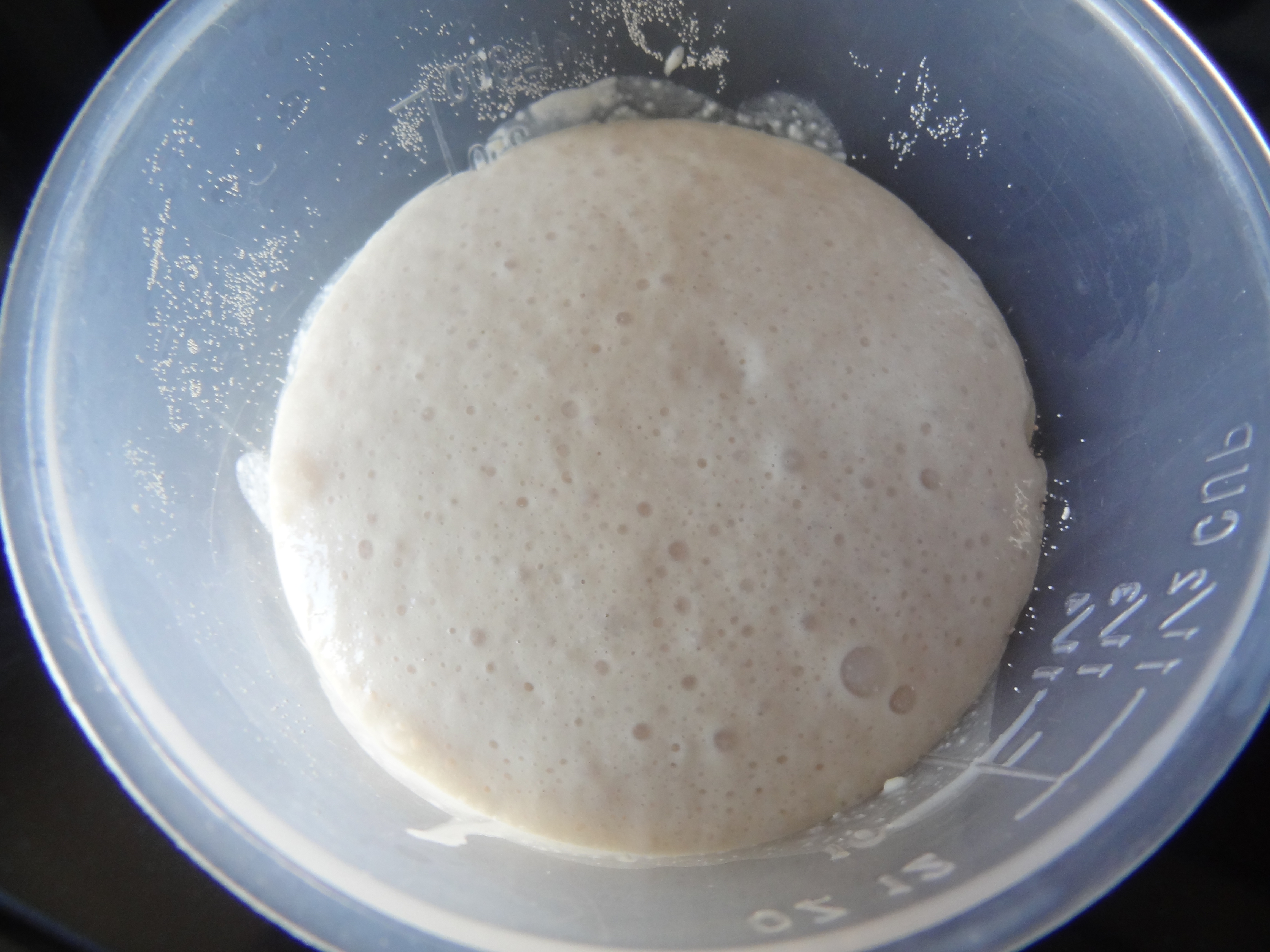
Meanwhile Make yeast starter by mixing packages of yeast with ¼ cup of warm water and ¼ tsp of sugar. Stir yeast until dissolved and let it rest until you see bubbles activating.

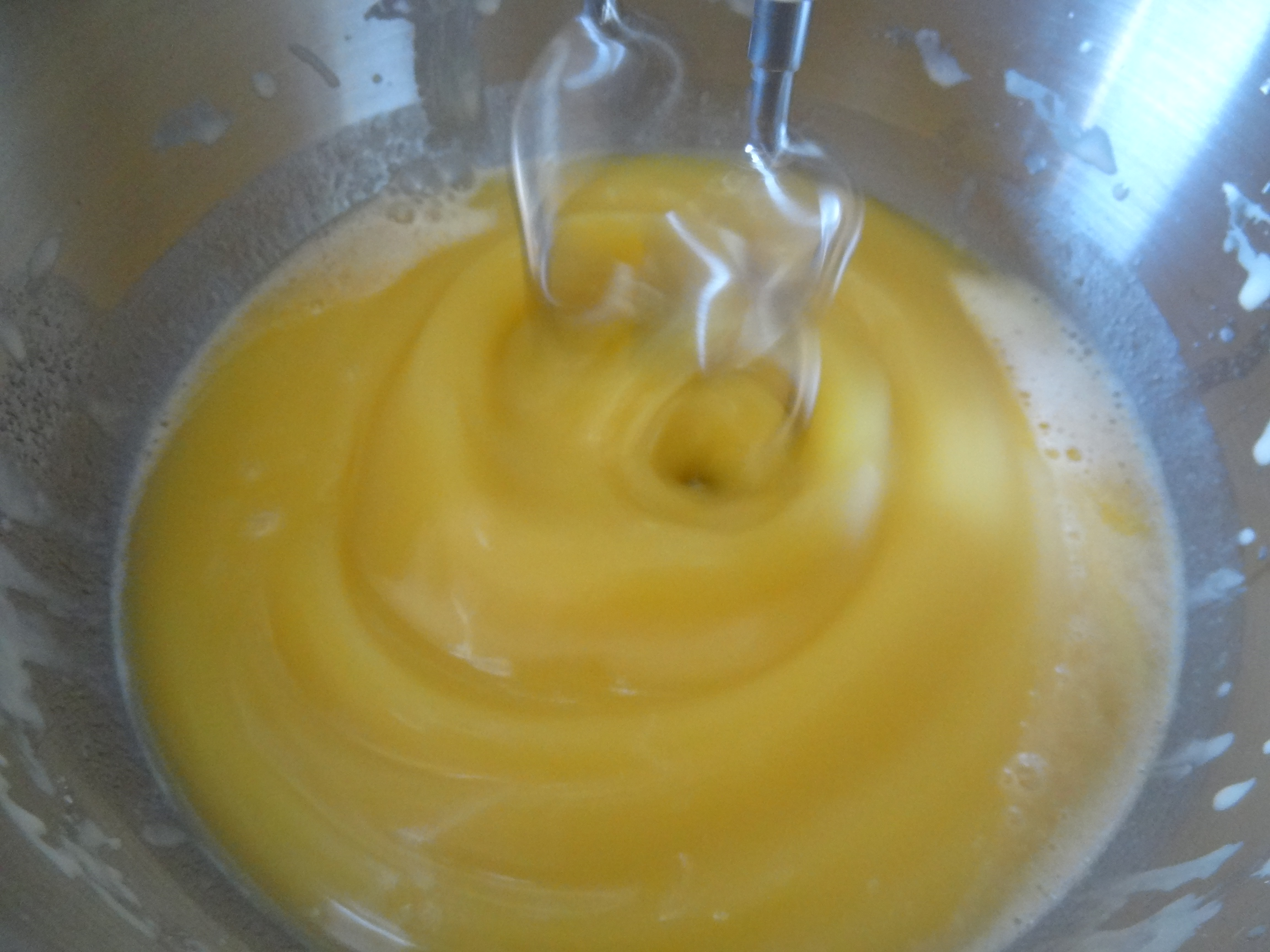
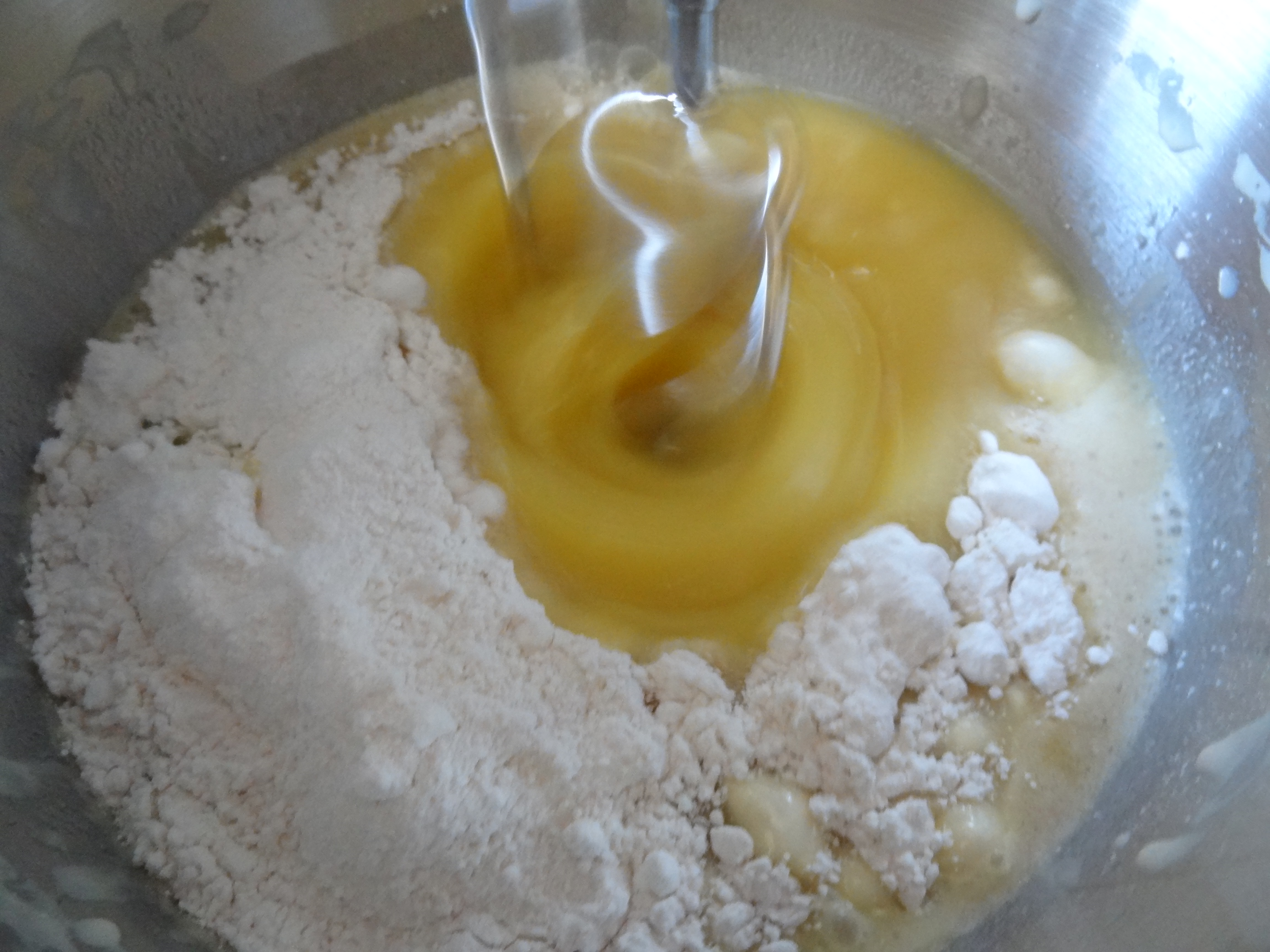
Beat eggs for a few minutes then add to the milk in a large mixing bowl. Add the yeast to the milk along with the whiskey and beat for 2 minutes.

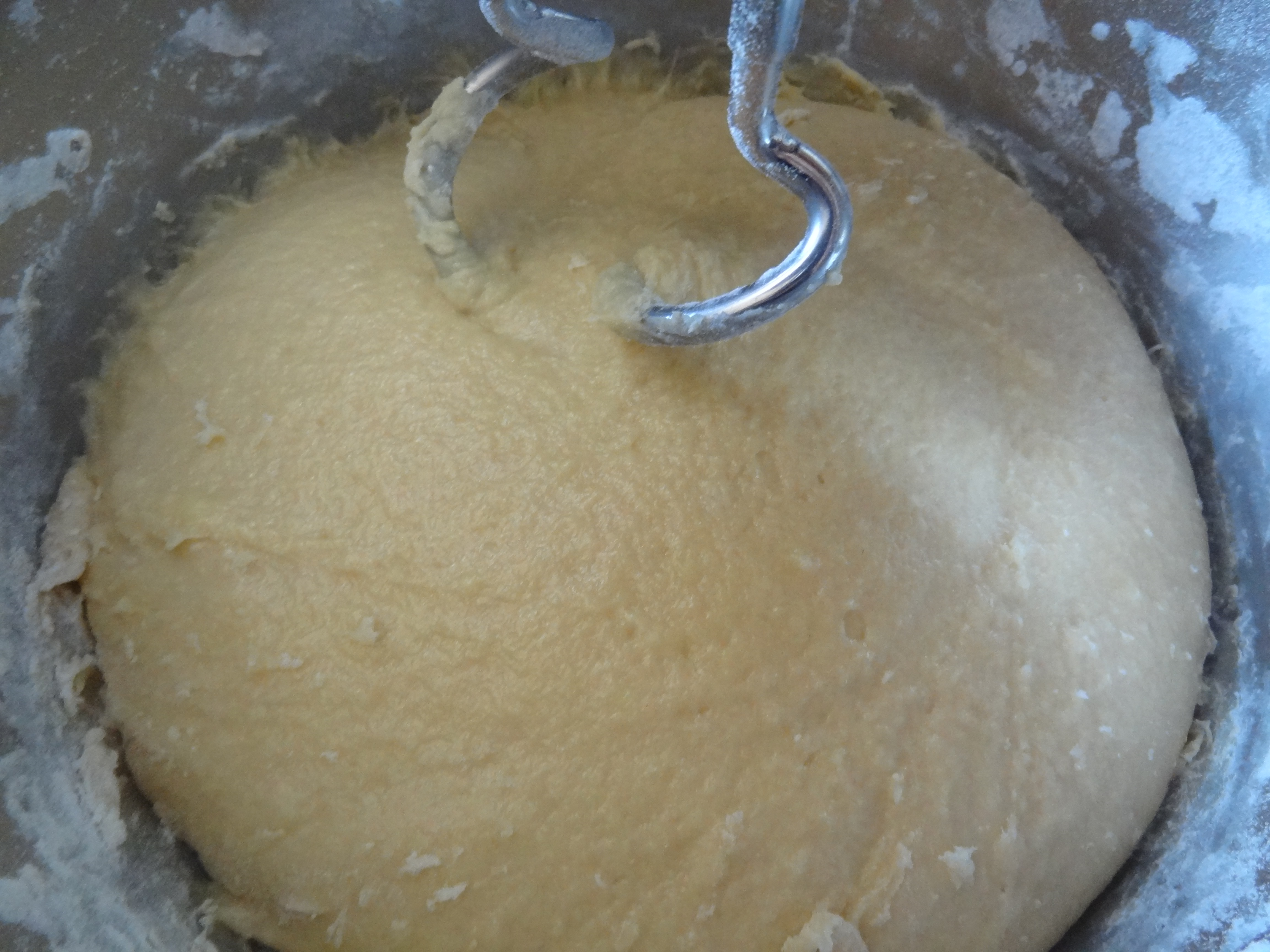
Begin adding the flour 1 cup at a time until it’s all incorporated. Use your dough hooks or your hands to knead for about 10 minutes. The batter should be very silky and smooth but not sticky. Add more flour if you find the dough sticky.

Remove dough from mixer, place on a floured surface and knead for about 5 minutes until it is smooth and soft.Place the dough into a large floured bowl and cover with plastic wrap and a warm towel. Let it rise in a warm place for 2 to 3 hours or until doubled.

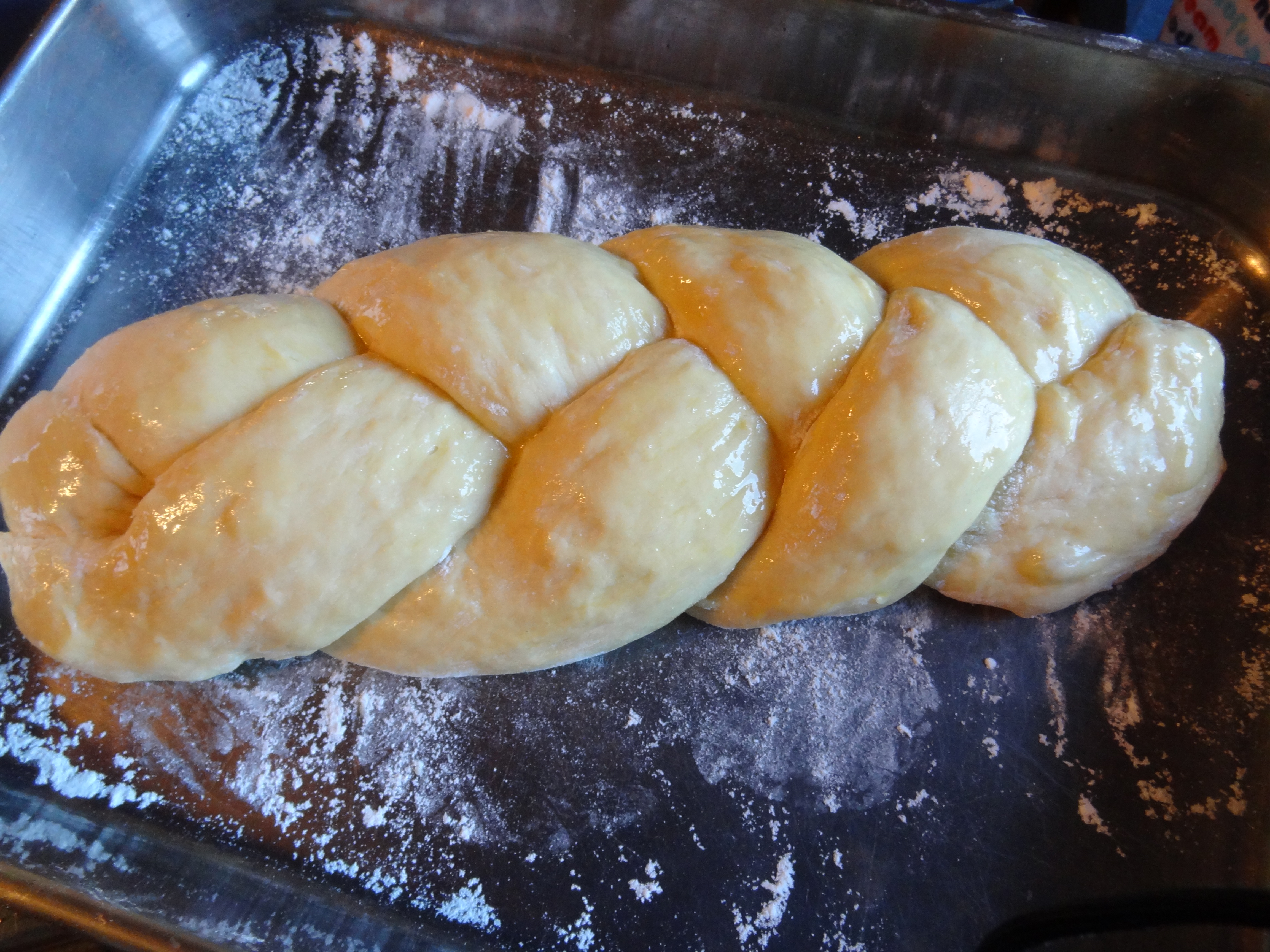
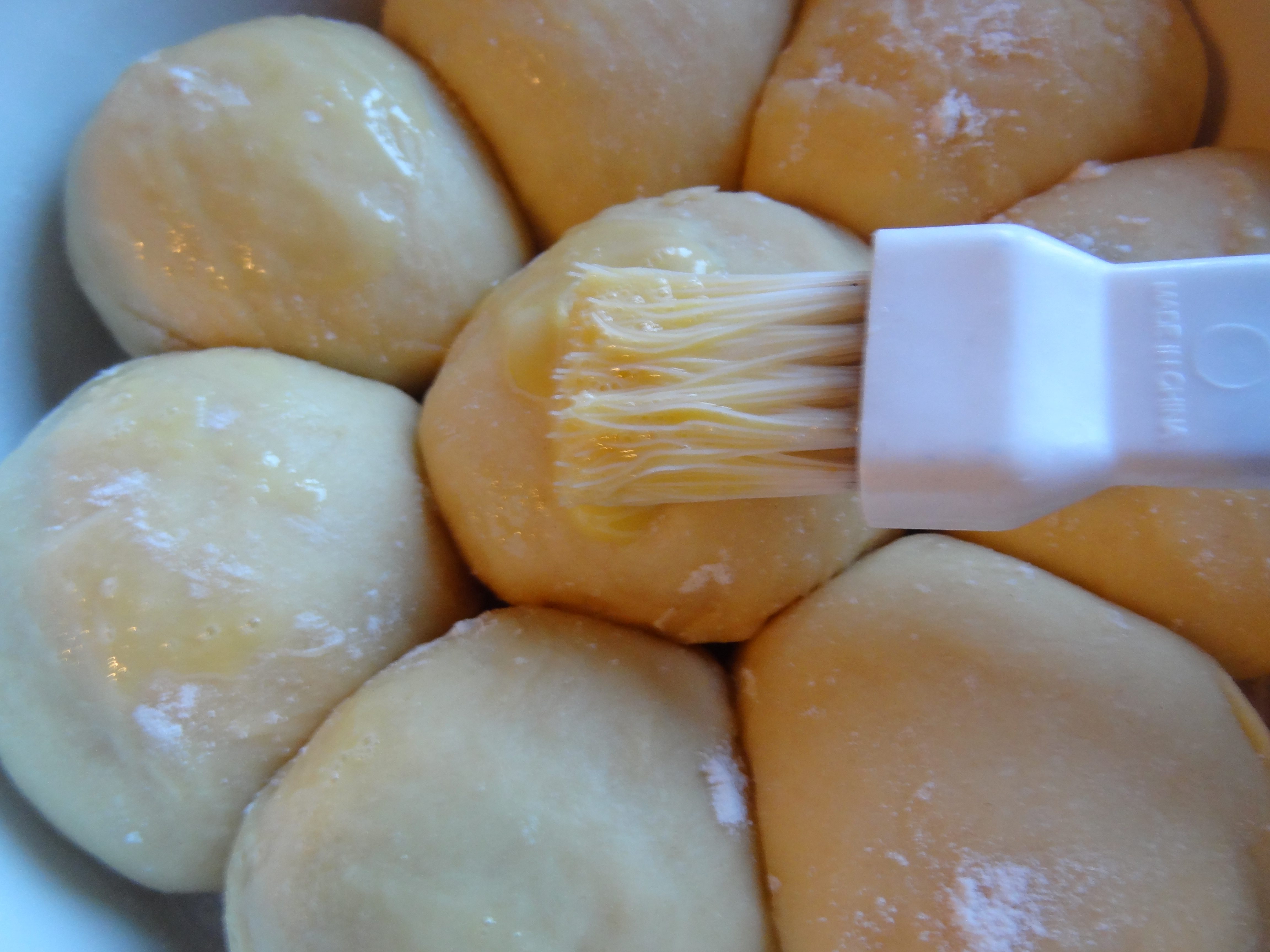
After the dough has doubled, punch it down and let it rise for 30 minutes longer. Place your dough on a floured surface and form your bread either into a braid, loaf or mini buns.

Let the dough rise for another hour or in a warm oven for about 20 minutes or until almost double.

Preheat oven to 325 degrees F.

Brush tops of the bread with egg wash and bake for 30 minutes. After 30 minutes, turn the heat to 300 and cook for 30 minutes longer until the bread has a golden caramel color.

Note:: Do not over bake since it may get the bread dry.

Mini buns cook in less time, approximately 45 minutes.

You may find oven temps will vary, adjust accordingly.

Makes approximately 2 loaves, 1 large braid or 12 buns


pao doce - Portuguese sweet bread