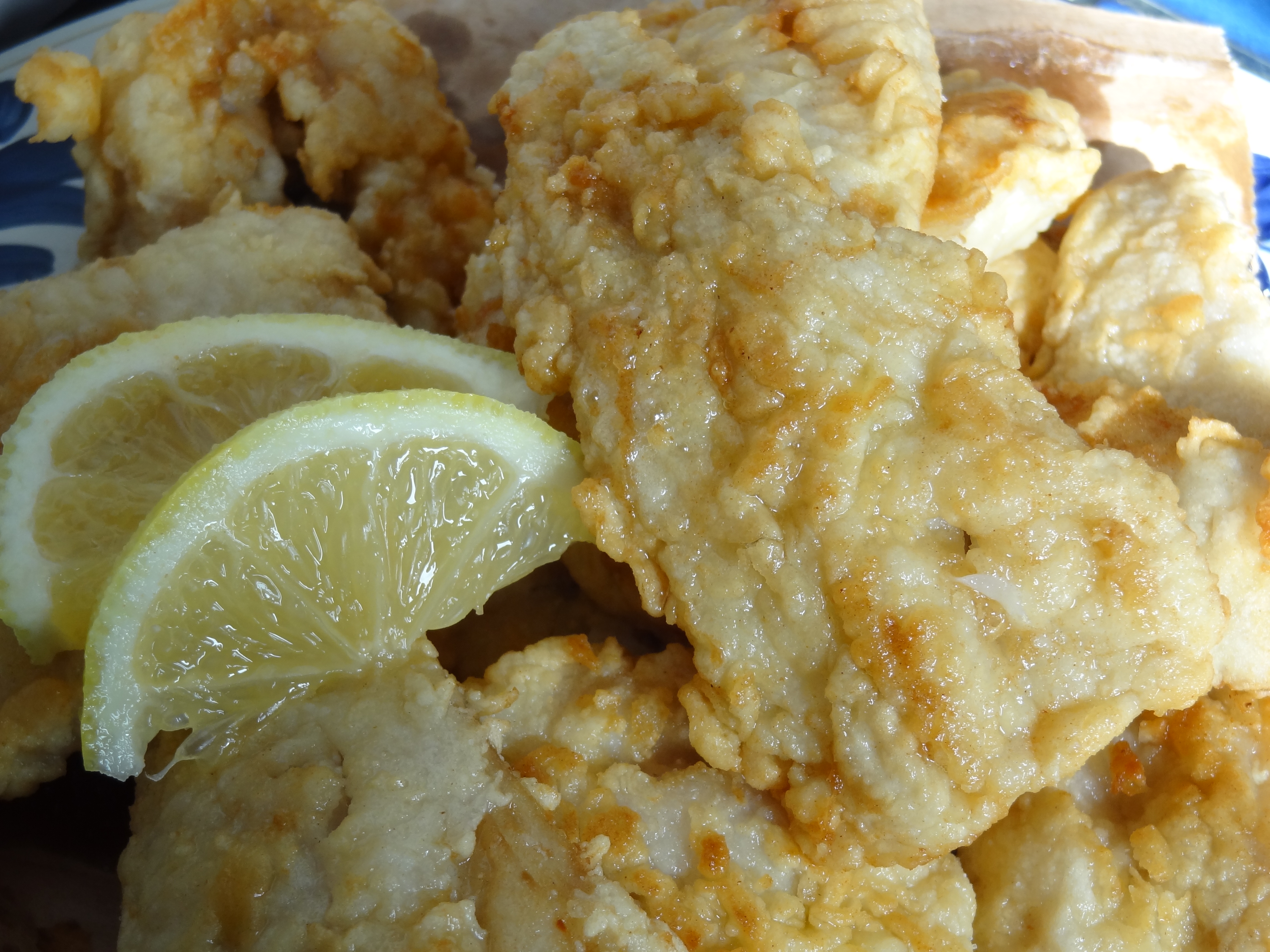
Portuguese Style Fish Fillets – Filets de Peixe
Portugal is a seafaring nation with a well-developed fishing industry. It has Europe’s highest fish consumption per capita and is among the top four in the world.
Nazaré; Portugal’s Most Picturesque and Famous Fishing Village, is blessed with a beautiful sandy beach, a deep-seated culture and a picturesque old town. It’s perfect for those seeking a quiet vacation in a delightfully authentic fishing town.
Nazaré, is named after a statue of the Virgin Mary which was brought from Nazareth by a monk in the 4th century.
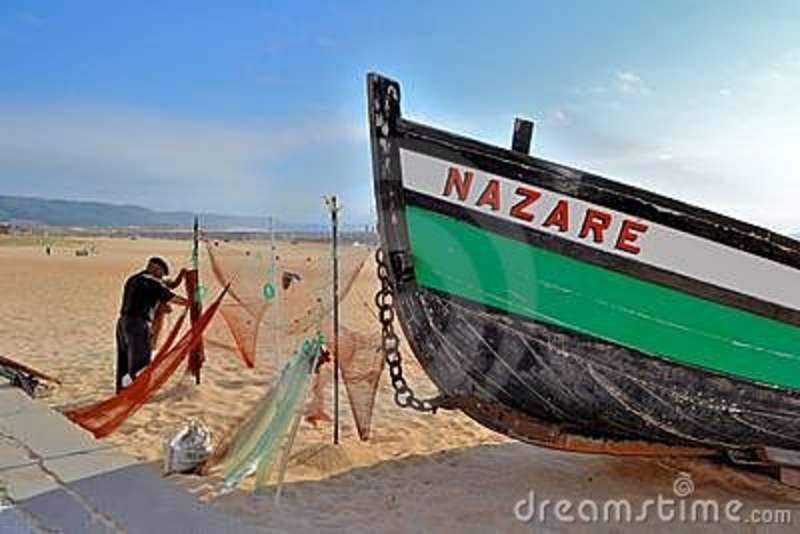
Photo: (http://www.aguide2portugal.com/blog/nazare-portugals-most-picturesque-fishing-village/)
The town of Nazare is also famous for it’s beaches and the most spectacularly big waves.
The world’s biggest wave was surfed this year in Nazare by Garrett McNamarra. Watch this amazing video!
Now that I’ve shared a little bit of Portugal’s geography lesson with you. Let’s start cooking!
Filets de Peixe
Ingredients:
2 lbs fish fillets – (preferably cod but you can use any flaky white fish)
2 eggs
1 tbsp water
flour
salt & pepper
garlic powder (optional)
1 lemon
Oil for frying (preferably corn or vegetable – about 1 and 1/2 cup)
1 tbsp olive oil
Garnish: Lemon wedges, olives, sauteed onion
Instructions:
Start this step when you are ready to fry the fish. Cut the fillets into serving size portions that are approximately 1/2 inch thick. Season with the salt, pepper and garlic to your taste.
Squeeze the juice from half of the lemon on top of the fish and set aside for about 5 minutes. (Do not let the lemon sit longer because the acid will begin cooking the fish and it will disintegrate.)
Beat the eggs with the water in a medium bowl and set aside.
Place the flour in a bowl large enough to be able to coat the fish evenly.
Place enough oil in a heavy frying pan to reach 1/2 inches deep. Add the olive oil. Turn the heat on med-high.
(Meanwhile be sure you are ready to begin cooking the fish, if not turn off the burner.)
Using one dry and one wet hand method, coat the fish with the egg, shaking excess egg off back into the bowl.
Coat the egg soaked fish in flour with the dry hand, pat to shake off excess flour and place on a try.
*Test the oil by placing one tip of the fillet into the oil. The fish should sizzle but the oil should not be smoky.
Place about 4-6 pieces of fish onto the hot oil and cook for about 4 minutes on each side until golden brown.
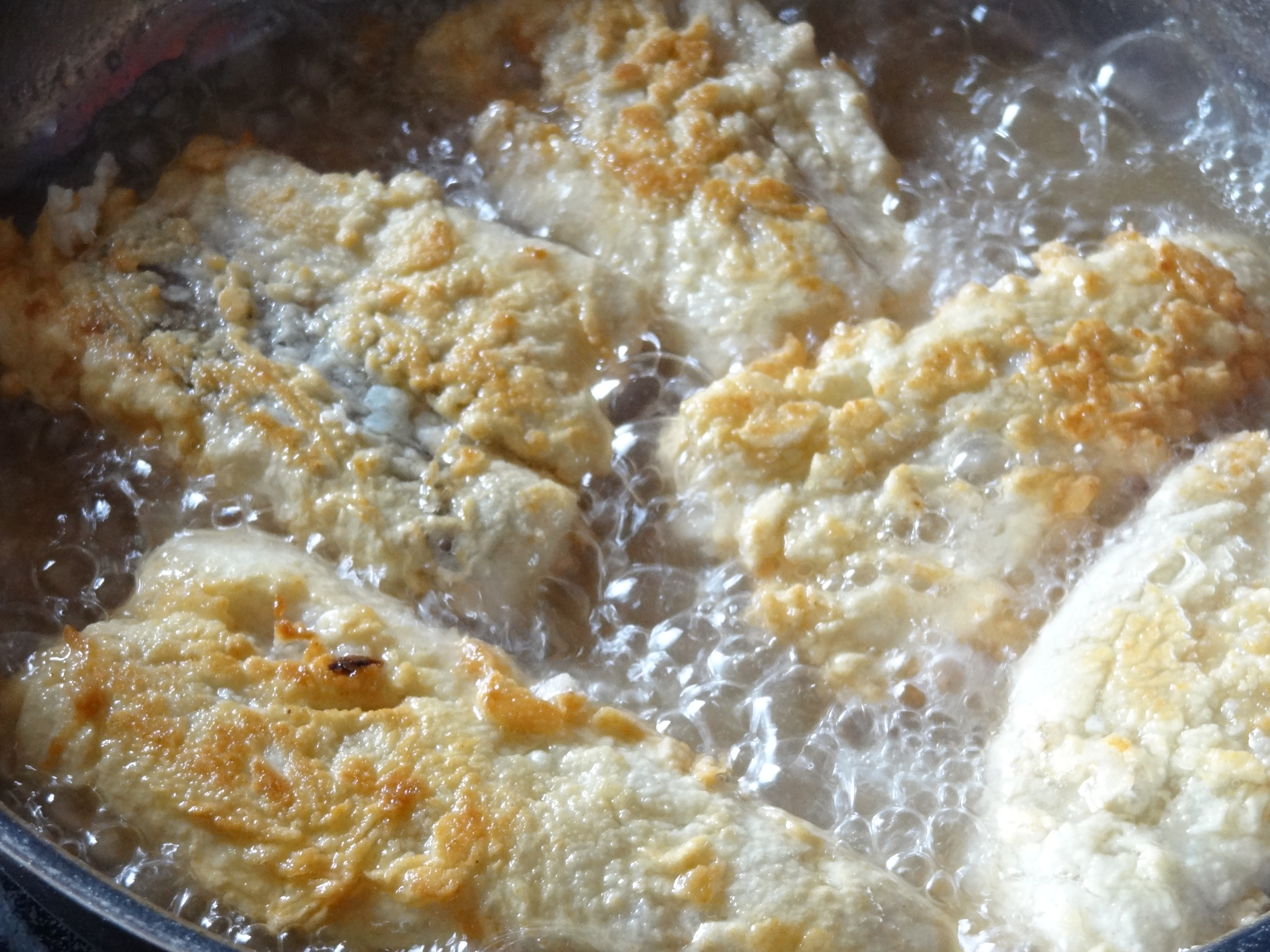
Adjust the heat as you notice it gets too hot. Add more oil as needed to complete the frying process.
Place the fish on brown paper lunch bags or paper towels to absorb any grease.
Serve with Portuguese rice and garnish with lemon wedges olives and onions (optional)



 Now available in Canada – Amazon Canada
 LISBON BLUE ETSY SHOP
 My appearance on RTP Portuguese TV Notícias do Meu País
 No Kid Hungry | Share our Strength Help End Child Hunger in America





















 GONSALVES FOODS