Tagged: Bread

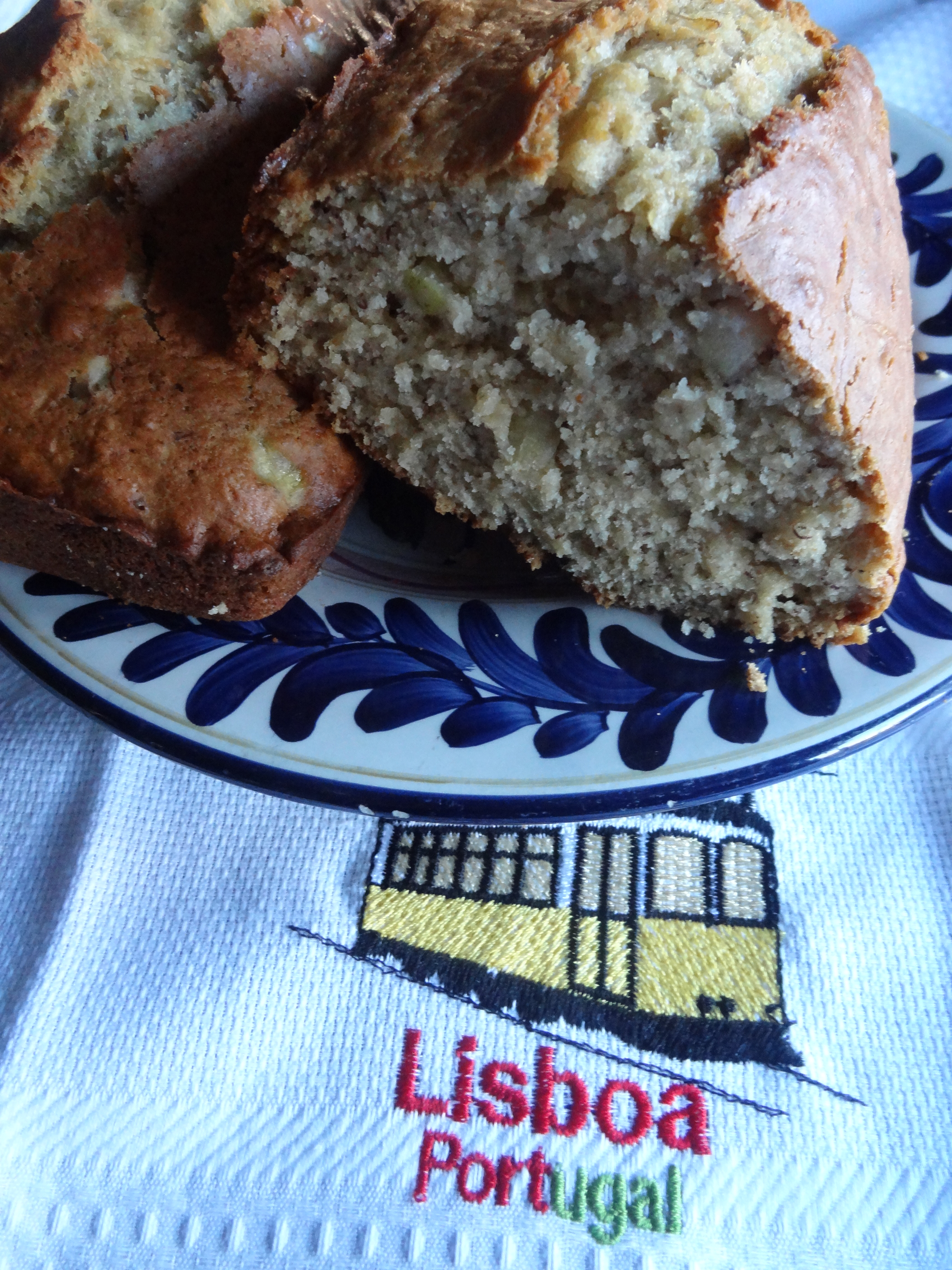
Apple Banana Bread

This easy recipe is perfect for a breakfast, a morning treat or your afternoon coffee break. It freezes well so make a double batch!

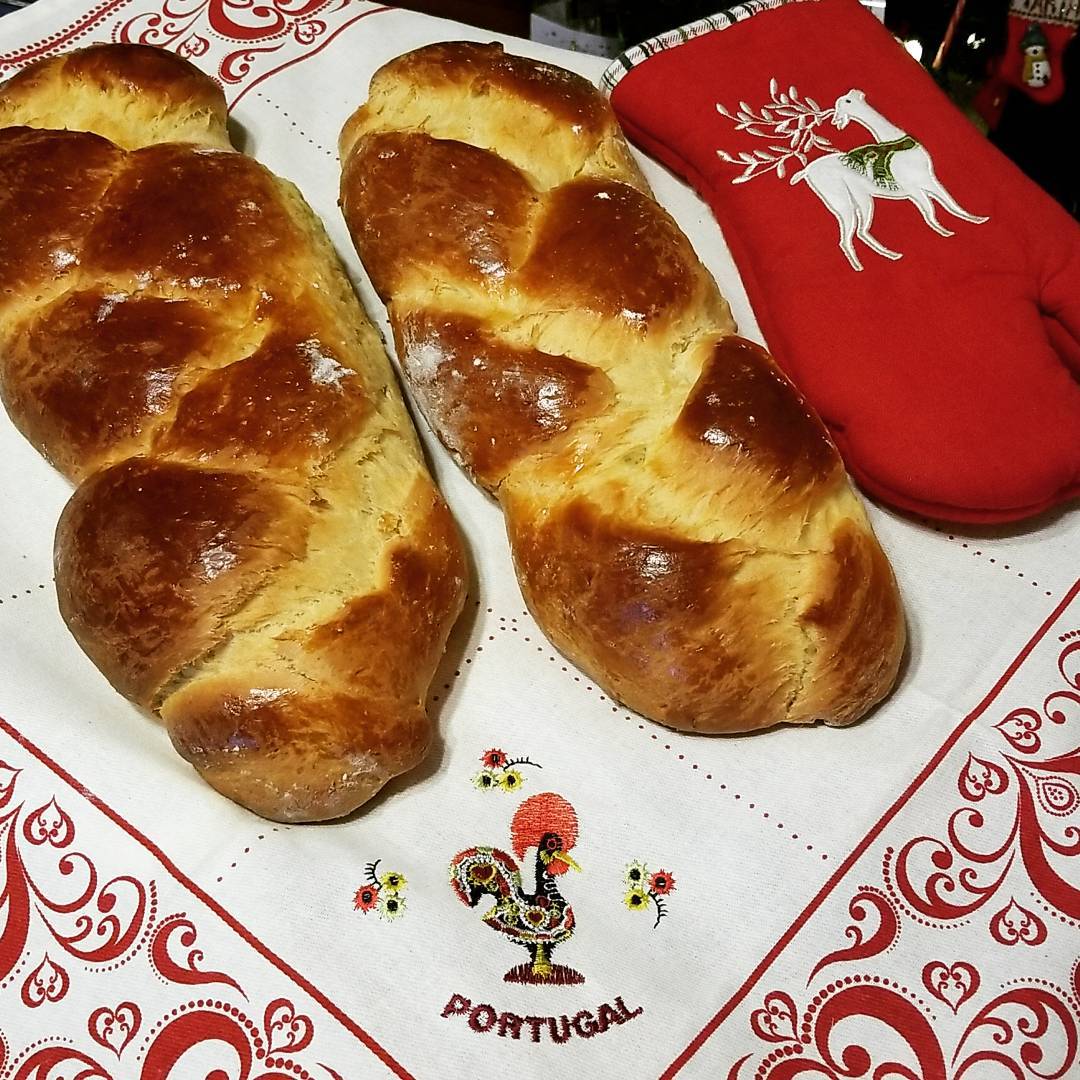
I love this kitchen towel from Portugal featuring The  Lisbon Tram Car.

The railway system called; Rede de eléctricos de Lisboa, serves the municipality of Lisbon, Portugal.

In operation since 1873, it presently comprises five urban lines, and is primarily a tourist attraction.

Here’s a video below of the Lisbon Tram car, and a site to learn more about the history of tram cars in Lisbon.

Lisbon, city of the seven hills [Timelapse] from José Costa Barbosa on Vimeo.


Now that we’ve learned a little bit of the culture. Here’s the recipe.

Apple & Banana Bread

Serves 10

Ingredients:

2 or 3 small ripe bananas (mashed)1 small apple cored and finely chopped

2 1/2 cups flour

3/4 cup brown sugar

1/4 cup reg sugar

1 stick margarine

3 eggs

1 tsp vanilla

1 tsp baking powder

1 tsp baking soda

1/2 tsp salt

1 tsp vanilla

1 cup of milk

1 package of any breakfast  instant oatmeal (optional)

1/2 cup chopped walnuts (optional)


 Instructions:

Heat oven to 350. In a large bowl mix the melted butter with the sugars until creamy. Add eggs and beat for 2 minutes.

Mix all the dry ingredients in a bowl. Mix the apple, banana, milk and the vanilla  in a small bowl.

Add 1/2 of the day ingredients, then 1/2 of the banana mix into the eggs and butter.

Incorporate the remaining dry and wet ingredients into the batter and mix on low for about 2 minutes.

Grease 2 small loaf pans. Pour the batter into the pans and cook at 350 for 35 – 45  minutes or until golden brown.

Enjoy!


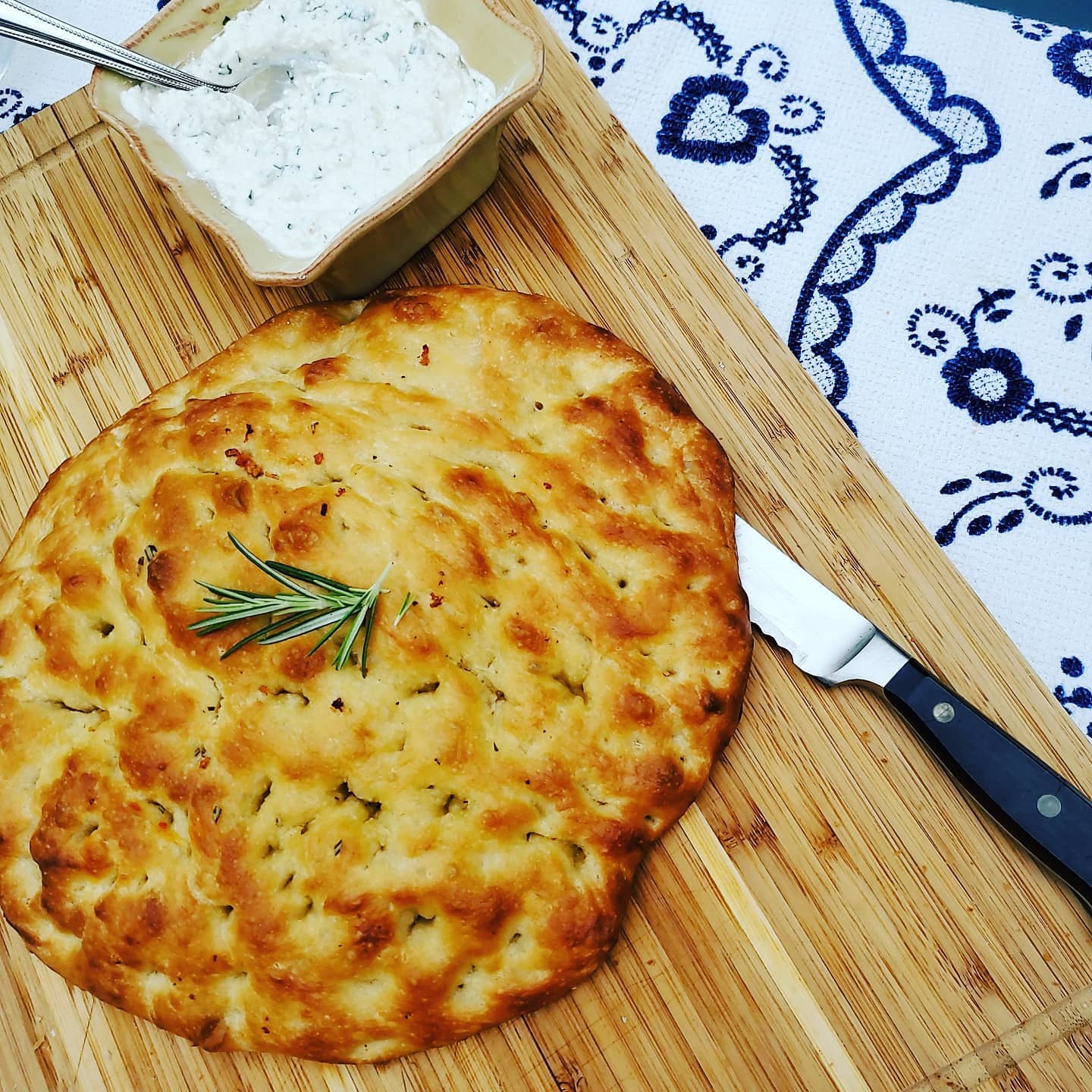
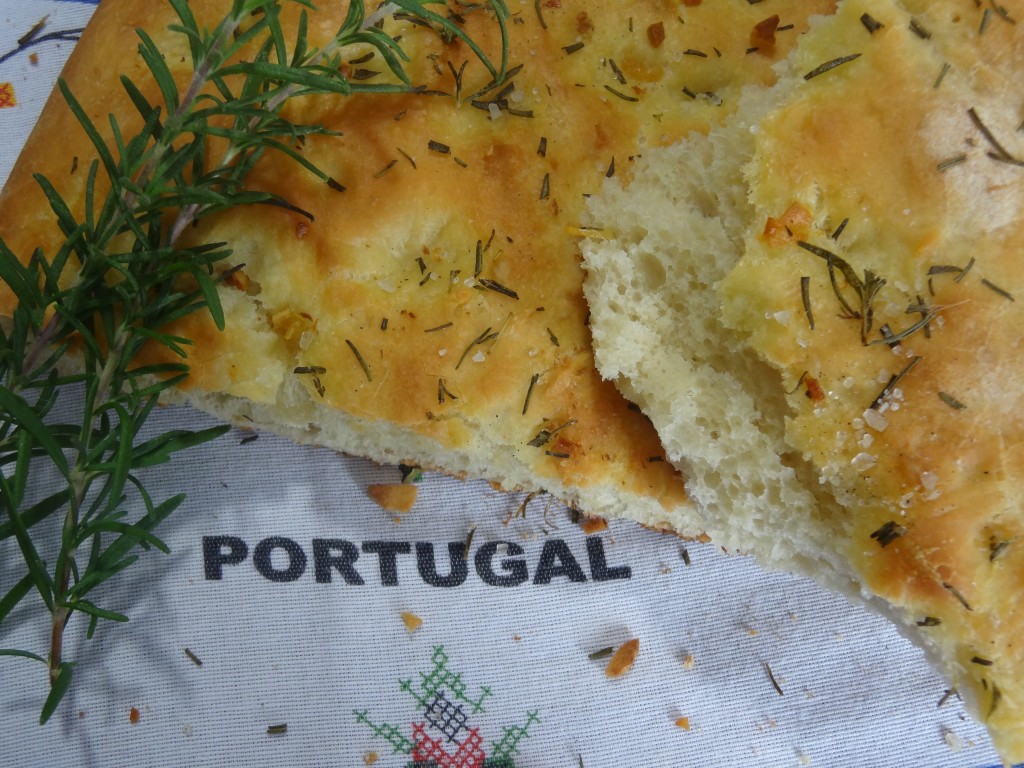
Garlic, Olive Oil & Rosemary (Alecrim) Foccacia Bread

Making this flat bread took me back to my family’s hometown. Travassos, is a small village in Tras os Montes, Portugal near the city of Montalegre.

The bread for whole village was made in a communal oven shared by all. One local man, was in charge of preparing the wood fired oven twice a week. On those days, each family including our own, would bring their dough to bake their bread early in the morning.

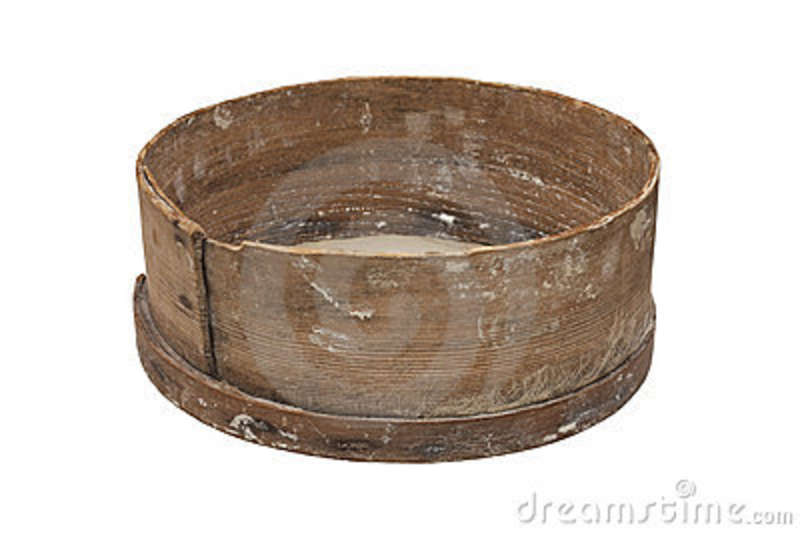
The bread, called a “Bica” was simply made with flour, water, yeast and salt, sifted and mixed with the old traditional, wooden Peneira (flour sifter), and Maceira (dough mixer).

The next time you pass by a Panera Bread restaurant, you’ll know how it got it’s name. Panera is a flour sifter…Peneira in Portuguese!

This recipe uses garlic and rosemary, but you can adapt it by adding your favorite toppings such as pesto, sun dried tomatoes, olives, etc.

Ingredients:

5 1/2 cups flour

1 3/4 cups warm water

1/4 cup olive oil

1 package of yeast

1 tbsp salt

1 tbsp sugar

Toppings:

2 cloves garlic

1/4 cup olive oil

Rosemary

Sea Salt

Instructions:

Step 1

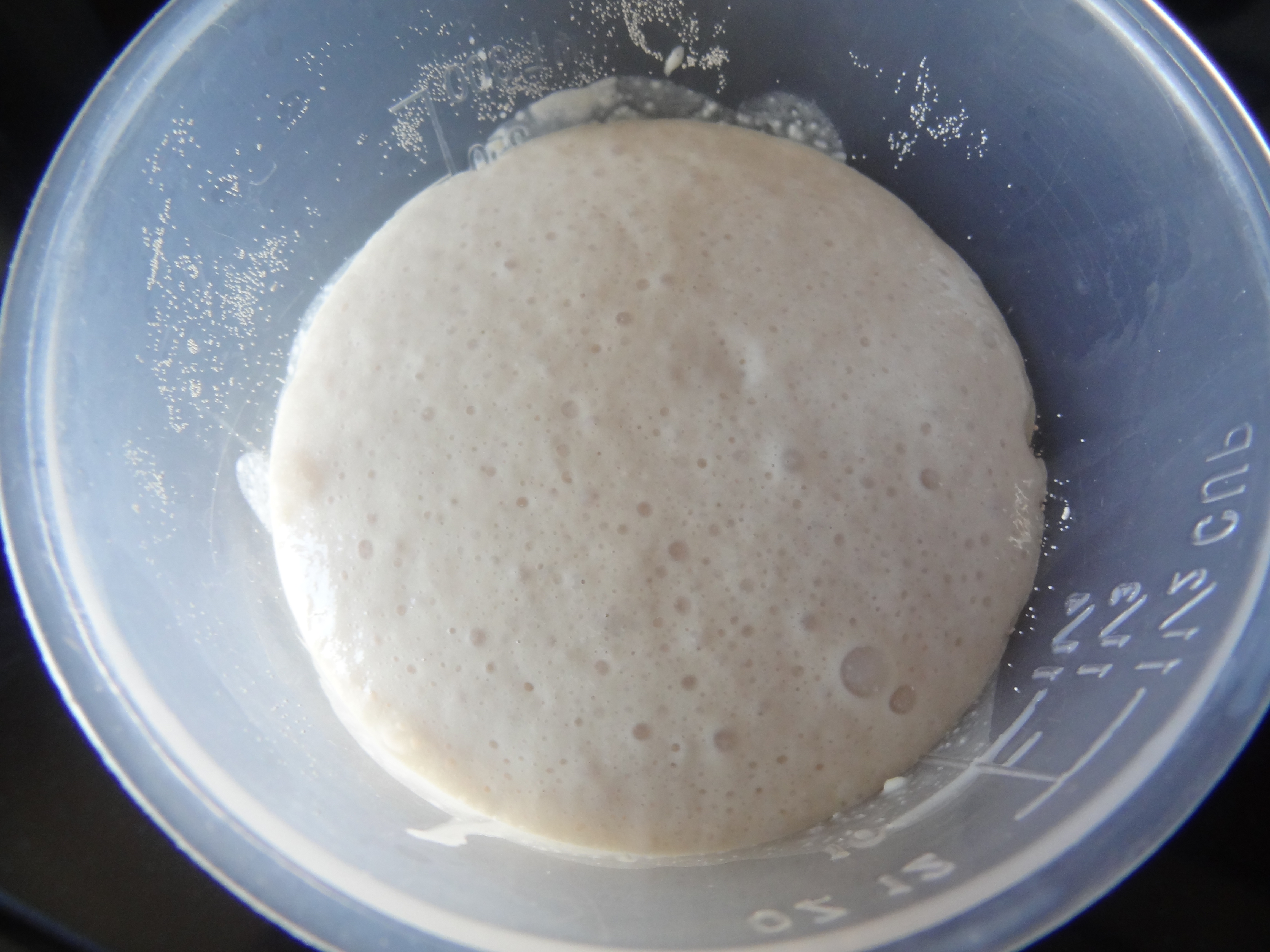
Place yeast warm water, salt & sugar in a small bowl. Stir well and let sit for about 10 minutes until bubbles form.

Step 2

Place flour n a large mixing bowl. Add olive oil, and the yeast mixture in the center of the flour and mix with dough hooks.

Mix until a round ball forms. * You may need to add a few sprinkles of flour if the dough is too sticky.

Remove from bowl and knead for 5-10 minutes until a smooth ball forms. Place in floured bowl, cover with plastic and a towel and set in a warm place for 1 hour or until the dough has doubled.

Mix the olive and garlic in a small bowl and set aside until the dough has risen.

When your dough is ready, brush a large baking sheet with some of the olive oil from the small bowl with garlic. (use olive oil only)

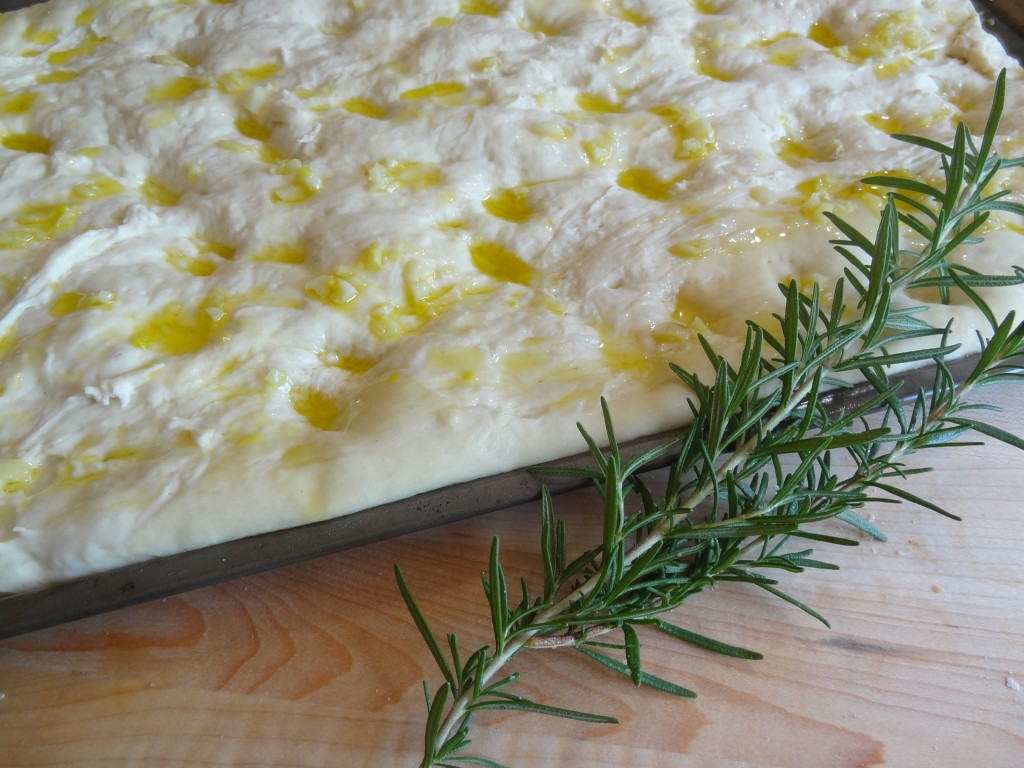
Spread the dough on the sheets. Use your fingers to spread the dough and make indentations to form crevasses.

Set the dough aside in a warm place for about 1 hour until it has doubled.

Preheat oven to 425 degrees.

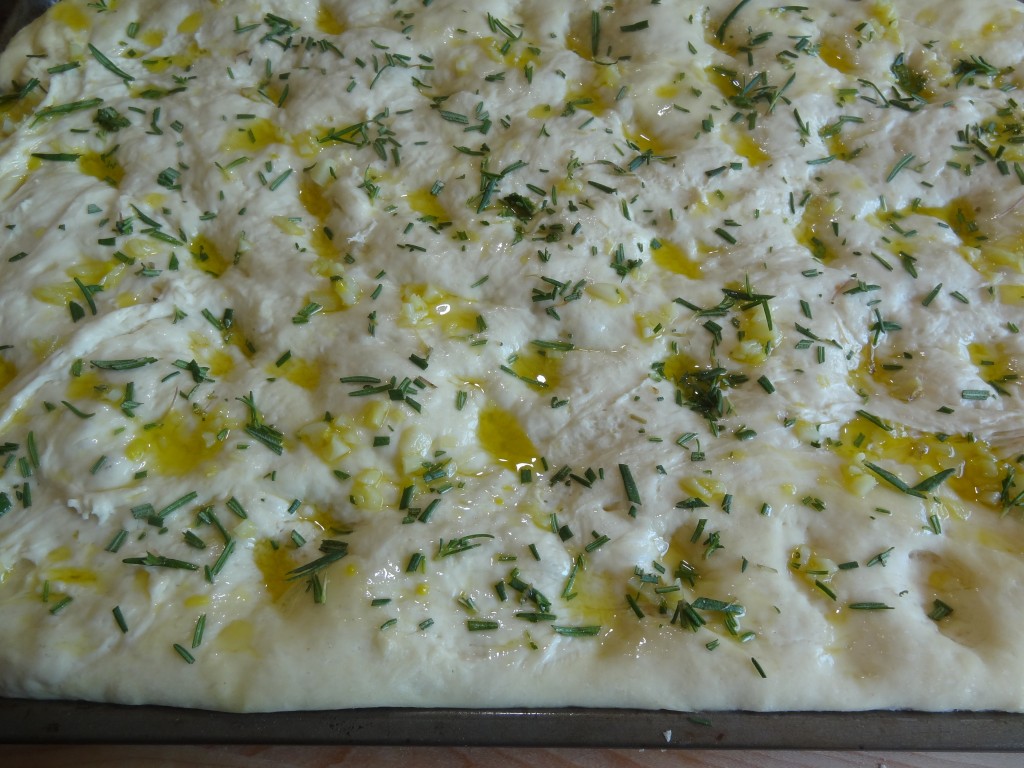
When the dough has risen the second time, brush with the remaining olive oil and garlic, add rosemary and sea salt.* Add more or less to your desired taste. * At this point you can add sun dried tomatoes, pesto, olives, etc.

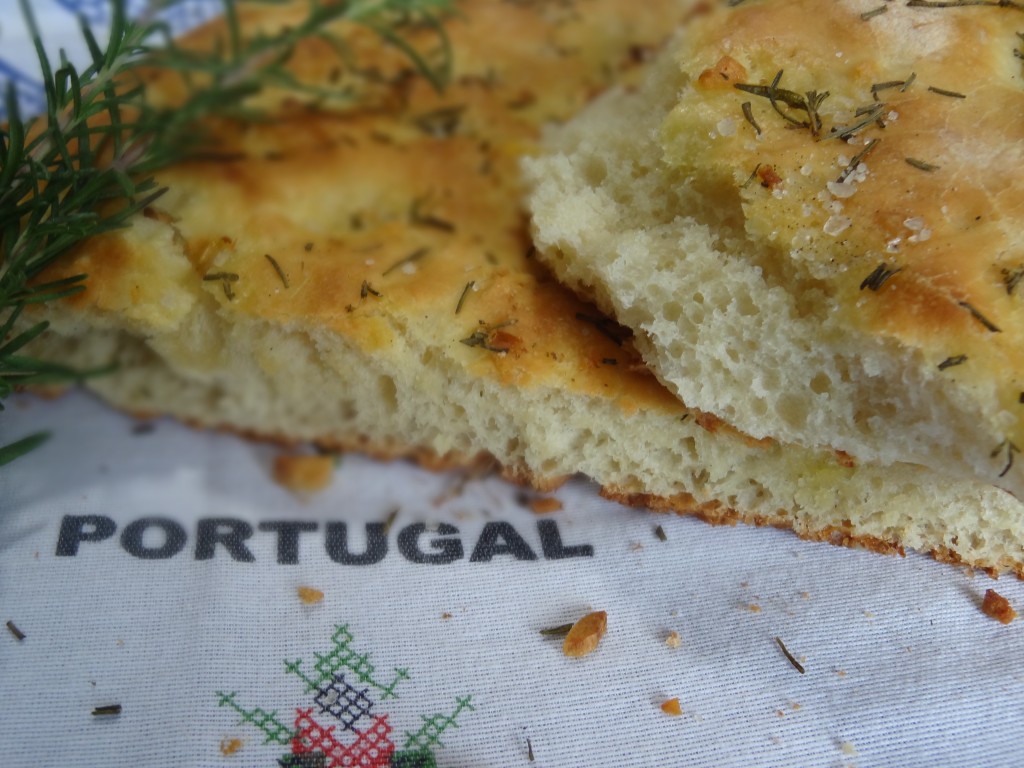
Cook for 20-25 minutes or until light golden brown.

Serve hot or cool and store for the next day!

Great for your Sardine cook outs this summer !

Papo Seco – Portugal’s Favorite Bread

The Portuguese passion for it’s cuisine is surely matched by the love of it’s bread! 
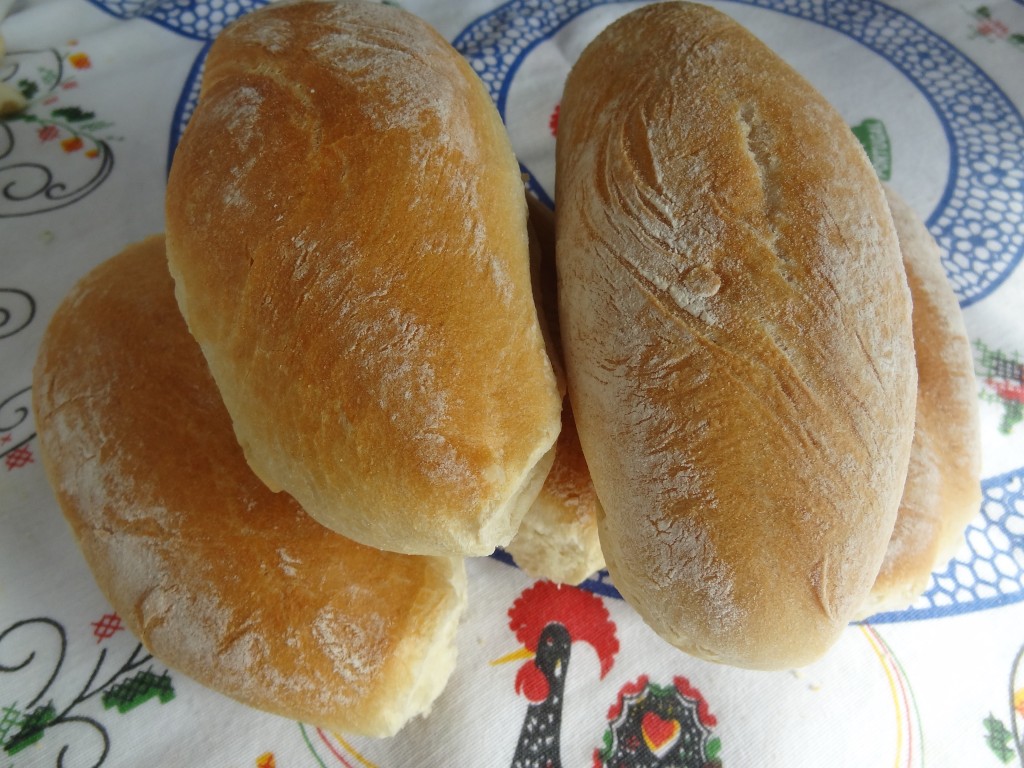
Home style bread & Portuguese rolls

Various regions of the country have their own artisan favorites such as Pão de Centeio “Rye Bread” and “Broa de Milho” from Tras-Os-Montes, and Pão Alentejano from Alentejo, but the Papo Seco which literally means “dry throat” is the most popular bread eaten all over the country both in homes and a staple at every restaurant. The roll is crusty on the outside and light and airy in the center which make it perfect for sandwiches and for absorbing sauces.

The method of preparing it and shape of the roll is uniquely Portuguese and extremely popular but I found there are many recipes. While researching some bread recipes I discovered that there are many different recipes to make Papo Secos. Some use basic dry yeast, while other use (fresh starter).

Making and storing fresh starter in your home seems quite easy and the benefits of using are quite fascinating. I had always wondered how the starter was formed without yeast, and I’m so happy that I found the recipe.

I was even more thrilled to discover that “King Arthur Flour” website actually sells the “Starter Dough” and you can buy it online. You can have a piece of the starter that began 300 years ago!They also sell the yeast that they use in their kitchens. The best part is that the yeast is 75% cheaper and better than the one in the supermarkets!

Please bare with me until the end of this post for recipe for Papo Secos. I found this information very interesting to share with you since it will enhance your future bread making!


“Where else can you find FRESH sourdough starter – not dried? And what a history this has; it’s descended from a starter that’s been lovingly nurtured here in New England since the 1700s. When you feed it, it quickly becomes your own, adapting itself to your own region and climate. Generations of bakers before you have made wonderful bread with a bit of this same bubbling brew. Join the ranks of satisfied sourdough bakers. www.kingarthurflour.com/shop

SAF instant is the yeast used most often in the King Arthur test kitchens. It’s easy to use (no proofing or pre-dissolving), fast-acting and long-lasting, continuing to work for hours longer than “rapid” yeast. It’s absolutely reliable. AND it costs 75% LESS than supermarket active dry yeast. ‘Nuff said. . www.kingarthurflour.com


Here is a recipe to make a “Starter Dough”from scratch!

APPLE STARTER:

3/4 CUP OF SPRING WATER, 2 CUPS FLOUR, 1/2 CUP GRATED APPLE.   Mix and cover, and let sit to ferment.
DAY 1-3:  Stir once a day.  You should be able to smell the starter.
DAY 4:   Put starter into a bowl and add 2 cups flour and 3/4 cup spring water.  Cover and let sit for another 24 hours.
DAY 5:   The starter is now ready to use, and can be refrigerated.   Once a week discard half the starter and add 1 cup fresh flour and 3/4 cup spring water, mix again


EASY YEAST STARTER or SPONGE:

1 PACKAGE DRY YEAST (2-1/4 TSP).  1 CUP WARM WATER, 1 CUP HIGH GLUTEN FLOUR.

Mix, set aside at room temperature for a minimum of 6 hours.  or, mix at night, put in the frig, and then take it out about two hours before making the rolls.


5 Healthy Reasons to make your own Sourdough Starter

1- Increases beneficial lactic acid

The longer rise time needed for sourdough increases the lactic acid and creates an ideal pH for the enzyme phytase. This enzyme breaks down phytates (read more about the dangers of phytic acid here) more effectively than in yeast breads.

Sourdough rye has the least amount of phytates (somehow the Swiss culture mentioned above must have known this) making it a healthier bread.

2- Predigestion of starches

The bacteria and yeast in the sourdough culture work to predigest the starches in the grains, thus making it more easily digestible to the consumer.

3- Breakdown of gluten

Here again, the longer soaking and rising times in the preparation of sourdough breaks the protein gluten into amino acids, making it more digestible.

4- Preservative

The acetic acid which is produced along with lactic acid, helps preserve the bread by inhibiting the growth of mold.

5- Better blood glucose regulation

There has been some research suggesting that sourdough bread — sourdough white bread — showed positive physiological responses. The subjects’ blood glucose levels were lower after eating sourdough white bread compared to whole wheat, whole wheat with barley and plain white bread. Interestingly, the subjects tested after eating whole wheat bread fared the worse — with spiking blood glucose levels.(http://realfoodforager.com/5-reasons-to-make-sourdough-your-only-bread/January 17, 2012)


 ♥♥♥♥♥♥♥♥♥♥♥♥♥♥♥♥♥♥♥♥♥♥♥♥♥♥♥♥♥♥♥♥♥♥♥♥♥♥♥♥♥♥♥♥♥♥♥♥♥♥♥♥♥♥♥♥♥

Since we know the benefits of making your own starter dough, here’s the Papo Seco recipe! Enjoy!


Papo Seco recipe – By: Azorean Green Bean

“Azorean Green Bean is all about preserving the food and culture of the Azores.

There’s a lot of overlap between the Azores and continental Portugal, and we’ll be taking a look at that, too. But for now it’s all about the Azores”


Ingredients:
4 cups of all purpose flour
1 tablespoon of salt
2 teaspoons of sugar
1 envelope package of rapid rise yeast
2 cups of lukewarm water
1 egg white beaten or milk for brushingDirections:

Using a large bowl mix together the flour, salt and sugar then leave aside.
In a separate large mixing bowl, add the two cups of lukewarm water and gently mix in the yeast using a whisk. Add the dry ingredients into the water a little at a time and keep mixing until it forms a soft ball of dough. At this time you will need to use your hands to mix in the remaining flour and combine together. Take the dough out into a floured surface and knead for a couple of minutes. Place the dough into a greased bowl and cover with a dish towel or blanket. Place the bowl in a warm place and let the dough rise for an hour.

Remove the dough and place onto a floured surface, punch the dough down, and knead for about 10 minutes, until the dough feels smooth.

Separate the dough into ten equal balls. Shape them and place them on a greased or parchment paper lined baking trays, and let them rise for 30 minutes. You can shape the rolls by making an indent in the middle with the side of your hand, or you can roll the dough into an oval shape and score with a knife across the top lengthwise before it goes in the oven. What ever way you chose you really can’t go wrong.

Preheat the oven at 375 degrees and brush the rolls with either egg white or milk. Bake for 30 minutes or until the rolls are slightly golden brown and sound hollow when tapped on the bottom.


♥♥♥♥♥♥♥♥♥♥♥♥♥♥♥♥♥♥♥♥♥♥♥♥♥♥♥♥♥♥♥♥♥♥♥♥♥♥♥♥♥♥♥♥♥♥♥♥♥♥♥♥♥♥♥♥♥
Here’s another recipe variation:
Visit portuguesebreads.blogspot.com for some great Portuguese bread recipes!


Ingredients

4 cups bread flour
1 cup fermente (starter)
3/4 -1 teaspoon sea salt
1- 2 cups tepid water

Technique

Mix the ingredients and knead until smooth. About 10 minutes of hand-kneading.
Cover and let rise overnight. 10-12 hours is normal. I always make the dough at night and by morning it is ready to finish and bake.

STEP 1 – Divide into balls – divide the dough into several balls – a little smaller than the size of a tennis bal
l

Dough divided into balls

STEP 2 – Roll on a lightly floured board until you have a smooth ball of dough

Roll into small balls

STEP 3 – Crease the ball of cough with the side of your hand – press firmly almost to the board.

Use the side edge of hand to crease

This is what is looks like with the crease:

Roll creased ready to pinch ends

STEP 4 – Twist the ends – now you must grab about an inch in from each end and twist the dough to for the ends – this technique hold the shape of the roll.
NOTE – some people use a little rice flour in the crease to keep it from sealing up.

Papo-Seco pinched ends ready to rise

STEP 5 – Lay the roll CREASE side DOWN onto a floured tea towel or clean cloth – push the towel up slightly to the roll as you form the next roll – this keeps the rolls from spreading out.

Crease side down on this step!

STEP 6 – cover and let rise – 1 hour – when ready. carefully lift the rolls onto your baking sheet, this time with the CREASE side UP

Ready to bake

STEP 7 – Pre-heat the oven to 425F and set a pan of water on the bottom rack. Bake the rolls for 25 minutes or until done – they should be golden brown when they are done!

Can you smell them?


b Broa – Pão de Milho – Portuguese Corn Bread

The dog wags his tail, not for you, but for your bread.

Portuguese Proverb
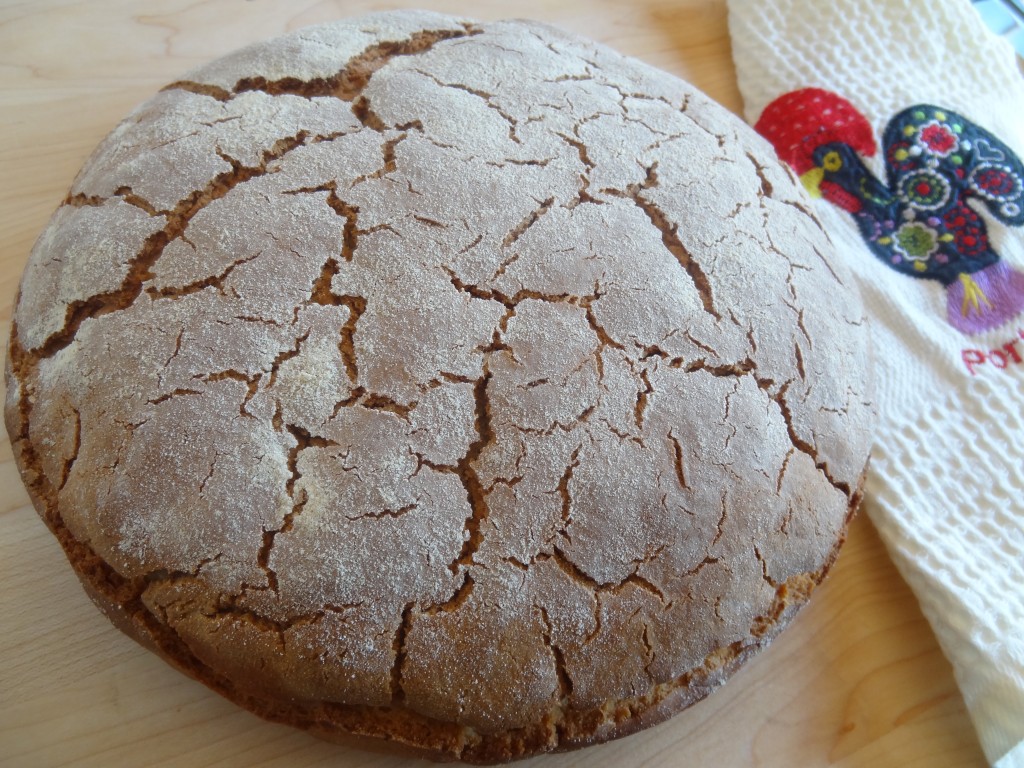
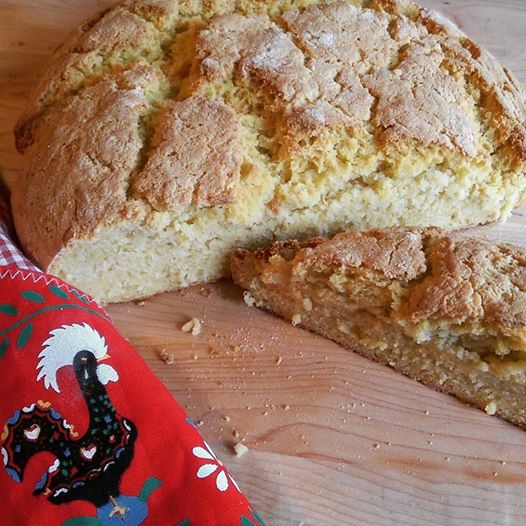
Pão de Milho, is my favorite of all the classic Portuguese breads. This artisan style bread is usually made with both Corn and Wheat flour and originated in the Northern region of Tras os Montes, Portugal.
What is unusual about this baking process it that you initially use scalding hot water to pre-cook the corn flour before you add in the regular flour. This is called pre-gelatinization of the corn meal, kind of like cooking polenta.
This process speeds up the cooking and leaves a less sticky dough. Once the corn flour and water mixture cools down you add the flour and finally the yeast.

The dough is placed in round shaped pans to form the bread. There is no need to let the dough rise for hours like most bread doughs.

Serve with the classic  Caldo Verde soup or with a Portuguese Antipasti Platter which includes presunto, and various cheeses for a truly authentic presentation.

Watch the videos at the end of this post to see the old world traditions of making this bread.

Makes 1 corn bread

Ingredients:

3 and 3/4 cups of white corn flour (you may also use fine yellow corn flour)

3 cups of flour

3 cups boiling water

1 tablespoon melted butter

2 teaspoons sugar

2 teaspoons salt


Yeast Starter:

1/4 cup warm water

1/2 teaspoon of sugar

2 teaspoons powdered yeast

1 tablespoon of flour

Instructions:

Make the yeast starter and set aside.

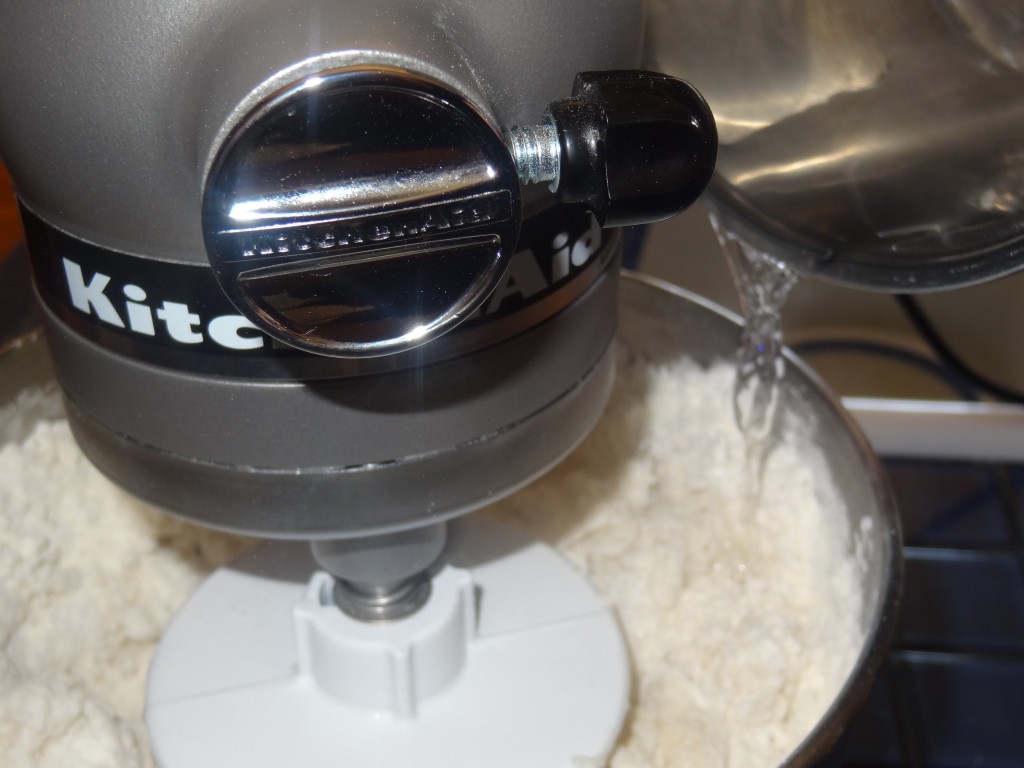
Place the corn flour in a mixing bowl and add the boiling water butter, sugar and salt. This will start the cooking process of the corn flour.

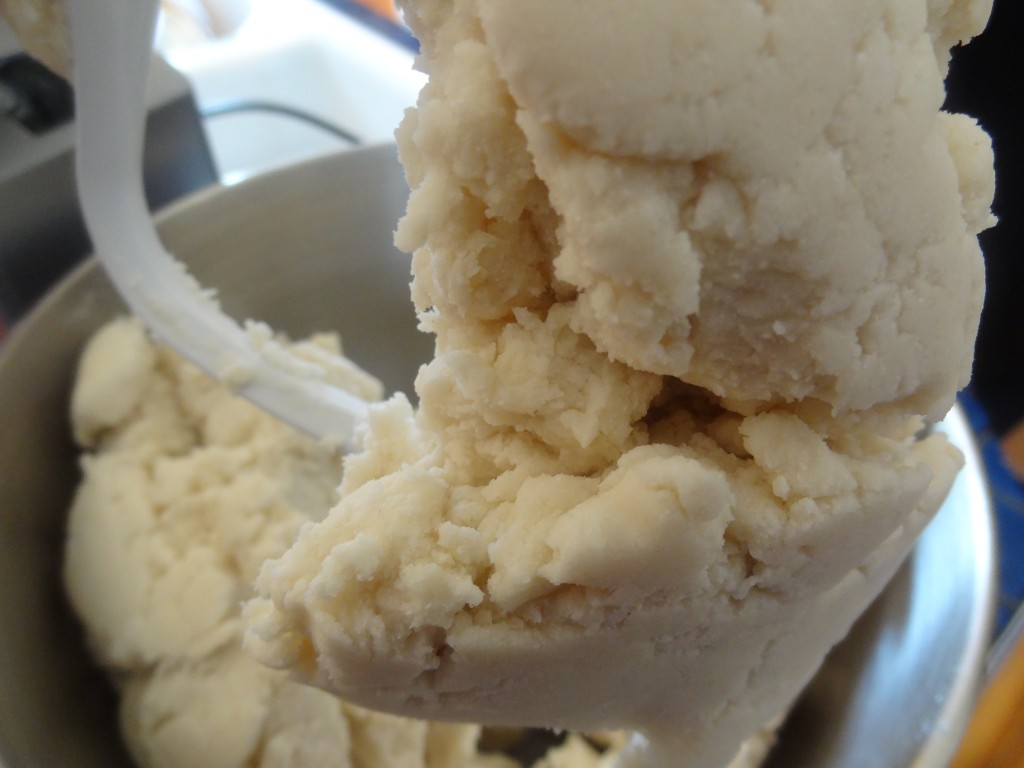
Mix well with a dough hook or with your hands if the dough is cool enough to handle. Let the dough rest for about 5 minutes and add the flour a little at a time.

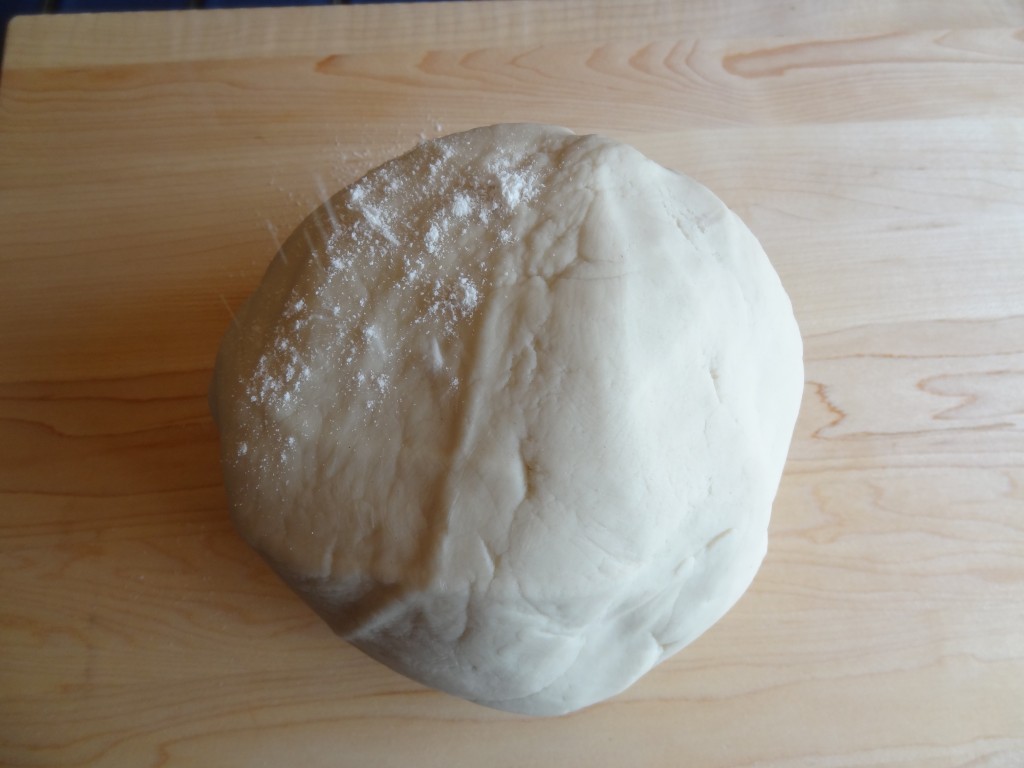
Add the yeast mix and knead until the dough is smooth and can be shaped into a ball.

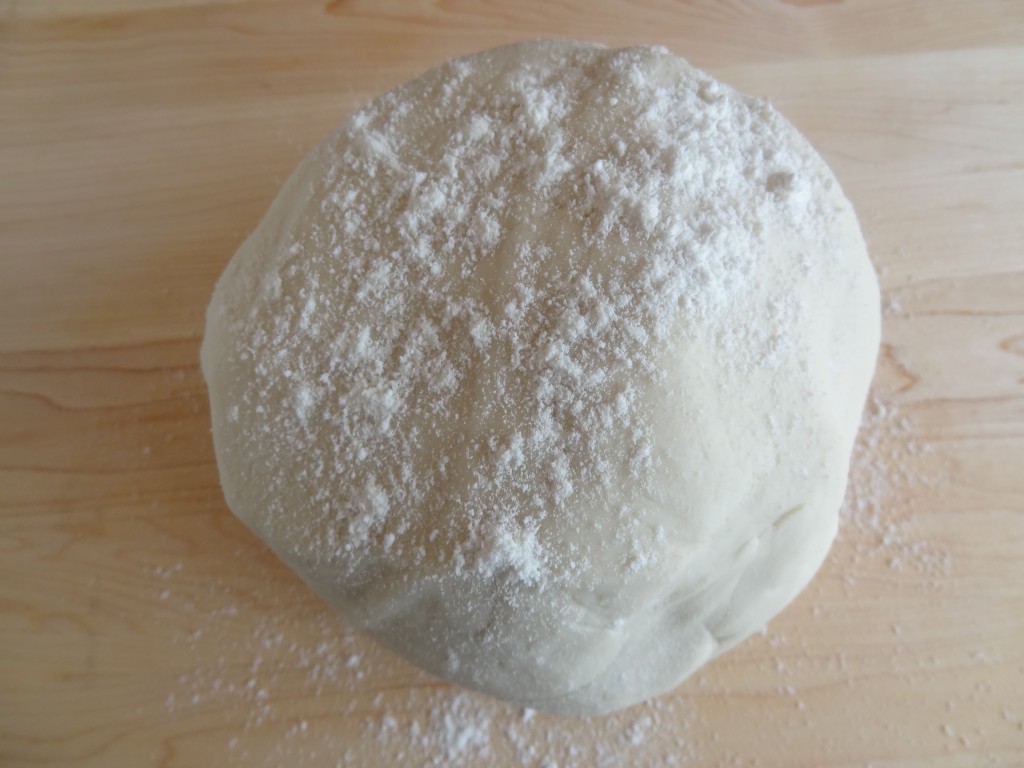
Place dough on a floured surface and shape into a ball. Coat the top of the dough with corn flour.

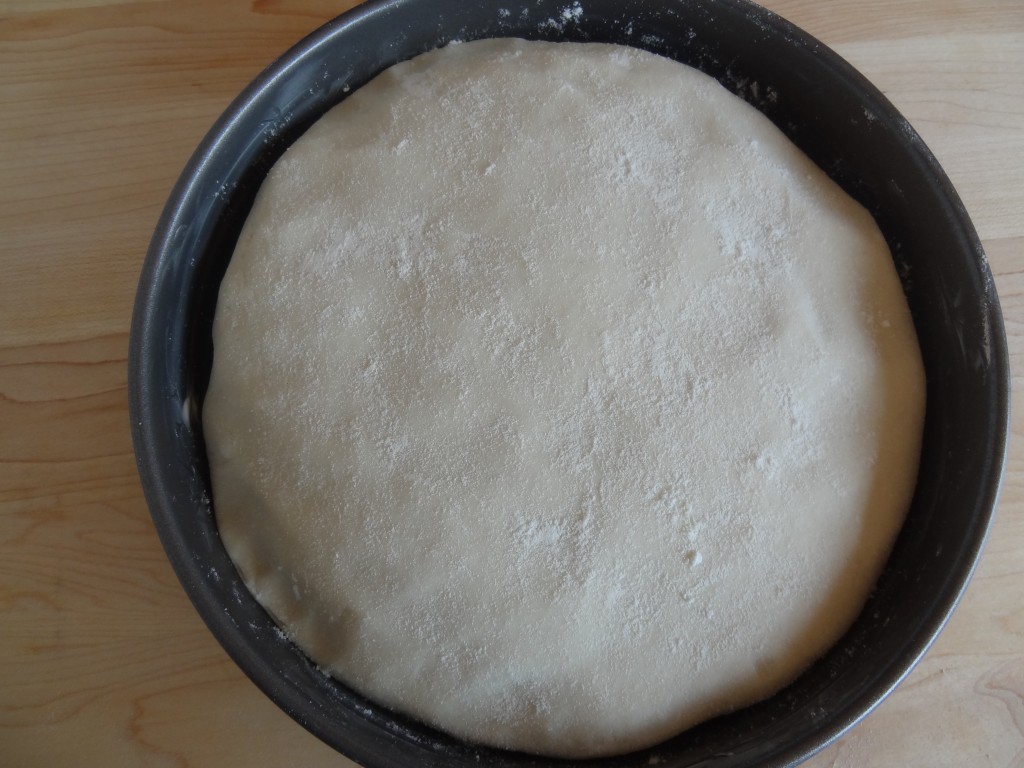
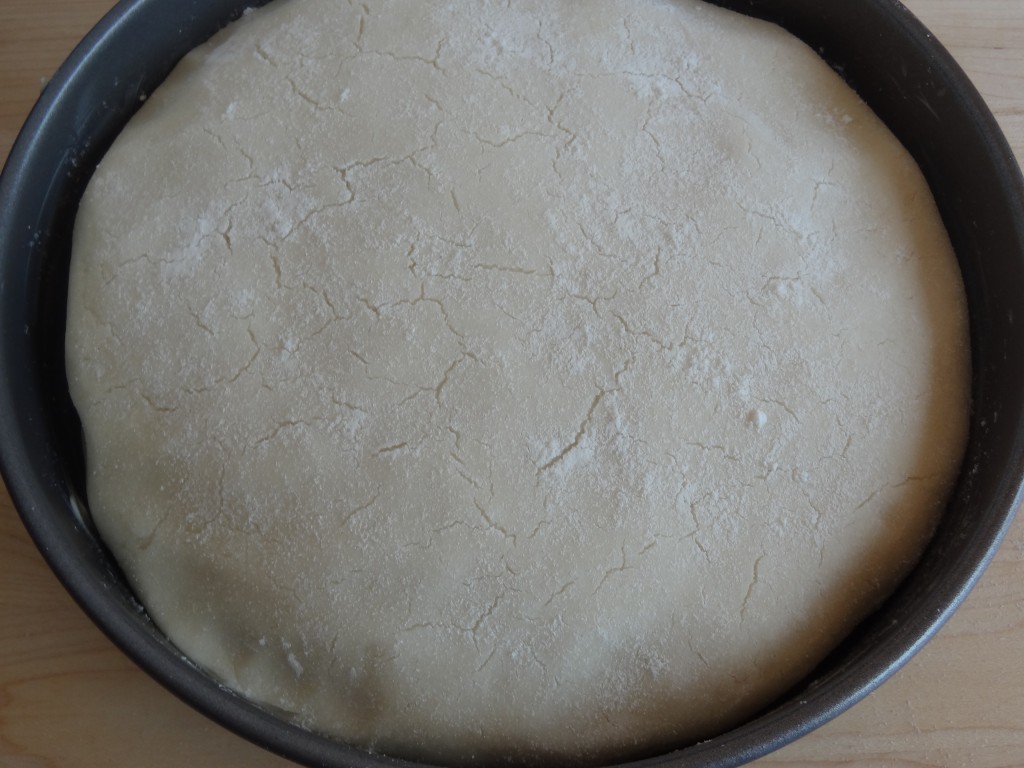
Form the dough into a flat round shape and place in a greased cake pan or pie plate.

Meanwhile preheat oven to 450 degrees. Let the dough double in size for about 30 minutes or longer.

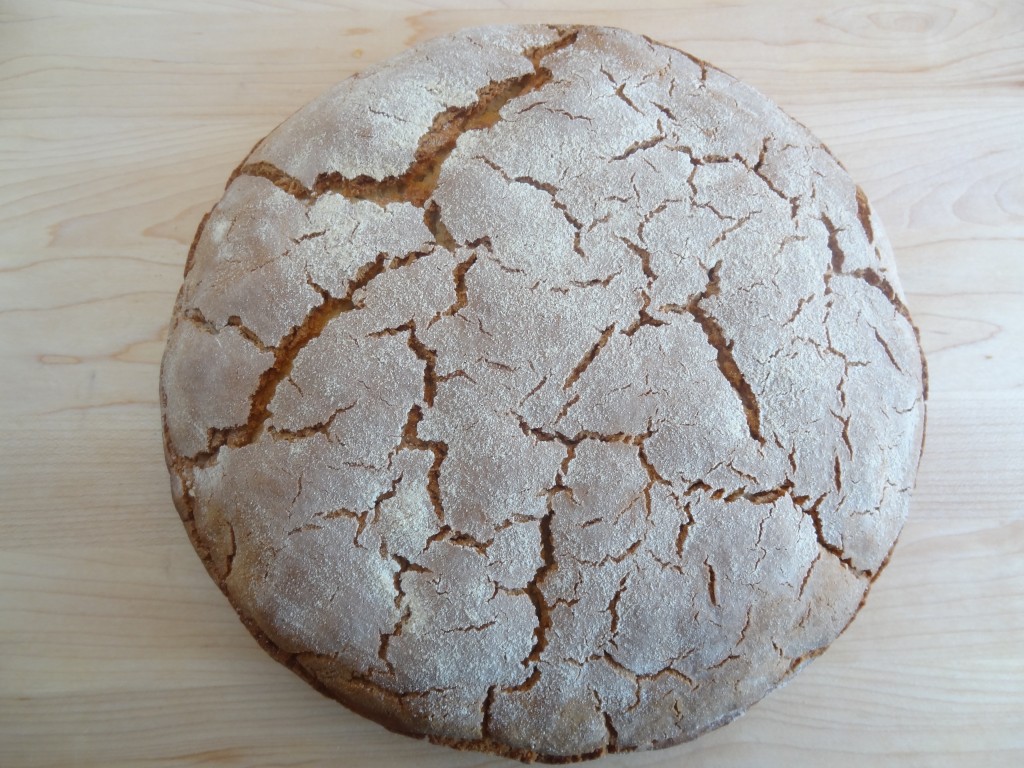
You’ll  notice the cracks forming on the dough but that is what gives the dough an artisan appearance.

Cook for about 45 minutes until the crust is dark. Hit the bread with your knuckles and listen for a hallow sound. You may need to cook the bread longer depending on your oven since temperatures vary.

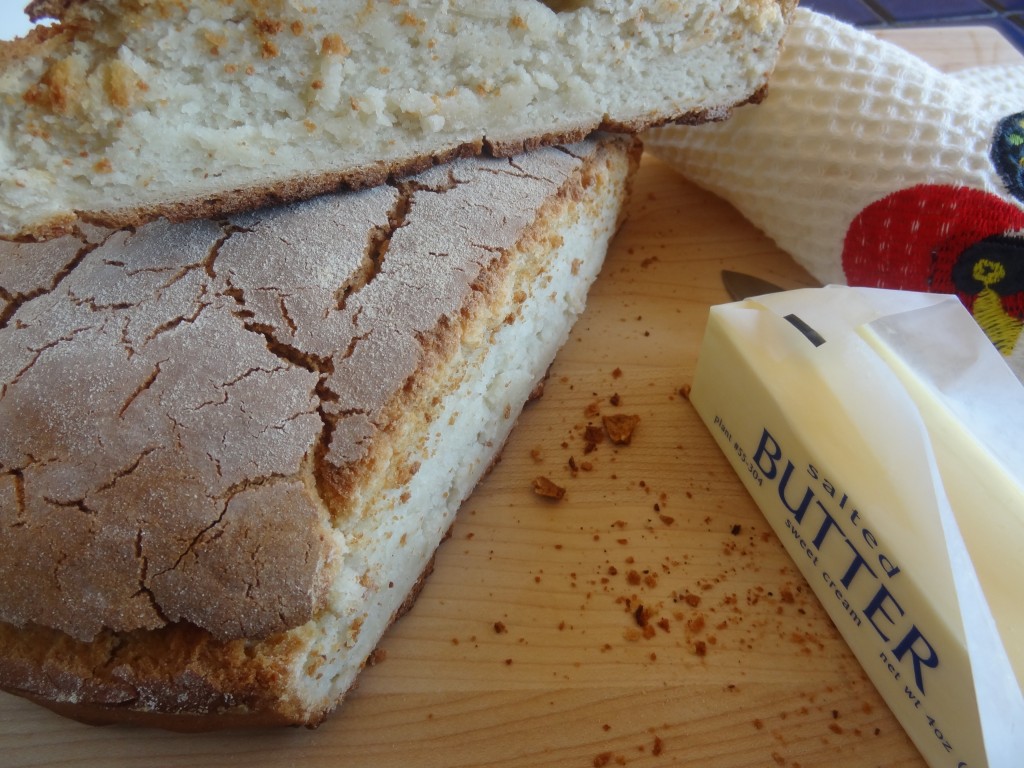
Let cool before slicing. The bread will be very crusty. If you want a softer crust, place the cooled bread in a food safe plastic bag for a few hours.

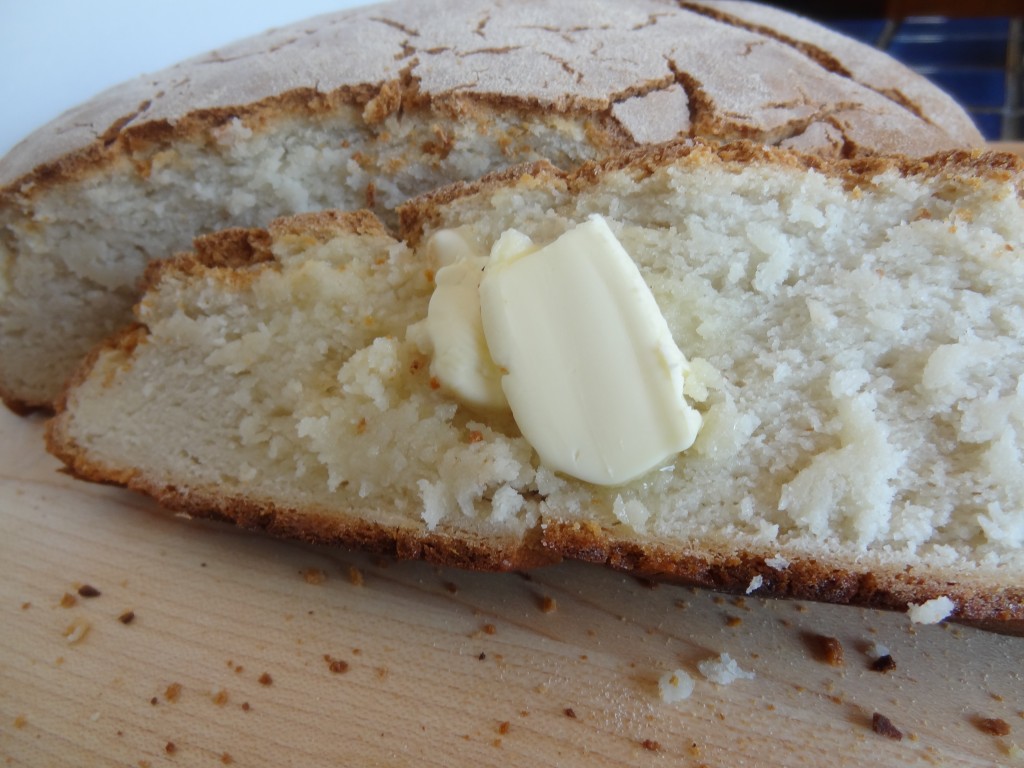
I wish you could taste it with that melted butter!

Watch this video to see the old process of making Pao Milho and cooking it in a wood fired oven.

Making Pao de Milho old tradition Part I

Part II

Part III

Part IV

Portuguese Sweet Bread – Pao Doce


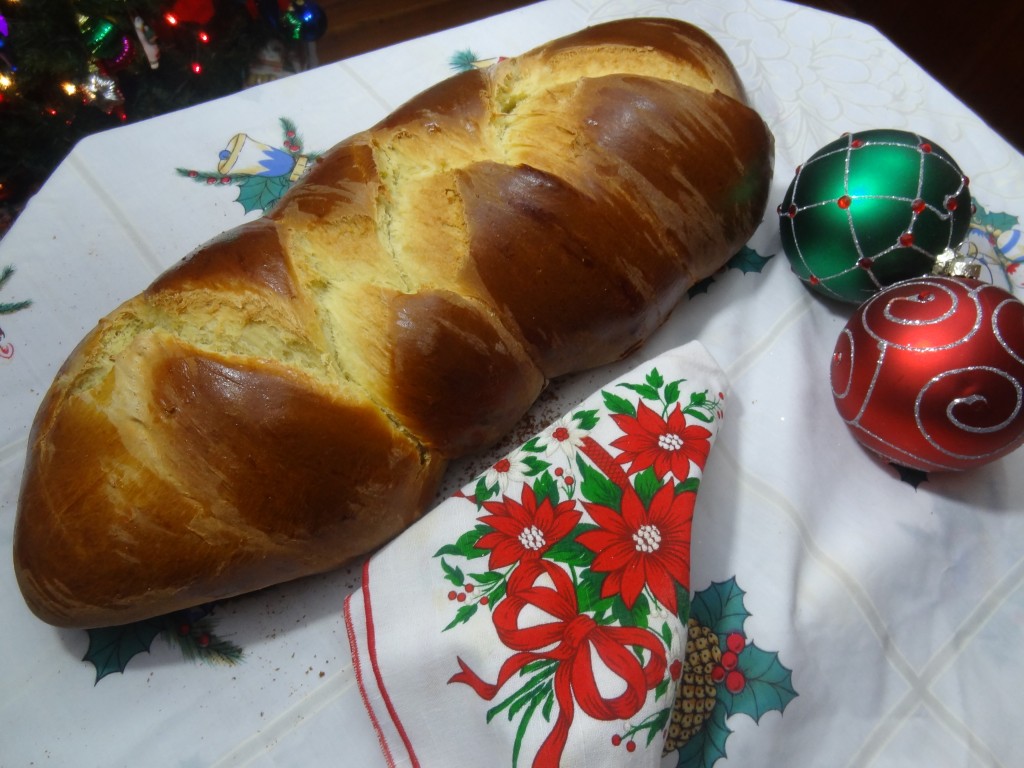
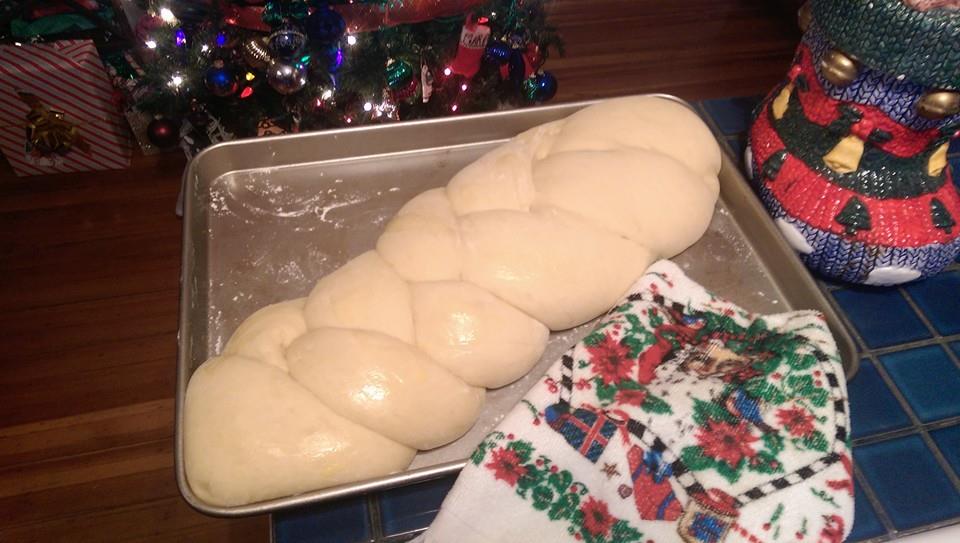
Portuguese Sweet Bread Christmas Braid

Watch my video recipe on my Youtube channel


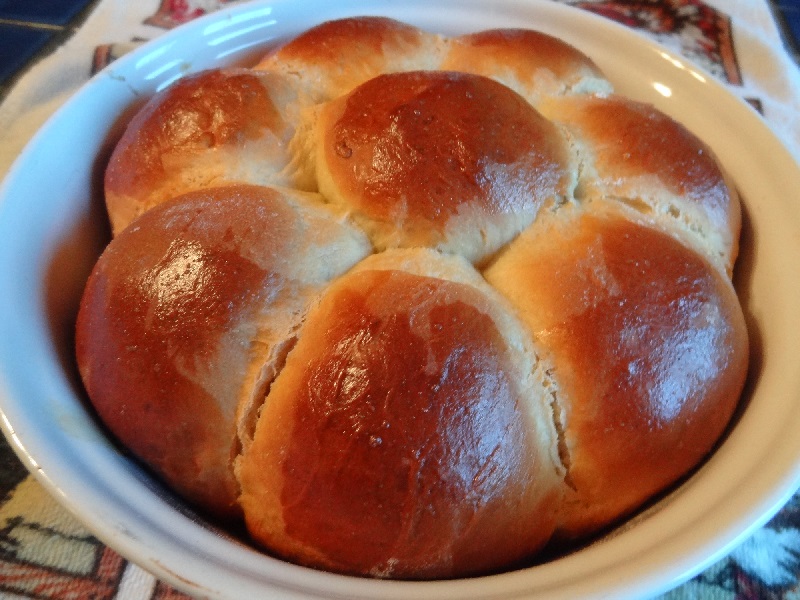
Portuguese sweet bread (Massa Sovada or simply Massa, Pão Doce. This light and airy sweet bread is usually made during Christmas and Easter. It’s also enjoyed throughout the year at breakfast, during meals and even served as a dessert. Some Sweet Breads made during Easter are called Folar de Pascoa. A hard boiled egg is cooked in the dough to signify the rebirth of Christ.There are many variations of this bread. Some recipes call for raisins, lemon zest, rum or whiskey to intensify the flavor.
This bread has maintained its popularity and it’s tradition within the Portuguese Immigrant communities in the United States. The first Portuguese immigrants came from the Azores and settled on the East Coast of Southern New England to work in the fishing and whaling industry during the late 18th century. One century later, another group of immigrants settled on the West Coast in the San Fransisco Bay area to work in the dairy and farming industry.
By the late 19th century, more had immigrated to Hawaii to work in the sugarcane fields.
The Kona Historical Society in Hawaii has an interesting page dedicated to Portuguese Stone Oven Baking of Portuguese Sweet Bread.
Watch the video below of actual baking in an authentic (Forno) brick oven.


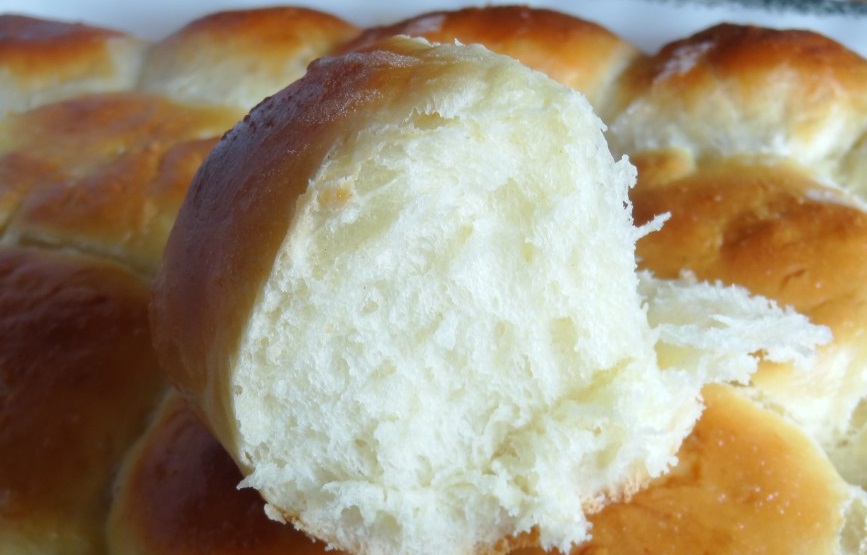
I’ve tried many recipes and finally come up with this perfect one to share with you. The bread comes out light and fluffy and delicious.

Ingredients:                             

6 to 7 cups flour

2 and 1/2 packages of dry yeast

1 cup warm milk

1 stick butter

1 tablespoon salt

4 Jumbo eggs

1 cup sugar

1 tbsp (whiskey – aguardente) 

1/4 cup warm water

1/2 teaspoon sugar

Preparation:

Heat milk, but do not scald. Remove from heat and stir in margarine until melted. Add sugar, salt and mix. Let the milk cool down.

Meanwhile Make yeast starter by mixing packages of yeast with ¼ cup of warm water and ¼ tsp of sugar. Stir yeast until dissolved and let it rest until you see bubbles activating.

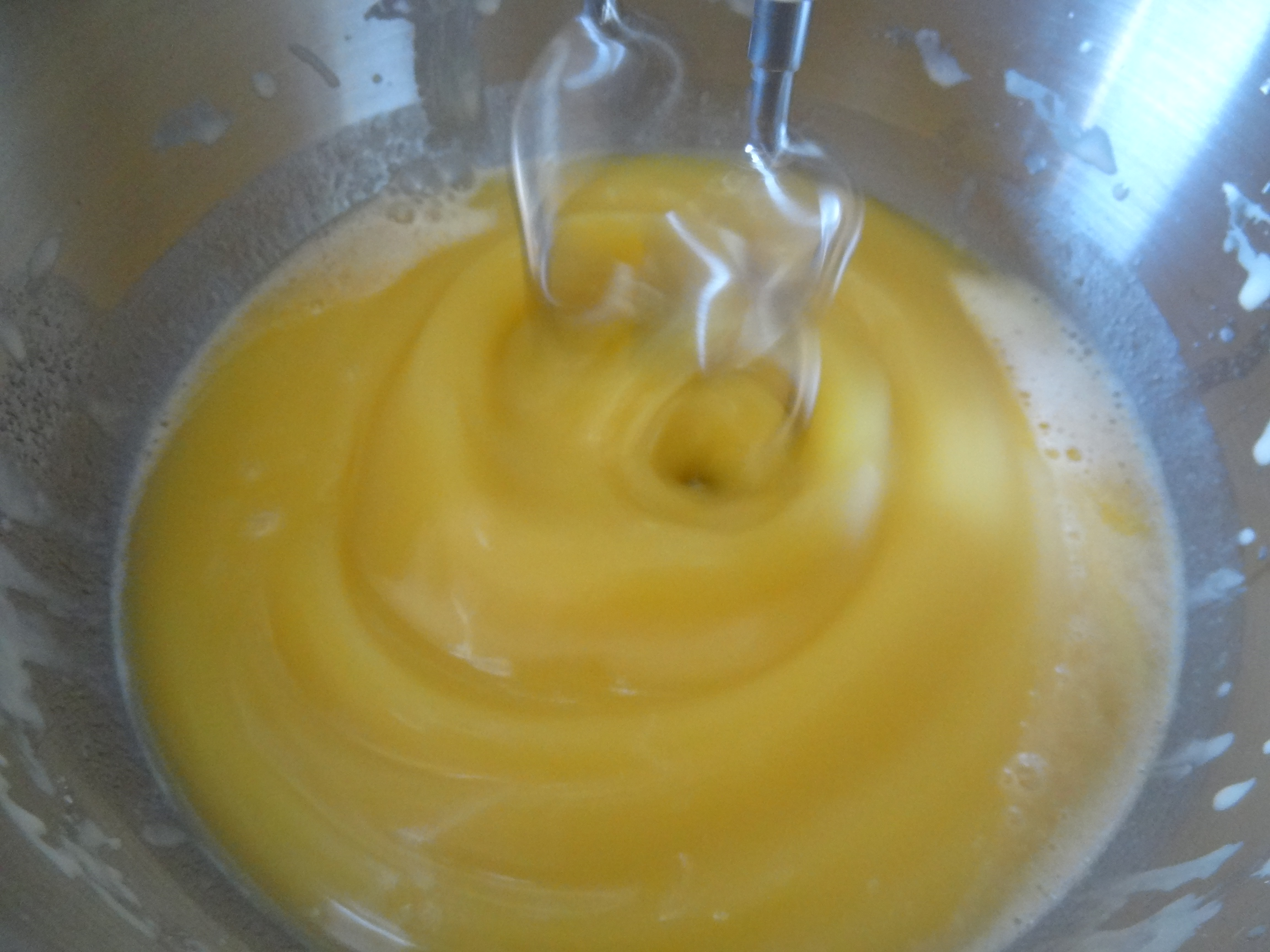
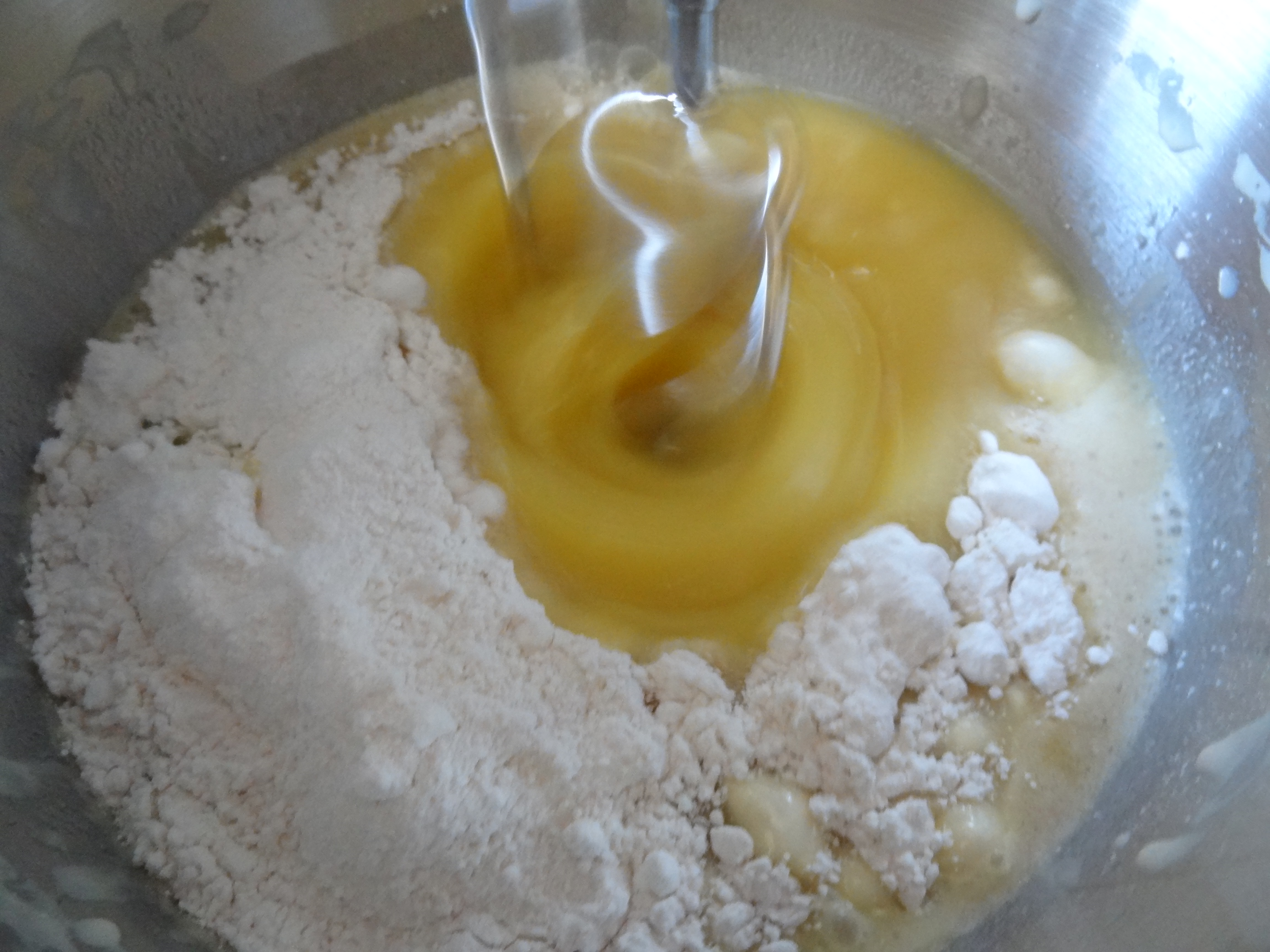
Beat eggs for a few minutes then add to the milk in a large mixing bowl. Add the yeast to the milk along with the whiskey and beat for 2 minutes.

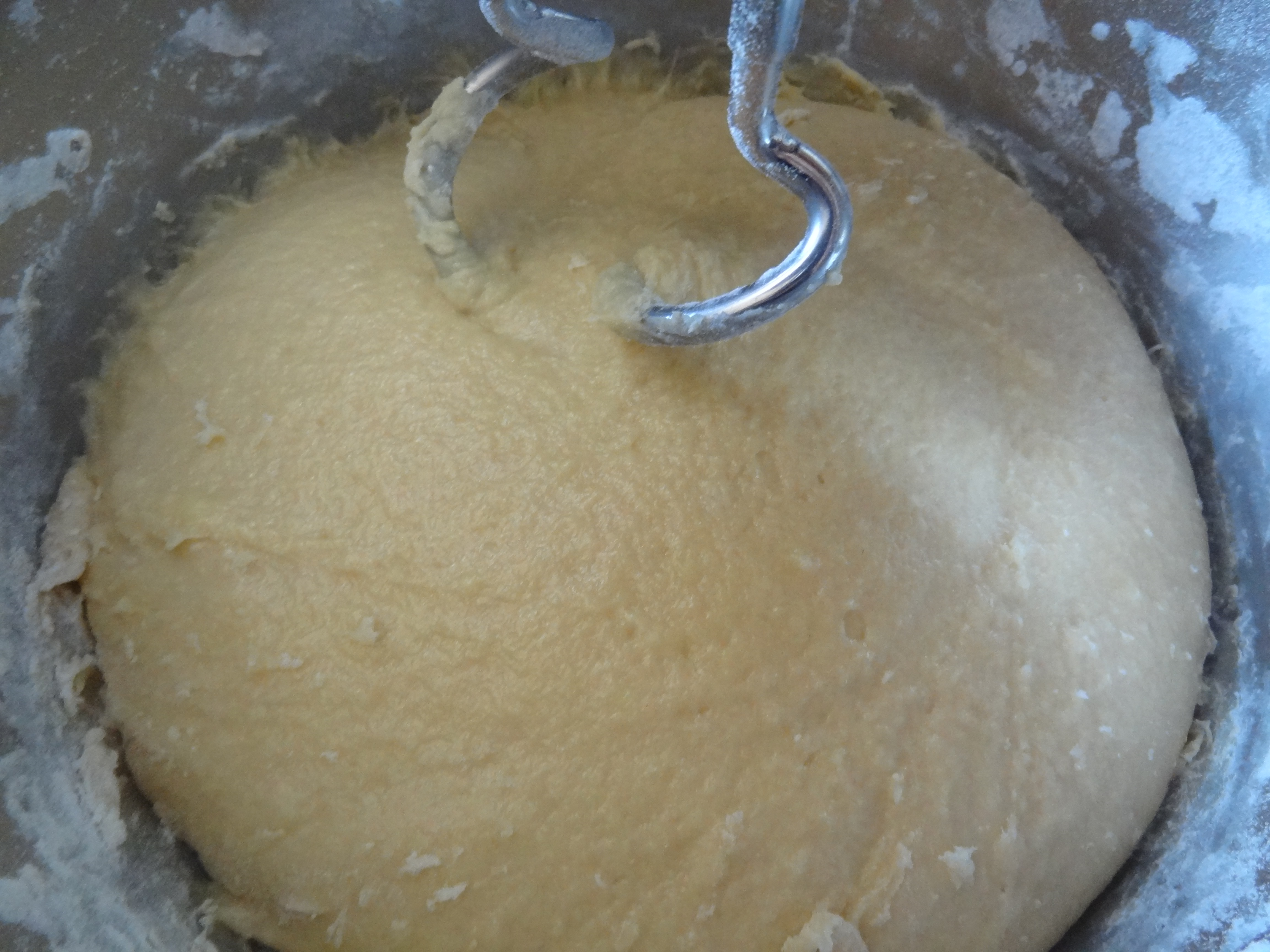
Begin adding the flour 1 cup at a time until it’s all incorporated. Use your dough hooks or your hands to knead for about 10 minutes. The batter should be very silky and smooth but not sticky. Add more flour if you find the dough sticky.

Remove dough from mixer, place on a floured surface and knead for about 5 minutes until it is smooth and soft.Place the dough into a large floured bowl and cover with plastic wrap and a warm towel. Let it rise in a warm place for 2 to 3 hours or until doubled.

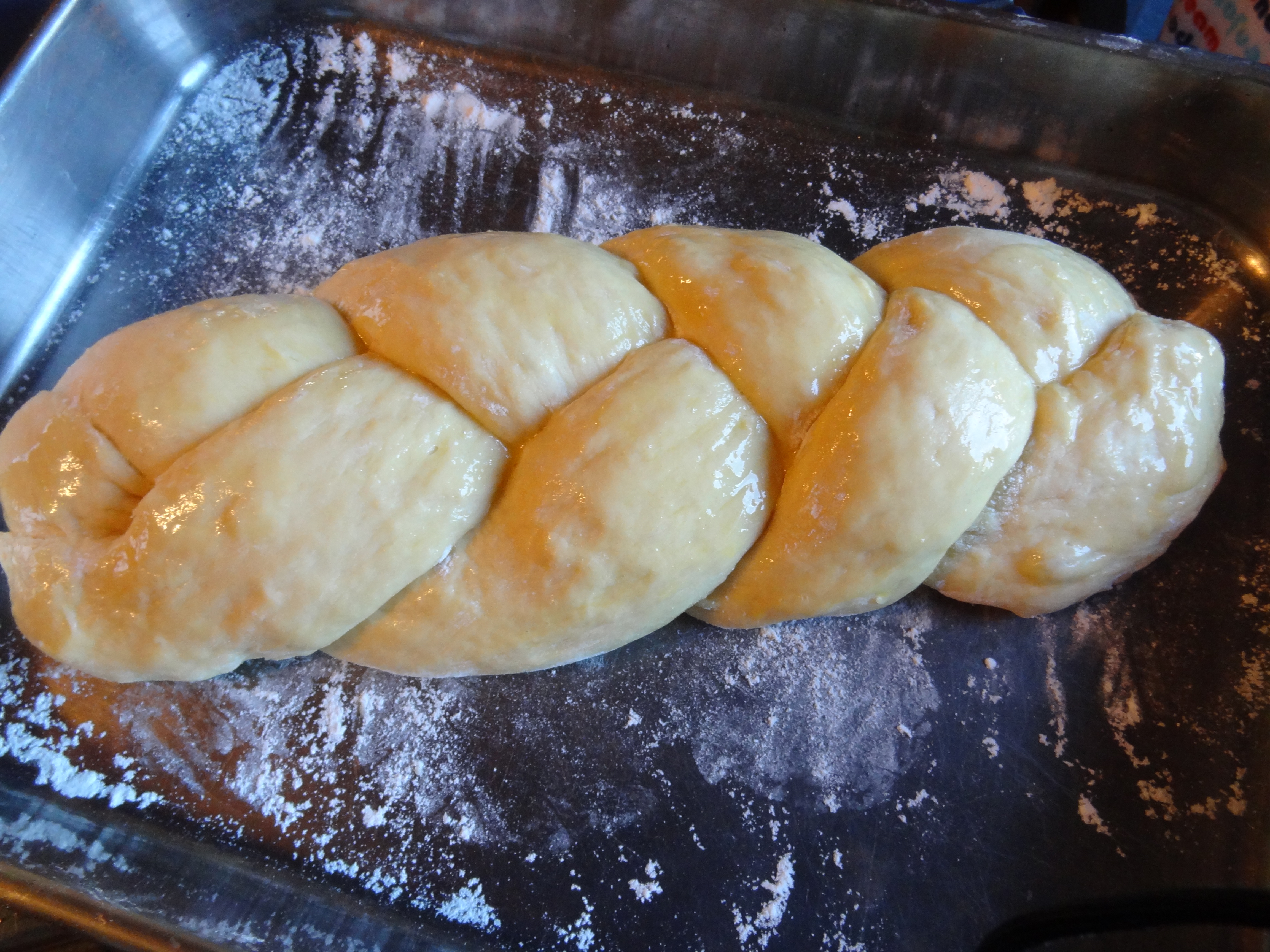
After the dough has doubled, punch it down and let it rise for 30 minutes longer. Place your dough on a floured surface and form your bread either into a braid, loaf or mini buns.

Let the dough rise for another hour or in a warm oven for about 20 minutes or until almost double.

Preheat oven to 325 degrees F.

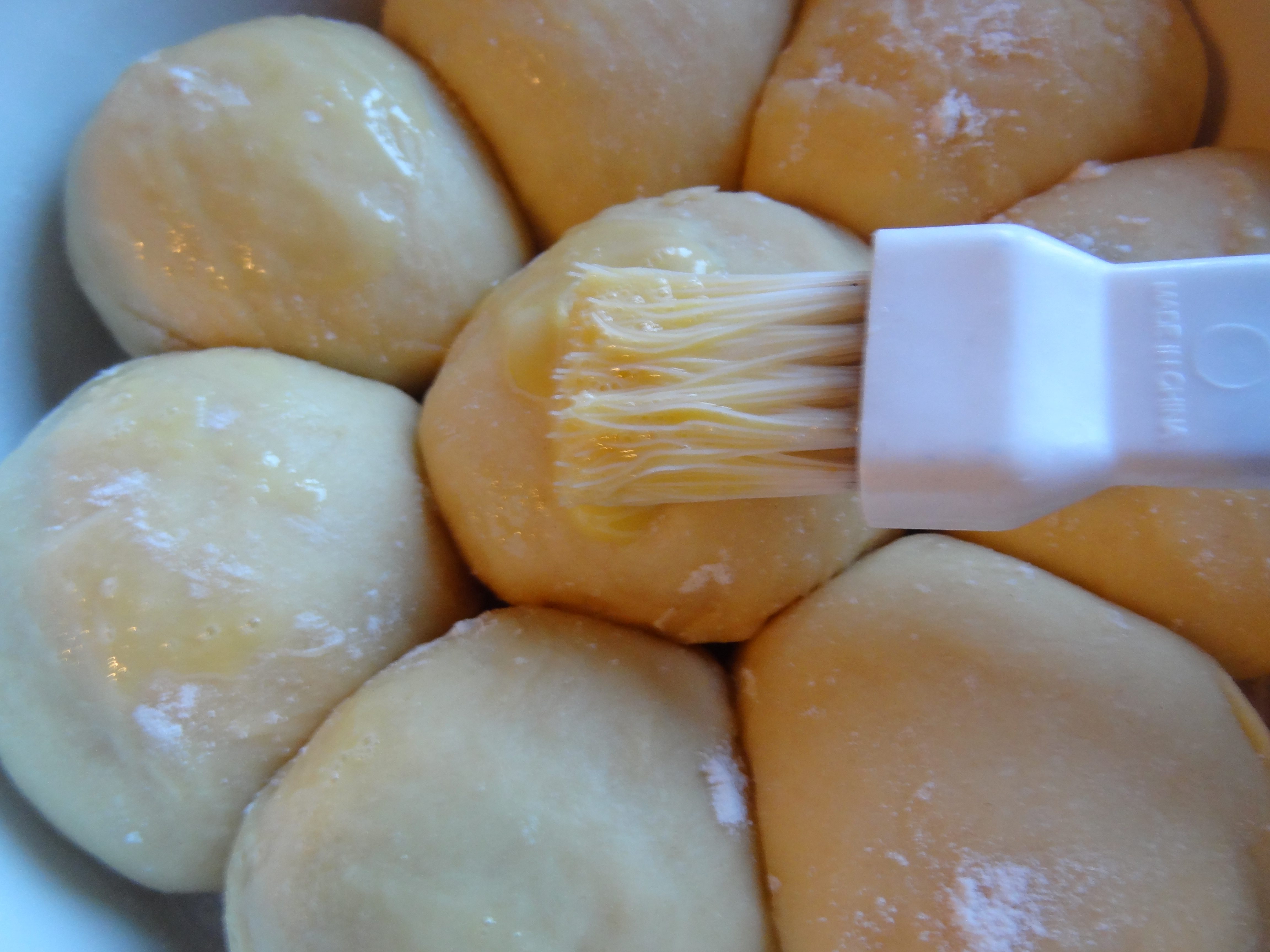
Brush tops of the bread with egg wash and bake for 30 minutes. After 30 minutes, turn the heat to 300 and cook for 30 minutes longer until the bread has a golden caramel color.

Note:: Do not over bake since it may get the bread dry.

Mini buns cook in less time, approximately 45 minutes.

You may find oven temps will vary, adjust accordingly.

Makes approximately 2 loaves, 1 large braid or 12 buns


pao doce - Portuguese sweet bread


Portuguese Easter Bread – Folar de Pascoa


“Folare da Pascoa” –  “Easter Bread” is a symbolic bread made for Easter celebrations.

There are many different versions of the bread made in the Christian, Catholic, and Orthodox communities around the world.

They all have the common theme of a cross, or Chris-crossed, shape made on top of the bread with dough to represent the crucifixion of Christ.

Sometimes eggs are baked inside the bread to represent rebirth or fertility.

In Medieval times eggs were exchanged to represent seasonal rebirth. When Christianity evolved, the eggs significance changed to represent the rebirth in man as Jesus Christ was reborn on Easter Sunday.

Chef Luisa Fernandes  Executive chef at Robert Restaurant/MOD Museum of Art & Design made these Easter Breads.  I was so happy that she gave me her recipe to share with you.

Watch the chef in a recent interview on Portuguese TV:


Recipe Folar de Pascoa by Chef Luisa Fernandes.

Ingredients:

4 cups flour
1 1/2 cups flour to begin starter dough
3/4 cup margarine
4 eggs
2 packages dry east
1 3/4 cups sugar
1 tbsp cinnamon
1 tbsp Anise seed
1 tsp salt
2 cups warm milk
crated rind of 2 lemons

Instructions:
In a large bowl dissolve yeast in a 1/4 cup of warm water. Add the 1 1/2 cups flour, knead well and set aside.
Mix dry ingredients together in a bowl. In a mixing bowl with a dough hook,  mix eggs and warm milk, margarine, then add dry ingredients and the prepared dough.

Continue mixing until the dough feels like soft bread dough.  Place dough into a large bowl that has been coated with flour, cover with saran wrap and a warm towel. Let the dough rise for about 3 hours in a warm area.

Meanwhile boil the 4 eggs in onion peels (yellow onions for golden eggs, red onion peels for red eggs) for about 10-12 minutes which will make them get a golden color. Set them aside. (This step is optional, you can leave out the eggs.)

When your dough has risen remove from bowl and place on a floured surface.

Divide the dough in half or quarters depending on how big you want to make each bread. Form into round loaves then place 1 or two eggs in the center.

Make a cross with at strip of the dough and place over the eggs.

Brush the bread with egg wash. Cook at 375 degrees for about 1 hour or until the bread is golden brown.
Watch Chef Luisa on Chopped


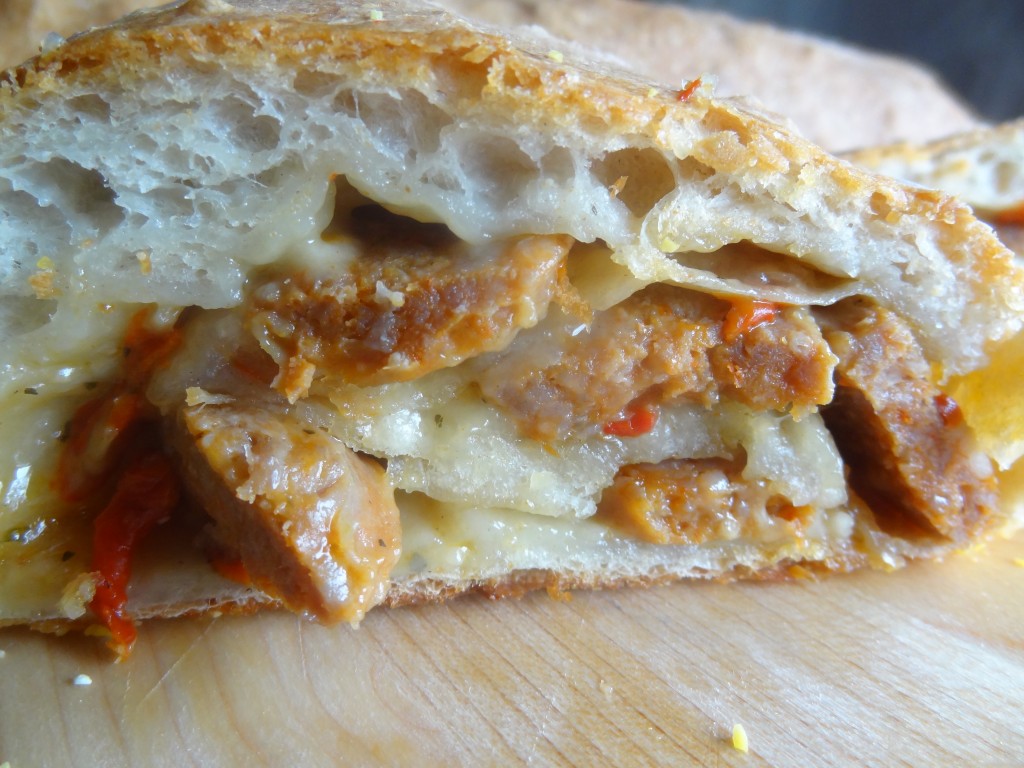
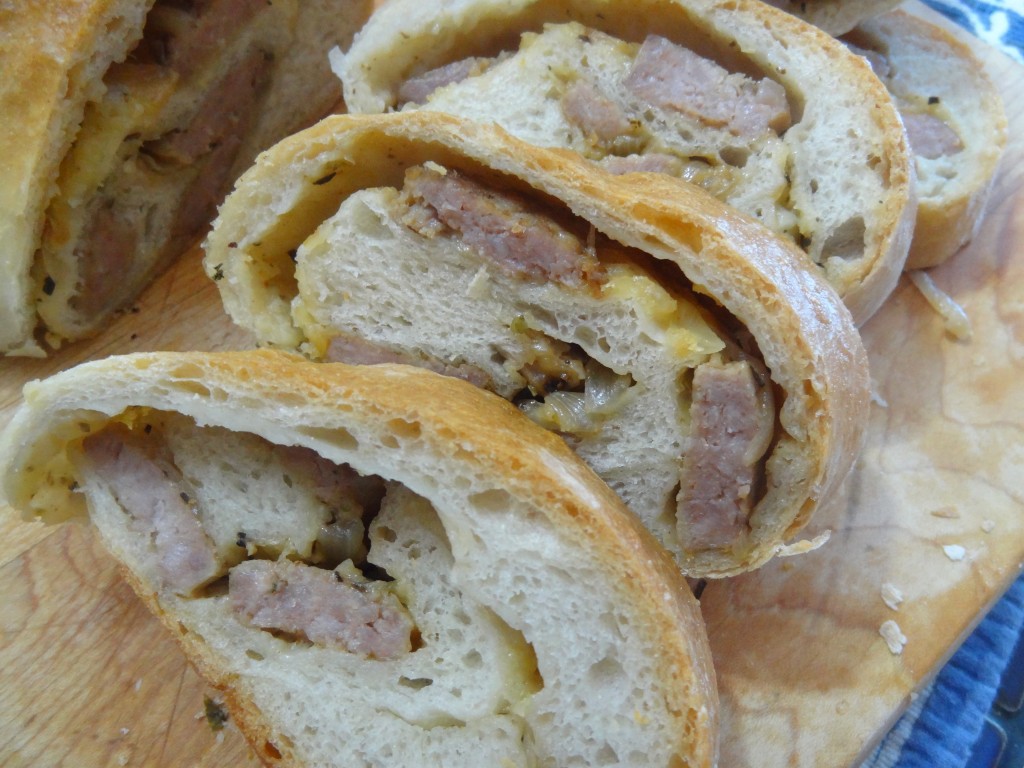
Chourica or Sausage Bread With Caramelized Onions and Peppers!

This bread is simply amazing and it will be one of favorite party foods! It’s savory, a little spicy and the crust is golden and crispy. You can use hot or mild sausage depending on your taste. You can also use Portuguese chourica or linguica. Pick up ready made pizza dough at your local supermarket or make it from scratch.

Ingredients:

2 pounds Hot Italian Sausage, Sweet Sausage or Chourico

2 large onions (sliced)

1 Roasted Red pepper (sliced)

2 pounds pizza dough

1 teaspoon oregano

1 teaspoon Italian seasoning

1 8 0z package of your favorite shredded cheese

Grated Parmesan cheese

Marinara Sauce (optional)

Instructions:

Put your pizza dough in a large bowl and let it rise for about 1/2 to 1 hour.

In a large skillet on high heat, add the sausages and 1 cup of water.  Bring to a boil piercing sausages as they cook until all of the water evaporates.

Turn heat to low and continue cooking sausages until they brown a little.  (Drain off fat if needed).

Add onions and peppers to the sausages and cook for about 5 minutes. Remove the sausages, slice and return them to the pan.

Cook for another few minutes until the onions are golden caramel colored. Add oregano and seasonings, stir and set aside to cool.

Meanwhile roll out the pizza dough to desired length for flat bread or you can make 1 large or 2 medium size breads.

Preheat oven to 400 degrees.

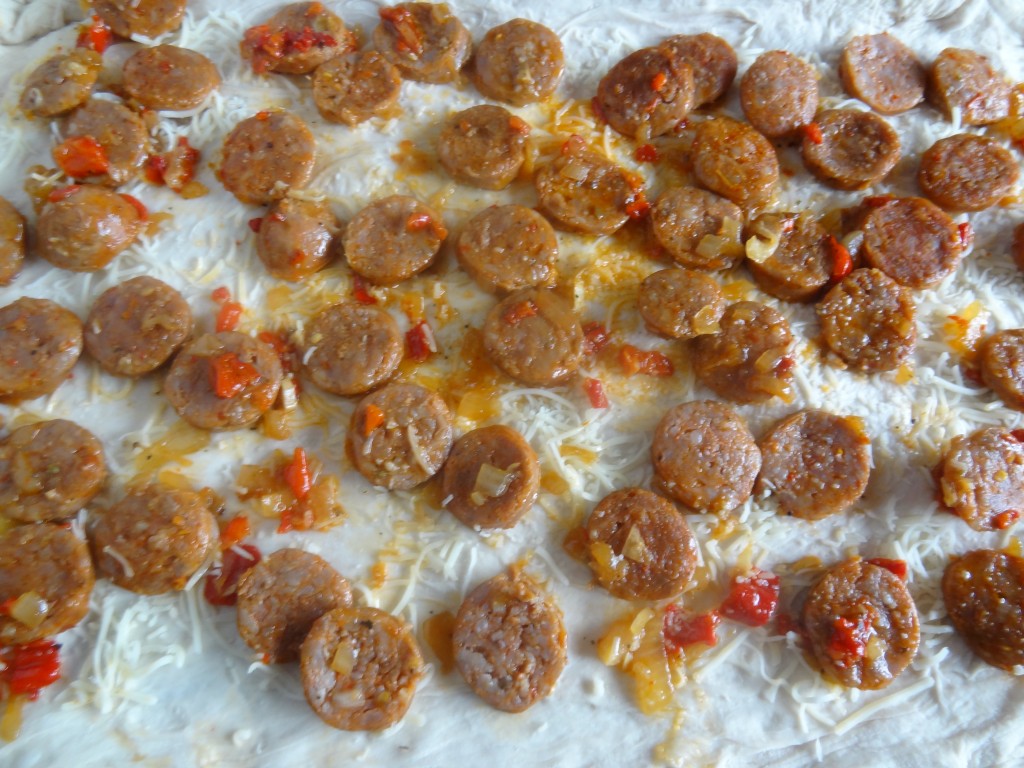
Spread the sausage and onions mixture evenly over the dough. Add cheeses.

Cook for about 20 to 30 minutes or until golden brown.

Note: Flat breads will take less time to cook, approximately 15 minutes.

Serve with or without Marina Sauce for dipping.

Enjoy!


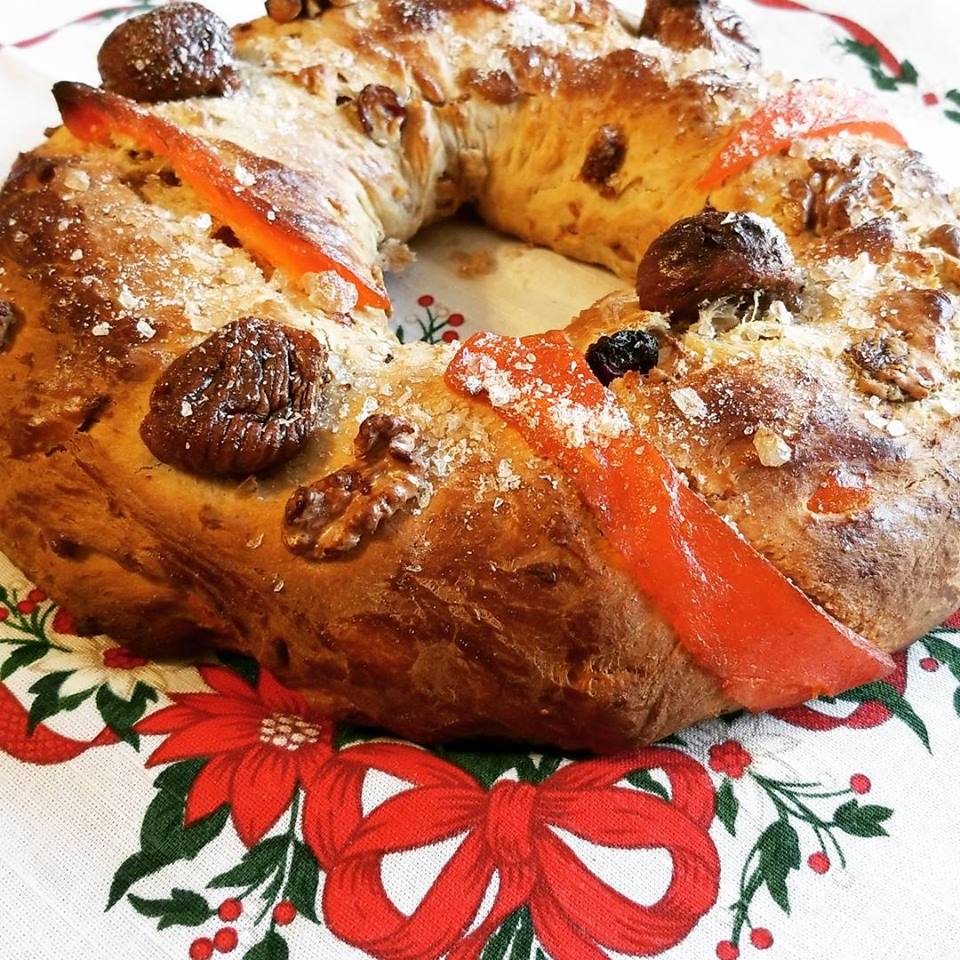
Bolo Rei – King of Portuguese Cakes

Bolo Rei is Portugal’s king of cakes. It’s traditionally eaten throughout the Christmas season, but mostly on January 6, the twelfth day of Christmas, which is known as King’s day.

The date is when the three kings arrived in Jerusalem to greet the newborn baby Jesus.  The legend is that the three kings were disputing which one of them would be the first to give their gift to Jesus. Upon their travels they met a baker who baked a cake with a bean inside it.

Which ever one of them got the slice of cake with the bean would give their gift first. Through the years coins and trinkets were added to the cake instead of the bean which would bring good luck upon the bearer. The cake without the fruit on top is often called Bolo da Rainha! My recipe inspired by Cascaistravel.com. Enjoy!

The cake was introduced to Portugal by the Confeitaria National bakery run by the Casteneira family for over 100 years.

Visit the website for the history of the origin of the recipe at confeitarianacional.com.
Watch the video of the famous bakery at: www.portugaldailyview.com/portuguese-christmas-cakes

Find the recipe in my Taste Portugal More Easy Portuguese recipes cookbook. Order on Amazon below:

Ingredients:

Yeast

2 tbsp active yeast
2 tsp granulated sugar

1 tablespoon flour
1/3 cup warm water

Dough

1 cup finely chopped assorted crystallized fruit NOTE: (I used dried apricots, dates, and raisins in my cake)
1/2 cup seedless raisins
1 teaspoon  finely grated lemon rind
1 teaspoon finely grated orange rind
2 tablespoons port wine
2 tablespoons rum

1 teaspoon salt

1 and 1/4 stick butter (10 tablespoons)
1 cup granulated sugar
3 eggs
2 egg yolks
5 cups all purpose flour
1/2 cup warm milk

1/4 cup chopped almonds
1/4 cup chopped walnuts

Topping

crystallized fruit of your choice, such as pineapple, cherries, or figs
1 egg for egg wash
confectioners sugar


Instructions:

Prepare the yeast mixture

In a small bowl mix together the yeast, sugar and flour and warm water. Stir and let sit for a few minutes for yeast to dissolve and activate.

For the Dough

In another bowl add the chopped crystallized fruit, raisins, grated lemon and orange peel, port wine and rum. Leave the fruit to soak up the liquid while you prepare the dough.

In a large bowl beat the butter and sugar together with an electric mixer until smooth and creamy. Beat in the eggs and egg yolks one at a time. Gradually beat in the flour and the milk. Then add the yeast mixture to the dough.

Add the almonds, walnuts and pine nuts and the crystallized fruit mixture.

Lightly mix in more flour as needed to create a sticky bread like dough.

Cover and leave to rise in a warm place for about one hour or until it has doubled in size.

Take the dough and knead for about one minute, then shape into a round loaf and place on a greased baking tray.

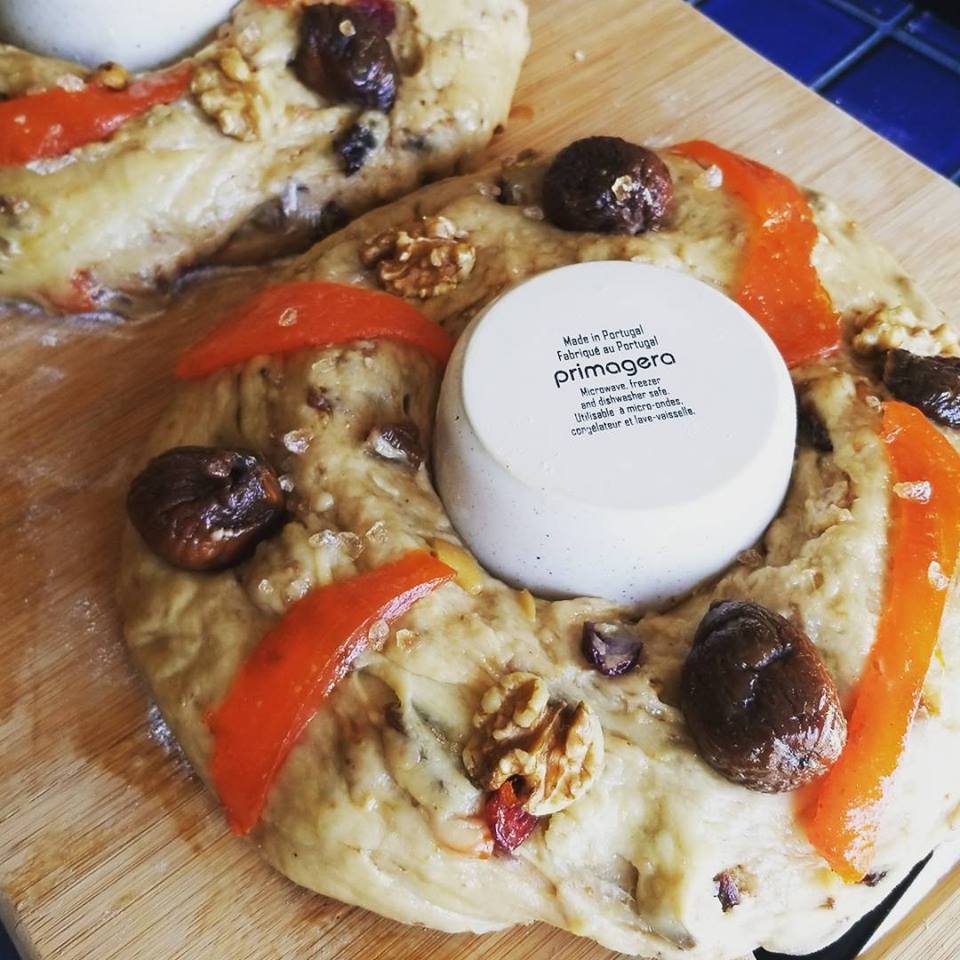
Using your thumbs, open up a hole in the middle of the dough so that you are left with a wreath shape, or crown. I used a greased and floured ramekin and placed it in the middle of the wreath to form the wreath.

Note: To add the surprise: Make a hole with a knife on one side of the wreath and push the wrapped broad bean into the dough. Choose another spot on the wreath, make a hole with the knife and push the wrapped coin into the dough.

Topping

Decorate the wreath with a few crystallized fruits. Beat the egg and brush over the wreath. Cover and let rise in a warm place for about one hour or until it has doubled in size.

Remove ramekin and bake in a preheated over at 375 degrees F for about 40 minutes or until golden brown. Cool and dust with powdered sugar.


Portuguese Homestyle Bread – Pao Caseiro

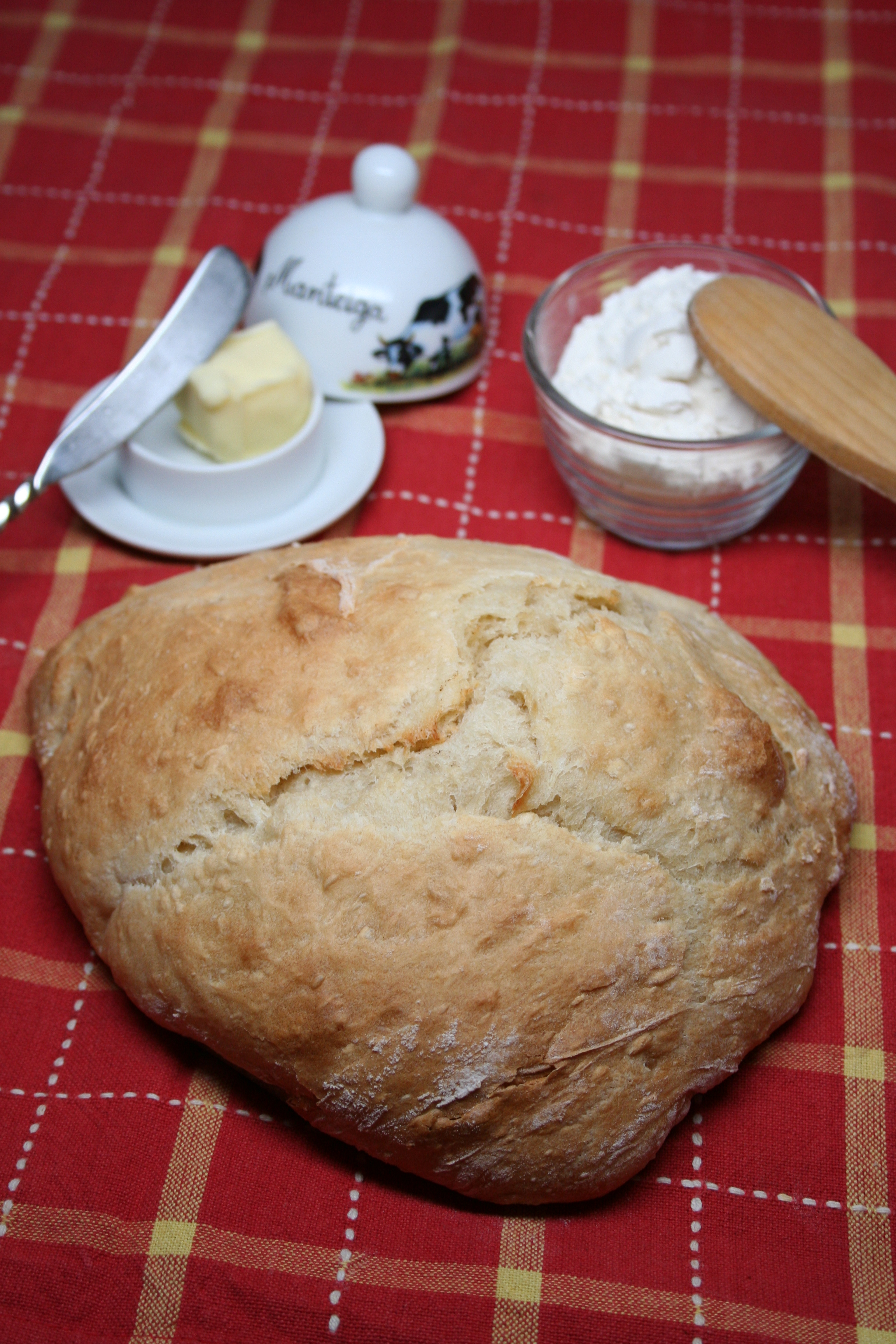
When one of my friends Miguel, who loves to cook Portuguese food, sent me his recipe for Pao Caseiro.

This is his photo of his bread and the wooden spoon he uses to mix the dough using only one mixing bowl. “I never get my hands dirty” he said.

“I grew up watching my mother and her friends cooking, especially deserts. Fortunately she always involved me and my brother in the cooking … and the favorite task was “rapar os tachos, especially the dessert ones! Before moving to the United States in December 2001, I  asked my mother to write down my favorite recipe from her. Once in the states I really started missing the desserts and the cooking.Taking advantage of my mother in laws visits to the US, I asked her to teach me how to make bread, plus trouxas de ovos, and over time I started to adapt it and learned from my mistakes.

The secret “orange” ingredient in this Pao Caseiro recipe, was discovered watching a you tube video about pao caseiro da Vidigueira, Alentejo. And a curious fact … my mother was born in evora, so I do love pao Alentejano and grow up with acordas, sopa de cacao e soupa de ovo com pao.”

I made the bread last week and it was delicious of course. I ate far to much of it. So now, I’m  happy to share with you.

The next day, I told him that I loved the recipe and that I couldn’t stop eating it! Miguel said he loves it too, especially toasted with butter for breakfast.

Miguel was born in Leiria Portugal and lives in NY with his family. He works  AICEP Portugal Global – Portuguese National Tourist Office. A few years ago Meridith Vieira of “The Today Show” had segment on the show which documented her visit to her  family’s ancestral home in the Azores. Miquel was her quide. Meredith-vieira-azores .

The video is very interesting and we can all relate to it.  This is Meredith’s last week on “The Today Show” and we wish her the best. Merediths last “Today Show”. Miguel is also in this video sitting with Meredith at the Vieira Cafe.

Enjoy the recipe…and let me know how it turns out:).. Tia Maria

P.S. Thanks to Miguel for a great bread recipe!

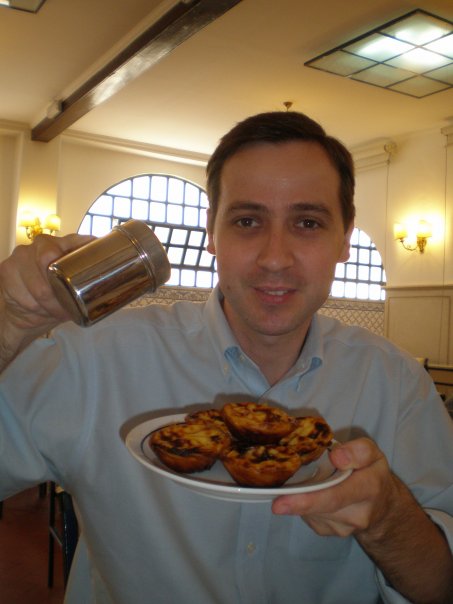
Here’s a photo of Miquel enjoying Pasteis de Nata in Belem, Portugal.


Pao Caseiro

Ingredients:

7 cups white flour

2 tsp spoons sea salt

2 tsp (pkg)  granulated active dry yeast

1 tsp regular sugar

½ cup orange juice

½ cup milk

2 1/2 cups of hot water


Instructions:

Dissolve the sea salt in the water.

Put the flour in a large bowl and add the yeast, sugar, milk, orange juice and the salted water.

Mix all the ingredients with a wooden spoon until you form soft dough. You can use your mixer with a dough hook, or use your bread machine on dough cycle. If dough is still extremely soft add more flour.

Cover the bowl with a warm cloth and let it rise for at least one hour or until it doubles in size.

Flour your hands; place the dough on a floured surface. Knead the dough for a few minutes and separate into 2 parts

Pre heat oven to 400 degrees.

Form the dough into round loaves and place on a lightly floured sheet pan. Let dough rest for 15 minutes.

Cook for about 30 to 40 minutes or until a dark golden crust forms.

Take bread out of the oven and tap with your knuckles. If you hear a hollow sound, the bread is cooked.

Remove bread when fully cooked and serve warm with butter.


Zucchini Corn Bread

Hi Friends….It’s zucchini season….

My garden is doing great this year and I hope yours is too.

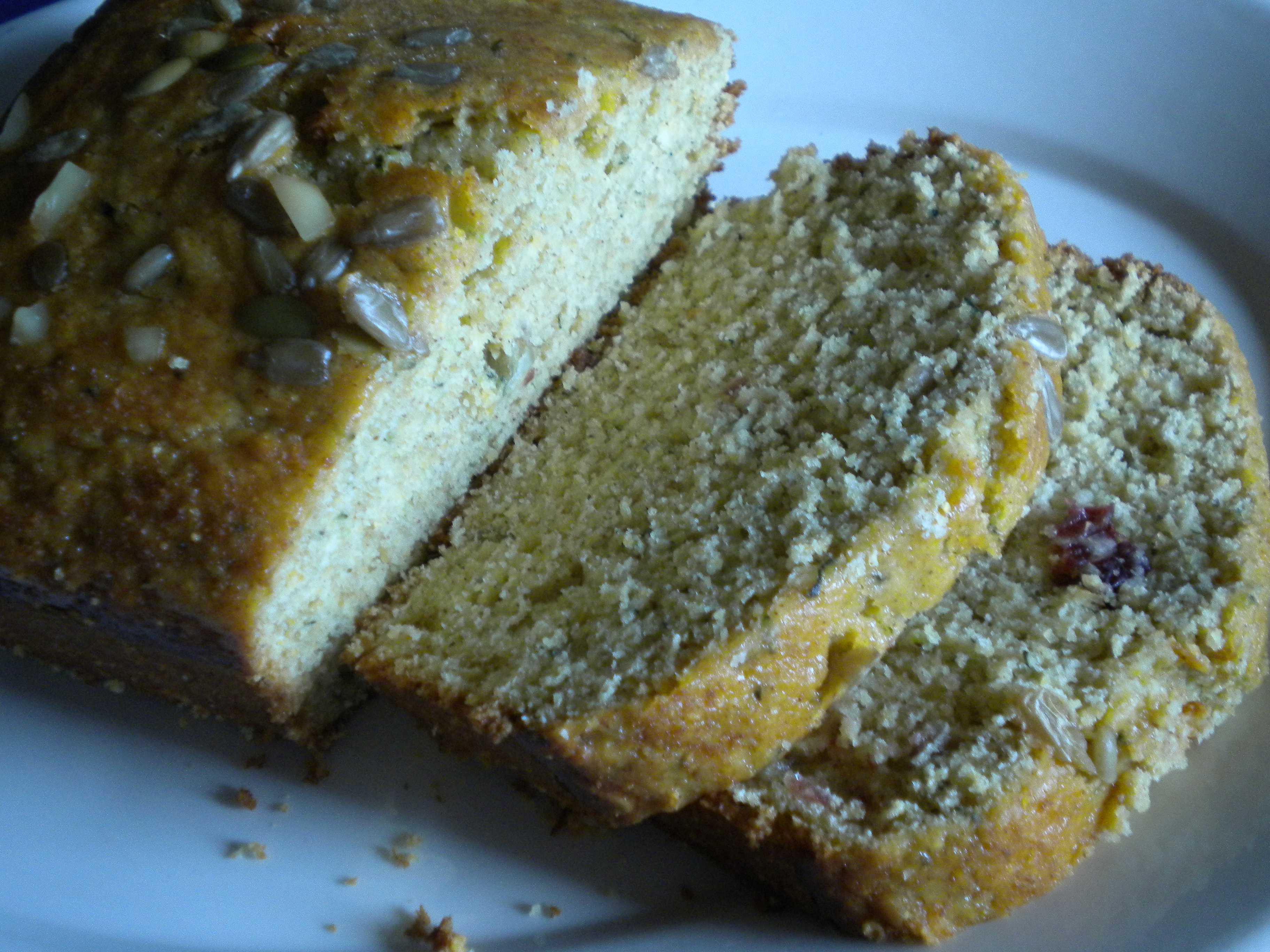
I have a huge bounty of zucchini so I’m sharing my Zucchini Corn Bread Recipe with all of you.  This recipe is easy to prepare, and it uses basic ingredients in your pantry. It takes no butter or oil, so it’s low fat.  I used lemon yogurt for moistness.

Go out to your local farmers market and get some zucchini……

Ingredients:

2 packages Jiffy Corn Muffin mix

1 cup flour

1 cup sugar

3 eggs

3 cups shredded zucchini

1 tsp lemon juice

1 tsp crated lemon peel

1 tsp cinnamon

1 small container plain low fat lemon yogurt

1 cup mixed chopped nuts and dried berries ( any variety)

I used chopped dried cranberries, sunflower seeds and almonds.

Makes 2 loaves

Mix : eggs and sugar until sugar is dissolved then add the zucchini, lemon juice, lemon peel.

Mix dry ingredients(flour, corn mix, cin, )

Add the dry ingredients to the zucchini mixture.

Add 3/4 cup of  the nuts and all the berries and mix well

Pour into 2 greased loaf pans

Sprinkle remaining nuts on top of the batter

Cook for about 45 minutes at 350 degree or until golden brown

Let cool before serving.

Bye, Tia Maria