Category: Traditional customs

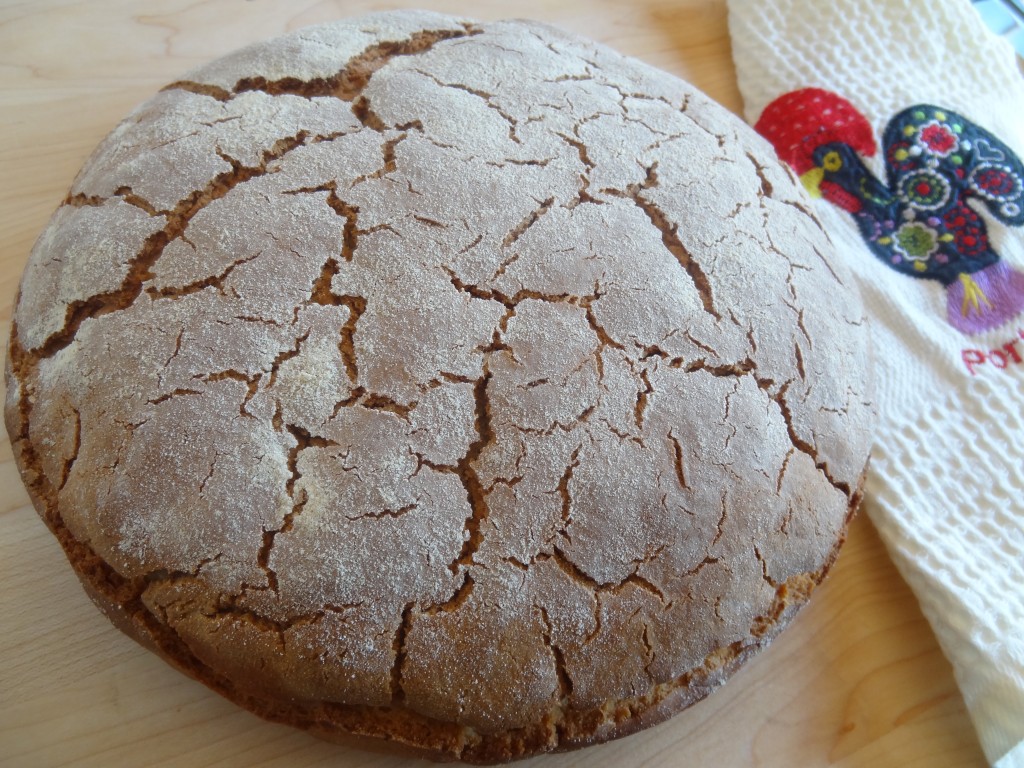
b Broa – Pão de Milho – Portuguese Corn Bread

The dog wags his tail, not for you, but for your bread.
Portuguese Proverb
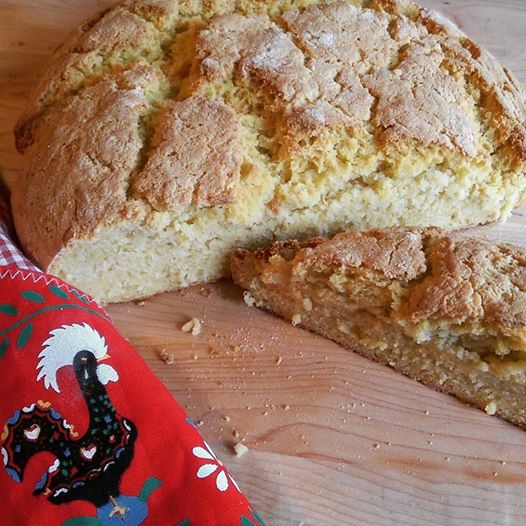
Pão de Milho, is my favorite of all the classic Portuguese breads. This artisan style bread is usually made with both Corn and Wheat flour and originated in the Northern region of Tras os Montes, Portugal.
What is unusual about this baking process it that you initially use scalding hot water to pre-cook the corn flour before you add in the regular flour. This is called pre-gelatinization of the corn meal, kind of like cooking polenta.
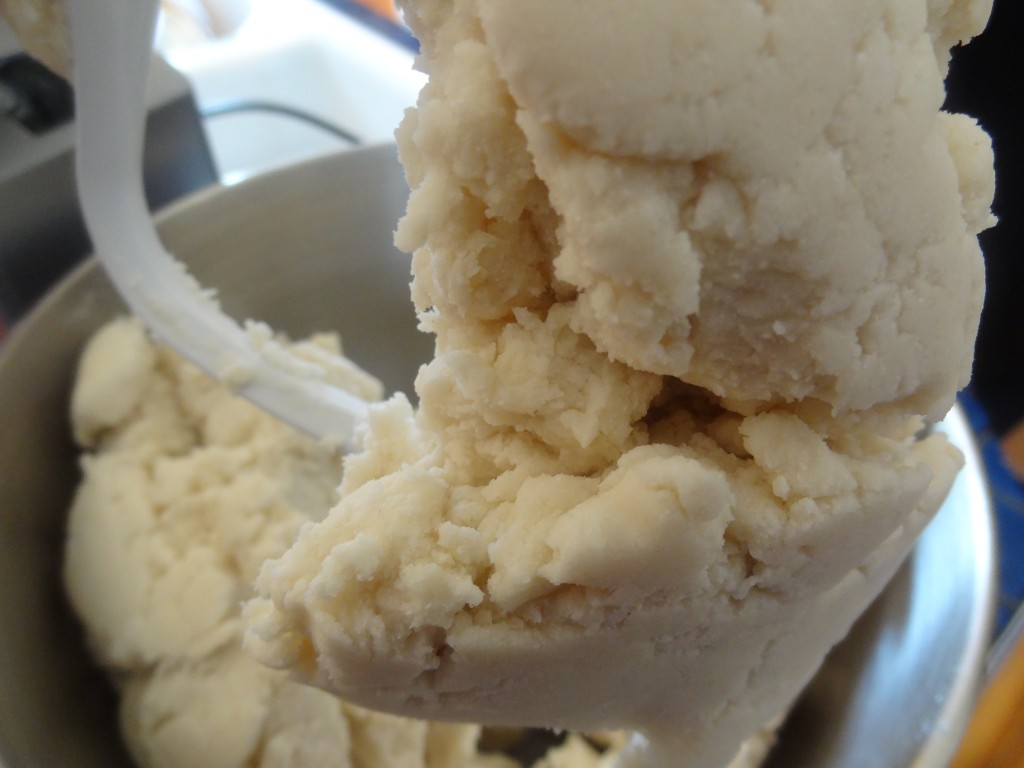
This process speeds up the cooking and leaves a less sticky dough. Once the corn flour and water mixture cools down you add the flour and finally the yeast.

The dough is placed in round shaped pans to form the bread. There is no need to let the dough rise for hours like most bread doughs.

Serve with the classic  Caldo Verde soup or with a Portuguese Antipasti Platter which includes presunto, and various cheeses for a truly authentic presentation.

Watch the videos at the end of this post to see the old world traditions of making this bread.

Makes 1 corn bread

Ingredients:

3 and 3/4 cups of white corn flour (you may also use fine yellow corn flour)

3 cups of flour

3 cups boiling water

1 tablespoon melted butter

2 teaspoons sugar

2 teaspoons salt


Yeast Starter:

1/4 cup warm water

1/2 teaspoon of sugar

2 teaspoons powdered yeast

1 tablespoon of flour

Instructions:

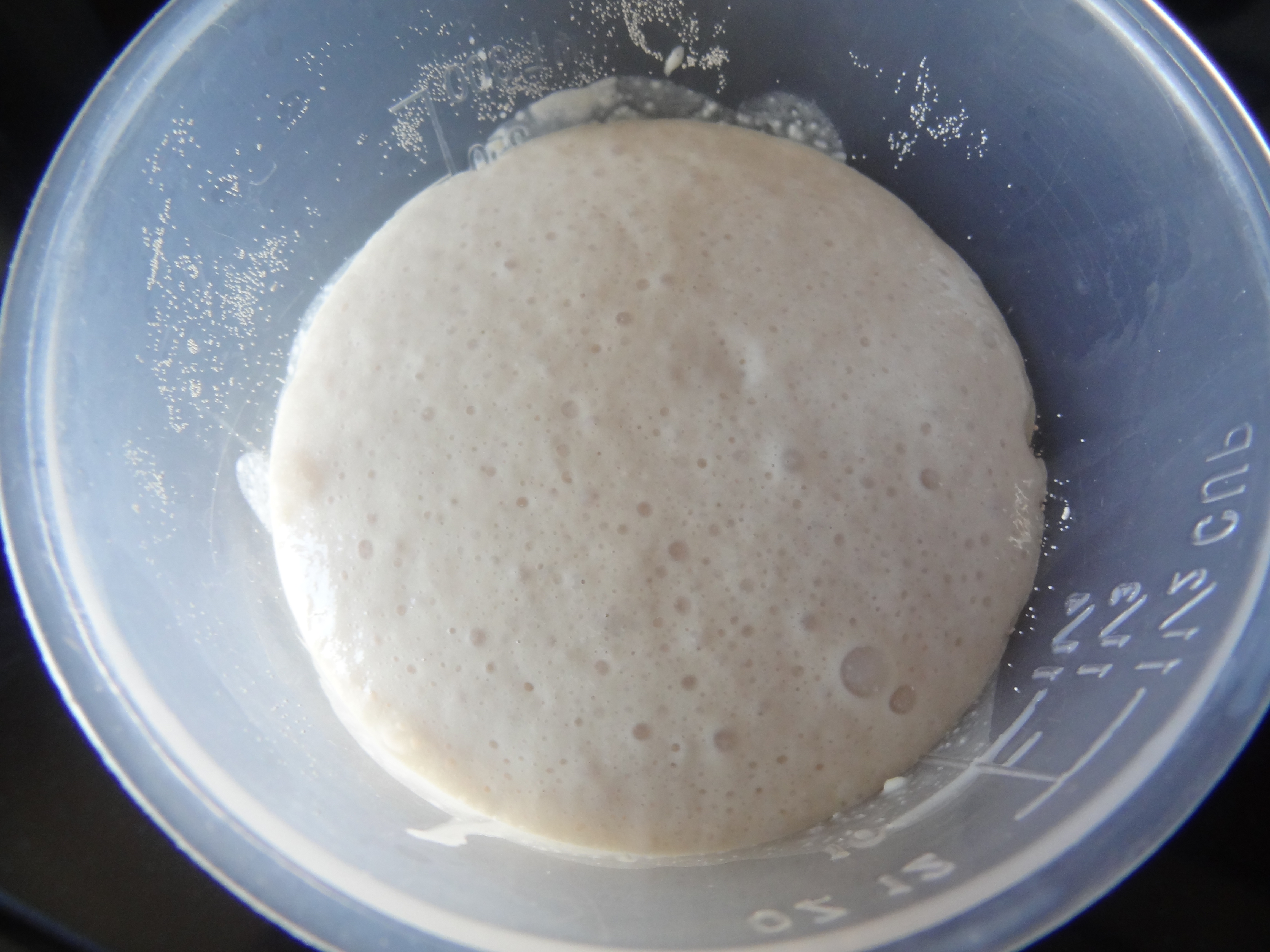
Make the yeast starter and set aside.
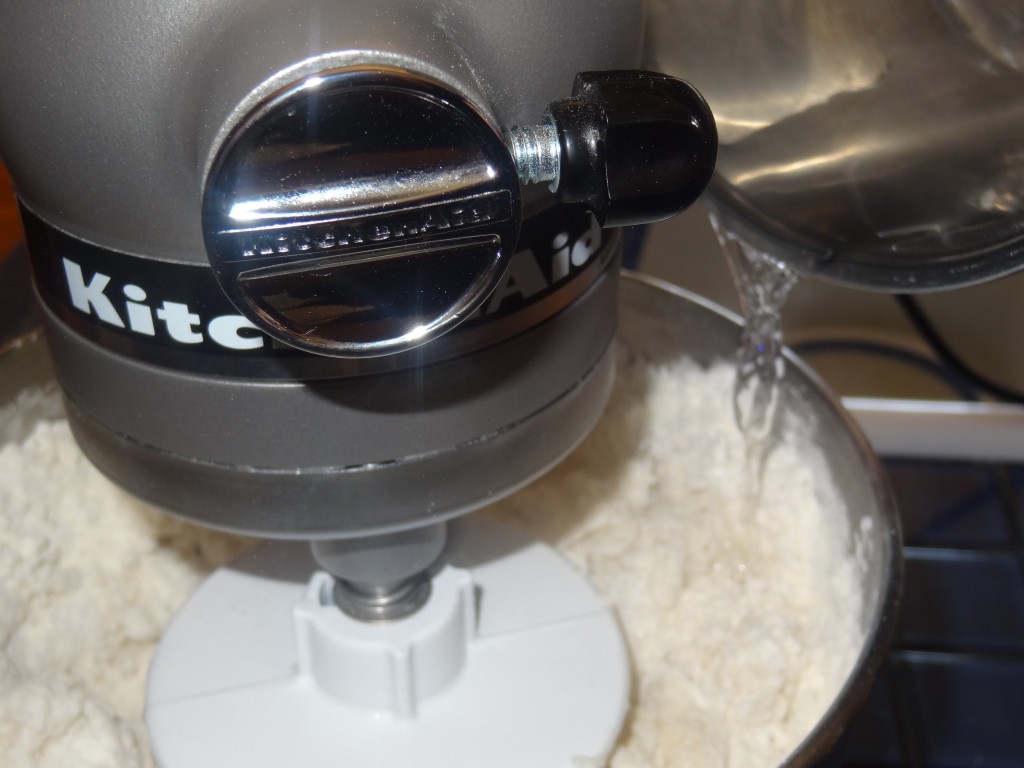
Place the corn flour in a mixing bowl and add the boiling water butter, sugar and salt. This will start the cooking process of the corn flour.

Mix well with a dough hook or with your hands if the dough is cool enough to handle. Let the dough rest for about 5 minutes and add the flour a little at a time.

Add the yeast mix and knead until the dough is smooth and can be shaped into a ball.
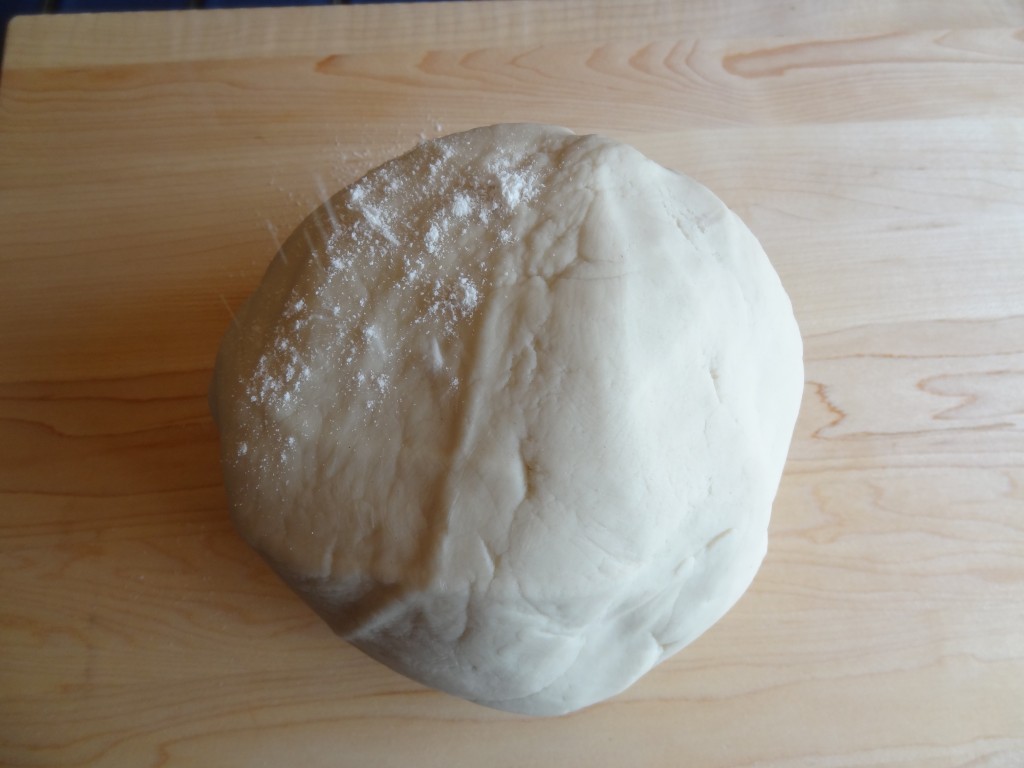
Place dough on a floured surface and shape into a ball. Coat the top of the dough with corn flour.
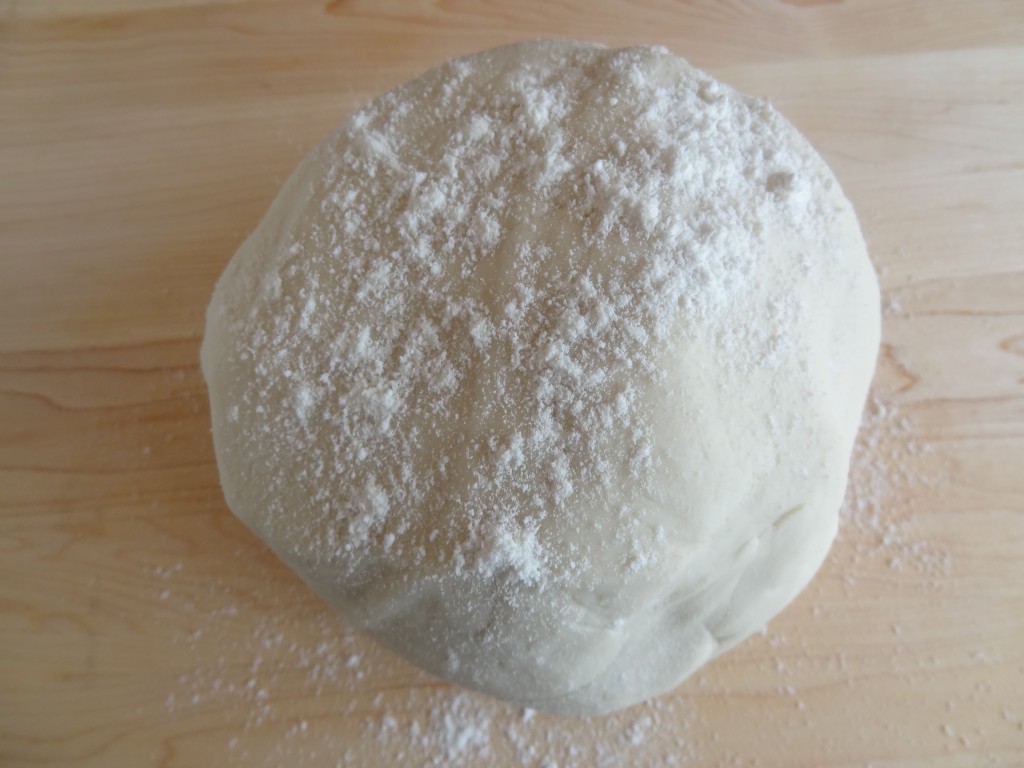
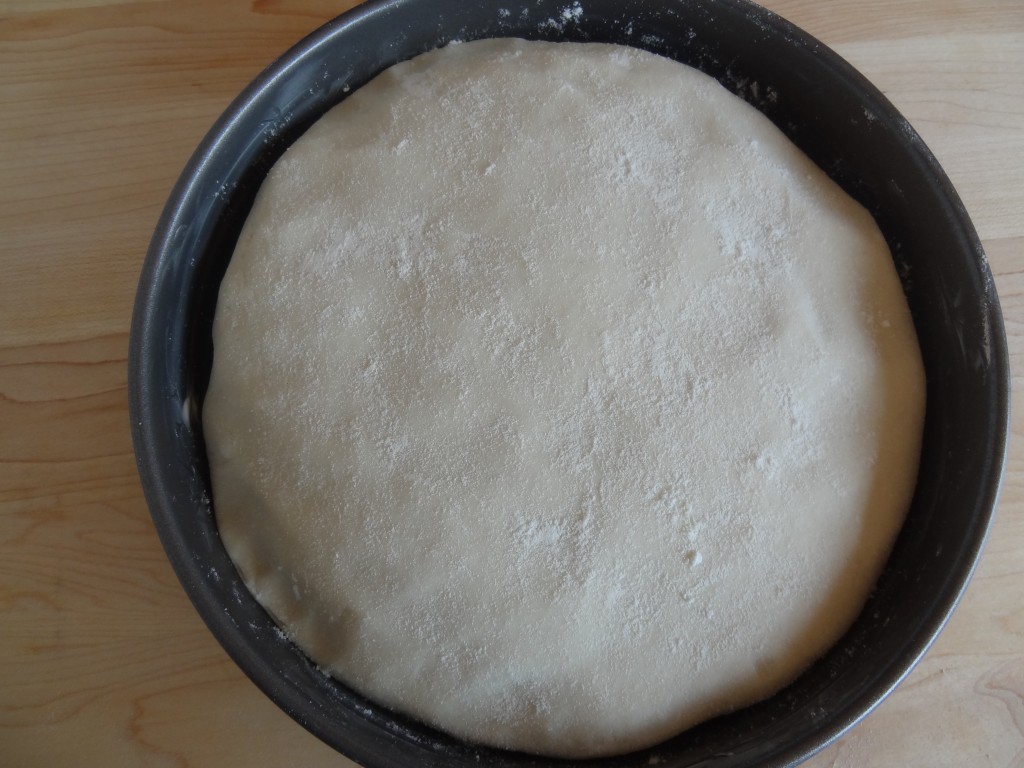
Form the dough into a flat round shape and place in a greased cake pan or pie plate.

Meanwhile preheat oven to 450 degrees. Let the dough double in size for about 30 minutes or longer.
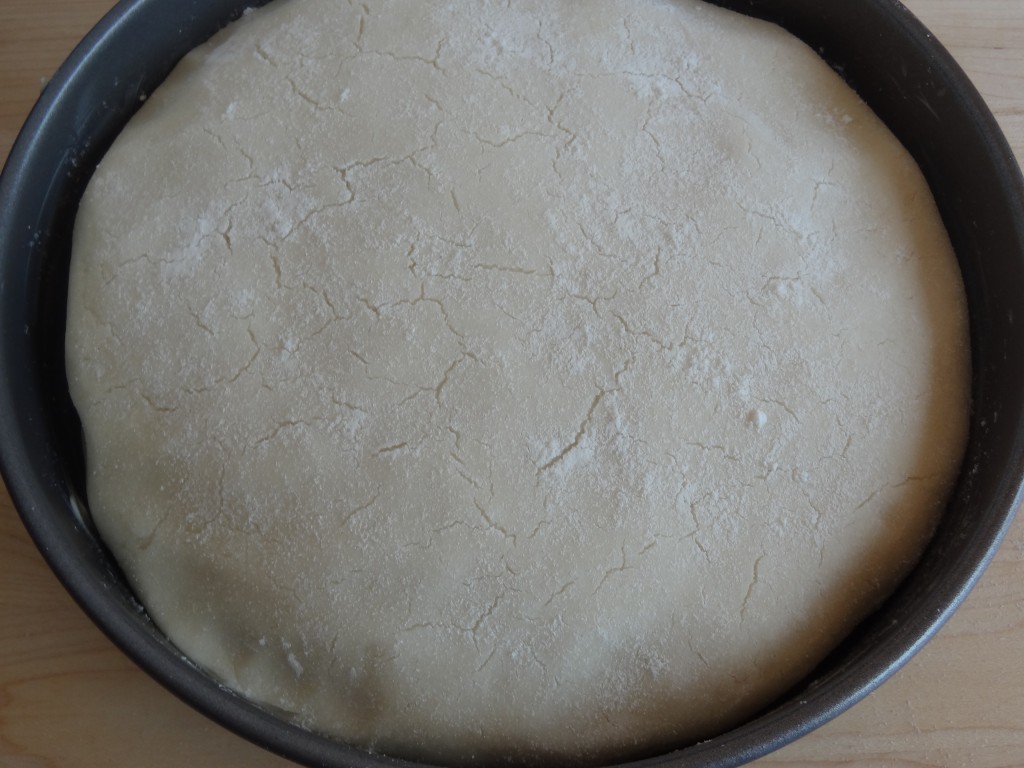
You’ll  notice the cracks forming on the dough but that is what gives the dough an artisan appearance.
Cook for about 45 minutes until the crust is dark. Hit the bread with your knuckles and listen for a hallow sound. You may need to cook the bread longer depending on your oven since temperatures vary.
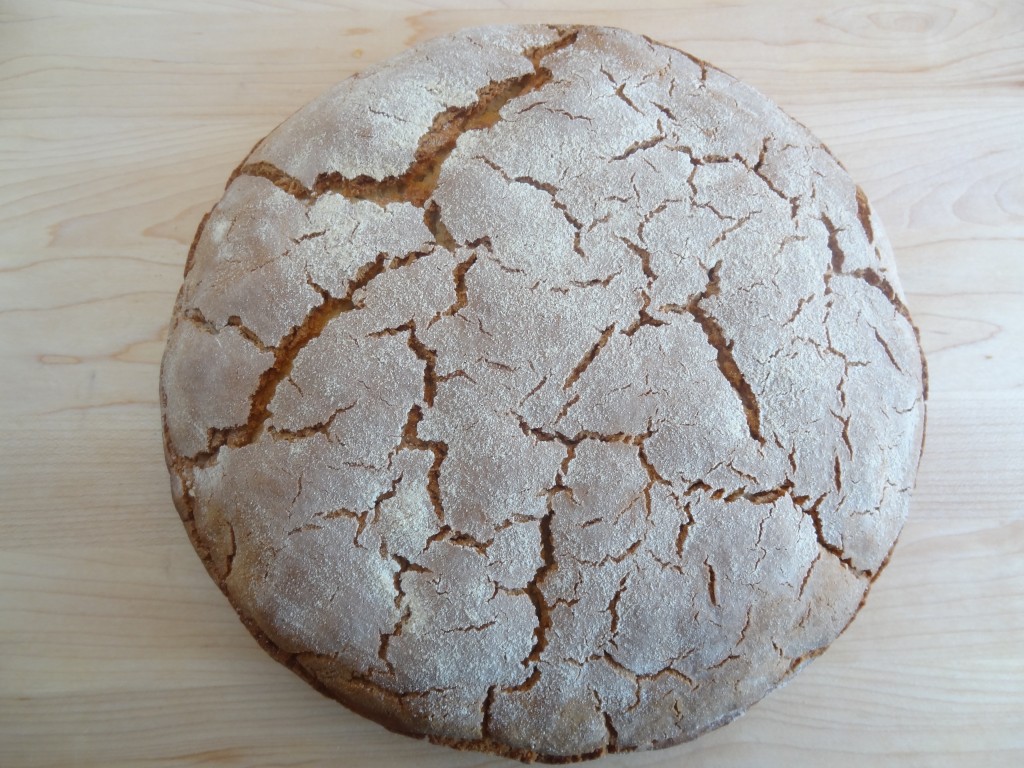
Let cool before slicing. The bread will be very crusty. If you want a softer crust, place the cooled bread in a food safe plastic bag for a few hours.
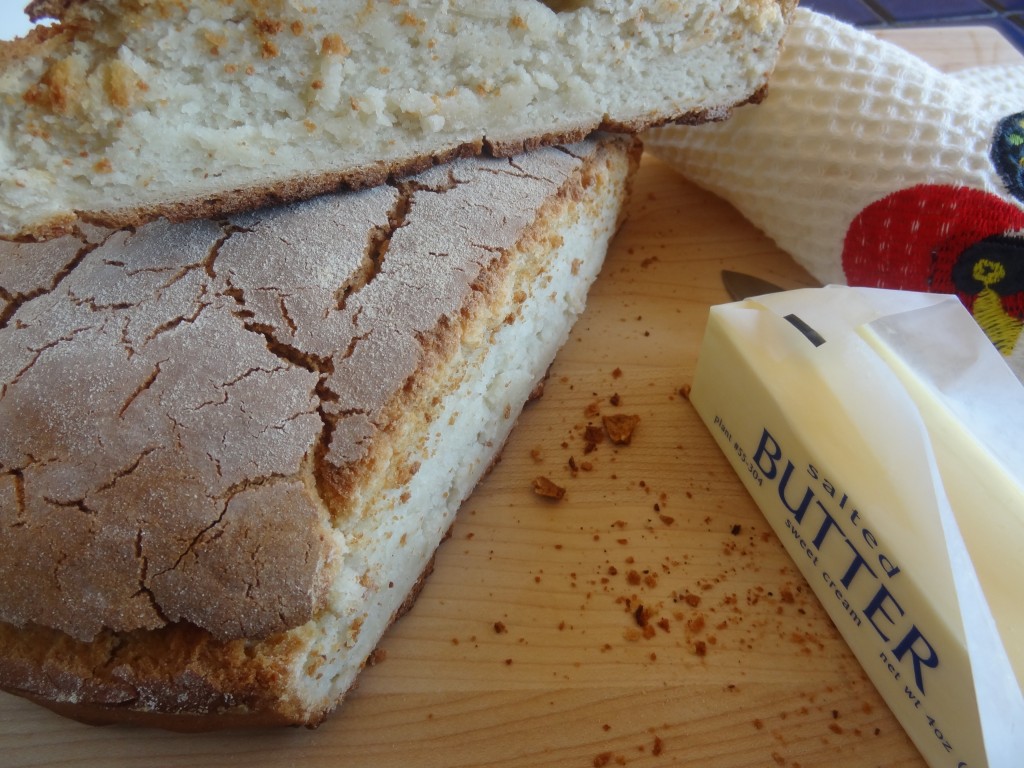
I wish you could taste it with that melted butter!
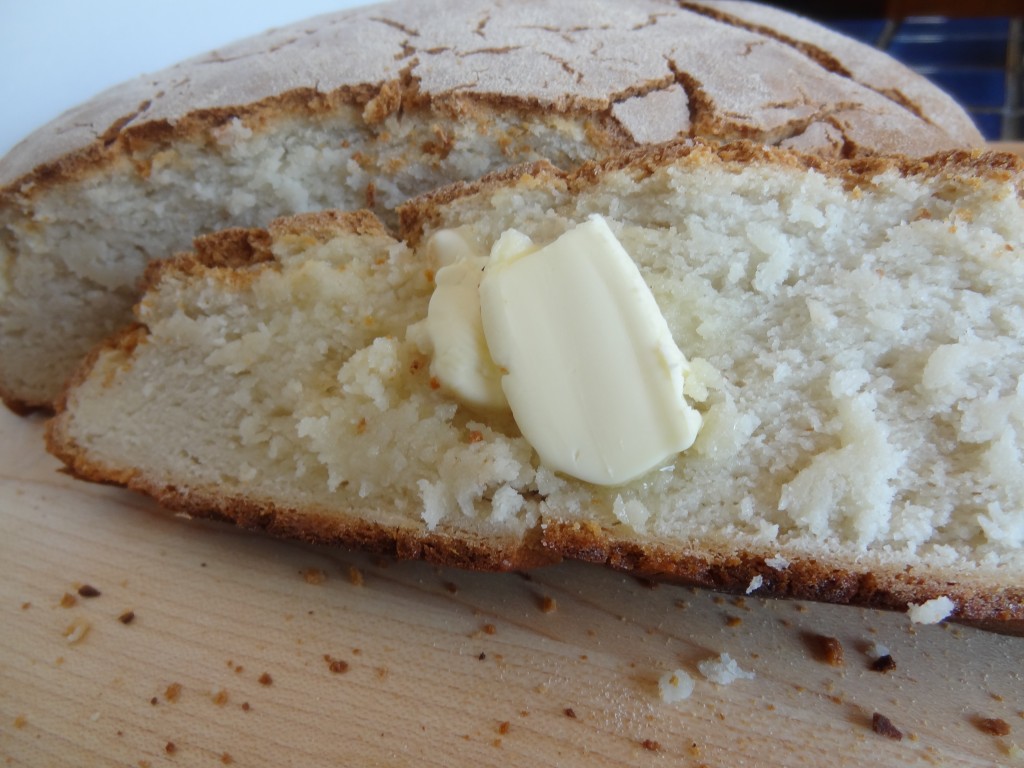
Watch this video to see the old process of making Pao Milho and cooking it in a wood fired oven.

Making Pao de Milho old tradition Part I

Part II

Part III

Part IV
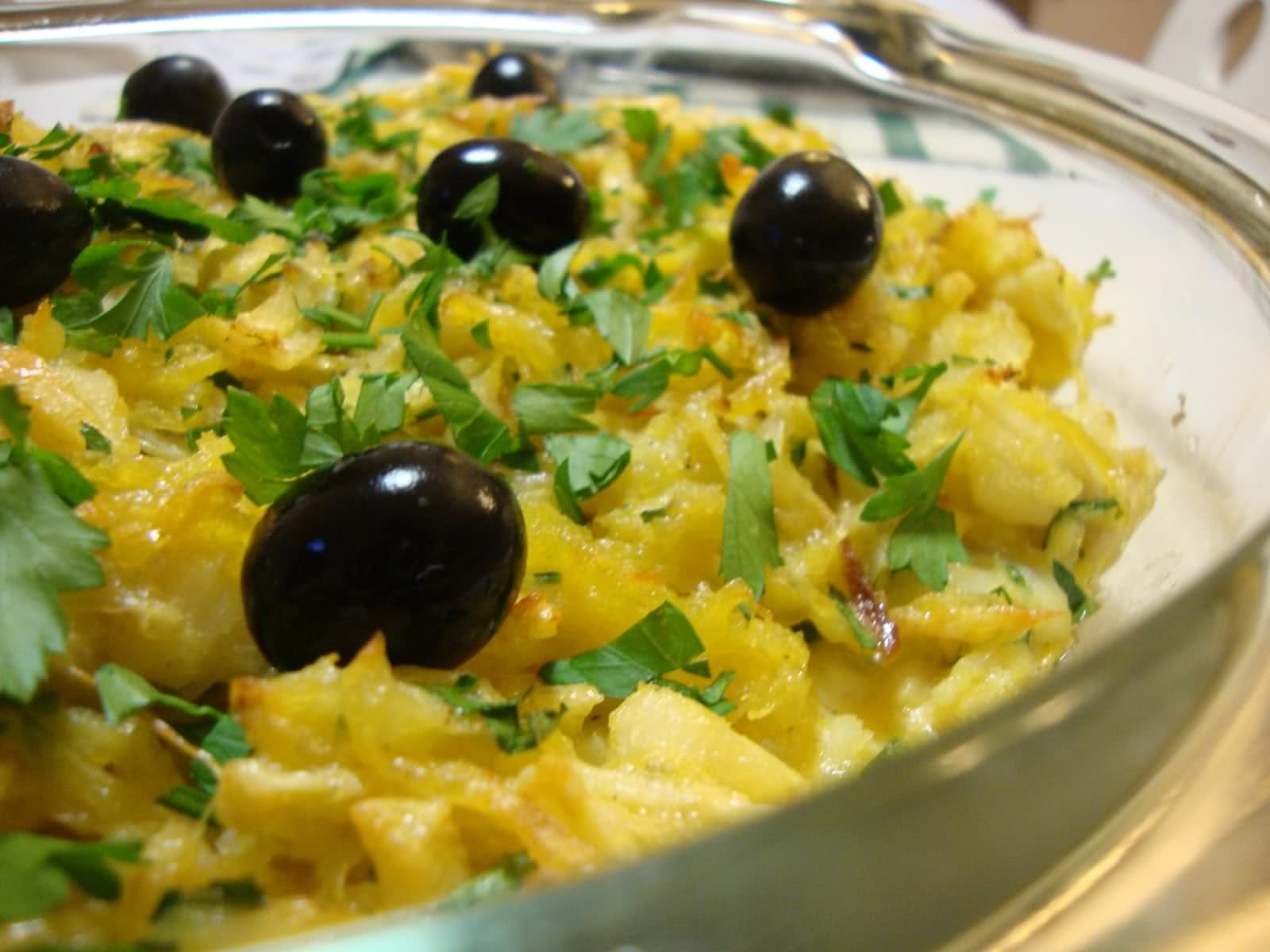
Bacalhau à Brás – Cod Fish and Egg Scramble

image credit: http://bacalhautuga.blogs.sapo.pt/2004.html

This video for the recipe of Bacalhau à Brás, (Cod Fish with Potato Sticks) by Michelin Star Chef Jose Avillez  is from Taste Portugal. The recipe for this dish is said to have originated hundreds of years ago in the Estremadura (meaning extremities), the coastline region of central Portugal known for its consistent wind and ocean waves. The Chef’s restaurant, Belcanto, Lisbon Portugal has been awarded a Michelin Star for 2013. Congratulations to the Chef!

This popular Euro windsurf and surf destination has great beaches which has hosted many surf championships including the IFCA wave championships.

It’s interesting to note that last month,  The Guinness World Records confirmed that Garrett McNamara broke the record for the biggest wave ever, a 78-foot wave (23,7 metres) in Nazaré, Portugal by riding the wave in November of 2011. Read the article in Surfer Today.


Estremadura, Nazaré historical coastal province of central Portugal that contains Lisbon and the Tagus River estuary.

The landforms of Estremadura are geologically younger than other parts of the Iberian Peninsula, containing sandstone, limestone, and volcanic rock instead of granite and schist. The peninsulas of Lisbon and Setúbal are divided by the lower Tagus River valley. Land use north of the Tagus is diverse. Vineyards, olive groves, and cereal plots are found on the hilly slopes, and the Cartaxo and Torres areas are known for their wines. South of the Tagus the landscape is less tamed; much is still unproductive or in extensive estates of cork oak forest. Along the Tagus valley, corn (maize), grapes, rice, and wheat are cultivated, and some of Portugal’s finest horses and fighting bulls—both used in Portuguese bullfights—are raised there. A bullfighting museum is near Sintra.

Known as the Portuguese Riviera, the coastal region west of the city of Lisbon has important resort centres, including Estoril, Cascais, and Sintra. Apart from Lisbon, other chief towns include Setúbal, the main sardine port, with canneries; Barreiro and Almada, suburbs of Lisbon; and the fishing towns of Peniche and Nazaré.

“Estremadura”. Encyclopædia Britannica. Encyclopædia Britannica Online.
Encyclopædia Britannica Inc., 2012. Web. 21 May. 2012

Now that I shared a little bit of Portugal’s geography with you let’s get back to the recipe for this centuries old, yet one of Portugal’s most popular dishes!

 Recipe:

Bacalhau à Brás

Ingredients:

4 oz of hydrated salt cod finely shredded

1 small potato cut into small match stick size

1 egg + 2 yolks

1/4 cup thinly sliced onion

1 clove garlic

2 bay leaves

1 tbsp chopped parsley

5 olives

Salt & Pepper to taste

2 tbsp olive oil


Preparation:

Fry the potato sticks in very hot oil and set aside. Saute onions Garlic and Bay leaf until translucent (about 2 minutes) in olive oil.

Stir the cod fish into the onions and cook for about 1 minute. Remove Bay Leaf. Add eggs on very low heat until cooked leaving a creamy texture.

Stir in the potato sticks and parsley.  Reserve a few sticks to use as garnish. 

Add salt and pepper to taste.  Garnish with olives and parsley. Enjoy!

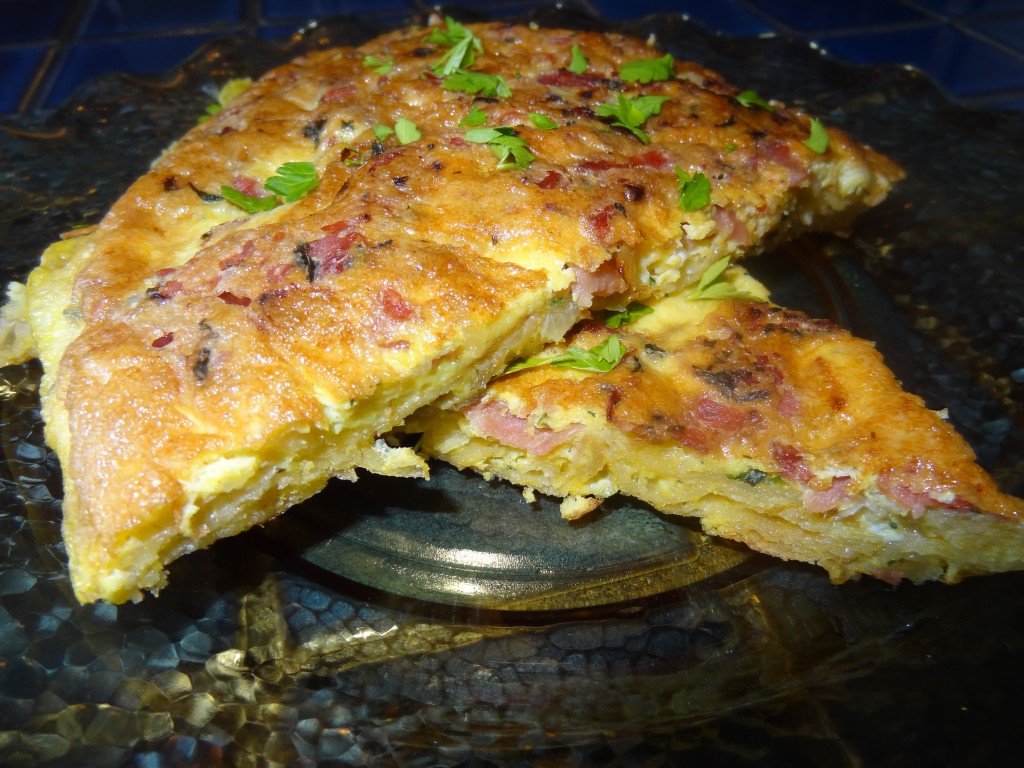
5 Minute Portuguese Potato Chip Omelet Video


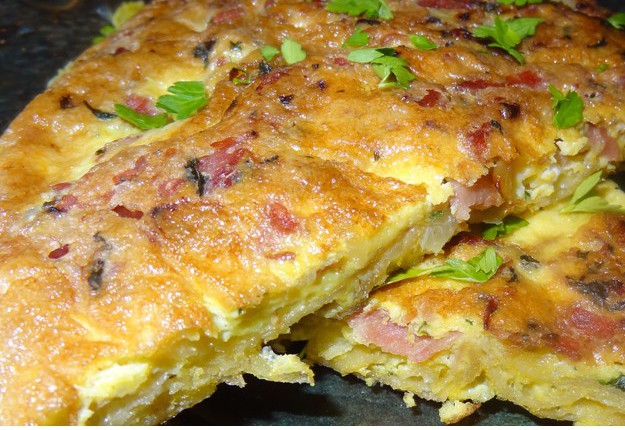
Hi Everyone, here’s my recipe for “5 Minute Potato Chip Omelet” which I prepared live on TV –  WWLP Mass Appeal preparing “5 Minute Portuguese Potato Chip Omelet”


The segment was taped live on February 23,2012. You can see it at the left of this post. I’ve received great comments about the segment.

Everyone was amazed by the simplicity of the recipe, and said they’re going to try the very interesting technique using potato chips. But the most comments were about my “Flip” technique of flipping the omelet back into the pan and they were going to use it the next time they made omelets!

I never expected to get such a reaction from such as simple technique taught to me my mother, so many years ago when I was a young girl! Keep cooking everyone!

Recipe:

Ingredients:

6 whole eggs

1 6-8 oz bag of chips (any you prefer or use 1 – 2 cups of any cooked fries)

2 slices of Presunto, ham, chourica, cooked chicken, cooked shrimp turkey (meats are optional)

1/4 cup finely chopped onion

2 tsp chopped fresh parsley

olive oil

Pepper

Cheese (optional)

Instructions:

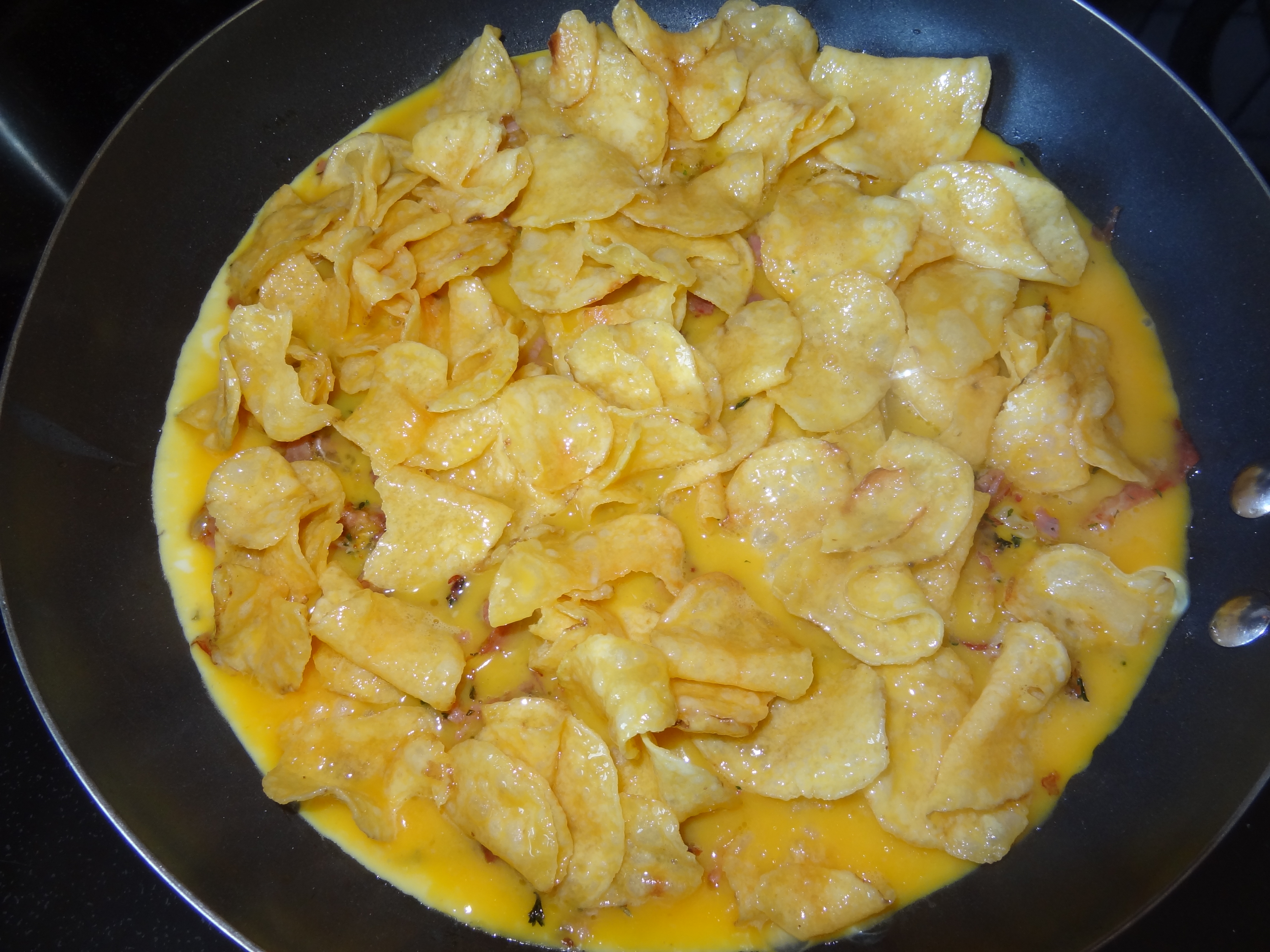
In a large bowl, beat eggs until foamy and add the chips or potatoes. Let them sit for about 5-10 minutes to soften.


Meanwhile, on high heat brown the onions and presunto in 3 tablespoons of olive oil until crispy.

Mix in the egg and potato mixture and 1 tsp parsley. Cook on medium for 3 -5 minutes (shake pan so it doesn’t stick)

Flip the omelet onto a large serving dish and place back in the skillet uncooked side down for another 2 minutes

At this point you can add cheese, or just top with the remaining tsp fresh parsley. Enjoy!


Mariscada – Portuguese Seafood With Rice


Chef Luisa Fernandes sent me the following recipe to share with you.

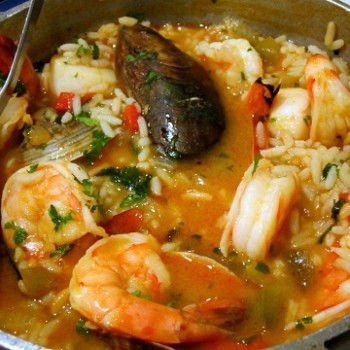
Mariscada is an Atlantic Seafood inspiration based on rice and very popular along coastal Portugal.

The dish often has lobster, shrimp, clams, mussels, as well as cuttlefish and is seasoned with olive oil, sea salt, pepper and Portuguese paprika.

Chef Luisa is a very accomplished chef with an extensive resume. Currently she is the Executive Chef at Robert Restaurant. MOD Museum, NYC.

She has appeared on Chopped, The Food Network where she was crowned a Champion.

Read more about Chef Luisa here: tiamariasblog.com/chef-luisa-fernandes/

” I think that the victory is not mine, but all of ours, because I’m Portuguese and proud when people recognize our cuisine. That’s why I will never enter another contest unless I can cook the cuisine from our country” said Luisa, in an interview for ComunidadesUSA.

One year later, on September 14, 2010 she returned as one of the four contestants of Chopped Champions.

Watch Chef Luisa on Chopped


Mariscada - Portuguese Seafood With Rice
Prep time: 
Cook time: 
Total time: 
Mariscada is an Atlantic Seafood inspiration based on rice and very popular along coastal Portugal. The dish often has lobster, shrimp, clams, mussels, as well as cuttlefish and is seasoned with olive oil, sea salt, pepper and Portuguese paprika.
Ingredients
  • 3 ripe tomatoes
  • 2 cloves of minced garlic
  • 1 branch of Coriander leaves (finely chopped)
  • 2 sliced onions
  • ½ cup of oil
  • ½ cup of white wine
  • 1 chopped bell pepper
  • 8 clams – medium
  • 12 mussels
  • 4 squid (cut in pieces)
  • 2 lobster tails
  • 12 large shrimps with heads
  • juice of 1 lemon
  • salt, pepper, paprika
Instructions
  1. Put the olive oil in a saucepan and arrange the tomatoes, onions and peppers in layers.
  2. Add ½ of the chopped coriander, ½ cup of white wine , a little of Portuguese paprika and salt to taste.
  3. Cover the pan over medium heat until it starts to boil. At that time, add the clams and allow to cook for five minutes.
  4. Then add the lobster tails, shrimp and mussels. Increase heat slowly so that it does not retain a lot of liquid.
  5. Let the clams and mussels open and uncover the pan. Keep checking the heat for another 10 minutes or until everything is cooked.
  6. Add the other half of chopped coriander on top and the juice of a lemon. Serve with white rice.
  7. Note: Recipe was one of the dishes that Chef Luisa prepared for her casting at Chopped.

Bolo Rei – King of Portuguese Cakes

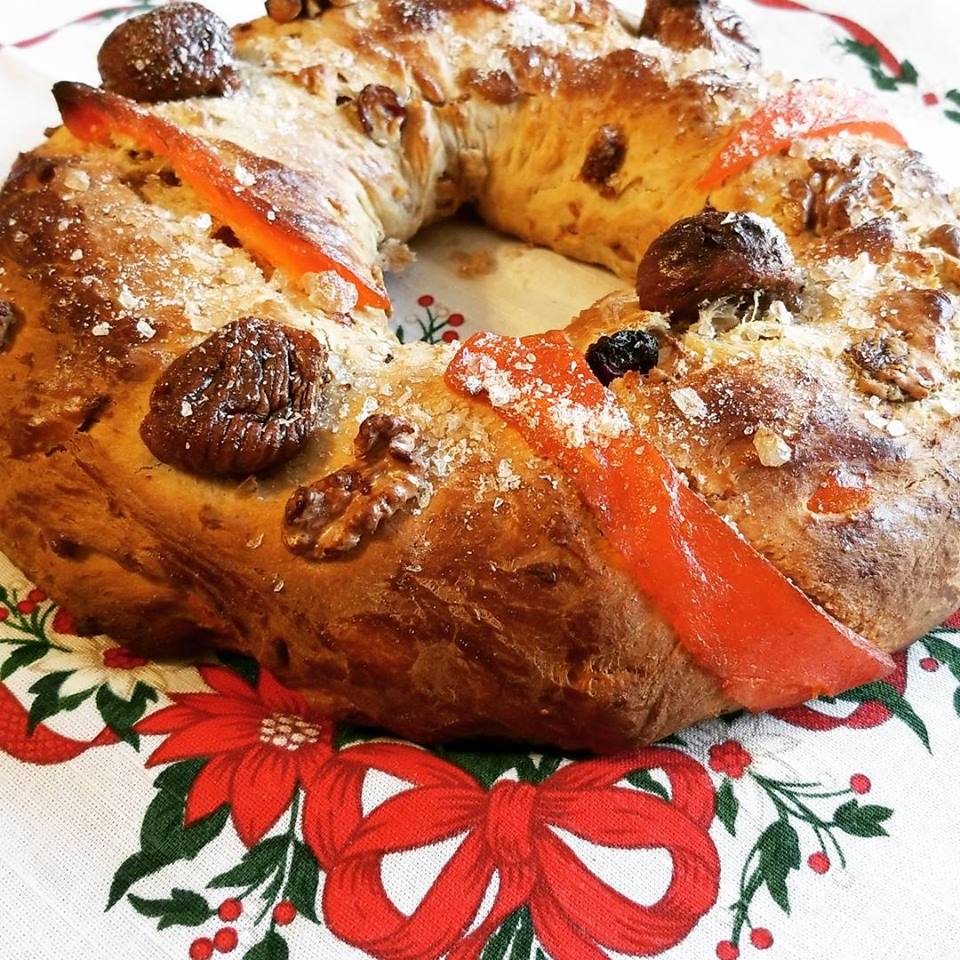
Bolo Rei is Portugal’s king of cakes. It’s traditionally eaten throughout the Christmas season, but mostly on January 6, the twelfth day of Christmas, which is known as King’s day.

The date is when the three kings arrived in Jerusalem to greet the newborn baby Jesus.  The legend is that the three kings were disputing which one of them would be the first to give their gift to Jesus. Upon their travels they met a baker who baked a cake with a bean inside it.

Which ever one of them got the slice of cake with the bean would give their gift first. Through the years coins and trinkets were added to the cake instead of the bean which would bring good luck upon the bearer. The cake without the fruit on top is often called Bolo da Rainha! My recipe inspired by Cascaistravel.com. Enjoy!

The cake was introduced to Portugal by the Confeitaria National bakery run by the Casteneira family for over 100 years.

Visit the website for the history of the origin of the recipe at confeitarianacional.com.
Watch the video of the famous bakery at: www.portugaldailyview.com/portuguese-christmas-cakes

Find the recipe in my Taste Portugal More Easy Portuguese recipes cookbook. Order on Amazon below:

Ingredients:

Yeast

2 tbsp active yeast
2 tsp granulated sugar

1 tablespoon flour
1/3 cup warm water

Dough

1 cup finely chopped assorted crystallized fruit NOTE: (I used dried apricots, dates, and raisins in my cake)
1/2 cup seedless raisins
1 teaspoon  finely grated lemon rind
1 teaspoon finely grated orange rind
2 tablespoons port wine
2 tablespoons rum

1 teaspoon salt

1 and 1/4 stick butter (10 tablespoons)
1 cup granulated sugar
3 eggs
2 egg yolks
5 cups all purpose flour
1/2 cup warm milk

1/4 cup chopped almonds
1/4 cup chopped walnuts

Topping

crystallized fruit of your choice, such as pineapple, cherries, or figs
1 egg for egg wash
confectioners sugar


Instructions:

Prepare the yeast mixture

In a small bowl mix together the yeast, sugar and flour and warm water. Stir and let sit for a few minutes for yeast to dissolve and activate.

For the Dough

In another bowl add the chopped crystallized fruit, raisins, grated lemon and orange peel, port wine and rum. Leave the fruit to soak up the liquid while you prepare the dough.

In a large bowl beat the butter and sugar together with an electric mixer until smooth and creamy. Beat in the eggs and egg yolks one at a time. Gradually beat in the flour and the milk. Then add the yeast mixture to the dough.

Add the almonds, walnuts and pine nuts and the crystallized fruit mixture.

Lightly mix in more flour as needed to create a sticky bread like dough.

Cover and leave to rise in a warm place for about one hour or until it has doubled in size.

Take the dough and knead for about one minute, then shape into a round loaf and place on a greased baking tray.

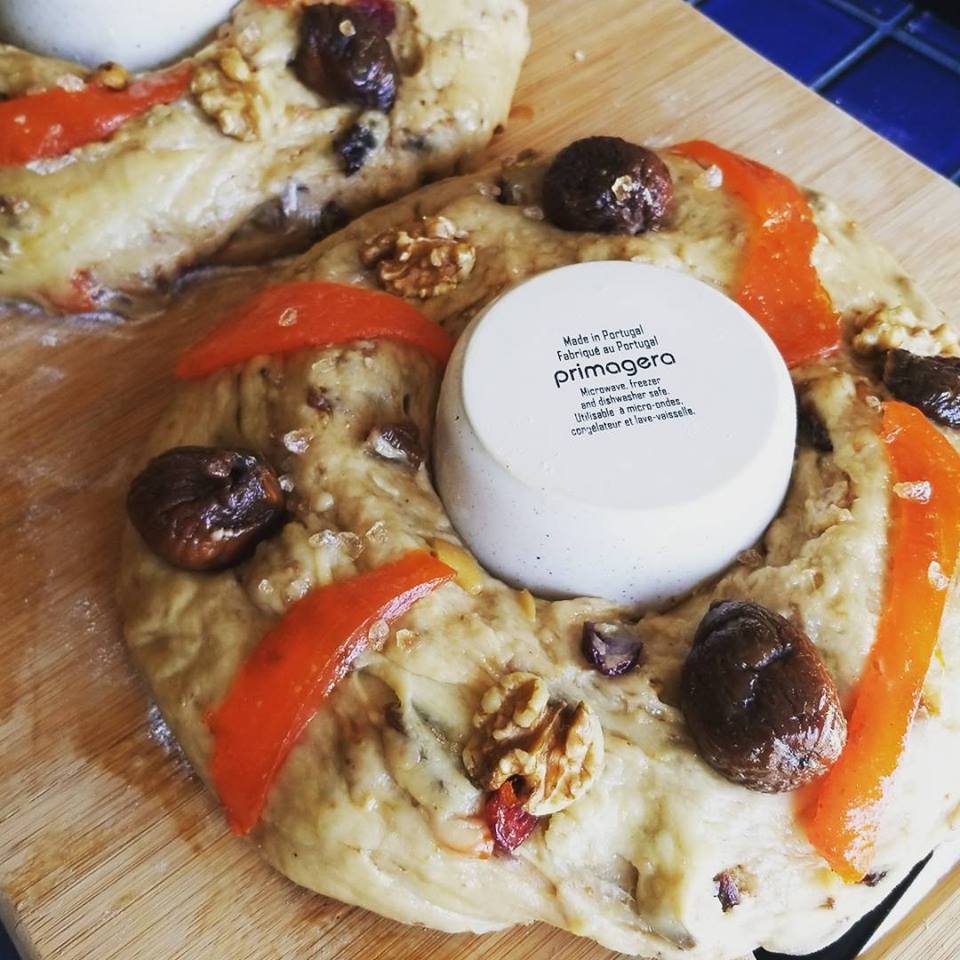
Using your thumbs, open up a hole in the middle of the dough so that you are left with a wreath shape, or crown. I used a greased and floured ramekin and placed it in the middle of the wreath to form the wreath.

Note: To add the surprise: Make a hole with a knife on one side of the wreath and push the wrapped broad bean into the dough. Choose another spot on the wreath, make a hole with the knife and push the wrapped coin into the dough.

Topping

Decorate the wreath with a few crystallized fruits. Beat the egg and brush over the wreath. Cover and let rise in a warm place for about one hour or until it has doubled in size.

Remove ramekin and bake in a preheated over at 375 degrees F for about 40 minutes or until golden brown. Cool and dust with powdered sugar.


Portugal’s Seven Favorite Dishes

These famous Portuguese foods are the winners of the online voting contest.   

7 Maravilhas da Gastronomia (7 Wonders of Gastronomy). The winners were announced in September.

Click on the links below each photo to find the location in Portugal from where the dish is famous! If you can’t read Portuguese just paste the pages URL’s  onto Google Translate.

My favorite is “Seafood Rice” and “Queijo Serra da Estrela” What’s your favorite?


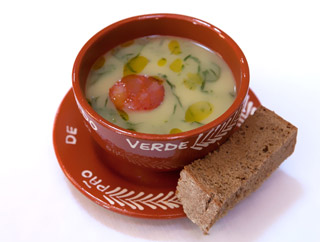
Appetizer Category: Caldo Verde – (Collard Green With Potato Puree)

Entry from: Douro e Minho Region


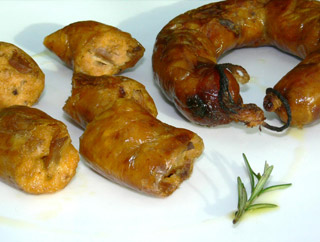
Appetizer Category: Alheira de Mirandela – (Chicken & Bread Sausage)

 Trás-os-Montes e Alto Douro – Mirandela


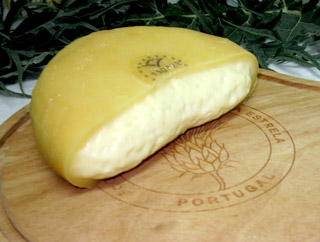
Appetizer Category: Queijo Serra da Estrela – (Sheeps Milk Cheese)

Beira Litoral / Beira Interior – Serra da Estrela


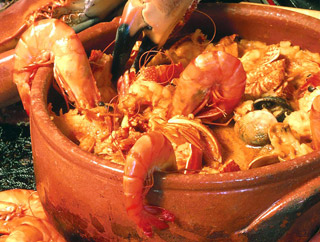
Seafood Category: Arroz de Marisco – (Seafood Rice)

Estremadura e Ribatejo – Praia de Viera – Marinha Grande


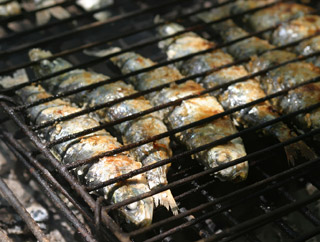
Fish Category: Sardinha Assada – (Grilled Sardines)

Lisboa e Setúbal – Setúbal

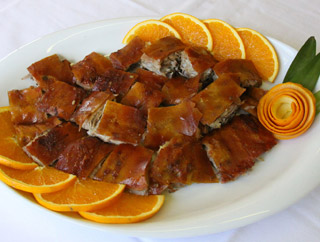
Meat Category: Leitão da Bairrada – (Roast Sucking Pig)

Beira Litoral – Bairrada


Dessert Category: Pastel de Belem – (Custard Tart)

Lisboa e Setúbal – Lisboa

Pudim Flan – Caramel Flan Recipe Western Mass Women Magazine!


Caramel Flan – An International Holiday Dessert!

Article in Western Mass Women’s Magazine by Maria Dias, Contributing Writer-2011

Caramel mariadiasFlan is a rich and creamy custard-based dessert topped with a layer of caramel.
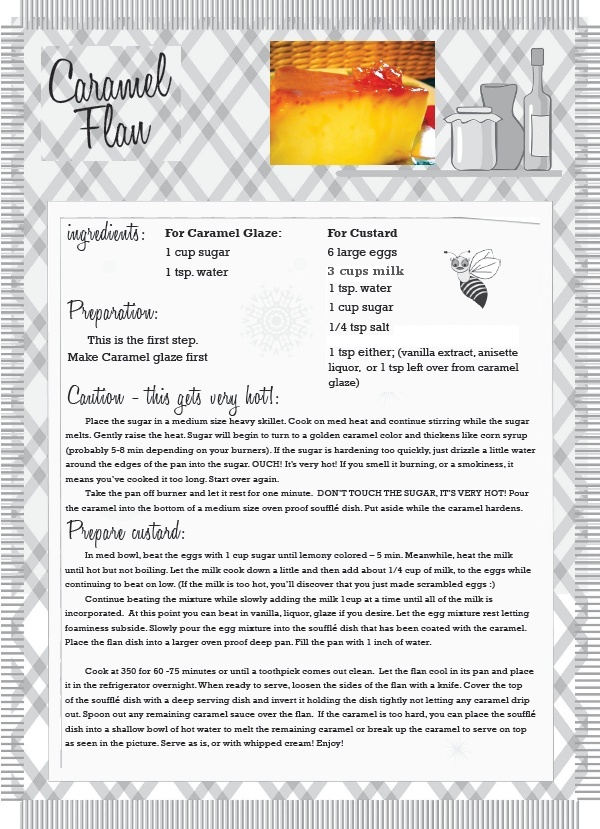
This classic dessert is enjoyed during the Holiday season in Europe, North America, Latin America and even as far away as Macau and the Philippines. It originated in Europe but became very popular in Central and South America.

Some believe that it was the Romans who first began raising chickens for their eggs. They began cooking the eggs with sweeteners which eventually evolved into the custard desserts of today.

Outside of Spanish-speaking countries and the United States, Flan is sometimes referred to as crème caramel.

Every culture has different variations on the ingredients. My recipe is for Caramel Flan served in Portugal and Spain for Christmas Eve or Christmas day dinner. It took me years to master a great flan, but if you follow my recipe it’s easy. If you cook it, they will come, and you’ll be the hit of the Holiday party!


Recipe:

 Flan ingredients:

6 large eggs

3 cups (whole milk) not low fat

1 cup sugar

1/4 tsp salt

1 tsp either; (this is optional: vanilla, anisette liquor, or caramel glaze)

Caramel glaze ingredients:

1 cup sugar

1 tsp water


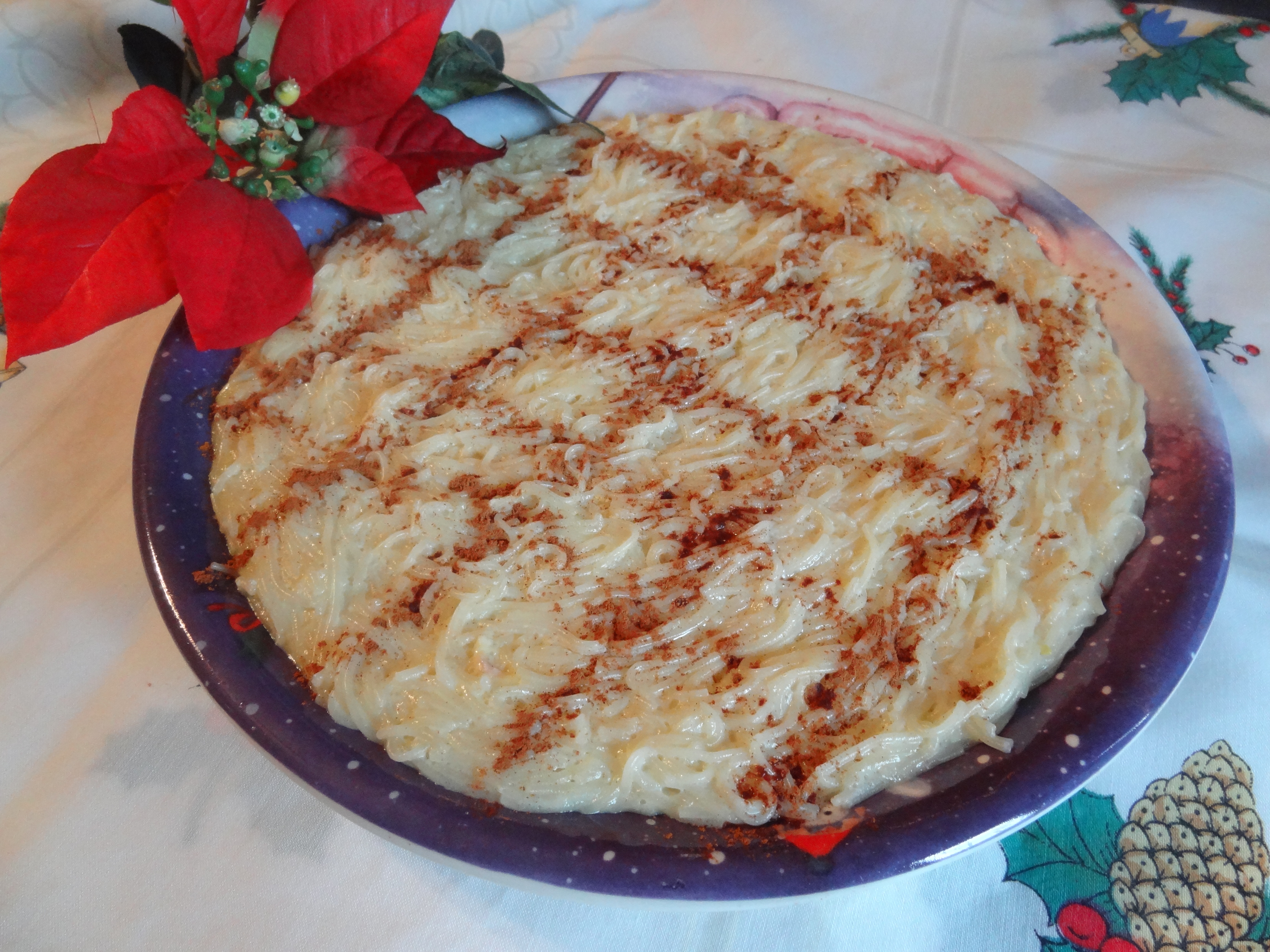
Aletria – Sweet Egg Noodle Christmas Dessert

Aletria, is a sweet dessert made with fine egg noddles which is mostly served at Christmas and for many other festive occasions.

This classic is made with the same basic ingredients; eggs, sugar, cinnamon and lemon peel as the ever popular Arroz Doce – Portuguese Sweet Rice Pudding


Ingredients:

7 cups of whole milk

6 egg yolks

1 + 1/2 cups of sugar

1 tsp salt

1 cinnamon stick

2 pieces of lemon peel

1 12 oz package of very fine egg noodles

Pour milk, sugar, salt and cinnamon stick into a large pan and bring it to a boil, stirring constantly.

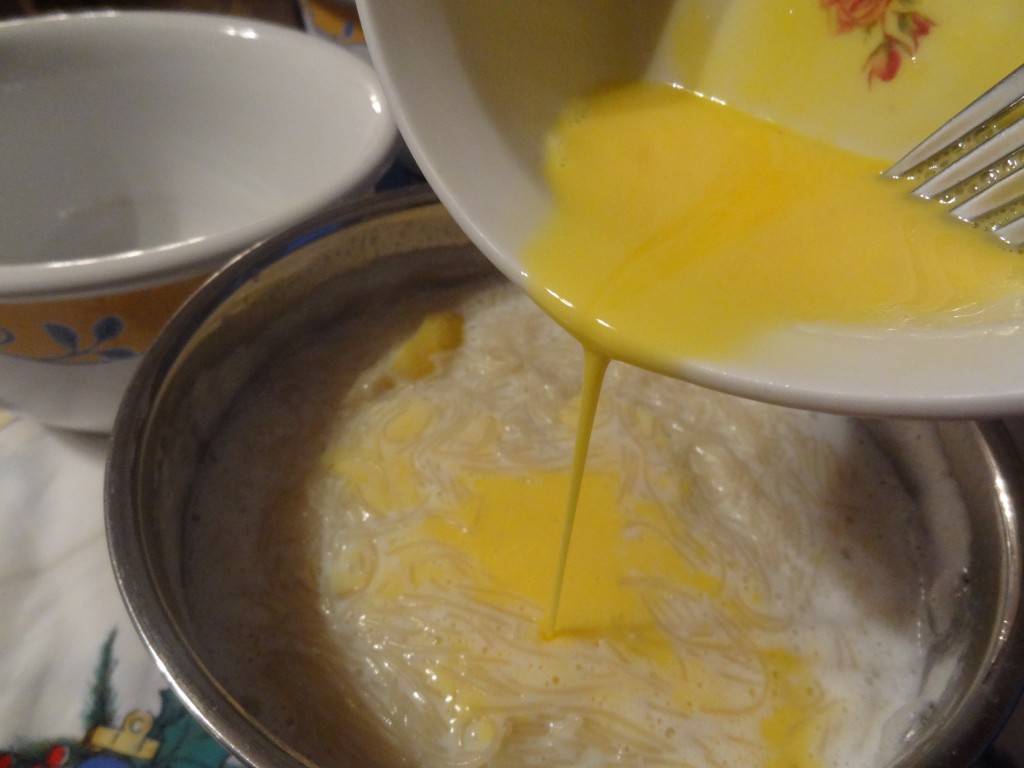
Meanwhile, beat the egg yolks in a small bowl and slowly blend some heated milk into the eggs and stir. Set aside.

Break up the noodles and add them to the boiling milk. Stir constantly until the noodles are cooked and remove from the heat.

Slowly add egg mixture into the cooked noodles and stir to incorporate. Turn off heat *Do not let the noodles boil. Remove from heat.

Remove the lemon peel and cinnamon stick. Pour the mixture into a large serving platter at least 1 inch depth. Sprinkle with cinnamon.

Let cool and store covered in the refrigerator.


Feijoada à Transmontana – Portuguese Bean Stew

 dsc06089

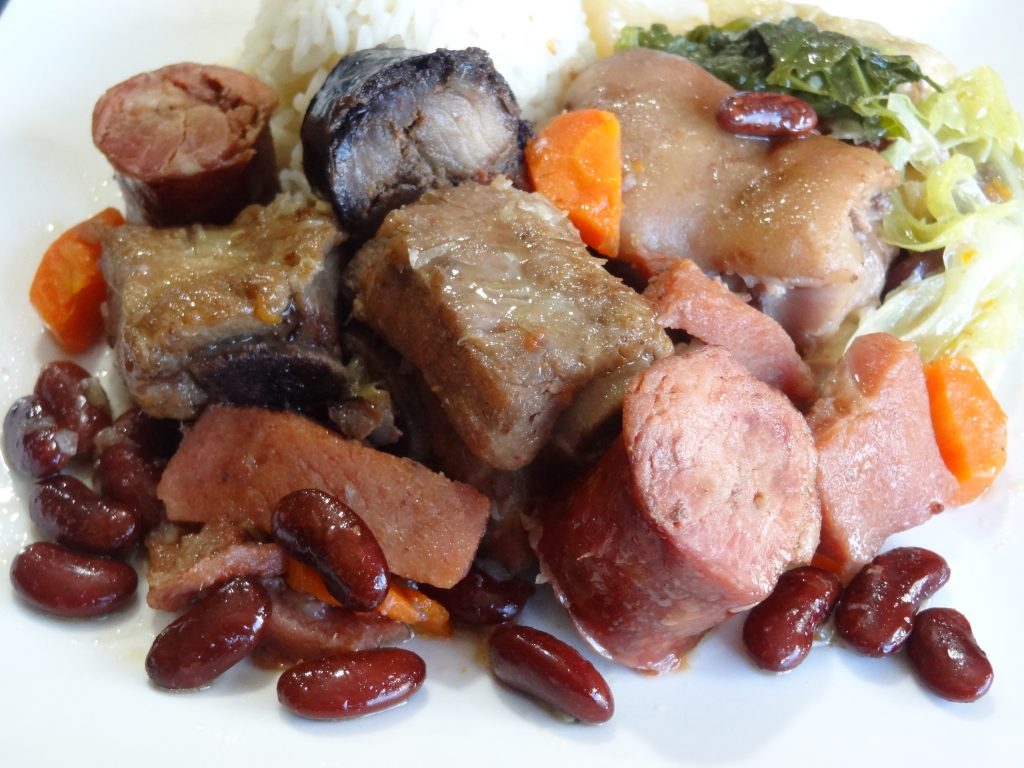
Feijoada, is Portugal’s version of Chili, perfect for your next big party!

It originated around the 14th century in the Northern region of Portugal. Generally, Feijoada is made with white beans but in the Tras os Montes region, red kidney beans are used.

During that time meat was scarce, so the poor peasants began using every part of the pig as a staple in their diets along with beans and cabbage which were easily available.

This dish is great served with classic Portuguese rice recipe and your favorite Portuguese Bread. If you want to get really adventurous try making home made Pao Caseiro!

It’s one of those dishes that taste even better the next day! Enjoy!

Makes 12 -15 servings

Ingredients:

Note: You can use all of the following ingredients or use only the meats that you like. You can omit the knuckles, ears etc.

2 lbs baby back ribs (cut into small riblets)

2 lbs chourica sausage (cut into slices)

1 lb blood sausage (if desired) (cut into slices)

1 lb ( presunto, smoked shoulder ham, or salted pork belly cut into 2 inch strips)

2 lbs pig hocks or knuckles, pig ears, (optional)

1 small regular cabbage, savoy cabbage or any green leafy cabbage (cut into quarters)

2 carrots (sliced)

1 large onion finely (chopped)

2 large cloves garlic (chopped)

1/4 cup olive oil

2 bay leaves

1 teaspoon salt

teaspoon sweet paprika

teaspoon cumin powder

2 or 3 large 32 oz cans cooked kidney beans

1/2 cup crushed tomatoes


Instructions:


The night before cooking, salt the ribs, wash the knuckles in cold water, salt them,  and store in fridge overnight to absorb the salt.

The next day, cook the knuckles in a large pot of unsalted water for at least 1 1/2 hours or until they’re easy to cut apart. Reserve the liquid for later.

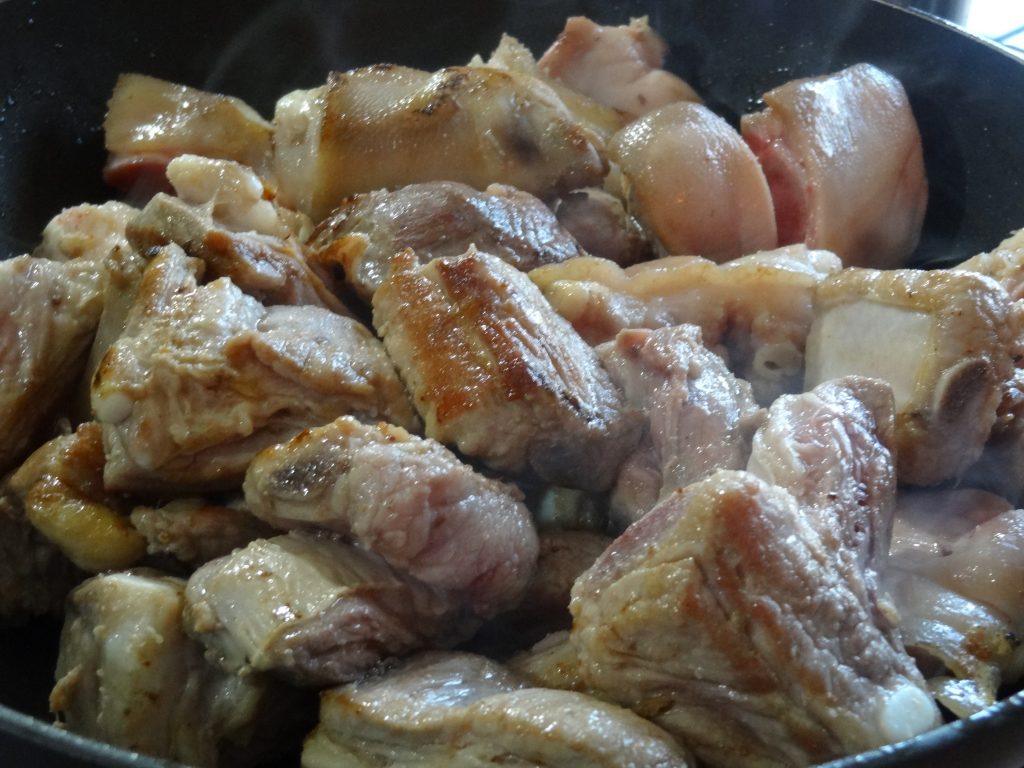
Meanwhile, saute onions, garlic, and bay leaf in the olive oil for about 5 min. Add ribs, pork belly and paprika.

Let them cook for about 5 minutes stirring them so they don’t stick to pan.

Add 2 cups of cooking liquid from the knuckles and let the ribs cook for another 20 minutes, stirring once in a while.

Add the rest of the meats (chourica, presunto, ham, knuckles) chopped cabbage, carrots,  and tomato sauce.

dsc06070

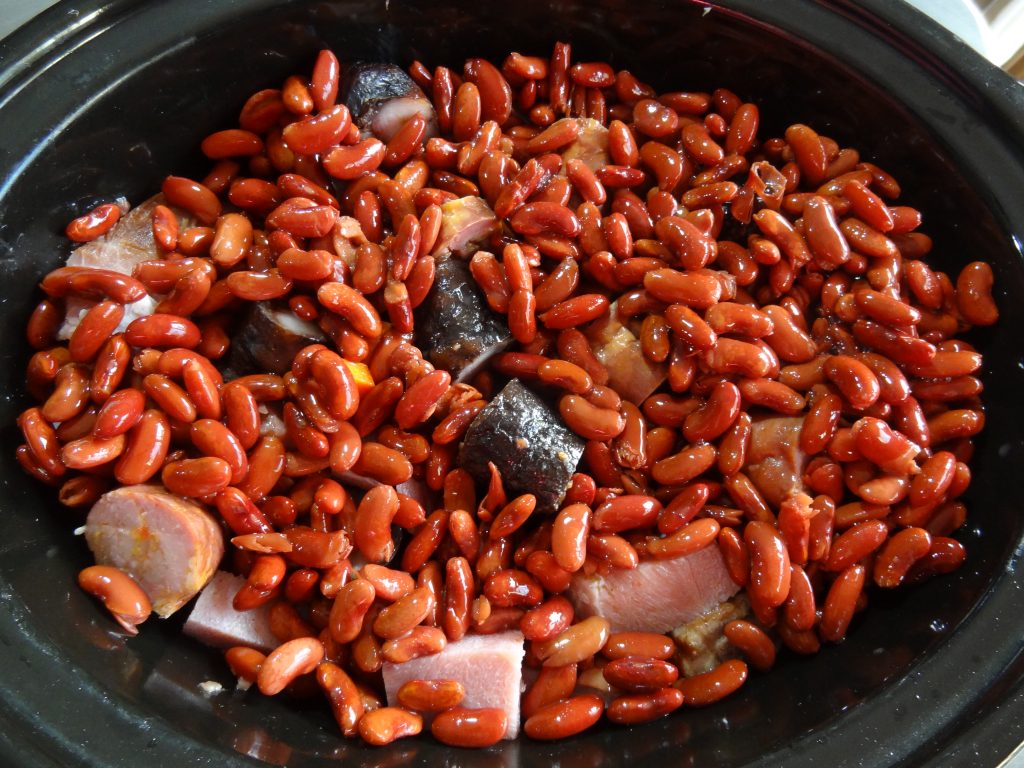
Stir gently and let them cook for about 30 minutes. Add the kidney beans, blood sausage and cabbage and cook for another 10 minutes.

dsc06075

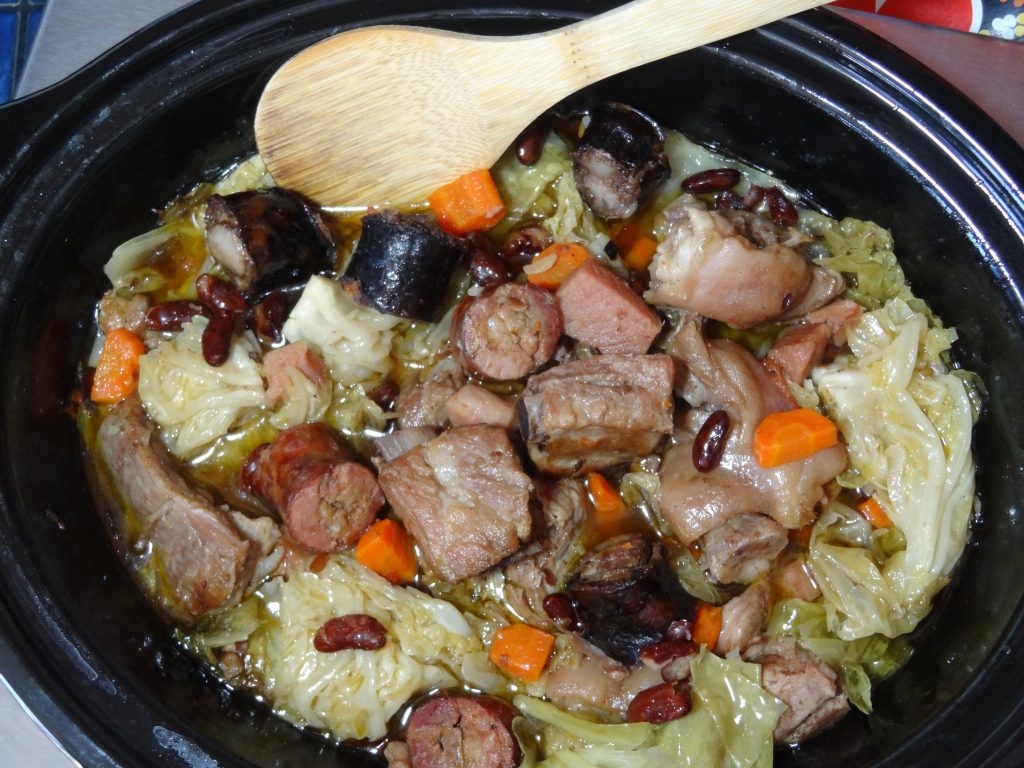
Stir the pot gently so you don’t break up the beans or the cabbage. Taste, and add more salt if desired. Cook until the cabbage is tender. Leave pan on low heat until ready to serve


dsc06084


Here’s a video the acclaimed Portuguese Chef from Tras os Montes – Marco Gomes executive chef at Fox Velha, Porto, Portugal – preparing Feijoada à transmontana on RTP – Praça da Alegria.

Marco Gomes is passionate about using farm to table ingredients in the traditional recipes.

“I was born in the interior of Portugal where cooking was part of everything,” he said. And its these roots that he goes back to in the kitchen. “I give the food a different look but I keep the traditional flavors. It’s important to be innovative without losing the traditional flavors.” Marco Gomes