Category: Holiday Recipes

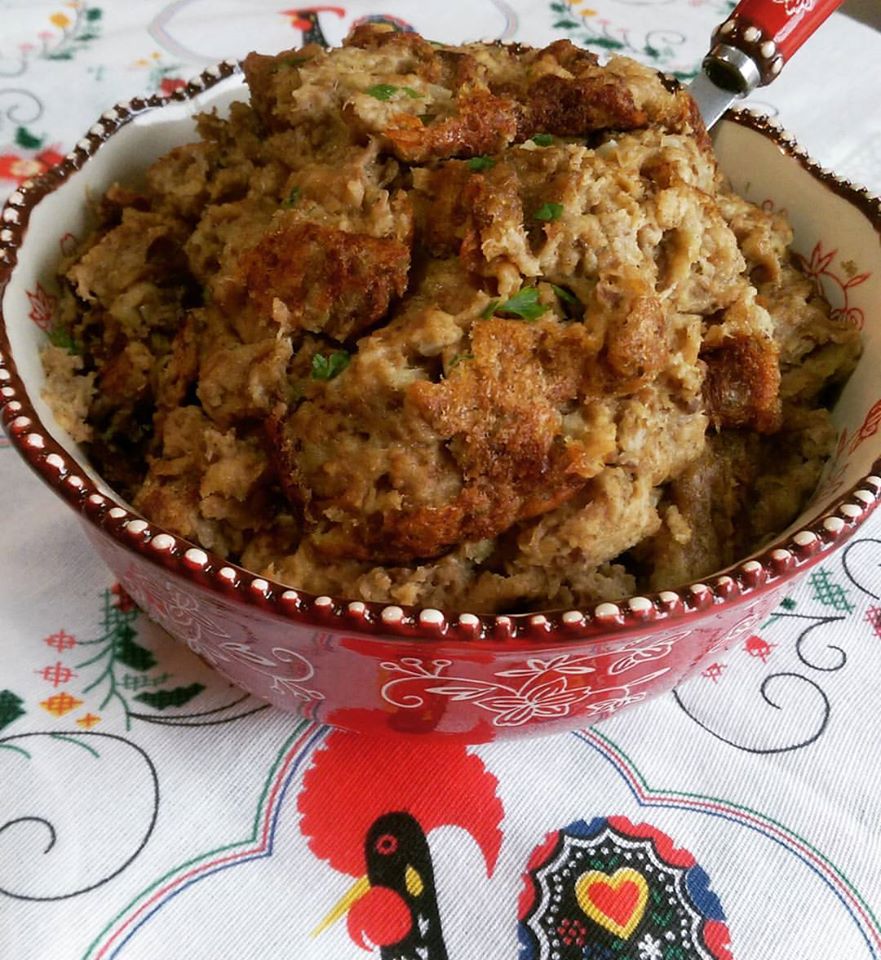
Portuguese Style – Thanksgiving Stuffing

 

portuguese-stuffing-1

I get many requests from people looking for lost recipes, but especially around the Holidays.

There are many reasons why people don’t have their family recipes.

Some family members didn’t want to share them, the recipes were not written down, or they just hadn’t taken the time to learn the recipe until it was too late.

This Thanksgiving, I encourage you to sit down with the cooks in your family, write down their recipes and share the family traditions and history!

In this post, I’m sharing a little of my own family history along with my family’s favorite Thanksgiving recipe which I only cook once a year!

My family came to America in 1963, when John F. Kennedy was President of the United States. We came here, thanks to my Aunt Isabel, my mother’s sister, who immigrated to America when she was only 16 years old.

She sailed here by ship and passed through the historical landmark of Ellis Island in New York. She eventually became a US Citizen and later filed the paperwork for my mother and her family to immigrate!

My parents were typical Portuguese immigrants, who idolized President Kennedy because he was a proponent of Immigration, which eventually led to the Immigration Act of 1965.

This act, allowed my two older brothers who were living in Brazil at that time to join our family in the USA a few short years after we arrived here.

A soft velvety tapestry of JFK hung on the walls of most Portuguese family living rooms those days. I still have the one my parents had, neatly stored away in my cedar chest as a reminder of our family’s journey of coming to America.

President Kennedy was assassinated only 6 months later and like so many of others, I remember exactly where I was the moment I heard about it. I cried but I don’t think I knew why it affected me so much. Perhaps it was because my mother was crying.

Like so many before them my parents grew to love America and they were happy and grateful to move here. They followed the dream of a better life for their family, opportunity, and freedom from living in a country ruled by Salazar who was the dictator at that time.

I remember my first day in America, but that story is for another day and another recipe.

Like most Portuguese immigrants in America, my family has embraced the tradition of celebrating Thanksgiving since we were very grateful for the blessings of the food, our health, friends, and family.

I was very young when I watched my mother prepare our family’s first Thanksgiving diner, but I remember it vividly.

A friend of hers came by the night before Thanksgiving to teach her how to brine the turkey, and to make the stuffing.

I didn’t understand why they had to drown the poor bald turkey in a big plastic tub filled with salt, water and lemons since it was already dead anyway!

I watched in horror as they prepared the stuffing by peeling the sagging skin hanging off the turkey neck and then chopping up the cooked heart and the liver! Yuk!. I said to myself, I would never make that stuffing for my family, but of course I did.

Despite hating what I saw, I couldn’t leave that kitchen because I wanted to see, what this Thanksgiving cooking fuss was about anyway?

Many years later, I began preparing my mother’s stuffing recipe for my own family and it’s become the favorite side dish on our Thanksgiving table every year!

I hope you enjoy it as much as we do!

*Note that every family has a special Thanksgiving stuffing recipe. Some use meats in their stuffing, while some add chourica to the bread mix. I also use Pepperidge farm stuffing mix for an authentic Thanksgiving flavor. I suggest you try this recipe a couple of times to perfect to your taste by substituting your favorite meats, or bread stuffing mix. You can order chourica online at Gaspars Linguica.

Happy Thanksgiving Everyone!

Tia Maria
dsc06131

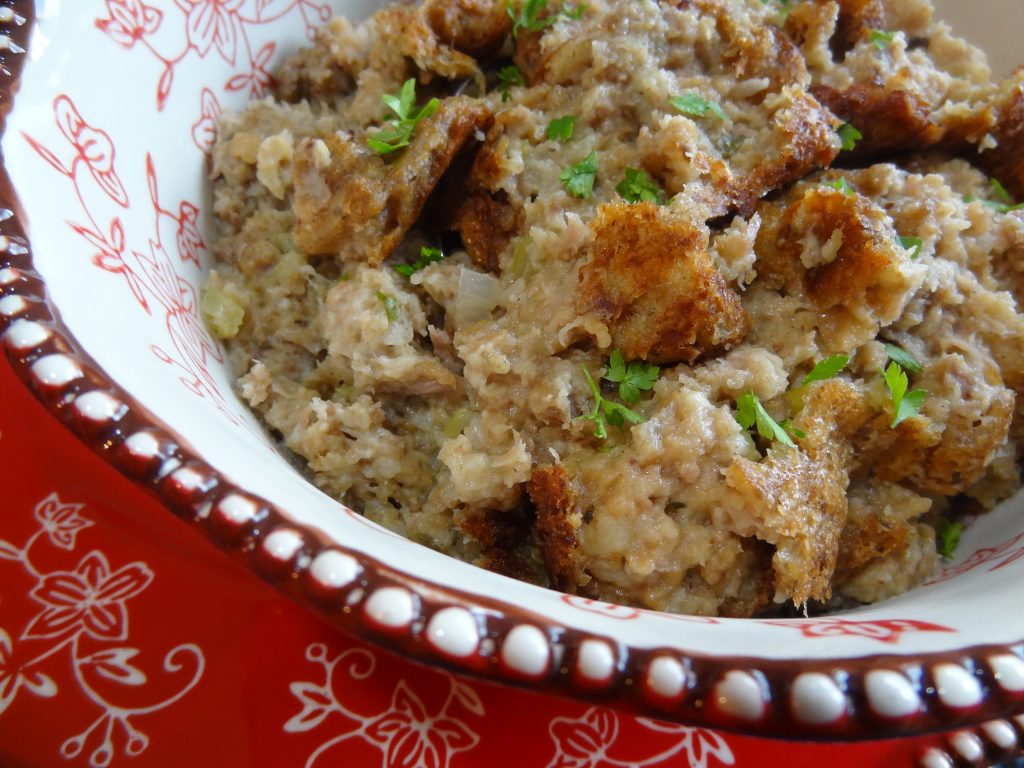
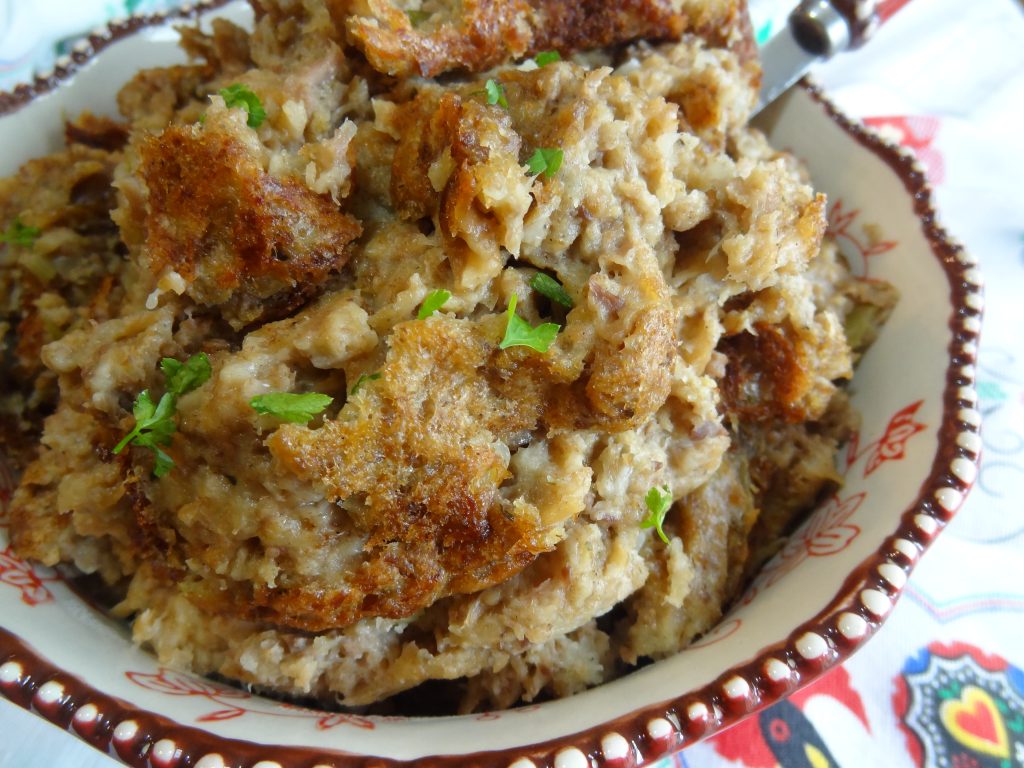
Portuguese Style – Thanksgiving Stuffing with Giblets – Serves 12 +

Ingredients:

Giblets & Stock

Turkey Giblets (which come inside turkey – neck, liver, heart, gizzard)

1 medium onion (chopped)

1 celery stock (chopped)

4 cups of water

4 cups of chicken broth

2 cloves of garlic

1 tsp of salt

1 tsp of pepper

Ground Meat & Bread Stuffing

1 lb ground beef, ground turkey, or sausage meat (this is optional)

1/2  cup diced Chourica or Linguica sausage (this is optional)

1/2 tsp garlic powder

1/2 tsp Paprika (omit if you use chourica)

1/2 tsp salt

1/2 tsp pepper

1 small diced onion

3 tbsp of olive oil

3 or 4 day old Portuguese rolls cut into cubes

4 cups of Pepperidge Farms stuffing mix with herbs (optional but use more bread instead and add 1/2 teaspoon of sage)

2 eggs

2 tsp very finely chopped parsley


Preparation:

How to cook giblets and stock:

Step 1:

Place the water, onion, garlic, celery, stock, and seasonings in a large stock pan and bring to a boil.

Rinse the giblets and neck and place them (except the liver) into the pan.
Cover, and cook on medium heat for at least 1 hour.

*Add liver during the last 10 minutes of cooking.

*The giblets should very well cooked, let cook longer if needed.

Remove the giblets from pan but save the stock. When giblets and neck are cooled, trim the meat by removing any ten-dints, veins or skin.

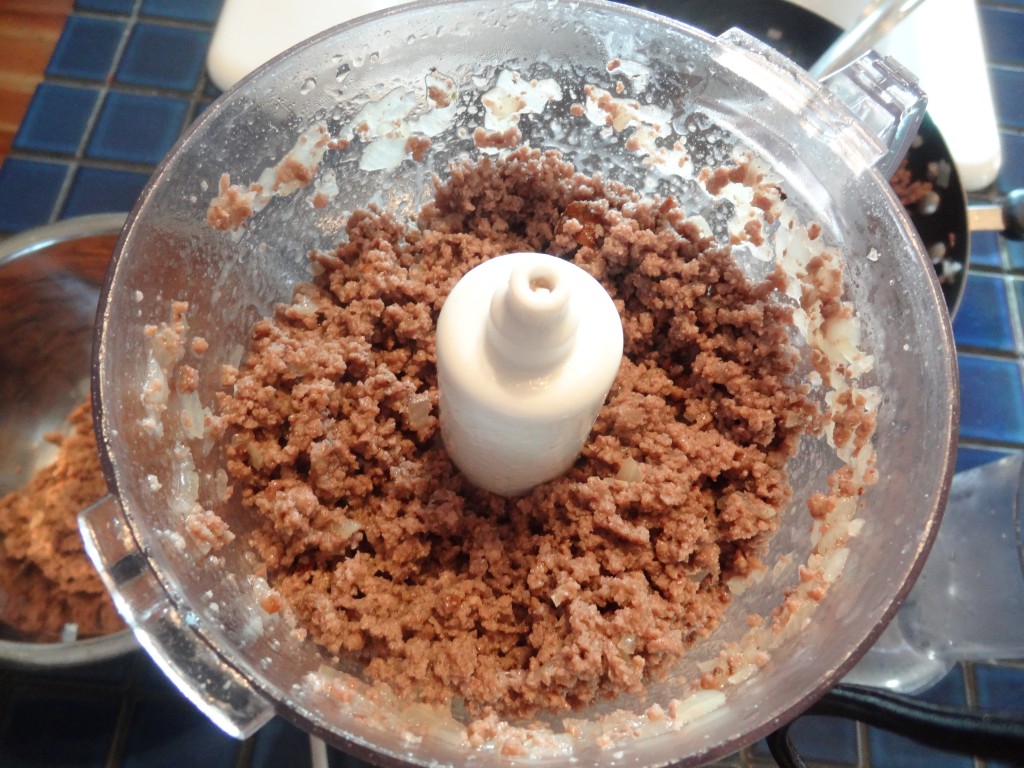
Place the trimmed meat in a food processor and pulse until they are the consistency of ground meat or leave chunky if you prefer.
Meatstuffing

Step 2

*Prepare meat for stuffing

Saute ground meat in olive oil with onions and seasonings until cooked. Add the diced Chourica the meat and mix.

Place in a food processor and pulse about 5 times until you get a smooth like consistency – (or chunky if you prefer

Step3:

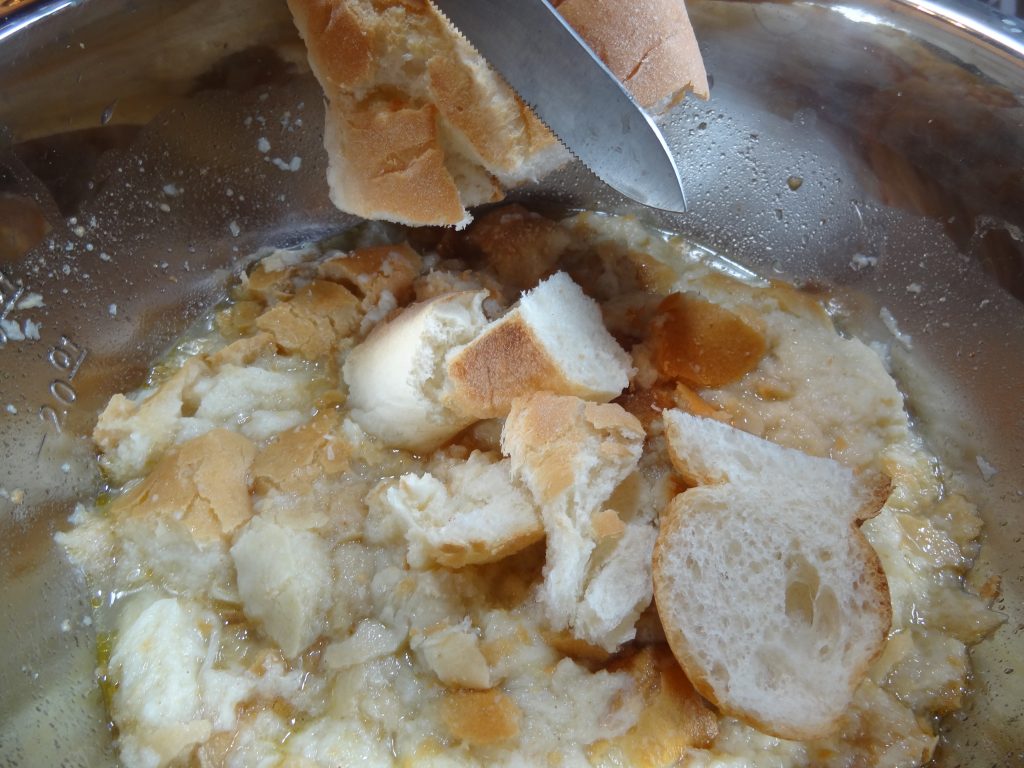
Strain your giblet turkey broth into a large bowl. Add the Portuguese rolls.
dsc06114

Let the rolls absorb the broth until they are soft. Add the cooked onion, garlic and celery from the broth. Mash well with your hand or a potato masher.

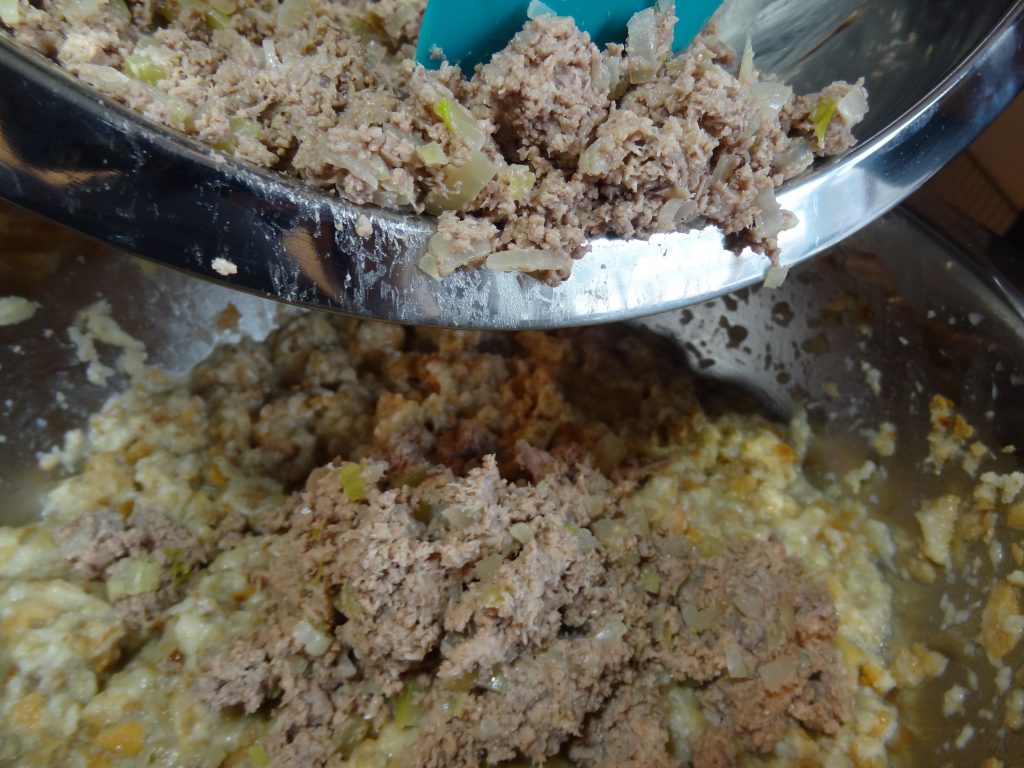
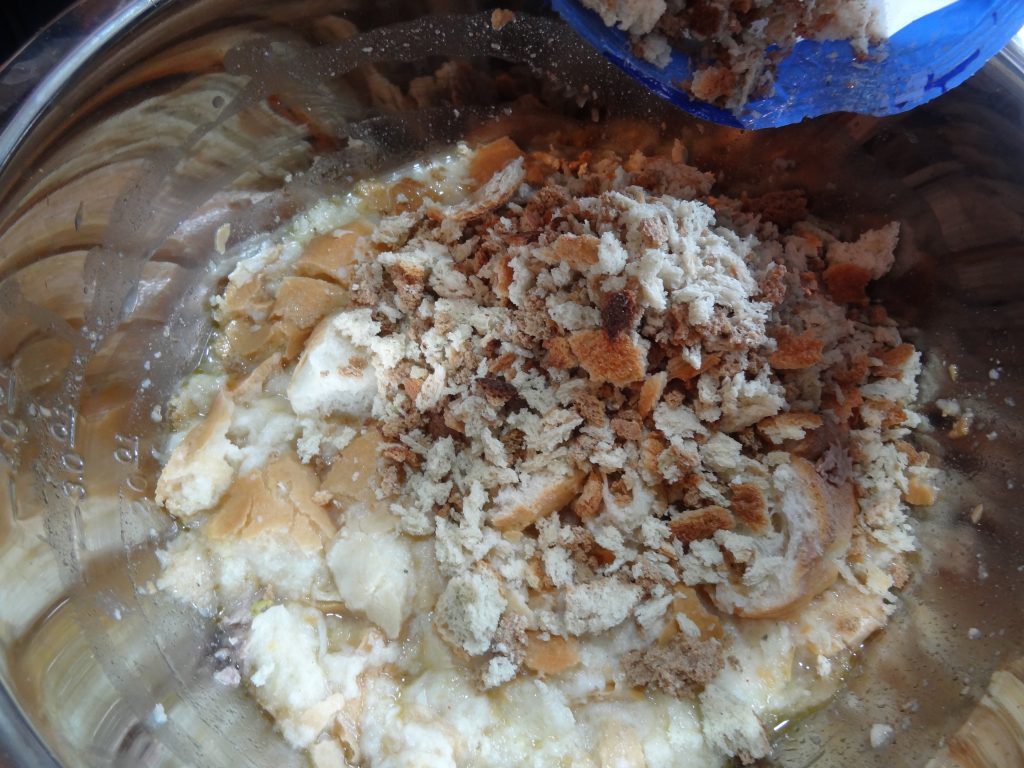
Add stuffing mix, ground meat mixture, and giblets. Mix until well incorporated.
dsc06118

dsc06122

At this point it’s up to you, if like a wet stuffing leave it alone, if you like a dry stuffing, add more stuffing mix or bread. If you find the stuffing dry add more broth.

Taste the stuffing and add salt or seasonings to your taste.

Add 2 eggs, and parsley. Mix well.

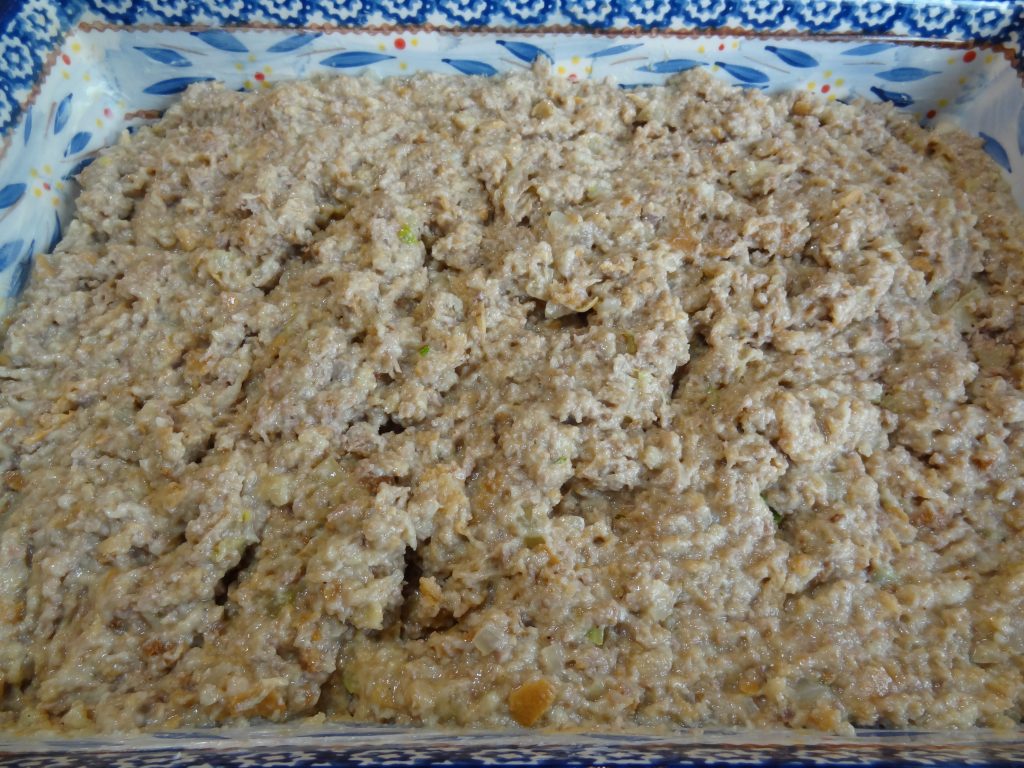
Spray or grease with margarine, a souffle, or baking pan which is at least 4 inches deep and big enough to hold all of the stuffing

Pour in the stuffing and cover with foil. Cook for at least 45 minutes at 350. If you want a crispy top remove foil during the last 15 minutes.
dsc06124

* Important – If you make this the day before. Let it cool – cover and store in refrigerator. (Heat up in the oven for 20-30 minutes at 350 F oven, or one portion at at time in the microwave.)
dsc06136

Toucinho do Ceu – Bacon From Heaven


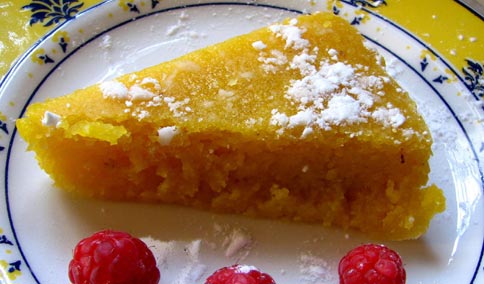
I love the fact that I learn a little bit of Portuguese Foodie – history when I share a recipe. Today, Pastry Chef Vania Soares from 42 and Bellota Restaurant at the Ritz Carlton, Westchester NY, sent me her recipe for “Toucinho-do-céu ” – Bacon From Heaven.

This is a wonderfully “Sinful” dessert created centuries ago in northern Portugal by nuns around the Eighteenth Century!

Most Portuguese desserts use egg yolks and sugar. Why mostly egg yolks? It’s because the egg whites are used to clarify wine (like a filter), acting like a brush to sweep out impurities.

The wine makers in the local region would save the yolks and give them to the nuns at the convents  who make desserts which were sold, to raise money for the poor.

There are different versions of this classic dessert sold in pastry shops all over Portugal, one is made with Almonds and one made with Gila, a sweet pumpkin jelly.  A convent in the city of Murca, Portugal, is rumored to have first invented this version for the dessert using Gila. Watch the video below for a demonstration of  Toucinho do céu, Murça.

Some believe the recipe came from the convent of Santa Clara in Guimarães, Portugal.  The convent closed in 1910 but 3 displaced nuns carried on the traditional recipes by making pastries to support themselves.  Years later, the nuns niece, Palmira learned the recipes and opened Casa Costinhas in the city that is the European Capital of Culture 2012. Visit golisbon.com/guimaraes, portugaldailyview.com, cafeportugal.net, for more information and to learn about our cuisine’s origins!


Ingredients:

2 3/4 cups ground almonds  —–   (300 g amêndoa moida)
1 cup water  ——   (0.250 Lt água)
2  1/2 cups sugar  —–   (500 g açúcar)
4 eggs  —–   (4 ovos)
2 tbsp melted butter  —–    (25 g manteiga derretida)
1/2 crated lemon peel  —–   (1/2 limão raspa)
1 tsp cinnamon  —– (q.b. canela em pó)
1  tbsp flour  —–    (12 g farinha)
20 egg yolks  —–  (20 gemas)


English:

Make a syrup with the sugar and water and heat up to 225 degrees or until a wooden spoon becomes coated. Meanwhile beat the 4 eggs and egg yolks well and set aside.  When sugar is cooled, add eggs and beat well. Add the butter, lemon, cinnamon, almonds and flour. Stir well and bring to boil to thicken over low heat,  stirring constantly to prevent burning. Pour into a greased and floured cake pan and bake at 350 for 25-30 minutes.

Portuguese:

Fazer a calda com o açúcar e a água até aos 108ºC, adicionar os ovos e as gemas previamente batidos e mexer bem. Adicionar a manteiga, o limão, a canela, a amêndoa e a farinha. Mexer bem e levar ao lume a engrossar em lume brando, sem parar de mexer para não queimar. Deitar numa forma untada e polvilhada de farinha e cozer a 180ºC por 25-30 minutos.


   Chef Vania

 Video from: Toucinho do Ceu – Murca, Portugal

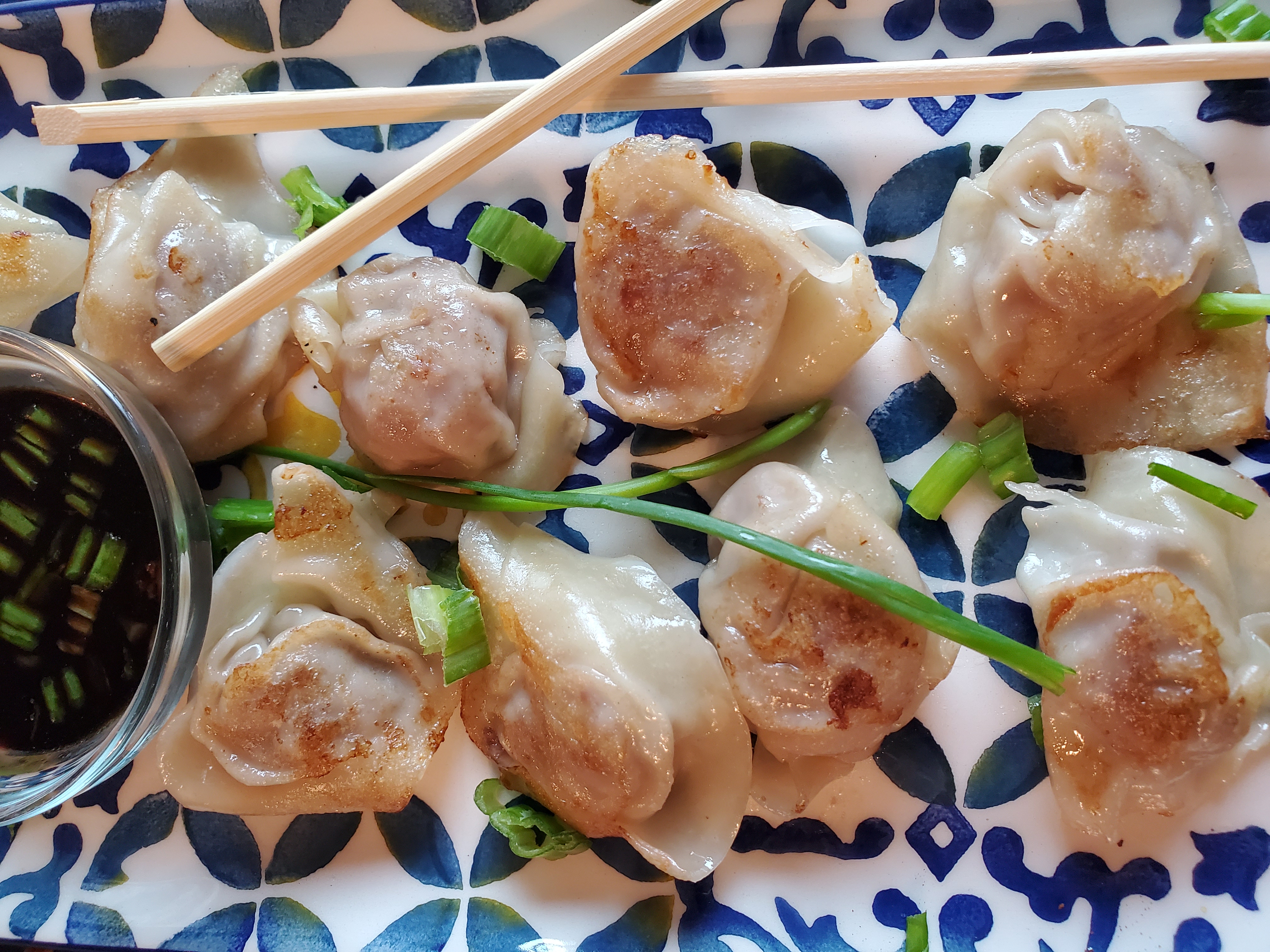
Tia Maria’s Shrimp & Pork Dumplings

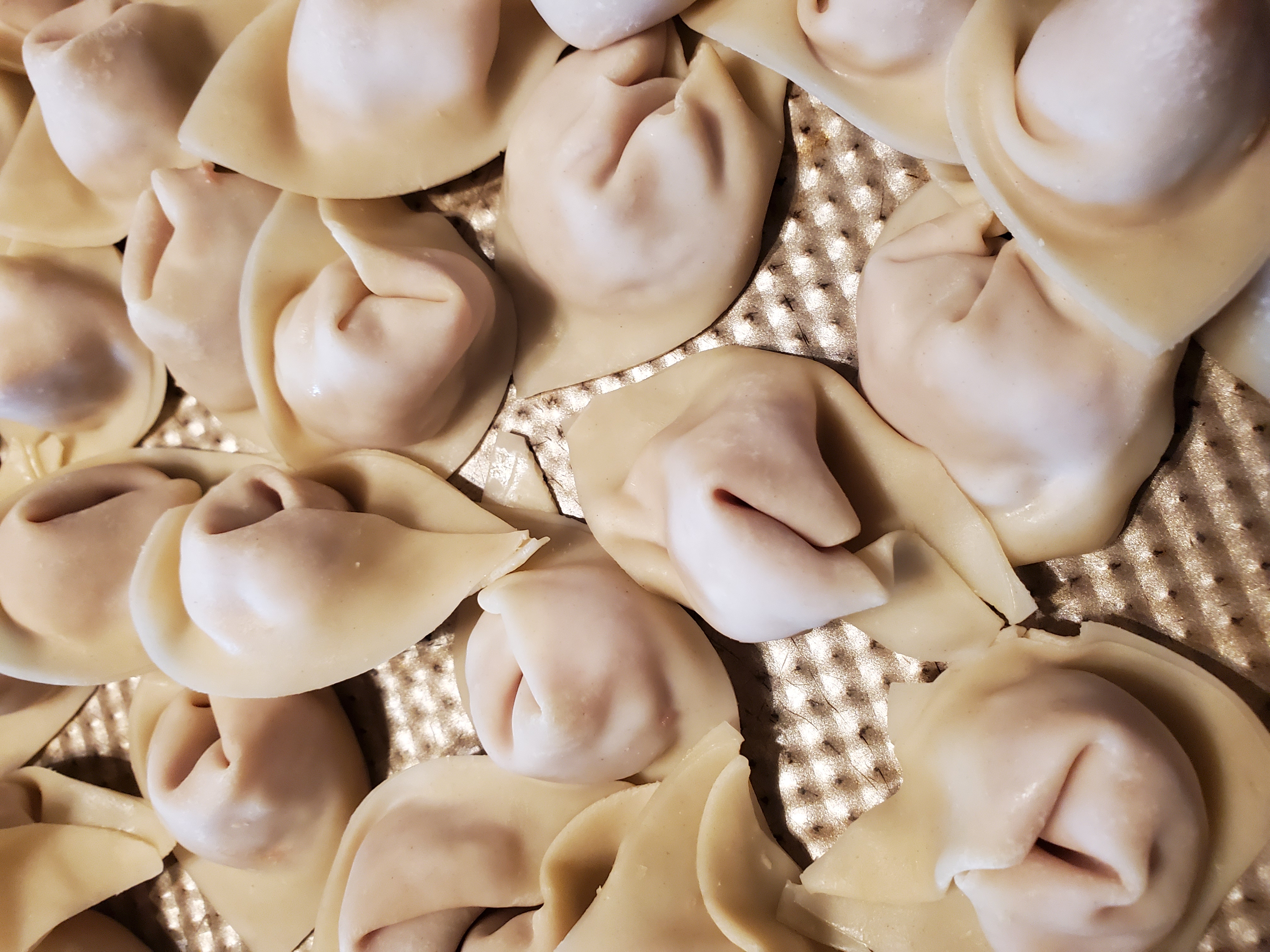
Shrimp & Pork Dumplings!

This is an easy recipe for all your parties! You will never order dumplings out again once you try this easy recipe! I made about 48 dumplings with this recipe using Nasoya wrappers but you can use any brand you want.

You can find them in the fresh produce section of your market. I made 2 batches for a party and they were the first to go! Normally when you order these out, you’d pay $5.95 for 6.  I spent about $12.00 for 48.

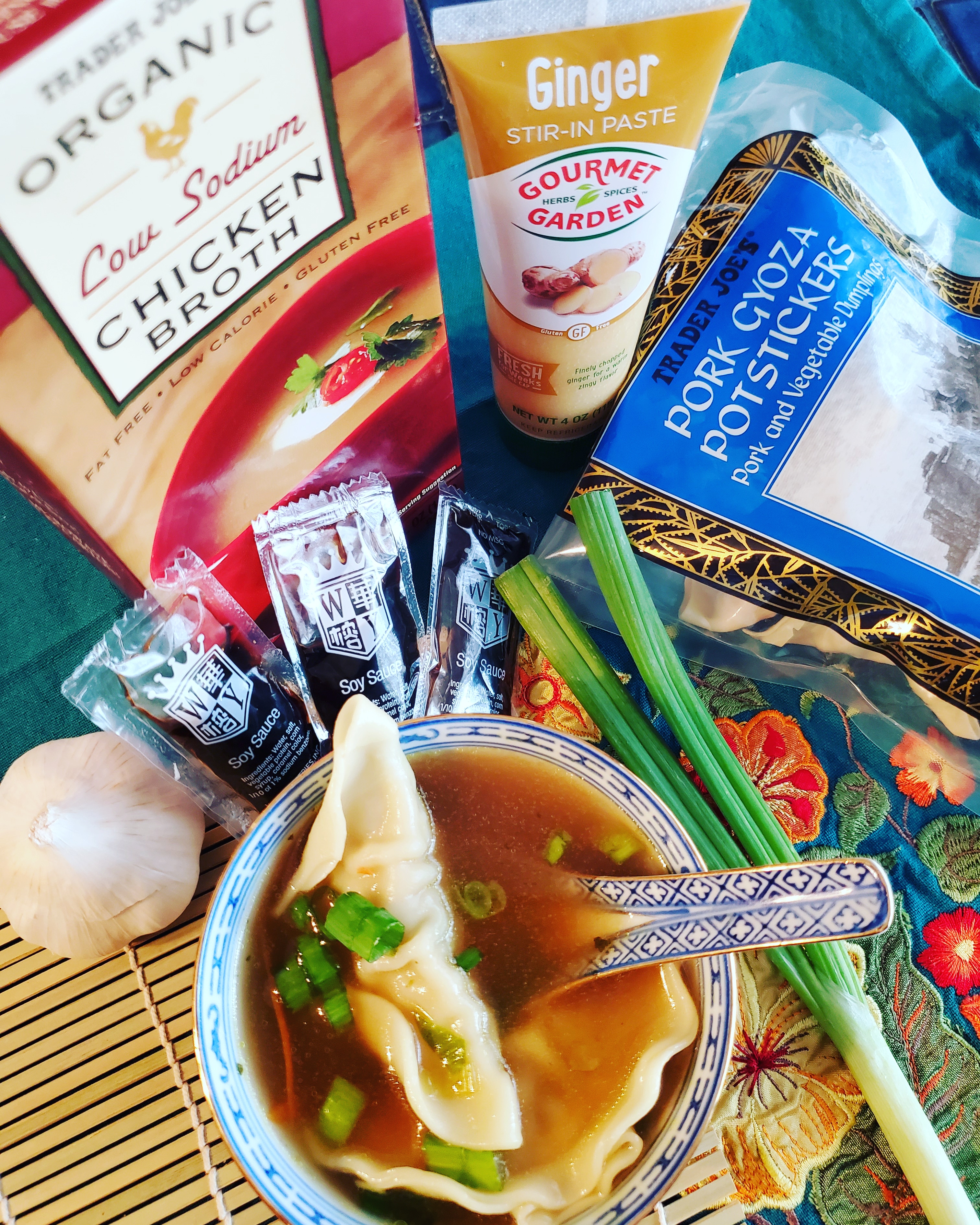
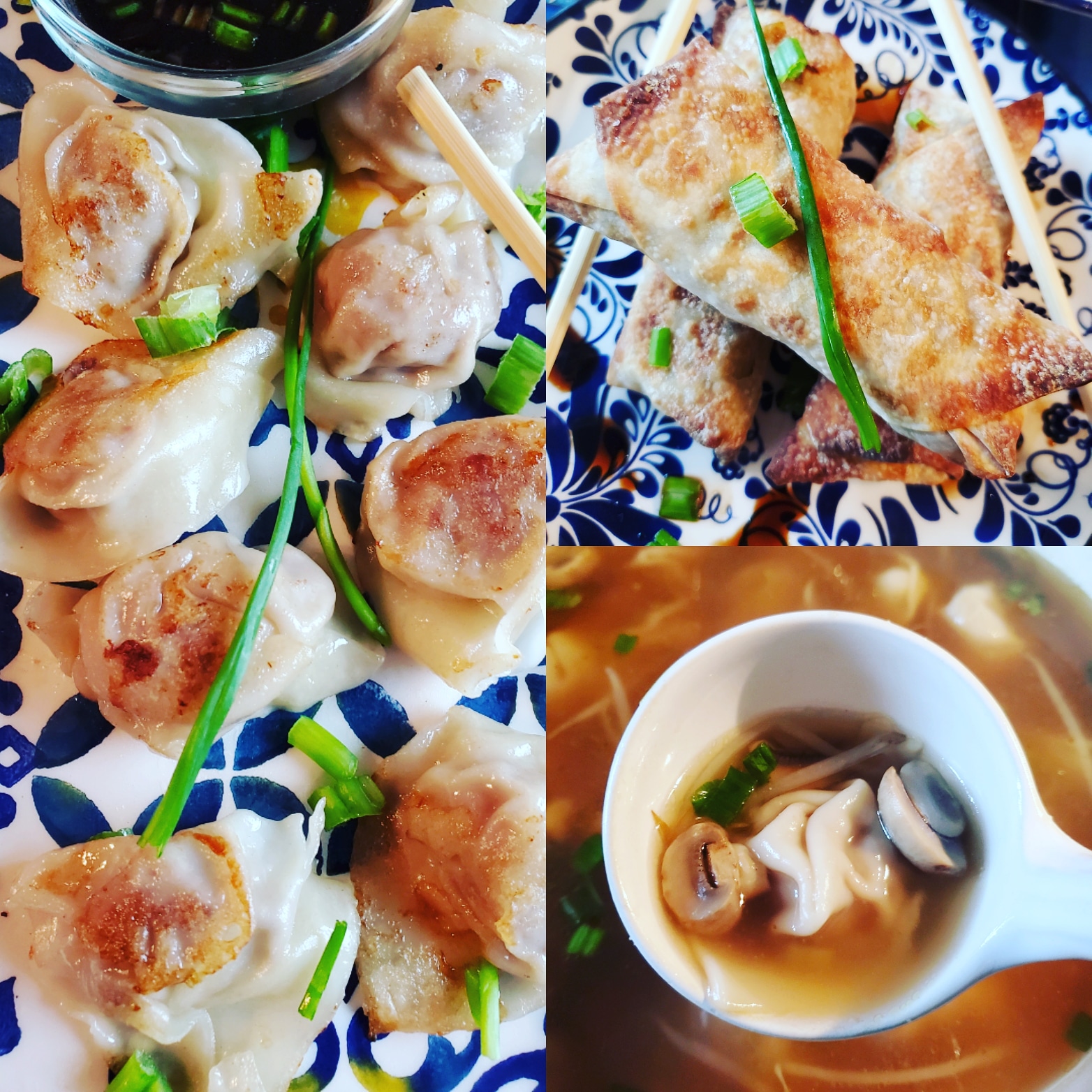
I always make it an Asian theme dinner so I make Won Ton Soup and Egg Rolls too! Find the recipes here.


Ingredients

1 package won ton wrappers (48)

12 oz raw ground pork

8 oz (about 15 medium 20 small) finely chopped raw shrimp

4 oz finely chopped water chestnuts (rinse & drain can)

1/4 cup finely chopped celery

3 finely chopped scallions

2  tsp sesame oil

2 tsp soy sauce

4  tsp corn starch

Instructions:

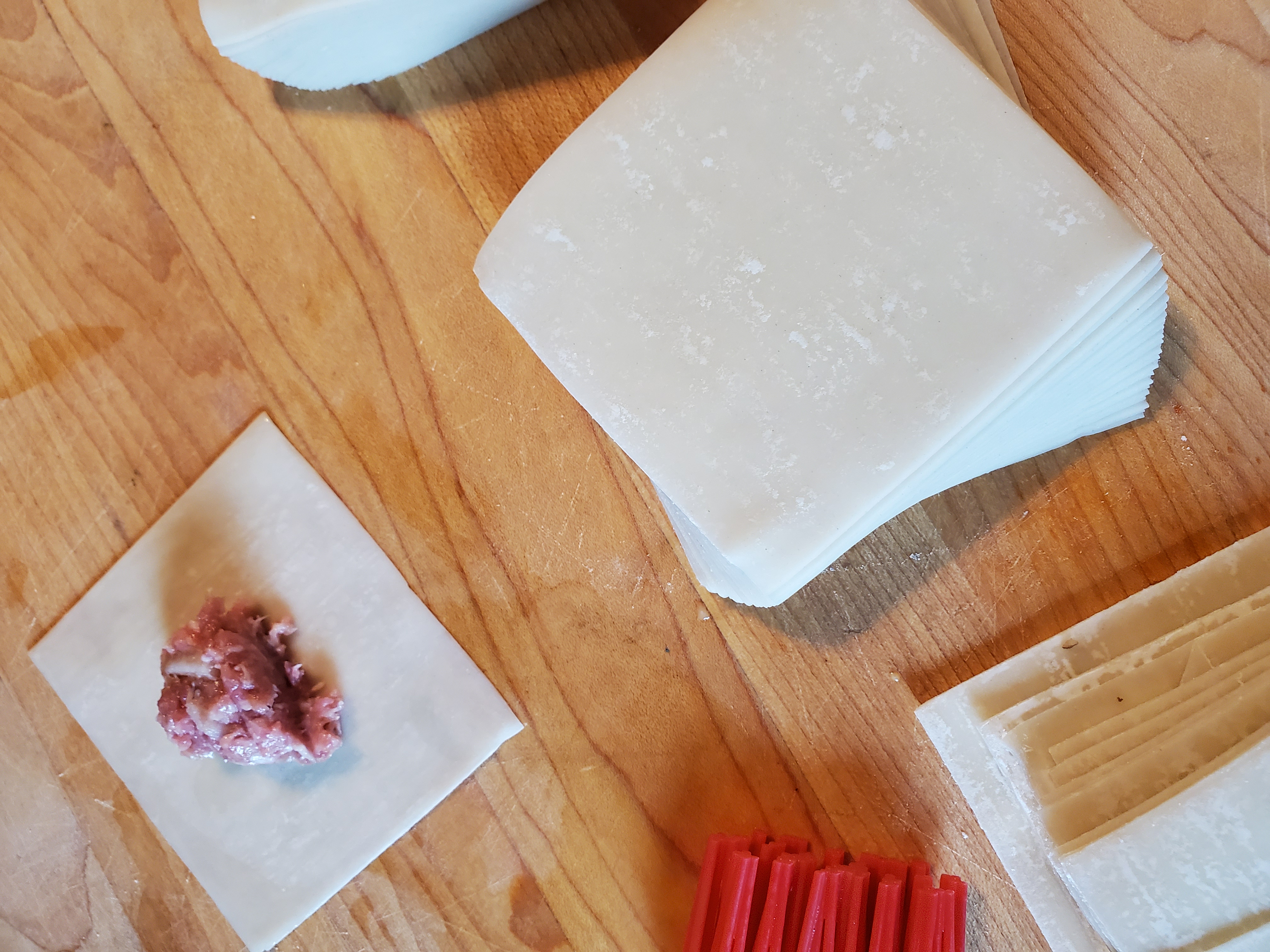
Mix all ingredients except wrappers and 1 tablespoon of scallions in a small bowl until all incorporated. Place 1 teaspoon of filling in center of each wrapper.

Moisten the edges with water and fold over to form a triangle. Pinch firmly to seal edges. Adjust filling accordingly by adding more or less filling. Set the dumplings aside until ready to cook.

In a medium skillet, heat vegetable oil to medium – high heat.  Place about 12 dumplings at time in the oil and let them brown for about 3 minutes, turning them over as needed. Reduce heat if you notice the dumplings are browning too dark.

Set the dumplings aside onto a platter until they are all browned. Add 1/2 cup water to the skillet and let it come to a boil.

Add 12 dumplings at a time back into the skillet, reduce heat to medium, cover and let them cook for about 5 minutes or until cooked through.

Add more water if needed. Test one to see if it’s cooked through.  Don’t let them over cook because the dough will become mushy and fall apart.

You can make these ahead of time to serve later, but let them cool and place in the refrigerator until ready to serve. Reheat by browning them in a greased skillet on low heat, or in your oven.

Serve with Soy Sauce topped with chopped scallions. Enjoy the Party!

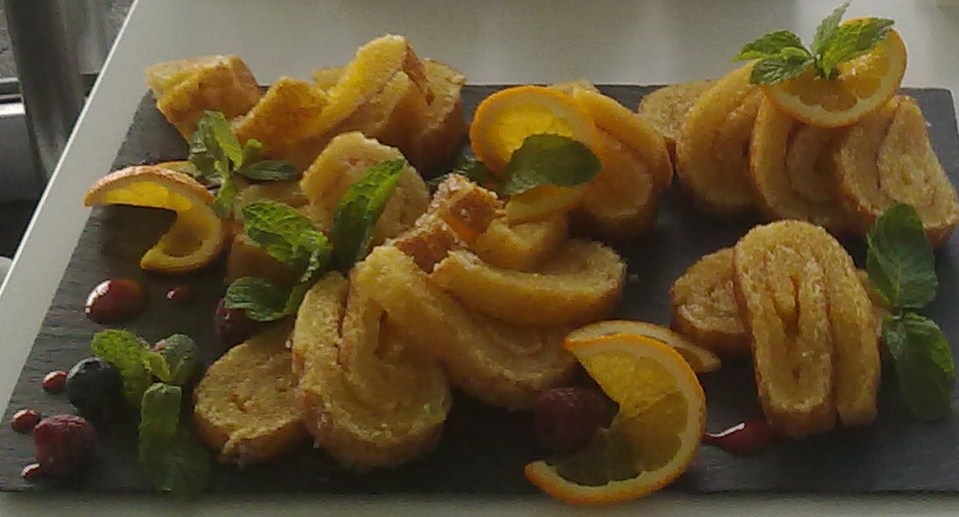
Torta de Laranja – Orange Roll

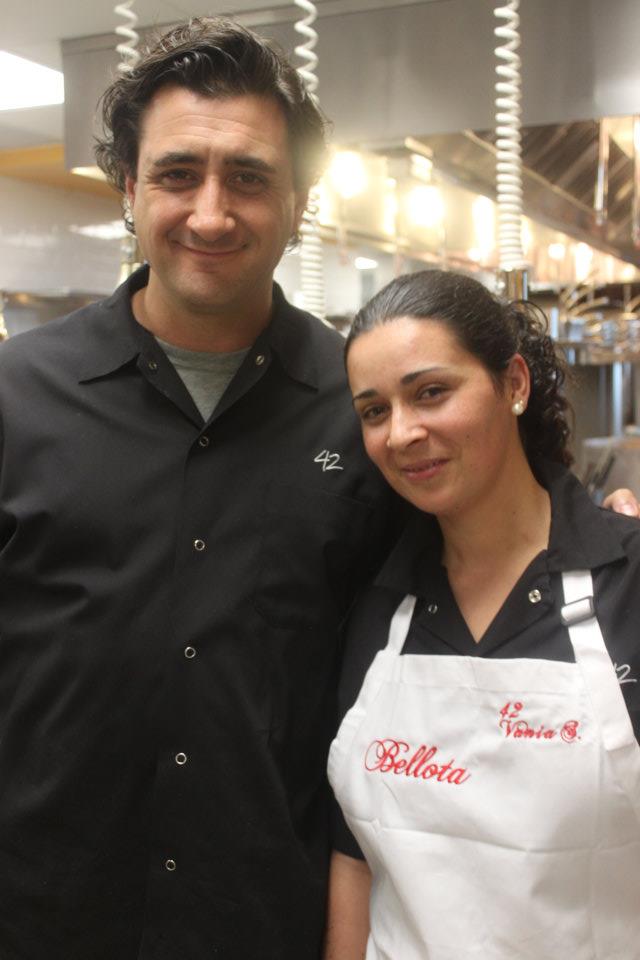
Chef Vania prepares dessert at Bellota


I admire a chef that can bake, because I admit that I am not a good baker. Baking is a science, where precise measuring and timing is needed. I don’t have the patience for that, so I usually cook relying on my instincts and taste buds.

When I bake I usually go with my 4 basic desserts; Coffee Cake, Pao de Lo, Torta, and Brownies. That’s it! So, this is the reason that I only look for dessert recipes requiring very few ingredients and little measuring!

Portuguese Pastry Chef,  Vania Soares creates some sweet “Portuguese” desserts such as the trio of Pasteis,  Natas do ceu , and Sonhos de chocolate, among other treats as the Pastry Chef at 42 and Bellota at The Ritz Calton in Westchester NY.

When I asked her for an easy recipe for a Portuguese dessert, she gave this one for her Torta de Laranja. This looks amazing and it only requires 4 ingredients, has no oil or butter in the recipe.

Chef Vania, graduated from the “Escola Profissional de Leiria” a renowned cooking school in Portugal. She later worked at the Madeira (hotel CS) and at the Sheraton Hotel in Porto before coming to America four years ago.

She told me she loves living in America but she misses her family and friends back in Portugal. Congratulations to Chef Vania for her accomplishments both in Portugal and in the USA and we wish her much success!

You can see more amazing photos as some of these featured here with Vania preparing her sweet creations by visiting the Facebook page of Henrigue Mano – Journalist for the Luso Americano newspaper.


Chef Vania and Executive Chef Anthony Goncalves of 42 and Bellota

Torta de laranja Recipe:

Ingredients:
1  3/4 cups sugar
1/3  cup & 1 tablespoon  corn starch
12  large eggs
3  Oranges (crated rind from 2 – juice from all 3 )
Instructions:

In a bowl mix sugar & corn starch. Add eggs one at a time and mix until foamy. Add the orange juice & rind and mix well. 
Grease or Pam a sheet pan and cover with parchment paper (spray with pam)
Cook 20-30 minutes in a 350 degree oven until a toothpick comes out clean.

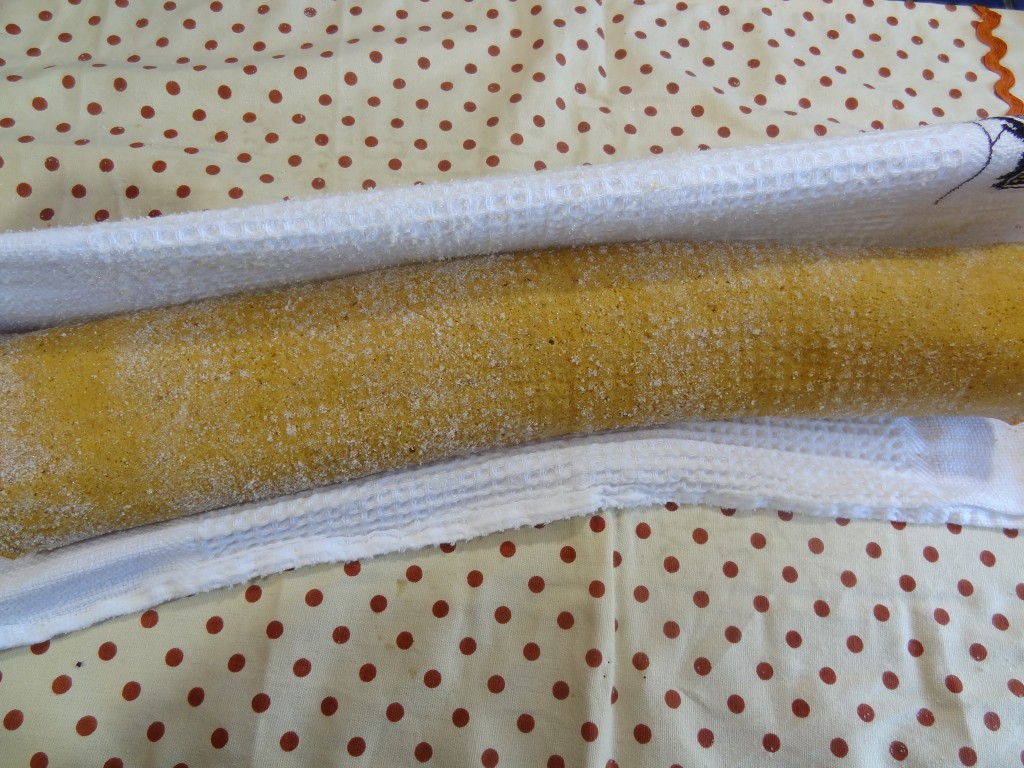
Let cool for a few minutes and invert onto a lightly sugared parchment paper. Roll up the cake along the long side with the paper to form a roll.
Let it cool for a few minutes. Unroll and serve with desired fruit and whipped cream.
Enjoy!


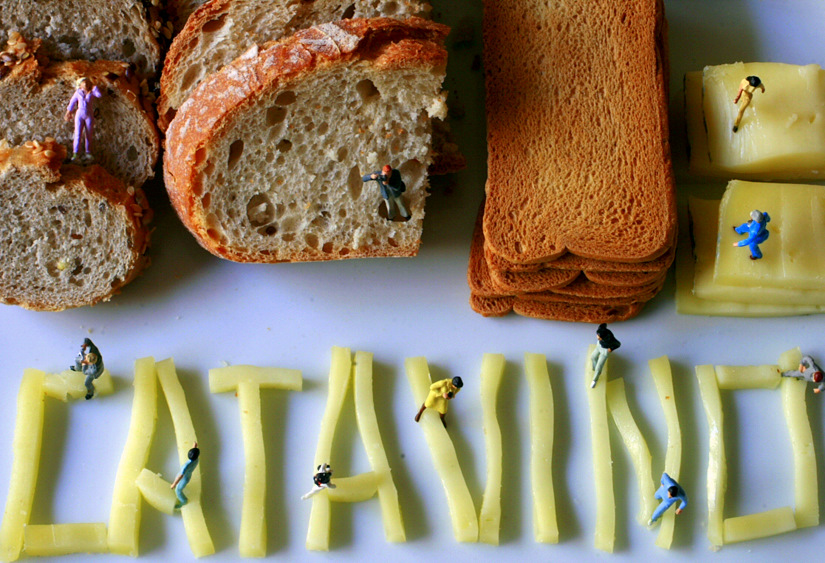
The Ultimate User’s Guide to Portuguese Cheese by Catavino

Part 1: The Ultimate User’s Guide to Portuguese Cheese | Catavino. July 20, 2009 | by Andrea Smith

Part 2. The Ultimate Guide to Portuguese Cheese/Catavino July 20, 2009 | by Andrea Smith

Part 3. The Ultimate Guide to Portuguese Cheese/Catavino July 20, 2009 | by Andrea Smith

Hi Everyone. I found a great blog to share with you. Catavino, is a wine blog run by husband wife team Ryan and Gabriella,who moved to Spain in 2004. “ Gabriella and Ryan combine their deep knowledge of Iberian wines and digital culture to develop a unique perspective on the wine industry.” (Catavino.net)

This amazing article written by one the blog’s writer’s Andrea Smith goes into detail about 15 Portuguese Cheeses given the designation: Denominação de Origem Protegida (DOP)Protected Designation of Origin (PDO.  The article has three parts so be sure to click on each of the links above.


“Andrea Smith moved to Campo de Ourique, Lisbon, in early 2008 with a dream to work and learn more about Portuguese wine. Born in Northern Virginia in 1983, Andrea’s Italian family taught her the importance of pairing fresh food with great wine, eventually motivating her to graduate from the Culinary Institute of America (CIA), where she earned an Associates and Bachelor’s degree in Culinary Arts and Business Management, as well as her Introductory Certificate from the Court of Master Sommeliers in 2004. Andrea plans to use her love of culture, gastronomy and language to research the hidden recipes and wines of Portugal.” ( Catavino.net – http://catavino.net/part-1-the-ultimate-user%E2%80%99s-guide-to-portuguese-cheese/)

“Based in Barcelona, Spain, the two have founded Catavino, a comprehensive educational website covering Spanish and Portuguese wine through Iberian food, culture and travel. After years of exploring the Peninsula, they discovered that wine was the life blood and the common bond that unites this exceptionally diverse peninsula. And by sharing the stories that enhance, encompass and explain wine’s intricate relationship within the culture, we might better understand meaning and history of Spanish and Portuguese wine itself. However, Catavino wouldn’t be possible without our talented and passionate team of correspondent writers located across the globe in 5 different countries. Without their vast and profound knowledge of Iberian wine, food and culture, our content would lack significantly in both breadth and richness. If you are passionate about Iberian food, wine or culture and would like to become a correspondent writer for Catavino, please contact us.

In the past 6 years, Catavino has grown immensely, allowing us to not only expand our website to include Iberian wine content as it relates to food and culture, but also enhance the wine blogging community as a whole by committing our time to equally important side projects, such as:

Vrazon, our wine marketing and conversation agency. With our partner, Robert McIntosh, we’re finding ways to build “social” into the wine world through our events, blogs, podcasts, client projects, speaking engagements, workshops and consultancy. Under the Vrazon banner, you can join the conversation in 5 distinct ways: Wine Conversation (our blog), European Wine Bloggers Conference, Born Digital Wine Awards, Access Zone and Wineblogger. (Catavino.net –  http://catavino.net/about-us/)


Festa de Sao Joao – Old Traditions in Porto, Portugal

saojoaofireworksThere’s an old saying in Portugal that says; “Porto works while Lisbon plays”.  However during the Festa de Sao Joao – St John’s Festival, which is held on June 23-24th the city celebrates the birth of Saint John the Baptist.

On that day, the city of Porto comes alive and puts on one of Europe’s best summer festivals.

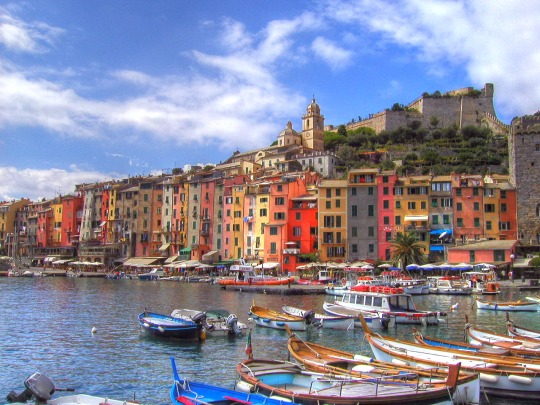
Porto is the second largest city in Portugal.  It’s one of Europe’s’ oldest cities and in 1996 it was registered as an official UNESCO World Heritage site.

porto

The name Porto is said to have originated by the Roman’s Latin world  Portus Cale –  meaning the name of a settlement along the river Douro “Port of Cale”. Some historians believe that it’s where the county’s name “Portugal” came from.

As many of you know, the infamous “Port Wine” derived it’s name from the area where it is produced.

Many traditional pagan rites connected with fire, water, and love are observed celebrating the “Summer Solstice”.

The festivities begin on the 23rd, the night of St. Johns Eve. In the afternoon the Avenida dos Aliados is filled with a parade of “Marchas” folk music, singing and dancing until the hour of midnight where there is a spectacular fireworks display on the “Ribeira” the coast along the Douro river. Visit Porto Tourism Official site for information on the planned events.

When the firework display finishes, singing, dancing, and the traditional marches continue as the people dance their way from Ribeira up to Foz on the Atlantic coast where they wait for the sun to rise.

SaoJoao_d3 Here they follow an ancient folklore tradition by bathing in the ocean before sunrise to ward off evil since it is believed that the water on St. John’s Eve has spirit healing quality.

Porto-Sao-Joao-2

sao joao

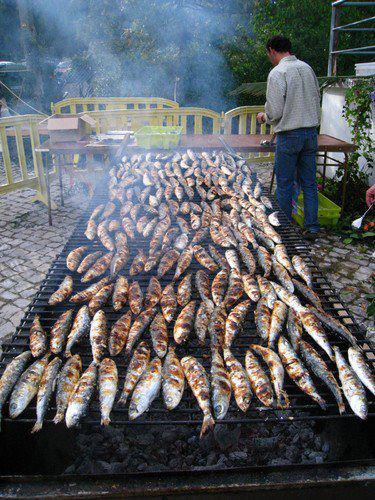
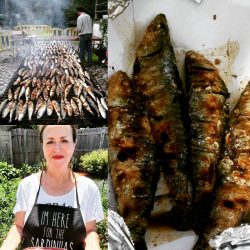
Along the streets you’ll find cafes and booths offering the traditional foods such as the most favorite food, sardinas assadas as well as many souvenirs.

sardines2

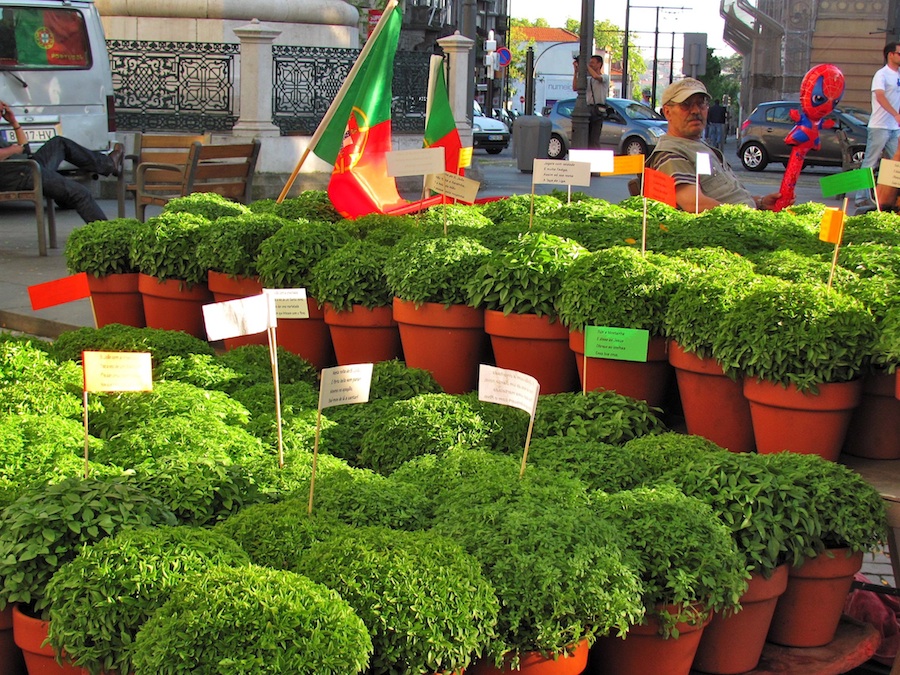
In old folklore it was custom to hit each other on the head with “garlic flowers” but in Porto these days they use plastic hammers.  Potted basil plants (manjericos) with a short poem of four versus, are exchanged as a ritual.

Basil

On the 24th the  Regatta of Rabelos Boats parade takes place along the mouth of the Douro river. These wooden boats have been used for centuries to transport the world renowned Port Wine.

I learned many things that I didn’t know about the “Festa de Sao Joao” which my mother had always reminded of every June. It amazes me how the Christian celebrations are closely tied into the old pagan rituals.

I know that’s how they were able to convert many people to Christianity by allowing them to observe the rituals of Summer Solstice, Winter Solstice for Christmas, Spring Equinox for Easter, and so forth…

I’m glad that I remembered this year and I was able to share with you some of the traditions of our native home- Portugal.

Listen to one of the classic songs of the celebration –  “Sao Joao Bonito”


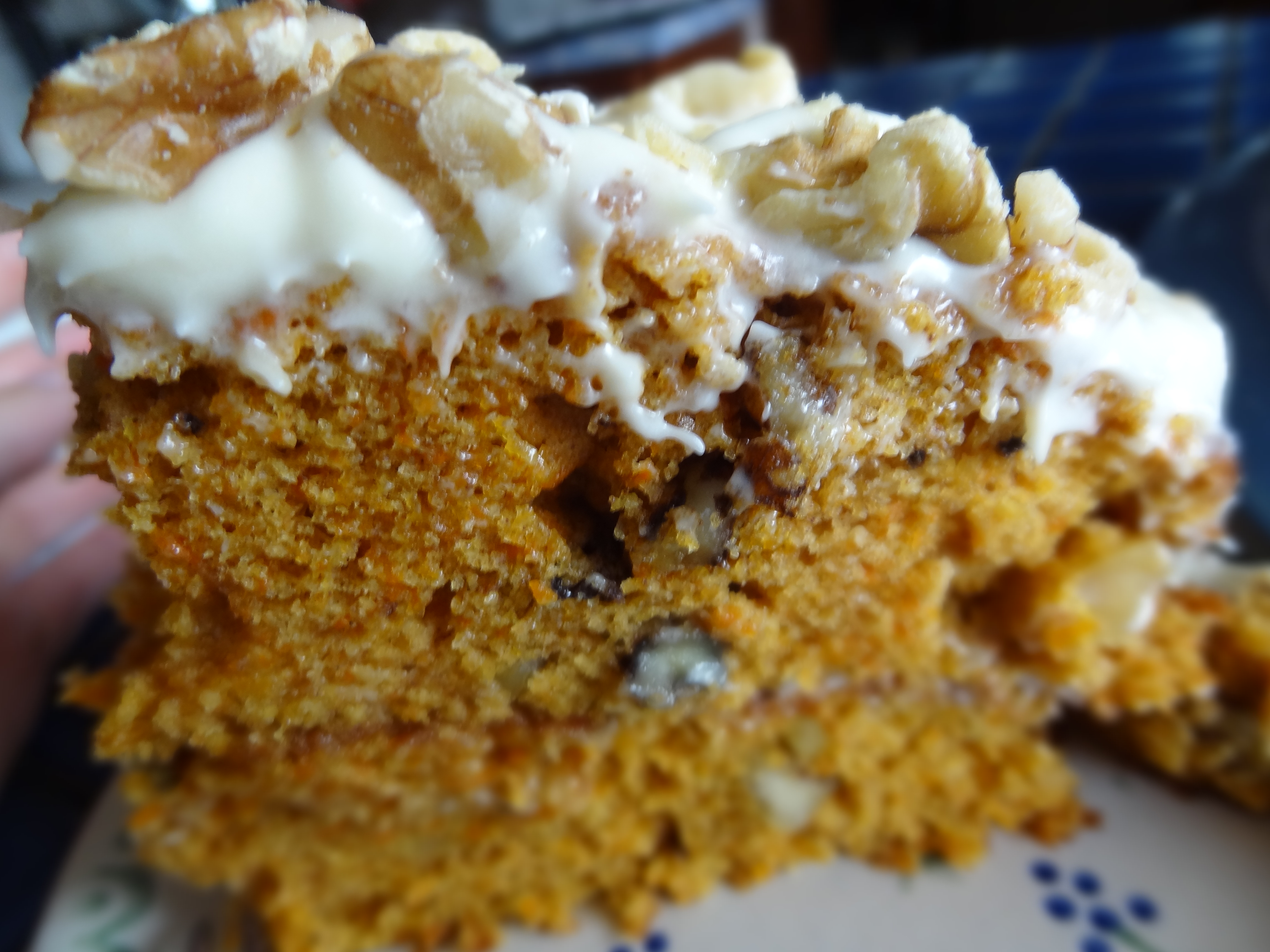
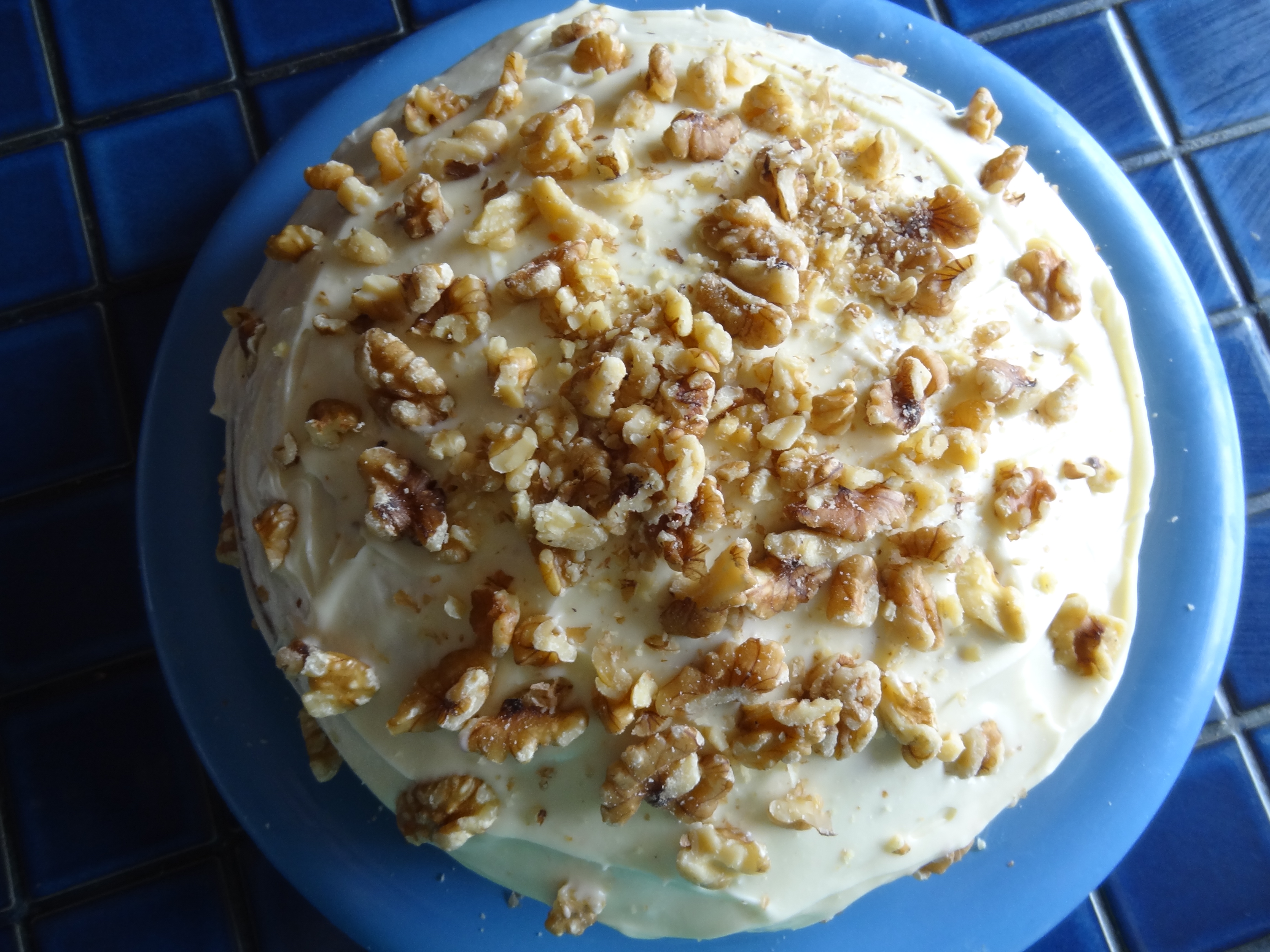
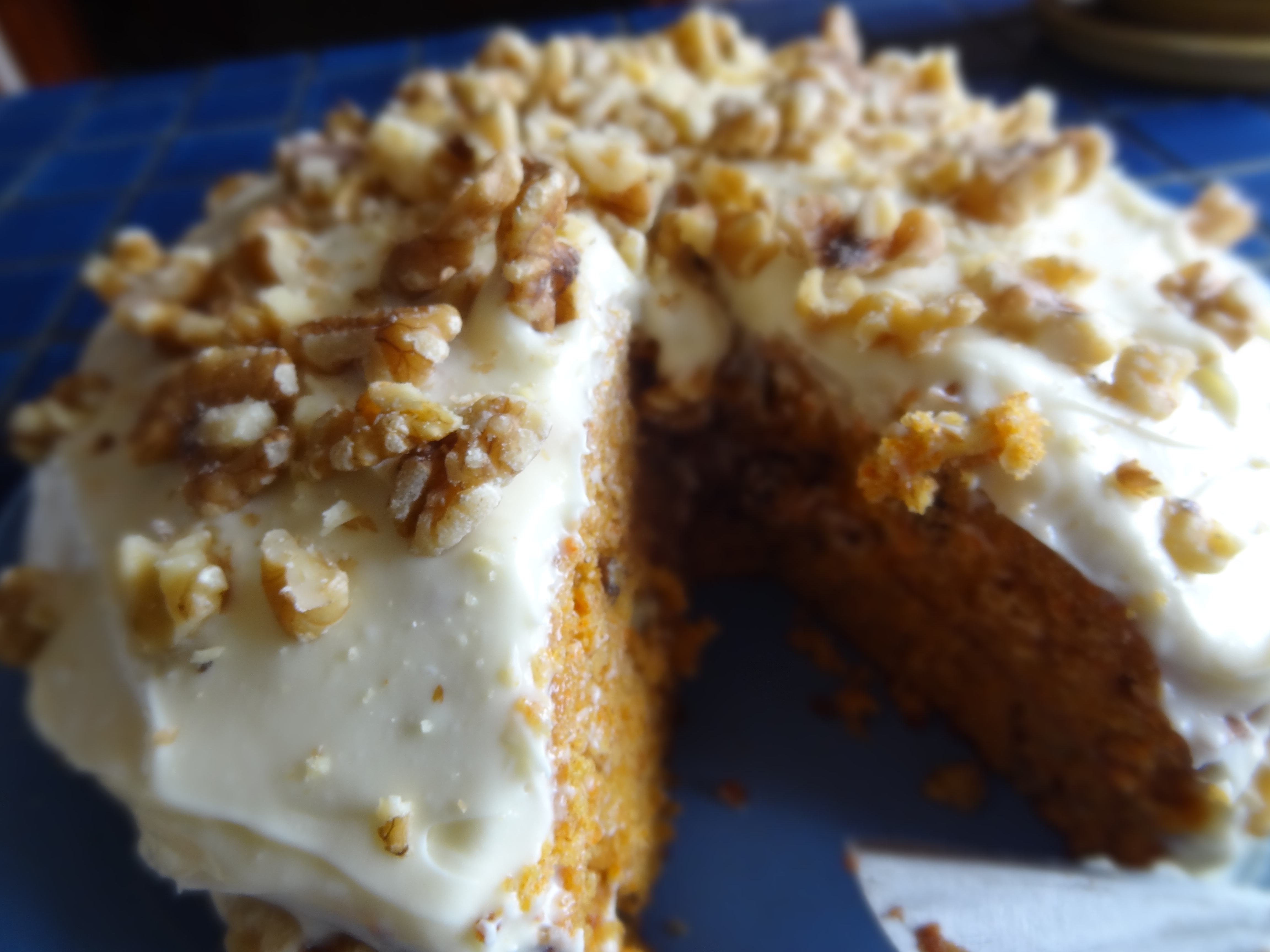
Tia Maria’s No Oil Carrot Cake


Carrot cake is easy to make and I can bet that most of you have all of the ingredients in your pantry right now!

If shredding the carrots intimidates you, don’t kill yourself, or your arm, just shred them in your food processor!

I find that using oil in carrot cakes often leaves the cake greasy, so I use margarine and yogurt for moistness instead.

After you try this recipe and see how deliciously easy it is to make, you’ll never buy a store carrot cake again!  Enjoy!


Oil – Less Carrot Cake

Ingredients:

2 cups flour

1 cup brown sugar

1 tsp baking soda

1 tsp baking powder

1 tsp salt

2 tsp cinnamon

3 eggs room temp

3 cups shredded carrots

1 stick margarine (soft)

1/2 cup Pineapple fruit on the bottom yogurt (or any you prefer)

1 cup chopped walnuts (optional)

1 cup raisins (optional)


Frosting:

1 Package cream cheese (room temp)

2 cups confectioners sugar

1 tsp  vanilla


Instructions:

In a large mixing bowl, mix eggs, sugar, and margarine until creamy.  Add Carrots and yogurt. Combine all other ingredients except walnuts in a bowl. Add dry ingredients to the wet batter and mix for about 5 minutes.  Add the walnuts and raisins if desired and fold into batter.

Poor into 2 greased 9 in round cake pans. Cook in 350 degree oven for 30 -40 minutes until toothpick comes out clean. Let cool and frost with desired amount of cream cheese frosting. Top with more walnuts!

(If you like lots of frosting, double the frosting recipe)

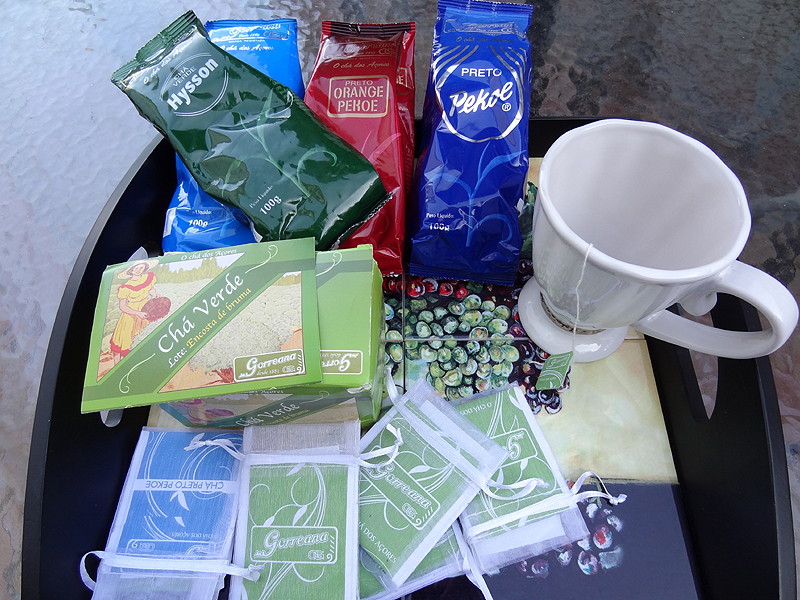
Perfect cake to have with some Organic Gorreanna Tea from the Azores, Portugal.

Watch this promotional video from Goreana Tea which uses my photo that I took of their tea last summer on my patio table.


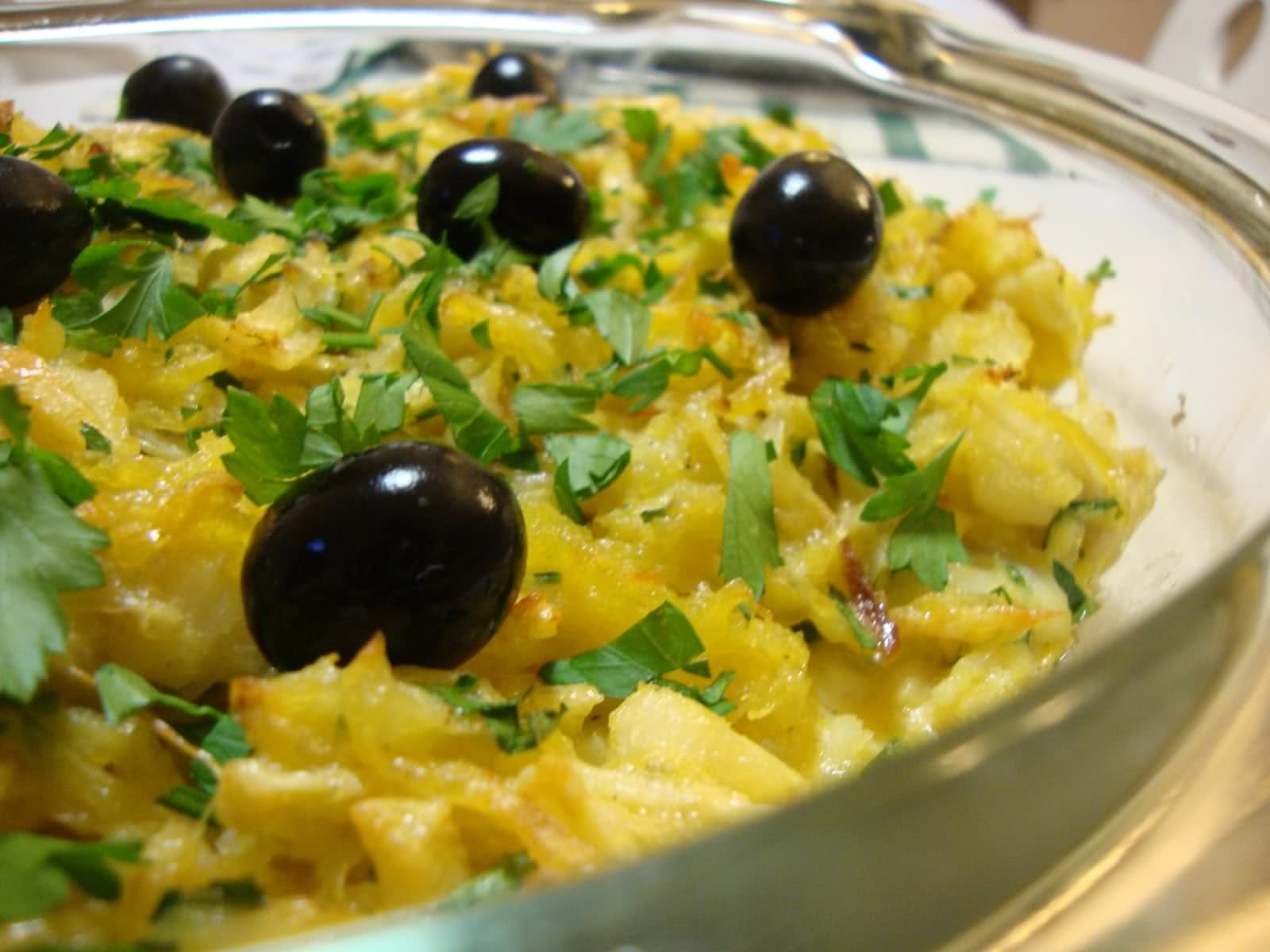
Bacalhau à Brás – Cod Fish and Egg Scramble

image credit: http://bacalhautuga.blogs.sapo.pt/2004.html

This video for the recipe of Bacalhau à Brás, (Cod Fish with Potato Sticks) by Michelin Star Chef Jose Avillez  is from Taste Portugal. The recipe for this dish is said to have originated hundreds of years ago in the Estremadura (meaning extremities), the coastline region of central Portugal known for its consistent wind and ocean waves. The Chef’s restaurant, Belcanto, Lisbon Portugal has been awarded a Michelin Star for 2013. Congratulations to the Chef!

This popular Euro windsurf and surf destination has great beaches which has hosted many surf championships including the IFCA wave championships.

It’s interesting to note that last month,  The Guinness World Records confirmed that Garrett McNamara broke the record for the biggest wave ever, a 78-foot wave (23,7 metres) in Nazaré, Portugal by riding the wave in November of 2011. Read the article in Surfer Today.


Estremadura, Nazaré historical coastal province of central Portugal that contains Lisbon and the Tagus River estuary.

The landforms of Estremadura are geologically younger than other parts of the Iberian Peninsula, containing sandstone, limestone, and volcanic rock instead of granite and schist. The peninsulas of Lisbon and Setúbal are divided by the lower Tagus River valley. Land use north of the Tagus is diverse. Vineyards, olive groves, and cereal plots are found on the hilly slopes, and the Cartaxo and Torres areas are known for their wines. South of the Tagus the landscape is less tamed; much is still unproductive or in extensive estates of cork oak forest. Along the Tagus valley, corn (maize), grapes, rice, and wheat are cultivated, and some of Portugal’s finest horses and fighting bulls—both used in Portuguese bullfights—are raised there. A bullfighting museum is near Sintra.

Known as the Portuguese Riviera, the coastal region west of the city of Lisbon has important resort centres, including Estoril, Cascais, and Sintra. Apart from Lisbon, other chief towns include Setúbal, the main sardine port, with canneries; Barreiro and Almada, suburbs of Lisbon; and the fishing towns of Peniche and Nazaré.

“Estremadura”. Encyclopædia Britannica. Encyclopædia Britannica Online.
Encyclopædia Britannica Inc., 2012. Web. 21 May. 2012

Now that I shared a little bit of Portugal’s geography with you let’s get back to the recipe for this centuries old, yet one of Portugal’s most popular dishes!

 Recipe:

Bacalhau à Brás

Ingredients:

4 oz of hydrated salt cod finely shredded

1 small potato cut into small match stick size

1 egg + 2 yolks

1/4 cup thinly sliced onion

1 clove garlic

2 bay leaves

1 tbsp chopped parsley

5 olives

Salt & Pepper to taste

2 tbsp olive oil


Preparation:

Fry the potato sticks in very hot oil and set aside. Saute onions Garlic and Bay leaf until translucent (about 2 minutes) in olive oil.

Stir the cod fish into the onions and cook for about 1 minute. Remove Bay Leaf. Add eggs on very low heat until cooked leaving a creamy texture.

Stir in the potato sticks and parsley.  Reserve a few sticks to use as garnish. 

Add salt and pepper to taste.  Garnish with olives and parsley. Enjoy!

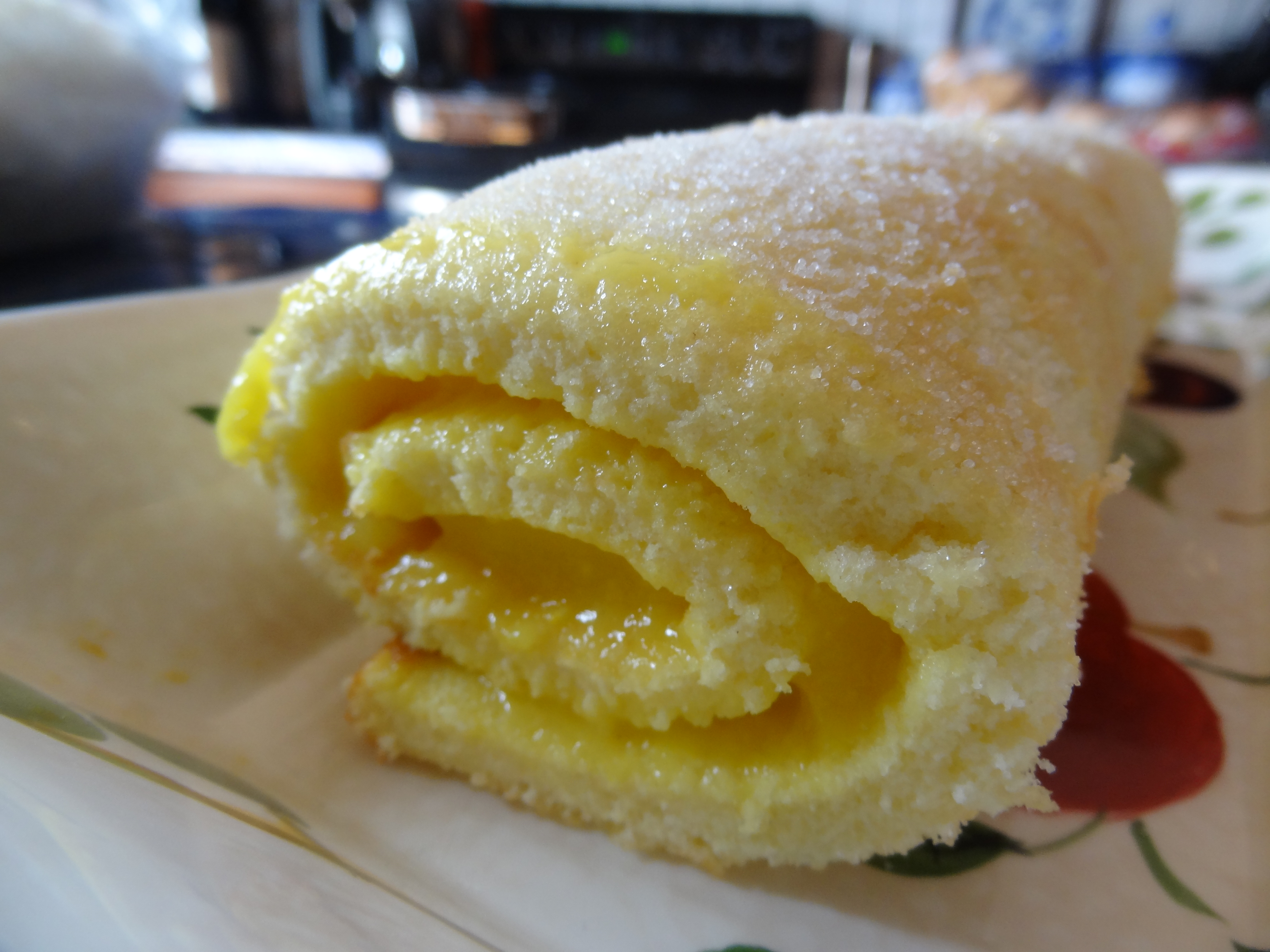
Portuguese Lemon & Vanilla Torta

This recipe for Torta (similar to a Jelly Roll) is easy to prepare and only takes 15 minutes to bake.

What’s great about this recipe is that you can change the fillings to any that you prefer such as; chocolate pudding, flavored jams, or fresh chopped fruits like strawberries, peaches, berries etc.


Lemon Vanilla Torte

 Ingredients:

5 room temp eggs separated

3/4 cup flour

1 tsp baking  powder

1/2 tsp salt

2 tsp crated lemon rind

1 tbsp lemon juice

1 package instant Vanilla or Lemon pudding mix

1 1/2 cups milk

3/4 cups sugar


Instructions:

Preheat oven to 350 degrees. Grease (Pam spray or margarine) and line a large sheet pan with parchment paper. Combine flour, salt, baking powder in a bowl.

In a large bowl beat egg yolks with 1/4 cup of sugar until lemony. Add flour mix, lemon zest and lemon juice and mix well for about 5 minutes.

In a separate bowl beat the egg whites until they form soft peaks. Add the 1/2 cup sugar gently into the whites until stiff peaks form.

Gently fold the egg whites into the eggs with a rubber spatula. Pour into the sheet pan spreading evenly. Cook for about 15 minutes or less depending on your oven. The cake should be golden light brown in color.

Prepare the pudding by mixing the contents of the package with only 1 1/2 cups of milk (not 2 cups as package directs).

Mix for 2 minutes, then place in fridge to thicken.

Place a clean linen white kitchen towel on the counter and sprinkle generously with granulated sugar. Slowly flip the cake pan onto the towel with the sugar.

Peel the parchment paper off the cake, then roll up the cake with the dish towel and let it sit for 5 minutes for the cake to cool.

Unwrap the rolled up cake let sit for a few minutes and spread the pudding (or any filling you prefer) evenly over the cake.

Gently roll up the cake without the towel leaving the edge on the bottom.

Sprinkle more sugar on top of the Torta to serve. Enjoy!


Portuguese Easter Bread – Folar de Pascoa


“Folare da Pascoa” –  “Easter Bread” is a symbolic bread made for Easter celebrations.

There are many different versions of the bread made in the Christian, Catholic, and Orthodox communities around the world.

They all have the common theme of a cross, or Chris-crossed, shape made on top of the bread with dough to represent the crucifixion of Christ.

Sometimes eggs are baked inside the bread to represent rebirth or fertility.

In Medieval times eggs were exchanged to represent seasonal rebirth. When Christianity evolved, the eggs significance changed to represent the rebirth in man as Jesus Christ was reborn on Easter Sunday.

Chef Luisa Fernandes  Executive chef at Robert Restaurant/MOD Museum of Art & Design made these Easter Breads.  I was so happy that she gave me her recipe to share with you.

Watch the chef in a recent interview on Portuguese TV:


Recipe Folar de Pascoa by Chef Luisa Fernandes.

Ingredients:

4 cups flour
1 1/2 cups flour to begin starter dough
3/4 cup margarine
4 eggs
2 packages dry east
1 3/4 cups sugar
1 tbsp cinnamon
1 tbsp Anise seed
1 tsp salt
2 cups warm milk
crated rind of 2 lemons

Instructions:
In a large bowl dissolve yeast in a 1/4 cup of warm water. Add the 1 1/2 cups flour, knead well and set aside.
Mix dry ingredients together in a bowl. In a mixing bowl with a dough hook,  mix eggs and warm milk, margarine, then add dry ingredients and the prepared dough.

Continue mixing until the dough feels like soft bread dough.  Place dough into a large bowl that has been coated with flour, cover with saran wrap and a warm towel. Let the dough rise for about 3 hours in a warm area.

Meanwhile boil the 4 eggs in onion peels (yellow onions for golden eggs, red onion peels for red eggs) for about 10-12 minutes which will make them get a golden color. Set them aside. (This step is optional, you can leave out the eggs.)

When your dough has risen remove from bowl and place on a floured surface.

Divide the dough in half or quarters depending on how big you want to make each bread. Form into round loaves then place 1 or two eggs in the center.

Make a cross with at strip of the dough and place over the eggs.

Brush the bread with egg wash. Cook at 375 degrees for about 1 hour or until the bread is golden brown.
Watch Chef Luisa on Chopped