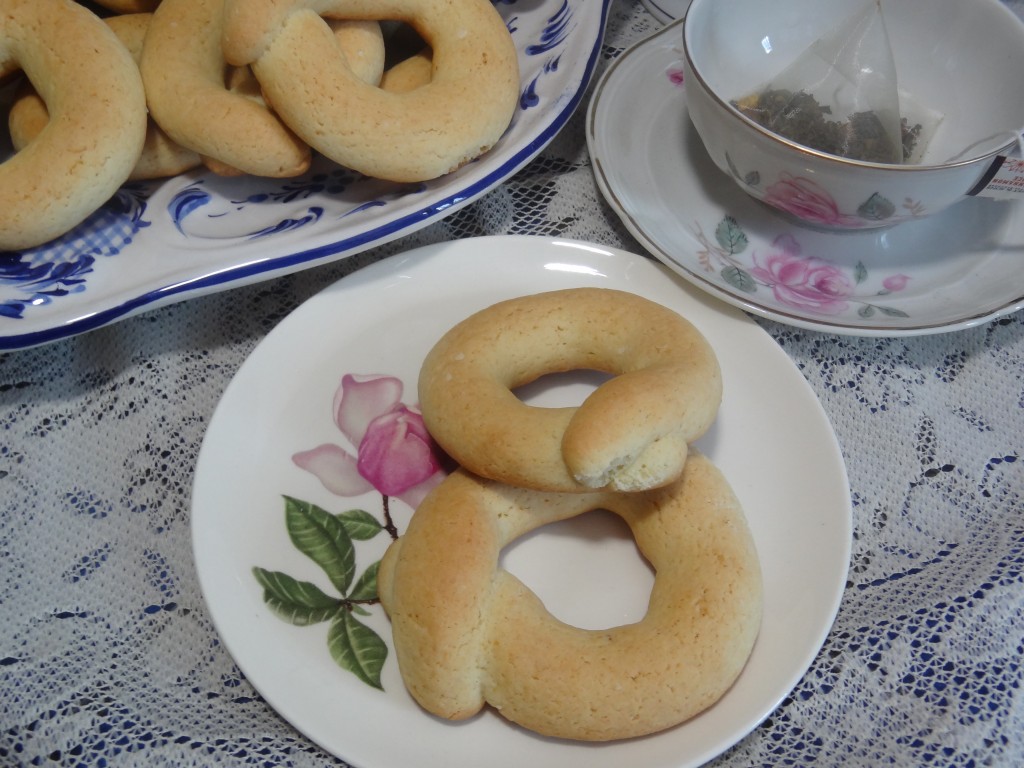
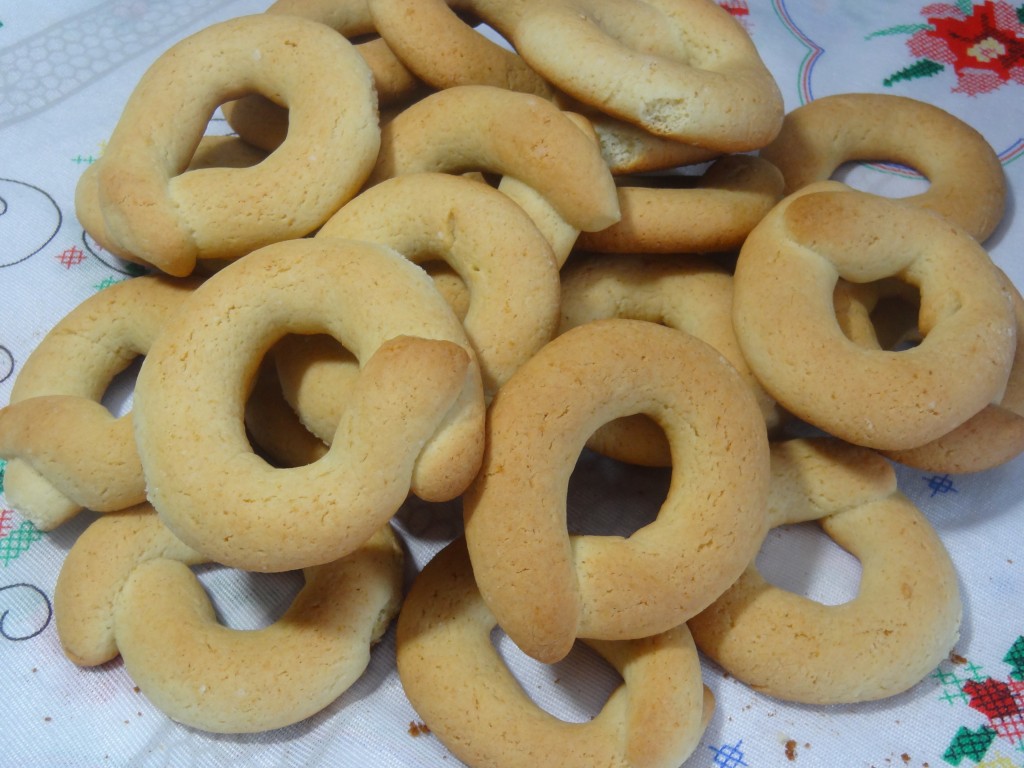
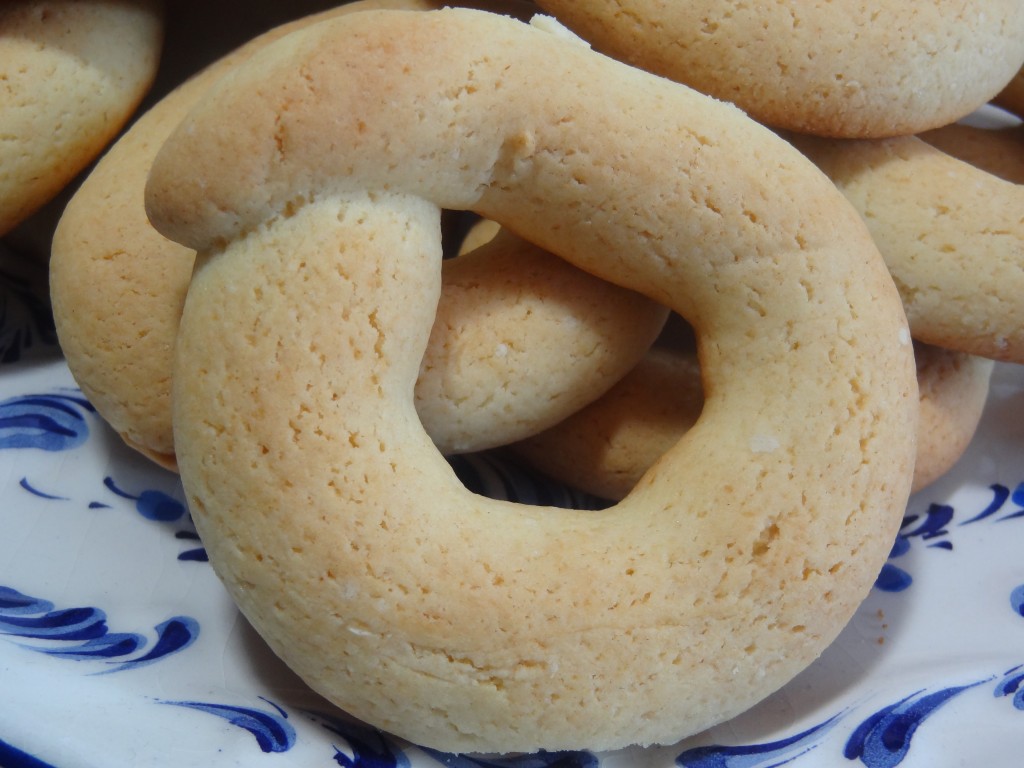
Portuguese Biscuit Cookies are perfect for your afternoon tea but they are great any time of the day!
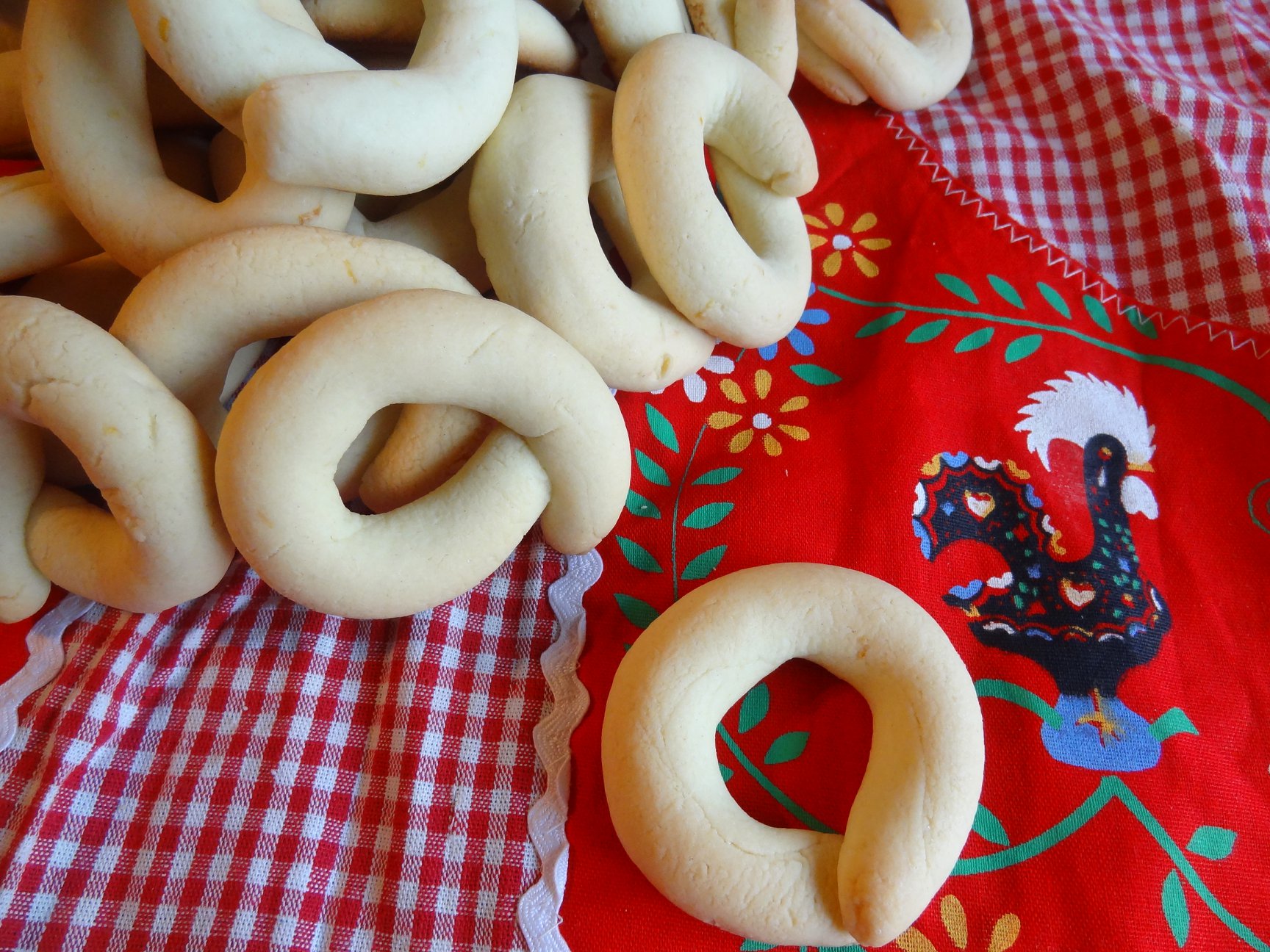
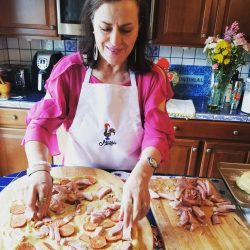
This recipe is is simply easy, and perfect, for you to make with your kids because they can get their little hands into the dough and make all kinds of circle shapes, numbers, hearts and letters! *See my photos below, I guess the dough brought out the child in me!
Store in a Cookie jar and enjoy!
Here’s a video from our Youtube Channel:
Ingredients:
3 cups of flour + more if needed
1 cup of sugar
3 eggs (room temp)
6 tbsp of Margarine or Butter
2 tsp of baking powder
1 tsp grated lemon peel or Anis Liquor (optional)
Instructions:
Preheat the oven to 350 degrees. Soften the butter and mix with the sugar in a medium bowl until light and fluffy.
Add the eggs and lemon and beat for about 1 minute. Add the flour and baking powder to the sugar and mix with a dough hook for about 3 minutes until the batter forms into a ball. *You may need to a little flour if you find the dough too soft depending on your butter or the size of your eggs.
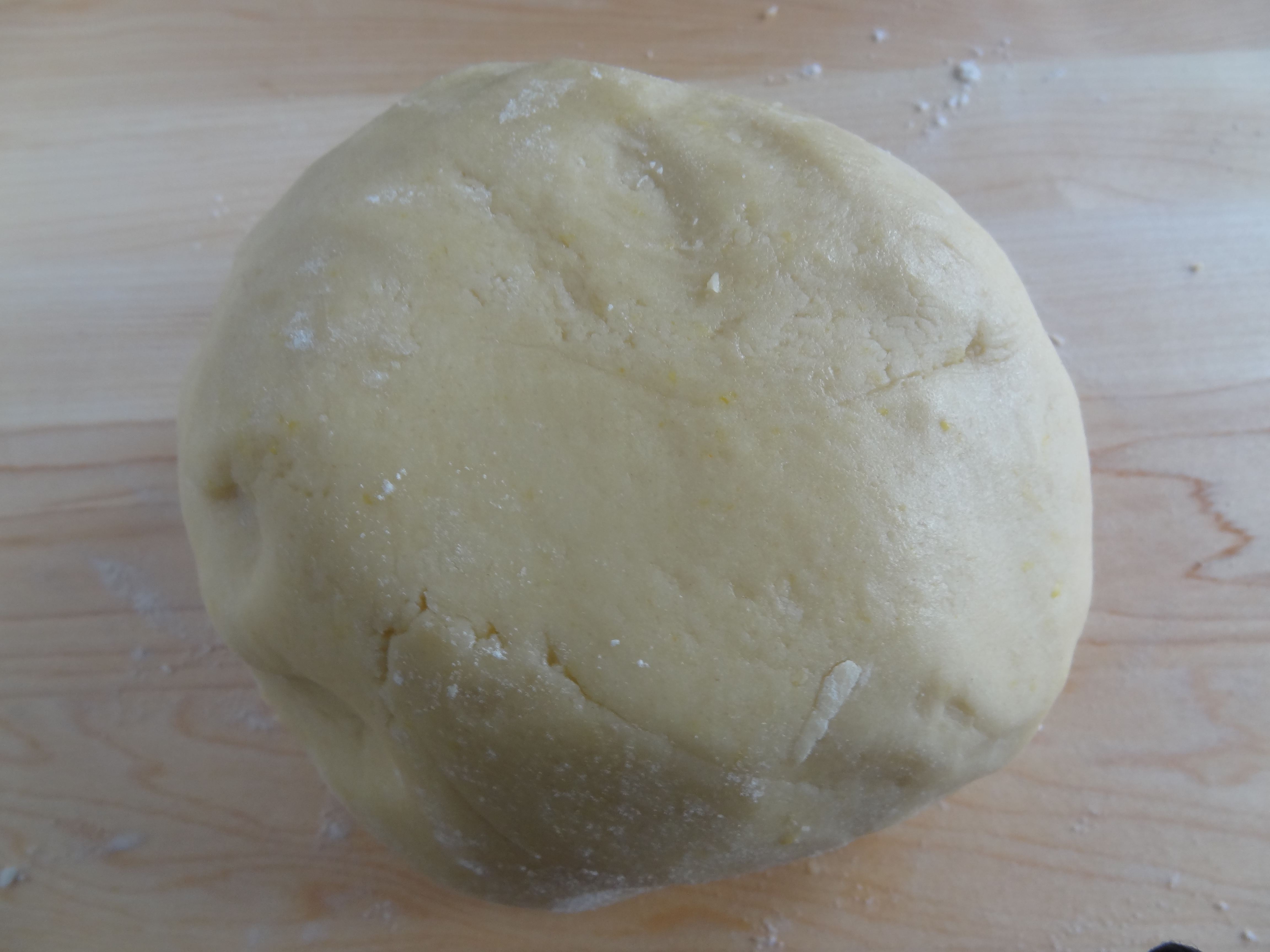
Place the smooth dough onto a lightly floured cutting board and shape into a flat disc with 1/2 inch in height.
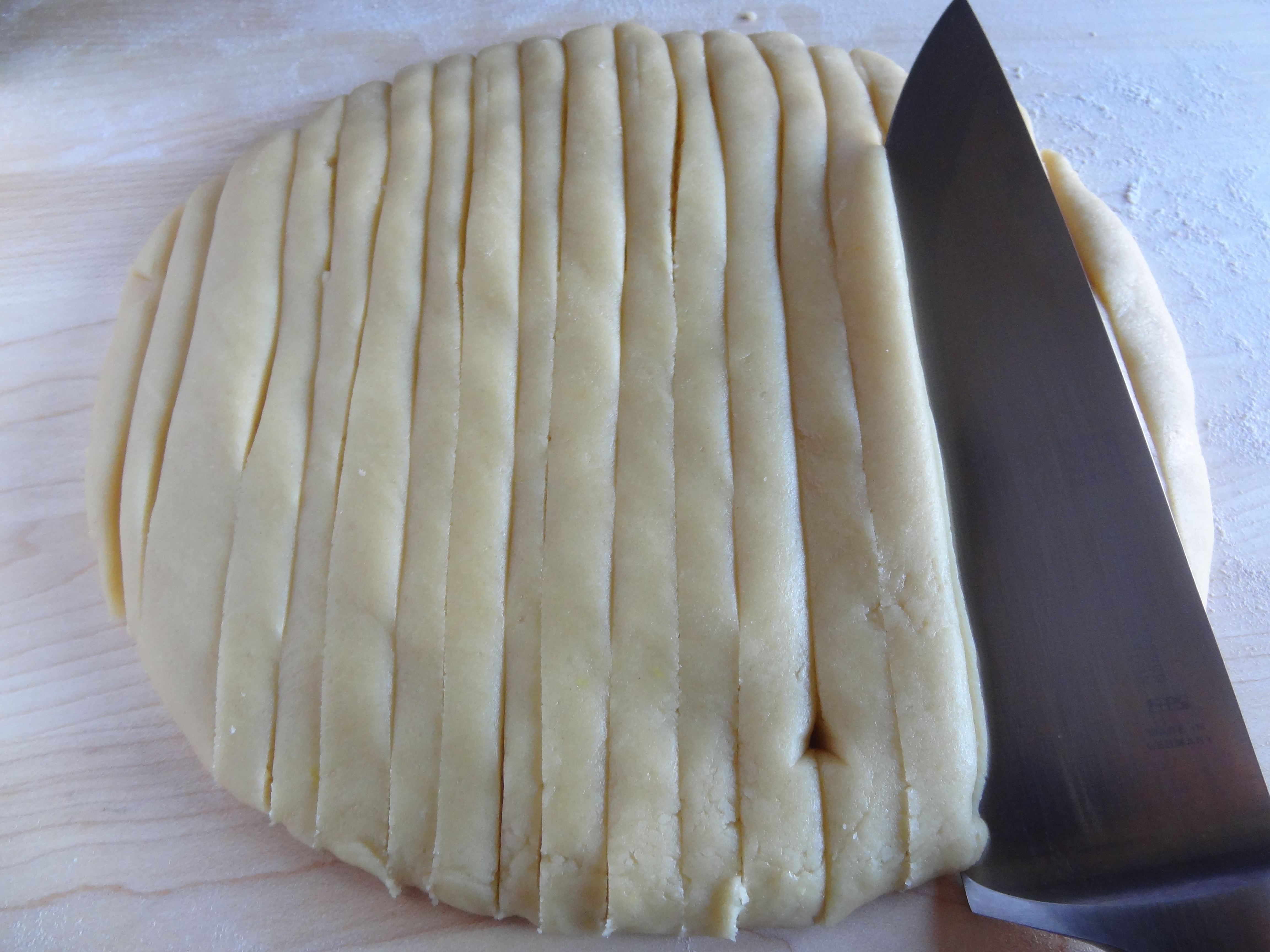
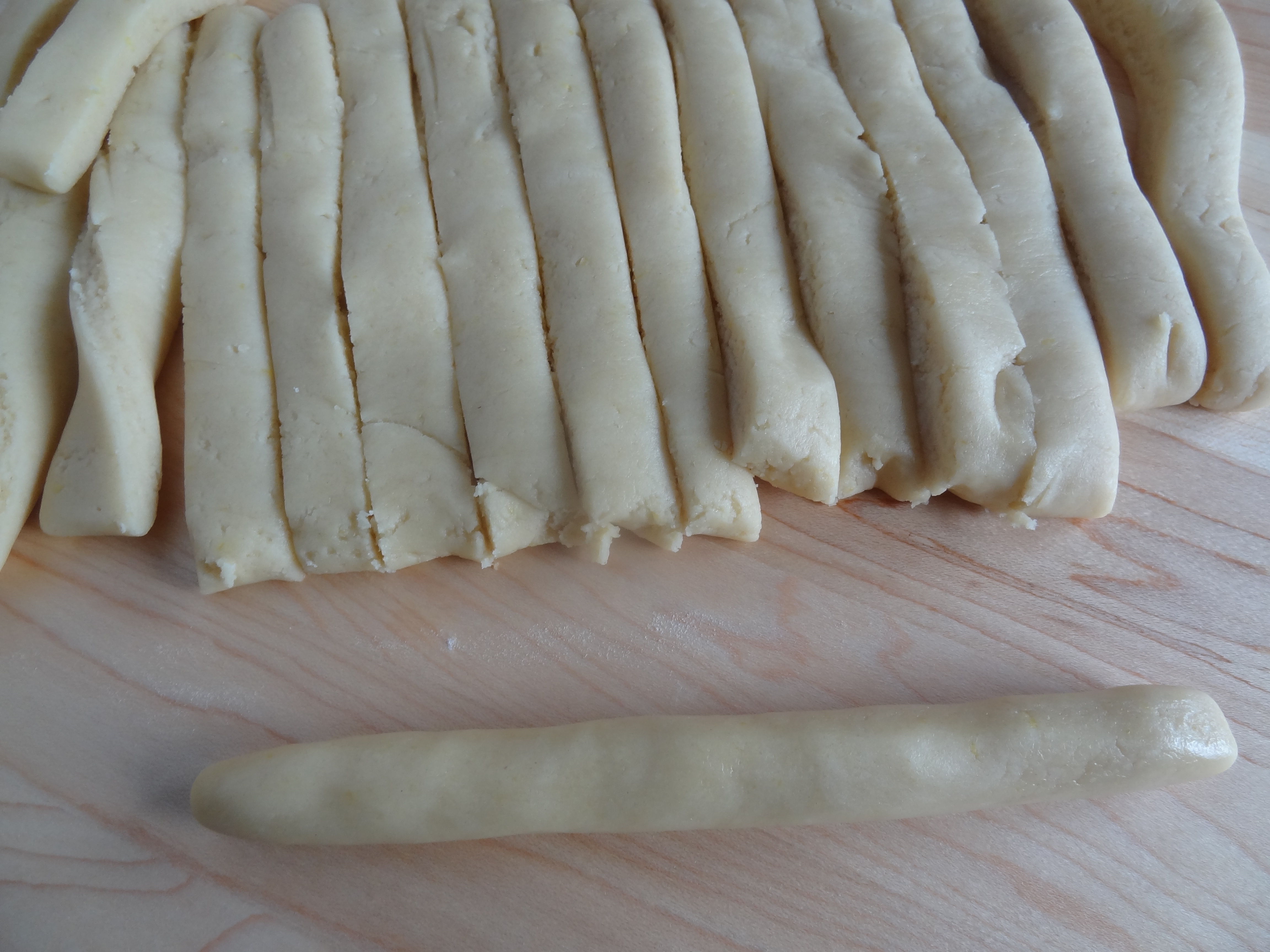
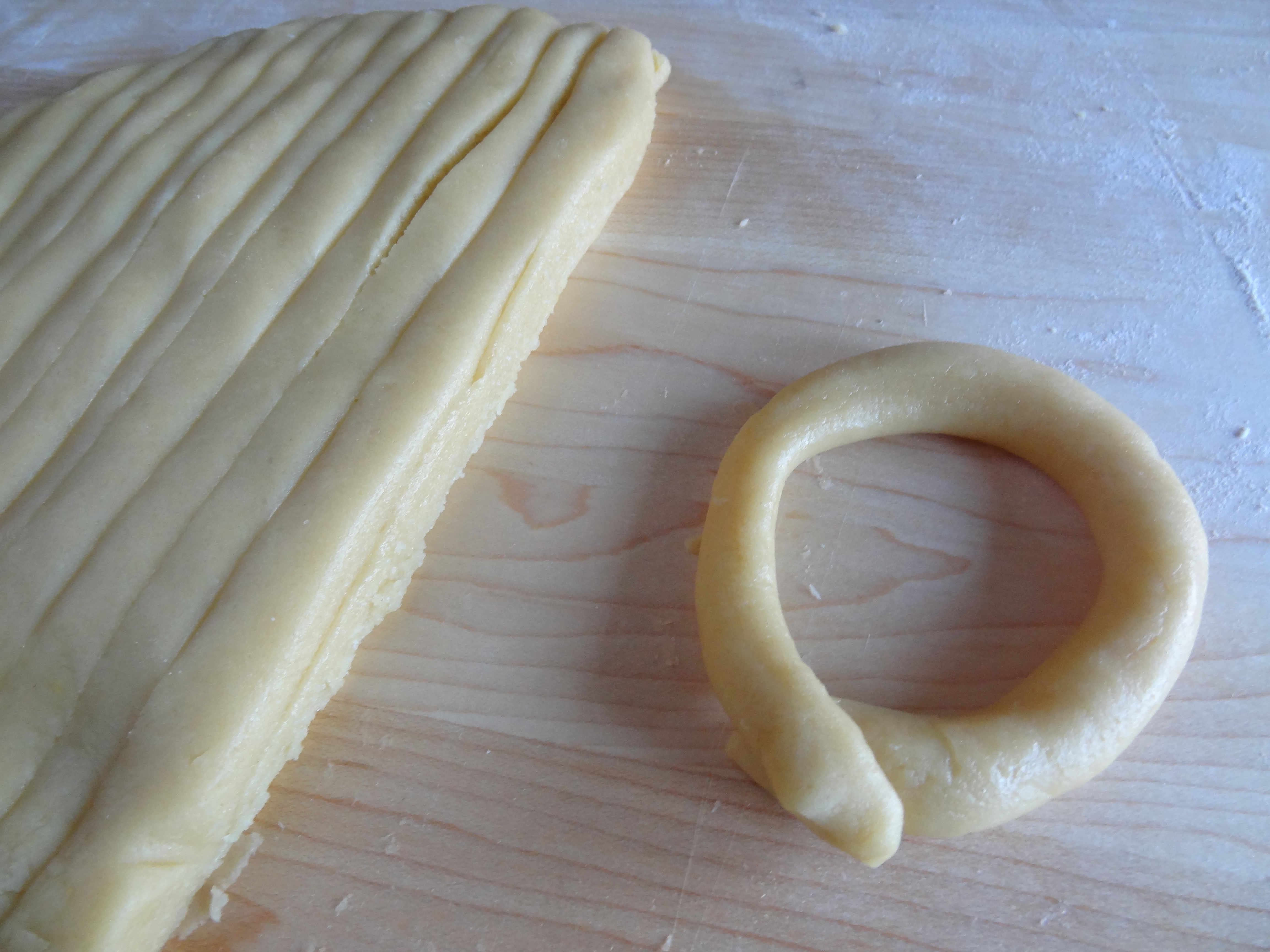
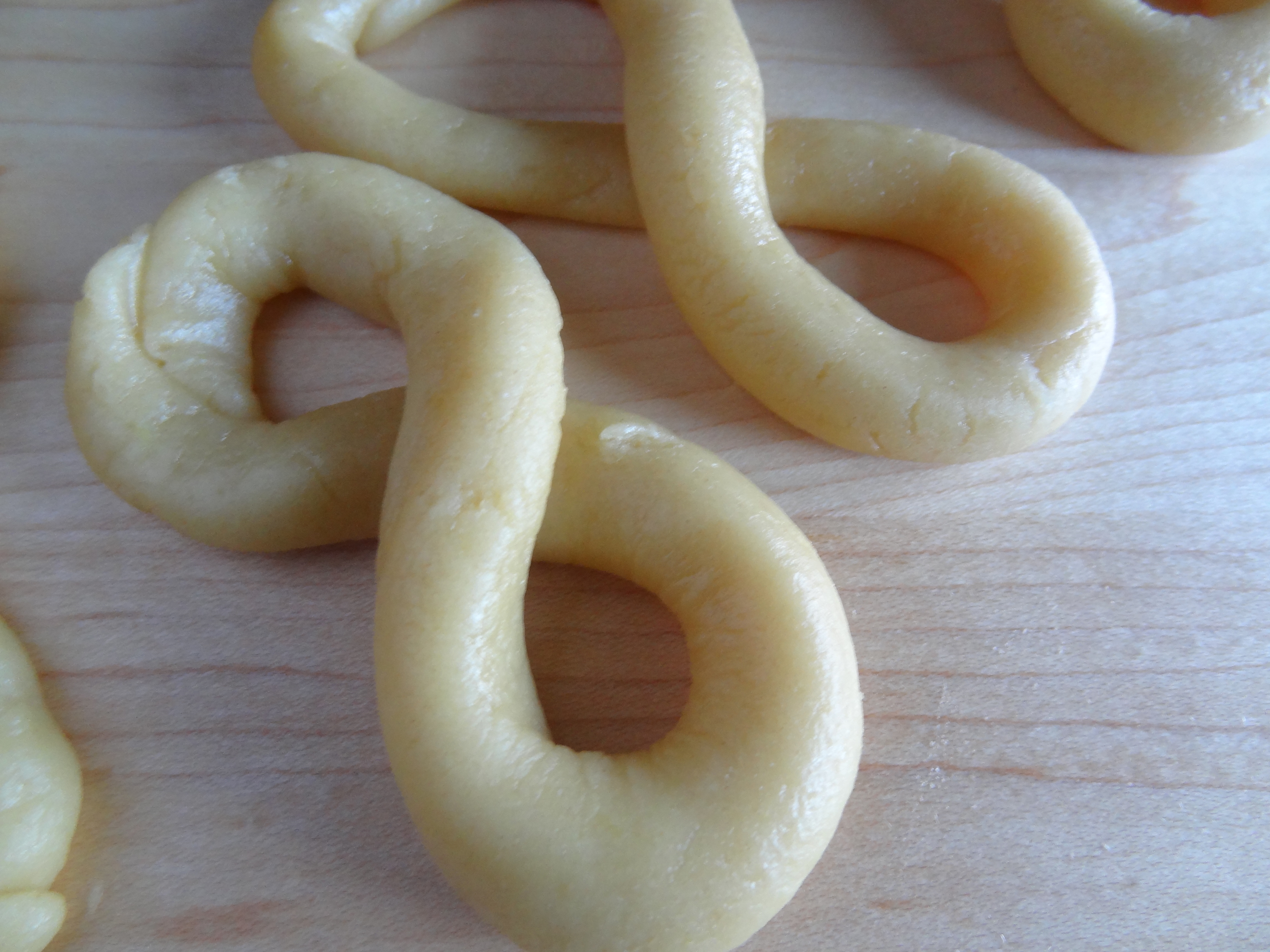
Cut the dough evenly into 1/2″ by 5″ strips. Roll each strip into a round snake like form or infinity shape.
You can form the dough into letters, shapes etc.. The dough molds perfectly together by rolling if you have any small pieces.
Slightly grease a cookie sheet and place the biscuits evenly on the pan.
Cook for about 15-18 minutes or until slightly golden brown.
*Lift one and look under neath to find a golden crust bottom.
Let them cool slightly and store. *They freeze well so make a double batch!
As you see below, I had a lot of fun making these! 🙂
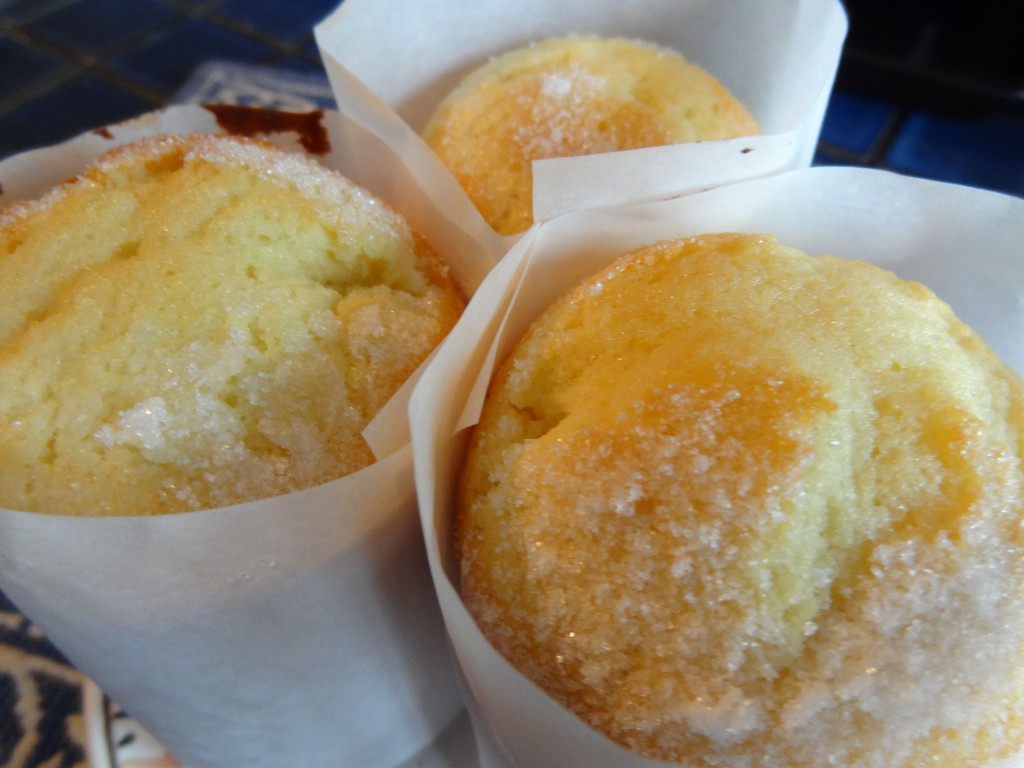
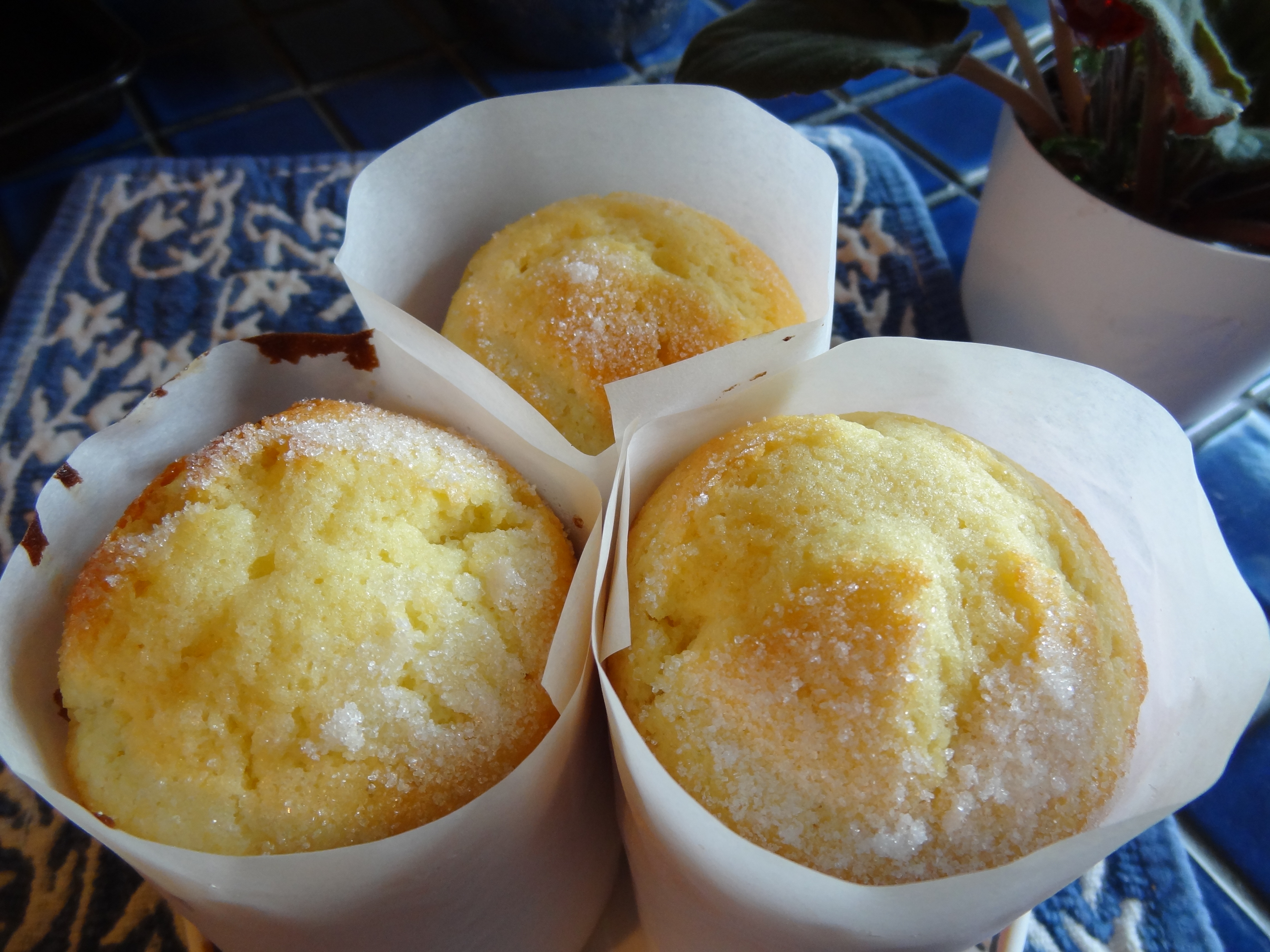
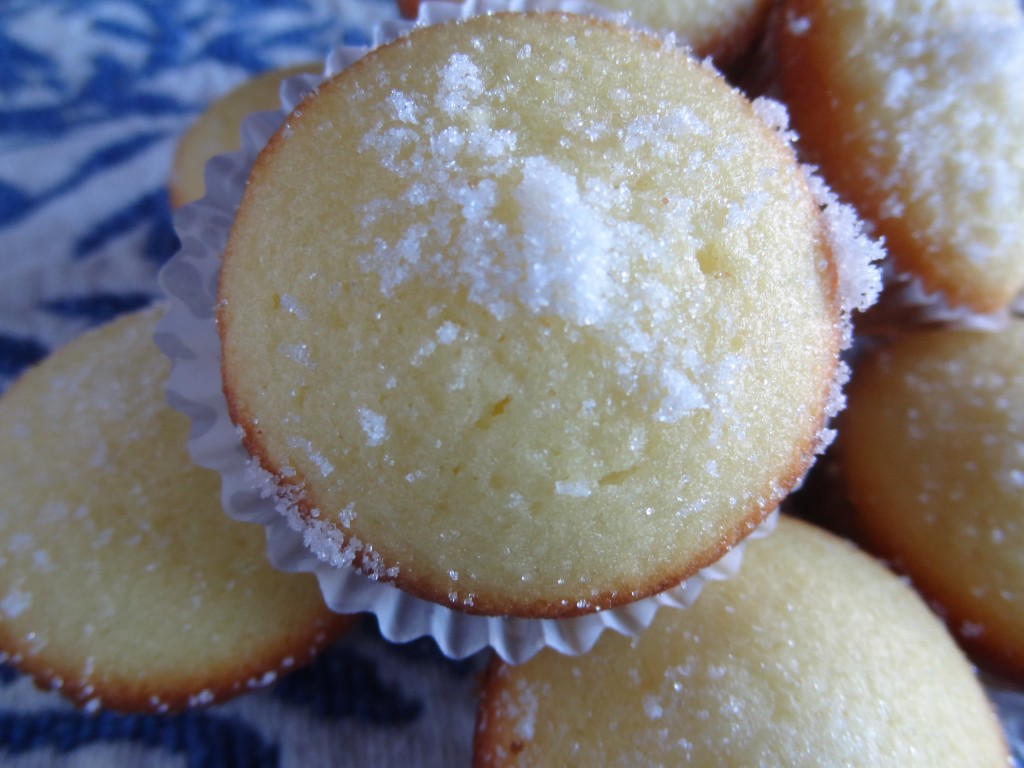
My first memory of eating Bolos de Arroz (Rice Flour Cupcakes) was when my family traveled back to Portugal a long time ago.
The morning after arriving in Lisbon, my parents took my brothers and sisters and I downstairs to the bakery located in my Aunt’s apartment building.
When we placed that first step onto the sidewalk the aroma of the fresh Papo Secos baked that morning made my mouth water.
Little did I know that something better was going to get me hooked for the rest of my life!
Nothing tempts your pallet more than a Portuguese bakery early in the morning when you can smell the fresh bread, the pastries and the fresh brewed espresso being served.
This was my first attempt at making this recipe and I was pleasantly surprised at how wonderfully light and fluffy they came out. My first bite brought me back to Portugal and that bakery. Enjoy the recipe and I hope it brings you back some found memories!
Ingredients for 12 cakes in muffin tins or (6 coffee cups 6 to 8 oz)
1 1/2 cups of sugar
2 cups flour
1 cup rice flour
3/4 cup of margarine
2 tablespoons of baking powder
6 eggs room temperature
1 cup of warm milk
2 tsp of grated lemon peel
Instructions:
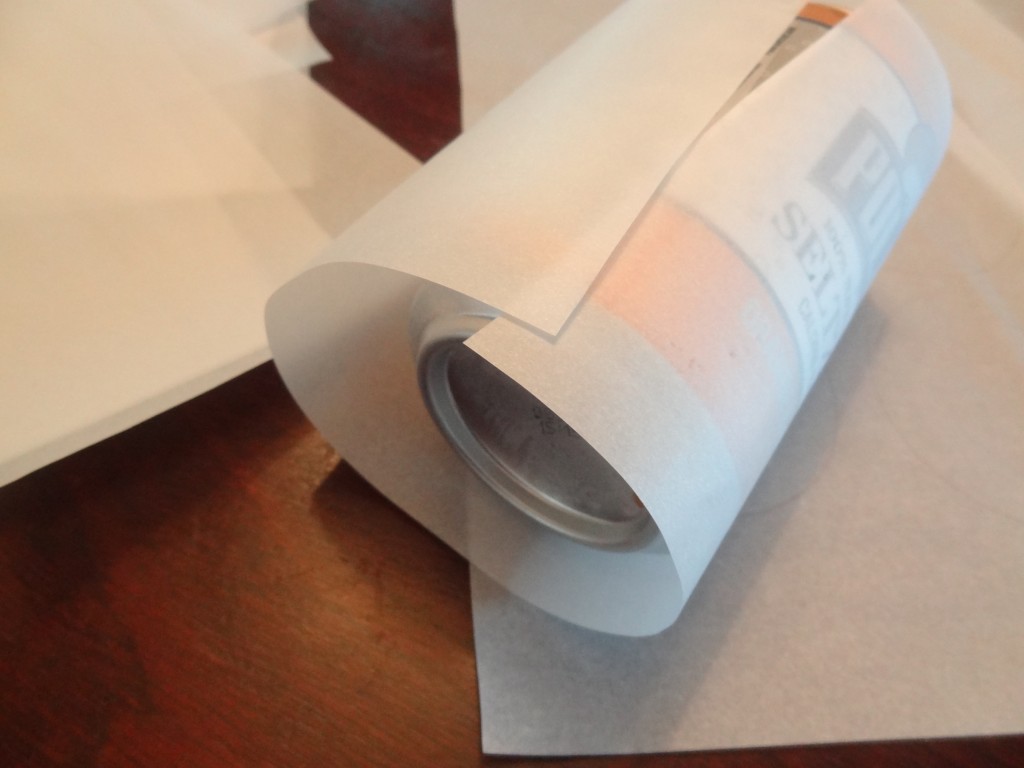
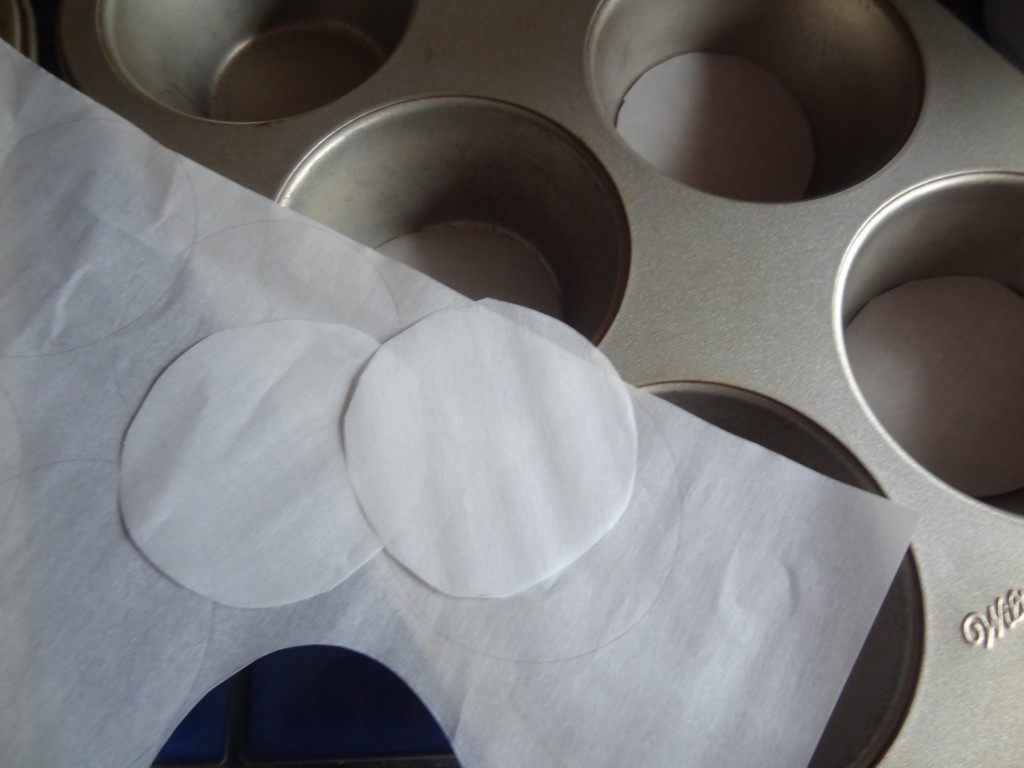
* Note: Prepping the parchment paper took the longest time. Do this step first:
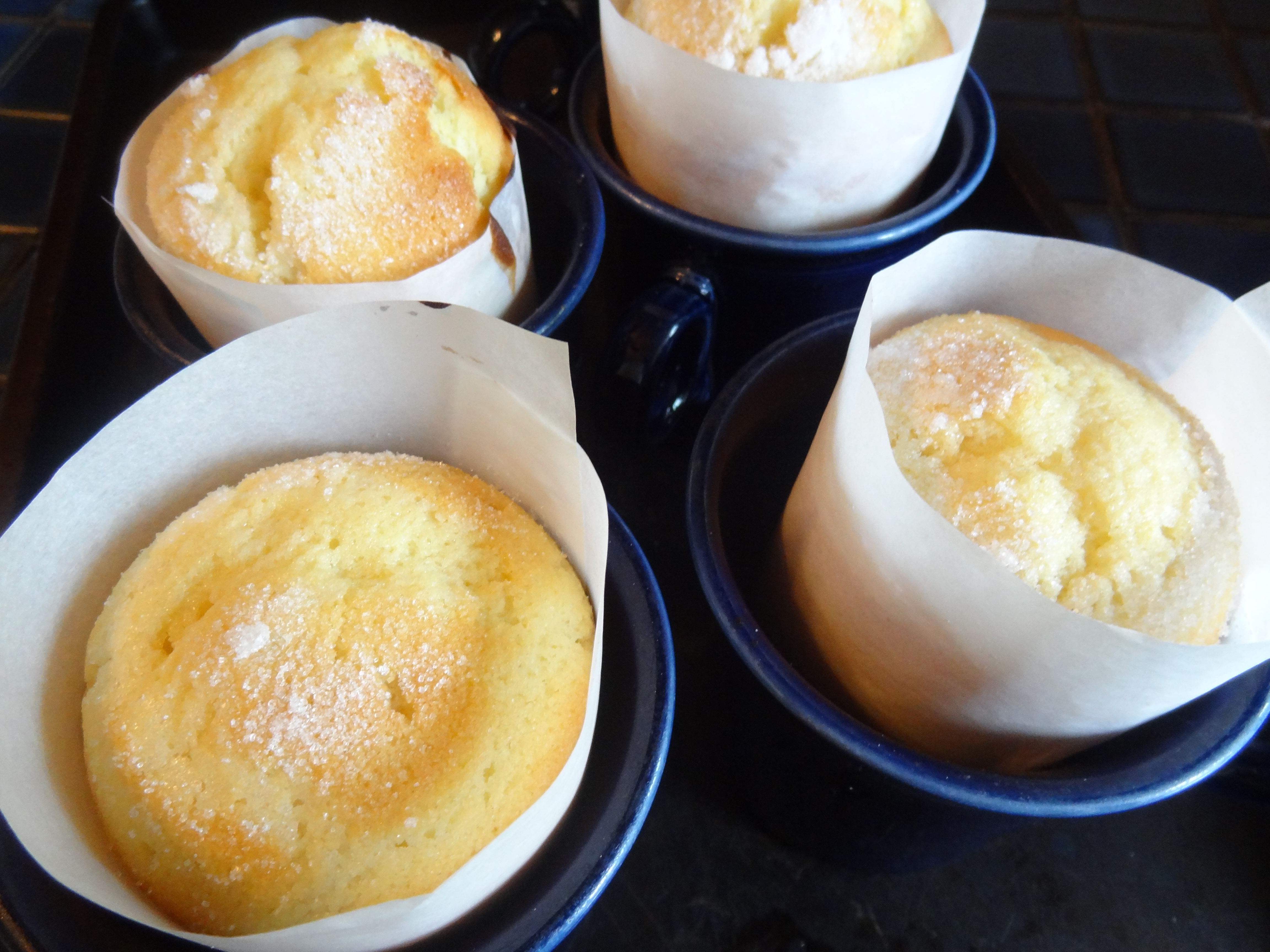
I also used ceramic coffee cups to bake the cakes because I wanted to make it authentic looking but this is optional. You can make also these with regular muffin tins using cupcake liners.
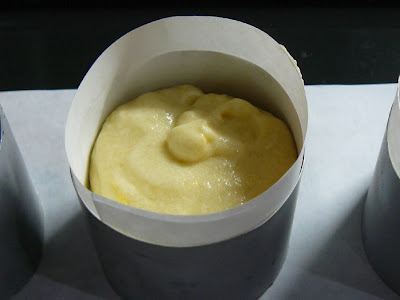
Line muffin tins or oven proof cups or ramekins with parchment paper or use cup cake liners and lightly spray with cooking spray.
Begin Prep:
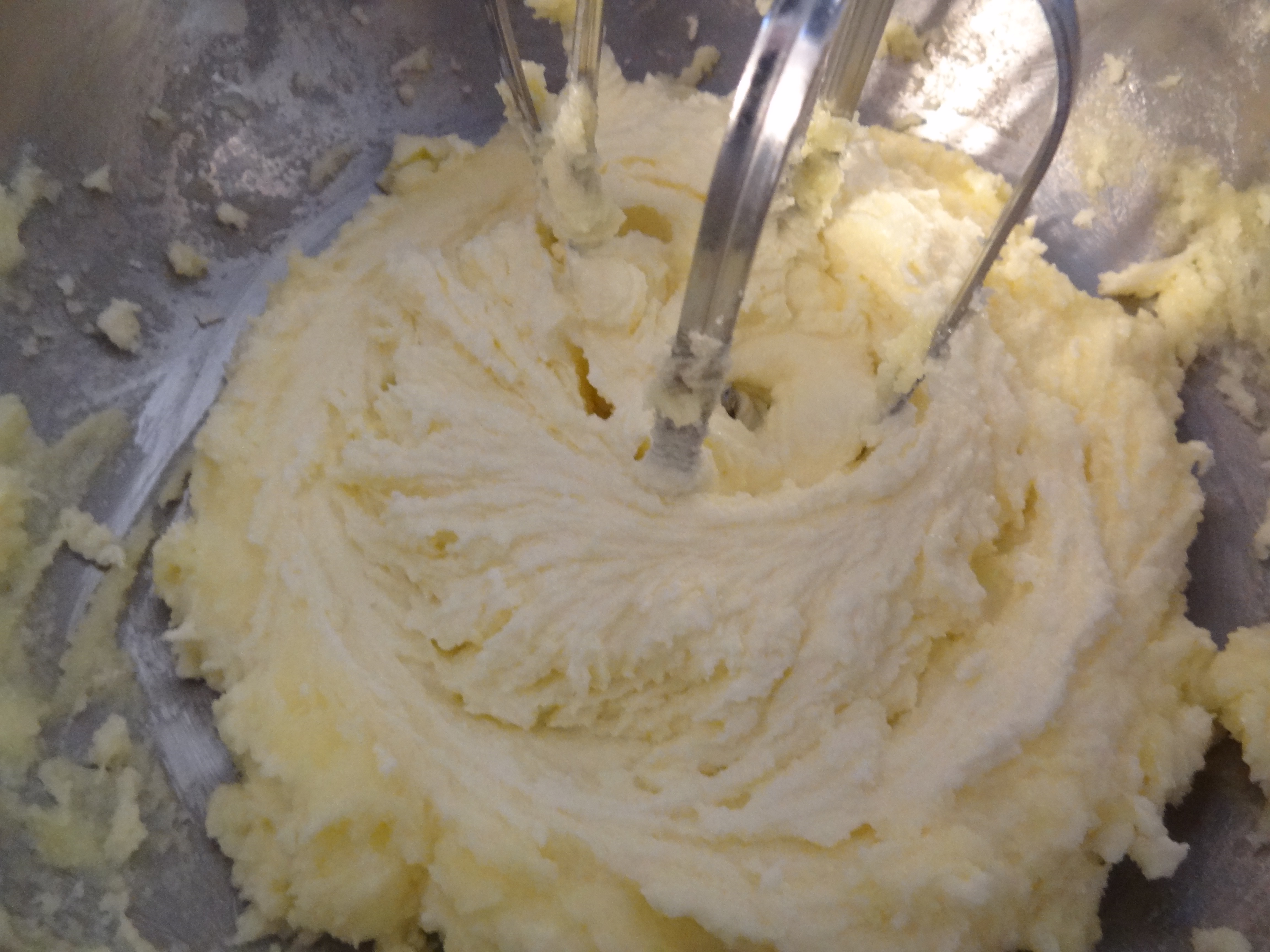
Beat together the sugar and margarine until light and fluffy. Add the lemon zest and beat well.
In a separate bowl, beat the eggs and milk until well incorporated, then add to the sugar mix. Beat the batter for at least 5 minutes.
Add both flours and baking powder to the batter and beat for at least 5 minutes or until the batter is light yellow, and fluffy.
Fill the tins, or cups 3/4 to top. Cook at 350 for 20-25 minutes. (If you use ceramic cups it will take 30 minutes or longer depending on your oven).
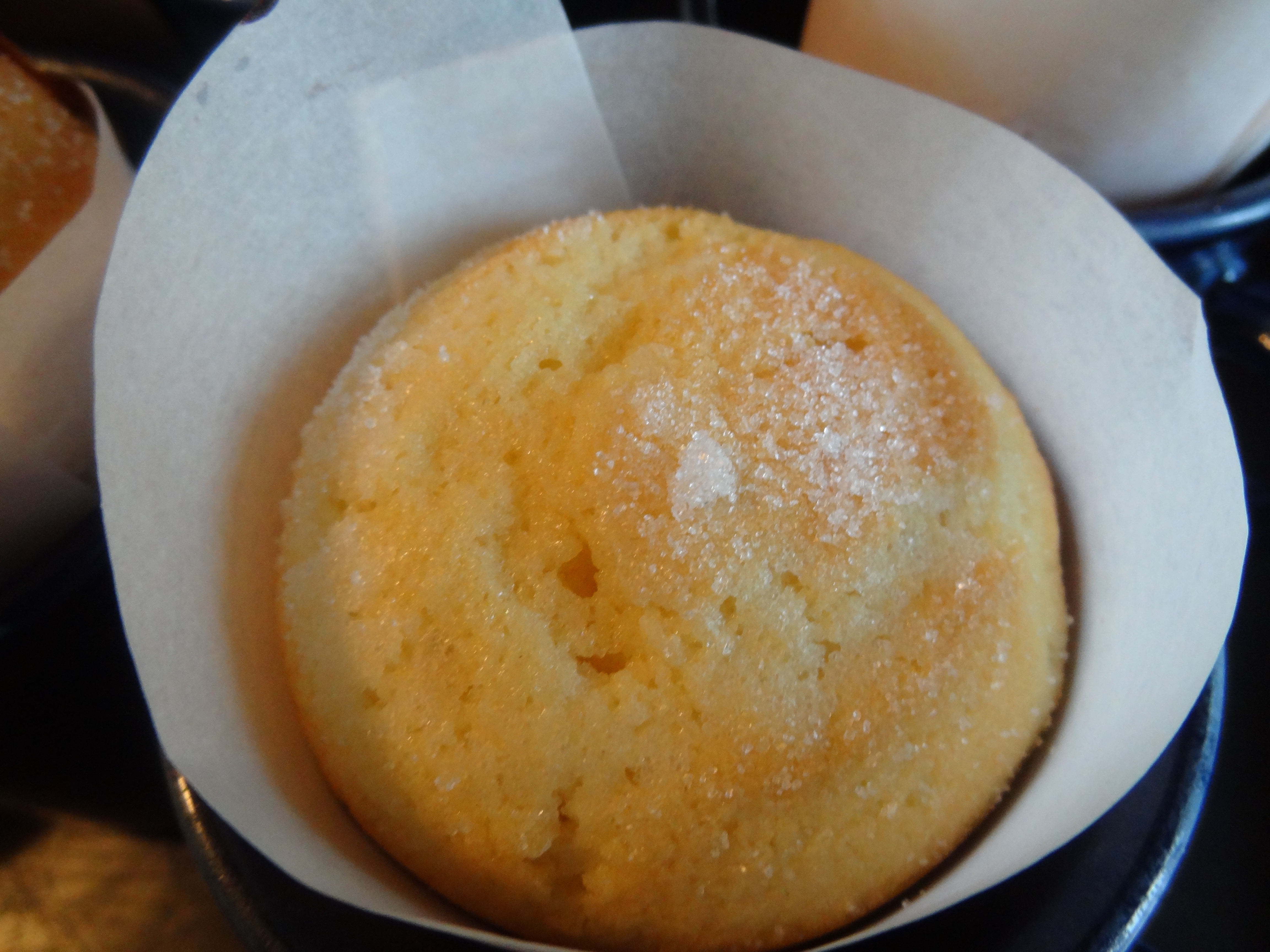
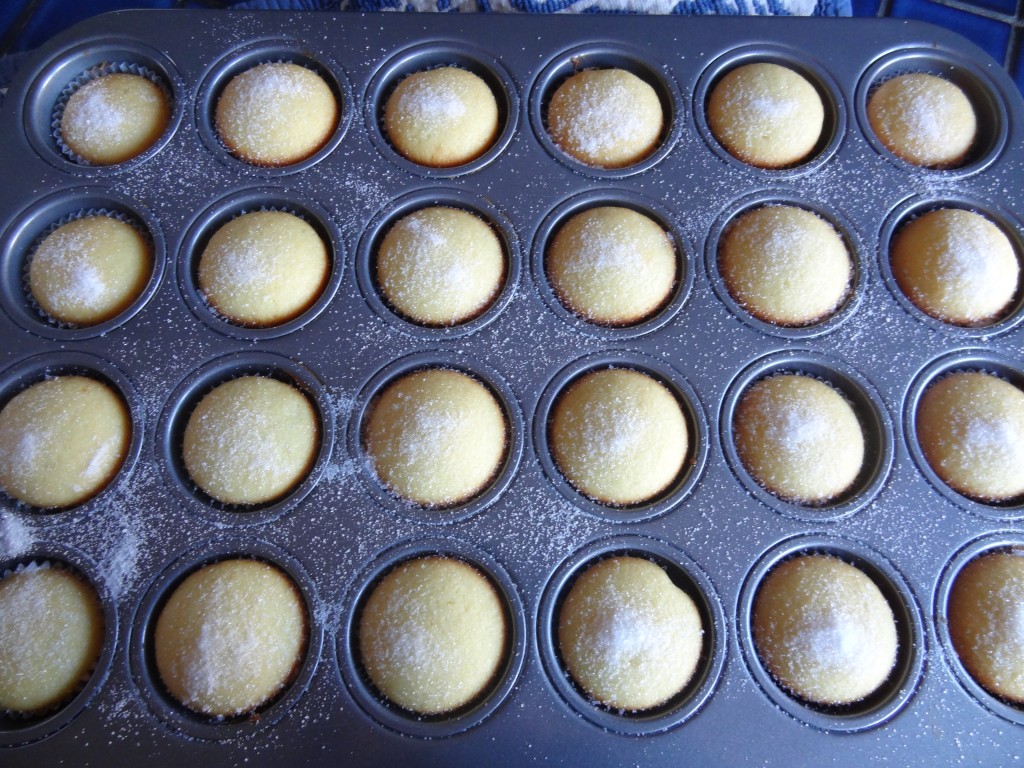
During the last 5 minutes sprinkle with granulated sugar and cook until they turn a golden brown. Enjoy!
You can also make mini cupcakes but cook for only 15 minutes or less depending on your oven.
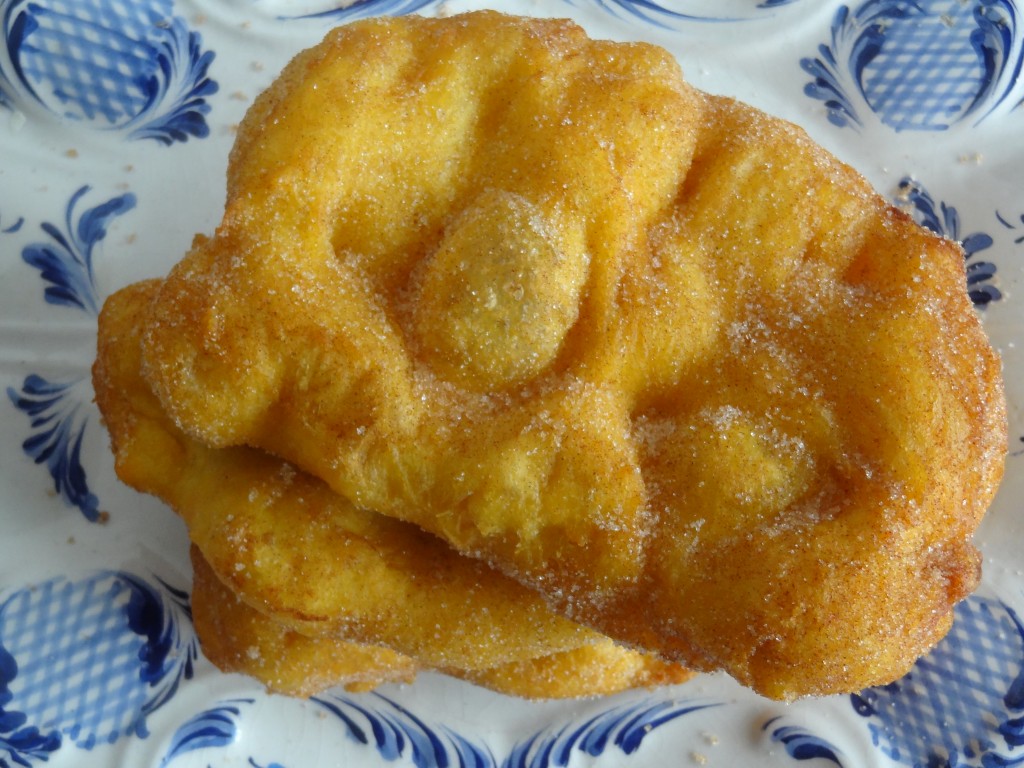
Malasadas are “Portuguese donuts”, a ball of fried yeast dough without a hole in the middle like regular donuts. After frying, they are rolled in confectioners sugar.
The terms “Filhóses” and “Malasadas” are sometimes used interchangeably, and sometimes one refers to doughnuts while the other refers to fritters without a hole in the center.
Many families have their own recipes and carry on the traditions of making this dessert with each generation. The pastry is prepared on Holiday’s such as, Easter, Christmas, New Years, and at many celebrations and family gatherings.
Different regions have different definitions of Filhós and Malasadas. Filhós are made by stretching out the dough with your hands into flat shapes and frying them whereas in preparing the Malasadas you drop the dough into the cooking oil by large tablespoons.
When the Portuguese first colonized Madeira and later the Azores Islands in the mid 1400’s they brought the deep frying method along with them. The Malasada is credited to have been originated on the Island of Sao Miquel. The other islands as well as the main land of Portugal call the fried confection “Filhós”.
In the United States, Malasadas, or Filhós are cooked in many Portuguese homes from the East to the West Coasts and featured in most Portuguese Bakeries.
When the first Portuguese immigrants moved from the Island of São Miguel to Hawaii, to work on the sugar cane plantations in the late 1800’s they brought the malasadas recipe with them.
Today, Malasadas have been incorporated into the cuisine and extremely popular in many parts of Hawaii.
Although traditionally not made with any fillings, in Hawaii they can be found in many flavors, and filled with creams and puddings.
Leonards Bakery in Honolulu, Hawaii is famous for their Malasadas but there are many shops who feature them as well.
photocredit: Leonards bakery
“In June 1882 the British sailing ship ‘Monarch’ brought Arsenio and Amelia DoRego from San Miguel Island, Portugal to Maui, Hawai’i under contract to work the sugar cane fields. Some 33 years later, their grandson Leonard was born. In 1946 Leonard and his wife Margaret moved to Honolulu with their daughter Diane, age 8. Leonard worked at Snowflake Bakery until he founded Leonard’s Bakery℠ in 1952.
Leonard and Margaret were no strangers to hard work, both coming from very large families. The bakery prospered. Not long after opening, Leonard’s mother suggested making malasadas for Shrove Tuesday – a Portuguese tradition. Although thinking it may be too ethnic, Leonard’s bakers complied. Malasadas were a huge hit. And, the appetite for malasadas in Hawaii was born.
Due to Leonard’s popularity Leonard required a larger, more modern facility, moving into their present location at 933 Kapahulu Avenue in 1957.” (http://www.leonardshawaii.com/)
Here’s an interesting video of the history of Malasadas in Hawaii
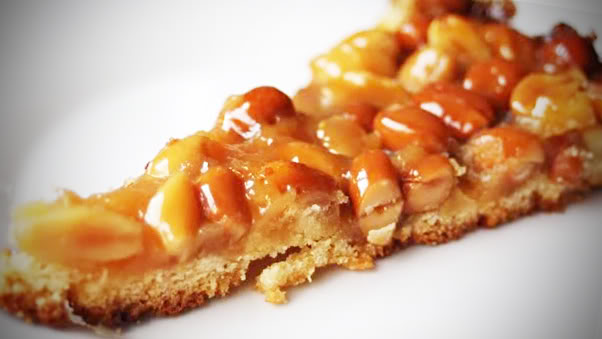
Here’s an easy dessert to make for your Valentine! I’ve posted the recipe both in English and Portuguese.
It took me a while to translate the recipe.
This is my Valentine’s gift to all of you! Enjoy!
Happy Valentine’s Day!
Ingredients for crust:
1/4 cup of Granulated Sugar
1 egg
1/4 cup Butter
1 cup flour
1/2 tsp Baking Powder
Ingredients for Almond Filling:
1 1/4 cup Honey Roasted Almonds
1/2 cup sugar
1/2 cup butter
2 oz of whole Milk
_________________________________________
Instructions:
Step 1:
In a small bowl mix the egg and sugar until creamy. Add the butter, flour and the baking powder and mix well
Mold the mixture into the bottom of a greased 10 inch tart pan. Cook for 10 min at 350 degrees and set aside.
Step 2 : Meanwhile make the filling.
Place all filling ingredients in a saucepan and cook for 5 minutes until creamy. Pour the filling on top of the crust and bake for 30 minutes or until golden brown.
I suggest serving the tart with some Strawberries and Champagne!
In Portuguese
Para a massa: 50g de açúcar 1 ovo 50g de manteiga 125g de farinha 1/2 colher chá de fermento
Para o recheio: 150g de amendoins tostados em mel (ou amêndoa laminada) 110g de açúcar 110g de manteiga 60g de leite
tradicional
Misture o ovo e o açúcar e bata bem.
Junte a farinha, a manteiga e o fermento.
Forre uma tarteira com a massa e leve ao forno pré-aquecido a 180º, enquanto prepara o recheio.
Entretanto prepara-se o recheio: leve ao lume numa caçarola os amendoins, a manteiga, o açúcar e o leite e deixe ferver durante 5 minutos.
Espalhe o recheio em cima da massa e leve ao forno novamente até alourar.
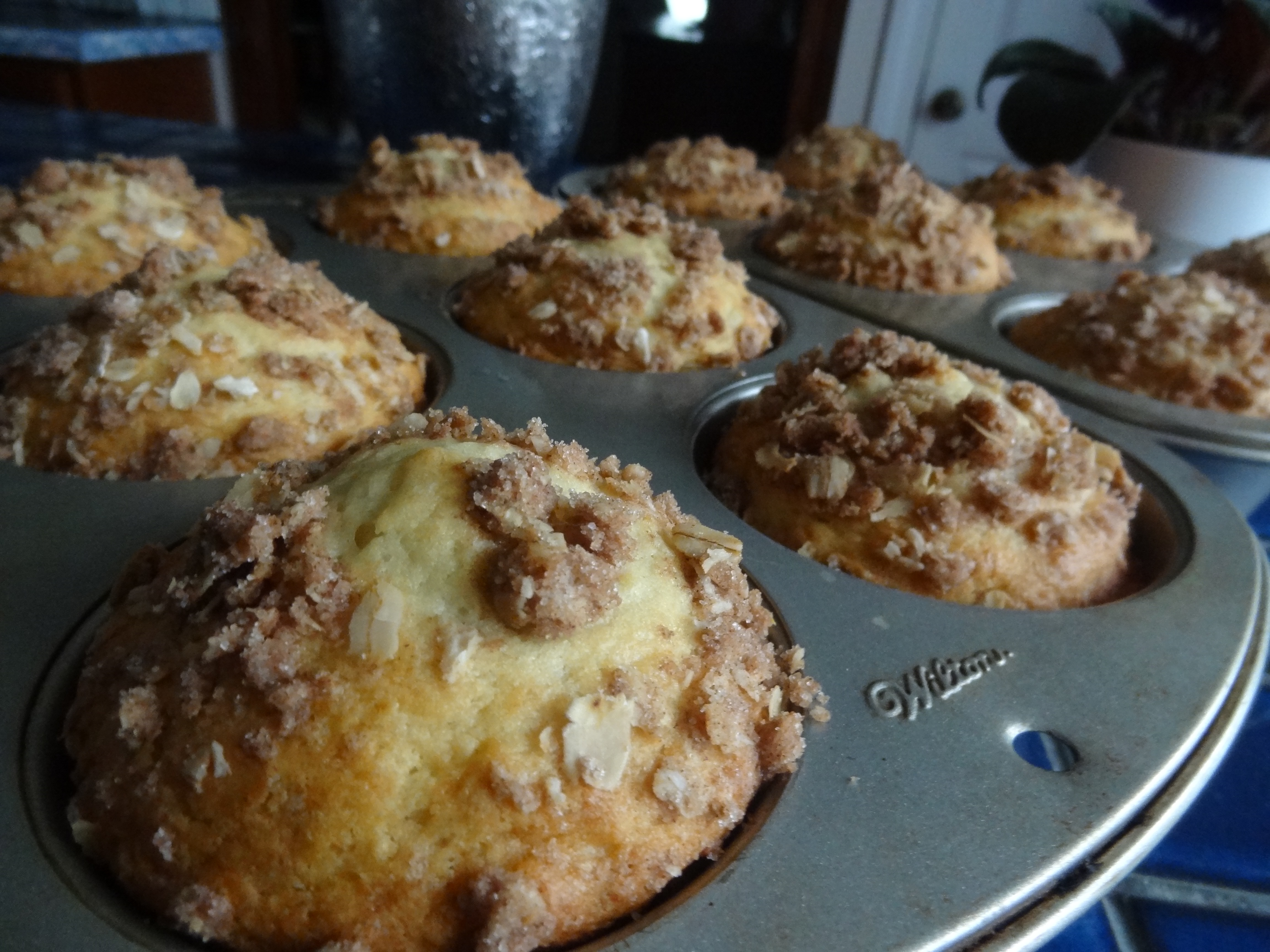
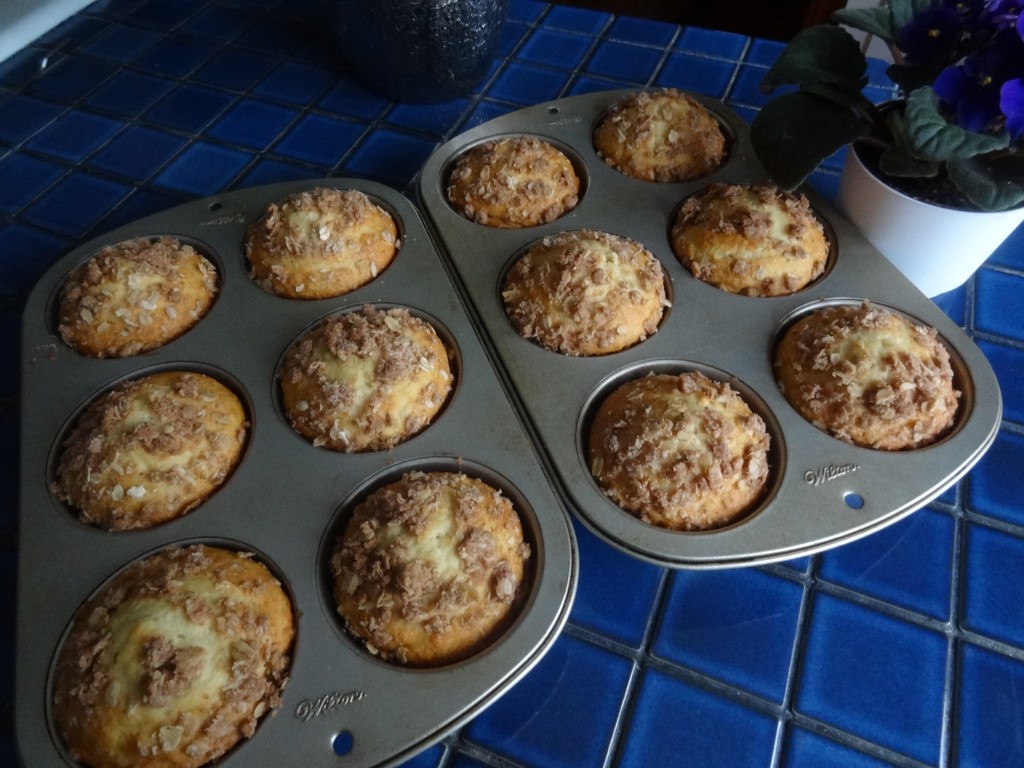
Banana Muffins easy to make and delicious! I’ve never thrown out any more old “Bananas” at my house since I began making these muffins.
Banana bread can sometimes turn out heavy and dense but these have the texture of a cupcake. They’re made with only 1 stick of margarine and 1 small container of low fat yogurt!
Ingredients:
1 stick melted margarine
1 cup sugar
1/4 cup brown sugar
2 eggs
1 6 – 8 oz. container Vanilla yogurt (any brand)
2 mashed ripe Bananas
2 cups flour
1 low fat cup milk
1 cup Biscuit mix (any brand)
1 and 1/2 tsp baking powder
1/2 tsp baking soda
1/2 tsp salt
Streusel topping:
1/2 cup instant oatmeal
1/4 cup brown sugar
1 tbsp flour
1/4 cup granulated sugar
2 tbsp melted margarine
1 tsp cinnamon
Instructions:
Step 1:
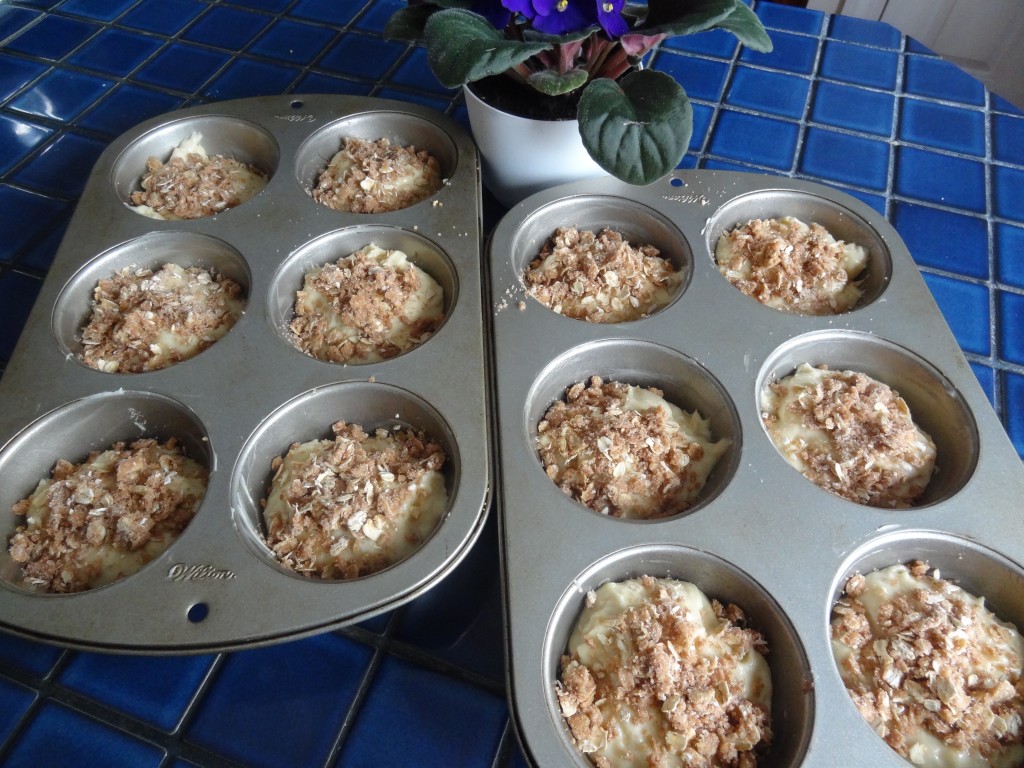
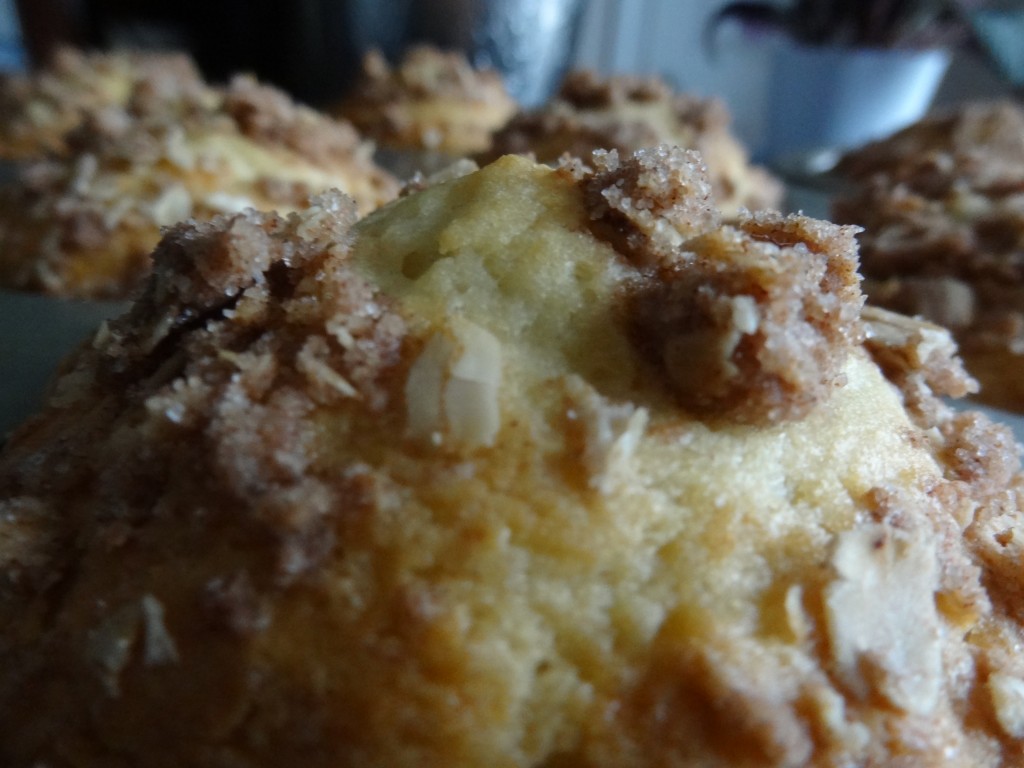
Preheat oven at 350 degrees. Make Streusel topping first, by mixing all ingredients in a small bowl until a crumble forms.
Sift all dry ingredients in a small bowl and set aside.
Step 2:
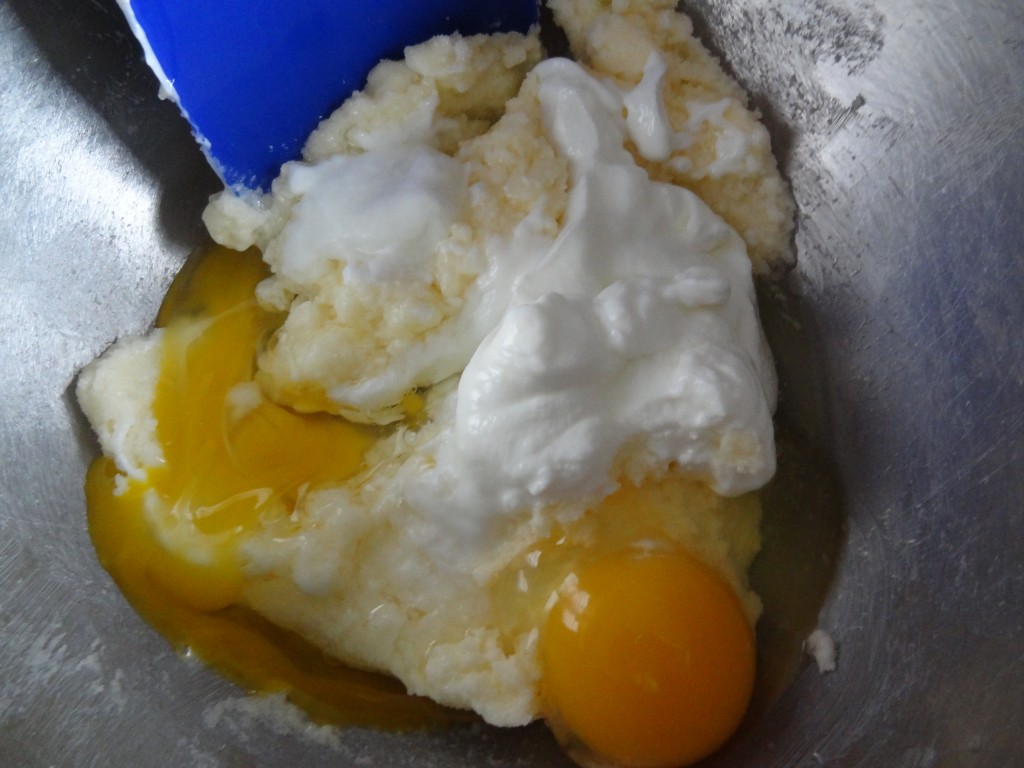
In a large mixing bowl – mix margarine with sugar until creamy. Add eggs and vanilla and mix well.
Step 3:
Incorporate 1/2 of the mashed banana mixture into the eggs and yogurt mix. Add 1 cup of milk and mix well. Add 1/2 of the flour and mix well.
Add the remaining banana, mix and add the remaining flour.
Step 4:
Pour into large greased 12 muffin pan or 24 small. Top with the Streusel topping. Bake 25 – 30 minutes until golden or when a toothpick comes out clean.
There is no definition in any dictionary that translates the word Zen into Portuguese.
This tranquility does not exist in our culture. We have to much ambition, drive and determination. Perhaps it’s the reason why our ancestors sailed the oceans and at one time conquered the world. This type A personality, AKA (workaholics) is in almost every Portuguese person. This is the reason why we’re the best cooks, the best bakers, the best sailors and candle stick makers! Plus add what ever occupation you want to add to the list!
January is supposed to be a month of reflecting on the past and planning the future, but I have no intention of doing any of it!
To be honest with you, I found myself wiped out on the morning of January 1st, 2013. Maybe it’s because I was sick with the flu all through the month of December, or, it may have been from the hectic Holiday Season.
But for what ever reason, I was so glad the year was finally over. Instead of reflecting and planning, I’m doing a little Zen therapy on myself.
Join me, discover how the Portuguese got the world hooked on tea, bake yourself a deliciously healthy Carrot Cake and have your own Zen moment!
A Japanese priest in the 13th century wrote a lengthy treatise on the health benefits of tea stating, “Tea is a marvelous elixir of health that has the capacity to prolong human life. Most medicines treat only a single ailment, but tea is a panacea for all ills.” Gorreanatea.com
Maybe that Japanese priest was right? My parents drank chá de cidreira – (lemon balm tea) everyday and they lived until almost 90 years old. Like my parents I’ve turned into a daily tea drinker. Lemon Balm, Orange Pekoe and Tazo Zen tea are my favorites.
Growing up watching my parents drink tea, I never knew how it was made or where it came from. Many years later as I developed a taste for tea myself I discovered that it was the Portuguese traders that first introduced tea to Europe and even to India! It’s quiet fascinating that our Portuguese ancestors brought so many culinary influences around the world including tea.
The Portuguese were the first Europeans to import tea in large amounts to Europe during the Portuguese expansion of the 16th century. They took their word for tea (cha), from Cantonese in the 1550s when they had trading posts in the south of China, especially Macau. For those of you that aren’t familiar with Macau it’s a region off the mainland of China which was a Portuguese colony until 1999 when it was transferred back to China. Both Chinese and Portuguese are Macau’s official languages.
In 1750, tea experts from China began planting tea on the Island of San Miguel, Azores Portugal. Today, Gorreana Tea, founded by the Gago da Camara family, is the only remaining of the 14 original tea producing estates and has remained family owned and operated for 5 generations. Learn more about the history of tea in Portugal here.
In 1662, Catherine Braganza of Portugal married King Charles II and brought tea to the royal court of England for the first time. Still, much of the earliest days of European tea, was far too expensive at $100 a pound, to gain favor with anyone but the rich. Tea was not widely consumed in Britain until the 19th century.
How To Make The Perfect Cup Of Tea: From Gorreana Tea
Good water is essential
Fill an empty kettle with fresh cold water. If using tap water, let the water run for 5 seconds so that it is fresh. If you have hard water, for best results, use spring water.
Measure Your Tea
For loose tea, place approximately one teaspoon of tea leaves per cup into the pot, or into an infuser placed in the pot. If you don’t have loose tea, use one tea bag per 1-2 cups, depending on the size of the bag and personal preference.
Boil Water As soon as the water comes to a boil, remove it from the heat. Overheating the water causes the tea to taste flat. Immediately pour the water into the pot, cover, and let stand. If using green tea, allow the water to cool slightly before pouring onto the leaves
Steeping Your Tea
How long to steep depends on how strong you like your tea and the type of tea you’re using. Do not judge by color because some teas brew light while others brew dark. Most teas will taste bitter if you steep longer than FIVE minutes. If you have used an infuser or tea bags, remove them from the pot when the tea has reached the desired strength. Tea bags steep more quickly because the leaves are finely cut, so don’t let them steep too long. You may squeeze the bags gently before removing them from the pot to reduce drips. If you placed loose leaves directly into the pot, you may want to pour the tea into a second warmed pot through a strainer to separate the tea from the leaves. But if you plan to pour all the tea into cups soon, simply place a strainer over the cup and pour slowly from the original pot.
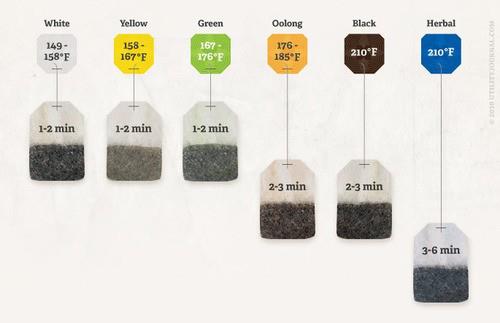
Perfect steeping time for tea
Adding Lemon, Sugar, Milk or Honey
If you add lemon and sugar to your tea, add the sugar first, since the citric acid from the lemon will prevent the sugar from dissolving. Milk is often used in full-bodied black teas such as our Broken Leaf Tea. (Don’t use cream as it interferes with the taste of the tea.) Also, Do not use milk with green tea (Many teas are better without). Adding a little honey to tea is a personal preference, but it is a delicious way of sweetening your tea.
Storing Tea
Tea to be enjoyed properly must be sealed properly! It is that simple. Teas are known for there taste, color, aroma etc, and are very easily affected by other scents-which could alter the quality of a good tea. Often times, people will notice if they leave there tea in a cupboard for many months without being stored in a proper package or container, that their teas have picked up other scents from surrounding foods and spices. Grown hundreds of miles away from industrial pollution using traditional farming methods, when you open your package of Gorreana tea the first thing you will notice is the aroma of the high quality tea leaves! Fresh never tainted!
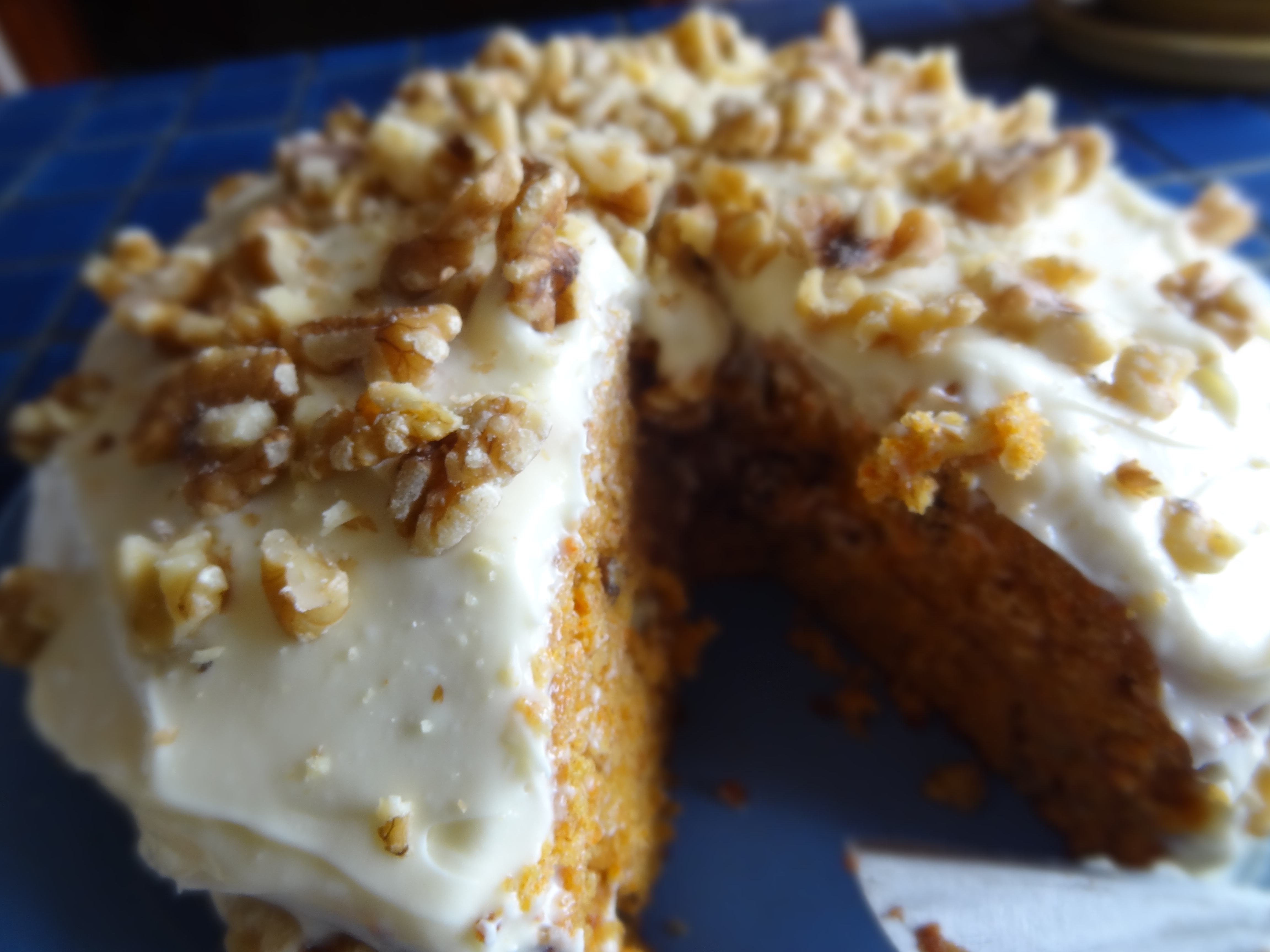
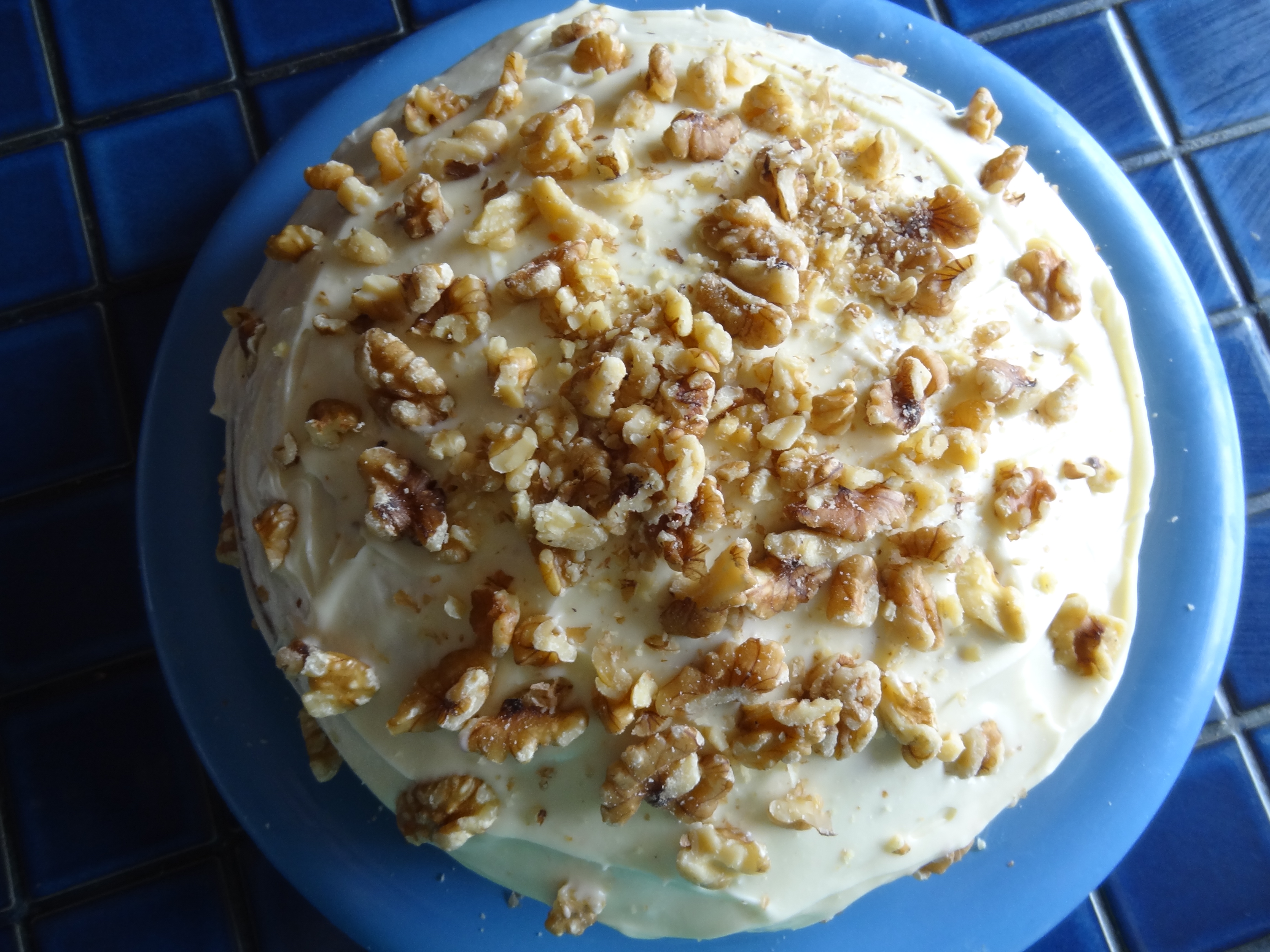
How to make a great Carrot Cake!
This cake is very easy to make and I can bet that most of you have all of the ingredients in your pantry right now! If shredding the carrots intimidates you, don’t kill yourself, or your arm, just shred them in your food processor!
I find that using oil in carrot cakes often leaves the cake greasy so I use margarine and yogurt for moistness instead. After you try this recipe and see how deliciously easy it is to make, you’ll never buy a store carrot cake again! Enjoy!
Ingredients:
2 cups flour
1 cup brown sugar
1 tsp baking soda
1 tsp baking powder
1 tsp salt
2 tsp cinnamon
3 eggs room temp
3 cups shredded carrots
1 stick margarine (soft)
1/2 cup Pineapple fruit on the bottom yogurt (or any you prefer)
1 cup chopped walnuts (optional)
1 cup raisins (optional)
Frosting:
1 Package cream cheese (room temp)
2 cups confectioners sugar
1 tsp vanilla
Instructions:
In a large mixing bowl, mix eggs, sugar, and margarine until creamy. Add Carrots and yogurt. Combine all other ingredients except walnuts in a bowl. Add dry ingredients to the wet batter and mix for about 5 minutes.
Add the walnuts and raisins if desired and fold into batter.
Poor into 2 greased 9 in round cake pans. Cook in 350 degree oven for 30 -40 minutes until toothpick comes out clean. Let cool and frost with desired amount of cream cheese frosting. Top with more walnuts!
(If you like lots of frosting, double the frosting recipe)
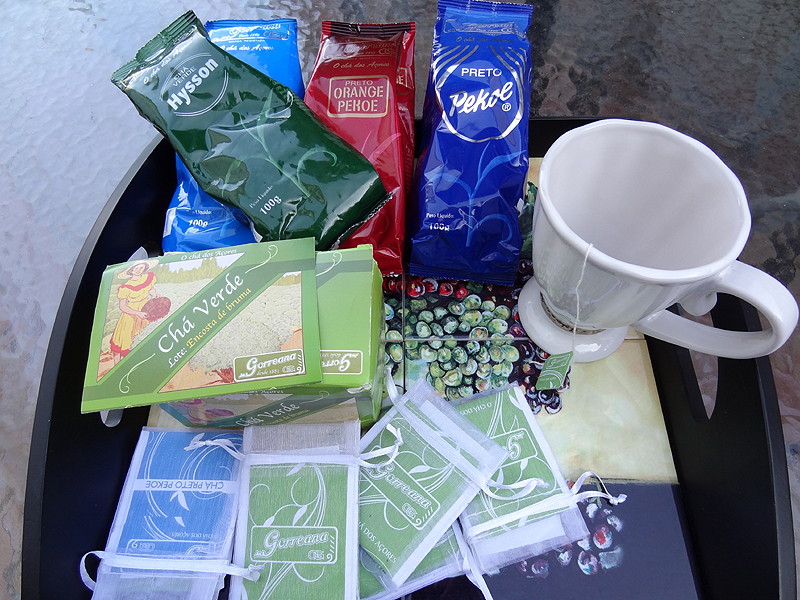
Watch this video from the beautiful Gorreana Tea estates, which uses my photo that I took of their tea last summer on my patio table.
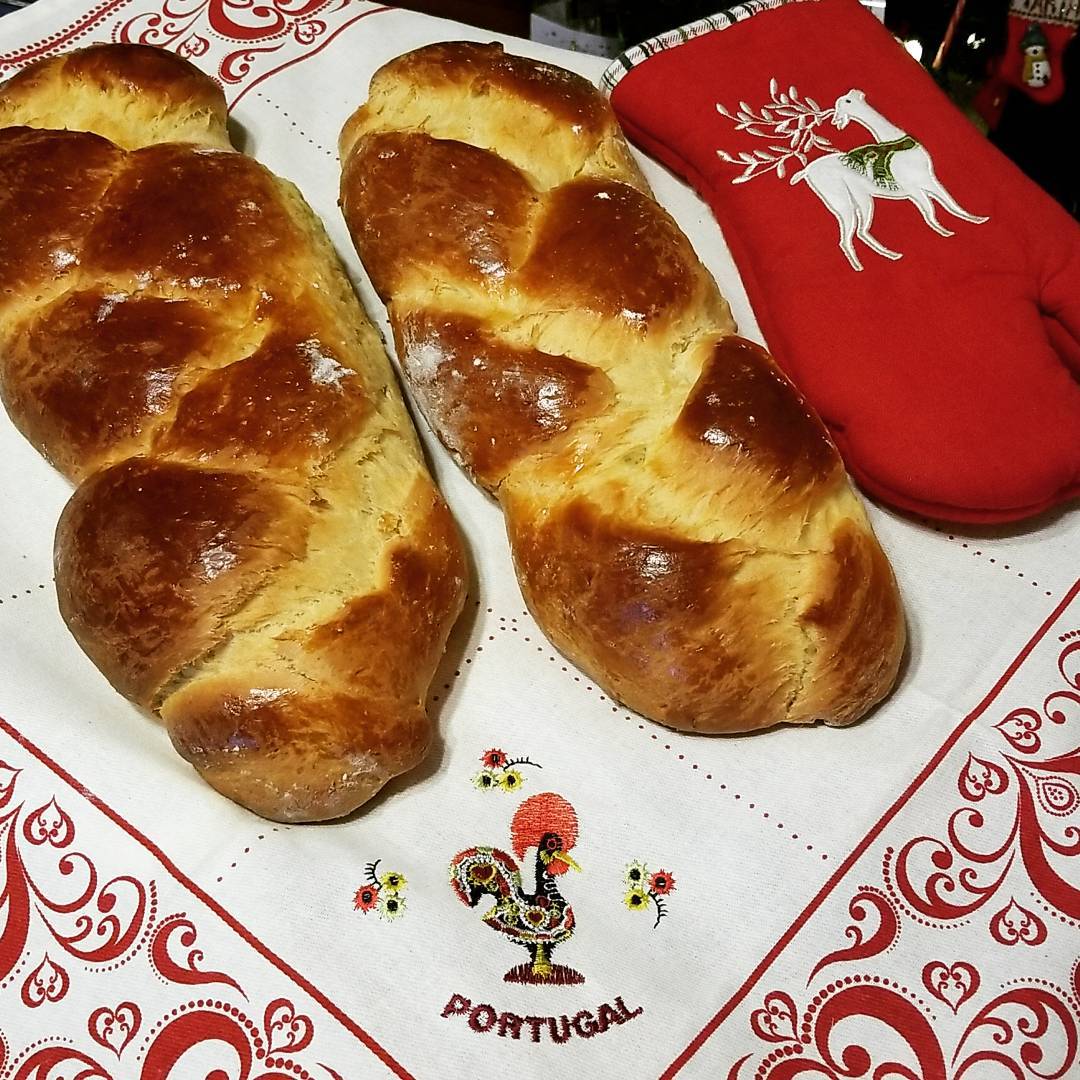
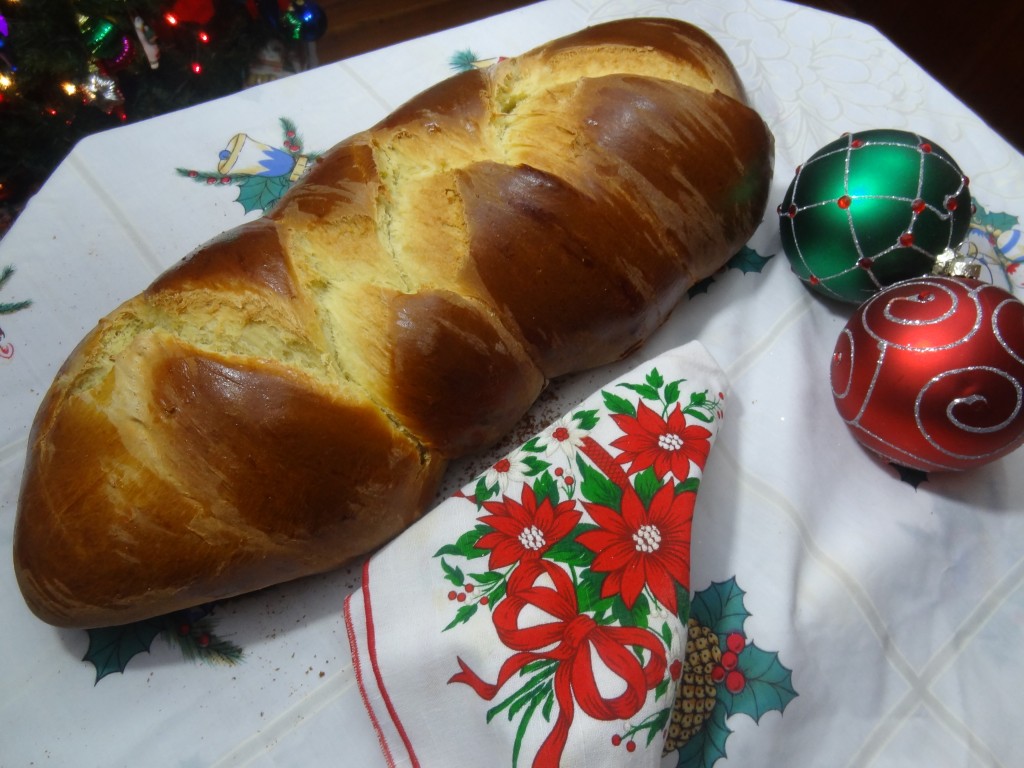
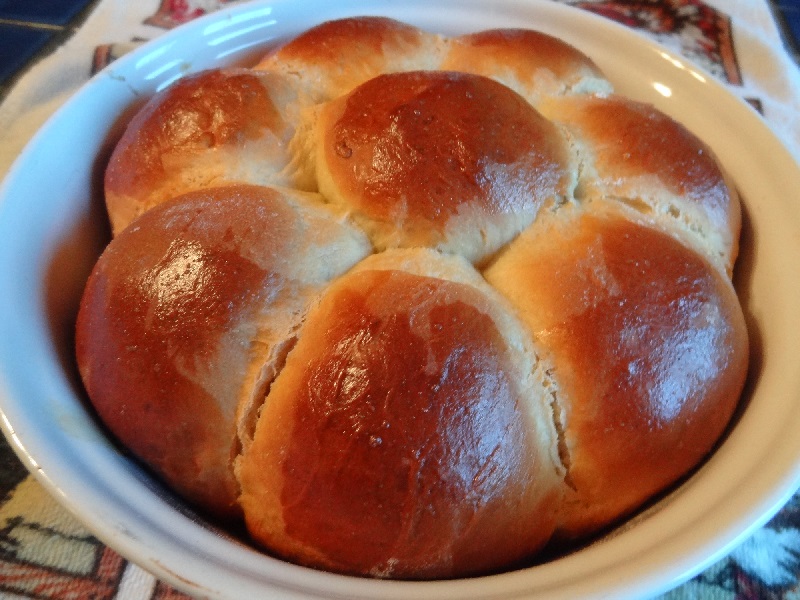
Portuguese sweet bread (Massa Sovada or simply Massa, Pão Doce. This light and airy sweet bread is usually made during Christmas and Easter. It’s also enjoyed throughout the year at breakfast, during meals and even served as a dessert. Some Sweet Breads made during Easter are called Folar de Pascoa. A hard boiled egg is cooked in the dough to signify the rebirth of Christ.There are many variations of this bread. Some recipes call for raisins, lemon zest, rum or whiskey to intensify the flavor.
This bread has maintained its popularity and it’s tradition within the Portuguese Immigrant communities in the United States. The first Portuguese immigrants came from the Azores and settled on the East Coast of Southern New England to work in the fishing and whaling industry during the late 18th century. One century later, another group of immigrants settled on the West Coast in the San Fransisco Bay area to work in the dairy and farming industry.
By the late 19th century, more had immigrated to Hawaii to work in the sugarcane fields.
Watch the video below of actual baking in an authentic (Forno) brick oven.
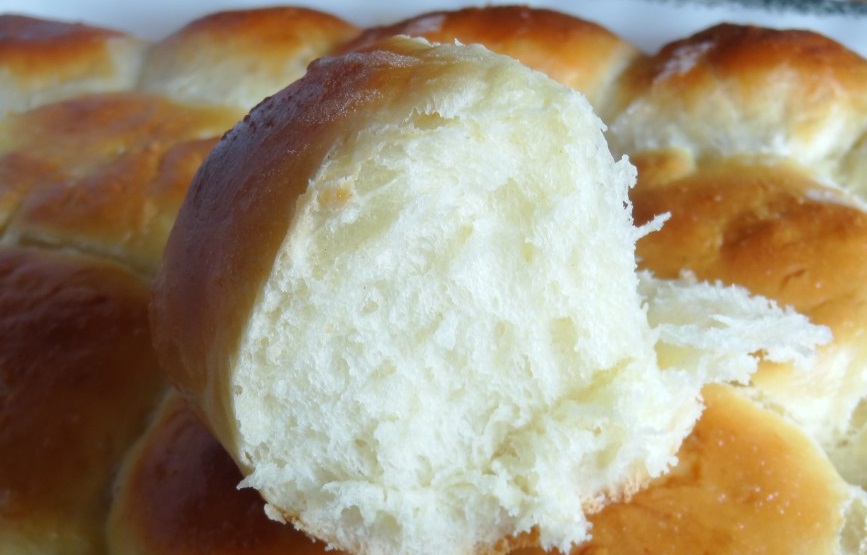
I’ve tried many recipes and finally come up with this perfect one to share with you. The bread comes out light and fluffy and delicious.
Ingredients:
6 to 7 cups flour
2 and 1/2 packages of dry yeast
1 cup warm milk
1 stick butter
1 tablespoon salt
4 Jumbo eggs
1 cup sugar
1 tbsp (whiskey – aguardente)
1/4 cup warm water
1/2 teaspoon sugar
Preparation:
Heat milk, but do not scald. Remove from heat and stir in margarine until melted. Add sugar, salt and mix. Let the milk cool down.
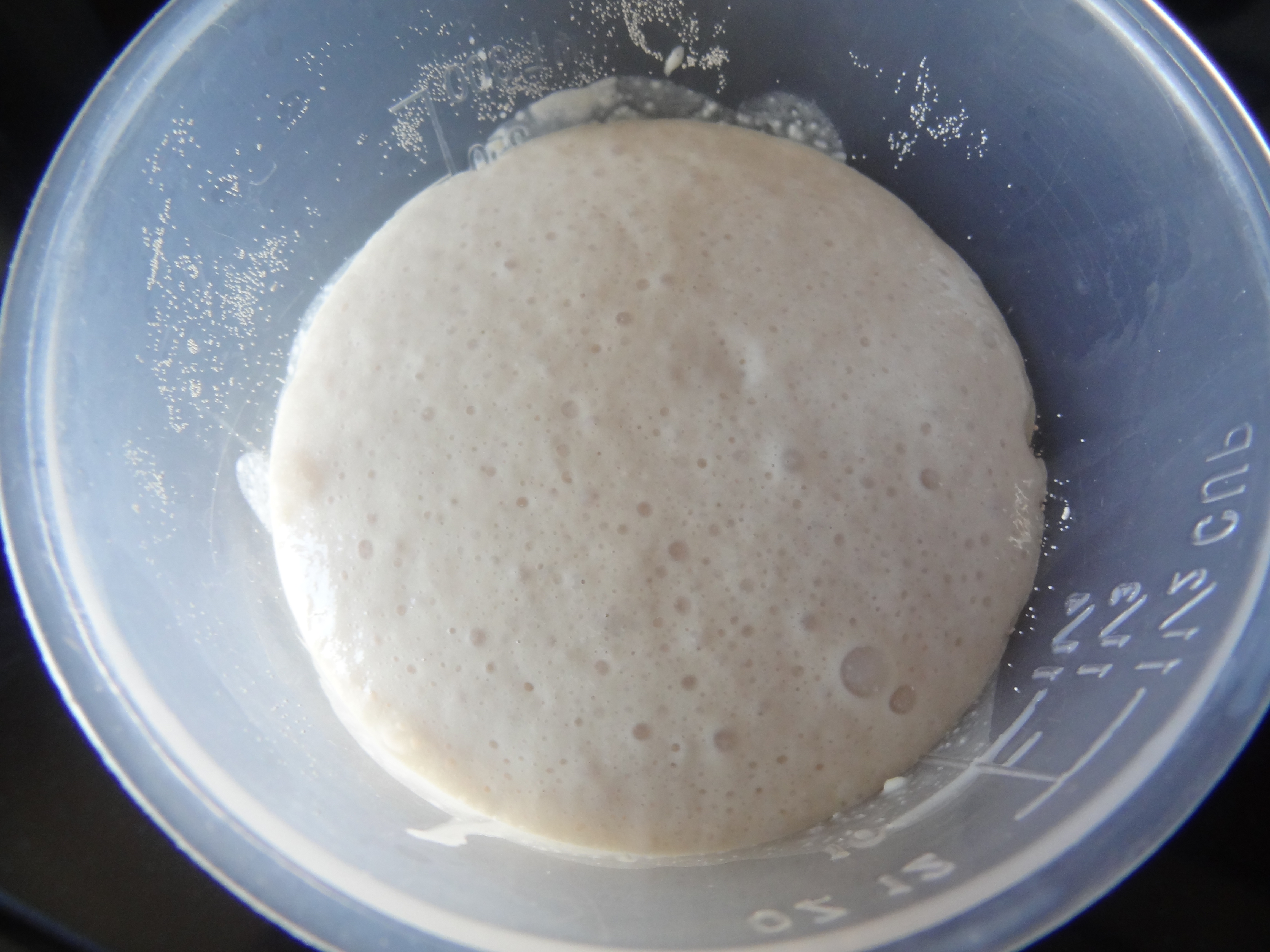
Meanwhile Make yeast starter by mixing packages of yeast with ¼ cup of warm water and ¼ tsp of sugar. Stir yeast until dissolved and let it rest until you see bubbles activating.
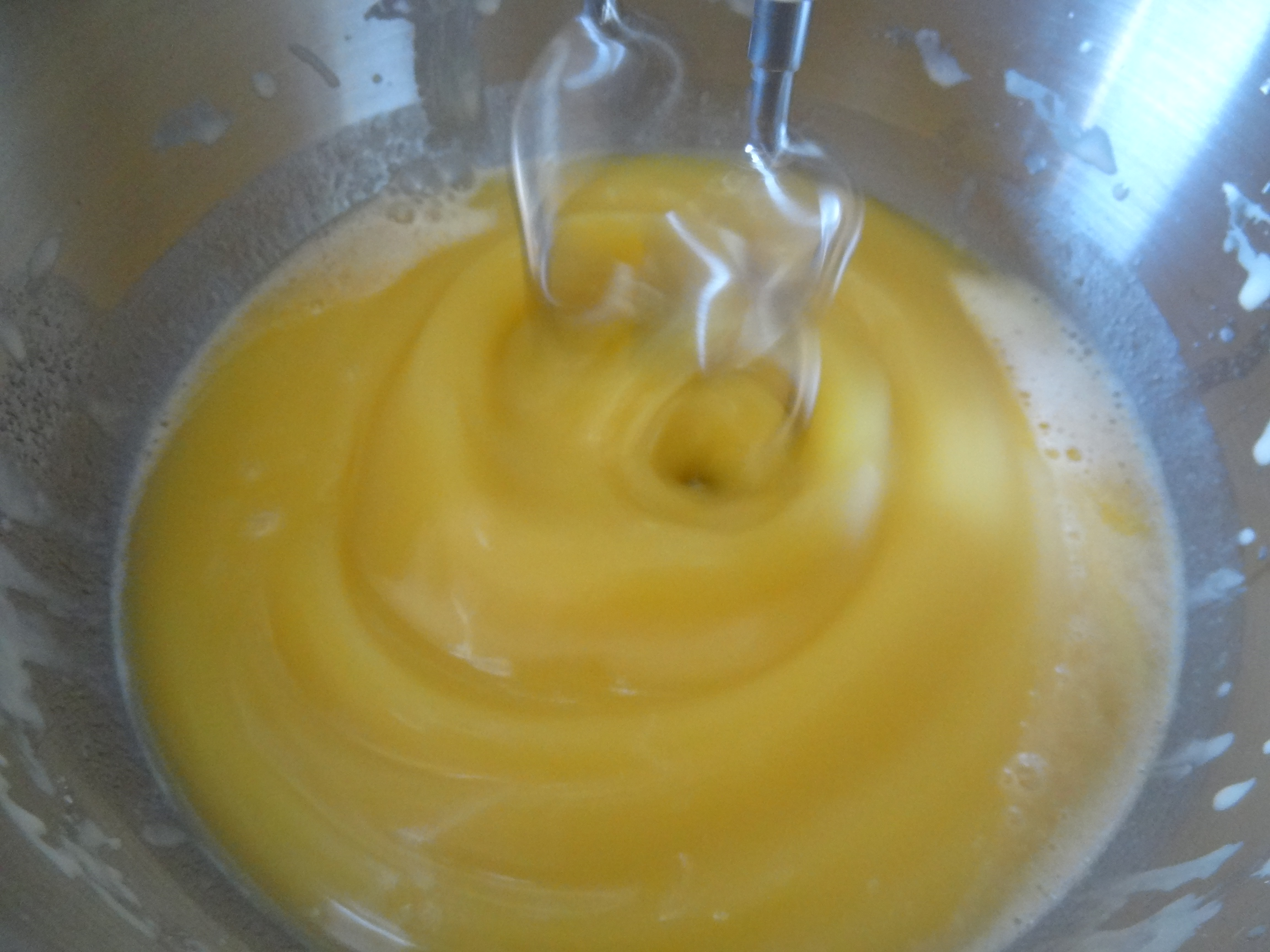
Beat eggs for a few minutes then add to the milk in a large mixing bowl. Add the yeast to the milk along with the whiskey and beat for 2 minutes.
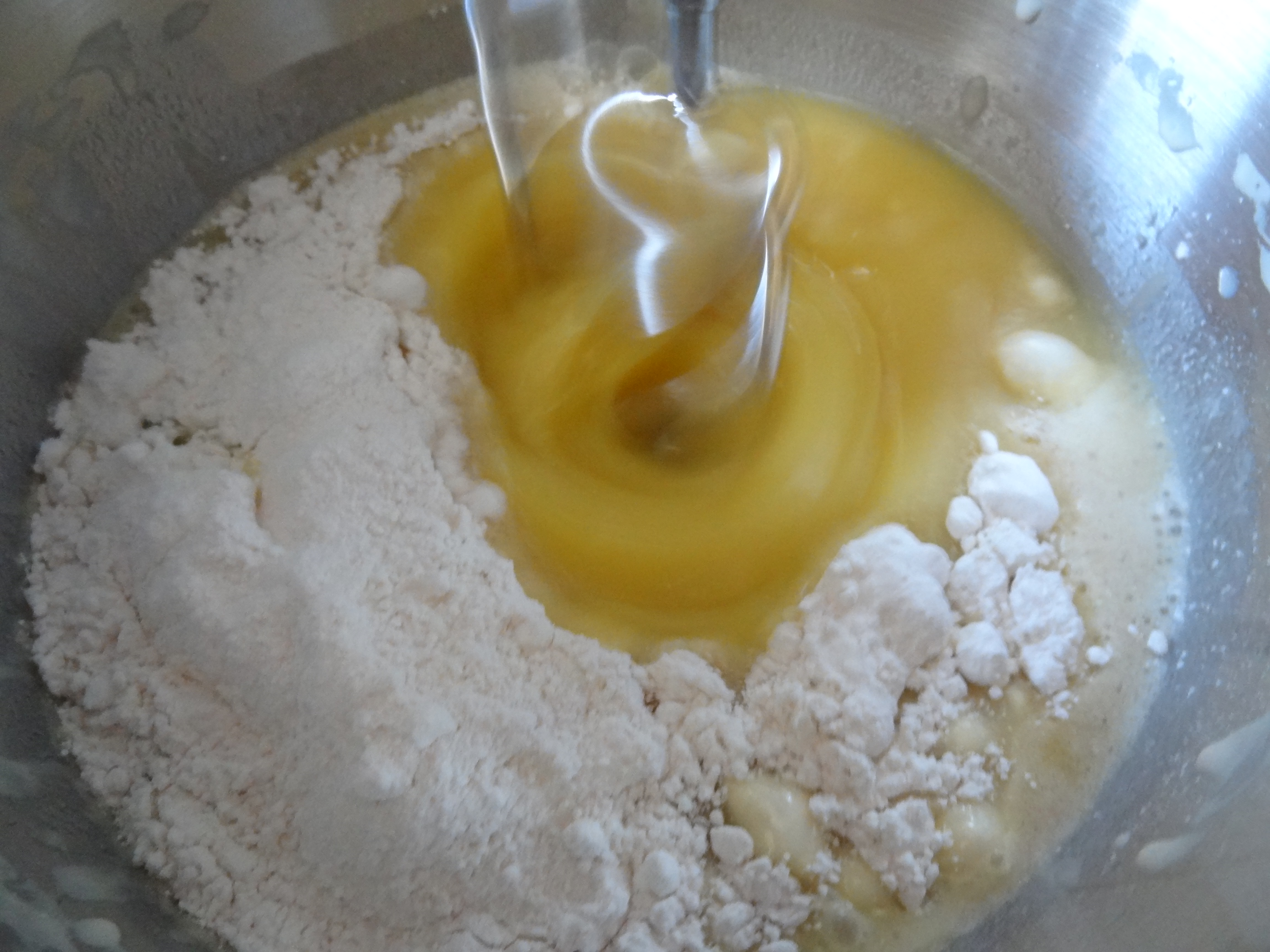
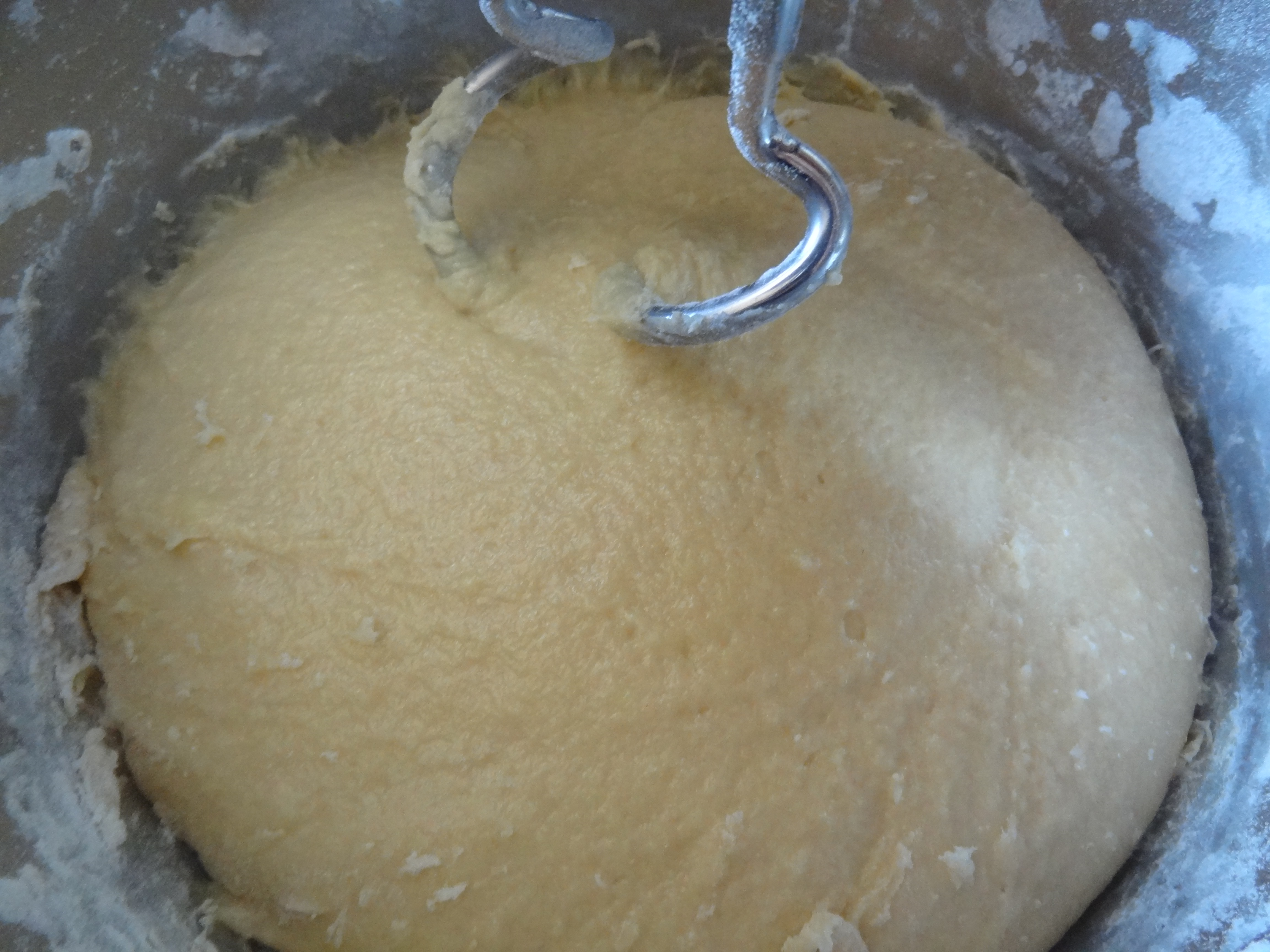
Begin adding the flour 1 cup at a time until it’s all incorporated. Use your dough hooks or your hands to knead for about 10 minutes. The batter should be very silky and smooth but not sticky. Add more flour if you find the dough sticky.
Remove dough from mixer, place on a floured surface and knead for about 5 minutes until it is smooth and soft.Place the dough into a large floured bowl and cover with plastic wrap and a warm towel. Let it rise in a warm place for 2 to 3 hours or until doubled.
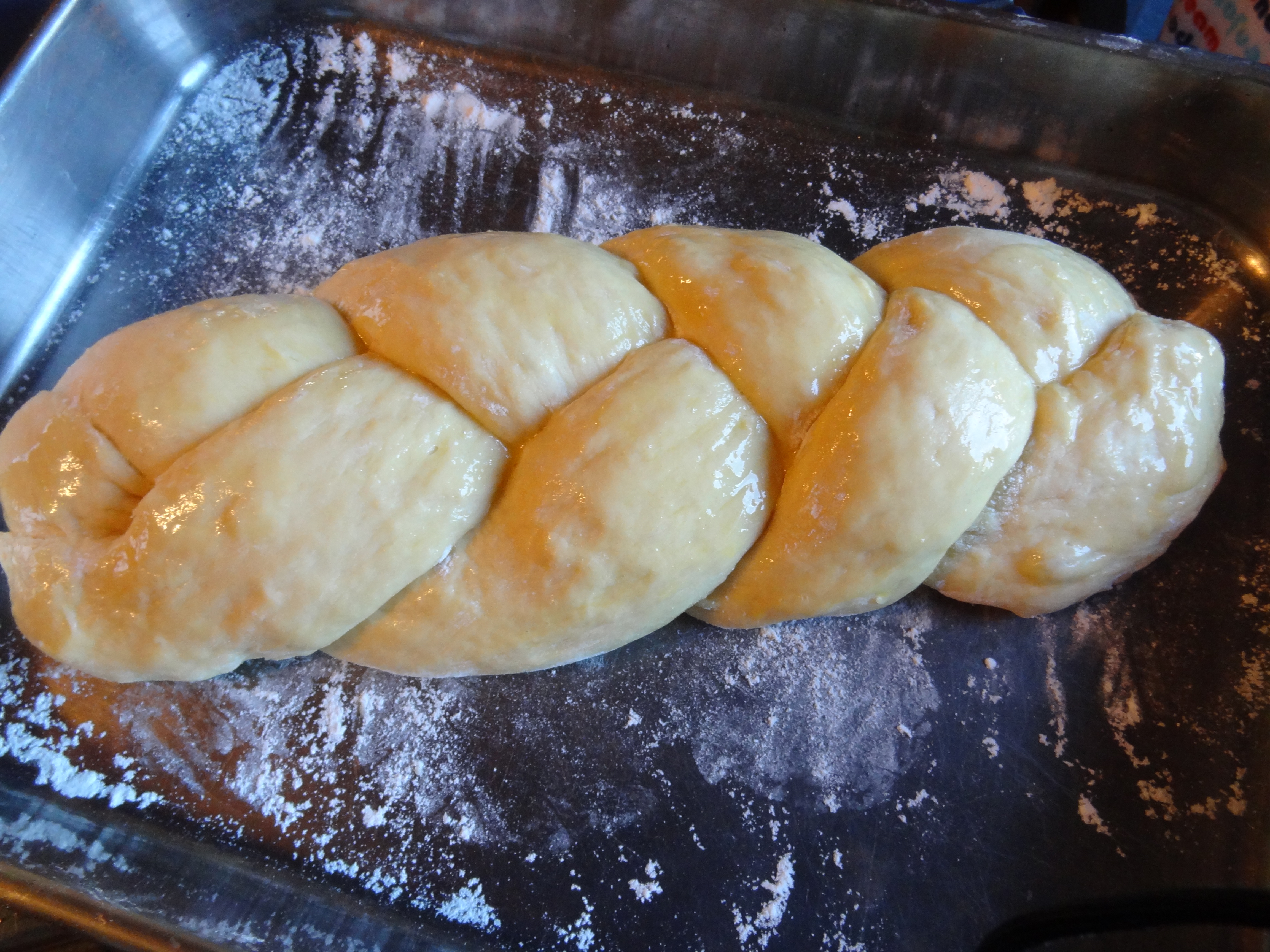
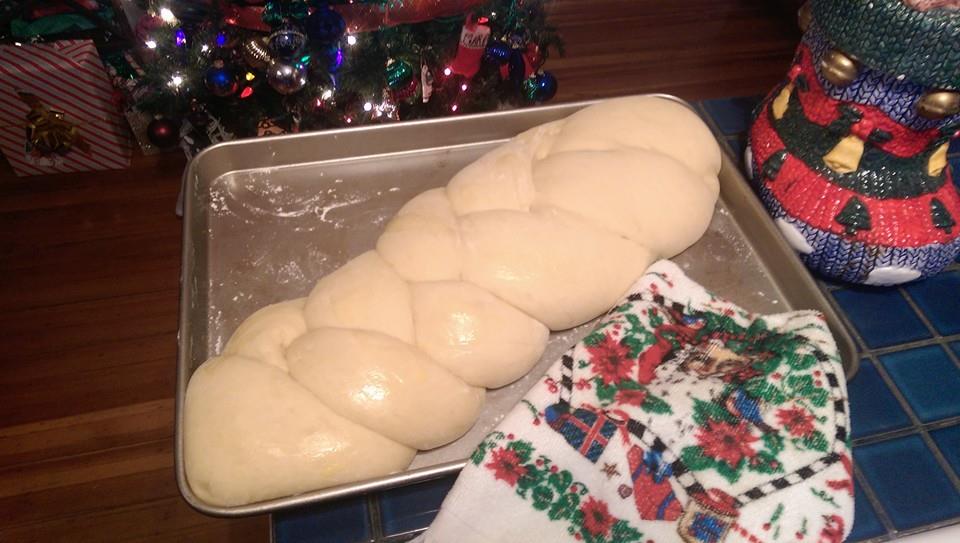
After the dough has doubled, punch it down and let it rise for 30 minutes longer. Place your dough on a floured surface and form your bread either into a braid, loaf or mini buns.
Let the dough rise for another hour or in a warm oven for about 20 minutes or until almost double.
Preheat oven to 325 degrees F.
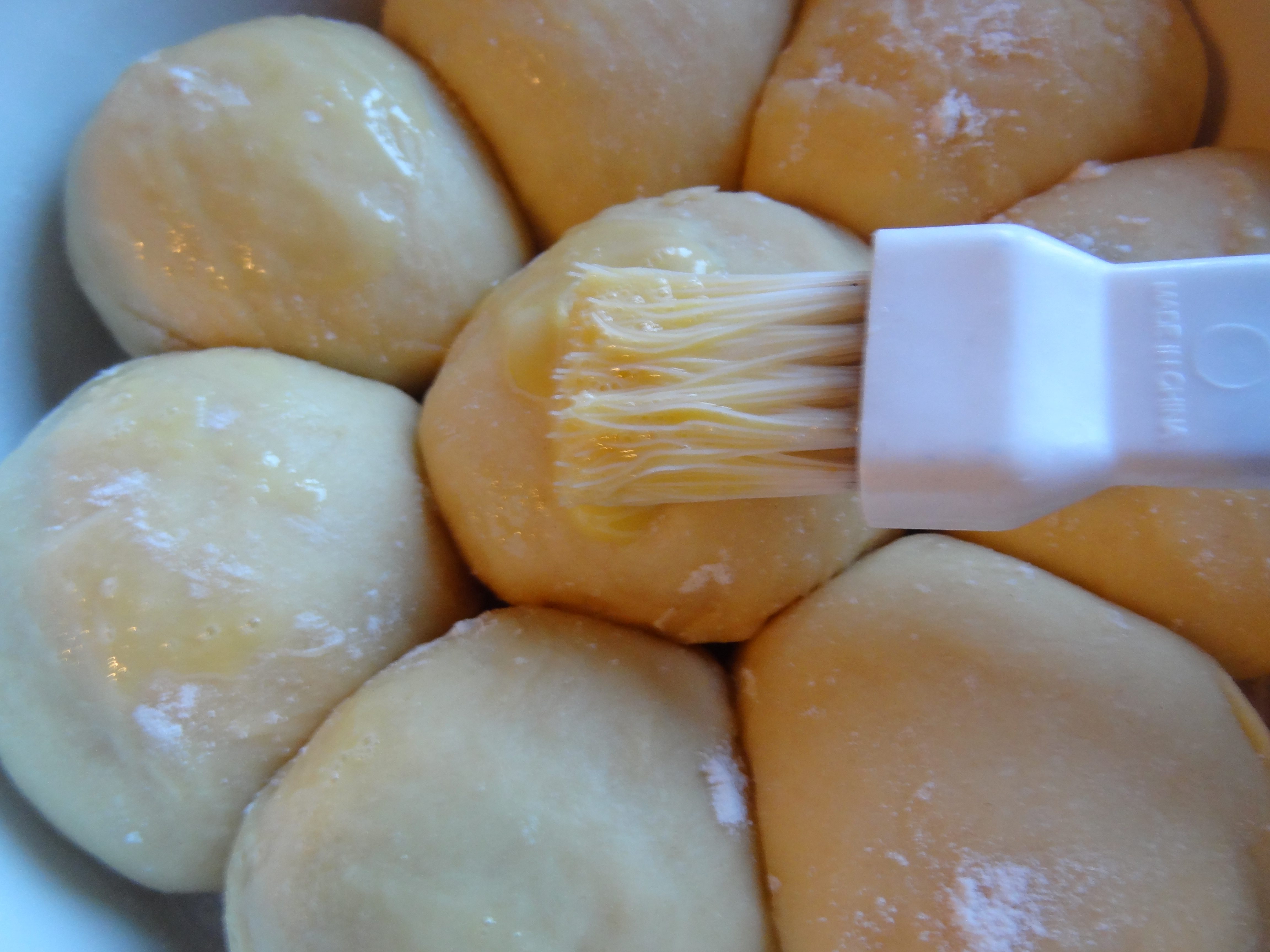
Brush tops of the bread with egg wash and bake for 30 minutes. After 30 minutes, turn the heat to 300 and cook for 30 minutes longer until the bread has a golden caramel color.
Note:: Do not over bake since it may get the bread dry.
Mini buns cook in less time, approximately 45 minutes.
You may find oven temps will vary, adjust accordingly.
Makes approximately 2 loaves, 1 large braid or 12 buns
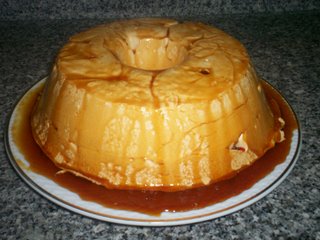
This egg white souffle dessert is light, airy and delicious. It will become a Holiday tradition for your family!
Ingredients:
12 egg whites
2 cups sugar
Ingredients for caramel sauce:
2 cups sugar
1 tbsp water
Instructions:
Grease a large bunt pan and set aside. Meanwhile, in a large heavy skillet, cook sugar and water on med heat until it turns into a smooth golden caramel.
Put the caramel except for (3 tbsp) into the bunt pan. Rotate the bottom of pan and sides to coat with caramel. Set aside.
Beat egg whites until stiff. Add sugar and beat to incorporate. Add the 3 tablespoons of caramel. Beat slowly to incorporate.
Place egg whites in bunt pan. Tap pan lightly on counter to take out air bubbles.
Cook the Pudim in (bain marie) for 12 minutes at 375. *Do not open oven for at least 10 minutes* Let the Pudim cool.
Take out of the oven, let completely cool and refrigerate until ready to serve. When ready to serve place a large serving platter on top of pan and flip over
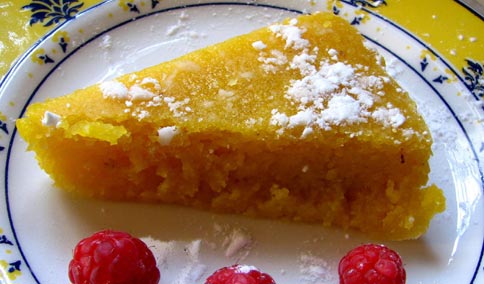
I love the fact that I learn a little bit of Portuguese Foodie – history when I share a recipe. Today, Pastry Chef Vania Soares from 42 and Bellota Restaurant at the Ritz Carlton, Westchester NY, sent me her recipe for “Toucinho-do-céu ” – Bacon From Heaven.
This is a wonderfully “Sinful” dessert created centuries ago in northern Portugal by nuns around the Eighteenth Century!
Most Portuguese desserts use egg yolks and sugar. Why mostly egg yolks? It’s because the egg whites are used to clarify wine (like a filter), acting like a brush to sweep out impurities.
The wine makers in the local region would save the yolks and give them to the nuns at the convents who make desserts which were sold, to raise money for the poor.
There are different versions of this classic dessert sold in pastry shops all over Portugal, one is made with Almonds and one made with Gila, a sweet pumpkin jelly. A convent in the city of Murca, Portugal, is rumored to have first invented this version for the dessert using Gila. Watch the video below for a demonstration of Toucinho do céu, Murça.
Some believe the recipe came from the convent of Santa Clara in Guimarães, Portugal. The convent closed in 1910 but 3 displaced nuns carried on the traditional recipes by making pastries to support themselves. Years later, the nuns niece, Palmira learned the recipes and opened Casa Costinhas in the city that is the European Capital of Culture 2012. Visit golisbon.com/guimaraes, portugaldailyview.com,cafeportugal.net, for more information and to learn about our cuisine’s origins!
Ingredients:
2 3/4 cups ground almonds —– (300 g amêndoa moida) 1 cup water —— (0.250 Lt água) 2 1/2 cups sugar —– (500 g açúcar) 4 eggs —– (4 ovos) 2 tbsp melted butter —– (25 g manteiga derretida) 1/2 crated lemon peel —– (1/2 limão raspa) 1 tsp cinnamon —– (q.b. canela em pó) 1 tbsp flour —– (12 g farinha) 20 egg yolks —– (20 gemas)
English:
Make a syrup with the sugar and water and heat up to 225 degrees or until a wooden spoon becomes coated. Meanwhile beat the 4 eggs and egg yolks well and set aside. When sugar is cooled, add eggs and beat well. Add the butter, lemon, cinnamon, almonds and flour. Stir well and bring to boil to thicken over low heat, stirring constantly to prevent burning. Pour into a greased and floured cake pan and bake at 350 for 25-30 minutes.
Portuguese:
Fazer a calda com o açúcar e a água até aos 108ºC, adicionar os ovos e as gemas previamente batidos e mexer bem. Adicionar a manteiga, o limão, a canela, a amêndoa e a farinha. Mexer bem e levar ao lume a engrossar em lume brando, sem parar de mexer para não queimar. Deitar numa forma untada e polvilhada de farinha e cozer a 180ºC por 25-30 minutos.
Chef Vania
Video from: Toucinho do Ceu – Murca, Portugal
Find a Recipe
FIND RECIPES HERE
"Join me! Lets' s share recipes, learn how to cook traditional Portuguese dishes, or chat about our cuisine, culture and traditions. I want to share these recipes to preserve our Portuguese passion for great food and pass them along to the next generation. So come along, Let's cook Portuguese!"
Support Tia Maria's Blog page to promote our Portuguese heritage. SCAN QR CODE:
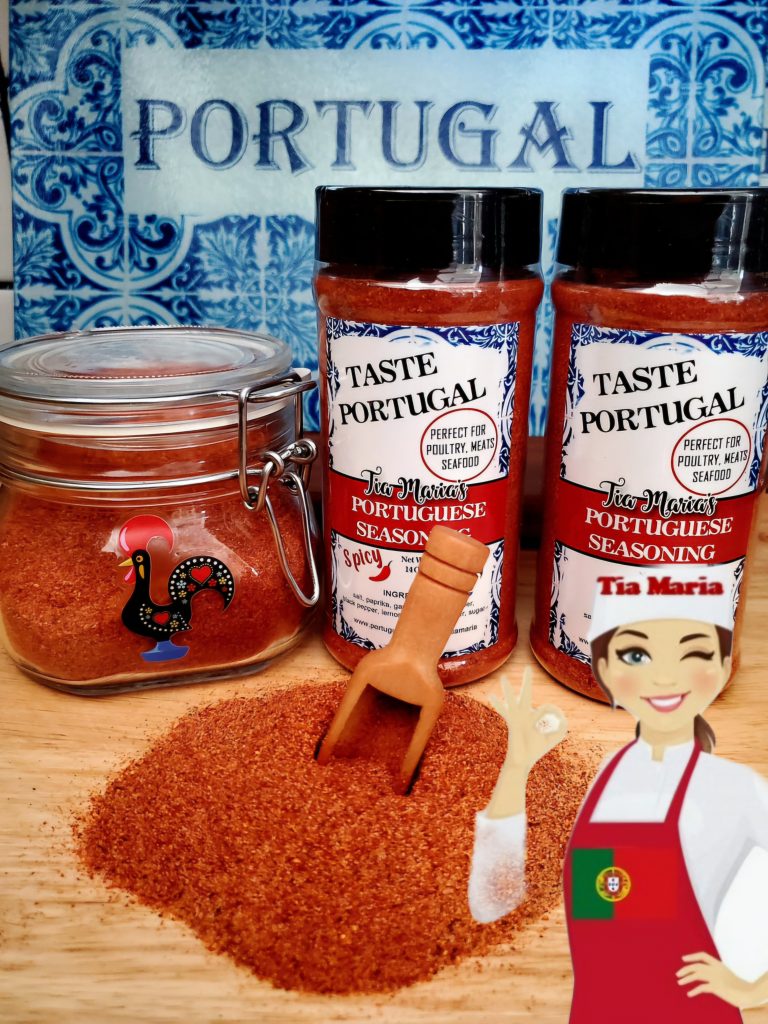
ORDER SET OF 1 REGULAR AND 1 SPICY JAR - FREE SHIPPING IN USA
BUY NOW ON PAYAPAL OR SCAN QR CODE BELOW
TASTE PORTUGAL COOKS AVAILABLE ON AMAZON ALL AROUND THE WORLD: FREE Prime shipping in USA
COOK BOOKS ARE ALSO AVAILABLE ON AMAZON.CA (CANADA)
ORDER SET OF 2 TASTE PORTUGAL SEASONINGS ON PAYPAL OR SCAN QR CODE: FREE SHIPPING USA
COOKING PORTUGUESE IS EASY WITH TIA MARIA’S TASTE PORTUGAL PORTUGUESE SEASONINGS
LISBON BLUE ETSY SHOP – FREE SHIPPING IN USA
Shop at Gaspars online for great Portuguese Products
Portuguese Linguica and Chourico
Gift Packs
Gaspars Sausage Company
For nearly a century Gaspar’s Sausage Co., Inc. Has been recognized as the largest manufacturer of Portuguese smoked sausage in the United States. Order today! www.gasparssausage.com or call us at 1-800-542-2038
MY TASTE PORTUGAL SEASONINGS DISTRIBUTOR - GONSALVES FOODS.COM
GONSALVES FOODS
GONSALVES FOODS
The taste of Portugal here in America Your source for authentic Portuguese products We’re proud to offer a wide selection of authentic Portuguese foods from our Gonsalves and Bom Petisco brands as well as the leading Portuguese brands like Saloio olive
0


















 Now available in Canada – Amazon Canada

 LISBON BLUE ETSY SHOP
 My appearance on RTP Portuguese TV Notícias do Meu País
 No Kid Hungry | Share our Strength Help End Child Hunger in America
























 GONSALVES FOODS