Author: Tia Maria

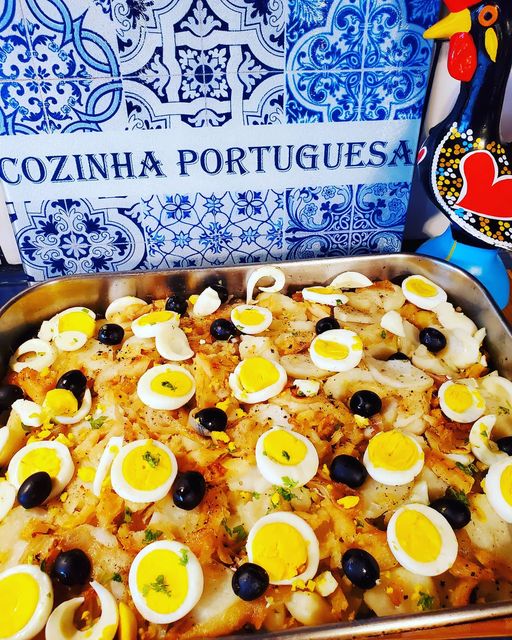
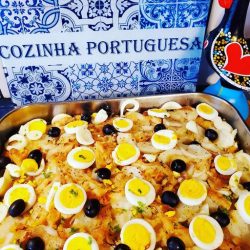
Bacalhau a Gomes de Sa

 BACALHAU A GOMES DE SA

There’s a  saying in Portugal; “There’s a recipe using Bacalhau for 365 days of the year”!

But this classic, is not only a year round treat it’s also a must have Christmas favorite.

In fact it wouldn’t be a traditional Portuguese Christmas Eve diner without it!

Ingredients:

2 lbs boneless salt cod

(Re-hydrate cod by soaking in large pan with water for a few days in fridge changing the water twice a day)

 Click here for link to “how to hydrate salt cod”

4 pounds small peeled potatoes cut into 1 inch slices

2 large onions (sliced)

3 gloves chopped garlic

1 bay leaf

1 tablespoon salt

1 teaspoon black  pepper

1 cup olive oil

6 hard boiled eggs (sliced)

1 cup olives

2 to 3 teaspoons  chopped parsley

2 to 3 cloves of chopped garlic or 1 teaspoon  garlic powder

Instructions:


In large pan, place potatoes covered with cold water. Add salt, and cod. Cook for about 10-15 minutes until cod is flaky.

Remove cod fish from pan and set aside to cool. Cook potatoes for another 8-10 minutes or until cooked. Pierce with a fork for doneness. Drain potatoes and set aside to cool. Slice  potatoes into 1/4  to 1/2 inch slices.

In large skillet, saute sliced onions, 1/2 tsp salt and bay leaf  in 1/2 cup of the olive oil until golden brown. Add garlic during the last 2 minutes of cooking. Remove the bay leaf and let the onions cool for a few minutes.


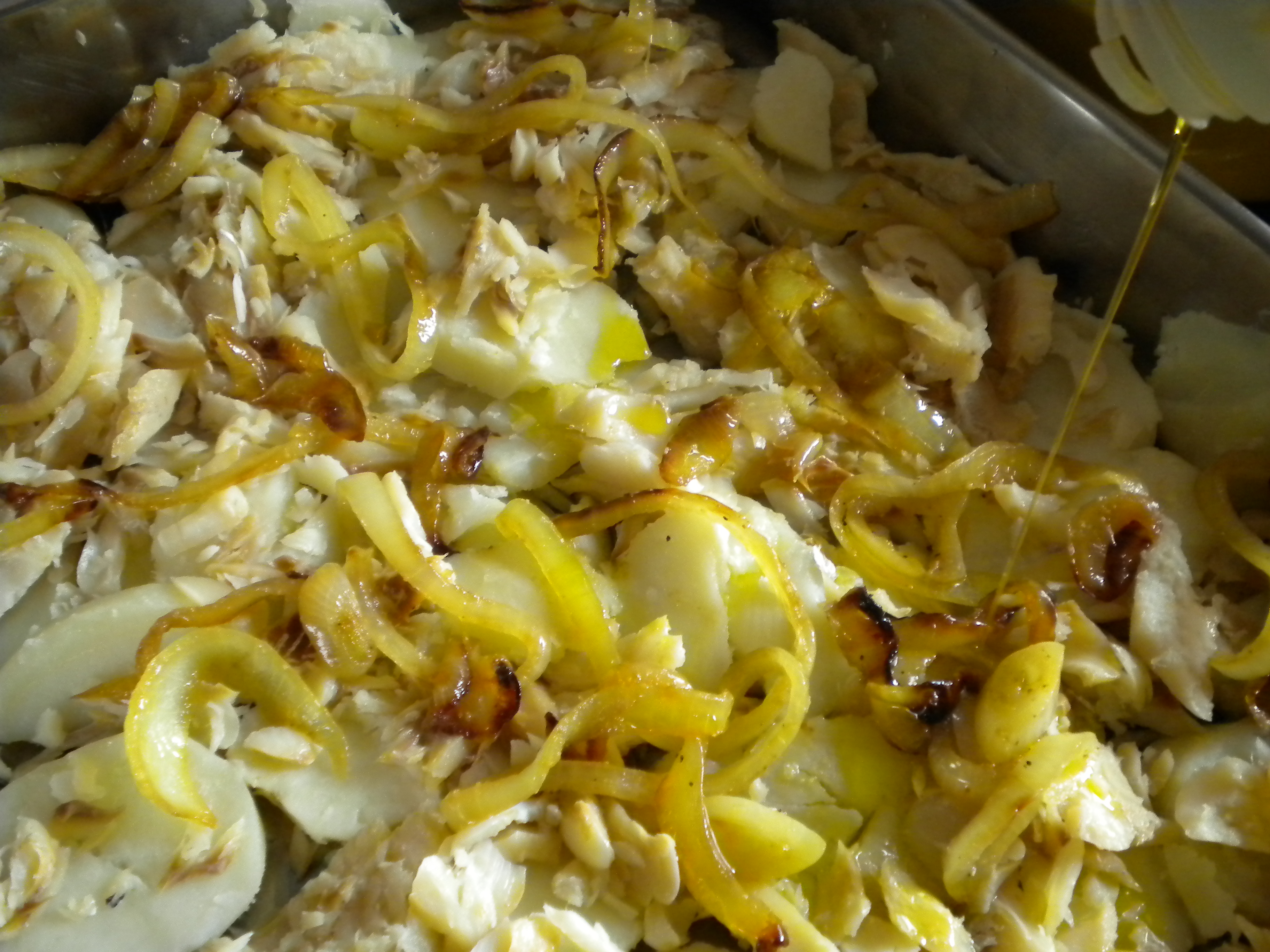
Grease a  large deep oven proof pan with olive oil. Start layering the potatoes,  flaked cod then onions.

Drizzle olive oil and pepper over each layer.  Add garlic powder if you like more garlic flavor.

Make sure you end up with onions on top. Cover with foil and cook for about 20 minutes.

Arrange cooked egg slices on top of the onion layer.

Cook uncovered for another 5-10 minutes to desired crispness.

Remove from oven and add parsley and olives for garnish. (add more salt, pepper or garlic if desired)

Enjoy!


https://tiamariasblog.com/hydrate-salt-cod-bacalhau/


Harvest Apple and Banana Muffins

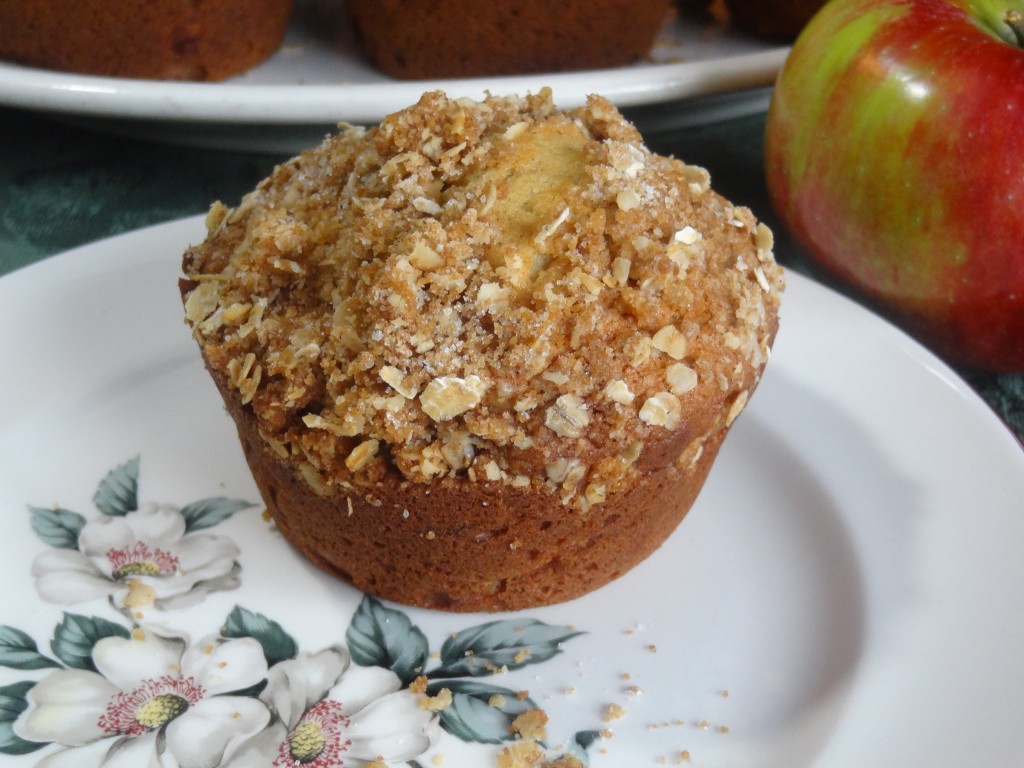
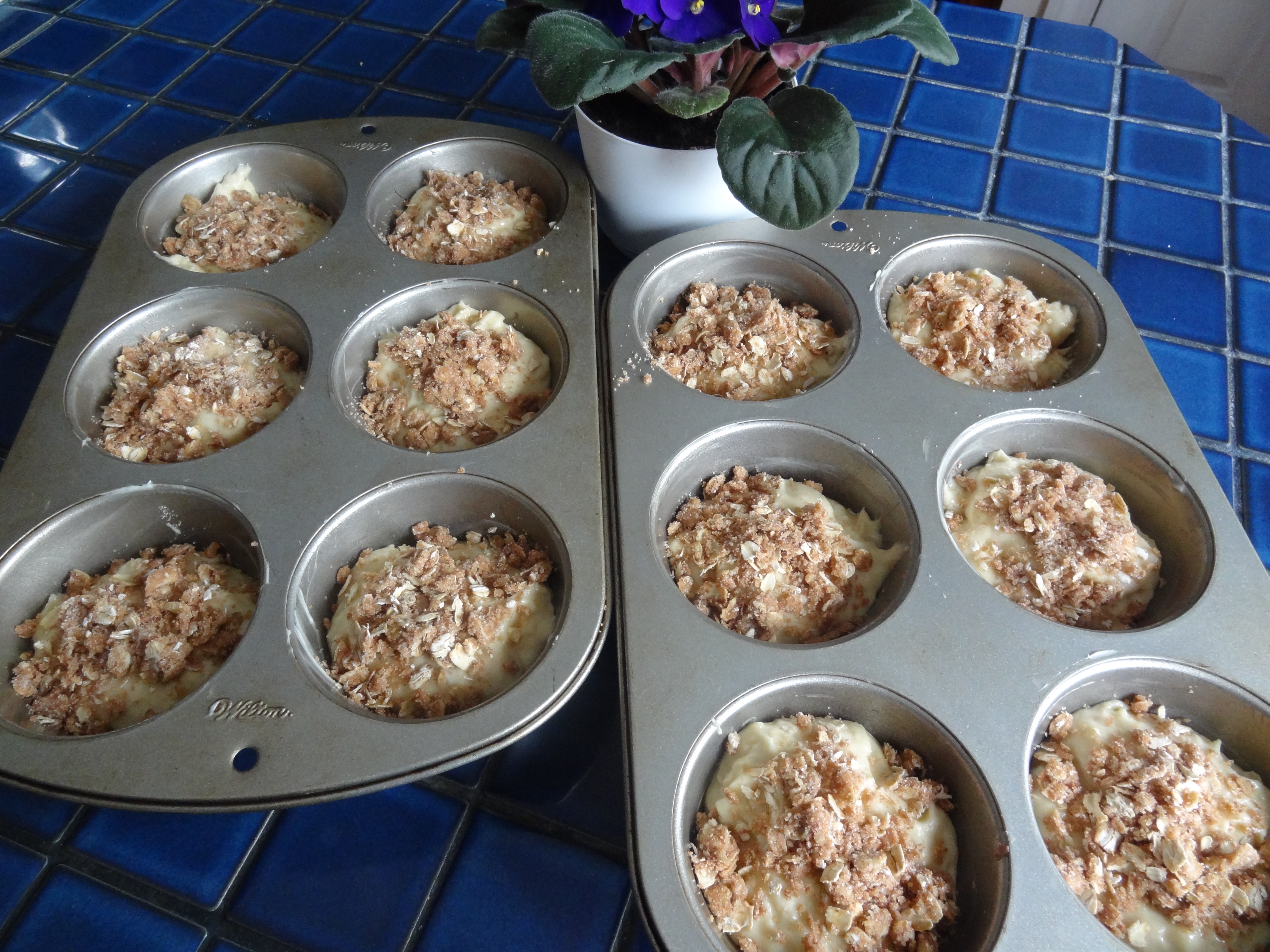
It’s apple picking season in New England. I got home and made some delicious Apple Banana Muffins. Here’s my tip: I always substitute 1/2 cup low fat yogurt for 1/2 stick of margarine.  Every recipe comes out moist and flavorful.

These are great for breakfast and lunch box snacks too! Enjoy…. Tia Maria


Ingredients:

2 1/2 cups flour

3/4 cup brown sugar

1/4 cup regular sugar

1 stick margarine

3 eggs

1 tsp vanilla

1 1/2 tsp baking powder

1 1/2 tsp baking soda

1 cup mashed ripe banana

1 cup finely chopped apple

1/2 tsp salt

8 0z container low fat vanilla, banana or any yogurt


Topping:

1/2 cup of quick cooking oats

1 tbsp flour

1 tbsp melted margarine

1/4 cup brown sugar

1/4 cup regular sugar

1/4 cup chopped walnuts

1/2 teaspoon cinnamon

Instructions:

Pre heat oven to 350. In a large bowl mix the melted butter with the sugars until creamy, add eggs and mix well.  Add the vanilla. Mix all the dry ingredients in a bowl. Mix the apple, banana and yogurt in a small bowl.

Blend the 1/2 dry ingredients into the egg and sugar and mix well.  Add all of the apple mix into batter.

Add the remaining dry ingredients then add nuts. (If your batter is too dry, just add more yogurt or crushed banana & apple)

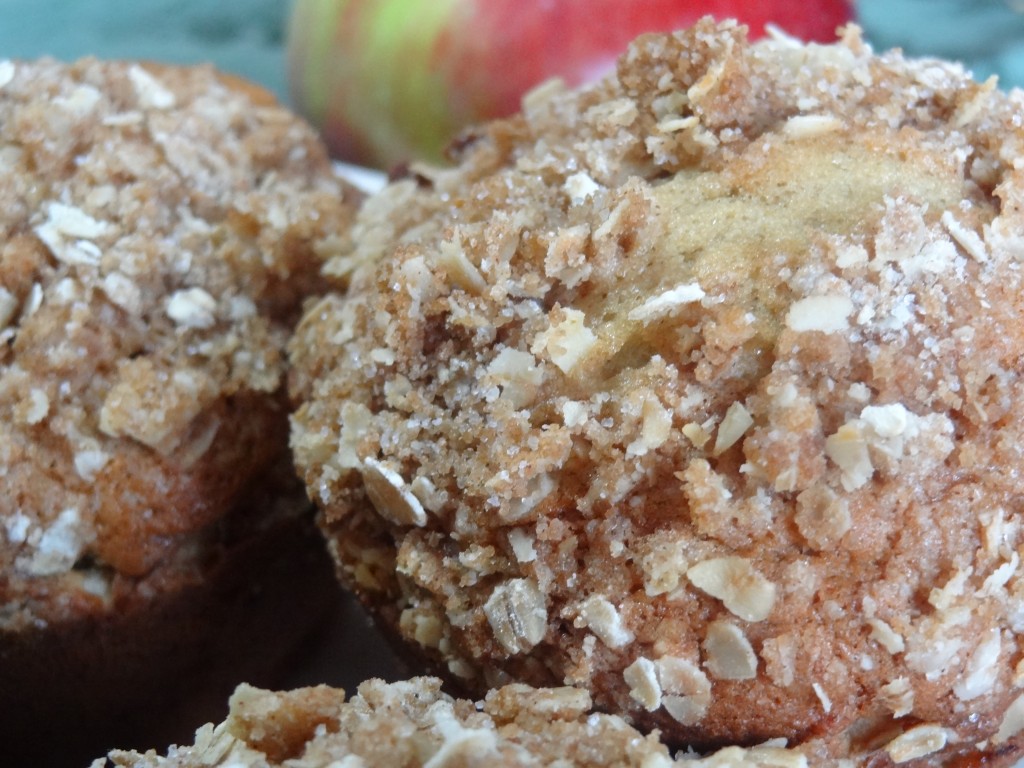
Make Topping: Mix all ingredients until a crumbly mix forms.

Place the batter  into 12 small, or 6 large greased muffin tins and cook for about 25 minutes or until cooked. (use toothpick method)

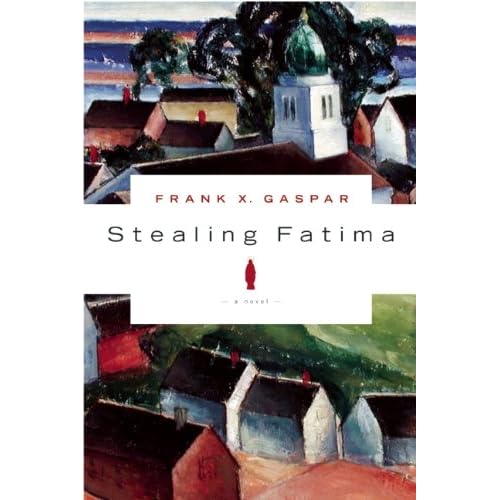
Stealing Fatima, a Novel

Massachusetts Center for the Book Stealing Fatima,

A MassBook of the Year in Fiction.

About the author: Frank X. Gaspar was born and raised in Provincetown, Massachusetts. A Portuguese-American, his paternal grandparents immigrated from the Island of San Miguel, and his maternal grandparents from the Island of Pico, both in the Azorean Archipelago. His ancestors were traditionally whalers and Grand-Banks fishermen, sailing out of the Islands and then Provincetown. Read More at:

www.frankgaspar.com/index.html

Boston Globe — …Gaspar’s prose, with both its deliberation and moments of uncontainable joy, is like a soaring choral Mass. Independent of religious faith, skeptic and believer alike cannot help but be swept away by the beauty of the expression. — Julie Wittes Schlack © Copyright 2010 Globe Newspaper Company.

Sounds great…. get a copy at Amazon…I will..

www.amazon.com/Stealing-Fatima-Frank-X-Gaspar/dp/1582435162

Bye

Tia Maria

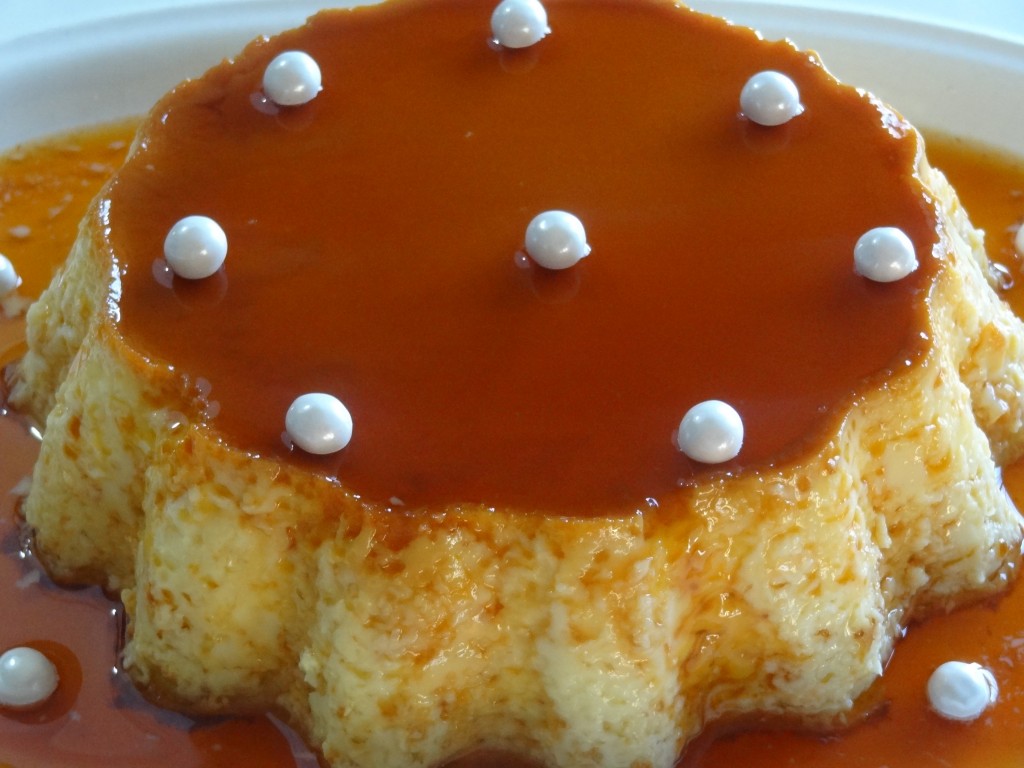
Caramel Flan – Pudim Flan

 dsc05395 dsc05396

Hi Foodies,

It took me years to finally make a good caramel flan until I finally discovered the reason why I wasn’t successful. The reason was because I didn’t use whole milk. I also made the mistake of mixing cold milk with the cold eggs.

You have to warm up the milk and use room temperature eggs. Now my flan comes out perfect every time and it’ s a family favorite at every celebration.

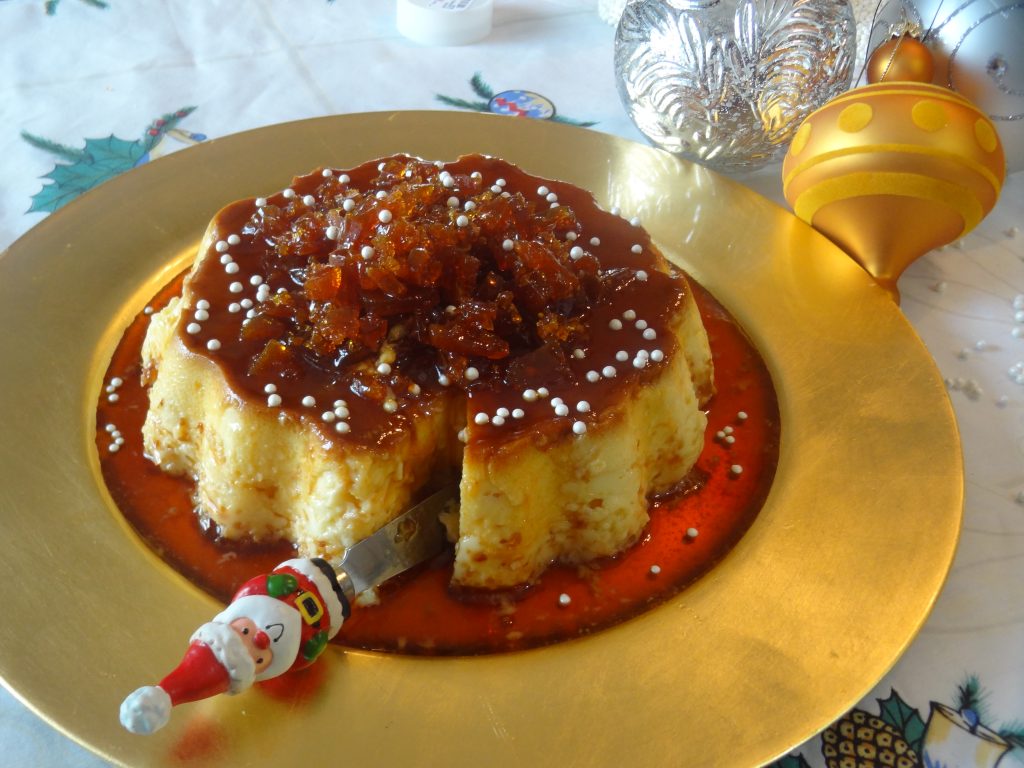
My family enjoys lots of the candied caramel on top too and usually fight over it! Enjoy!

Flan ingredients:

6 large eggs

3 cups whole milk

1 cup sugar

1/4 tsp salt

1 tsp either; (this is optional: vanilla, anisette liquor, or caramel glaze)

Caramel glaze ingredients:

1 cup sugar

Instructions:

Take your eggs out of the fridge a few hours before you start to get them to room temp or place them in a bowl of lukewarm water for about 20 minutes.

Prepare Caramel glaze first:

Place the sugar and water in a large heavy skillet. Continue stirring while cooking on med heat until the sugar melts and begins to turn caramel colored and thickens like corn syrup.(probably 5-8 min depending on your burners).

If the sugar is hardening too quickly, just drizzle a little water around the edges of the pan into the sugar.

Take the pan of the heat and let it rest for one minute. OUCH! It’s very hot! If you smell a burned smell, it means you’ve cooked it too long, so start over again.

Coat the bottom and up to 1 inch on the sides of a medium oven proof souffle pan with the caramel sauce. Let the Caramel harden and put aside while you make the custard. (Poor a few tablespoons of the caramel onto a small butter sheet pan and let it harden.)

Prepare custard:

In med bowl, beat the eggs with 1 cup sugar until lemony colored. Meanwhile, heat up the milk until hot but not boiling.

Let the milk cook down a little and then add about 1/4 cup of milk, to the eggs while continuing to beat on low. *If the milk is too hot, you’ll  discover that you just made scrambled eggs.

Continue beating and slowly add the milk 1cup at a time until all of the milk is incorporated.

At this point you can beat in, either the 1 tsp vanilla extract, the anisette, or the caramel glaze if you desire.

Let the egg mixture rest to let the foam subside a little, then slowly pour it into the souffle dish that has been coated with the caramel.

Place the flan dish into a larger oven proof deep dish pan (bain -marie) that has been filled with 1 inch of water.

Cook at 350 for 60 -75 minutes or until a toothpick comes out clean.  Let the flan cool in it’s pan and place it in the dish in the refrigerator overnight.

When ready to serve, loosen the sides of the flan with a knife and giggle the pan to loosen it.

Cover the top of the flan with a deep serving dish and invert it. Spoon out the caramel over the flan.

Break the hardened sugar that you let sit in the sheet pan into small pieces and place on top of the flan.

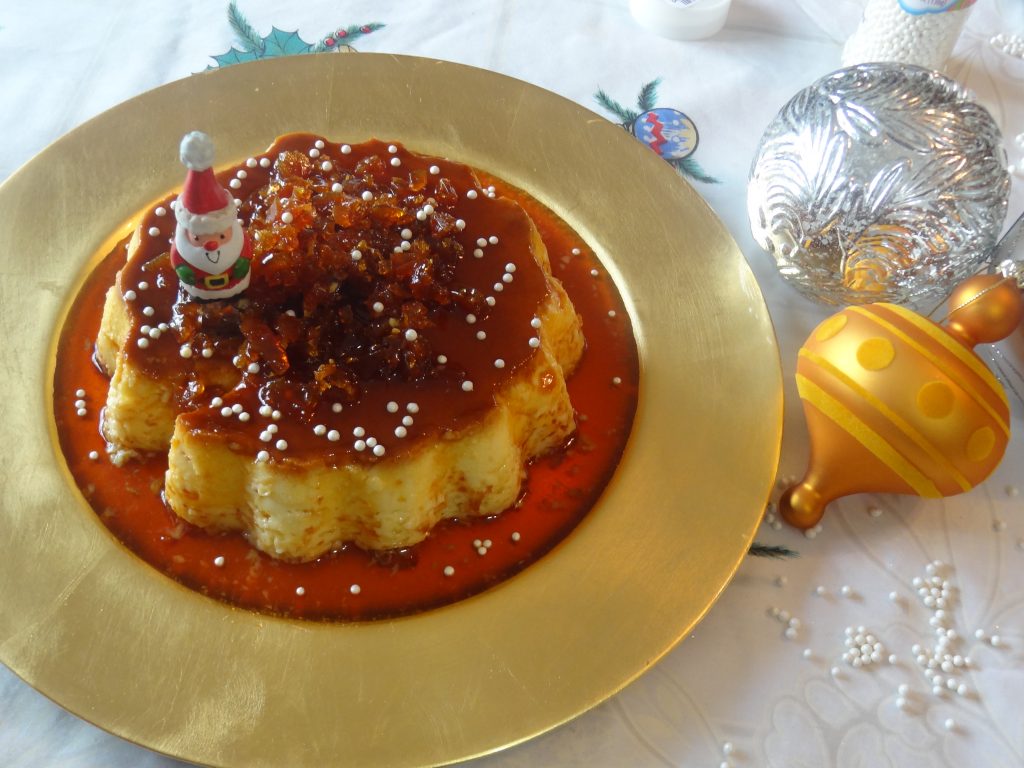
You can place the souffle dish into a shallow bowl of hot water to melt the remaining caramel or brake up the hard caramel to serve on top as seen in the picture.

Serve as is, decorate with candy pearls or with whipped cream!

It’s amazing!


Travessia, A small urban winery in New Bedford, Massachusetts

Hi Everyone,

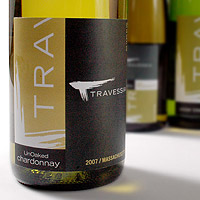
I’ve been recently searching for local  Portuguese Wineries and I found a great one right here in Massachusetts. Travessia, is an urban winery located in New Bedford. Their wines are made from grapes grown exclusively in Massachusetts.

Marco Montez started making wine with his family back in Tras os Montes Portugal. Today he’s turned  his love of winemaking into starting his own company.  He eventually aspires to fullfil his lifelong dream of owning  his own vineyard in Southeastern NewEngland.

Visit, www.travessiawineblog.com where you can chat with Marco directly, sign up for the newsletter and get email updates.

Travessia

White Wine :

08 Unoaked Chardonnay, 07 Chardonnay, 07 Vidal Blanc, 08 Vidal Blanc,

08 Pinot Grigio

Rose:

08 Bastard Rose

You can purchase these wines through the online store, by calling, or on site ,when you visit their tasting room. They are open Wednesday through Saturday from Noon to 6P.M. and Sunday from Noon to 5P.M.

Location: 760 Purchase Street, New Bedford Ma. 02740

Phone: 774-929-6534

Website: www.travessiawine.com

Blog: www.travessiawineblog.bom

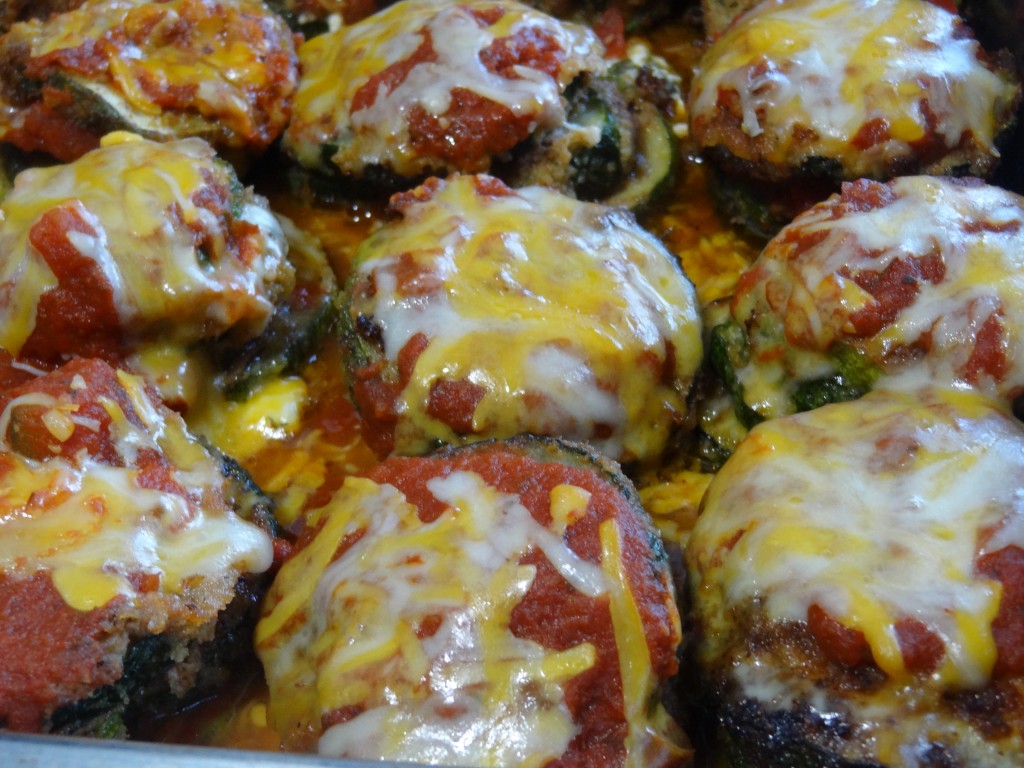
Zucchini Parmesan Rounds

Photo July 2015

Hi everyone,

It’s zucchini harvest season. I’ve made zucchini breads, fried zucchini and all kinds of casseroles but his following recipe is my family’s favorite zucchini recipe and I know it will be yours too.

It’s great for those of you on low carb diets because it uses no pasta!

You can substitute the zucchini for eggplant in the fall & winter and make it all year long.


Ingredients:

6 extra large zucchini


1 Jar of your favorite pasta sauce or a can of chopped tomatoes with Italian seasonings 

1 cup low fat cottage cheese, or low fat ricotta cheese

1/2 cup flour

1 cup Italian bread crumbs

Chopped fresh basil – 1/4 cup

1 tsp salt

1 tsp pepper

1 tsp garlic powder

8 oz of mozzarella (or any kind you prefer)

8 oz Parmesan or Pecorino cheese for shredding

Instructions:

Preheat oven to 400.

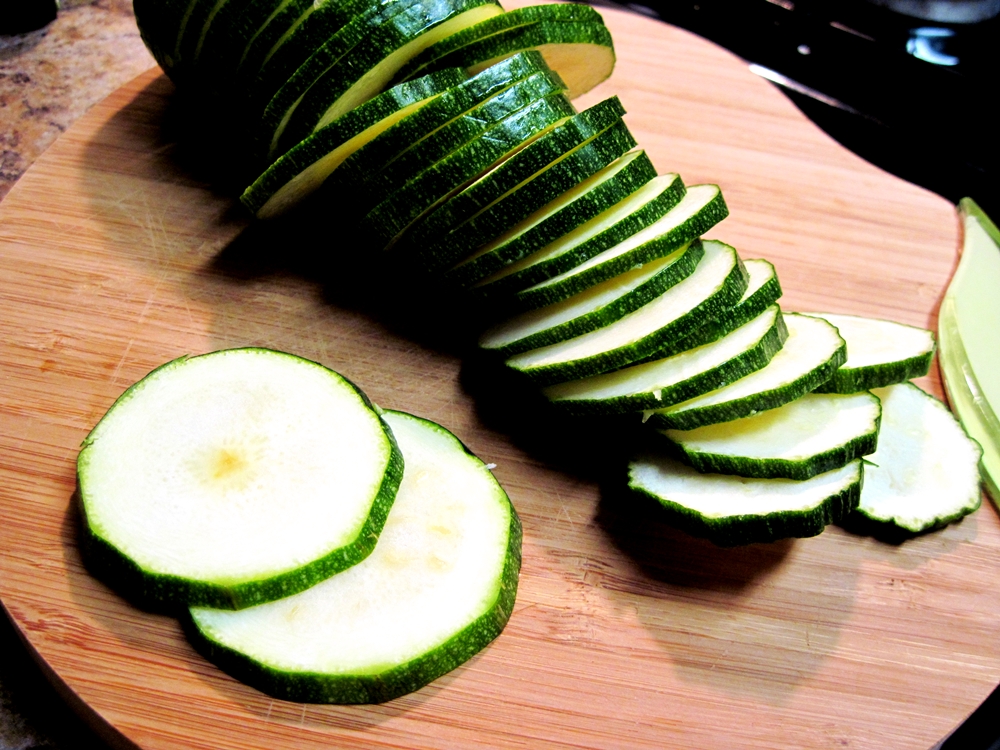
Slice the zucchini into round 1/2 inch slices, place them in a large bowl and coat them with salt, pepper, and the garlic powder.

Let them sit for about 5 min., then strain any water from the bowl. Mix bread crumbs with flour and lightly coat each zucchini slice.

You can just toss the flour mixture into the bowl and toss them, or use a plastic bag.

Layer the zucchini slices on a well greases cookie sheet and cook them for about 10 – 15 min or until cooked.

Gently check one slice by lifting one with a spatula. I like a golden coating on the bottom, but you can cook them to your taste.

If you prefer a crispier zucchini you can also fry them in hot oil. I prefer to bake them to save calories.

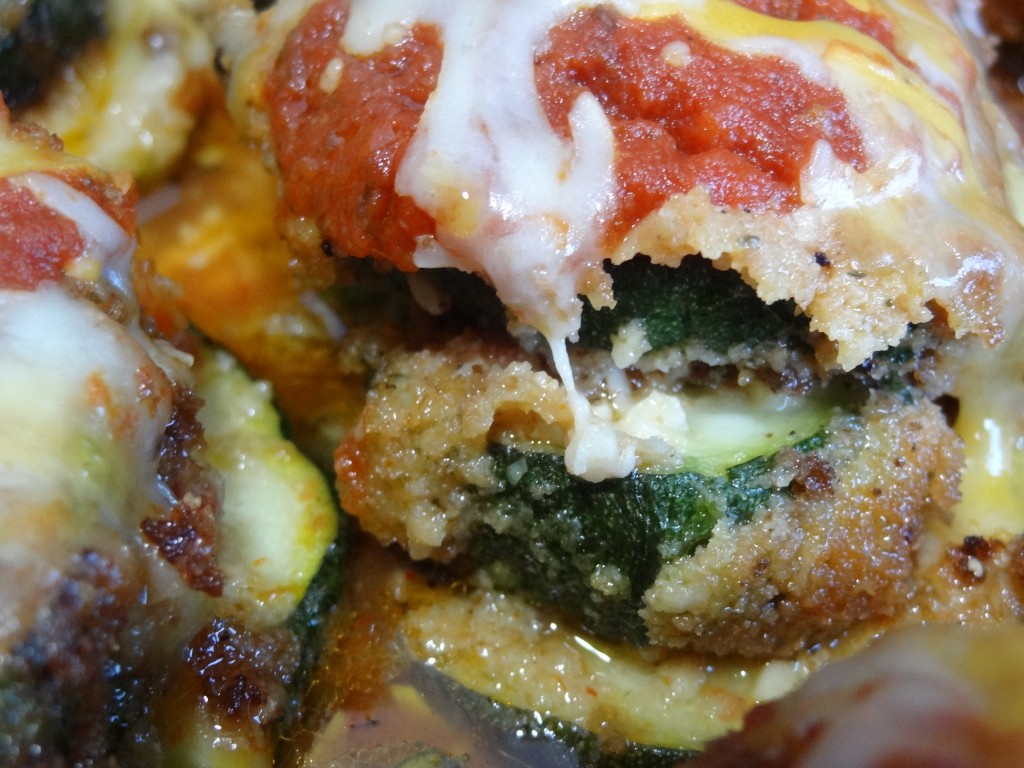
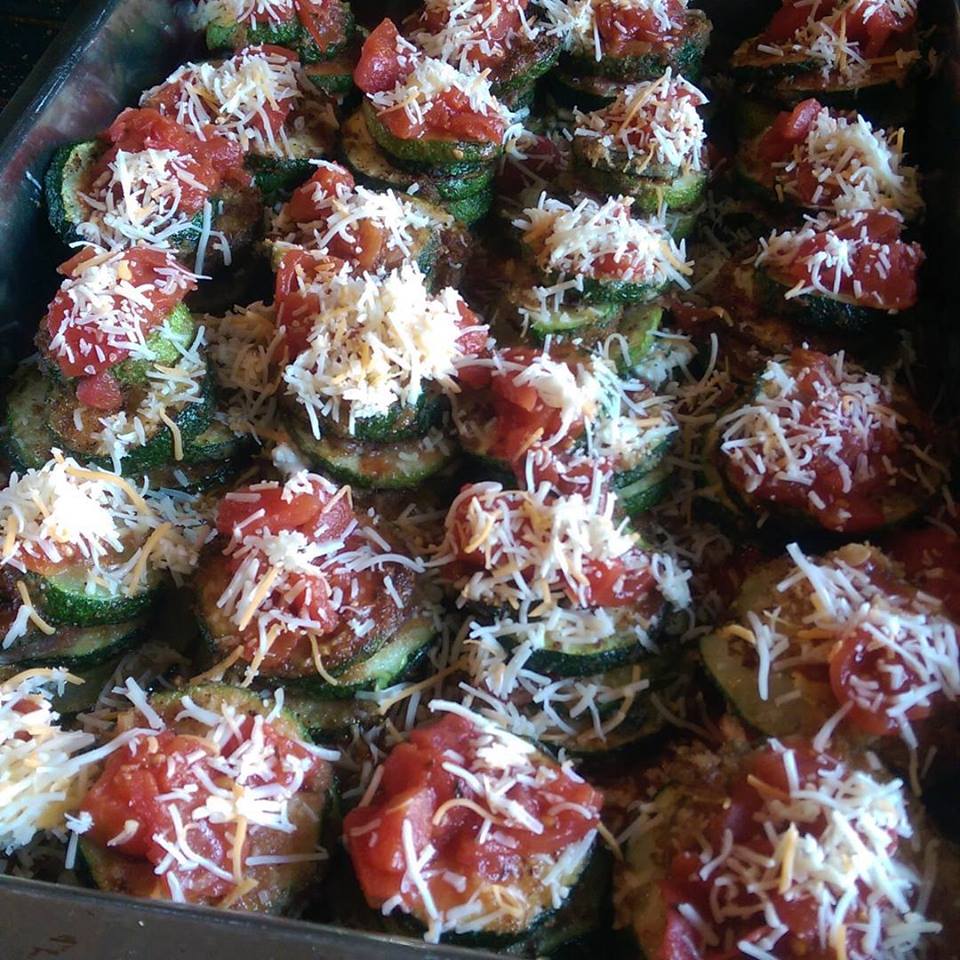
Coat the bottom of a lasagna pan with a small amount of pasta sauce, then start layering like a lasagna: zucchini, basil, cheeses, sauce, until you end up with cheese and sauce on top.

Shred the Parmesan cheese on top, cover with foil and bake for about 25 minutes.

Let it rest for about 10 minutes before serving. It’s just like lasagna, and even better the next day.

You can serve it with a salad, or a side of pasta if you prefer.

Enjoy!

Tia Maria


Portuguese explorers, traders shaped worlds palate

Hi friends, this is a great article…. enjoy it…

By Kathy Hunt, TRIBUNE MEDIA SERVICES
Sunday, July 4, 2010
Photos
click to enlarge

Pasteis de Natas
Tribune Media Services

click to enlarge

Clams a Bulhao Pato
Tribune Media Services

click to enlarge

Salt Cod and Potato Casserole
Tribune Media Services

What would global cuisine be without Portugal? Probably pretty dull.

From spices and fortified wines to seafood and various confections, this pint-sized country on the southwest tip of Europe has introduced the world to a bevy of flavors. To understand how Portugal came to have such a profound influence on what the world eats, one must remember that it was once one of the premier naval empires in the world.

Portugal’s culinary prominence began in the 15th century, when its explorers established an invaluable spice route from their homeland around Africa to India. These intrepid travelers transported a treasure trove of Eastern seasonings, including cinnamon and pepper, to the rest of the world.

The early traders didn’t stop with spices. They brought lemons and oranges from the East to Europe and Ethiopian coffee to the Americas and, most importantly, to Brazil. They also took crops such as maize, potatoes and chilies from the Americas and shipped them around the globe.

As the sailors traversed the seas, their own foods began to infiltrate the countries they visited and colonized. Portuguese pork stews inspired spicy Indian vindaloo, while battered, deep-fried fish and vegetables were the origins of Japanese tempura. Sweet, egg-based custards and salted cod likewise began popping up in the cuisines of Spain, France and Italy.

The Portuguese exerted an equal influence on the world’s taste in drink. Crisp vinho verde and sweet, fortified wines from the island of Madeira and northern Portugal’s Douro Valley won over oenophiles. Strong in alcohol content and flavor, Madeira and the Douro Valley’s port wines were consumed as apertifs, dessert wines or nightcaps.

Oddly enough, given Portugal’s role as culinary trafficker to the world, few outside the country are familiar with its cooking. It often gets confused with Mediterranean fare. Granted, both rely heavily upon olive oil and garlic. Yet, besides bordering the Atlantic Ocean and not the Mediterranean Sea, Portugal possesses a long list of unique, local, non-Mediterranean specialties.

At the top of the list is salted cod or bacalhau. Nicknamed “fiel amigo,” which means “faithful friend,” this salt-preserved fish stars countless recipes. Because of regional variations, locals say that in Portugal you can enjoy a different salt cod meal every day of the year.

This passion for bacalhau. stems from practicality. Caught by Portuguese fishermen off the coast of Newfoundland, the once-plentiful cod had to be preserved or else it would spoil on the long trip home. Salted and then sun-dried, it kept for months.

Its firm texture, non-fishy flavor and wide availability won over and kept the Portuguese populace enamored for centuries. Even a cod shortage wouldn’t end this love affair. The country now imports its bacalhau from Norway.

Bacalhau can be found at seafood and specialty shops and online from purveyors such as Portuguesefood.com. Before cooking, allow the cod to soak in fresh, cold water for 12 to 48 hours, changing the water periodically. Soaking will reconstitute the fish and diminish its saltiness.

At the other end of the taste spectrum is the ambrosial pastry known as the pastel de nata. Sweet and creamy yet endowed with a slight crunch, this small custard tart lines the windows of bakeries and coffee shops. So popular is the treat that at the Cafe Pasteis de Belem, on the outskirts of Lisbon, customers stand in line for up to 20 minutes just to order one.

What makes this pastry so delicious? Perhaps it’s the light shell. Reminiscent of puff pastry, its airy crispness provides the perfect contrast to the velvety custard.

Then again, the custard might be the key. Whipped together from fresh cream, egg yolks and sugar, the warm, luscious filling is blanketed with cinnamon and a smidgen of powdered sugar.

Pasteis de Natas

• 8 ounces light cream

• 2 large eggs

• 4 egg yolks

• 1 tablespoon all-purpose flour

• 3/4 cup granulated sugar

• 1/4 teaspoon vanilla extract

• Zest of 1/2 lemon

• 1 sheet of frozen puff pastry, thawed

• Flour, for dusting the work surface

• Cinnamon, for decorating

• Confectioner’s sugar, for decorating

To make the custard: Whisk together the cream, eggs, egg yolks, flour, sugar, vanilla and lemon zest in a medium-size saucepan. After ensuring that no lumps exist, heat the mixture over low heat, stirring the entire time. When the custard has thickened and can coat the back of a wooden spoon, remove it from the heat and allow it to cool to room temperature.

Heat the oven to 400 degrees.

Place the thawed sheet of puff pastry on a clean, lightly floured work surface. Using a floured rolling pin, roll out the pastry until it is about 1/4-inch thick. Brush water across the top and then tightly roll it so that you end up with a long cigar. Cut off the uneven ends and then slice the pastry into 12 1-inch pieces. Leave 1 piece on your work surface and refrigerate the rest until ready to use.

Lay the first slice on its side and, pressing down, shape it into a 4-inch circle. Fit the pastry over the bottom and sides of a non-stick muffin cup. Repeat these steps for the remaining 11 pastry pieces.

Spoon the custard into the muffin cups. Smooth out the tops and then bake the pasteis de natas until they are golden brown, for about 15 minutes. Remove them from the oven and allow them to cool in their pans. Dust the tops with cinnamon and confectioners’ sugar. Serve warm.

Makes 12 servings.

Clams a Bulhao Pato

Named for the 19th-century Lisbon poet and gourmand Bulhao Pato, this clam dish can be used as a first course or a light meal. Before cooking the clams, remember to discard those with broken or open shells.

• 1/2 cup olive oil

• 4 cloves garlic, chopped

• 1/4 cup dry white wine

• Freshly ground black pepper, to taste

• 4 dozen small clams, preferably Littlenecks or Manila, scrubbed and rinsed

• Juice of 1/2 lemon

• 1/4 cup cilantro, chopped

In a large, lidded saute pan, heat the olive oil over medium heat. Add the garlic and saute until slightly golden. Pour in the wine, black pepper and clams. Place the lid on the pan and cook for 5 to 10 minutes, until the clams have opened. At this point, remove any clams that did not open.

Spoon equal amounts of Clams a Bulhao Pato into 4 to 6 bowls. Sprinkle the lemon juice and cilantro over the clams. Serve with crusty white bread.

Makes 4 to 6 servings.

Salt Cod and Potato Casserole

This recipe was adapted from Jean Anderson’s “The Food of Portugal” (William Morrow, 1986).

• 1 tablespoon unsalted butter, plus more for greasing casserole

• 1 pound salt cod, soaked in water for a minimum of 12 hours and then drained

• 6 cups boiling water

• 4 tablespoons olive oil, divided

• 1 yellow onion, thinly sliced

• 1 clove garlic, minced

• 2 pounds new potatoes, peeled, boiled until just tender and thinly sliced

• 1/4 teaspoon ground white pepper

• 1/3 cup parsley, minced

• 2 tablespoons grated parmesan cheese

• 1/2 cup bread crumbs, lightly toasted under the broiler

Heat the oven to 350 degrees. Butter a 2-quart casserole or baking dish.

Place the cod in a saucepan, pour the boiling water over it and then simmer over moderate heat for 10 minutes, until a fork can flake the fish. Drain and rinse the cod and then flake it into small pieces, removing any skin or bone that might come with the fish.

In a large saute pan, melt the butter and 1 tablespoon olive oil. Add the onion and saute until golden, for about 10 minutes. Place the onions in a bowl and then add the remaining 3 tablespoons olive oil, the garlic and the sliced potatoes to the pan. Cook for 5 minutes.

Place half the potatoes in the buttered dish and season them with a bit of pepper and a bit of the parsley. Spoon in half the onion and then the cod. Repeat. Sprinkle the top layer with the grated cheese and bread crumbs and any remaining ground pepper.

Bake uncovered for 35 to 40 minutes or until brown on top. Scatter the leftover parsley over the top and serve.

Makes 6 servings.

Zucchini Corn Bread

Hi Friends….It’s zucchini season….

My garden is doing great this year and I hope yours is too.

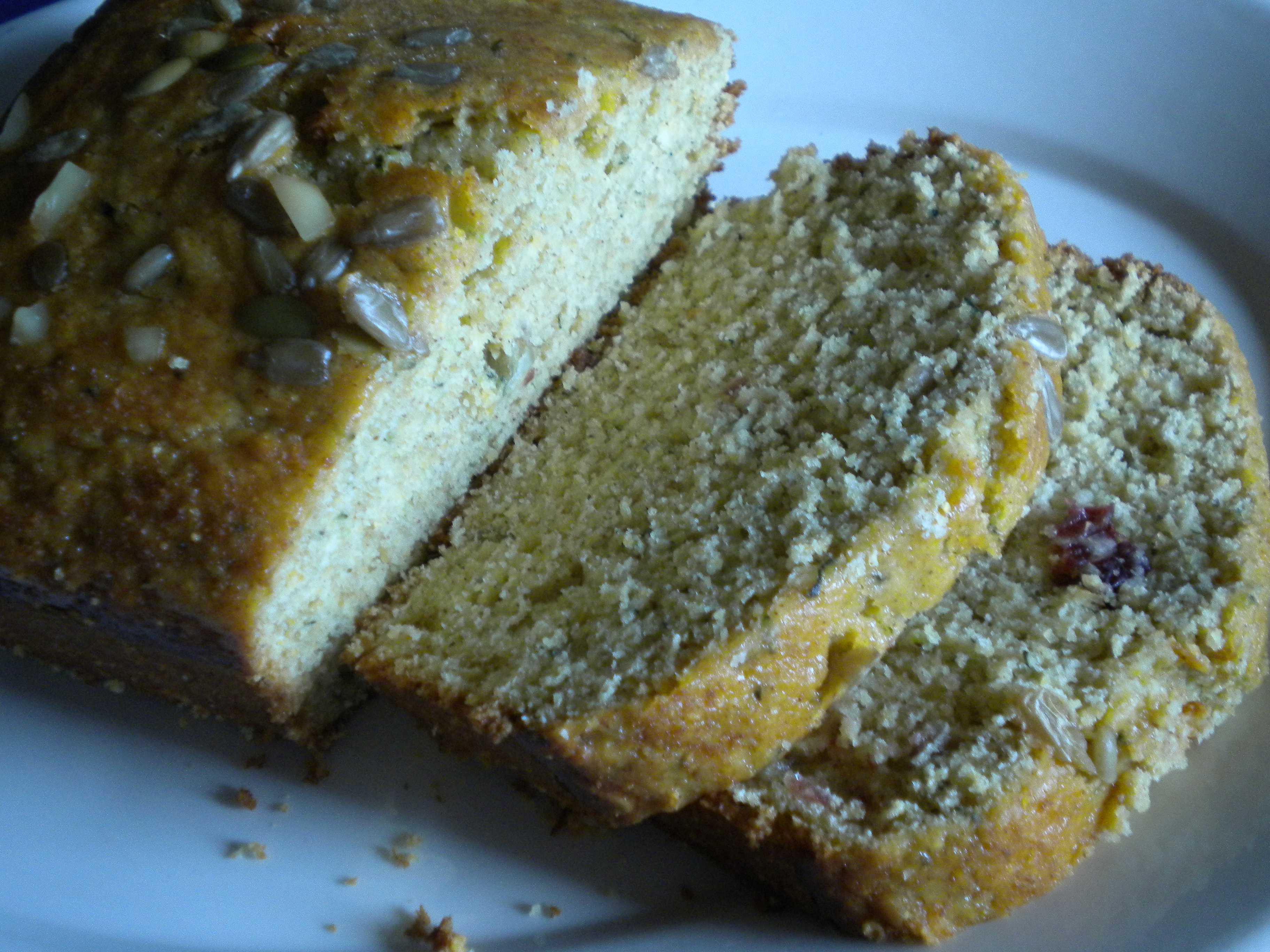
I have a huge bounty of zucchini so I’m sharing my Zucchini Corn Bread Recipe with all of you.  This recipe is easy to prepare, and it uses basic ingredients in your pantry. It takes no butter or oil, so it’s low fat.  I used lemon yogurt for moistness.

Go out to your local farmers market and get some zucchini……

Ingredients:

2 packages Jiffy Corn Muffin mix

1 cup flour

1 cup sugar

3 eggs

3 cups shredded zucchini

1 tsp lemon juice

1 tsp crated lemon peel

1 tsp cinnamon

1 small container plain low fat lemon yogurt

1 cup mixed chopped nuts and dried berries ( any variety)

I used chopped dried cranberries, sunflower seeds and almonds.

Makes 2 loaves

Mix : eggs and sugar until sugar is dissolved then add the zucchini, lemon juice, lemon peel.

Mix dry ingredients(flour, corn mix, cin, )

Add the dry ingredients to the zucchini mixture.

Add 3/4 cup of  the nuts and all the berries and mix well

Pour into 2 greased loaf pans

Sprinkle remaining nuts on top of the batter

Cook for about 45 minutes at 350 degree or until golden brown

Let cool before serving.

Bye, Tia Maria

The New Portuguese Table awarded IACP’s Julia Child award

new_portuguese_table_cover-225x300

The New Portuguese Table by David Leite has won the 2010 International   Association of Culinary Professionals’ First Book | Julia Child Award

Visit the Leite’s Culinaria website to read great reviews by newspapers such as The New York Times, Bon Appetite, The Miami Herald and other great members of the culinary press.

leitesculinaria.com/the-new-portuguese-table

Get yourself a copy and start cooking Portuguese!

Bye, Tia Maria